
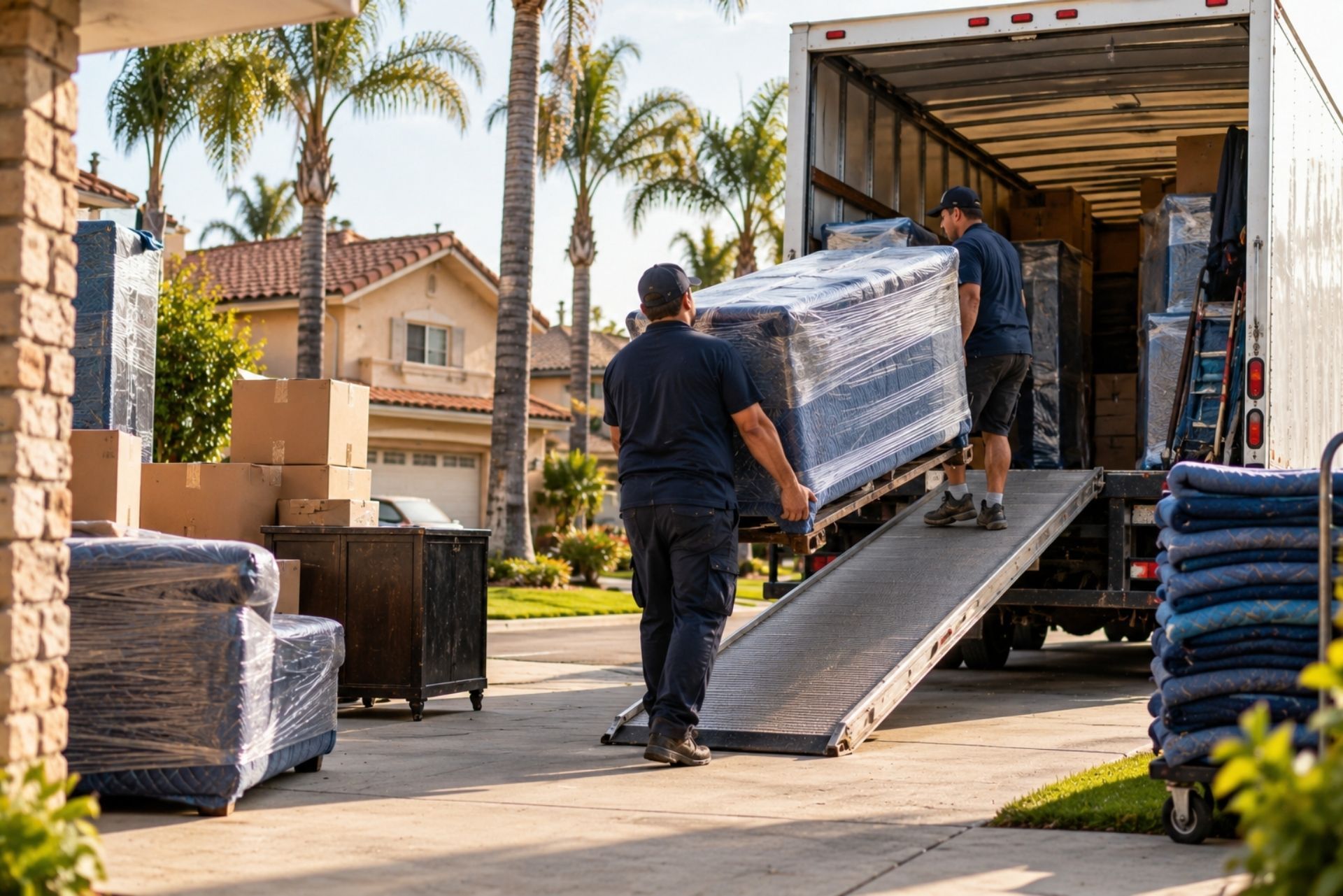
A crew loads a client's grand piano onto a truck in a Santa Ana driveway. Two hours later, on the 55, a sudden brake check sends the piano into the bulkhead and cracks the soundboard. The client wants $18,000. The mover's owner discovers that his policy covers the truck and third-party injuries but has nothing for the goods inside. That gap is what this guide is about.
Insurance for a moving and storage company in Santa Ana, CA rests on several pieces that have to fit together. Cargo legal liability, commercial auto, warehouse storage coverage, CPUC permit filings, workers' compensation, and cost control each address a different exposure. If any one of them is missing, a single bad week can end the business.
Below is how each piece works, where Orange County movers tend to get caught out, and what drives your premium.
Santa Ana sits at the center of Orange County's freight corridor. The I-5, the 55, the 22, and the 405 all pass within a few miles of downtown. That central location is good for business, but it also means heavier traffic, more freeway miles, and more claims than a mover based in a quieter inland market would usually see.
Local rules have changed recently, too. As of July 1, 2026, Santa Ana moved all permit and business license tax filings to the Accela Citizen Access system. If you renewed the old way last year, expect a different process this time. The initial registration fee for a new Santa Ana business license runs about $241. That is a small cost, but carriers often ask for proof of a current license at binding.
The insurance side sits on three layers of oversight:
- State: The California Public Utilities Commission (CPUC) licenses household goods carriers and sets minimum insurance filings.
- Federal: FMCSA rules apply if you cross state lines, for example on a run to Las Vegas or Phoenix.
- Contractual: Commercial clients, property managers, and storage tenants often require limits above the legal minimums.
The legal minimum is not the main risk. The bigger danger is a policy stack that meets the filing requirement but leaves the gaps that actually bankrupt movers, such as damaged goods, injured helpers, and warehouse fires.

By: Mark Raby
Chief Executive Officer at Champion Risk & Insurance Services
Core Coverage: Commercial Auto and Cargo Legal Liability
These two policies do most of the work for a mover. Commercial auto protects the trucks and the public around them. Cargo legal liability protects the client's belongings while they are in your care.
Protecting the Fleet on Orange County Freeways
California moving companies have to carry at least $600,000 Combined Single Limit (CSL) for public liability and property damage. Treat that number as a starting point. A multi-vehicle collision on the 405 involving a box truck can produce injury claims well beyond $600,000, and anything above your limit comes out of the business.
Most established movers in Orange County carry $1 million in auto liability and add an umbrella policy on top. Commercial contracts with office relocation clients and property managers often require that level anyway.
A few auto details that cause trouble at claim time:
- Hired and non-owned auto: This covers a rented truck during peak season or an employee running an errand in a personal car. Without it, you have no coverage for those vehicles.
- Scheduled drivers: Some carriers exclude unlisted drivers. If your new helper drives the truck and isn't on the schedule, the claim can be denied.
- Physical damage: Comprehensive and collision coverage for the trucks themselves is separate from liability. Leased trucks almost always require it.
Driver quality affects your rate more than nearly anything else. Champion Risk works with moving clients on driver training programs and MVR review standards, and both carriers and underwriters factor those into pricing.
Cargo Legal Liability vs. Traditional Property Insurance
Many owners get this wrong. A standard commercial property policy covers your own property: your trucks, dollies, pads, and office equipment. It does not cover a client's sofa, which is the item you are most likely to damage on a given day.
Cargo legal liability (also called motor truck cargo or household goods legal liability) pays when you are legally responsible for loss or damage to customer goods in transit. "Legally responsible" is the key phrase. If a box arrives crushed because your crew stacked it badly, you're liable. If the client packed a lamp in a bag with no padding and signed a release, you may not be.
Read the exclusions closely. Common ones include:
- Unattended vehicles, which matters in Santa Ana if a loaded truck sits overnight in a lot
- Jewelry, cash, and fine art above a sublimit
- Mysterious disappearance with no evidence of theft
- Mechanical or electronic failure of items that show no external damage
Documentation is your best defense against inflated claims. Record condition on the Bill of Lading, and take photos and timestamped video of high-value pieces before loading. A claim for a "brand-new" dresser falls apart when your video shows the existing gouge on the left drawer.
Warehouse Legal Liability for Santa Ana Storage Facilities
Once goods move off the truck and into your warehouse, cargo coverage usually stops applying. Warehouse legal liability takes over. It covers customer property in your storage facility against fire, water damage, theft, and mold, in cases where you are found negligent.
Storage-in-Transit (SIT) is the most common situation. A family's home sale closes before their new place is ready, so their belongings sit in your vault for 30 to 90 days. Your policy needs to state clearly when transit ends and storage begins, and whether SIT falls under the cargo form or the warehouse form. Movers get hurt when each policy points to the other and neither pays.
Space costs keep rising. Orange County warehouse asking rents reached $1.52 per square foot (NNN) in Q2 2026. As a result, many operators are packing more vaults into less square footage. Denser storage means a single sprinkler failure can damage more customer goods, and your limit should reflect that increased concentration.
If you plan to expand or build, note that Assembly Bill 98 took effect January 1, 2026, setting design standards and setbacks from schools and parks for new or expanded logistics and storage sites. Construction timelines and site requirements affect your builder's risk and property coverage, so involve your broker early in the planning.
Customers sometimes buy separate third-party storage or moving insurance. That's useful, but it doesn't replace your legal liability coverage. Their insurer can still pursue you through subrogation if your negligence caused the loss.
Compliance with California Public Utilities Commission (CPUC) Permits
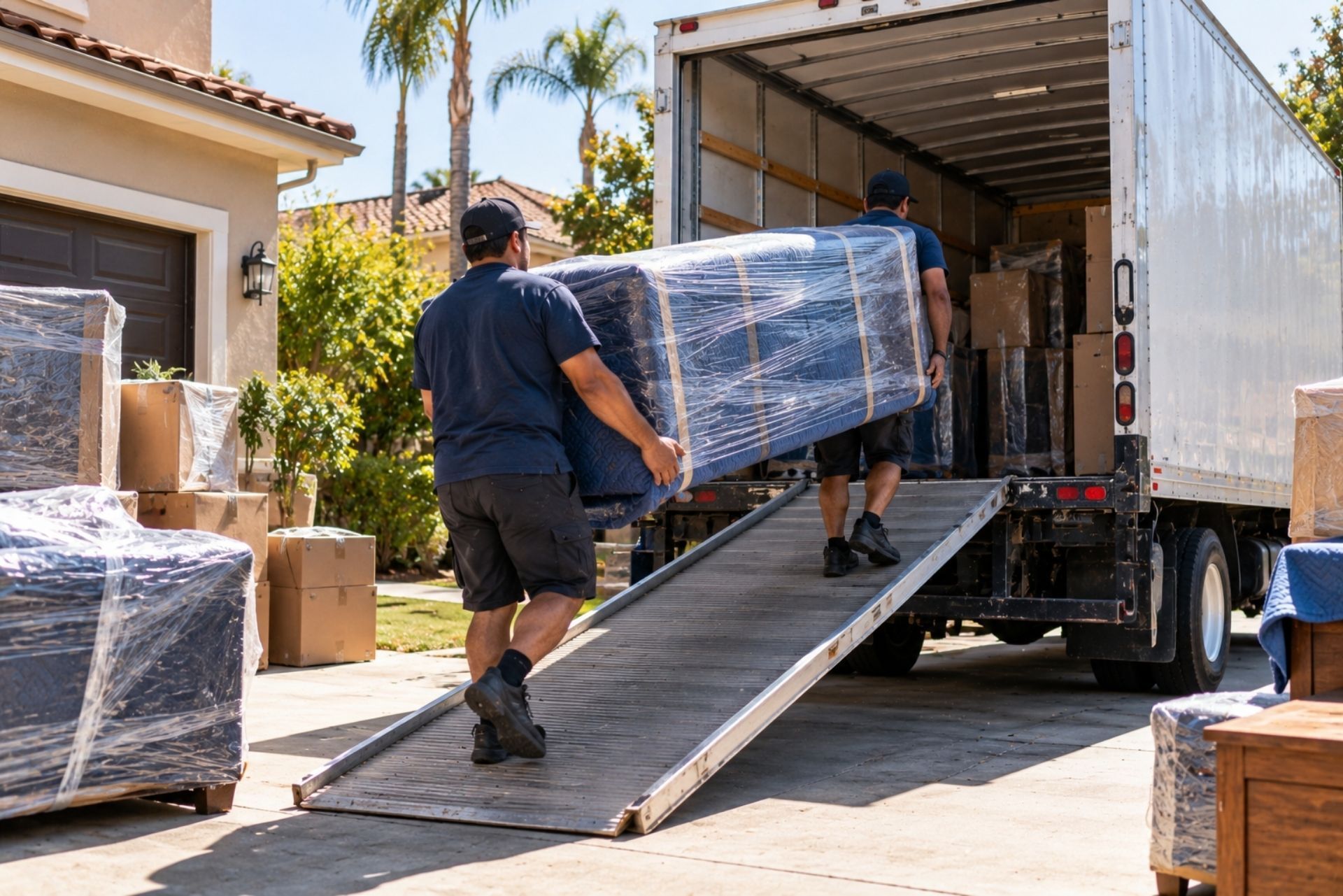
Operating as a household goods carrier in California without CPUC authority is illegal. It also makes your business very hard to insure, because legitimate carriers won't write coverage for an unpermitted operation.
Required Filing Limits for Household Goods Carriers
The CPUC requires proof of insurance on file before it issues or renews your permit. Your insurer files the evidence directly. The filings typically include:
- Public liability and property damage: at least $600,000 CSL
- Cargo coverage: proof of protection for household goods in your possession
- Workers' compensation: a certificate, or a declaration that you have no employees (which a working moving company rarely qualifies for)
If a policy cancels for nonpayment, the carrier notifies the CPUC, and your permit can be suspended. That is a common way small movers lose their authority. A missed premium payment in January can mean a suspended permit by February and lost bookings during the spring rush. Set up autopay or premium financing with a cushion.
The Role of the MTR Permit in Santa Ana Operations
Most household goods carriers also need a Motor Carrier Permit (MCP) through the DMV. The CPUC household goods permit covers the consumer-protection side: tariffs, estimates, and liability disclosures. The MCP covers the motor carrier side. Insurers will ask for both numbers, and a mismatch between your legal entity name on the permits and on the policy can delay filings by weeks.
For Santa Ana operators, the city business license, the CPUC permit, and your insurance declarations should all show the same legal name and address. It sounds simple, yet it is one of the most common reasons a CPUC filing gets rejected.
Consumers check these details too. Red flags people watch for include unmarked trucks, crews without uniforms, quotes far below market, and no local physical address. Legitimate movers who display their CPUC number prominently tend to win more of those bookings.
Workers' Compensation for the Moving Industry
Moving is among the most physically demanding trades in the state, and California workers' comp rates reflect that. Carrying a refrigerator down three flights of stairs in a Santa Ana apartment complex in August puts real strain on backs, knees, and shoulders.
The claims we see most often:
- Lower back strains from lifting, which are the most frequent and often lead to long, expensive treatment
- Crushed fingers and hands from doorways, ramps, and liftgates
- Falls from truck beds and loading docks
- Cumulative trauma claims, which California allows and which are frequently filed after a termination
The biggest mistake is misclassification. Paying helpers as 1099 contractors doesn't work under California's ABC test. Workers who move furniture for a moving company are almost certainly employees. If one gets hurt and you have no comp, you face the medical bills, penalties, and possible stop orders from the state.
Payroll classification matters on legitimate policies as well. Office staff, estimators, and movers fall under different class codes. If all payroll is reported under the mover code, you overpay. If movers are reported as clerical, the audit will catch it and send you a large back-premium bill.
A return-to-work program, written lifting procedures, and equipment such as stair climbers and shoulder dollies all lower your experience modification over time. Champion Risk helps moving clients put these programs in place and reviews loss runs before renewal, so a bad year doesn't follow you longer than it has to.
Comparing Coverage Levels and Policy Types
Here is how basic, adequate, and strong programs typically compare for a Santa Ana mover with a few trucks and a storage facility.
| Coverage | Bare Minimum | Solid Program | Strong Program |
|---|---|---|---|
| Auto liability | $600,000 CSL | $1M CSL | $1M plus umbrella |
| Cargo legal liability | Minimum filing amount | Matches typical load value | Matches highest-value load |
| Warehouse legal liability | None | Per-location limit | Limit tied to full vault value |
| Workers' comp | Statutory | Statutory plus correct class codes | Plus safety and return-to-work programs |
| General liability | Often skipped | $1M per occurrence | $1M plus umbrella |
| Hired and non-owned auto | Missing | Included | Included |
| Commercial client contracts | Usually fails requirements | Meets most | Meets nearly all |
The bare minimum keeps your permit active, and that is about all it does. A single serious cargo claim or warehouse loss on that program can be enough to close the business.
Customers should know about their own options as well. Homeowners and renters policies often limit coverage for items in transit and may require coverage at both addresses during the move. Credit card purchase protection generally excludes household moves. Explaining this at the estimate stage builds trust and cuts down on angry calls after a loss.
Factors Influencing Insurance Costs for Local Movers
There's no reliable flat price for moving company insurance, and anyone who quotes one without seeing your operation is guessing. Premiums depend on a few main inputs:
- Number and value of trucks, and annual mileage
- Driver ages, MVRs, and years of experience
- Payroll by class code
- Local versus long-haul versus interstate operations
- Storage square footage, construction type, and sprinkler and alarm systems
- Cargo limits and the value of what you typically haul
Santa Ana's location generally pushes auto rates above those in rural California, since freeway density and litigation trends in Southern California both play a role.
How Claims History Impacts Your Premiums
Underwriters look at three to five years of loss runs. Frequency often worries them more than severity. Ten small cargo claims tell them your crews are careless, while one large fire looks more like bad luck.
Paying small claims out of pocket can help, but only if it's done properly. Report incidents to your broker anyway, since late notice can void coverage if a "small" claim grows. If you have a high claims count, show the corrective action you took, such as new packing standards, crew retraining, or dashcams. Those changes can move an underwriter's decision.
The Hidden Costs of Under-Insuring Your Equipment
Many movers insure trucks at an old purchase price. When a 2022 box truck is totaled, an actual cash value settlement may fall well short of the cost of a replacement in 2026's market. The difference comes out of your pocket, and losing a truck in peak season also costs bookings.
The same applies to pads, dollies, liftgates, and vault containers. Add inland marine or contractor's equipment coverage, and update your values every year at renewal.
Common Questions About Moving Business Insurance
Do I really need cargo insurance if my auto policy is good? Yes. Auto insurance covers the truck and other people. It doesn't cover the customer goods inside.
What deductible should a small moving company pick? Choose one you could pay three times in a year without stress. Higher deductibles lower premiums, but frequent cargo claims can make a high deductible cost more overall.
Does my cargo policy cover theft from a parked truck? Often only if the truck was locked and attended, or parked in a secured area. Many policies exclude theft from unattended vehicles.
Is storage-in-transit covered under my cargo policy? It depends on the policy wording. Some cargo forms cover SIT for a set period, while others push it to warehouse liability. Confirm this before you store anyone's goods.
Can I hire helpers as contractors to avoid workers' comp? In California, that almost never holds up. Movers working under your direction are generally treated as employees.
What happens if my insurance lapses? Your insurer notifies the CPUC, and your household goods permit can be suspended until you file new proof of coverage.
Making the Right Choice for Your Santa Ana Business
Protecting a Santa Ana moving and storage operation comes down to a few things. Meet the CPUC filings, then build past them. Make sure cargo and warehouse liability connect with no gap during storage-in-transit. Classify payroll correctly, carry real auto limits, and document goods before every load.
Ask your current broker to walk you through what happens, step by step, if a loaded truck catches fire overnight in a Santa Ana lot. If they can't answer clearly, your program has gaps.
Champion Risk has built insurance programs for moving and storage companies since 2004, including policy structuring, risk audits, and driver training. If you want a second opinion on your current coverage or a quote before renewal, reach out to the team and bring your loss runs. Spending an hour on it now costs far less than discovering a gap the day a client files a claim on their piano.
About the Author:
Mark Raby
I am a seasoned insurance professional with over 30 years of experience in the industry. I lead Champion Risk & Insurance Services, a San Diego-based brokerage with nationwide reach and strong influence in the insurance marketplace. My core competencies include insurance agency M&A deals, captives and alternative risk structures, and commercial property and casualty insurance for clients in the transportation and logistics industries. I am a former president of IIAB San Diego and hold a Bachelor of Science in Finance from Western Michigan University’s Haworth College of Business.
Protection for Transportation Operations
Business Insurance for Transportation & Logistics Companies
Coverage designed specifically for transportation businesses
Commercial Auto & Trucking
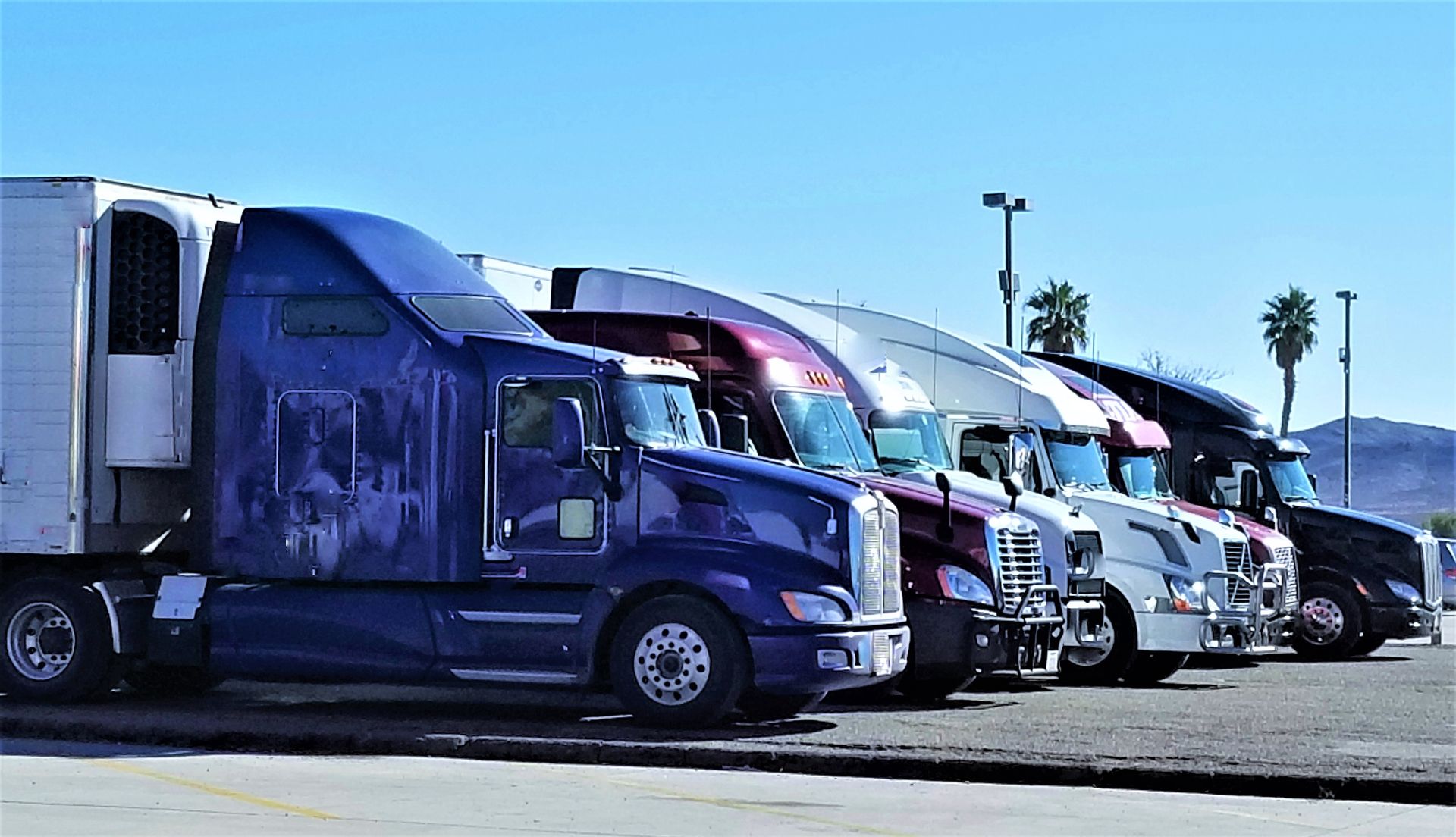
Protection for your fleet including box trucks, moving vans, and trailers. Covers liability, collision, physical damage, and hired or non-owned vehicles used in your operations.
Motor Truck Cargo
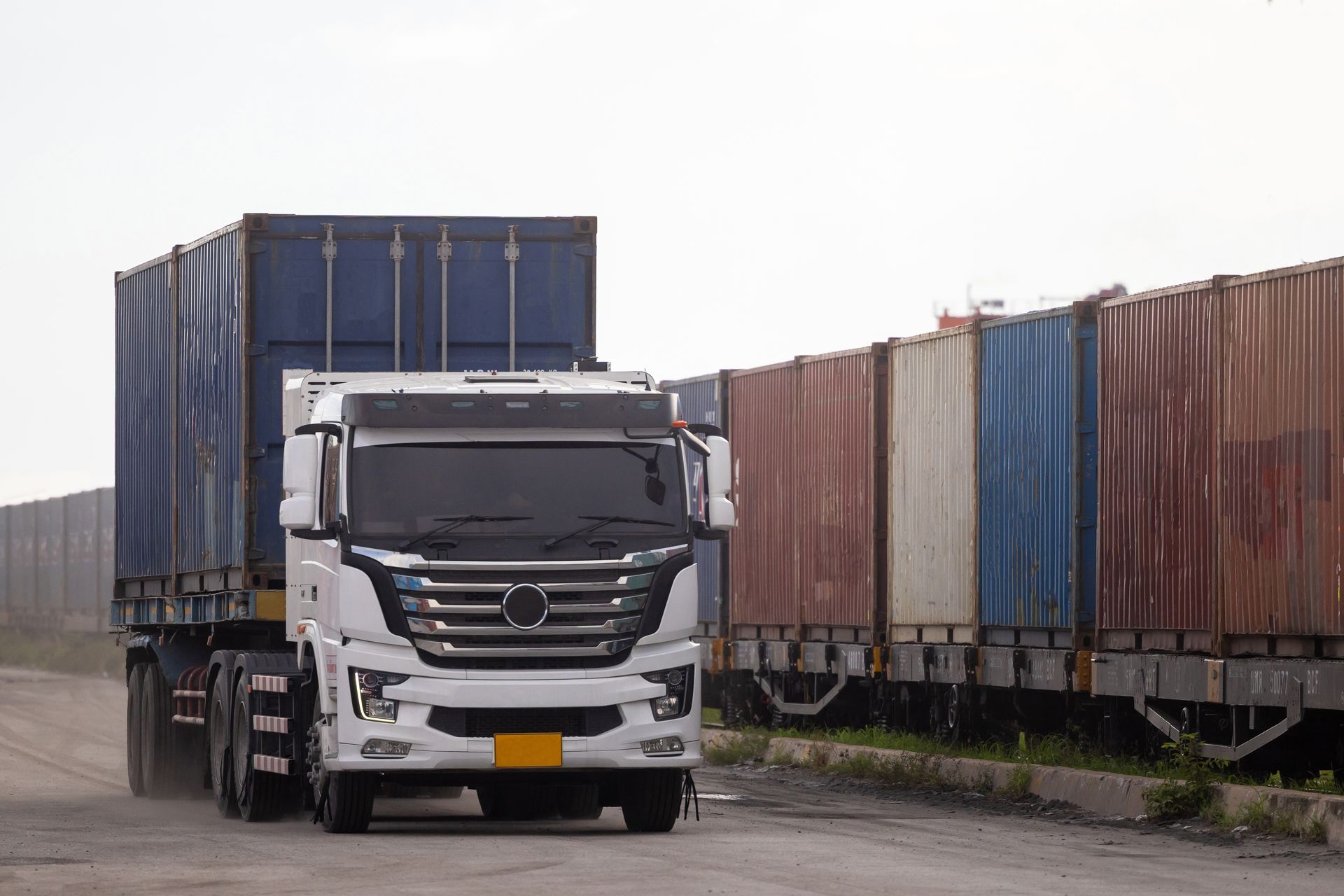
Covers household goods and freight during transport from pickup to delivery. Protects against damage, theft, mysterious disappearance, and weather-related losses while cargo is in your care.

General Liability
Protection from third-party claims for bodily injury and property damage at customer homes, job sites, and your own facility. Essential coverage for every transportation operation

Warehouse Legal Liability
Coverage for customer property while stored in your facility. Protects against damage, theft, fire, and water damage to goods in your care, custody, or control.

Workers' Compensation
Medical care and wage replacement for employees injured on the job. Required in most states for transportation and warehouse work where physical labor creates higher injury risk.

Umbrella & Excess Liability
Higher liability limits stacked on top of your primary policies. Helps meet large contract requirements and protects your business assets against major claims and lawsuits.
Specialized Knowledge
Industries We Protect
Focused coverage for transportation and logistics businesses

Simple and Clear
How Our Process Works
Our process to get you covered
Connect With Us
Reach out through our form or by phone to share your business needs and current coverage situation.
Get Coverage Options
We review your risks, compare carriers, and present clear quotes with plain-language explanations.
Stay Protected
You choose your plan, and we provide ongoing support for certificates, claims, and renewals.
Trusted by Businesses
Feedback That Reflects Service and Reliability
What our clients say about working with Champion Risk
Answers You Need
Frequently Asked Questions
Common questions about transportation and logistics insurance




What insurance does a transportation company need to operate legally?
Motor carriers that cross state lines must meet FMCSA requirements. You need a minimum of $750,000 in liability coverage, plus a BMC-91 filing that proves your insurance to the federal government. Cargo coverage is also required, with minimums that depend on the type of goods you transport.
Intrastate operators follow state-specific rules. California, Texas, and Florida each have different requirements. Champion Risk handles both federal and state filings. We make sure your coverage meets legal minimums and your certificates reach the right agencies.
How much does commercial transportation insurance cost?
Premiums depend on your fleet size, driving records, cargo values, and claims history. A small operation with two trucks might pay $8,000 to $15,000 per year. A larger carrier with ten trucks could pay $50,000 to $100,000 or more.
The best way to control costs is working with a broker who knows transportation insurance. We find carriers that specialize in your exact operation type. This often results in better rates than going direct or using a general agent who doesn't understand the industry.
What is a BMC-91 filing and why do I need one?
A BMC-91 is a form your insurance company files with the FMCSA. It proves you carry the required liability coverage to operate as a for-hire motor carrier. Without an active BMC-91, your operating authority can be revoked.
Champion Risk works with carriers who file electronically. Your BMC-91 typically posts within 24 to 48 hours of binding coverage. We monitor your filing status and alert you if anything needs attention.
Does my warehouse or storage facility need different insurance than a trucking operation?
Yes. Storage facilities need warehouse legal liability coverage. This protects you when customer property is damaged or stolen while in your care. Standard general liability policies exclude this exposure.
You may also need property coverage for your building, equipment breakdown protection, and business income coverage if a fire or disaster shuts down operations. Champion Risk builds storage facility programs that address all these risks in one package.
Can you insure last-mile delivery drivers who use their own vehicles?
Yes. We offer hired and non-owned auto coverage for delivery operations that use independent contractors or employees driving personal vehicles. This fills gaps that personal auto policies don't cover during commercial use.
We also provide occupational accident coverage for 1099 drivers who aren't eligible for workers' comp. This protects your drivers and limits your liability exposure when accidents happen.
How fast can I get proof of insurance for a new contract?
Same day in most cases. Once we bind your policy, we issue certificates of insurance within hours. If your contract requires specific additional insured language or special endorsements, we coordinate directly with the carrier.
Rush requests happen often in this industry. General contractors and corporate clients demand certificates before they let you on site. Champion Risk prioritizes fast turnaround because we know your revenue depends on it.
Answers You Need
Transportation & Logistics Insurance Resources
Articles designed to inform and support your business
Contact Us
Phone Number:
Email Address:
Location:
12264 El Camino Real, Suite 350
San Diego, CA 92130
Hours:
Monday – Friday: 8:00 AM – 6:00 PM PT