
Buffalo's moving and storage companies face a unique combination of challenges that most insurance agents outside Western New York simply don't understand. Between lake-effect snowstorms that can dump four feet of snow overnight, the constant freeze-thaw cycles that destroy roads and damage cargo, and the tight profit margins that define this industry, getting insurance right isn't optional: it's survival.
Here's what makes this region different. A moving company operating out of Erie County deals with weather patterns that can shift from clear skies to whiteout conditions in under an hour. Your trucks are navigating some of the most punishing winter roads in the country, your workers are handling furniture on icy driveways, and your storage facilities need to withstand temperature extremes that would surprise movers in milder climates.
The regulatory environment adds another layer of complexity. Movers registered with the New York Commissioner of Transportation must carry insurance meeting the state's mandatory minimum of $1,500,000 in liability coverage, according to Zensurance. That's significantly higher than many other states, and it's just the starting point for building adequate protection.
I've seen too many Buffalo moving companies piece together coverage from agents who treat them like any other trucking operation. They end up with gaps that only become apparent after a claim gets denied. The goal here is to help you understand exactly what coverage you need, what it should cost, and how to avoid the mistakes that sink otherwise profitable operations.


By: Mark Raby
Chief Executive Officer at Champion Risk & Insurance Services
Essential Insurance Coverages for Moving Companies in WNY
Running a moving and storage operation in Buffalo requires a layered approach to insurance. You're not just protecting trucks: you're protecting other people's belongings, your employees, your facilities, and your ability to stay in business when something goes wrong.
Cargo and Legal Liability for Goods in Transit
Your customers are trusting you with their possessions, often including irreplaceable items with sentimental value that far exceeds their market price. Cargo insurance protects the goods you're transporting, while legal liability coverage addresses your responsibility when items are damaged or lost.
Full Value Protection typically costs 1% to 2% of the shipment's total value, as noted by Techinsurance. For a $50,000 household move, that translates to $500-$1,000 in coverage costs. The alternative, released value protection at 60 cents per pound, leaves customers dramatically undercompensated and exposes your reputation to serious damage when high-value items get broken.
Most claims I've seen in this region involve water damage from leaking trucks during spring thaws, items shifting during sudden stops on icy roads, and damage from temperature fluctuations in storage. Your policy needs to address all three scenarios specifically.
Warehouse Legal Liability for Storage Facilities
If you operate storage facilities alongside your moving services, warehouse legal liability coverage is non-negotiable. This protects you when stored items are damaged by fire, theft, water intrusion, or other covered perils while in your care.
Buffalo's climate creates specific storage risks. Roof collapses from heavy snow loads happen more often than facility owners expect. Frozen pipes can burst and flood entire units. Champion Risk works with moving and storage companies to identify these regional exposures and structure coverage that actually responds when claims occur.
Commercial Auto and Fleet Protection for Buffalo Winters
Your trucks are your business, and they're operating in one of the harshest environments for commercial vehicles. Commercial auto insurance averages $876 per month according to Insureon, but that figure varies dramatically based on your fleet size, driver records, and the routes you travel.
Winter operations in Buffalo demand higher liability limits than the state minimums. A multi-vehicle accident on the I-90 during a lake-effect storm can generate claims that exhaust minimum coverage in minutes. Consider umbrella policies that provide additional protection above your primary auto limits.
New York State Regulatory Requirements and Compliance
New York doesn't make it easy on moving companies. The regulatory requirements are extensive, the penalties for non-compliance are steep, and the paperwork never seems to end.
NYSDOT Insurance Filings and Licensing
Every moving company operating in New York must register with the NYSDOT and maintain specific insurance filings. This includes filing proof of insurance directly with the department, maintaining those filings continuously, and updating them whenever your coverage changes.
The $1,500,000 liability minimum applies to registered movers, but your actual coverage needs often exceed this floor. Interstate operations trigger additional federal requirements through the FMCSA, including BOC-3 process agent filings and MCS-90 endorsements on your auto policies.
Missing a filing deadline or letting coverage lapse, even briefly, can result in suspended operating authority. I've watched companies lose weeks of revenue while scrambling to reinstate their credentials after a simple administrative oversight.
Workers' Compensation and Disability Benefits Law
New York requires workers' compensation coverage for virtually all employees, with no exceptions for small moving companies. Workers' compensation insurance in New York can cost around $302 per month for a moving business with two employees, per Zensurance. That cost scales with your payroll and your experience modification rate.
The state also mandates disability benefits coverage, which provides partial wage replacement for off-the-job injuries and illnesses. Both coverages must be obtained through authorized carriers, and proof of coverage must be posted at your workplace.
Moving is physically demanding work with injury rates that exceed most other industries. Your workers' comp costs will reflect that reality, but proper safety programs can significantly reduce your experience mod over time.

Factors Influencing Insurance Costs for Buffalo Movers
Understanding what drives your premiums helps you make smarter decisions about coverage and operations. Insurance pricing isn't arbitrary: it reflects specific risk factors that you can often influence.
Impact of Service Radius and Interstate vs. Intrastate Operations
A company handling local moves within Erie County faces different risks than one running household goods across state lines. Interstate operations require federal authority, higher coverage limits, and policies that respond across multiple jurisdictions.
General liability insurance for moving companies averages around $120 per month according to Insureon, but that baseline shifts significantly based on your operational scope. Long-haul operations typically pay more due to increased exposure time and the complexity of multi-state claims.
Champion Risk helps Buffalo movers analyze whether expanding their service radius makes financial sense after accounting for the additional insurance costs. Sometimes the math works; sometimes it doesn't.
Claim History and Safety Records in Erie County
Your loss history follows you. Insurance carriers look at your claims over the past three to five years when pricing coverage, and a pattern of frequent claims, even small ones, signals higher future risk.
"Companies that stay proactive, document their risk controls, and lean into technology consistently secure better pricing and terms," notes
Kyle Dean, President & CEO of Dean & Draper.This insight applies directly to Buffalo operations where documented winter safety protocols can differentiate you from competitors with similar claim histories.
You have more control over your insurance costs than you might think. The companies paying the lowest premiums aren't just lucky: they're actively managing their risk profiles.
Implementing Safety Protocols and Driver Training
Formal safety programs reduce claims, and reduced claims lower premiums. This isn't theoretical: carriers offer concrete discounts for documented training programs, telematics systems that monitor driver behavior, and written protocols for high-risk situations.
For Buffalo operations, winter driving training is essential. Your drivers need specific instruction on handling loaded trucks in snow, recognizing black ice conditions, and making safe decisions about whether to delay moves during severe weather. The short-term cost of a delayed move beats the long-term cost of a serious accident claim.
Equipment maintenance matters too. Trucks with worn brakes or bald tires create liability exposure that extends beyond the immediate accident to questions about your operational practices.
Choosing the Right Deductibles and Coverage Limits
Higher deductibles lower your premiums, but they also increase your out-of-pocket costs when claims occur. The right balance depends on your cash reserves and your risk tolerance.
| Coverage Type | Typical Deductible Range | Premium Impact |
|---|---|---|
| Cargo | $500-$2,500 | 10-25% reduction |
| Commercial Auto | $1,000-$5,000 | 15-30% reduction |
| General Liability | $500-$2,500 | 5-15% reduction |
Coverage limits work the opposite direction. Higher limits cost more but protect you from catastrophic losses that could end your business. Champion Risk recommends analyzing your actual exposure before selecting limits: a formula based on fleet size and annual revenue often produces more appropriate coverage than simply meeting state minimums.
Frequently Asked Questions
What's the minimum insurance required to operate a moving company in Buffalo? New York requires $1,500,000 in liability coverage for registered movers, plus workers' compensation and disability benefits coverage for all employees.
How much does commercial auto insurance cost for a small moving fleet? Expect around $876 per month on average, though your actual cost depends on fleet size, driver records, and claims history.
Does my cargo insurance cover items damaged by weather during storage? Cargo insurance typically covers goods in transit. Stored items require separate warehouse legal liability coverage.
Can I reduce my workers' comp costs with a safety program? Yes. Documented safety programs and a clean claims history lower your experience modification rate, which directly reduces premiums.
Do I need different insurance for interstate moves? Interstate operations require federal motor carrier authority and typically higher coverage limits than intrastate-only moves.
Making the Right Choice for Your Business
Getting moving and storage company insurance right in Buffalo means understanding both the regulatory requirements and the regional risks that generic policies often miss. The combination of harsh winters, strict New York regulations, and the physical demands of the moving industry creates an insurance environment where expertise matters.
Start by documenting your current operations, including service radius, fleet details, storage facilities, and employee count. Review your claims history and identify patterns you can address through better training or equipment. Then work with a broker who understands the Buffalo market and can structure coverage that protects your specific operation.
Champion Risk specializes in helping moving and storage companies build insurance programs that actually work when claims happen. Reach out for a coverage review that addresses your real exposures, not just the state minimums.
About the Author:
Mark Raby
I am a seasoned insurance professional with over 30 years of experience in the industry. I lead Champion Risk & Insurance Services, a San Diego-based brokerage with nationwide reach and strong influence in the insurance marketplace. My core competencies include insurance agency M&A deals, captives and alternative risk structures, and commercial property and casualty insurance for clients in the transportation and logistics industries. I am a former president of IIAB San Diego and hold a Bachelor of Science in Finance from Western Michigan University’s Haworth College of Business.
Protection for Transportation Operations
Business Insurance for Transportation & Logistics Companies
Coverage designed specifically for transportation businesses
Commercial Auto & Trucking
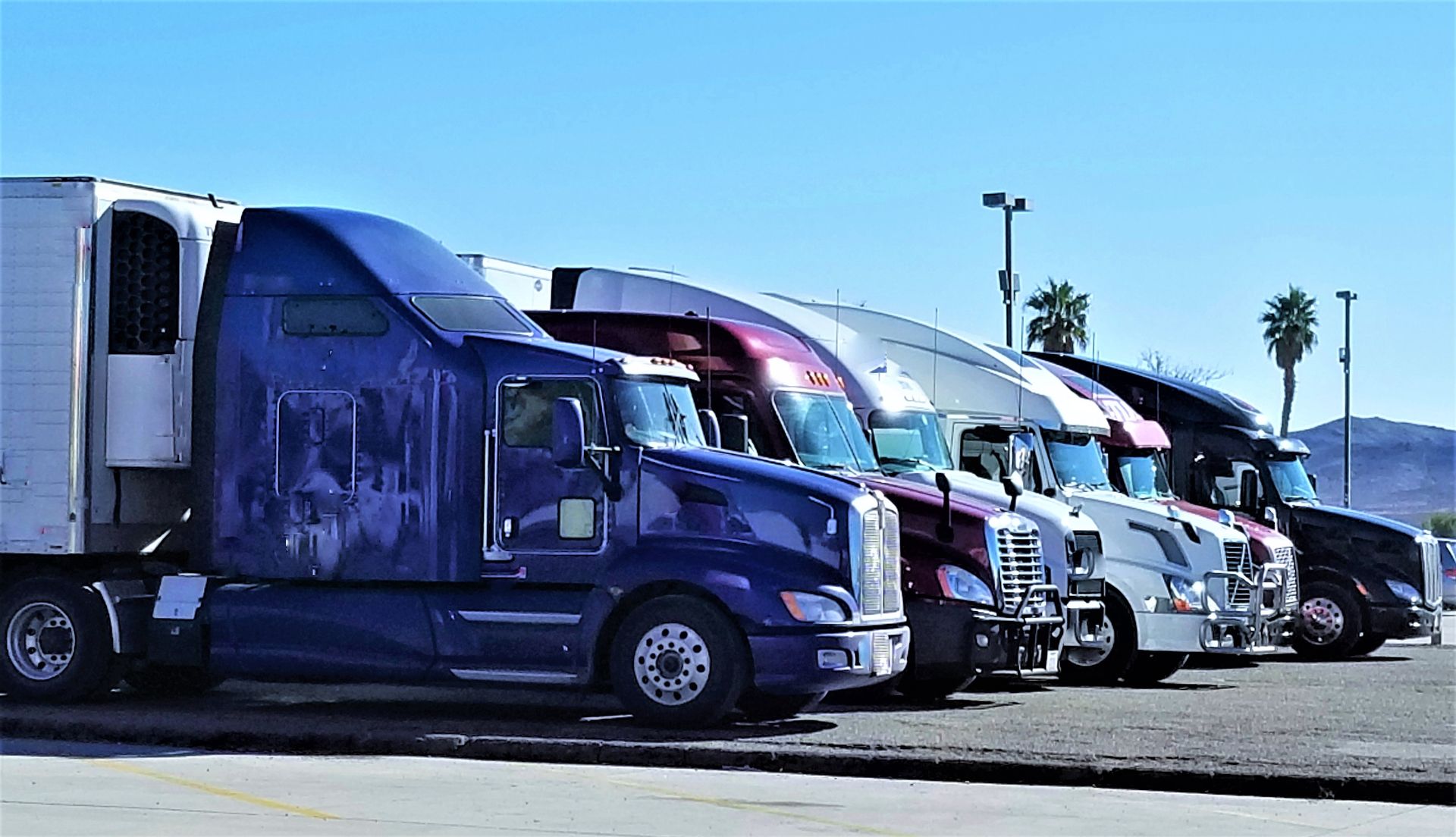
Protection for your fleet including box trucks, moving vans, and trailers. Covers liability, collision, physical damage, and hired or non-owned vehicles used in your operations.
Motor Truck Cargo
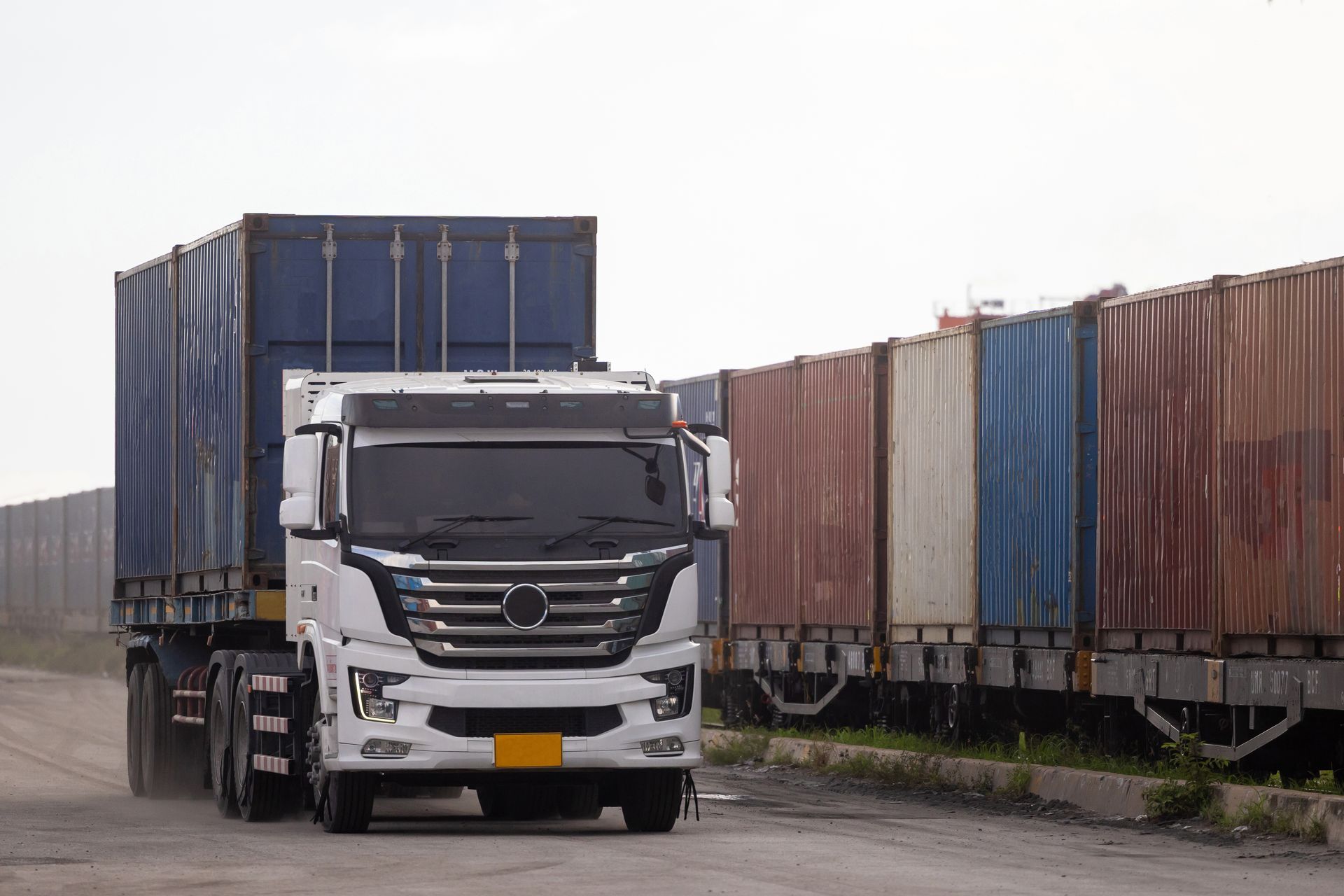
Covers household goods and freight during transport from pickup to delivery. Protects against damage, theft, mysterious disappearance, and weather-related losses while cargo is in your care.

General Liability
Protection from third-party claims for bodily injury and property damage at customer homes, job sites, and your own facility. Essential coverage for every transportation operation

Warehouse Legal Liability
Coverage for customer property while stored in your facility. Protects against damage, theft, fire, and water damage to goods in your care, custody, or control.

Workers' Compensation
Medical care and wage replacement for employees injured on the job. Required in most states for transportation and warehouse work where physical labor creates higher injury risk.

Umbrella & Excess Liability
Higher liability limits stacked on top of your primary policies. Helps meet large contract requirements and protects your business assets against major claims and lawsuits.
Specialized Knowledge
Industries We Protect
Focused coverage for transportation and logistics businesses


Simple and Clear
How Our Process Works
Our process to get you covered
Connect With Us
Reach out through our form or by phone to share your business needs and current coverage situation.
Get Coverage Options
We review your risks, compare carriers, and present clear quotes with plain-language explanations.
Stay Protected
You choose your plan, and we provide ongoing support for certificates, claims, and renewals.
Trusted by Businesses
Feedback That Reflects Service and Reliability
What our clients say about working with Champion Risk
Answers You Need
Frequently Asked Questions
Common questions about transportation and logistics insurance




What insurance does a transportation company need to operate legally?
Motor carriers that cross state lines must meet FMCSA requirements. You need a minimum of $750,000 in liability coverage, plus a BMC-91 filing that proves your insurance to the federal government. Cargo coverage is also required, with minimums that depend on the type of goods you transport.
Intrastate operators follow state-specific rules. California, Texas, and Florida each have different requirements. Champion Risk handles both federal and state filings. We make sure your coverage meets legal minimums and your certificates reach the right agencies.
How much does commercial transportation insurance cost?
Premiums depend on your fleet size, driving records, cargo values, and claims history. A small operation with two trucks might pay $8,000 to $15,000 per year. A larger carrier with ten trucks could pay $50,000 to $100,000 or more.
The best way to control costs is working with a broker who knows transportation insurance. We find carriers that specialize in your exact operation type. This often results in better rates than going direct or using a general agent who doesn't understand the industry.
What is a BMC-91 filing and why do I need one?
A BMC-91 is a form your insurance company files with the FMCSA. It proves you carry the required liability coverage to operate as a for-hire motor carrier. Without an active BMC-91, your operating authority can be revoked.
Champion Risk works with carriers who file electronically. Your BMC-91 typically posts within 24 to 48 hours of binding coverage. We monitor your filing status and alert you if anything needs attention.
Does my warehouse or storage facility need different insurance than a trucking operation?
Yes. Storage facilities need warehouse legal liability coverage. This protects you when customer property is damaged or stolen while in your care. Standard general liability policies exclude this exposure.
You may also need property coverage for your building, equipment breakdown protection, and business income coverage if a fire or disaster shuts down operations. Champion Risk builds storage facility programs that address all these risks in one package.
Can you insure last-mile delivery drivers who use their own vehicles?
Yes. We offer hired and non-owned auto coverage for delivery operations that use independent contractors or employees driving personal vehicles. This fills gaps that personal auto policies don't cover during commercial use.
We also provide occupational accident coverage for 1099 drivers who aren't eligible for workers' comp. This protects your drivers and limits your liability exposure when accidents happen.
How fast can I get proof of insurance for a new contract?
Same day in most cases. Once we bind your policy, we issue certificates of insurance within hours. If your contract requires specific additional insured language or special endorsements, we coordinate directly with the carrier.
Rush requests happen often in this industry. General contractors and corporate clients demand certificates before they let you on site. Champion Risk prioritizes fast turnaround because we know your revenue depends on it.

Answers You Need
Transportation & Logistics Insurance Resources
Articles designed to inform and support your business
Contact Us
Phone Number:
Email Address:
Location:
12264 El Camino Real, Suite 350
San Diego, CA 92130
Hours:
Monday – Friday: 8:00 AM – 6:00 PM PT