
Running a moving and storage company in Austin means juggling trucks, crews, warehouses, and the constant risk that something valuable gets damaged, lost, or stolen. One shattered antique mirror, one rear-end collision on I-35, one employee injury during a heavy lift: any of these can drain your bank account faster than a summer thunderstorm floods Barton Creek. The insurance requirements for moving and storage operations in Texas aren't just bureaucratic boxes to check. They're the financial backbone that keeps your business standing when things go wrong.
Austin's booming population has made the moving industry here fiercely competitive. New companies pop up constantly, and established operations are expanding their fleets and storage facilities to keep pace. Texas accounted for
12% of all U.S. self-storage construction in 2023 and 2024, and Austin sits at the center of that growth. With expansion comes exposure, and with exposure comes the need for proper coverage. Understanding what insurance your Austin moving and storage company actually needs, what it costs, and how to secure it without overpaying requires cutting through a lot of noise. Here's what actually matters.
Texas State Requirements for Austin Moving Companies
Before you load your first box onto a truck, Texas wants to see proof that you're properly insured. The state takes this seriously, and operating without the right coverage can result in fines, license revocation, and personal liability that could bankrupt you.
Texas Department of Motor Vehicles (TxDMV) Registration
Every household goods moving company operating in Texas must register with the TxDMV. This isn't optional, and it's not just paperwork. Registration requires proof of insurance that meets state minimums, and the TxDMV can pull your operating authority if your coverage lapses. The registration process involves submitting your insurance certificates directly to the state, and your insurer must notify TxDMV if your policy cancels or changes. Many Austin operators have learned the hard way that a missed premium payment can trigger a cascade of regulatory problems.
Minimum Liability and Cargo Insurance Limits
Texas law sets clear minimums for moving company insurance. According to
Ward North American, moving companies must carry a minimum of $500,000 in automobile liability insurance for vehicles over 26,000 lbs. Smaller trucks have lower minimums, but most commercial moving operations will need the full $500,000. Cargo insurance requirements vary based on your declared value coverage options, but carrying at least $10,000 per shipment is standard practice. These are minimums, though. Most experienced operators carry significantly higher limits because a single major claim can easily exceed state requirements.


By: Mark Raby
Chief Executive Officer at Champion Risk & Insurance Services
Essential Insurance Coverages for Moving and Storage
State minimums get you legal, but they don't necessarily get you protected. A comprehensive insurance program for moving and storage operations includes several distinct coverages that work together.
General Liability and Bailee's Coverage
General liability protects your business when someone gets hurt on your premises or when your operations damage someone else's property. If a customer trips over equipment at your warehouse or your crew accidentally breaks a client's front door frame, general liability responds. Bailee's coverage is different: it specifically protects customer goods while they're in your care, custody, and control. This is critical for storage operations where you're holding other people's belongings for extended periods. A fire, theft, or water damage event at your facility without bailee's coverage could mean paying out of pocket for every item stored there.
Commercial Auto and Motor Truck Cargo Insurance
Your trucks are constantly on the road, and Austin traffic doesn't forgive mistakes. Commercial auto insurance covers liability when your vehicles cause accidents, plus physical damage to your own trucks. Insureon reports that commercial auto insurance in Texas averages $218 per month, or $2,610 annually per vehicle. Motor truck cargo insurance is separate: it covers the goods you're transporting if they're damaged or destroyed during transit. A rollover accident on 183 could destroy $50,000 worth of customer belongings in seconds. Without cargo coverage, that's your problem.
Warehouse Legal Liability for Storage Facilities
If you operate storage facilities,
warehouse legal liability is non-negotiable. This coverage protects against damage to stored goods from causes like fire, theft, water damage, and vandalism. It's distinct from bailee's coverage in some policy structures and may be combined in others. The key is ensuring you have adequate limits for the total value of goods stored at any given time. Champion Risk often helps Austin storage operators analyze their peak inventory values to set appropriate coverage limits.
Factors Influencing Insurance Costs in the Austin Market
Insurance pricing isn't arbitrary. Carriers use specific factors to determine your premiums, and understanding these factors helps you control costs.
Fleet Size and Vehicle Type
More trucks mean more exposure, which means higher premiums. But the type of vehicles matters too. A fleet of 26-foot box trucks carries different risk than a mix of cargo vans and semi-trailers. Newer vehicles with safety features like backup cameras, collision avoidance systems, and GPS tracking often qualify for discounts. The age and condition of your fleet directly impacts what insurers charge. Commercial property insurance rates in Texas average between $1,000 and $3,000 per million dollars of coverage per year, and your fleet's replacement value factors into these calculations.
Claims History and Safety Records
Nothing drives up insurance costs faster than a bad claims history. Insurers look at your loss runs: detailed records of every claim filed against your policies over the past three to five years. Frequent claims, even small ones, signal higher risk. Your safety record matters too. DOT violations, driver incidents, and OSHA citations all factor into underwriting decisions. Frank Barbella, a risk consultant, notes that insurance companies leaving Texas significantly affects clients, limiting coverage and increasing pricing. Some clients have seen insurance renewals increase fivefold in a year. Maintaining clean records is your best defense against premium spikes.

Protecting Employees with Texas Workers' Compensation
Texas is one of the few states where workers' compensation insurance isn't mandatory for private employers. That doesn't mean you should skip it. Moving work is physically demanding and injury-prone. Back injuries, crush injuries, falls, and vehicle accidents are common. Without workers' comp, injured employees can sue you directly for negligence, and those lawsuits often result in judgments far exceeding what insurance would have cost.
Most Austin moving companies carry workers' compensation despite the lack of legal requirement. The coverage pays for medical treatment, rehabilitation, and lost wages when employees get hurt on the job. It also provides you with protection against lawsuits related to workplace injuries. Premiums are based on your payroll and the classification of work your employees perform. Moving and storage operations typically fall into higher-risk classifications, so expect to pay more than office-based businesses. Champion Risk works with multiple carriers to find competitive workers' comp rates for Austin moving companies, particularly those with strong safety programs.
How to Secure Comprehensive Coverage for Your Austin Business
Getting the right insurance at the right price requires strategy. Random quotes from whoever answers the phone won't cut it.
Evaluating Local Insurance Brokers
Not all insurance brokers understand moving and storage operations. The industry has unique exposures that generalist agents often miss. Look for brokers with specific experience in transportation and logistics. They should understand TxDMV requirements, know which carriers actively write moving company coverage, and be able to explain the differences between cargo, bailee's, and warehouse legal liability without reading from a script. Ask potential brokers about their other moving and storage clients. If they can't name any, keep looking. Champion Risk has specialized in complex industries like moving and storage since 2004, which means they've seen the claims, coverage gaps, and policy nuances that trip up less experienced brokers.
Bundling Policies for Cost Savings
Buying all your coverages from one carrier, or through one broker who can package them together, often results in significant savings. Carriers offer multi-policy discounts, and bundling simplifies administration. Instead of tracking renewal dates and premium payments across five different insurers, you manage one relationship.
Storage insurance plans typically cost between $10 and $40 per month, but commercial operations need far more comprehensive coverage than basic storage unit protection. Bundling commercial auto, general liability, cargo, warehouse liability, and workers' comp into a coordinated program often saves 10-15% compared to buying each coverage separately.
Frequently Asked Questions
What happens if my insurance lapses while I'm registered with TxDMV? Your insurer must notify TxDMV of any cancellation. The state can suspend your operating authority, meaning you legally cannot transport household goods until coverage is reinstated.
Do I need separate insurance for local moves versus long-distance moves? Local moves within Texas fall under state jurisdiction. Interstate moves require FMCSA registration and different insurance minimums. Many Austin companies carry coverage that satisfies both requirements.
How much cargo insurance should I carry? Base it on the maximum value you might transport in a single load. Most Austin movers carry between $50,000 and $250,000 in cargo coverage, depending on their typical client profile.
Can I reduce my premiums by increasing deductibles? Yes, but carefully. Higher deductibles lower premiums but increase your out-of-pocket costs when claims occur. Find the balance that matches your cash reserves.
Does my coverage extend to subcontractors or helpers I hire temporarily? Usually not automatically. You'll need to verify subcontractors carry their own insurance or add them to your policy. This is a common coverage gap that causes expensive surprises.
Coverage Comparison: Basic vs. Comprehensive Programs
| Coverage Type | Basic Program | Comprehensive Program |
|---|---|---|
| Auto Liability | State minimum $500K | $1M+ limits |
| Cargo Insurance | $10,000 per shipment | $100,000+ per shipment |
| General Liability | $500,000 occurrence | $1M occurrence, $2M aggregate |
| Warehouse Liability | Not included | Full replacement value |
| Workers' Comp | Optional | Included with safety incentives |
Making the Right Choice for Your Operation
Insurance for Austin moving and storage companies isn't a one-size-fits-all proposition. Your coverage needs depend on your fleet size, storage capacity, service area, and risk tolerance. What works for a two-truck local mover won't protect a regional operation with warehouse facilities.
Start by understanding state requirements, then build coverage that matches your actual exposures. Work with a broker who knows the industry and can access multiple carriers. Review your coverage annually as your business grows. The Austin market is competitive, and the companies that survive long-term are those that protect themselves against the inevitable claims and incidents that come with moving other people's possessions. Get this right, and you'll have one less thing keeping you up at night.
About the Author:
Mark Raby
I am a seasoned insurance professional with over 30 years of experience in the industry. I lead Champion Risk & Insurance Services, a San Diego-based brokerage with nationwide reach and strong influence in the insurance marketplace. My core competencies include insurance agency M&A deals, captives and alternative risk structures, and commercial property and casualty insurance for clients in the transportation and logistics industries. I am a former president of IIAB San Diego and hold a Bachelor of Science in Finance from Western Michigan University’s Haworth College of Business.
Protection for Transportation Operations
Business Insurance for Transportation & Logistics Companies
Coverage designed specifically for transportation businesses
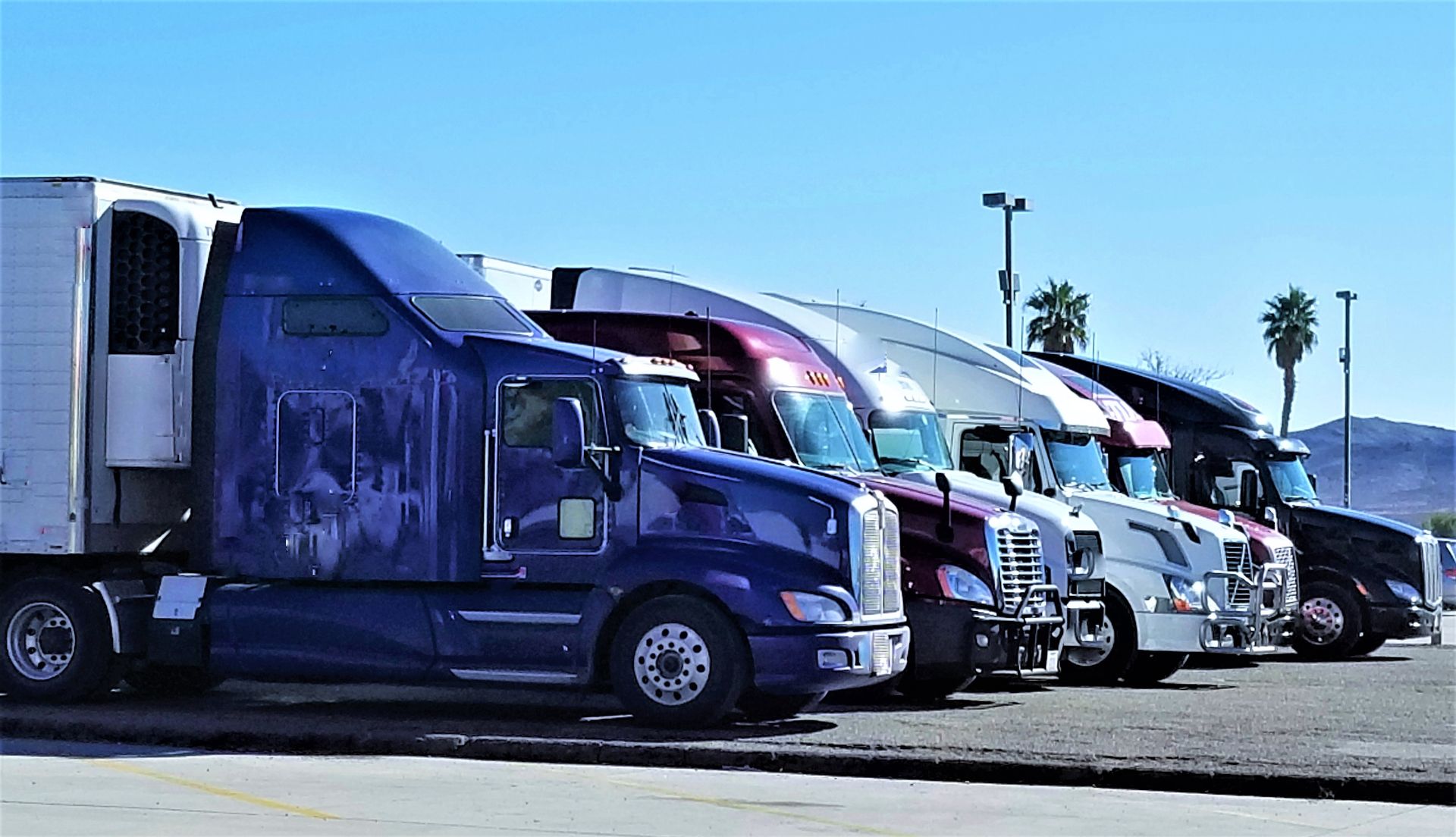
Commercial Auto & Trucking
Protection for your fleet including box trucks, moving vans, and trailers. Covers liability, collision, physical damage, and hired or non-owned vehicles used in your operations.
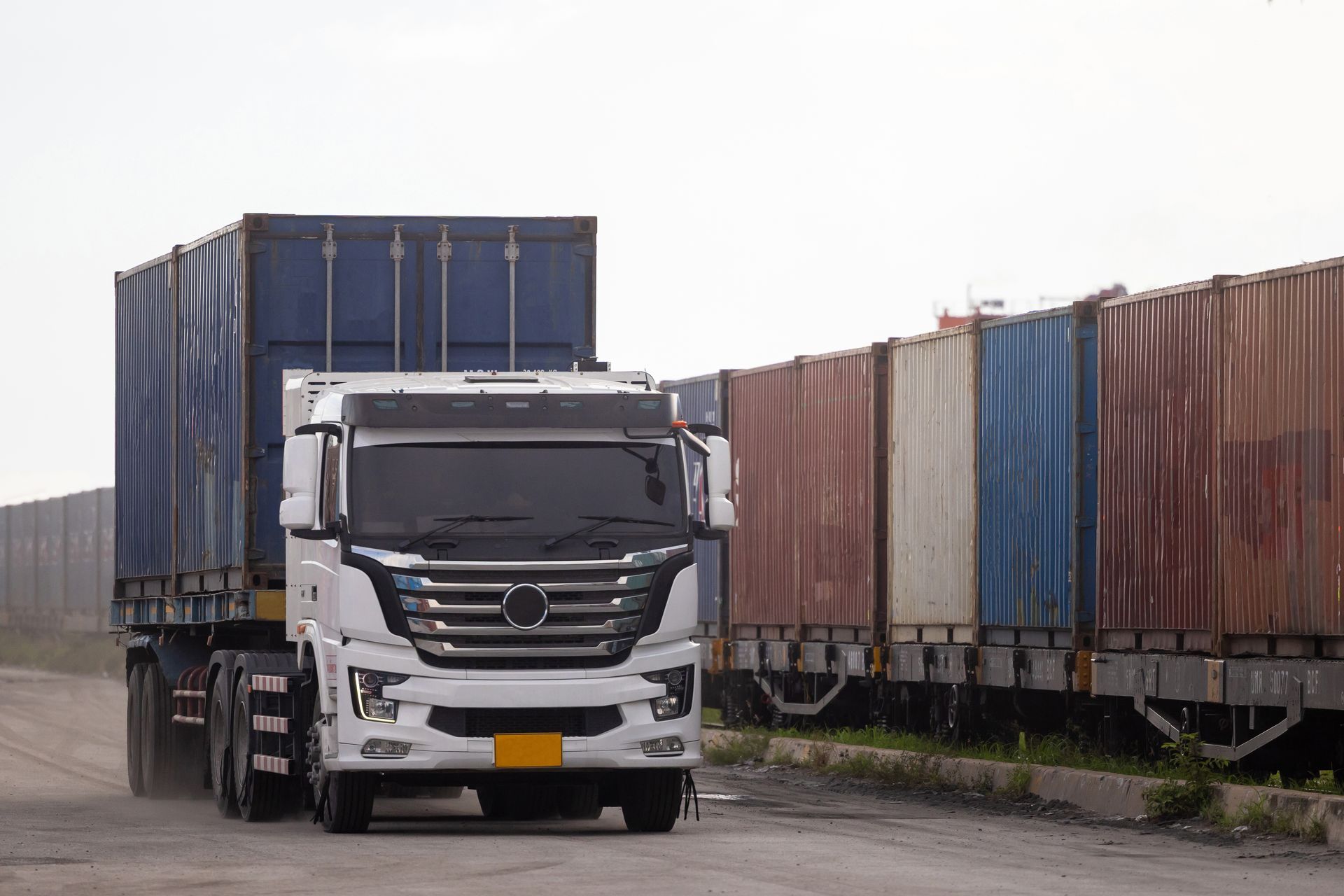
Motor Truck Cargo
Covers household goods and freight during transport from pickup to delivery. Protects against damage, theft, mysterious disappearance, and weather-related losses while cargo is in your care.

General Liability
Protection from third-party claims for bodily injury and property damage at customer homes, job sites, and your own facility. Essential coverage for every transportation operation

Warehouse Legal Liability
Coverage for customer property while stored in your facility. Protects against damage, theft, fire, and water damage to goods in your care, custody, or control.

Workers' Compensation
Medical care and wage replacement for employees injured on the job. Required in most states for transportation and warehouse work where physical labor creates higher injury risk.

Umbrella & Excess Liability
Higher liability limits stacked on top of your primary policies. Helps meet large contract requirements and protects your business assets against major claims and lawsuits.
Specialized Knowledge
Industries We Protect
Focused coverage for transportation and logistics businesses


Simple and Clear
How Our Process Works
Our process to get you covered
Connect With Us
Reach out through our form or by phone to share your business needs and current coverage situation.
Get Coverage Options
We review your risks, compare carriers, and present clear quotes with plain-language explanations.
Stay Protected
You choose your plan, and we provide ongoing support for certificates, claims, and renewals.
Trusted by Businesses
Feedback That Reflects Service and Reliability
What our clients say about working with Champion Risk
Answers You Need
Frequently Asked Questions
Common questions about transportation and logistics insurance




What insurance does a transportation company need to operate legally?
Motor carriers that cross state lines must meet FMCSA requirements. You need a minimum of $750,000 in liability coverage, plus a BMC-91 filing that proves your insurance to the federal government. Cargo coverage is also required, with minimums that depend on the type of goods you transport.
Intrastate operators follow state-specific rules. California, Texas, and Florida each have different requirements. Champion Risk handles both federal and state filings. We make sure your coverage meets legal minimums and your certificates reach the right agencies.
How much does commercial transportation insurance cost?
Premiums depend on your fleet size, driving records, cargo values, and claims history. A small operation with two trucks might pay $8,000 to $15,000 per year. A larger carrier with ten trucks could pay $50,000 to $100,000 or more.
The best way to control costs is working with a broker who knows transportation insurance. We find carriers that specialize in your exact operation type. This often results in better rates than going direct or using a general agent who doesn't understand the industry.
What is a BMC-91 filing and why do I need one?
A BMC-91 is a form your insurance company files with the FMCSA. It proves you carry the required liability coverage to operate as a for-hire motor carrier. Without an active BMC-91, your operating authority can be revoked.
Champion Risk works with carriers who file electronically. Your BMC-91 typically posts within 24 to 48 hours of binding coverage. We monitor your filing status and alert you if anything needs attention.
Does my warehouse or storage facility need different insurance than a trucking operation?
Yes. Storage facilities need warehouse legal liability coverage. This protects you when customer property is damaged or stolen while in your care. Standard general liability policies exclude this exposure.
You may also need property coverage for your building, equipment breakdown protection, and business income coverage if a fire or disaster shuts down operations. Champion Risk builds storage facility programs that address all these risks in one package.
Can you insure last-mile delivery drivers who use their own vehicles?
Yes. We offer hired and non-owned auto coverage for delivery operations that use independent contractors or employees driving personal vehicles. This fills gaps that personal auto policies don't cover during commercial use.
We also provide occupational accident coverage for 1099 drivers who aren't eligible for workers' comp. This protects your drivers and limits your liability exposure when accidents happen.
How fast can I get proof of insurance for a new contract?
Same day in most cases. Once we bind your policy, we issue certificates of insurance within hours. If your contract requires specific additional insured language or special endorsements, we coordinate directly with the carrier.
Rush requests happen often in this industry. General contractors and corporate clients demand certificates before they let you on site. Champion Risk prioritizes fast turnaround because we know your revenue depends on it.

Answers You Need
Transportation & Logistics Insurance Resources
Articles designed to inform and support your business
Contact Us
Phone Number:
Email Address:
Location:
12264 El Camino Real, Suite 350
San Diego, CA 92130
Hours:
Monday – Friday: 8:00 AM – 6:00 PM PT