
Atlanta sits at the crossroads of American commerce. With Hartsfield-Jackson handling more cargo flights than almost anywhere else in the country and I-75, I-85, and I-20 converging in the metro area, the city has become the logistics nerve center of the Southeast. That positioning creates enormous opportunity for transportation companies, but it also creates insurance complexity that catches many operators off guard.
Here's what most people don't realize: 85% of the world's top third-party logistics companies have a presence in Georgia. That concentration means intense competition, high traffic density, and insurance carriers who scrutinize Atlanta-based operations more carefully than those in quieter markets. The coverage requirements, cost factors, and local regulations affecting transportation and logistics insurance in Atlanta differ significantly from what you'd encounter in other Georgia cities or neighboring states.
Whether you're running a small fleet out of Fulton County or managing warehouse operations near the Port of Savannah's inland terminals, understanding these local dynamics determines whether you're adequately protected or dangerously exposed. Georgia's transportation infrastructure supports over 2.7 million jobs statewide, according to
research from Georgia State University, and the insurance market serving this sector has evolved specific practices that Atlanta operators need to understand.
The Atlanta Logistics Landscape and Insurance Essentials
Why Atlanta's Hub Status Impacts Coverage Needs
The sheer volume of freight moving through metro Atlanta changes the risk calculation for insurers. 94% of manufactured tonnage in Georgia travels by truck, and a significant portion of that passes through the Atlanta metro area. This concentration creates what underwriters call "exposure density," meaning more vehicles, more interactions, and more potential claims.
Insurance carriers have responded by developing Atlanta-specific rating factors. A trucking company based in Macon running identical routes with identical equipment will often pay less than an Atlanta-based competitor simply because of where the trucks are domiciled. The I-285 perimeter, I-75/85 connector, and Spaghetti Junction areas carry some of the highest accident rates in the state, and carriers price accordingly.
The Atlanta Regional Commission projects significant freight volume growth in coming years, which will only intensify these pressures. Companies planning expansion need to factor rising insurance costs into their projections.
Key Georgia Department of Transportation (GDOT) Regulations
Georgia maintains specific requirements that affect insurance coverage decisions. GDOT requires proof of insurance for any commercial vehicle operating on state roads, with minimum liability limits that vary based on vehicle weight and cargo type. For-hire carriers face additional scrutiny.
Intrastate carriers hauling general freight need minimum liability coverage of $750,000, while hazmat transporters require significantly higher limits. GDOT also mandates specific endorsements for oversized loads, which are common given Atlanta's role in construction equipment and industrial machinery distribution.
The state's Unified Carrier Registration program requires annual renewal and proof of current insurance, creating compliance deadlines that busy operators sometimes miss. A lapsed registration can result in roadside citations and, more importantly, coverage gaps that leave companies exposed during claims.


By: Mark Raby
Chief Executive Officer at Champion Risk & Insurance Services
Primary Auto Liability and Motor Truck Cargo
Auto liability remains the foundation of any transportation insurance program. Georgia requires minimum limits, but most Atlanta-based carriers need substantially more. Contracts with major shippers typically demand $1 million or higher, and many require umbrella coverage extending to $5 million.
Motor truck cargo insurance protects the freight you're hauling. Standard policies cover theft, collision damage, and loading/unloading incidents. The tricky part involves understanding exclusions: temperature-controlled cargo often requires separate endorsements, and high-value electronics may need scheduled coverage.
Champion Risk works with Atlanta carriers to identify cargo coverage gaps that standard policies miss. Refrigerated goods, pharmaceuticals, and automotive parts each carry specific risks that generic cargo policies don't adequately address.
General Liability and Warehouse Legal Liability
Companies with physical locations need premises coverage beyond their vehicle policies. General liability protects against third-party injuries at your facility, while warehouse legal liability covers damage to goods in your care, custody, and control.
The distinction matters because standard property policies exclude customer goods. If a forklift damages a pallet of electronics in your warehouse, your property insurance won't respond. Warehouse legal liability fills that gap, but coverage limits and deductibles require careful calibration to your actual inventory values.
Workers' Compensation for Georgia-Based Drivers
Georgia requires workers' compensation for employers with three or more employees. The trucking classification codes carry some of the highest rates in the workers' comp system, reflecting the physical demands and injury frequency in the industry.
Driver injuries typically involve back problems, repetitive stress, and loading/unloading accidents. Companies that implement proper safety protocols and return-to-work programs can significantly reduce their experience modification factor over time, directly lowering premiums.
Mandatory State and Federal Filing Requirements
Understanding Form E and Form H Filings in Georgia
Georgia requires specific insurance filings for motor carriers operating within the state. Form E certifies that a carrier maintains the required liability coverage, while Form H covers cargo insurance. These filings must come directly from your insurance carrier to GDOT.
The timing matters: coverage doesn't become effective until the state receives and processes the filing. Companies switching insurers need to coordinate carefully to avoid gaps. A 30-day cancellation notice requirement gives some buffer, but administrative delays can create unexpected exposure periods.
FMCSA Compliance for Interstate Carriers
Carriers crossing state lines face federal requirements through the Federal Motor Carrier Safety Administration. The MCS-90 endorsement guarantees that liability coverage meets federal minimums, even if policy terms might otherwise exclude certain claims.
BOC-3 process agent designations, UCR registrations, and biennial updates create ongoing compliance obligations. Missing any of these can result in operating authority suspension, which immediately triggers policy cancellations and leaves companies unable to operate legally.

Impact of Atlanta Traffic Patterns and Route Risks
Insurance actuaries have mapped Atlanta's road network in detail. The I-285/I-85 interchange, Grady Curve, and I-20 west of downtown consistently rank among the most dangerous stretches in the Southeast. Carriers whose routes regularly traverse these areas face premium loadings that can add 15-25% to base rates.
Time-of-day patterns also affect pricing. Companies running primarily during overnight hours when traffic is lighter may qualify for credits, while those operating during rush hour face surcharges. Some carriers have restructured their scheduling specifically to improve insurance costs.
As one industry analysis from Amwins noted, "We are seeing insurance carriers across the board pushing for more rate, especially in the more trying states like California, Texas, Florida and Georgia." Atlanta's traffic patterns contribute directly to Georgia's challenging insurance market.
Fleet Safety Records and Driver MVR Requirements
Nothing affects trucking insurance costs more than loss history and driver records. Carriers with clean CSA scores and minimal claims history can access preferred markets that offer rates 30-40% below standard pricing. Those with frequency issues or severity concerns may find themselves limited to surplus lines carriers at substantially higher costs.
Motor vehicle record requirements have tightened considerably. Most carriers now require clean MVRs going back five years, with automatic disqualification for DUI, reckless driving, or multiple at-fault accidents. Annual MVR monitoring has become standard practice, catching problems before they result in claims.
Strategies for Reducing Logistics Insurance Costs
Implementing Telematics and Safety Technologies
Telematics systems that monitor speed, braking, and driving patterns have become nearly mandatory for carriers seeking competitive rates. The data serves dual purposes: identifying risky drivers for coaching and providing documentation that can help defend against fraudulent claims.
Forward-facing cameras have proven particularly valuable in Atlanta, where staged accidents and exaggerated injury claims remain common. Video evidence that contradicts a claimant's version of events can save hundreds of thousands in settlement costs.
| Technology | Typical Premium Impact | Implementation Cost |
|---|---|---|
| Basic telematics | 5-10% discount | $15-30/month per vehicle |
| Dash cameras | 8-15% discount | $200-500 per unit |
| Advanced driver assistance | 10-20% discount | $1,000-3,000 per vehicle |
| Electronic logging devices | Required, minimal discount | $150-500 per unit |
Partnering with Atlanta-Based Specialized Brokers
Generic insurance agents rarely understand the nuances of transportation coverage. Specialized brokers who focus on trucking and logistics know which carriers are currently competitive, which underwriters handle specific cargo types, and how to structure programs that maximize coverage while controlling costs.
Champion Risk maintains relationships with transportation-focused carriers that don't work with generalist agents. Access to these markets often means better coverage terms and lower premiums than companies can find through standard channels.
Frequently Asked Questions
What's the average cost for commercial truck insurance in Georgia? Annual premiums typically range from $8,500 to $14,000 per vehicle, though Atlanta-based carriers often pay toward the higher end due to traffic density and claim frequency.
Do I need separate insurance for warehouse operations? Yes. Vehicle policies don't cover goods stored at your facility. Warehouse legal liability provides that protection.
How long does it take to get insurance filings processed with GDOT? Processing typically takes 3-7 business days, though delays occur during busy periods. Plan transitions carefully to avoid coverage gaps.
Can telematics really lower my insurance costs? Absolutely. Carriers offering 10-20% discounts for telematics adoption are common, and the data often helps defend against fraudulent claims.
What happens if my FMCSA authority lapses? Your insurance policy will likely cancel automatically, and you'll be operating illegally. Reinstatement requires new filings and potentially new underwriting.
Making the Right Coverage Decision
Transportation insurance in Atlanta requires balancing adequate protection against cost control in one of the country's most challenging markets. The companies that succeed typically combine strong safety programs, appropriate technology investments, and relationships with specialized brokers who understand the local landscape.
Dr. Elena Torres, a transportation economist at Georgia State University, summarized it well: "Georgia's transportation infrastructure supports over 2.7 million jobs statewide and contributes more than $100 billion annually to the state's GDP." Protecting your piece of that economy requires insurance coverage designed for Atlanta's specific challenges.
Contact Champion Risk to review your current coverage and identify opportunities to improve protection while managing costs. The right program structure can make a meaningful difference in both your risk exposure and your bottom line.
About the Author:
Mark Raby
I am a seasoned insurance professional with over 30 years of experience in the industry. I lead Champion Risk & Insurance Services, a San Diego-based brokerage with nationwide reach and strong influence in the insurance marketplace. My core competencies include insurance agency M&A deals, captives and alternative risk structures, and commercial property and casualty insurance for clients in the transportation and logistics industries. I am a former president of IIAB San Diego and hold a Bachelor of Science in Finance from Western Michigan University’s Haworth College of Business.
Protection for Transportation Operations
Business Insurance for Transportation & Logistics Companies
Coverage designed specifically for transportation businesses
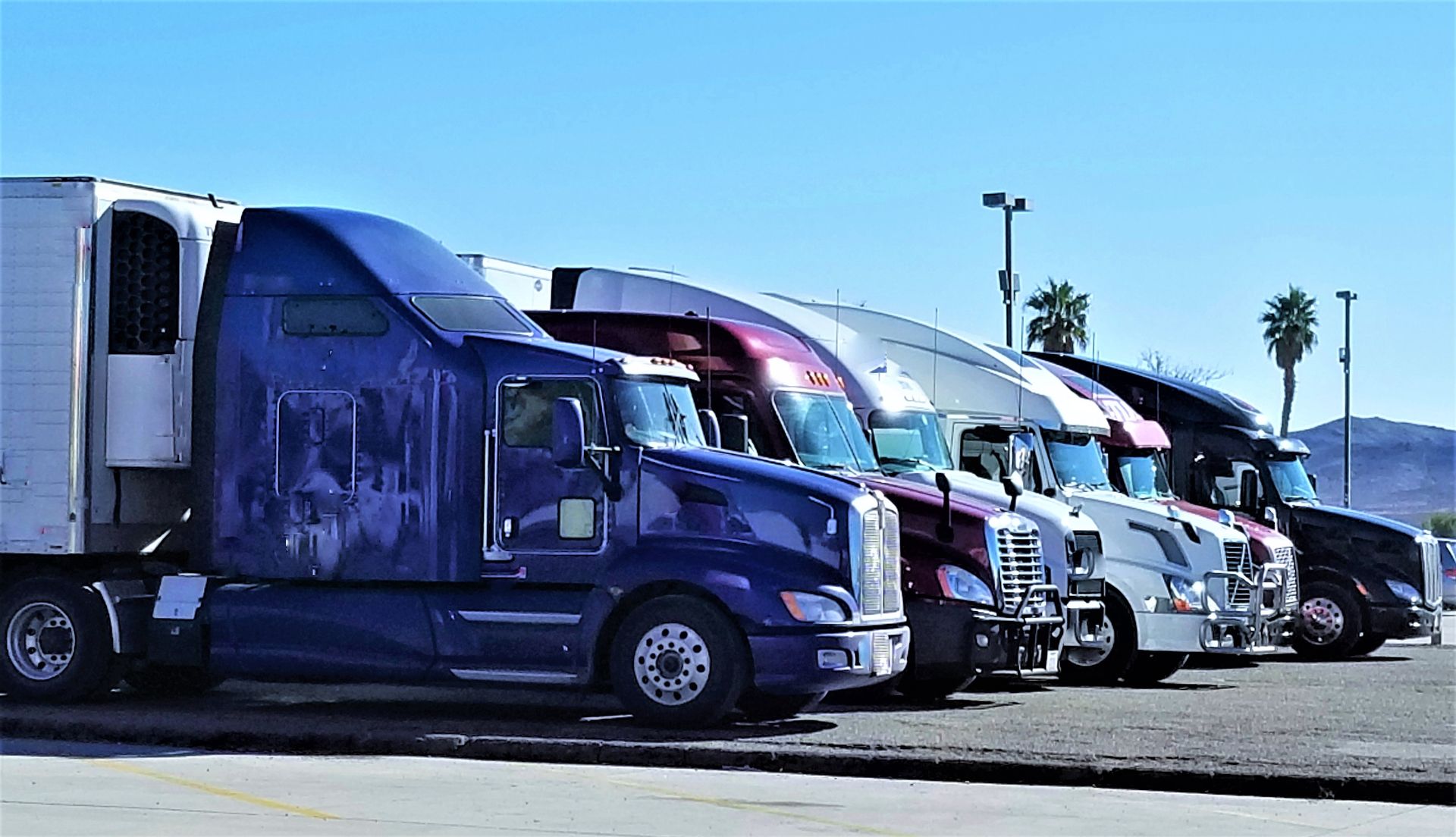
Commercial Auto & Trucking
Protection for your fleet including box trucks, moving vans, and trailers. Covers liability, collision, physical damage, and hired or non-owned vehicles used in your operations.
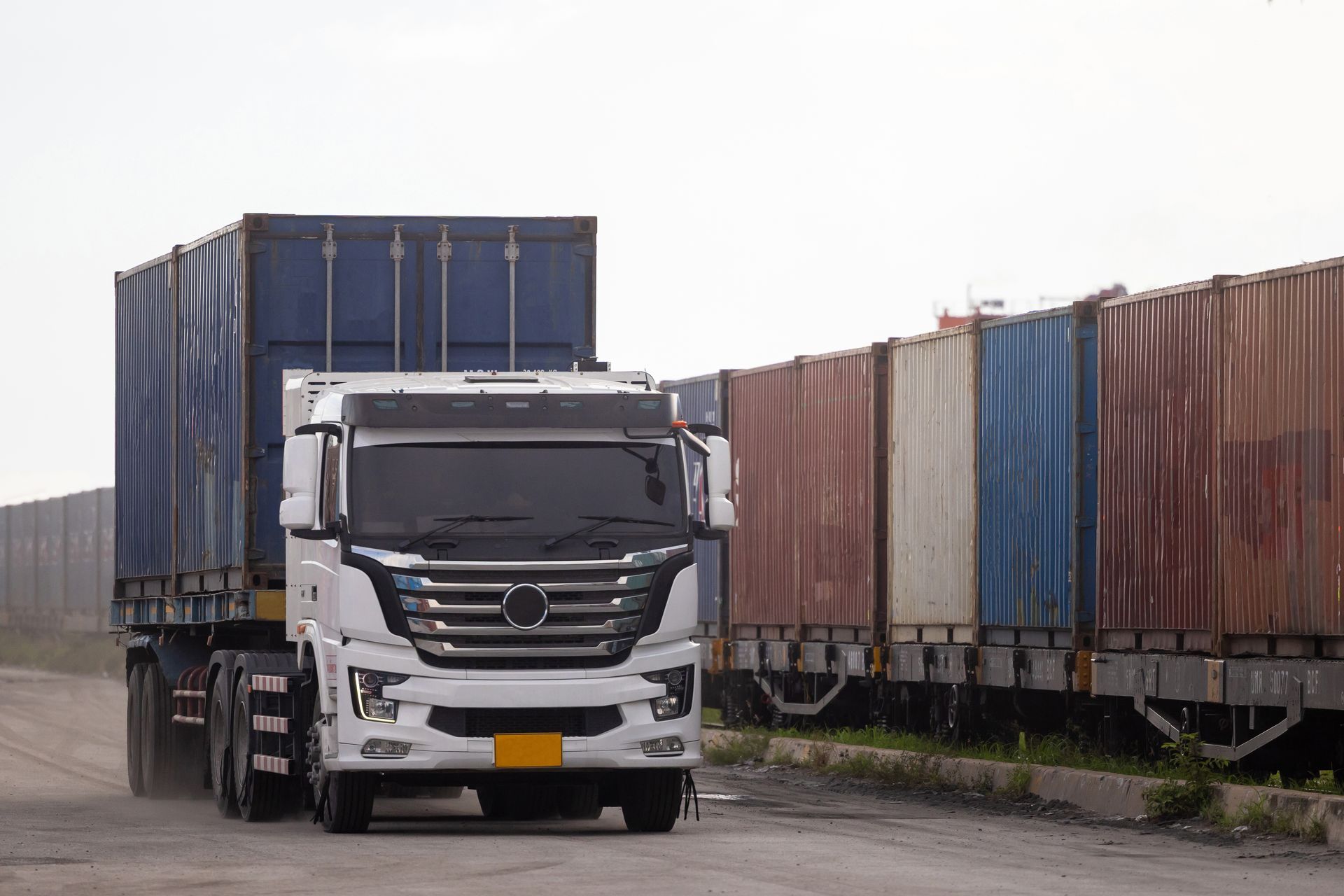
Motor Truck Cargo
Covers household goods and freight during transport from pickup to delivery. Protects against damage, theft, mysterious disappearance, and weather-related losses while cargo is in your care.

General Liability
Protection from third-party claims for bodily injury and property damage at customer homes, job sites, and your own facility. Essential coverage for every transportation operation

Warehouse Legal Liability
Coverage for customer property while stored in your facility. Protects against damage, theft, fire, and water damage to goods in your care, custody, or control.

Workers' Compensation
Medical care and wage replacement for employees injured on the job. Required in most states for transportation and warehouse work where physical labor creates higher injury risk.

Umbrella & Excess Liability
Higher liability limits stacked on top of your primary policies. Helps meet large contract requirements and protects your business assets against major claims and lawsuits.
Specialized Knowledge
Industries We Protect
Focused coverage for transportation and logistics businesses



Simple and Clear
How Our Process Works
Our process to get you covered
Connect With Us
Reach out through our form or by phone to share your business needs and current coverage situation.
Get Coverage Options
We review your risks, compare carriers, and present clear quotes with plain-language explanations.
Stay Protected
You choose your plan, and we provide ongoing support for certificates, claims, and renewals.
Trusted by Businesses
Feedback That Reflects Service and Reliability
What our clients say about working with Champion Risk
Answers You Need
Frequently Asked Questions
Common questions about transportation and logistics insurance




What insurance does a transportation company need to operate legally?
Motor carriers that cross state lines must meet FMCSA requirements. You need a minimum of $750,000 in liability coverage, plus a BMC-91 filing that proves your insurance to the federal government. Cargo coverage is also required, with minimums that depend on the type of goods you transport.
Intrastate operators follow state-specific rules. California, Texas, and Florida each have different requirements. Champion Risk handles both federal and state filings. We make sure your coverage meets legal minimums and your certificates reach the right agencies.
How much does commercial transportation insurance cost?
Premiums depend on your fleet size, driving records, cargo values, and claims history. A small operation with two trucks might pay $8,000 to $15,000 per year. A larger carrier with ten trucks could pay $50,000 to $100,000 or more.
The best way to control costs is working with a broker who knows transportation insurance. We find carriers that specialize in your exact operation type. This often results in better rates than going direct or using a general agent who doesn't understand the industry.
What is a BMC-91 filing and why do I need one?
A BMC-91 is a form your insurance company files with the FMCSA. It proves you carry the required liability coverage to operate as a for-hire motor carrier. Without an active BMC-91, your operating authority can be revoked.
Champion Risk works with carriers who file electronically. Your BMC-91 typically posts within 24 to 48 hours of binding coverage. We monitor your filing status and alert you if anything needs attention.
Does my warehouse or storage facility need different insurance than a trucking operation?
Yes. Storage facilities need warehouse legal liability coverage. This protects you when customer property is damaged or stolen while in your care. Standard general liability policies exclude this exposure.
You may also need property coverage for your building, equipment breakdown protection, and business income coverage if a fire or disaster shuts down operations. Champion Risk builds storage facility programs that address all these risks in one package.
Can you insure last-mile delivery drivers who use their own vehicles?
Yes. We offer hired and non-owned auto coverage for delivery operations that use independent contractors or employees driving personal vehicles. This fills gaps that personal auto policies don't cover during commercial use.
We also provide occupational accident coverage for 1099 drivers who aren't eligible for workers' comp. This protects your drivers and limits your liability exposure when accidents happen.
How fast can I get proof of insurance for a new contract?
Same day in most cases. Once we bind your policy, we issue certificates of insurance within hours. If your contract requires specific additional insured language or special endorsements, we coordinate directly with the carrier.
Rush requests happen often in this industry. General contractors and corporate clients demand certificates before they let you on site. Champion Risk prioritizes fast turnaround because we know your revenue depends on it.

Answers You Need
Transportation & Logistics Insurance Resources
Articles designed to inform and support your business
Contact Us
Phone Number:
Email Address:
Location:
12264 El Camino Real, Suite 350
San Diego, CA 92130
Hours:
Monday – Friday: 8:00 AM – 6:00 PM PT