Winston-Salem, North Carolina Transportation & Logistics Insurance
Or Call Us:
(800) 829-0807
Winston-Salem sits at a crossroads that most people outside North Carolina don't fully appreciate. With I-40 and I-85 intersecting just miles from downtown, trucks loaded with everything from furniture components to pharmaceutical supplies roll through Forsyth County around the clock. If you're running a transportation or logistics operation here, you already know the stakes are high. One serious accident, one cargo theft, one compliance violation can unravel years of work. That's why understanding transportation and logistics insurance coverage, costs, and local requirements isn't just administrative homework: it's survival planning.
The numbers tell part of the story.
Trucks move about 86% of all freight tonnage in North Carolina, making the trucking industry the backbone of the state's economy. With that volume comes exposure. Organized cargo theft increased by 22% in 2025 according to
RPS Insurance, and social inflation continues pushing jury awards higher in accident cases. Fleet owners who treat insurance as an afterthought often find themselves underinsured when claims hit. The good news? With proper coverage and risk management, Winston-Salem carriers can protect their operations without breaking the bank.
The Evolving Logistics Landscape in Winston-Salem
Winston-Salem's Role as a Piedmont Triad Distribution Hub
The Piedmont Triad region has quietly become one of the Southeast's most important logistics corridors. Winston-Salem benefits from its position between Charlotte's banking centers and the Research Triangle's tech economy, creating consistent demand for freight movement in multiple directions. The city's historical manufacturing roots, particularly in textiles and tobacco, have evolved into modern distribution operations serving regional and national markets.
What makes this area particularly valuable for logistics companies is the combination of relatively affordable real estate, strong highway infrastructure, and access to a trained workforce. The Port of Wilmington handles over 320,000 TEUs annually, with much of that container freight moving through the Piedmont region via truck. This creates steady work for local carriers but also increases exposure to cargo claims and liability risks.
Key Industries Driving Local Transportation Demand
Several industries keep Winston-Salem's trucks moving. Healthcare and pharmaceutical logistics have grown substantially, with Wake Forest Baptist Medical Center and numerous biotech companies requiring temperature-controlled shipping. Furniture manufacturing remains significant, with High Point's showrooms just 20 miles away generating year-round freight demand.
Food and beverage distribution creates another major segment. Local carriers haul produce from eastern North Carolina farms and finished goods from regional processing facilities. Each industry brings unique insurance considerations: pharmaceuticals require high cargo limits, furniture needs specialized loading coverage, and food transport demands compliance with FDA regulations.


By: Mark Raby
Chief Executive Officer at Champion Risk & Insurance Services
Essential Insurance Coverages for North Carolina Carriers
Primary Auto Liability and Motor Truck Cargo
Auto liability coverage protects your operation when your trucks cause accidents. North Carolina requires minimum liability limits, but those minimums won't protect you in serious crashes. Most carriers need $1 million in combined single-limit coverage at minimum, with many shippers requiring higher limits before they'll load your trucks.
Motor truck cargo insurance covers the freight you're hauling. Standard policies typically provide $100,000 in coverage, but pharmaceutical or electronics shipments often require $250,000 or more. The coverage gap between what you're hauling and what your policy covers is where carriers get into trouble. Champion Risk works with Winston-Salem fleet owners to match cargo limits with actual freight values, preventing the nasty surprise of a denied claim.
General Liability and Physical Damage Protection
General liability covers incidents that happen off the road. A driver damages a loading dock, a warehouse worker trips over your equipment, or a product you delivered causes property damage: these situations fall under GL coverage. Most carriers need at least $1 million per occurrence with a $2 million aggregate.
Physical damage coverage protects your trucks themselves. Collision coverage handles accident damage, while comprehensive covers theft, vandalism, and weather events. Given the investment in modern trucks, often $150,000 or more for a new Class 8 tractor, skipping physical damage coverage is a gamble most fleet owners can't afford to take.
Workers' Compensation for NC Logistics Employees
North Carolina requires workers' compensation coverage for businesses with three or more employees. Logistics operations face above-average injury rates due to loading activities, long driving hours, and repetitive motion tasks. Premiums depend on your classification codes and experience modification rate.
Driver injuries from slips, falls, and loading accidents generate the most claims. Back injuries from improper lifting technique remain common despite training efforts. Your workers' comp costs directly reflect your safety record, making injury prevention programs financially worthwhile beyond just keeping employees healthy.
North Carolina State and Federal Regulatory Requirements
NC Department of Transportation (NCDOT) Compliance
Operating within North Carolina requires registration with NCDOT and compliance with state weight limits and safety regulations. Intrastate carriers must obtain proper operating authority and maintain required insurance filings. The state conducts roadside inspections and can place carriers out of service for violations.
NCDOT also enforces fuel tax requirements through the International Fuel Tax Agreement for carriers operating across state lines. Compliance failures create both regulatory penalties and insurance complications, as some carriers have discovered when claims were denied due to operating outside their authority.
FMCSA Filing Requirements for Interstate Commerce
Interstate carriers must register with FMCSA and maintain active operating authority. This includes filing Form MCS-90 for liability coverage and Form BMC-91 for cargo insurance. Your insurance company must file these forms directly with FMCSA, and lapses in coverage trigger immediate authority suspension.
The FMCSA also tracks your Safety Measurement System scores, which insurers increasingly use in underwriting decisions. Poor scores in categories like unsafe driving or crash history directly impact your premium costs and can make coverage difficult to obtain at any price.

Factors Influencing Transportation Insurance Costs
The Impact of Driving Records and CDL Experience
Most commercial truck insurance premiums in North Carolina range from $8,000 to $11,500 per truck per year, but your actual costs depend heavily on driver quality. Insurers examine CDL experience, moving violations, and accident history for every driver on your policy. A single at-fault accident can increase premiums by 20-40% for three years.
New drivers with less than two years of CDL experience are particularly expensive to insure. Some carriers refuse to write policies for fleets with inexperienced drivers, while others charge substantial surcharges. This creates a hiring challenge: experienced drivers command higher wages, but the insurance savings often justify the cost.
Route Risks: Local Winston-Salem vs. Long-Haul Trucking
Local delivery operations typically face lower premiums than long-haul trucking. More miles mean more exposure, and interstate routes through congested corridors increase accident probability. Carriers running the I-95 corridor or through Atlanta regularly pay more than those handling regional Piedmont deliveries.
The type of roads matters too. Urban delivery routes with frequent stops generate more backing accidents and loading dock incidents. Rural routes have fewer accidents but often involve higher speeds and more severe crashes when they occur. Your premium reflects these risk differences.
Risk Management Strategies for Local Fleet Owners
Implementing Telematics and Safety Programs
Gallagher recommends fleets evaluate current safety programs and employee training to protect against large jury awards and increased litigation costs. This isn't just consultant speak: insurers increasingly offer premium discounts for carriers using telematics systems that monitor speed, hard braking, and hours of service compliance.
Dash cameras have become nearly essential for claims defense. Video evidence often determines fault in accidents, and carriers without cameras frequently lose disputes they should have won. The investment in camera systems typically pays for itself within the first disputed claim.
| Risk Management Tool | Typical Cost | Insurance Impact |
|---|---|---|
| ELD/Telematics | $25-50/month per truck | 5-15% premium reduction |
| Dash Cameras | $300-800 per truck | Improved claims outcomes |
| Driver Training Program | $500-2,000 annually | Required by many insurers |
| Pre-trip Inspection App | $10-30/month per truck | Reduced breakdown claims |
Champion Risk helps Winston-Salem carriers identify which risk management investments deliver the best return. Not every technology makes sense for every operation, and the goal is reducing actual risk rather than just checking boxes.
Securing the Right Policy in Forsyth County
Finding appropriate transportation and logistics insurance in Winston-Salem requires understanding both your specific operation and the local market. North America accounted for approximately 32% of the global logistics insurance market share in 2024, meaning plenty of capacity exists for well-run carriers. The challenge is matching your operation with insurers who understand your risks.
Start by documenting your operation thoroughly: equipment list, driver roster with MVRs, cargo types, typical routes, and safety protocols. Insurers who specialize in transportation will ask for this information upfront, and having it ready speeds the quoting process. Avoid carriers who quote without asking detailed questions, as they often add exclusions that surface only at claim time.
Frequently Asked Questions
How much does trucking insurance cost in Winston-Salem? Most carriers pay $8,000 to $11,500 per truck annually, though rates vary based on driver experience, cargo types, and safety records.
What insurance do I need for intrastate hauling in North Carolina? You'll need auto liability, cargo coverage, and workers' compensation at minimum. NCDOT requires proof of insurance for operating authority.
Do I need different coverage for refrigerated trailers? Yes. Reefer breakdowns that spoil cargo require mechanical breakdown coverage, and temperature-sensitive cargo often needs higher limits.
Can I get insurance with new CDL drivers? Some insurers will write policies with new drivers at higher premiums. Others require minimum experience levels. Your options depend on fleet size and safety programs.
What happens if my FMCSA filings lapse? Your operating authority gets suspended immediately. You cannot legally haul freight until coverage is reinstated and new filings are accepted.
Does my personal auto policy cover my commercial truck? No. Personal policies exclude commercial use. You need a commercial auto policy for any vehicle used in business operations.
About the Author:
Mark Raby
I am a seasoned insurance professional with over 30 years of experience in the industry. I lead Champion Risk & Insurance Services, a San Diego-based brokerage with nationwide reach and strong influence in the insurance marketplace. My core competencies include insurance agency M&A deals, captives and alternative risk structures, and commercial property and casualty insurance for clients in the transportation and logistics industries. I am a former president of IIAB San Diego and hold a Bachelor of Science in Finance from Western Michigan University’s Haworth College of Business.
Protection for Transportation Operations
Business Insurance for Transportation & Logistics Companies
Coverage designed specifically for transportation businesses
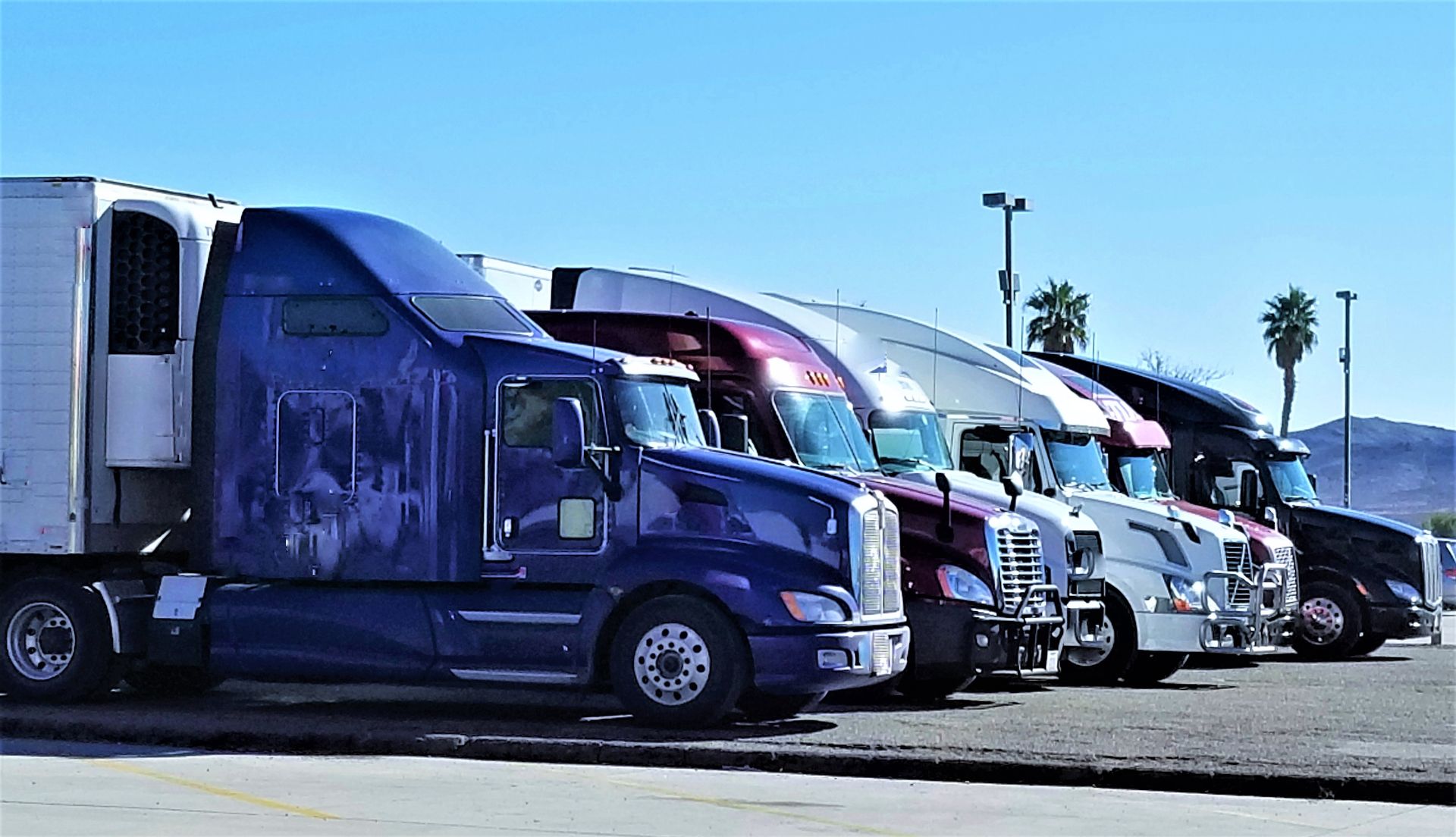
Commercial Auto & Trucking
Protection for your fleet including box trucks, moving vans, and trailers. Covers liability, collision, physical damage, and hired or non-owned vehicles used in your operations.
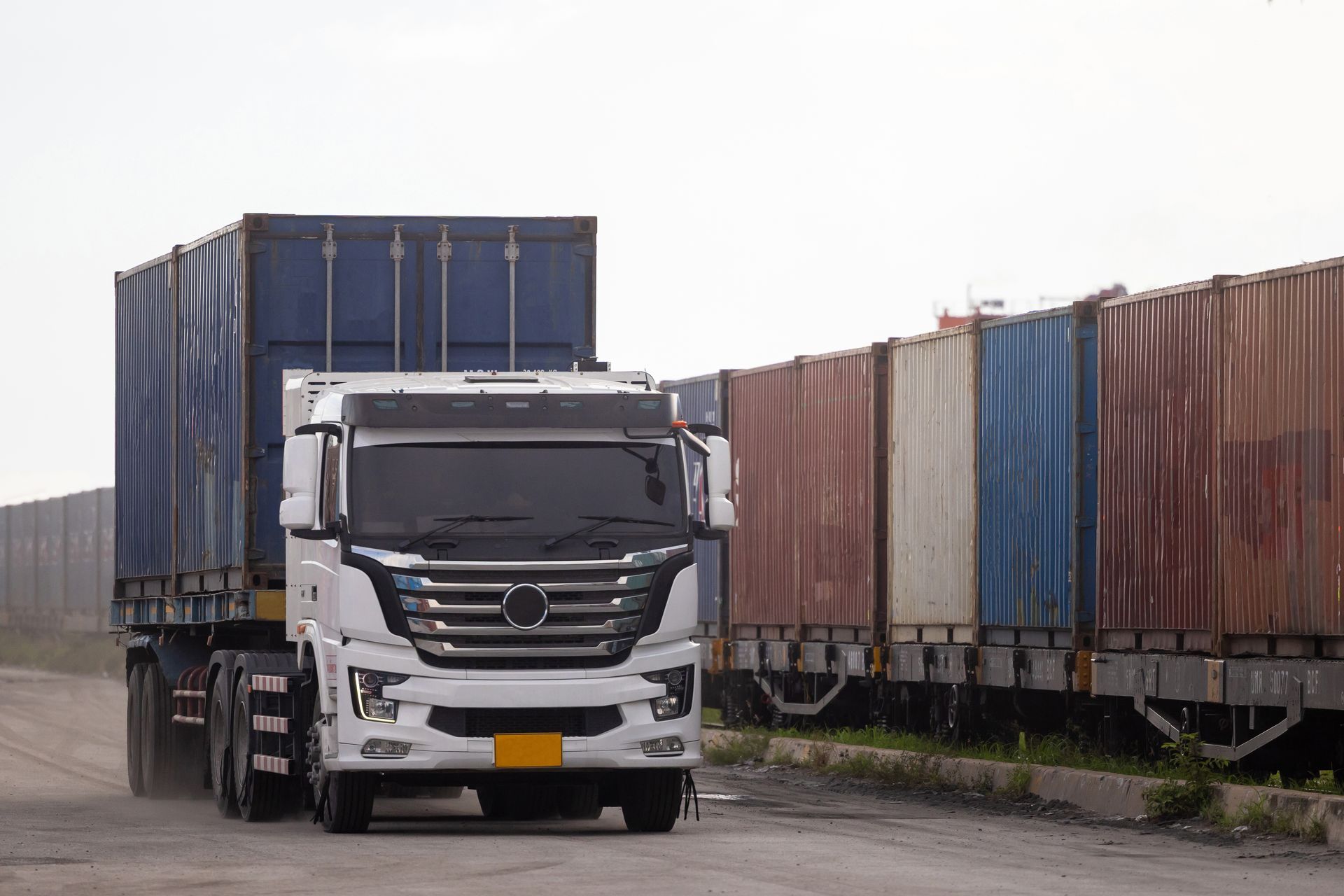
Motor Truck Cargo
Covers household goods and freight during transport from pickup to delivery. Protects against damage, theft, mysterious disappearance, and weather-related losses while cargo is in your care.

General Liability
Protection from third-party claims for bodily injury and property damage at customer homes, job sites, and your own facility. Essential coverage for every transportation operation

Warehouse Legal Liability
Coverage for customer property while stored in your facility. Protects against damage, theft, fire, and water damage to goods in your care, custody, or control.

Workers' Compensation
Medical care and wage replacement for employees injured on the job. Required in most states for transportation and warehouse work where physical labor creates higher injury risk.

Umbrella & Excess Liability
Higher liability limits stacked on top of your primary policies. Helps meet large contract requirements and protects your business assets against major claims and lawsuits.
Specialized Knowledge
Industries We Protect
Focused coverage for transportation and logistics businesses


Simple and Clear
How Our Process Works
Our process to get you covered
Connect With Us
Reach out through our form or by phone to share your business needs and current coverage situation.
Get Coverage Options
We review your risks, compare carriers, and present clear quotes with plain-language explanations.
Stay Protected
You choose your plan, and we provide ongoing support for certificates, claims, and renewals.
Trusted by Businesses
Feedback That Reflects Service and Reliability
What our clients say about working with Champion Risk
Answers You Need
Frequently Asked Questions
Common questions about transportation and logistics insurance



What insurance does a transportation company need to operate legally?
Motor carriers that cross state lines must meet FMCSA requirements. You need a minimum of $750,000 in liability coverage, plus a BMC-91 filing that proves your insurance to the federal government. Cargo coverage is also required, with minimums that depend on the type of goods you transport.
Intrastate operators follow state-specific rules. California, Texas, and Florida each have different requirements. Champion Risk handles both federal and state filings. We make sure your coverage meets legal minimums and your certificates reach the right agencies.
How much does commercial transportation insurance cost?
Premiums depend on your fleet size, driving records, cargo values, and claims history. A small operation with two trucks might pay $8,000 to $15,000 per year. A larger carrier with ten trucks could pay $50,000 to $100,000 or more.
The best way to control costs is working with a broker who knows transportation insurance. We find carriers that specialize in your exact operation type. This often results in better rates than going direct or using a general agent who doesn't understand the industry.
What is a BMC-91 filing and why do I need one?
A BMC-91 is a form your insurance company files with the FMCSA. It proves you carry the required liability coverage to operate as a for-hire motor carrier. Without an active BMC-91, your operating authority can be revoked.
Champion Risk works with carriers who file electronically. Your BMC-91 typically posts within 24 to 48 hours of binding coverage. We monitor your filing status and alert you if anything needs attention.
Does my warehouse or storage facility need different insurance than a trucking operation?
Yes. Storage facilities need warehouse legal liability coverage. This protects you when customer property is damaged or stolen while in your care. Standard general liability policies exclude this exposure.
You may also need property coverage for your building, equipment breakdown protection, and business income coverage if a fire or disaster shuts down operations. Champion Risk builds storage facility programs that address all these risks in one package.
Can you insure last-mile delivery drivers who use their own vehicles?
Yes. We offer hired and non-owned auto coverage for delivery operations that use independent contractors or employees driving personal vehicles. This fills gaps that personal auto policies don't cover during commercial use.
We also provide occupational accident coverage for 1099 drivers who aren't eligible for workers' comp. This protects your drivers and limits your liability exposure when accidents happen.
How fast can I get proof of insurance for a new contract?
Same day in most cases. Once we bind your policy, we issue certificates of insurance within hours. If your contract requires specific additional insured language or special endorsements, we coordinate directly with the carrier.
Rush requests happen often in this industry. General contractors and corporate clients demand certificates before they let you on site. Champion Risk prioritizes fast turnaround because we know your revenue depends on it.

Answers You Need
Transportation & Logistics Insurance Resources
Articles designed to inform and support your business
Contact Us
Phone Number:
Email Address:
Location:
12264 El Camino Real, Suite 350
San Diego, CA 92130
Hours:
Monday – Friday: 8:00 AM – 6:00 PM PT