
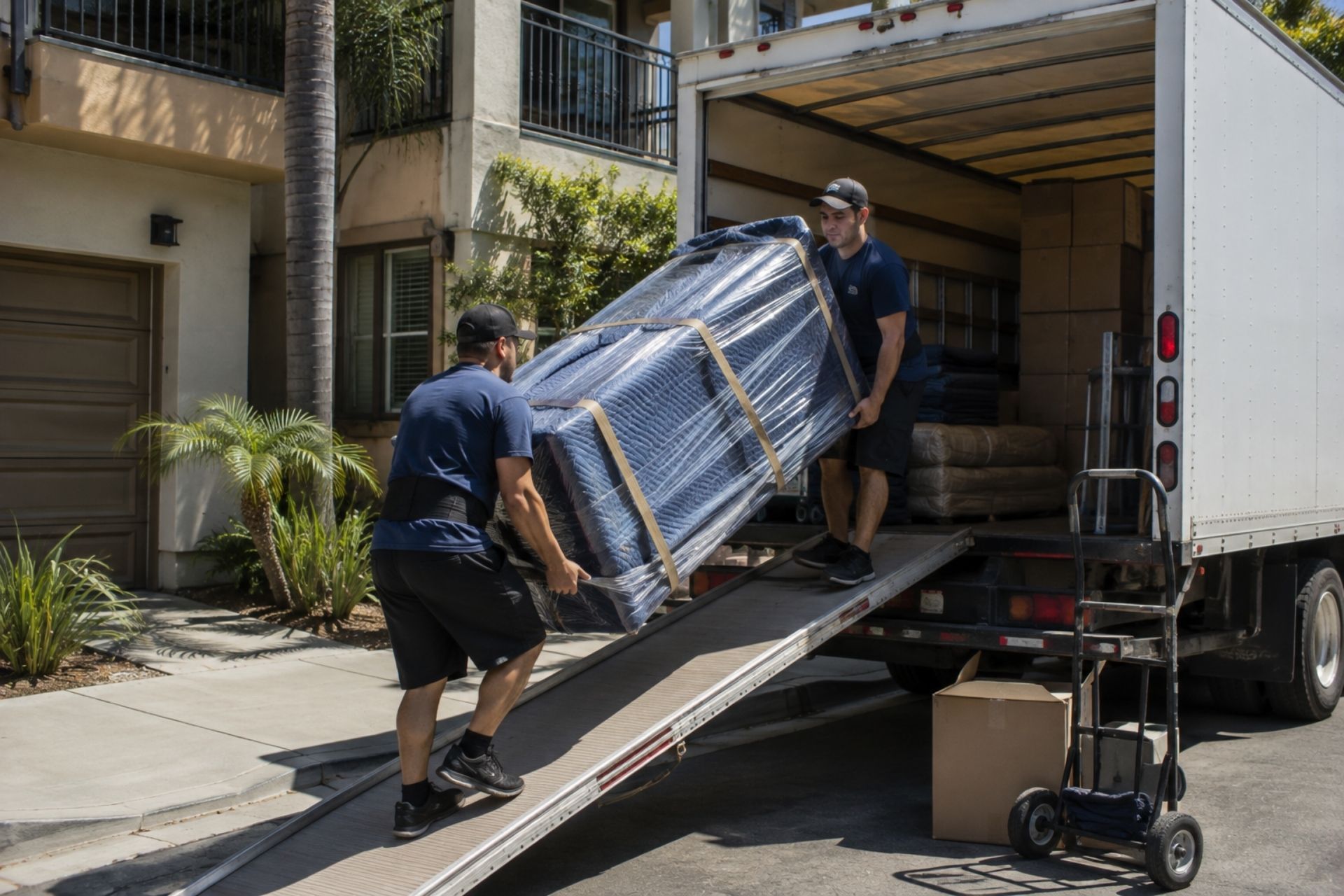
A moving truck loaded with $75,000 worth of antique furniture jackknifes on an icy highway. A warehouse roof collapses during a storm, destroying stored household goods belonging to 40 families. A storage unit floods overnight, ruining irreplaceable family heirlooms. These scenarios happen more often than most moving and storage operators want to admit, and standard commercial property insurance won't cover most of these losses.
Inland marine insurance for moving and storage companies fills this critical gap. Unlike traditional property coverage that protects goods at a fixed location, inland marine policies follow cargo wherever it travels and extend protection to goods you're temporarily holding for customers. The global inland marine insurance market is projected to grow from USD 16.5 billion in 2023 to approximately USD 24.8 billion by 2032, reflecting how essential this coverage has become for logistics operations.
Moving and storage companies face unique exposures that generic policies simply weren't designed to address. You're responsible for other people's most valuable possessions during their most vulnerable moments: transit, handling, and temporary storage. One significant claim without proper coverage can devastate an otherwise profitable operation.
The Role of Inland Marine Insurance in Logistics
Inland marine insurance evolved from ocean marine coverage to protect goods moving over land. For moving and storage companies, it represents the backbone of a comprehensive risk management strategy. This specialized coverage addresses the reality that your liability doesn't end when you lock the warehouse door or park the truck.
Difference Between Standard Property and Inland Marine
Standard commercial property insurance covers your building, equipment, and inventory at a specific address. If a fire destroys your office, that policy responds. But the moment customer goods leave your facility or arrive for storage, standard property coverage becomes inadequate.
Inland marine policies are specifically designed for property in transit or property held temporarily by someone other than the owner. Think of it this way: property insurance protects what you own at locations you control, while inland marine protects what others own while it's in your care, custody, or control.
A specialized commercial insurance program for moving and storage typically combines commercial auto, cargo, and warehouse liability coverage into a comprehensive package. This bundled approach ensures no gaps exist between your various policies.
Why Transit Risks Require Specialized Protection
Cargo faces exponentially more risk during transit than while stationary. Vehicles can be involved in accidents, weather conditions change rapidly, and goods are constantly being loaded and unloaded. Each handling point introduces potential for damage.
Transit risks include collision damage, theft from vehicles, water damage from rain or flooding, temperature fluctuations affecting sensitive items, and improper securing leading to shifting loads. Standard auto liability covers injuries you cause to others, not damage to the cargo you're hauling.


By: Mark Raby
Chief Executive Officer at Champion Risk & Insurance Services
Essential Coverage Types for Moving and Storage
Three primary coverage types form the foundation of protection for moving and storage operations. Understanding what each covers helps you identify potential gaps in your current program.
Motor Truck Cargo Liability
Motor truck cargo liability protects goods while they're being transported in your vehicles. This coverage responds when cargo is damaged, destroyed, or stolen during transit. Coverage typically begins when goods are loaded and ends when they're delivered and accepted.
Most policies include coverage for collision, overturning, fire, theft, and weather-related damage. However, exclusions commonly apply to mechanical breakdown of refrigeration units, inherent vice (goods deteriorating on their own), and improper packing by the shipper.
| Coverage Aspect | Basic Cargo Policy | Enhanced Cargo Policy |
|---|---|---|
| Collision/Overturn | Included | Included |
| Theft | Included | Included |
| Loading/Unloading | Often Excluded | Usually Included |
| Debris Removal | Limited | Full Coverage |
| Refrigeration Breakdown | Excluded | Optional Add-on |
Warehouse Operators Legal Liability
Warehouse operators legal liability covers damage to customer goods while stored at your facility. This coverage applies when you're legally liable for the loss, meaning negligence on your part must be proven.
Common covered scenarios include fire damage, water damage from plumbing failures, theft due to inadequate security, and damage from building collapse. The coverage typically excludes mysterious disappearance, damage from vermin, and losses caused by the inherent nature of stored goods.
Bailee's Customers Coverage
Bailee's customers coverage goes beyond legal liability to cover customer goods even when you're not technically at fault. This "all-risk" approach provides broader protection and can be a significant selling point when competing for business.
If a tornado destroys your warehouse along with customer belongings, legal liability coverage might not respond because you weren't negligent. Bailee's customers coverage would pay regardless of fault. Champion Risk often recommends this broader coverage for operations storing high-value items.
Premium calculations for inland marine coverage involve multiple variables. Understanding these factors helps you budget appropriately and identify ways to reduce costs.
Radius of Operations and Cargo Value
Geographic scope significantly impacts pricing. Local movers operating within a 50-mile radius face different risks than long-haul operators crossing multiple states. Interstate operations encounter varying road conditions, weather patterns, and regulatory environments.
Average annual inland marine insurance costs range from $500 to $3,000, varying significantly based on business size, risk profile, and coverage needs. For perspective, insuring $100,000 in covered property with a $1,000 deductible typically costs around $800 yearly, equaling approximately $0.80 per $100 of coverage.
Maximum cargo values per shipment directly affect premiums. A company regularly transporting $500,000 estates pays considerably more than one handling $50,000 average loads. Insurers also consider the types of goods you typically handle, with fine art and antiques commanding higher rates than standard household goods.
Loss History and Safety Records
Your claims history over the past three to five years heavily influences premium calculations. Companies with frequent claims pay more, while those maintaining clean records qualify for preferred pricing.
Moving companies focusing on improved operations have achieved an average claims rate of 2.5% in 2026, down from 3% the previous year. This improvement reflects industry-wide emphasis on training, equipment maintenance, and documentation practices.
Safety certifications, driver training programs, and vehicle maintenance records all factor into underwriting decisions. Champion Risk works with clients to identify specific improvements that can reduce premiums over time.
Regulatory and Contractual Requirements
Operating legally requires meeting specific insurance requirements at federal and state levels. Failing to maintain proper coverage can result in fines, license suspension, or personal liability exposure.
FMCSA Requirements for Interstate Movers
The Federal Motor Carrier Safety Administration requires interstate movers to maintain minimum cargo liability coverage. Currently, household goods carriers must carry at least $5,000 per vehicle or $10,000 per occurrence, whichever is greater.
These minimums represent the bare legal requirement, not adequate protection. A single damaged grand piano can exceed minimum coverage limits. Most professional movers carry significantly higher limits to protect their business assets and reputation.
FMCSA registration requires filing proof of insurance using Form BMC-32 or BMC-34. Your insurer must file these forms directly with the FMCSA, and coverage must remain continuous to maintain operating authority.
State-Level Mandates for Local Moving Companies
Intrastate movers face varying requirements depending on their operating state. Some states require registration with public utility commissions and mandate specific coverage amounts. Others have minimal requirements.
California, for example, requires movers to register with the California Public Utilities Commission and maintain cargo coverage. Texas requires registration with the Texas Department of Motor Vehicles. Requirements change periodically, making it essential to verify current mandates in each state where you operate.
Mitigating Risks and Managing Claims
Preventing losses costs far less than recovering from them. Implementing strong operational practices reduces claims frequency and helps ensure smoother claim resolution when losses occur.
Best Practices for Inventory Documentation
Detailed documentation protects both you and your customers. Create comprehensive inventories noting the condition of every item before loading. Photograph valuable or fragile items from multiple angles. Have customers sign condition reports acknowledging pre-existing damage.
Use technology to your advantage. Mobile apps can timestamp photos and create searchable records. Video walkthroughs of loaded trucks provide evidence if disputes arise later. Electronic signatures eliminate arguments about what customers acknowledged.
Train crews to note damage immediately when discovered. A scratch found during unloading should be documented on the spot, not mentioned days later. Contemporaneous records carry far more weight than after-the-fact recollections.
Navigating the Claims Process for Damaged Goods
When claims occur, prompt action matters. Report losses to your insurer immediately, even before you know the full extent of damage. Delays can complicate coverage and frustrate customers.
Preserve damaged items and packaging until the insurer inspects them or authorizes disposal. Take photographs showing the nature and extent of damage. Gather all relevant documentation including inventories, bills of lading, and condition reports.
Communicate proactively with affected customers. Explain the claims process, provide realistic timelines, and follow up regularly. How you handle claims often determines whether customers recommend you despite experiencing a loss.
Frequently Asked Questions
What's the difference between released value and full value protection? Released value provides minimal coverage at no additional charge, typically paying 60 cents per pound per item regardless of actual value. Full value protection covers repair, replacement, or fair market value of damaged items.
Does inland marine insurance cover employee theft? Standard policies typically exclude employee dishonesty. You'll need a separate crime policy or fidelity bond to cover losses caused by your own workers.
How quickly can I get coverage for a new moving company? Most insurers can bind coverage within 24 to 48 hours once they receive complete applications and required documentation. Having safety programs and driver qualifications organized speeds the process.
Are antiques and fine art covered under standard cargo policies? Often yes, but with limitations. High-value items may require scheduled coverage with agreed values. Discuss specific inventory types with your agent to ensure adequate protection.
What happens if a customer undervalues their shipment? If customers declare lower values to reduce costs, coverage limits apply to the declared amount. Document these declarations clearly to avoid disputes.
Making the Right Choice for Your Operation
Selecting appropriate inland marine coverage requires balancing protection against cost while meeting regulatory requirements. The inland marine insurance market projected to reach $35 billion by 2024 reflects growing recognition of these specialized risks.
Start by honestly assessing your exposures. What's the maximum value you might transport or store at any time? What types of goods do you handle? How far do you travel? These answers shape your coverage needs.
Work with an agent who understands moving and storage operations. Generic commercial insurance agents may miss industry-specific exposures. Champion Risk specializes in transportation and logistics coverage, helping operators identify gaps and secure appropriate protection without overpaying for unnecessary coverage.
About the Author:
Mark Raby
I am a seasoned insurance professional with over 30 years of experience in the industry. I lead Champion Risk & Insurance Services, a San Diego-based brokerage with nationwide reach and strong influence in the insurance marketplace. My core competencies include insurance agency M&A deals, captives and alternative risk structures, and commercial property and casualty insurance for clients in the transportation and logistics industries. I am a former president of IIAB San Diego and hold a Bachelor of Science in Finance from Western Michigan University’s Haworth College of Business.
Protection for Transportation Operations
Business Insurance for Transportation & Logistics Companies
Coverage designed specifically for transportation businesses
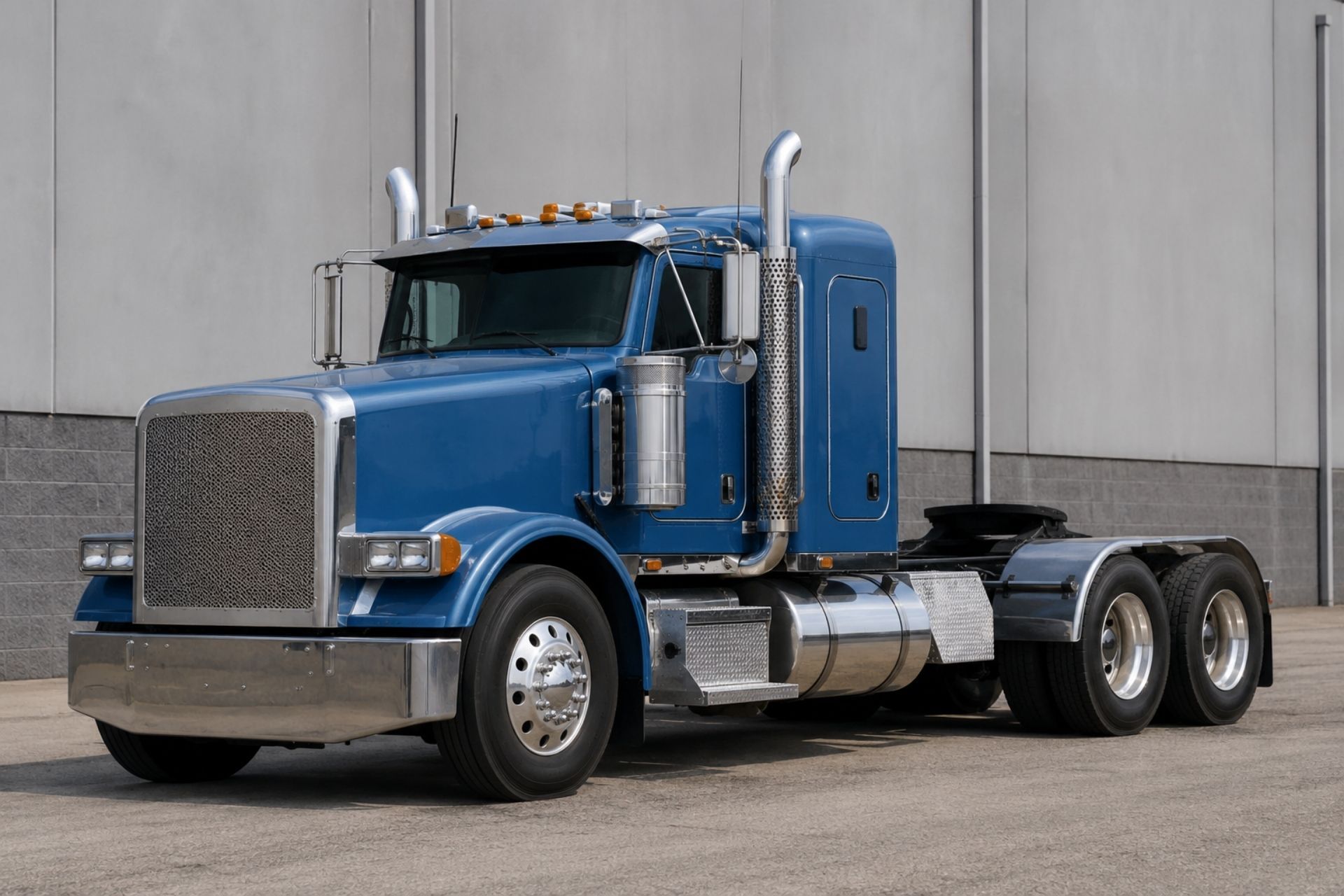
Commercial Auto & Trucking
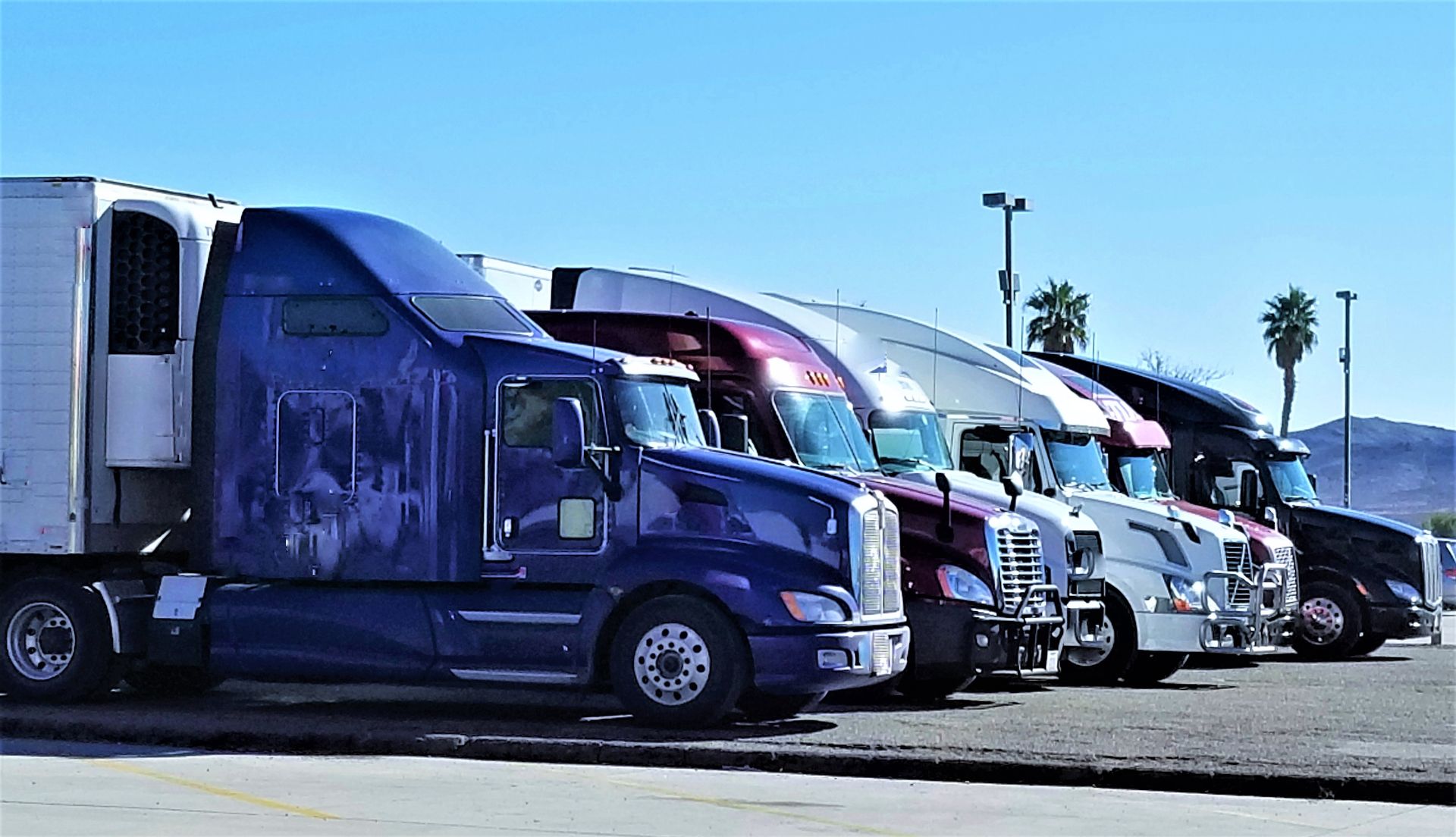
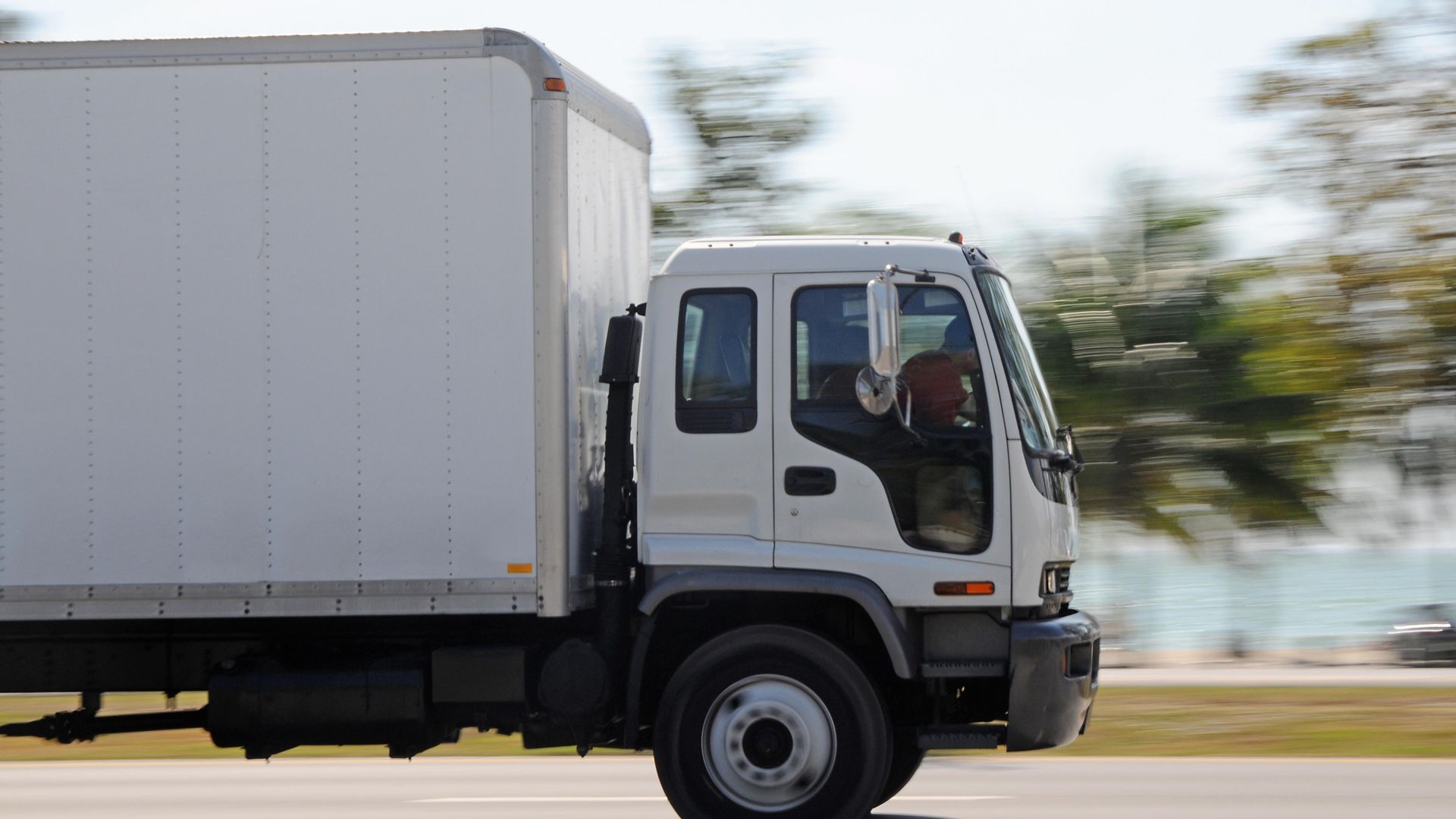
Protection for your fleet including box trucks, moving vans, and trailers. Covers liability, collision, physical damage, and hired or non-owned vehicles used in your operations.
Motor Truck Cargo
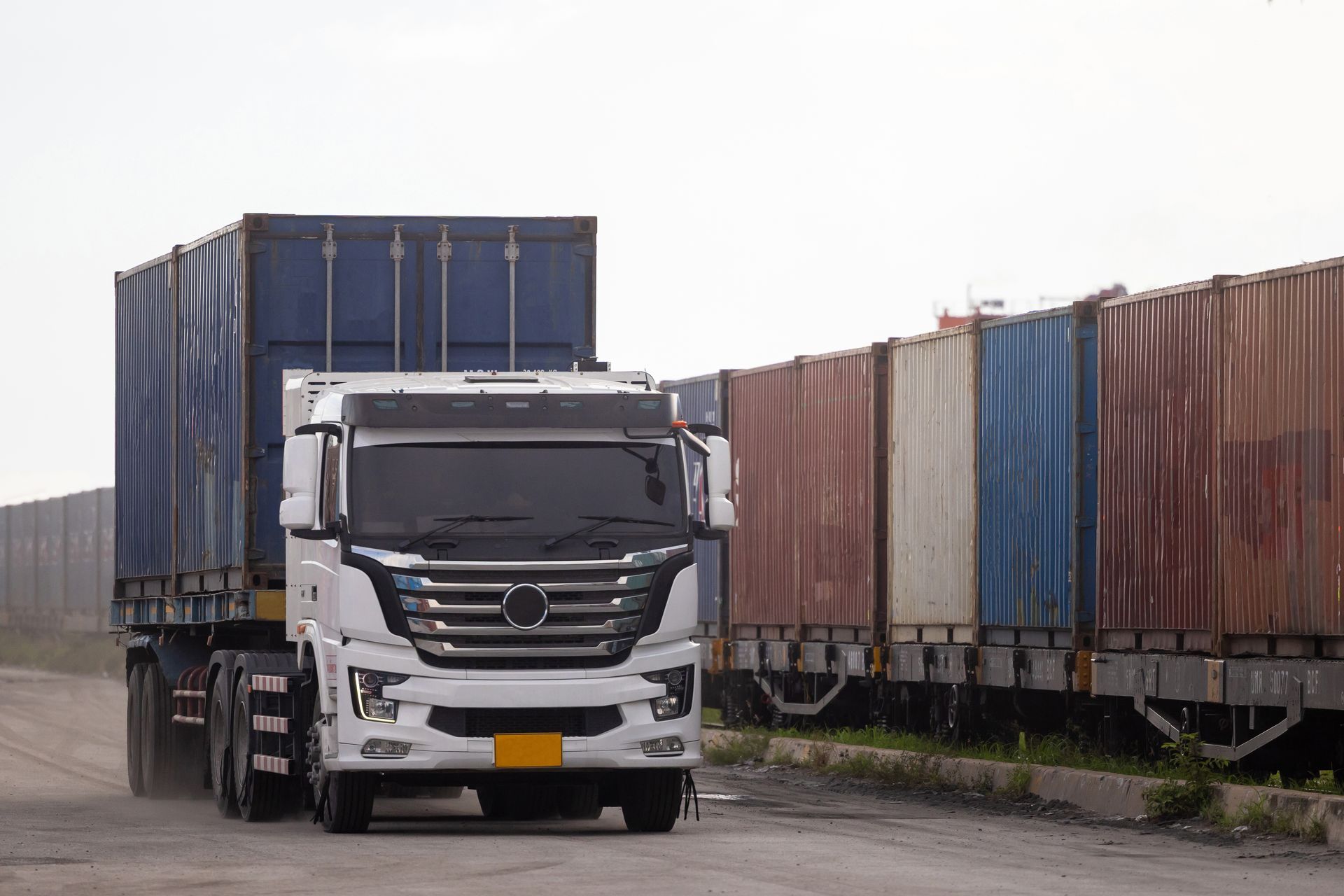
Covers household goods and freight during transport from pickup to delivery. Protects against damage, theft, mysterious disappearance, and weather-related losses while cargo is in your care.

General Liability
Protection from third-party claims for bodily injury and property damage at customer homes, job sites, and your own facility. Essential coverage for every transportation operation
Warehouse Legal Liability
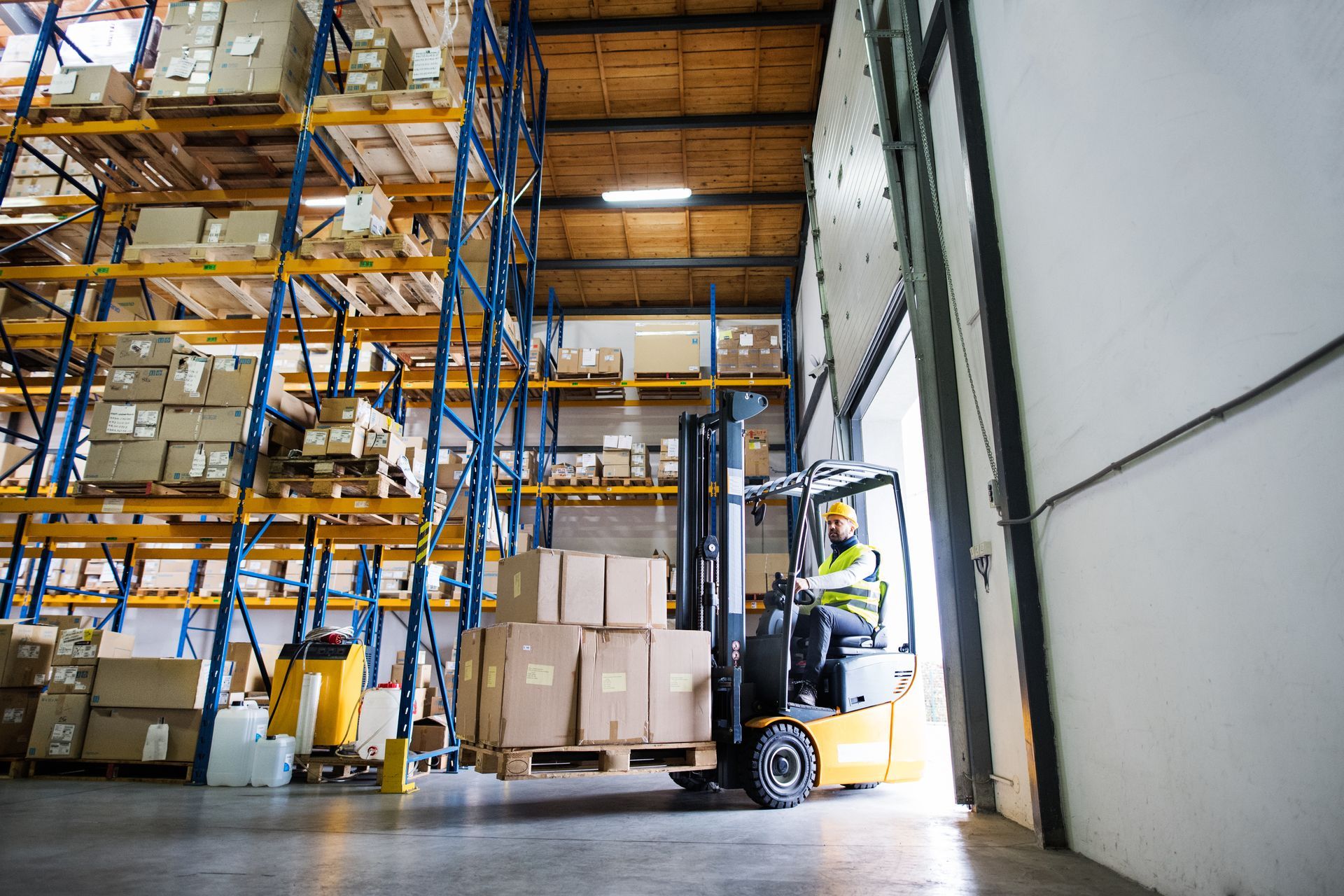
Coverage for customer property while stored in your facility. Protects against damage, theft, fire, and water damage to goods in your care, custody, or control.

Workers' Compensation
Medical care and wage replacement for employees injured on the job. Required in most states for transportation and warehouse work where physical labor creates higher injury risk.

Umbrella & Excess Liability
Higher liability limits stacked on top of your primary policies. Helps meet large contract requirements and protects your business assets against major claims and lawsuits.
Specialized Knowledge
Industries We Protect
Focused coverage for transportation and logistics businesses


Simple and Clear
How Our Process Works
Our process to get you covered
Connect With Us
Reach out through our form or by phone to share your business needs and current coverage situation.
Get Coverage Options
We review your risks, compare carriers, and present clear quotes with plain-language explanations.
Stay Protected
You choose your plan, and we provide ongoing support for certificates, claims, and renewals.
Trusted by Businesses
Feedback That Reflects Service and Reliability
What our clients say about working with Champion Risk
Answers You Need
Frequently Asked Questions
Common questions about transportation and logistics insurance



What insurance does a transportation company need to operate legally?
Motor carriers that cross state lines must meet FMCSA requirements. You need a minimum of $750,000 in liability coverage, plus a BMC-91 filing that proves your insurance to the federal government. Cargo coverage is also required, with minimums that depend on the type of goods you transport.
Intrastate operators follow state-specific rules. California, Texas, and Florida each have different requirements. Champion Risk handles both federal and state filings. We make sure your coverage meets legal minimums and your certificates reach the right agencies.
How much does commercial transportation insurance cost?
Premiums depend on your fleet size, driving records, cargo values, and claims history. A small operation with two trucks might pay $8,000 to $15,000 per year. A larger carrier with ten trucks could pay $50,000 to $100,000 or more.
The best way to control costs is working with a broker who knows transportation insurance. We find carriers that specialize in your exact operation type. This often results in better rates than going direct or using a general agent who doesn't understand the industry.
What is a BMC-91 filing and why do I need one?
A BMC-91 is a form your insurance company files with the FMCSA. It proves you carry the required liability coverage to operate as a for-hire motor carrier. Without an active BMC-91, your operating authority can be revoked.
Champion Risk works with carriers who file electronically. Your BMC-91 typically posts within 24 to 48 hours of binding coverage. We monitor your filing status and alert you if anything needs attention.
Does my warehouse or storage facility need different insurance than a trucking operation?
Yes. Storage facilities need warehouse legal liability coverage. This protects you when customer property is damaged or stolen while in your care. Standard general liability policies exclude this exposure.
You may also need property coverage for your building, equipment breakdown protection, and business income coverage if a fire or disaster shuts down operations. Champion Risk builds storage facility programs that address all these risks in one package.
Can you insure last-mile delivery drivers who use their own vehicles?
Yes. We offer hired and non-owned auto coverage for delivery operations that use independent contractors or employees driving personal vehicles. This fills gaps that personal auto policies don't cover during commercial use.
We also provide occupational accident coverage for 1099 drivers who aren't eligible for workers' comp. This protects your drivers and limits your liability exposure when accidents happen.
How fast can I get proof of insurance for a new contract?
Same day in most cases. Once we bind your policy, we issue certificates of insurance within hours. If your contract requires specific additional insured language or special endorsements, we coordinate directly with the carrier.
Rush requests happen often in this industry. General contractors and corporate clients demand certificates before they let you on site. Champion Risk prioritizes fast turnaround because we know your revenue depends on it.

Answers You Need
Transportation & Logistics Insurance Resources
Articles designed to inform and support your business
Contact Us
Phone Number:
Email Address:
Location:
12264 El Camino Real, Suite 350
San Diego, CA 92130
Hours:
Monday – Friday: 8:00 AM – 6:00 PM PT