
A single hurricane claim can wipe out a Louisiana moving company faster than you'd expect. I've seen operators with solid reputations and steady revenue streams lose everything because their insurance program had gaps they didn't know existed. The state's unique regulatory environment, combined with weather patterns that make insurers nervous, creates a challenging landscape for moving and storage businesses trying to protect their assets.
Understanding moving and storage company insurance requirements in Louisiana means grappling with state-specific mandates, climate-related risks, and coverage options that differ significantly from other regions. The Louisiana Public Service Commission (LPSC) requires that all intrastate movers of household goods secure a common carrier certificate before engaging in any moving activities. That's just the starting point. Beyond basic compliance, you need coverage that actually protects your business when things go wrong, not just paperwork that satisfies regulators.
The moving services industry in Louisiana is projected to reach
$125.4 million in 2026, which means competition is fierce and margins matter. Getting your insurance program right isn't just about avoiding fines; it's about building a sustainable operation that can weather claims, lawsuits, and literal storms. Here's what you actually need to know about coverage requirements, costs, and state regulations.
Essential Insurance Coverage for Louisiana Moving Companies
General Liability and Property Damage Protection
General liability insurance forms the foundation of any moving company's risk management program. This coverage protects against third-party bodily injury and property damage claims, which happen more often than most operators anticipate. A mover scratches a customer's hardwood floor, damages a doorframe, or injures a bystander while loading furniture: these scenarios trigger general liability claims.
General liability insurance in Louisiana averages $145 monthly, higher than the national average of $125 per month. That premium difference reflects Louisiana's legal environment, where jury verdicts tend to run higher than in neighboring states. Most policies provide $1 million per occurrence and $2 million aggregate limits, though larger operations often need higher coverage.
Cargo Legal Liability and Valuation Options
Cargo legal liability covers damage to customers' belongings while in your care, custody, or control. Louisiana law mandates minimum coverage levels that many operators underestimate. Motor truck cargo carriers must maintain insurance of at least $50,000 per truck and $100,000 per catastrophe, but these minimums rarely provide adequate protection for high-value moves.
The distinction between released value protection and full value protection matters significantly. Released value offers minimal coverage at no additional charge to customers, typically 60 cents per pound per article. Full value protection requires the mover to repair, replace, or pay the current market value for damaged items. Champion Risk typically recommends that Louisiana movers carry cargo coverage well above state minimums, especially when handling antiques, electronics, or other high-value goods.
Warehouse Legal Liability for Storage Facilities
If your operation includes storage services, warehouse legal liability coverage becomes essential. This policy protects against loss or damage to customer property while stored in your facility. Standard coverage addresses fire, theft, water damage, and other common perils.
Louisiana's humidity and flood risk create unique exposures for storage facilities. Mold damage, in particular, generates claims that many standard policies exclude or limit. Review your warehouse coverage carefully to understand what's actually protected and what falls outside policy terms.


By: Mark Raby
Chief Executive Officer at Champion Risk & Insurance Services
Louisiana State Requirements and Regulatory Compliance
Louisiana Public Service Commission (LPSC) Mandates
The LPSC regulates intrastate household goods movers with requirements that go beyond insurance. You'll need a common carrier certificate, proper tariff filings, and proof of insurance on file with the commission. Operating without proper credentials exposes you to fines and potential criminal charges.
Louisiana movers need a $5,000 surety bond, typically costing around $100 per year. This bond protects the public from damages or broken transportation laws. The bond requirement is separate from your insurance obligations and must remain active throughout your operations.
Workers' Compensation Laws for Louisiana Movers
Louisiana requires workers' compensation coverage for most employers, with limited exceptions for very small operations. Moving work carries inherent physical risks: back injuries, falls, and equipment-related accidents occur regularly. Workers' comp protects both employees and employers when injuries happen.
Premiums for moving company workers' compensation reflect the industry's risk profile. Expect rates between $8 and $15 per $100 of payroll, depending on your claims history and safety programs. A strong safety record can reduce these costs substantially over time.
Commercial Auto Insurance and Form E Filings
Every commercial vehicle in your fleet needs proper auto coverage. Louisiana requires liability minimums, but those minimums won't protect your business in a serious accident. Most moving companies carry $1 million combined single limit coverage on their trucks.
Form E filings demonstrate your insurance compliance to the LPSC. Your insurance provider files this form directly with the commission, confirming that you maintain required coverage levels. If your policy lapses or cancels, the commission receives notification, which can trigger immediate suspension of your operating authority.
Specialized Risks: Climate and Hurricane Coverage
Louisiana's position along the Gulf Coast creates insurance challenges that don't exist in most other states. Standard property policies often exclude flood and wind damage, requiring separate coverage for these perils. Hurricane deductibles, typically 2-5% of insured values, apply during named storms.
| Coverage Type | Standard Policy | Louisiana-Specific Considerations |
|---|---|---|
| Flood Insurance | Usually excluded | Required for most commercial properties |
| Wind/Hurricane | Often limited | Separate deductible during named storms |
| Business Interruption | Varies by policy | Critical for post-storm recovery |
| Equipment Floater | Optional | Covers vehicles and equipment in transit |
Champion Risk works with Louisiana moving companies to structure coverage that addresses these regional exposures without creating premium shock. The key is understanding which risks your standard policies cover and where gaps exist.

Factors Influencing Insurance Costs in the Louisiana Market
Fleet Size and Driver Safety Records
Insurers price commercial auto coverage based heavily on fleet size and driver history. Each additional vehicle adds exposure, but larger fleets sometimes qualify for volume discounts. Driver MVR records matter enormously: a single driver with multiple violations can increase your entire fleet premium.
Telematics and GPS monitoring can reduce rates by demonstrating safe driving practices. Some insurers offer 10-15% discounts for fleets that implement monitoring programs and maintain clean safety records.
Annual Revenue and Scope of Operations
Your annual revenue directly affects general liability and cargo premiums. Higher revenue typically means more moves, more customer interactions, and more exposure to claims. Insurers use revenue as a proxy for overall business activity.
A combined Business Owners Policy, workers' compensation, and professional liability bundle averages $526 per month or $6,312 yearly for moving companies in Louisiana. Your actual costs will vary based on revenue, claims history, and specific coverage selections.
Effective risk management does more than prevent losses: it directly reduces your insurance costs. Insurers reward companies that demonstrate commitment to safety and loss prevention.
Start with comprehensive employee training. Document everything: safety meetings, equipment inspections, customer complaint resolutions. This documentation becomes valuable during policy renewals and after claims.
Implement pre-move surveys for high-value jobs. Photographing and inventorying items before transport creates evidence that protects you against inflated damage claims. Many customer disputes involve pre-existing damage that movers get blamed for.
Maintain your equipment religiously. Worn dollies, frayed straps, and poorly maintained trucks cause preventable accidents. Insurers sometimes offer credits for documented maintenance programs.
When claims happen, response time matters. Report incidents to your insurer immediately, even if you're unsure whether they'll result in claims. Late reporting can jeopardize coverage.
Document everything at the scene: photographs, witness information, written statements from involved parties. This evidence shapes claim outcomes more than most operators realize.
Policy selection requires balancing coverage adequacy against premium costs. The cheapest policy rarely provides the best protection. Review policy exclusions carefully, particularly for flood, mold, and hurricane-related losses.
Frequently Asked Questions
What's the minimum insurance required to operate a moving company in Louisiana? You'll need general liability, cargo coverage meeting the $50,000 per truck minimum, commercial auto insurance, a $5,000 surety bond, and workers' compensation for employees.
How much does moving company insurance cost in Louisiana? Expect to pay $500-700 monthly for a comprehensive package including general liability, cargo, auto, and workers' compensation coverage. Actual costs depend on fleet size, revenue, and claims history.
Does standard insurance cover hurricane damage to stored customer goods? Usually not. Wind and flood damage typically require separate coverage or endorsements. Review your warehouse legal liability policy carefully for weather-related exclusions.
How long does it take to get LPSC certification? Processing typically takes 30-60 days after submitting a complete application with proof of insurance and bond.
Can I operate while my insurance application is pending? No. You must have active coverage and proper filings before conducting any moving operations.
Making the Right Choice for Your Business
Getting insurance right for a Louisiana moving company requires understanding both state requirements and regional risks that don't apply elsewhere. The combination of LPSC regulations, hurricane exposure, and higher-than-average liability costs creates a complex environment where generic insurance programs often fall short.
Work with a broker who understands the moving industry and Louisiana's specific challenges. Champion Risk has helped moving companies across the state build coverage programs that satisfy regulators, protect assets, and remain affordable. The goal isn't just compliance: it's building a risk management foundation that supports long-term business growth.
About the Author:
Mark Raby
I am a seasoned insurance professional with over 30 years of experience in the industry. I lead Champion Risk & Insurance Services, a San Diego-based brokerage with nationwide reach and strong influence in the insurance marketplace. My core competencies include insurance agency M&A deals, captives and alternative risk structures, and commercial property and casualty insurance for clients in the transportation and logistics industries. I am a former president of IIAB San Diego and hold a Bachelor of Science in Finance from Western Michigan University’s Haworth College of Business.
Protection for Transportation Operations
Business Insurance for Transportation & Logistics Companies
Coverage designed specifically for transportation businesses
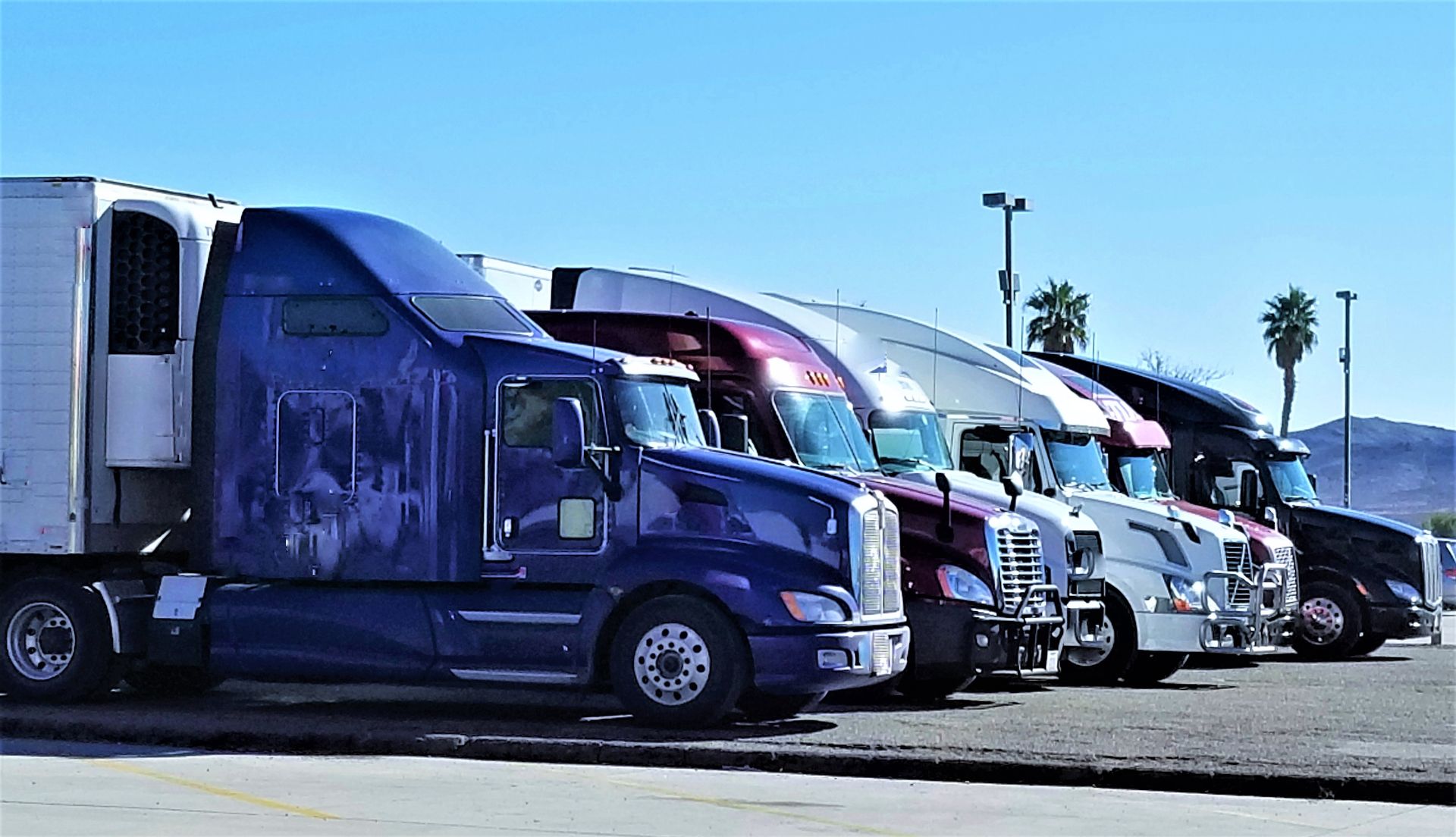
Commercial Auto & Trucking
Protection for your fleet including box trucks, moving vans, and trailers. Covers liability, collision, physical damage, and hired or non-owned vehicles used in your operations.
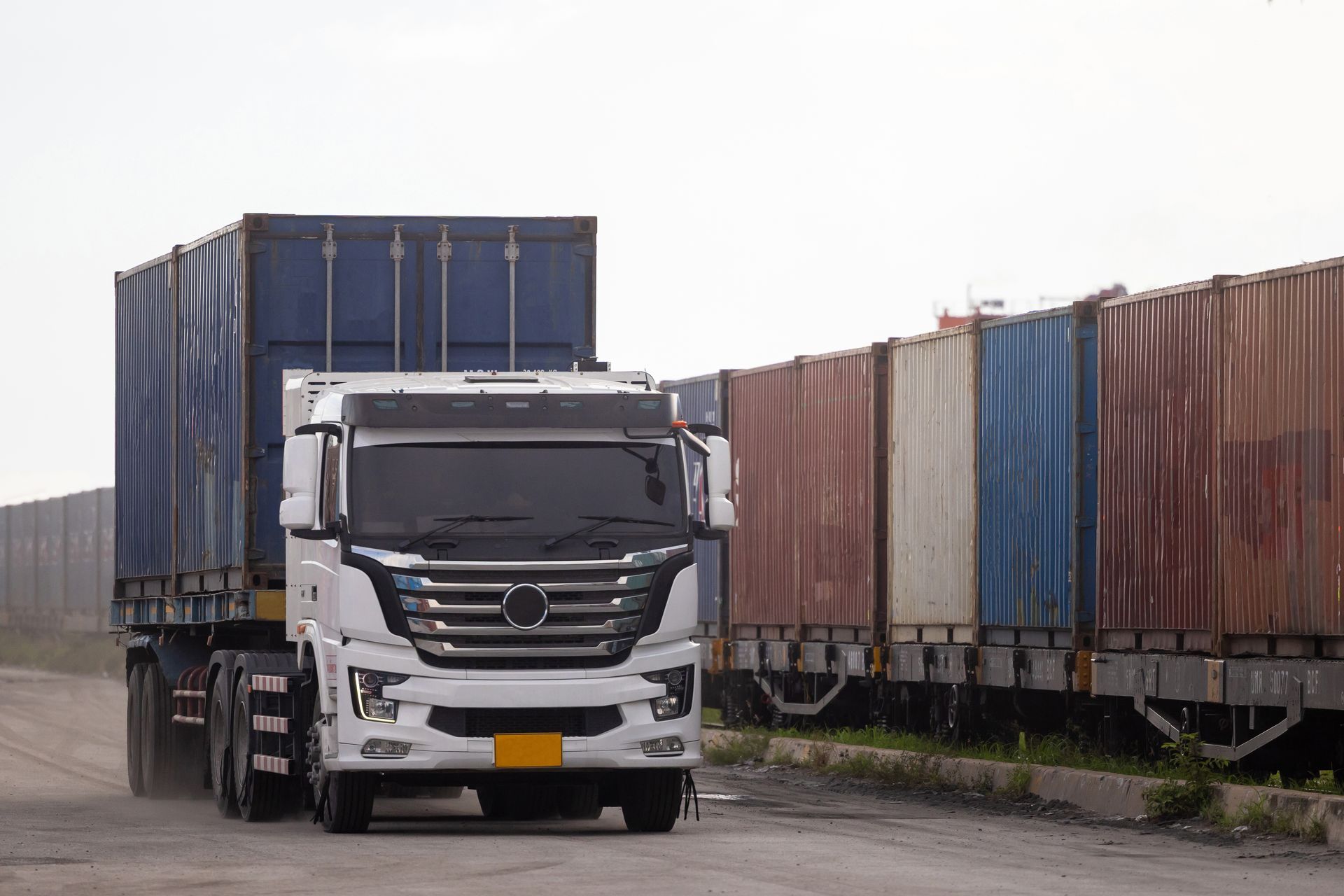
Motor Truck Cargo
Covers household goods and freight during transport from pickup to delivery. Protects against damage, theft, mysterious disappearance, and weather-related losses while cargo is in your care.

General Liability
Protection from third-party claims for bodily injury and property damage at customer homes, job sites, and your own facility. Essential coverage for every transportation operation

Warehouse Legal Liability
Coverage for customer property while stored in your facility. Protects against damage, theft, fire, and water damage to goods in your care, custody, or control.

Workers' Compensation
Medical care and wage replacement for employees injured on the job. Required in most states for transportation and warehouse work where physical labor creates higher injury risk.

Umbrella & Excess Liability
Higher liability limits stacked on top of your primary policies. Helps meet large contract requirements and protects your business assets against major claims and lawsuits.
Specialized Knowledge
Industries We Protect
Focused coverage for transportation and logistics businesses


Simple and Clear
How Our Process Works
Our process to get you covered
Connect With Us
Reach out through our form or by phone to share your business needs and current coverage situation.
Get Coverage Options
We review your risks, compare carriers, and present clear quotes with plain-language explanations.
Stay Protected
You choose your plan, and we provide ongoing support for certificates, claims, and renewals.
Trusted by Businesses
Feedback That Reflects Service and Reliability
What our clients say about working with Champion Risk
Answers You Need
Frequently Asked Questions
Common questions about transportation and logistics insurance




What insurance does a transportation company need to operate legally?
Motor carriers that cross state lines must meet FMCSA requirements. You need a minimum of $750,000 in liability coverage, plus a BMC-91 filing that proves your insurance to the federal government. Cargo coverage is also required, with minimums that depend on the type of goods you transport.
Intrastate operators follow state-specific rules. California, Texas, and Florida each have different requirements. Champion Risk handles both federal and state filings. We make sure your coverage meets legal minimums and your certificates reach the right agencies.
How much does commercial transportation insurance cost?
Premiums depend on your fleet size, driving records, cargo values, and claims history. A small operation with two trucks might pay $8,000 to $15,000 per year. A larger carrier with ten trucks could pay $50,000 to $100,000 or more.
The best way to control costs is working with a broker who knows transportation insurance. We find carriers that specialize in your exact operation type. This often results in better rates than going direct or using a general agent who doesn't understand the industry.
What is a BMC-91 filing and why do I need one?
A BMC-91 is a form your insurance company files with the FMCSA. It proves you carry the required liability coverage to operate as a for-hire motor carrier. Without an active BMC-91, your operating authority can be revoked.
Champion Risk works with carriers who file electronically. Your BMC-91 typically posts within 24 to 48 hours of binding coverage. We monitor your filing status and alert you if anything needs attention.
Does my warehouse or storage facility need different insurance than a trucking operation?
Yes. Storage facilities need warehouse legal liability coverage. This protects you when customer property is damaged or stolen while in your care. Standard general liability policies exclude this exposure.
You may also need property coverage for your building, equipment breakdown protection, and business income coverage if a fire or disaster shuts down operations. Champion Risk builds storage facility programs that address all these risks in one package.
Can you insure last-mile delivery drivers who use their own vehicles?
Yes. We offer hired and non-owned auto coverage for delivery operations that use independent contractors or employees driving personal vehicles. This fills gaps that personal auto policies don't cover during commercial use.
We also provide occupational accident coverage for 1099 drivers who aren't eligible for workers' comp. This protects your drivers and limits your liability exposure when accidents happen.
How fast can I get proof of insurance for a new contract?
Same day in most cases. Once we bind your policy, we issue certificates of insurance within hours. If your contract requires specific additional insured language or special endorsements, we coordinate directly with the carrier.
Rush requests happen often in this industry. General contractors and corporate clients demand certificates before they let you on site. Champion Risk prioritizes fast turnaround because we know your revenue depends on it.

Answers You Need
Transportation & Logistics Insurance Resources
Articles designed to inform and support your business
Contact Us
Phone Number:
Email Address:
Location:
12264 El Camino Real, Suite 350
San Diego, CA 92130
Hours:
Monday – Friday: 8:00 AM – 6:00 PM PT