
Tennessee sits at the crossroads of American commerce. With Memphis serving as a global logistics hub, Nashville experiencing explosive growth, and I-40 carrying freight coast to coast, the state moves an enormous volume of goods daily. The Tennessee Freight and Logistics Market is projected to reach $46.39 billion by 2030, growing at a compound annual rate of 5.47%. That growth brings opportunity, but it also brings risk.
Here's what most carriers don't realize until it's too late: transportation and logistics insurance in Tennessee involves a complex web of state requirements, federal mandates, and industry-specific coverage needs. Get it wrong, and you're looking at fines, cargo claims you can't cover, or worse.
An inadequate transportation system costs Tennessee motorists $6 billion annually in vehicle operating costs, congestion-related delays, and crash expenses. Carriers operating without proper coverage contribute to these costs and face devastating personal liability. Understanding what coverage you actually need, what it costs, and how to stay compliant isn't optional. It's the foundation of a sustainable trucking or logistics operation.
Overview of Tennessee Transportation and Logistics Sector
Tennessee's geographic position makes it a natural distribution center. Within a day's drive, carriers can reach roughly 75% of the U.S. population. FedEx's global headquarters in Memphis processes millions of packages daily, and the state's highway network connects major markets in every direction.
This infrastructure creates tremendous demand for trucking, warehousing, and freight forwarding services. Small owner-operators run alongside massive fleet operations, and third-party logistics providers coordinate shipments worth billions annually. The diversity of operations means insurance needs vary dramatically from one business to the next.
The risks are real too.
From 2017 to 2021, an average of 155 people were killed annually in Tennessee in collisions involving a large truck. These accidents generate liability claims that can bankrupt an underprepared carrier overnight. Weather events, cargo theft along major corridors, and the sheer volume of traffic on routes like I-24 and I-81 compound the exposure.


By: Mark Raby
Chief Executive Officer at Champion Risk & Insurance Services
Mandatory Insurance Coverage for Tennessee Carriers
Primary Auto Liability and State Minimums
Tennessee requires a minimum of $750,000 in combined single limit liability coverage for most freight trucks over 26,001 lbs GVWR. This aligns with federal minimums for interstate carriers, but don't assume it's enough. Many shippers and brokers require $1 million in coverage before they'll book a load with you.
For hazardous materials haulers, the requirements jump significantly. Carriers transporting certain hazmat categories need $5 million in coverage. The logic is straightforward: a hazmat spill can contaminate land, water, and air, generating cleanup costs and third-party claims that dwarf typical accident settlements.
One mistake I see regularly: carriers assume their policy automatically covers everything they haul. It doesn't. If you occasionally take hazmat loads but your policy excludes them, you're operating without coverage on those runs.
Motor Truck Cargo Insurance Requirements
Cargo coverage protects the goods you're hauling. While Tennessee doesn't mandate specific cargo insurance amounts for all carriers, your broker agreements and shipper contracts almost certainly do. Most require $100,000 minimum, with many demanding $250,000 or more for high-value freight.
Cargo policies come with exclusions that catch people off guard. Refrigerated goods often require reefer breakdown coverage. Electronics may need theft protection with specific security requirements. Household goods movers face different liability standards than general freight haulers.
Workers' Compensation Laws for TN Transport Businesses
Tennessee requires workers' compensation coverage for businesses with five or more employees. The construction and mining industries have stricter rules, but most trucking operations fall under the standard threshold.
Owner-operators working as independent contractors often skip this coverage, assuming they're exempt. That's technically true, but it's also risky. If you're injured and can't drive, workers' comp would cover your medical bills and lost income. Without it, you're on your own. Many carriers working with Champion Risk add occupational accident coverage to fill this gap.
Specialized Policies for Logistics and Freight Forwarding
Freight Broker Professional Liability (Errors & Omissions)
Freight brokers don't touch cargo, but they face substantial liability anyway. If you arrange a shipment with an underqualified carrier and something goes wrong, the shipper is coming after you. Professional liability coverage, often called errors and omissions, protects against claims arising from your brokerage services.
Common claims include booking with carriers who lack proper authority, failing to verify insurance, and miscommunicating shipment requirements. A single claim can easily exceed $50,000, and defending yourself costs money even if you win.
General Liability and Warehouse Legal Liability
General liability covers third-party bodily injury and property damage at your premises. If a driver slips on your dock or a forklift damages a visitor's vehicle, GL responds.
Warehouse operators need
warehouse legal liability coverage, which protects stored goods while in your care. This differs from cargo insurance because the goods aren't in transit. Coverage typically applies to fire, theft, water damage, and other perils that can affect stored inventory.

Factors Influencing Insurance Costs in Tennessee
Impact of Driving Records and Safety Ratings
The average cost for commercial truck insurance in Tennessee runs approximately $13,384 per year, with premiums ranging from $11,652 to $15,196 depending on your risk profile. Your CSA scores, accident history, and driver MVRs drive these numbers more than anything else.
Carriers with clean safety records and experienced drivers pay substantially less than those with violations and claims. One serious accident can increase your premiums by 30% or more at renewal. "Carriers are broadly pushing for rate increases at renewal, with well-performing accounts seeing single to low double-digit hikes, while challenging risks face 10-15% increases or more," according to CRC Group's analysis of current market conditions.
Route Risks and Cargo Valuation
Where you operate matters. Carriers running through high-theft corridors like certain stretches of I-40 pay more for cargo coverage. Operations in congested urban areas face higher liability premiums than those running rural routes.
The value and type of cargo also affect pricing. Hauling electronics or pharmaceuticals costs more to insure than dry goods. Temperature-sensitive freight adds complexity and premium. Underwriters assess the likelihood of claims and the potential severity when setting rates.
| Factor | Lower Premium Impact | Higher Premium Impact |
|---|---|---|
| Safety Record | No accidents, clean CSA | Multiple violations, poor scores |
| Driver Experience | 5+ years, CDL-A | New drivers, recent incidents |
| Cargo Type | Dry goods, general freight | Hazmat, high-value electronics |
| Operating Radius | Regional, familiar routes | Long-haul, high-risk corridors |
| Equipment Age | Newer trucks with safety tech | Older equipment, minimal safety features |
FMCSA Filings and the BMC-91X
Interstate carriers must file proof of insurance with the FMCSA. The BMC-91X form demonstrates you carry the required liability coverage. Your insurance company files this electronically, but you're responsible for ensuring it happens.
If your BMC-91X lapses, your operating authority becomes inactive. You can't legally haul interstate freight until it's reinstated. Champion Risk handles these filings as part of their commercial trucking coverage, preventing the compliance gaps that shut down operations.
Tennessee Department of Revenue and IRP Requirements
The International Registration Plan governs how you register trucks operating across state lines. Tennessee participates in IRP, meaning you'll register based on the percentage of miles traveled in each jurisdiction.
The Tennessee Department of Revenue also requires fuel tax reporting through IFTA. While not insurance-related directly, these compliance requirements affect your operating authority. Lapsed registrations can trigger insurance cancellations, creating a cascade of problems.
Lowering your insurance costs starts with becoming a better risk. Install telematics and dashcams to document driver behavior and accident circumstances. Insurers increasingly offer discounts for this technology because it reduces fraud and speeds claim resolution.
Implement formal driver training programs and document everything. Pre-trip inspections, safety meetings, and ongoing education demonstrate commitment to loss prevention. Some carriers reduce premiums by 10-15% through comprehensive safety programs.
Consider higher deductibles if your cash reserves allow. Moving from a $1,000 to $5,000 deductible can meaningfully reduce premiums, though you need liquidity to cover those deductibles when claims occur.
Bundle your coverages when possible. Purchasing auto liability, cargo, and general liability from one provider often yields package discounts. It also simplifies claims handling when multiple coverages apply to a single incident.
Frequently Asked Questions
How much liability insurance do I need for a single truck in Tennessee? At minimum, $750,000 combined single limit for trucks over 26,001 lbs GVWR. Most brokers require $1 million before booking loads with you.
Does Tennessee require cargo insurance? The state doesn't mandate specific cargo coverage amounts, but shipper and broker contracts typically require $100,000 to $250,000 minimum.
What happens if my BMC-91X filing lapses? Your interstate operating authority becomes inactive immediately. You cannot legally haul freight across state lines until coverage is reinstated and new filings are accepted.
Can I reduce my premium if I only haul locally? Yes. Regional operations typically cost less to insure than long-haul because you face fewer miles of exposure and more predictable routes.
Do owner-operators need workers' compensation in Tennessee? Not if you're truly independent with no employees. Many add occupational accident coverage instead to protect against injury-related income loss.
Making the Right Coverage Decision
Tennessee's transportation sector offers real opportunity for carriers willing to operate professionally. That means understanding your insurance requirements, maintaining proper coverage, and staying compliant with both state and federal mandates.
The carriers who thrive long-term treat insurance as an investment in sustainability rather than an expense to minimize. They work with specialists who understand trucking, maintain clean safety records, and build relationships with underwriters who reward good performance.
If you're uncertain whether your current coverage meets Tennessee's requirements or protects your specific operation adequately, get a professional review. The cost of being wrong far exceeds the cost of getting proper advice upfront.
About the Author:
Mark Raby
I am a seasoned insurance professional with over 30 years of experience in the industry. I lead Champion Risk & Insurance Services, a San Diego-based brokerage with nationwide reach and strong influence in the insurance marketplace. My core competencies include insurance agency M&A deals, captives and alternative risk structures, and commercial property and casualty insurance for clients in the transportation and logistics industries. I am a former president of IIAB San Diego and hold a Bachelor of Science in Finance from Western Michigan University’s Haworth College of Business.
Protection for Transportation Operations
Business Insurance for Transportation & Logistics Companies
Coverage designed specifically for transportation businesses
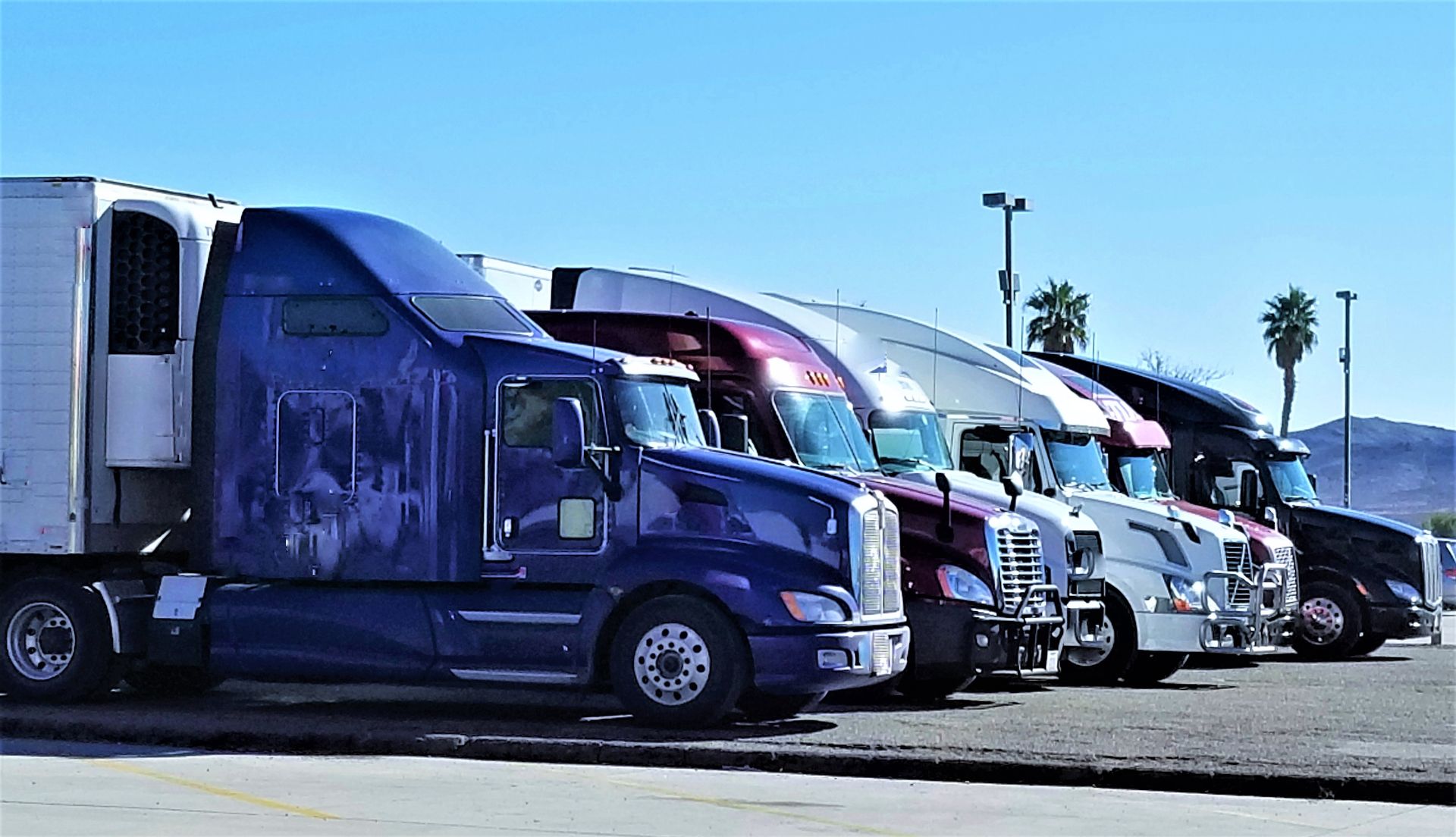
Commercial Auto & Trucking
Protection for your fleet including box trucks, moving vans, and trailers. Covers liability, collision, physical damage, and hired or non-owned vehicles used in your operations.
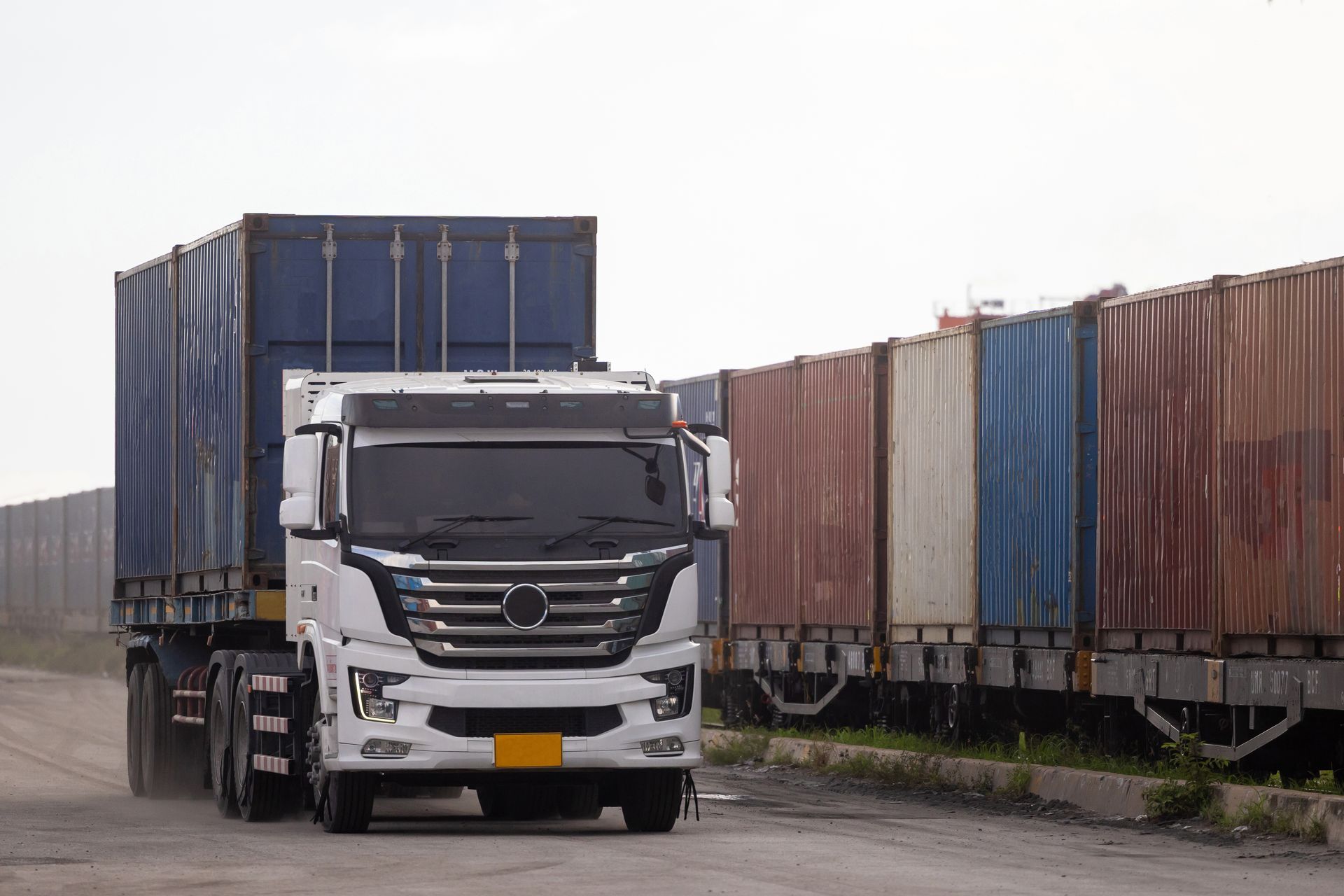
Motor Truck Cargo
Covers household goods and freight during transport from pickup to delivery. Protects against damage, theft, mysterious disappearance, and weather-related losses while cargo is in your care.

General Liability
Protection from third-party claims for bodily injury and property damage at customer homes, job sites, and your own facility. Essential coverage for every transportation operation

Warehouse Legal Liability
Coverage for customer property while stored in your facility. Protects against damage, theft, fire, and water damage to goods in your care, custody, or control.

Workers' Compensation
Medical care and wage replacement for employees injured on the job. Required in most states for transportation and warehouse work where physical labor creates higher injury risk.

Umbrella & Excess Liability
Higher liability limits stacked on top of your primary policies. Helps meet large contract requirements and protects your business assets against major claims and lawsuits.
Specialized Knowledge
Industries We Protect
Focused coverage for transportation and logistics businesses

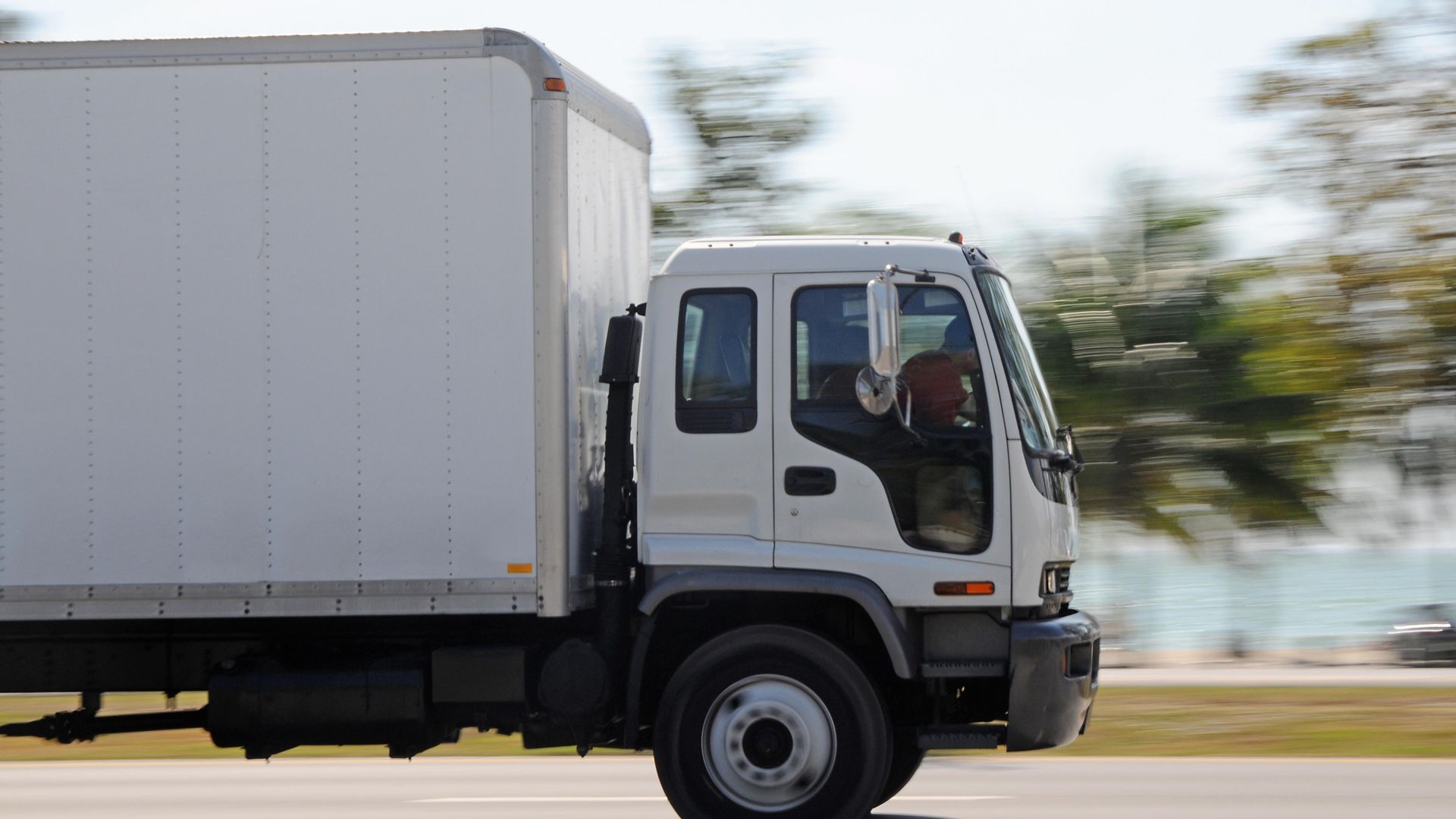

Simple and Clear
How Our Process Works
Our process to get you covered
Connect With Us
Reach out through our form or by phone to share your business needs and current coverage situation.
Get Coverage Options
We review your risks, compare carriers, and present clear quotes with plain-language explanations.
Stay Protected
You choose your plan, and we provide ongoing support for certificates, claims, and renewals.
Trusted by Businesses
Feedback That Reflects Service and Reliability
What our clients say about working with Champion Risk
Answers You Need
Frequently Asked Questions
Common questions about transportation and logistics insurance




What insurance does a transportation company need to operate legally?
Motor carriers that cross state lines must meet FMCSA requirements. You need a minimum of $750,000 in liability coverage, plus a BMC-91 filing that proves your insurance to the federal government. Cargo coverage is also required, with minimums that depend on the type of goods you transport.
Intrastate operators follow state-specific rules. California, Texas, and Florida each have different requirements. Champion Risk handles both federal and state filings. We make sure your coverage meets legal minimums and your certificates reach the right agencies.
How much does commercial transportation insurance cost?
Premiums depend on your fleet size, driving records, cargo values, and claims history. A small operation with two trucks might pay $8,000 to $15,000 per year. A larger carrier with ten trucks could pay $50,000 to $100,000 or more.
The best way to control costs is working with a broker who knows transportation insurance. We find carriers that specialize in your exact operation type. This often results in better rates than going direct or using a general agent who doesn't understand the industry.
What is a BMC-91 filing and why do I need one?
A BMC-91 is a form your insurance company files with the FMCSA. It proves you carry the required liability coverage to operate as a for-hire motor carrier. Without an active BMC-91, your operating authority can be revoked.
Champion Risk works with carriers who file electronically. Your BMC-91 typically posts within 24 to 48 hours of binding coverage. We monitor your filing status and alert you if anything needs attention.
Does my warehouse or storage facility need different insurance than a trucking operation?
Yes. Storage facilities need warehouse legal liability coverage. This protects you when customer property is damaged or stolen while in your care. Standard general liability policies exclude this exposure.
You may also need property coverage for your building, equipment breakdown protection, and business income coverage if a fire or disaster shuts down operations. Champion Risk builds storage facility programs that address all these risks in one package.
Can you insure last-mile delivery drivers who use their own vehicles?
Yes. We offer hired and non-owned auto coverage for delivery operations that use independent contractors or employees driving personal vehicles. This fills gaps that personal auto policies don't cover during commercial use.
We also provide occupational accident coverage for 1099 drivers who aren't eligible for workers' comp. This protects your drivers and limits your liability exposure when accidents happen.
How fast can I get proof of insurance for a new contract?
Same day in most cases. Once we bind your policy, we issue certificates of insurance within hours. If your contract requires specific additional insured language or special endorsements, we coordinate directly with the carrier.
Rush requests happen often in this industry. General contractors and corporate clients demand certificates before they let you on site. Champion Risk prioritizes fast turnaround because we know your revenue depends on it.

Answers You Need
Transportation & Logistics Insurance Resources
Articles designed to inform and support your business
Contact Us
Phone Number:
Email Address:
Location:
12264 El Camino Real, Suite 350
San Diego, CA 92130
Hours:
Monday – Friday: 8:00 AM – 6:00 PM PT