
Contingent Liability Insurance for Moving & Storage Company
Or Call Us:
(800) 829-0807
A single lawsuit from a subcontractor's mistake can wipe out years of profit for a moving company. I've seen it happen: a hired crew drops a piano down a flight of stairs, someone gets hurt, and suddenly the moving company that contracted them faces a six-figure claim. The subcontractor's insurance? Lapsed three months ago. Nobody checked.
This is exactly why contingent liability insurance exists for moving and storage companies. It serves as your financial backstop when the independent contractors and owner-operators you rely on don't have adequate coverage, or when their policies fail to respond. With moving companies paying an average of $1,440 annually for general liability alone, understanding how contingent coverage fits into your overall protection strategy isn't optional.
The moving and storage industry depends heavily on flexible workforce arrangements. Peak seasons demand extra crews, long-distance hauls require owner-operators, and storage facilities often contract security and maintenance. Each relationship creates potential gaps in your liability protection. Contingent liability insurance fills those gaps before they become financial sinkholes.
What makes this coverage particularly relevant now is the explosive growth in storage operations. The
self-storage market is valued at $58.26 billion and projected to reach $72.15 billion by 2028.More storage means more subcontracted services, more potential claims, and more reasons to understand exactly what contingent liability coverage does and costs.
Understanding Contingent Liability in the Moving Industry
Contingent liability kicks in when your business faces claims arising from the actions of parties you've hired but don't directly employ. For moving companies, this typically means independent drivers, contracted crews, and third-party warehouse operators. Your exposure exists because customers hired you, not your subcontractors.
The Role of Independent Contractors and Owner-Operators
Moving companies rely on independent contractors for good reasons: flexibility during busy seasons, specialized equipment access, and reduced employment costs. But this model creates a coverage puzzle.
When an owner-operator damages a customer's antique furniture, the customer sues your company. They signed a contract with you, not with the driver. Your primary liability policy may deny the claim because you didn't directly cause the damage. The subcontractor's insurance should cover it, but what if they're underinsured, uninsured, or their carrier disputes the claim?
Contingent liability insurance responds in these scenarios. It provides coverage when:
- The subcontractor has no valid insurance
- Their policy limits are exhausted
- Coverage is disputed or denied
- The subcontractor disappears or becomes insolvent
- Key Differences Between Primary and Contingent Liability
Primary liability coverage responds first when your employees cause damage or injury. Contingent coverage activates only when another party's insurance fails to adequately respond.
Think of it as a safety net beneath a safety net. Your subcontractor's policy is the first line of defense. Contingent coverage catches what falls through. This distinction matters for premium calculations and claims handling. Insurers price contingent coverage lower than primary because it's designed as backup protection, not frontline defense.


By: Mark Raby
Chief Executive Officer at Champion Risk & Insurance Services
Core Coverage Components for Moving and Storage
A comprehensive policy for moving and storage operations bundles multiple coverage types. As Heffins.com explains, "Moving & Storage Insurance combines commercial auto, cargo, warehouse liability, and other essential coverages into one package." Contingent liability layers onto this foundation.
Bodily Injury and Property Damage Protection
Contingent bodily injury coverage protects when a subcontractor's actions injure someone. A contracted crew member drops a dresser on a homeowner's foot. A hired driver backs into a pedestrian. These claims can easily reach $100,000 or more, especially with medical costs and potential litigation.
Property damage protection extends beyond customer belongings to include damage to third-party property. Your subcontractor's truck hits a parked car. A contracted crew damages the customer's hardwood floors. Contingent coverage responds when the responsible party's insurance falls short.
Cargo Loss and Damage Provisions
Cargo coverage for contingent situations addresses goods damaged or lost while in a subcontractor's care. Standard third-party insurance costs range from 1% to 5% of shipment value, but contingent cargo protection ensures you're covered when subcontractors fail to maintain adequate policies.
This matters most for high-value shipments. A subcontractor handling a $50,000 art collection with only $10,000 in cargo coverage leaves a significant gap. Contingent cargo provisions can fill that difference.
Legal Defense Costs and Settlement Support
Legal defense costs accumulate quickly, often exceeding the actual claim amount. Contingent liability policies typically include defense cost coverage, paying for attorneys, expert witnesses, and court fees when you're sued over a subcontractor's actions.
Settlement support helps resolve claims efficiently. Insurers often prefer negotiated settlements to lengthy litigation. Your contingent policy provides resources for this process, protecting both your finances and your reputation.
Eligibility and Compliance Requirements
Qualifying for contingent liability coverage requires demonstrating that you properly vet and monitor your subcontractors. Insurers want proof that you're not using contingent coverage as a substitute for proper risk management.
Verification of Subcontractor Insurance Certificates
Before any insurer offers contingent liability coverage, they'll want to see your certificate verification process. This means:
- Collecting current certificates of insurance from all subcontractors
- Verifying coverage limits meet your contract requirements
- Confirming your company is listed as an additional insured
- Tracking expiration dates and requiring renewals
- Documenting your verification process for audits
Champion Risk recommends establishing a formal certificate management system. Manual tracking works for companies with a handful of subcontractors, but larger operations need automated solutions that flag lapses before they become problems.
Safety Ratings and DOT Compliance Standards
For motor carrier operations, DOT compliance isn't just regulatory, it's an insurance requirement. Underwriters examine:
| Compliance Factor | Impact on Coverage |
|---|---|
| CSA scores | Higher scores may increase premiums or trigger exclusions |
| Out-of-service rates | Excessive rates can disqualify subcontractors |
| Operating authority status | Lapsed authority voids coverage |
| Drug testing compliance | Non-compliance creates coverage gaps |
Your contingent coverage may exclude claims involving subcontractors who don't meet minimum safety standards. Review these exclusions carefully before binding a policy.

Contingent liability premiums vary significantly based on your operation's risk profile. Understanding the pricing factors helps you budget accurately and identify opportunities for savings.
Annual Revenue and Fleet Volume Impact
Revenue serves as a primary rating factor because it correlates with exposure. A company moving $5 million in goods annually faces more potential claims than one handling $500,000. Insurers also consider:
- Number of moves completed annually
- Average shipment value
- Geographic operating territory
- Percentage of work subcontracted
Commercial auto insurance for movers averages $876 monthly, and contingent auto coverage typically adds 15-25% to that base cost. Companies subcontracting more than 30% of their work should expect higher contingent premiums.
Claims History and Risk Profile Assessment
Your claims history matters, even for contingent coverage. Insurers view frequent claims, regardless of whether your employees or subcontractors caused them, as evidence of operational problems. A pattern of subcontractor-related claims suggests inadequate vetting or supervision.
Risk profile assessment includes:
- Years in business
- Management experience
- Training programs for contracted crews
- Contract terms with subcontractors
- Historical loss ratios
Champion Risk works with moving companies to improve their risk profiles before seeking quotes, often reducing premiums by 10-20% through documented safety improvements.
Best Practices for Risk Management and Policy Selection
Buying contingent liability insurance is only part of the equation. How you structure your coverage and manage subcontractor relationships determines whether you're actually protected when claims arise.
Navigating Exclusion Clauses and Policy Limits
Every contingent liability policy contains exclusions that can void coverage. Common exclusions include:
- Intentional acts by subcontractors
- Work performed outside your operating authority
- Claims involving unvetted or unapproved subcontractors
- Pollution and environmental damage
- Punitive damages
Read your policy's exclusion section carefully. Some exclusions are negotiable, others are standard across all carriers. Pay particular attention to the definition of "approved subcontractor" since failing to follow your own approval process can invalidate coverage.
Policy limits should reflect your worst-case scenario. A single catastrophic claim involving serious injury could exceed $1 million. Setting limits at $500,000 to save premium dollars is false economy if you're left holding a $600,000 judgment.
Integrating Contingent Liability with Umbrella Policies
Umbrella policies provide excess coverage above your primary and contingent limits. For moving companies with significant subcontractor exposure, this layered approach offers the strongest protection.
The integration works like this: your contingent liability policy responds first, up to its limits. Once exhausted, your umbrella policy kicks in, providing additional coverage. Workers' compensation insurance averages $755 monthly for moving companies, and similar layering strategies apply there.
Work with a specialist like Champion Risk to ensure your policies stack properly. Coverage gaps between primary, contingent, and umbrella layers are common when policies come from different carriers.
Frequently Asked Questions
How much does contingent liability insurance cost for a small moving company? Expect to pay 15-25% above your base liability premium, typically $200-$400 monthly for companies with annual revenue under $1 million.
Does contingent coverage replace the need to verify subcontractor insurance? No. Most policies require documented verification processes. Failing to verify can void your coverage entirely.
What happens if my subcontractor's insurance company goes bankrupt? Your contingent liability coverage should respond, though specific policy language varies. Review this scenario with your agent.
Can I require subcontractors to carry higher limits than my contingent policy? Yes, and you should. Requiring subcontractors to carry limits matching your exposure reduces the likelihood of contingent claims.
How quickly do contingent liability claims get paid? Claims involving coverage disputes with subcontractor insurers often take 6-12 months to resolve. Your contingent carrier handles the investigation.
Making the Right Coverage Decision
Contingent liability insurance for moving and storage operations isn't a luxury, it's a business necessity when you rely on subcontractors. The coverage costs are modest compared to the potential exposure, and the peace of mind allows you to scale operations without proportionally increasing your risk.
Start by auditing your current subcontractor relationships and their insurance status. Document your verification process, then work with a specialized broker to find coverage that matches your actual exposure. Champion Risk offers consultations specifically for moving and storage companies navigating these decisions. The right policy protects not just your finances but your ability to keep operating when subcontractor mistakes happen, because eventually, they will.
About the Author:
Mark Raby
I am a seasoned insurance professional with over 30 years of experience in the industry. I lead Champion Risk & Insurance Services, a San Diego-based brokerage with nationwide reach and strong influence in the insurance marketplace. My core competencies include insurance agency M&A deals, captives and alternative risk structures, and commercial property and casualty insurance for clients in the transportation and logistics industries. I am a former president of IIAB San Diego and hold a Bachelor of Science in Finance from Western Michigan University’s Haworth College of Business.
Protection for Transportation Operations
Business Insurance for Transportation & Logistics Companies
Coverage designed specifically for transportation businesses
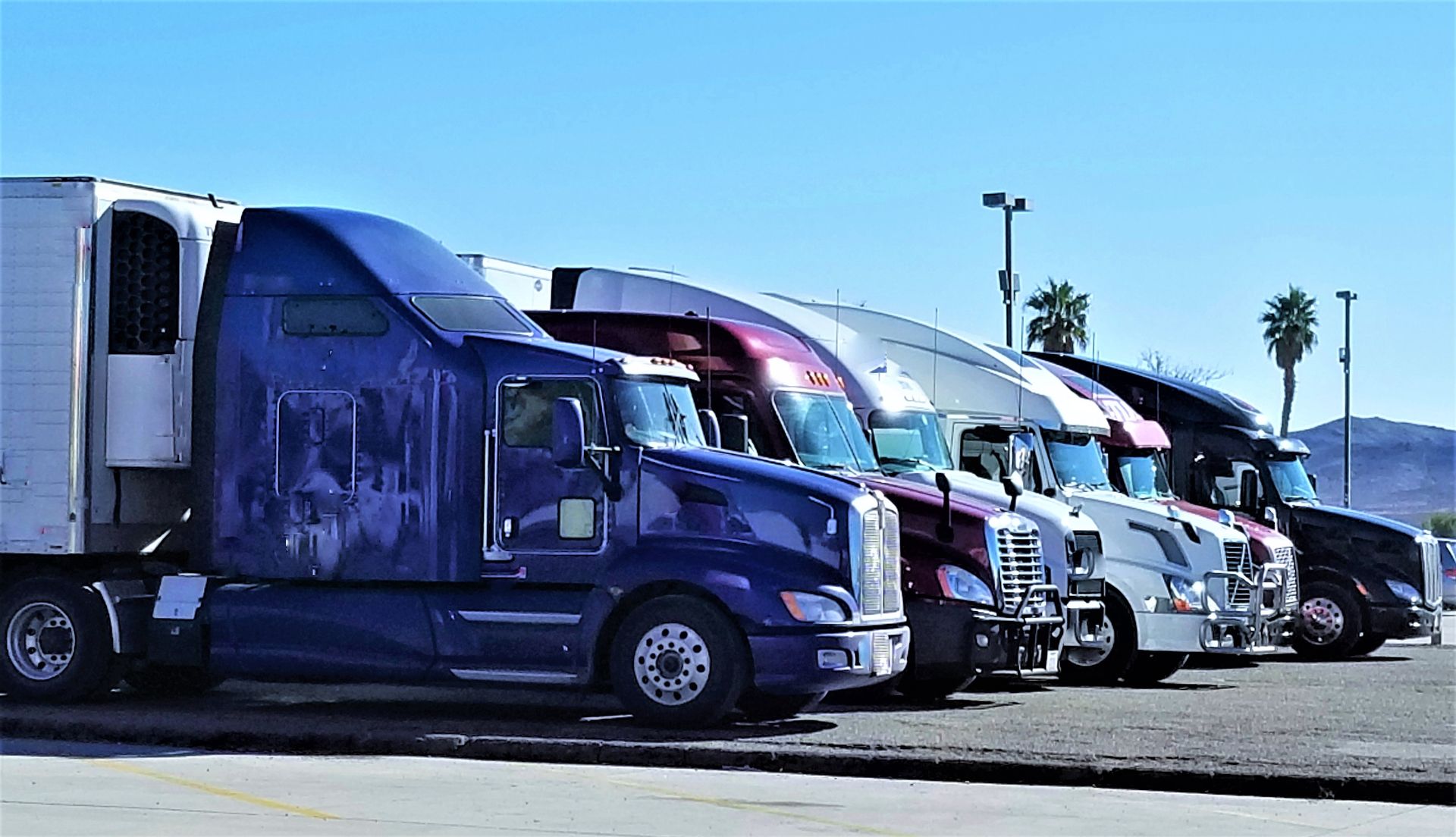
Commercial Auto & Trucking
Protection for your fleet including box trucks, moving vans, and trailers. Covers liability, collision, physical damage, and hired or non-owned vehicles used in your operations.
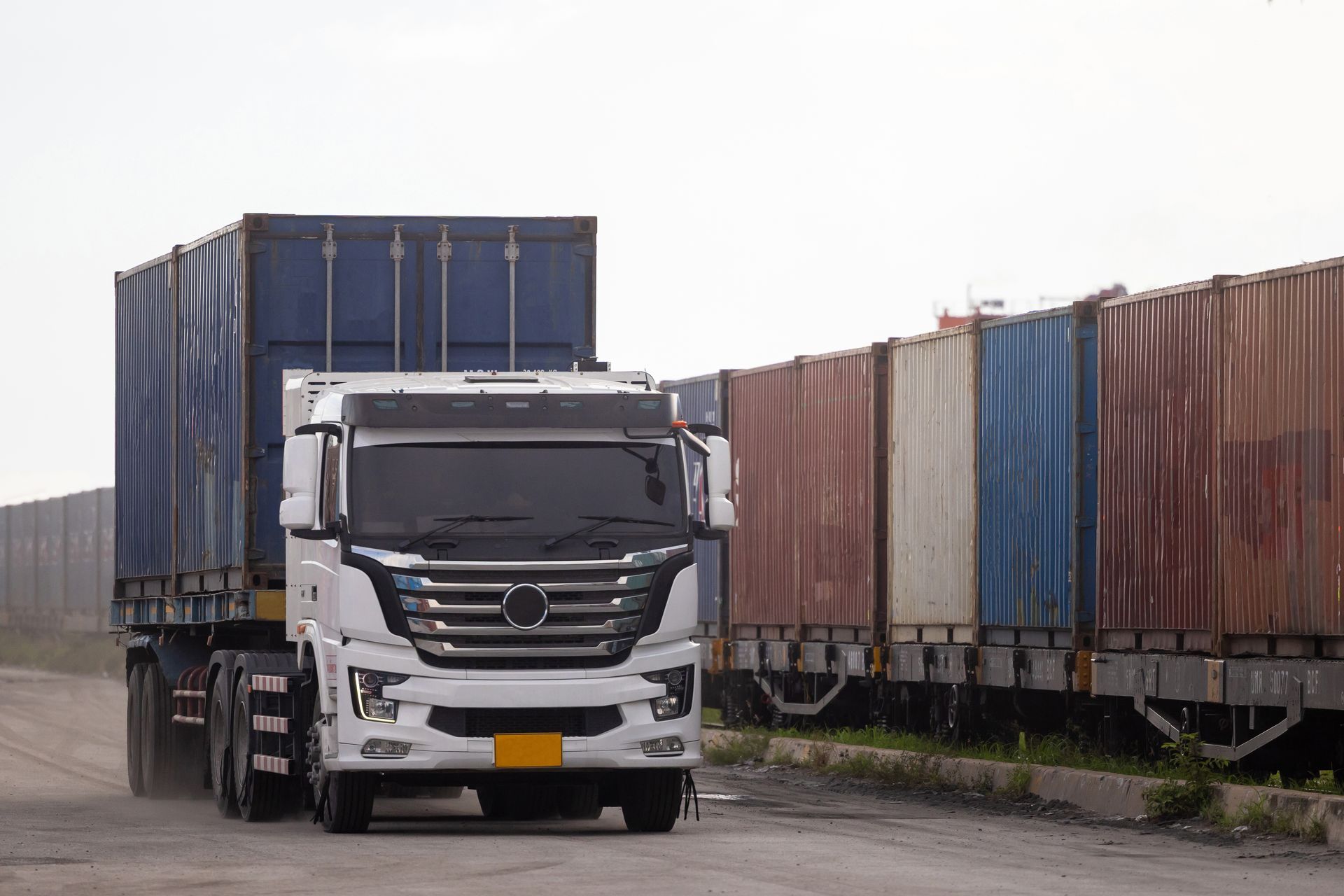
Motor Truck Cargo
Covers household goods and freight during transport from pickup to delivery. Protects against damage, theft, mysterious disappearance, and weather-related losses while cargo is in your care.

General Liability
Protection from third-party claims for bodily injury and property damage at customer homes, job sites, and your own facility. Essential coverage for every transportation operation

Warehouse Legal Liability
Coverage for customer property while stored in your facility. Protects against damage, theft, fire, and water damage to goods in your care, custody, or control.

Workers' Compensation
Medical care and wage replacement for employees injured on the job. Required in most states for transportation and warehouse work where physical labor creates higher injury risk.

Umbrella & Excess Liability
Higher liability limits stacked on top of your primary policies. Helps meet large contract requirements and protects your business assets against major claims and lawsuits.
Specialized Knowledge
Industries We Protect
Focused coverage for transportation and logistics businesses


Simple and Clear
How Our Process Works
Our process to get you covered
Connect With Us
Reach out through our form or by phone to share your business needs and current coverage situation.
Get Coverage Options
We review your risks, compare carriers, and present clear quotes with plain-language explanations.
Stay Protected
You choose your plan, and we provide ongoing support for certificates, claims, and renewals.
Trusted by Businesses
Feedback That Reflects Service and Reliability
What our clients say about working with Champion Risk
Answers You Need
Frequently Asked Questions
Common questions about transportation and logistics insurance




What insurance does a transportation company need to operate legally?
Motor carriers that cross state lines must meet FMCSA requirements. You need a minimum of $750,000 in liability coverage, plus a BMC-91 filing that proves your insurance to the federal government. Cargo coverage is also required, with minimums that depend on the type of goods you transport.
Intrastate operators follow state-specific rules. California, Texas, and Florida each have different requirements. Champion Risk handles both federal and state filings. We make sure your coverage meets legal minimums and your certificates reach the right agencies.
How much does commercial transportation insurance cost?
Premiums depend on your fleet size, driving records, cargo values, and claims history. A small operation with two trucks might pay $8,000 to $15,000 per year. A larger carrier with ten trucks could pay $50,000 to $100,000 or more.
The best way to control costs is working with a broker who knows transportation insurance. We find carriers that specialize in your exact operation type. This often results in better rates than going direct or using a general agent who doesn't understand the industry.
What is a BMC-91 filing and why do I need one?
A BMC-91 is a form your insurance company files with the FMCSA. It proves you carry the required liability coverage to operate as a for-hire motor carrier. Without an active BMC-91, your operating authority can be revoked.
Champion Risk works with carriers who file electronically. Your BMC-91 typically posts within 24 to 48 hours of binding coverage. We monitor your filing status and alert you if anything needs attention.
Does my warehouse or storage facility need different insurance than a trucking operation?
Yes. Storage facilities need warehouse legal liability coverage. This protects you when customer property is damaged or stolen while in your care. Standard general liability policies exclude this exposure.
You may also need property coverage for your building, equipment breakdown protection, and business income coverage if a fire or disaster shuts down operations. Champion Risk builds storage facility programs that address all these risks in one package.
Can you insure last-mile delivery drivers who use their own vehicles?
Yes. We offer hired and non-owned auto coverage for delivery operations that use independent contractors or employees driving personal vehicles. This fills gaps that personal auto policies don't cover during commercial use.
We also provide occupational accident coverage for 1099 drivers who aren't eligible for workers' comp. This protects your drivers and limits your liability exposure when accidents happen.
How fast can I get proof of insurance for a new contract?
Same day in most cases. Once we bind your policy, we issue certificates of insurance within hours. If your contract requires specific additional insured language or special endorsements, we coordinate directly with the carrier.
Rush requests happen often in this industry. General contractors and corporate clients demand certificates before they let you on site. Champion Risk prioritizes fast turnaround because we know your revenue depends on it.

Answers You Need
Transportation & Logistics Insurance Resources
Articles designed to inform and support your business
Contact Us
Phone Number:
Email Address:
Location:
12264 El Camino Real, Suite 350
San Diego, CA 92130
Hours:
Monday – Friday: 8:00 AM – 6:00 PM PT