
Naperville, Illinois Transportation & Logistics Insurance
Or Call Us:
(800) 829-0807
Naperville sits at a crossroads, literally. With I-88 and I-55 carving through DuPage and Will Counties, this Chicago suburb has become a critical hub for freight movement, warehousing, and last-mile delivery operations. That strategic positioning creates opportunity, but it also creates exposure. A single accident on the I-88 corridor during rush hour can generate claims that exceed $1 million before attorneys even get involved.
Transportation and logistics insurance in Naperville requires understanding both Illinois state mandates and the specific risk profile that comes with operating in one of the Midwest's busiest freight corridors. The Illinois freight and logistics market is projected to reach $73.06 billion in 2025, growing steadily toward $85.78 billion by 2030. That growth attracts new carriers, new brokers, and unfortunately, new claims.
Here's what most fleet operators discover too late: minimum coverage requirements and adequate coverage are completely different things. The city of Naperville itself requires
$5,000,000 in general liability coverage for certain operations, a figure that catches many newcomers off guard. Getting this wrong doesn't just mean compliance headaches. It means being personally liable when your commercial policy limits run out mid-claim.
The Evolving Landscape of Naperville's Logistics Industry
The logistics scene around Naperville has shifted dramatically over the past decade. What was once dominated by long-haul trucking has diversified into warehousing, cold chain operations, e-commerce fulfillment, and specialized freight brokerage. Each segment carries distinct insurance requirements that generic policies simply don't address.
Temperature-controlled cargo moving through Naperville's distribution centers faces spoilage risks that standard motor truck cargo policies exclude. Fulfillment operations handling consumer goods deal with theft exposure that warehousing policies must specifically address. Freight brokers operating from office parks along Route 59 need contingent cargo coverage that traditional trucking policies never contemplated.
The regional economy's health directly impacts claims frequency. During economic expansions, driver shortages push less experienced operators onto I-88, increasing accident rates. During contractions, maintenance budgets get cut, leading to equipment failures. Smart carriers in the Naperville area recognize these cycles and adjust their coverage accordingly, working with specialists like Champion Risk who understand how local market conditions translate into underwriting decisions.


By: Mark Raby
Chief Executive Officer at Champion Risk & Insurance Services
Core Insurance Coverages for Transportation Providers
Building a proper insurance program starts with understanding what each coverage actually does, not just checking boxes on a compliance form.
Commercial Auto and Motor Truck Cargo Liability
Commercial auto liability protects you when your vehicles cause damage to others. Illinois requires a minimum of $750,000 in liability coverage for trucks hauling general freight, but that figure can jump to $5 million for hazardous materials. The catch is that $750,000 disappears quickly in a serious accident involving multiple vehicles or permanent injuries.
Motor truck cargo liability covers the goods you're hauling when they're damaged, stolen, or destroyed. This coverage responds based on your legal liability as a carrier, which depends on the bill of lading terms and the type of freight involved. Refrigerated loads, high-value electronics, and pharmaceutical shipments all require specialized cargo forms that standard policies exclude.
General Liability and Warehouse Legal Liability
General liability covers third-party bodily injury and property damage that occurs outside of auto operations. Think: a visitor slipping on your loading dock, or your forklift damaging a customer's building during delivery.
Warehouse legal liability is specifically designed for operations that store goods belonging to others. Standard general liability policies contain warehouse exclusions that leave storage operators completely exposed. If you're holding inventory for customers, even temporarily, you need this coverage explicitly written into your program.
Workers' Compensation for Illinois Fleet Operators
Illinois workers' compensation is mandatory for nearly all employers, with very limited exceptions. For fleet operators, this coverage addresses injuries ranging from back strains from loading to catastrophic injuries from accidents. The premium calculation considers your payroll, job classifications, and experience modification factor.
What many Naperville operators miss: workers' comp for drivers who cross state lines gets complicated. Illinois benefits apply when the employment contract is based here, but injuries in other states can trigger additional filing requirements. Champion Risk regularly helps fleet operators structure their workers' comp programs to handle multi-state exposure without gaps.
Illinois Regulatory Requirements and Compliance Standards
Compliance isn't optional, and the penalties for getting it wrong extend beyond fines.
FMCSA and Illinois Department of Transportation Mandates
Federal Motor Carrier Safety Administration requirements apply to any carrier operating vehicles over 10,000 pounds in interstate commerce. This includes maintaining proper insurance filings, keeping safety records current, and ensuring your authority remains active. A lapsed MCS-90 endorsement can result in immediate operating authority suspension.
The Illinois Department of Transportation adds state-specific requirements for intrastate carriers. These include vehicle registration, fuel tax compliance, and oversize/overweight permitting for specialized loads moving through the Naperville area. Insurance certificates must name the appropriate state agencies as certificate holders, with specific coverage verification language.
Minimum Liability Limits for DuPage and Will Counties
Operating across county lines within the Naperville region means understanding that local requirements can exceed state minimums. DuPage County contract requirements often specify $1 million or higher liability limits for vendors performing transportation services. Will County industrial parks frequently require additional insured status on tenant policies.
Municipal contracts in Naperville itself can require that
$5 million general liability minimum mentioned earlier. Carriers who bid on local government work without understanding these requirements either lose contracts or scramble for last-minute coverage at inflated rates.
Factors Influencing Insurance Costs in the Naperville Area
Understanding what drives your premium helps you control it.
Impact of Route Density and Proximity to I-88 and I-55
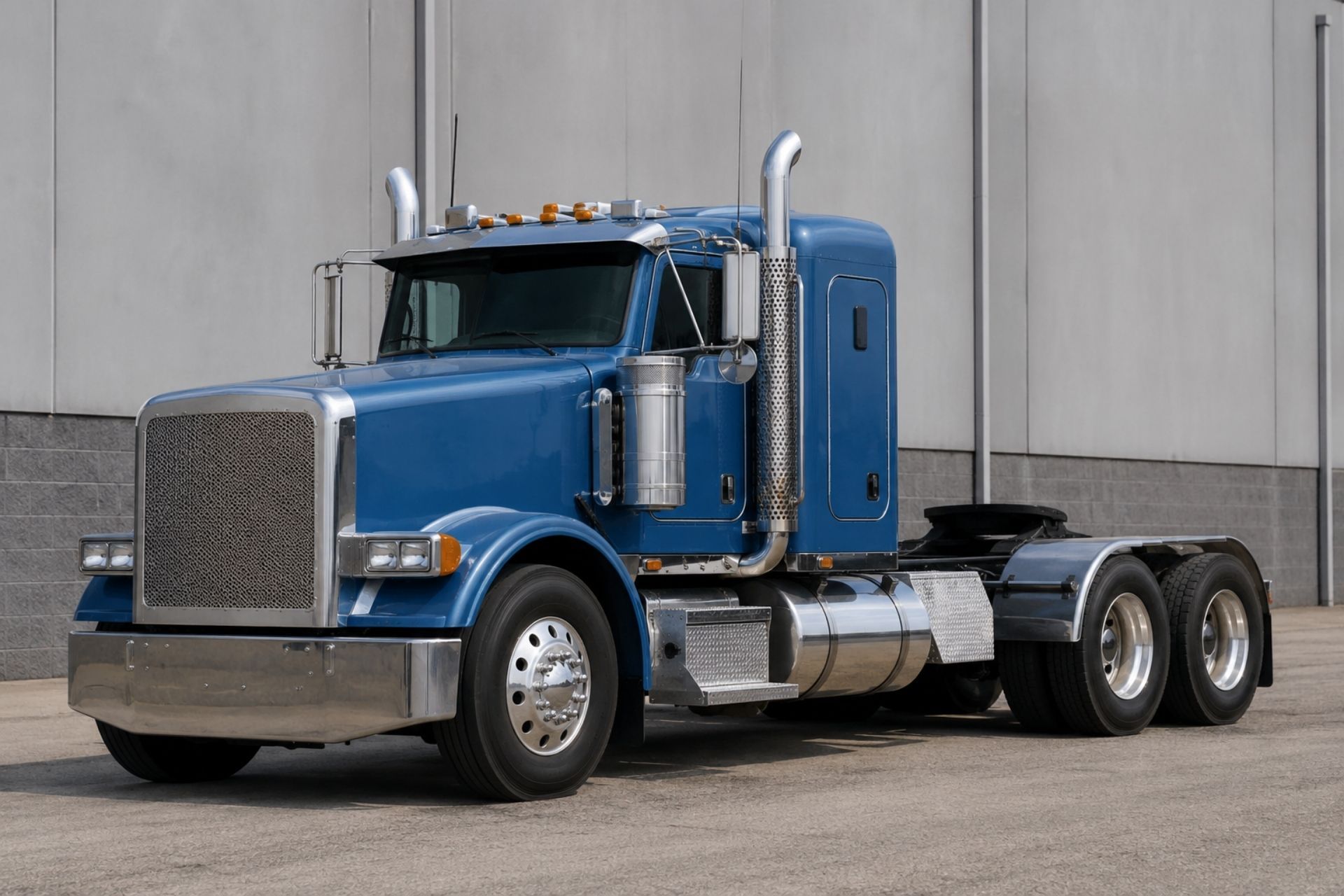
Underwriters price transportation risks based heavily on where vehicles operate. The I-88 and I-55 corridors around Naperville see heavy traffic density, frequent construction zones, and significant commercial vehicle concentration. This translates directly into higher base rates compared to rural operations.
The average commercial truck insurance premium in Illinois ranges from $11,200 to $14,200 annually for drivers with clean records. Operations concentrated in the Naperville metro area typically fall toward the higher end of that range. Adding Chicago proper to your operating radius can push premiums even higher.
Driver Safety Records and Fleet Maintenance Protocols
Your drivers' MVR histories directly impact pricing. A single at-fault accident within three years can increase premiums by 15-25%. Multiple violations or accidents can make coverage difficult to obtain at any price.
Carriers that cannot clearly demonstrate risk control may face higher premiums or limited options. Documented maintenance programs, electronic logging compliance, and driver training records all help demonstrate the risk management practices that underwriters reward with better rates. The
challenging trucking risks in Illinois are seeing rate increases of 10-15% or more, making loss control documentation increasingly important.
Specialized Risk Management for Logistics Intermediaries
Brokers and technology-dependent operations face exposures that traditional trucking policies don't address.
Freight Broker Liability and Contingent Cargo Coverage
Freight brokers don't own trucks, but they accept liability when arranging transportation. Broker liability coverage protects against claims arising from negligent carrier selection, improper load matching, or failure to verify carrier credentials. The $75,000 BMC-84 bond required by FMCSA provides minimal protection compared to actual claim exposure.
Contingent cargo coverage fills the gap when a carrier's cargo policy fails to respond. This happens more often than brokers expect: carrier policies lapse, exclusions apply, or limits prove inadequate. Contingent coverage sits behind the carrier's primary policy and responds when it doesn't.
Cyber Liability for Supply Chain Management Systems
Transportation management systems, electronic data interchange connections, and customer portals create cyber exposure that traditional policies exclude. A ransomware attack that shuts down dispatch operations or exposes customer shipping data triggers costs that general liability and property policies simply don't cover.
Cyber liability policies address breach notification expenses, system restoration costs, business interruption from network outages, and liability for compromised third-party data. For logistics operations managing sensitive supply chain information, this coverage has moved from optional to essential.
| Coverage Type | What It Covers | Typical Limit Range |
|---|---|---|
| Commercial Auto Liability | Third-party injury/damage from vehicle operations | $750,000 - $5,000,000 |
| Motor Truck Cargo | Damage to freight being transported | $100,000 - $500,000 |
| General Liability | Non-auto third-party claims | $1,000,000 - $5,000,000 |
| Warehouse Legal Liability | Damage to stored customer goods | $500,000 - $2,000,000 |
| Cyber Liability | Data breach and system attack costs | $500,000 - $2,000,000 |
Selecting a Local Naperville Insurance Partner
The difference between a generalist agent and a transportation specialist shows up at claim time. Specialists understand how cargo claims get adjusted, which exclusions actually matter, and how to structure coverage for operations that cross state lines or handle specialized freight.
Champion Risk works specifically with transportation and logistics operations throughout the Naperville area, bringing familiarity with local regulatory requirements and relationships with underwriters who understand Midwest corridor risks. That specialization translates into coverage that actually responds when claims occur, not policies that look adequate until they're tested.
When evaluating potential insurance partners, ask about their claims handling process, their relationships with transportation-focused underwriters, and their experience with operations similar to yours. The cheapest premium rarely represents the best value when coverage gaps leave you exposed to the exact risks you thought you'd transferred.
Frequently Asked Questions
What's the minimum insurance required for trucking in Illinois? Illinois requires $750,000 in liability coverage for general freight carriers, increasing to $5 million for certain hazardous materials. Local contracts often require higher limits.
How much does commercial truck insurance cost in Naperville? Clean-record drivers typically pay $11,200 to $14,200 annually, with Naperville-area operations often falling toward the higher end due to corridor traffic density.
Do freight brokers need different insurance than trucking companies? Yes. Brokers need broker liability coverage and contingent cargo insurance, which address exposures that traditional trucking policies exclude entirely.
Why do Naperville contracts require such high liability limits? Municipal and commercial contracts in Naperville often require $5 million in general liability to ensure adequate protection for high-value projects and significant injury claims.
Does workers' compensation cover drivers injured in other states? Illinois workers' comp generally applies when the employment contract is based here, but multi-state operations may trigger additional filing requirements.
About the Author:
Mark Raby
I am a seasoned insurance professional with over 30 years of experience in the industry. I lead Champion Risk & Insurance Services, a San Diego-based brokerage with nationwide reach and strong influence in the insurance marketplace. My core competencies include insurance agency M&A deals, captives and alternative risk structures, and commercial property and casualty insurance for clients in the transportation and logistics industries. I am a former president of IIAB San Diego and hold a Bachelor of Science in Finance from Western Michigan University’s Haworth College of Business.
Protection for Transportation Operations
Business Insurance for Transportation & Logistics Companies
Coverage designed specifically for transportation businesses
Commercial Auto & Trucking
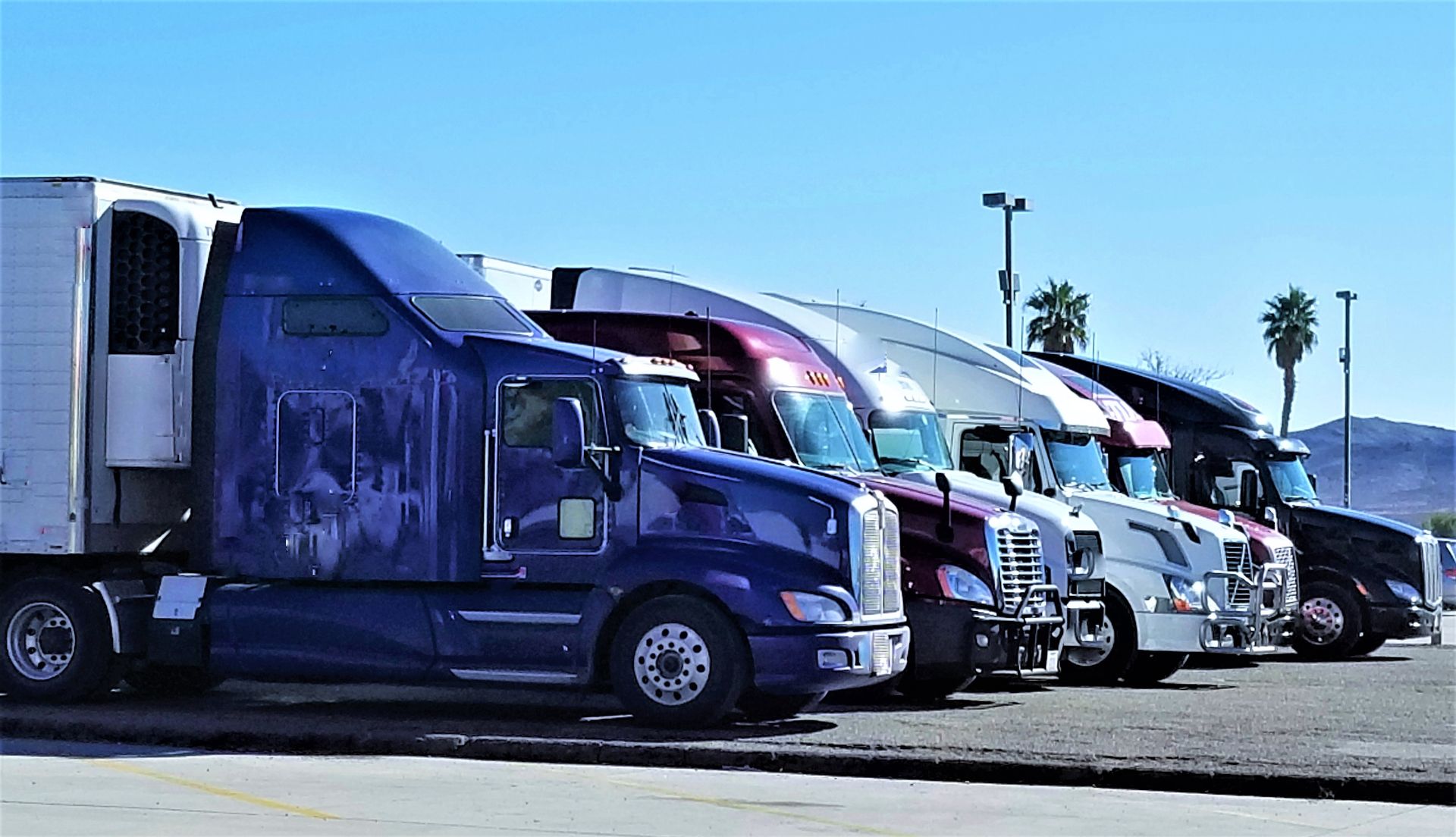
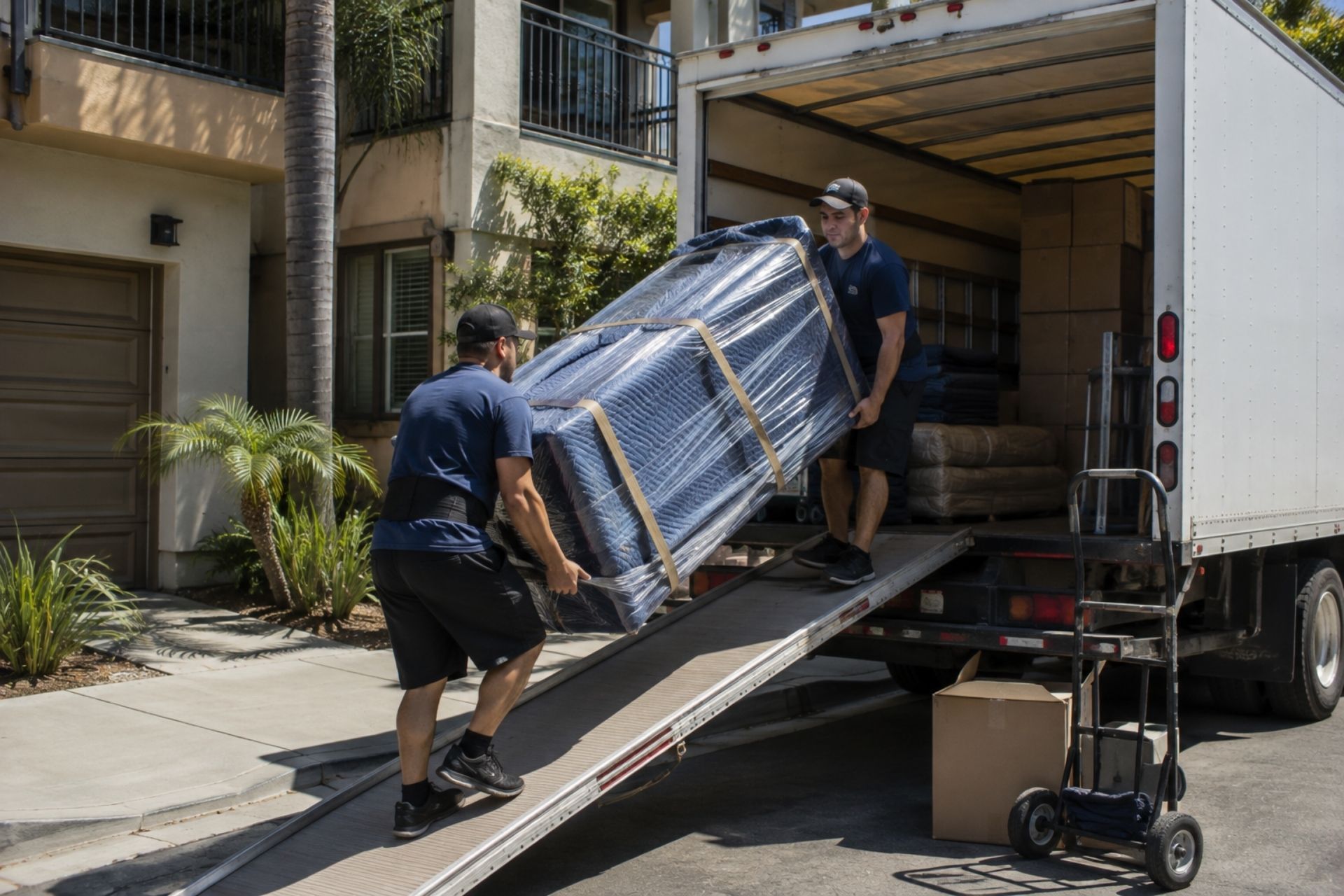
Protection for your fleet including box trucks, moving vans, and trailers. Covers liability, collision, physical damage, and hired or non-owned vehicles used in your operations.
Motor Truck Cargo
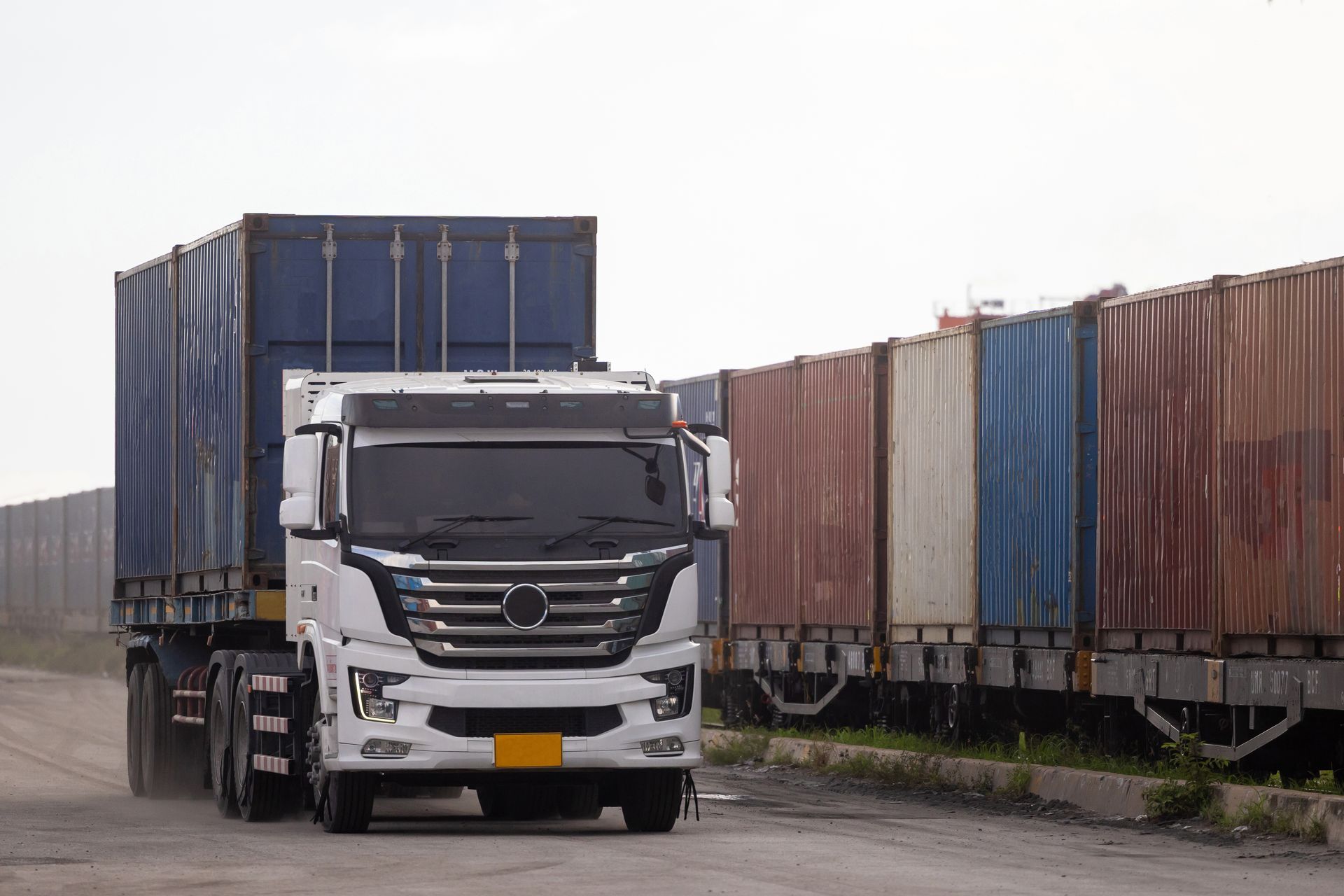
Covers household goods and freight during transport from pickup to delivery. Protects against damage, theft, mysterious disappearance, and weather-related losses while cargo is in your care.

General Liability
Protection from third-party claims for bodily injury and property damage at customer homes, job sites, and your own facility. Essential coverage for every transportation operation

Warehouse Legal Liability
Coverage for customer property while stored in your facility. Protects against damage, theft, fire, and water damage to goods in your care, custody, or control.

Workers' Compensation
Medical care and wage replacement for employees injured on the job. Required in most states for transportation and warehouse work where physical labor creates higher injury risk.

Umbrella & Excess Liability
Higher liability limits stacked on top of your primary policies. Helps meet large contract requirements and protects your business assets against major claims and lawsuits.
Specialized Knowledge
Industries We Protect
Focused coverage for transportation and logistics businesses


Simple and Clear
How Our Process Works
Our process to get you covered
Connect With Us
Reach out through our form or by phone to share your business needs and current coverage situation.
Get Coverage Options
We review your risks, compare carriers, and present clear quotes with plain-language explanations.
Stay Protected
You choose your plan, and we provide ongoing support for certificates, claims, and renewals.
Trusted by Businesses
Feedback That Reflects Service and Reliability
What our clients say about working with Champion Risk
Answers You Need
Frequently Asked Questions
Common questions about transportation and logistics insurance




What insurance does a transportation company need to operate legally?
Motor carriers that cross state lines must meet FMCSA requirements. You need a minimum of $750,000 in liability coverage, plus a BMC-91 filing that proves your insurance to the federal government. Cargo coverage is also required, with minimums that depend on the type of goods you transport.
Intrastate operators follow state-specific rules. California, Texas, and Florida each have different requirements. Champion Risk handles both federal and state filings. We make sure your coverage meets legal minimums and your certificates reach the right agencies.
How much does commercial transportation insurance cost?
Premiums depend on your fleet size, driving records, cargo values, and claims history. A small operation with two trucks might pay $8,000 to $15,000 per year. A larger carrier with ten trucks could pay $50,000 to $100,000 or more.
The best way to control costs is working with a broker who knows transportation insurance. We find carriers that specialize in your exact operation type. This often results in better rates than going direct or using a general agent who doesn't understand the industry.
What is a BMC-91 filing and why do I need one?
A BMC-91 is a form your insurance company files with the FMCSA. It proves you carry the required liability coverage to operate as a for-hire motor carrier. Without an active BMC-91, your operating authority can be revoked.
Champion Risk works with carriers who file electronically. Your BMC-91 typically posts within 24 to 48 hours of binding coverage. We monitor your filing status and alert you if anything needs attention.
Does my warehouse or storage facility need different insurance than a trucking operation?
Yes. Storage facilities need warehouse legal liability coverage. This protects you when customer property is damaged or stolen while in your care. Standard general liability policies exclude this exposure.
You may also need property coverage for your building, equipment breakdown protection, and business income coverage if a fire or disaster shuts down operations. Champion Risk builds storage facility programs that address all these risks in one package.
Can you insure last-mile delivery drivers who use their own vehicles?
Yes. We offer hired and non-owned auto coverage for delivery operations that use independent contractors or employees driving personal vehicles. This fills gaps that personal auto policies don't cover during commercial use.
We also provide occupational accident coverage for 1099 drivers who aren't eligible for workers' comp. This protects your drivers and limits your liability exposure when accidents happen.
How fast can I get proof of insurance for a new contract?
Same day in most cases. Once we bind your policy, we issue certificates of insurance within hours. If your contract requires specific additional insured language or special endorsements, we coordinate directly with the carrier.
Rush requests happen often in this industry. General contractors and corporate clients demand certificates before they let you on site. Champion Risk prioritizes fast turnaround because we know your revenue depends on it.

Answers You Need
Transportation & Logistics Insurance Resources
Articles designed to inform and support your business
Contact Us
Phone Number:
Email Address:
Location:
12264 El Camino Real, Suite 350
San Diego, CA 92130
Hours:
Monday – Friday: 8:00 AM – 6:00 PM PT