Equipment Breakdown Insurance for Transportation & Logistics Company
Or Call Us:
(800) 829-0807
A refrigerated trailer's compressor fails at 2 AM on I-95, and suddenly 40,000 pounds of pharmaceutical products are at risk. The driver calls dispatch, dispatch calls the maintenance team, and everyone holds their breath while the clock ticks on temperature-sensitive cargo worth more than the truck itself. This scenario plays out hundreds of times daily across the logistics industry, and it highlights why equipment breakdown insurance has become essential for transportation companies.
Standard commercial property policies leave a significant gap when machinery fails from internal causes rather than external events like fire or collision. That compressor didn't fail because someone hit the trailer; it failed because a bearing seized or a motor burned out. These internal failures fall squarely into equipment breakdown territory, and without proper coverage, transportation companies face repair bills, spoiled cargo, lost revenue, and damaged client relationships simultaneously.
The global equipment breakdown insurance market reflects this reality. According to
Intel Market Research,the market was valued at $7.35 billion in 2024 and is projected to reach $12.59 billion by 2031. That growth rate of 8.9% annually tells you something important: companies are learning the hard way that this coverage matters.
The Role of Equipment Breakdown Insurance in Logistics
Transportation and logistics operations depend on complex machinery working reliably around the clock. Conveyor systems, refrigeration units, loading dock equipment, fleet diagnostic systems, and warehouse automation all represent potential failure points that can halt operations instantly.
Distinction Between Property Insurance and Equipment Breakdown
Property insurance covers damage from named perils: fire, theft, windstorm, vandalism. Equipment breakdown insurance fills a different role entirely. As explained by Oreate AI, this coverage "addresses expenses to repair or replace machinery and equipment due to sudden, accidental mechanical or electrical failure, excluding wear and tear or gradual aging."
The distinction matters because internal failures are common in logistics. A hydraulic lift fails because a pump burns out. A sorting system stops because a motor overheats. A refrigeration unit quits because an electrical component arcs. None of these events trigger standard property coverage, but all of them can cost tens of thousands in repairs and lost productivity.
Critical Assets Covered: From Cold Storage to Sorting Systems
| Asset Category | Examples | Typical Repair Cost Range |
|---|---|---|
| Refrigeration | Reefer units, cold storage compressors | $8,000 - $45,000 |
| Material Handling | Forklifts, conveyor motors, dock levelers | $3,000 - $25,000 |
| Fleet Systems | Telematics, diagnostic computers, GPS units | $2,000 - $15,000 |
| Warehouse Automation | Sorting systems, robotic pickers, HVAC | $15,000 - $100,000+ |
The shift toward Industry 4.0 technologies has complicated the risk landscape. Munich Re research found that modern automated systems generate 45% higher claim volumes for electrical and mechanical breakdowns compared to traditional equipment. More sophisticated machinery means more potential failure points.


By: Mark Raby
Chief Executive Officer at Champion Risk & Insurance Services
Core Coverage Components for Transportation Providers
Understanding what your policy actually covers prevents unpleasant surprises when you need to file a claim. Equipment breakdown policies for transportation companies typically include several interconnected components.
Mechanical Breakdown and Electrical Arcing
The primary coverage addresses sudden, accidental failure of covered equipment. This includes motor burnout, bearing seizure, compressor failure, electrical arcing, and control system malfunctions. The key word is "sudden" because gradual deterioration and normal wear don't qualify.
A fleet manager recently described finding out the hard way that his policy excluded certain diagnostic equipment. His onboard telematics system failed across twelve trucks simultaneously due to a firmware-related electrical issue. The claim was denied because the specific equipment wasn't scheduled on the policy. Champion Risk advisors often encounter this gap when reviewing existing coverage for new clients.
Business Interruption and Extra Expense Recovery
Equipment failure costs extend beyond repair bills. When a sorting facility's main conveyor system fails, packages pile up, delivery commitments get missed, and expedited shipping costs skyrocket to maintain service levels. Business interruption coverage replaces lost income during the repair period, while extra expense coverage pays for temporary solutions like equipment rental or outsourced processing.
The waiting period matters here. Most policies include a 12 to 24-hour deductible period before business interruption coverage kicks in. For high-volume operations, even that short window can mean significant uninsured losses.
Spoilage Coverage for Perishable Goods
Cold chain logistics present unique risks. When refrigeration fails, the cargo is often worth more than the equipment itself. Spoilage coverage pays for perishable goods damaged when covered equipment breaks down. This coverage is essential for food distributors, pharmaceutical logistics providers, and any company handling temperature-sensitive products.
As Burns & Wilcox notes, Motor Truck Cargo Liability Insurance covers damage to cargo during transit, but spoilage from equipment breakdown often requires specific endorsements or separate coverage to ensure no gaps exist.
Premium calculations for equipment breakdown coverage reflect the actual risk your operation presents. Two companies with similar revenue can pay vastly different premiums based on their equipment profiles and maintenance practices.
Asset Age and Maintenance Records
Insurers price risk based on failure probability, and older equipment fails more frequently. A 15-year-old refrigeration unit costs more to insure than a 3-year-old unit with the same capacity. That said, well-maintained older equipment can sometimes qualify for better rates than poorly maintained newer equipment.
Documentation matters. Companies that can demonstrate consistent preventive maintenance schedules, equipment inspections, and prompt repairs typically receive more favorable underwriting treatment. If you can't prove you maintained the equipment, underwriters assume you didn't.
Operational Scale and Revenue Impact
Larger operations with more equipment naturally face higher premiums, but the relationship isn't purely linear. Underwriters consider revenue concentration risk: how much of your business depends on specific equipment functioning. A single-warehouse operation faces higher relative risk than a company with five facilities that can absorb a localized breakdown.
FatPos Global research projects the equipment breakdown market reaching $8.8 billion by 2030, suggesting that as operations grow more complex, coverage needs expand correspondingly.

Underwriting Requirements and Risk Assessment
Getting approved for equipment breakdown coverage requires more documentation than standard property insurance. Underwriters want to understand your equipment, your maintenance practices, and your operational controls.
Mandatory Inspections and Compliance Standards
Many insurers require equipment inspections before binding coverage, particularly for high-value assets like industrial refrigeration systems or automated material handling equipment. These inspections identify pre-existing conditions that might be excluded from coverage and establish baseline equipment condition.
Compliance with manufacturer specifications and industry standards also affects underwriting decisions. Equipment operated outside recommended parameters or modified without proper engineering review may face coverage exclusions or higher premiums.
Documentation for Telematics and Diagnostic Tools
Modern fleets generate enormous amounts of equipment performance data through telematics systems. Underwriters increasingly request access to this data during the application process. Engine diagnostic codes, refrigeration temperature logs, and maintenance alerts all help insurers assess risk more accurately.
Champion Risk has found that companies with robust telematics programs often qualify for preferred rates because they can demonstrate proactive monitoring and early intervention when equipment shows signs of stress.
However,
Munich Re data indicates that approximately 22% of equipment breakdown claims face prolonged disputes regarding coverage applicability. Clear documentation of equipment condition, maintenance history, and operational parameters helps resolve these disputes faster.
Mitigating Risks to Optimize Coverage Value
Insurance premiums reflect risk, so reducing risk reduces costs. Beyond premium savings, effective risk management means fewer breakdowns, less downtime, and happier customers.
Implementing Preventive Maintenance Programs
Scheduled maintenance catches problems before they become failures. A bearing that shows wear during routine inspection costs a few hundred dollars to replace. That same bearing, left until it seizes, can destroy a motor and cost thousands in emergency repairs plus downtime.
Effective programs include:
- Manufacturer-recommended service intervals tracked by equipment hours or calendar time
- Fluid analysis for hydraulic and refrigeration systems
- Vibration monitoring for rotating equipment
- Electrical testing for motors and control systems
- Documented inspection checklists with identified deficiencies tracked to resolution
The investment in preventive maintenance pays dividends beyond insurance costs. Equipment lasts longer, operates more efficiently, and fails less often.
Employee Training and Operational Safety Protocols
Operator error contributes to many equipment failures. Overloading, improper startup procedures, ignoring warning indicators, and deferred maintenance all increase breakdown frequency. Training programs that emphasize proper equipment operation and early problem reporting reduce these preventable failures.
Champion Risk recommends that clients establish clear escalation procedures for equipment issues. When a driver notices unusual sounds from a refrigeration unit, the response should be immediate inspection rather than hoping it makes it through the delivery route.
Frequently Asked Questions
Does equipment breakdown insurance cover my trucks' engines and transmissions? Generally no. Mobile equipment like trucks is typically covered under auto physical damage policies. Equipment breakdown coverage focuses on stationary equipment and machinery, though certain mounted equipment like refrigeration units may qualify.
How quickly are equipment breakdown claims typically paid? Straightforward claims with clear documentation often settle within 30 to 45 days. Complex claims involving business interruption calculations or disputes about coverage applicability can take several months.
Can I add equipment breakdown coverage to my existing property policy? Yes, equipment breakdown is commonly offered as an endorsement to commercial property policies. Standalone policies are also available for companies needing higher limits or specialized coverage.
What's excluded from equipment breakdown coverage? Common exclusions include wear and tear, gradual deterioration, cosmetic damage, equipment operated outside specifications, and pre-existing conditions known before coverage began.
Do I need separate coverage for leased equipment?
Lease agreements typically specify insurance requirements. Review your leases carefully because you may be responsible for insuring equipment you don't own.
Equipment breakdown coverage fills a gap that most transportation companies don't realize exists until a critical failure occurs. The cost of proper coverage is typically modest compared to the potential losses from uninsured equipment failures, spoiled cargo, and business interruption.
Start by inventorying your critical equipment and reviewing your current policies for coverage gaps. Pay particular attention to refrigeration systems, automated warehouse equipment, and any machinery where failure would immediately impact operations. If you're uncertain about your current coverage, Champion Risk can review your policies and identify potential exposures before they become expensive lessons.
About the Author:
Mark Raby
I am a seasoned insurance professional with over 30 years of experience in the industry. I lead Champion Risk & Insurance Services, a San Diego-based brokerage with nationwide reach and strong influence in the insurance marketplace. My core competencies include insurance agency M&A deals, captives and alternative risk structures, and commercial property and casualty insurance for clients in the transportation and logistics industries. I am a former president of IIAB San Diego and hold a Bachelor of Science in Finance from Western Michigan University’s Haworth College of Business.
Protection for Transportation Operations
Business Insurance for Transportation & Logistics Companies
Coverage designed specifically for transportation businesses
Commercial Auto & Trucking
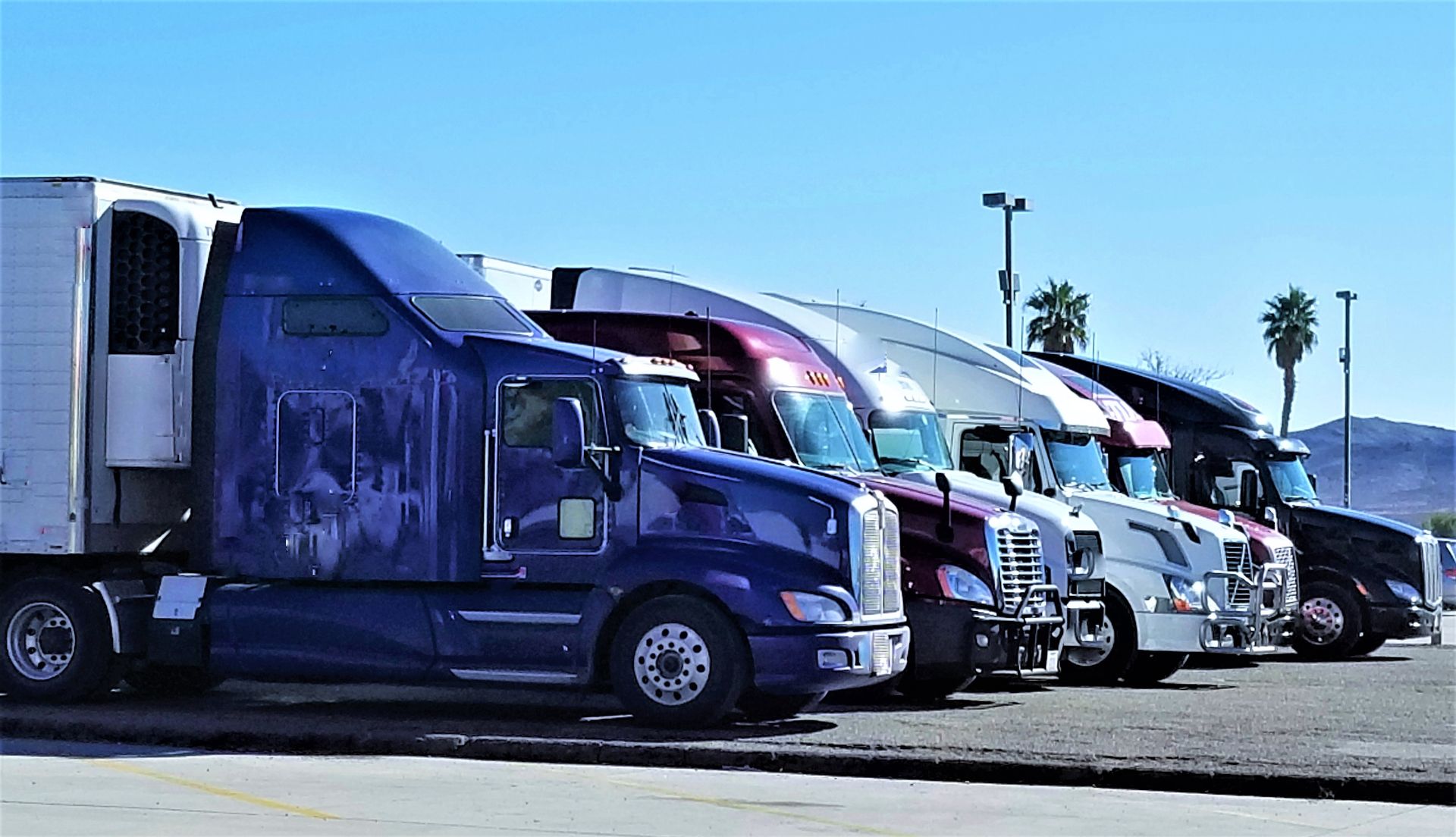
Protection for your fleet including box trucks, moving vans, and trailers. Covers liability, collision, physical damage, and hired or non-owned vehicles used in your operations.
Motor Truck Cargo
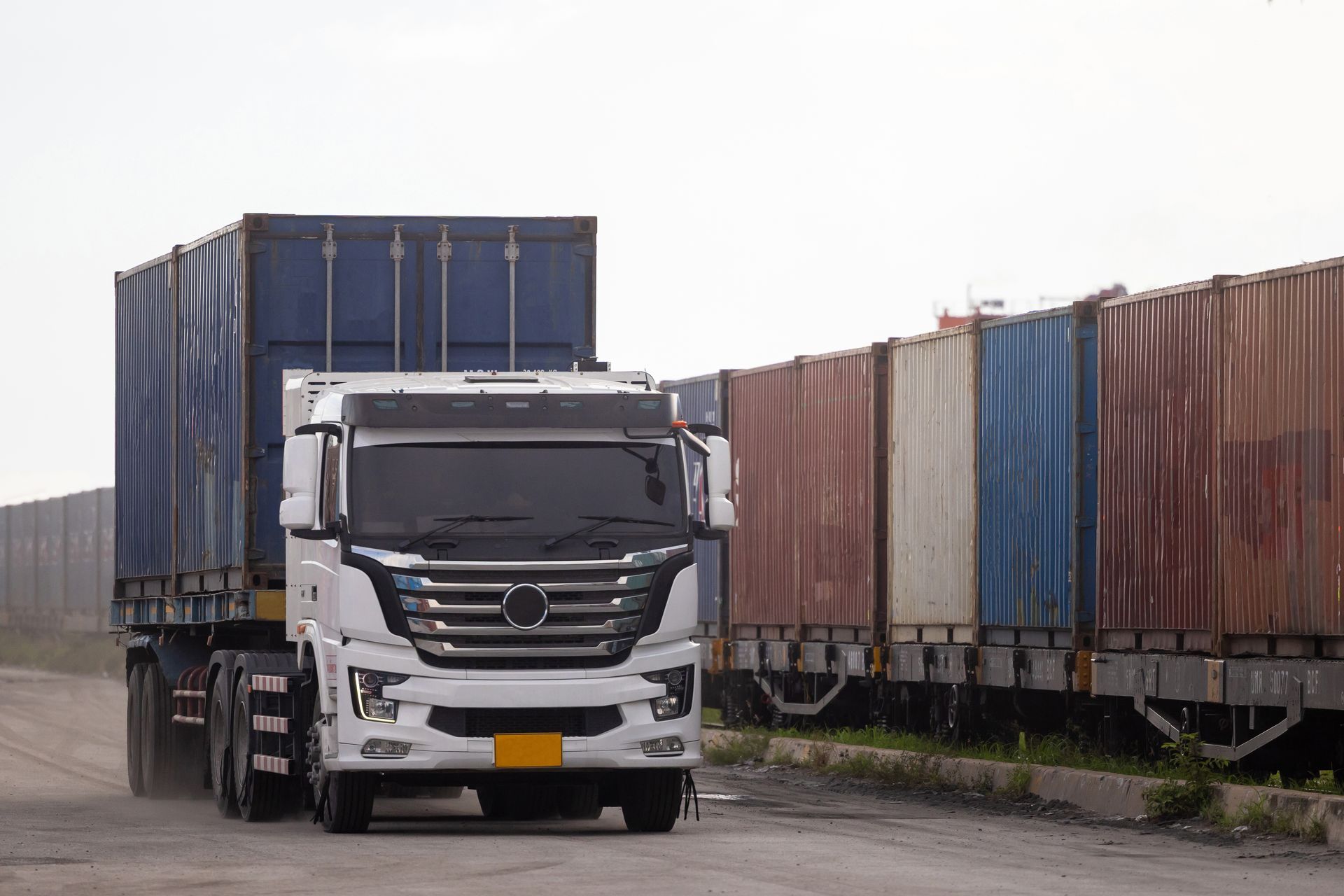
Covers household goods and freight during transport from pickup to delivery. Protects against damage, theft, mysterious disappearance, and weather-related losses while cargo is in your care.

General Liability
Protection from third-party claims for bodily injury and property damage at customer homes, job sites, and your own facility. Essential coverage for every transportation operation
Warehouse Legal Liability
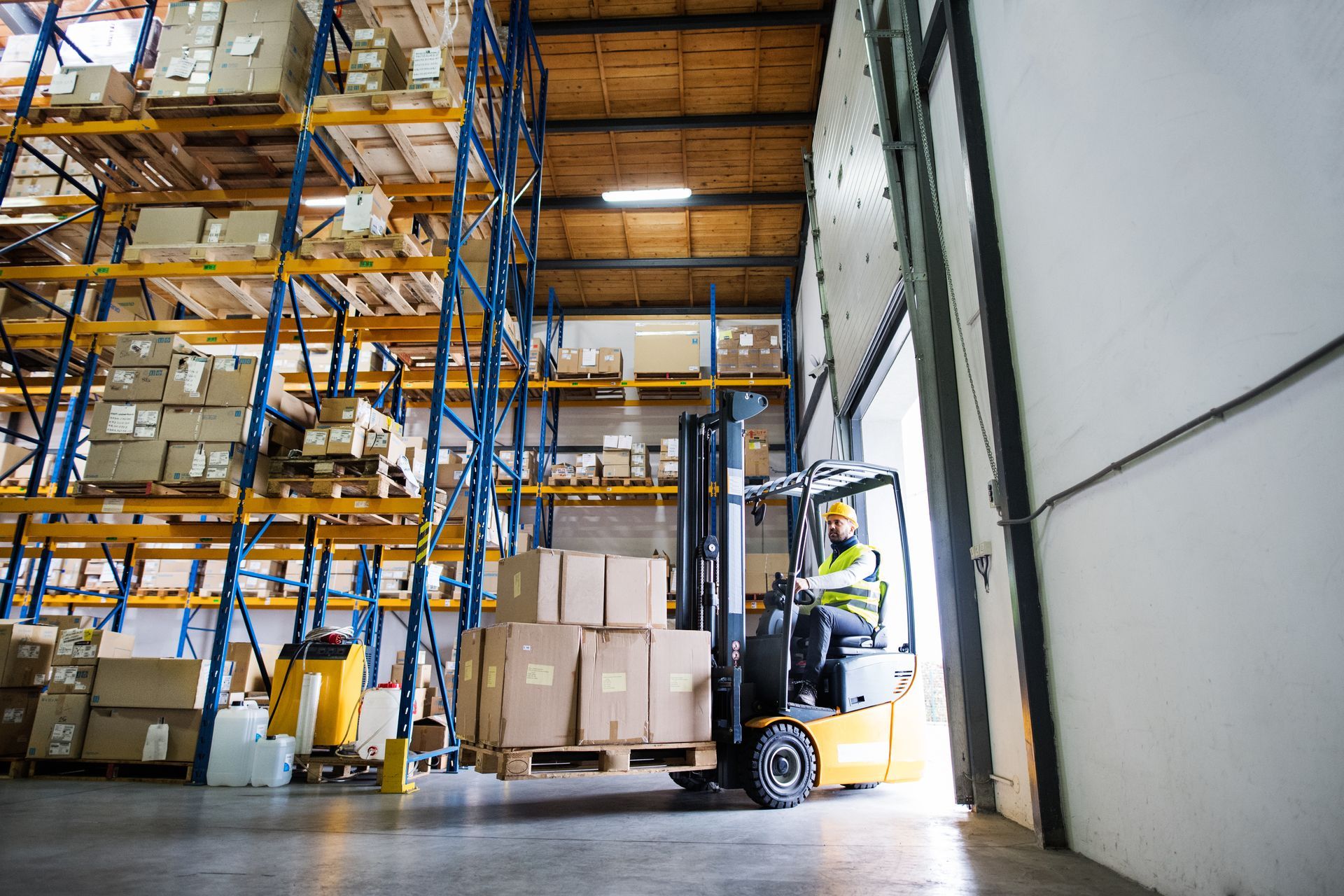
Coverage for customer property while stored in your facility. Protects against damage, theft, fire, and water damage to goods in your care, custody, or control.

Workers' Compensation
Medical care and wage replacement for employees injured on the job. Required in most states for transportation and warehouse work where physical labor creates higher injury risk.

Umbrella & Excess Liability
Higher liability limits stacked on top of your primary policies. Helps meet large contract requirements and protects your business assets against major claims and lawsuits.
Specialized Knowledge
Industries We Protect
Focused coverage for transportation and logistics businesses

Simple and Clear
How Our Process Works
Our process to get you covered
Connect With Us
Reach out through our form or by phone to share your business needs and current coverage situation.
Get Coverage Options
We review your risks, compare carriers, and present clear quotes with plain-language explanations.
Stay Protected
You choose your plan, and we provide ongoing support for certificates, claims, and renewals.
Trusted by Businesses
Feedback That Reflects Service and Reliability
What our clients say about working with Champion Risk
Answers You Need
Frequently Asked Questions
Common questions about transportation and logistics insurance



What insurance does a transportation company need to operate legally?
Motor carriers that cross state lines must meet FMCSA requirements. You need a minimum of $750,000 in liability coverage, plus a BMC-91 filing that proves your insurance to the federal government. Cargo coverage is also required, with minimums that depend on the type of goods you transport.
Intrastate operators follow state-specific rules. California, Texas, and Florida each have different requirements. Champion Risk handles both federal and state filings. We make sure your coverage meets legal minimums and your certificates reach the right agencies.
How much does commercial transportation insurance cost?
Premiums depend on your fleet size, driving records, cargo values, and claims history. A small operation with two trucks might pay $8,000 to $15,000 per year. A larger carrier with ten trucks could pay $50,000 to $100,000 or more.
The best way to control costs is working with a broker who knows transportation insurance. We find carriers that specialize in your exact operation type. This often results in better rates than going direct or using a general agent who doesn't understand the industry.
What is a BMC-91 filing and why do I need one?
A BMC-91 is a form your insurance company files with the FMCSA. It proves you carry the required liability coverage to operate as a for-hire motor carrier. Without an active BMC-91, your operating authority can be revoked.
Champion Risk works with carriers who file electronically. Your BMC-91 typically posts within 24 to 48 hours of binding coverage. We monitor your filing status and alert you if anything needs attention.
Does my warehouse or storage facility need different insurance than a trucking operation?
Yes. Storage facilities need warehouse legal liability coverage. This protects you when customer property is damaged or stolen while in your care. Standard general liability policies exclude this exposure.
You may also need property coverage for your building, equipment breakdown protection, and business income coverage if a fire or disaster shuts down operations. Champion Risk builds storage facility programs that address all these risks in one package.
Can you insure last-mile delivery drivers who use their own vehicles?
Yes. We offer hired and non-owned auto coverage for delivery operations that use independent contractors or employees driving personal vehicles. This fills gaps that personal auto policies don't cover during commercial use.
We also provide occupational accident coverage for 1099 drivers who aren't eligible for workers' comp. This protects your drivers and limits your liability exposure when accidents happen.
How fast can I get proof of insurance for a new contract?
Same day in most cases. Once we bind your policy, we issue certificates of insurance within hours. If your contract requires specific additional insured language or special endorsements, we coordinate directly with the carrier.
Rush requests happen often in this industry. General contractors and corporate clients demand certificates before they let you on site. Champion Risk prioritizes fast turnaround because we know your revenue depends on it.

Answers You Need
Transportation & Logistics Insurance Resources
Articles designed to inform and support your business
Contact Us
Phone Number:
Email Address:
Location:
12264 El Camino Real, Suite 350
San Diego, CA 92130
Hours:
Monday – Friday: 8:00 AM – 6:00 PM PT