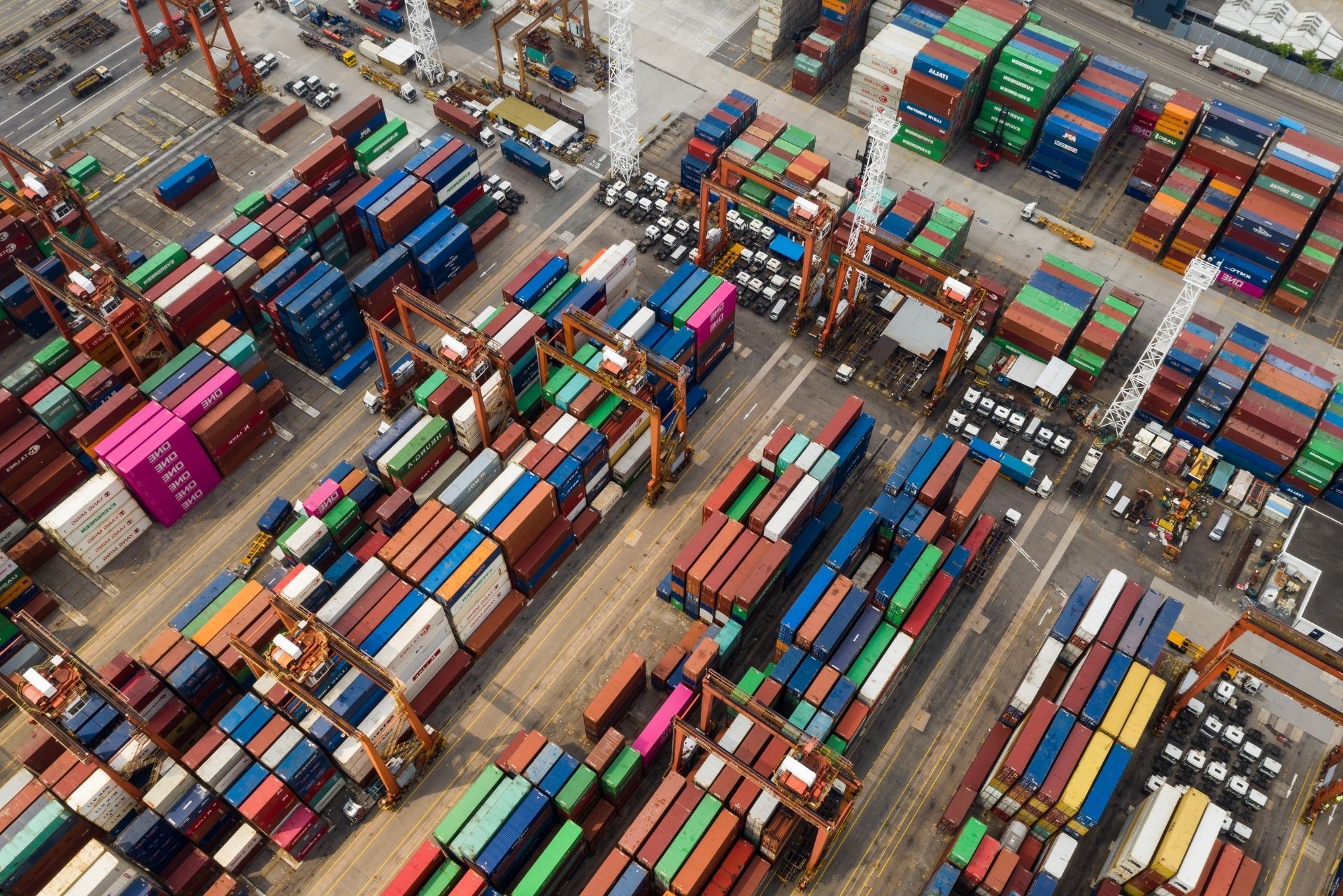
Iowa sits at the crossroads of American commerce. With Interstate 80 cutting straight through the state and a network of highways connecting Chicago to Denver, the Hawkeye State handles freight that feeds half the country. That position creates opportunity for trucking companies, freight brokers, and logistics operations of all sizes. It also creates substantial risk.
Getting transportation and logistics insurance right in Iowa means understanding both federal mandates and state-specific requirements. The stakes are real: an average of 67 people were killed annually in Iowa in collisions involving large trucks between 2017 and 2021. Those numbers translate directly into liability exposure for carriers operating without adequate coverage.
The good news? Iowa remains one of the more affordable states for commercial trucking insurance. The average local commercial truck insurance premium in Iowa runs $5,615, compared to a national average of $8,866. That savings gives Iowa-based carriers a competitive edge, assuming they structure their coverage correctly from the start.
This guide breaks down what Iowa fleet owners and logistics companies actually need to know: state requirements, federal compliance, coverage types that matter, and practical strategies for keeping premiums manageable without leaving gaps that could sink your business after a single claim.
The Landscape of Transportation and Logistics in Iowa
Iowa's freight industry has grown substantially over the past decade. Employment in the state's transportation sector increased 12% from 2012 to 2021, with truck transportation representing the largest subsector. That growth reflects Iowa's strategic position and the agricultural economy that drives much of the state's shipping volume.
The numbers tell the story clearly. Iowa's freight system moved 638 million tons of freight valued at $377 billion in 2022. Grain, livestock, agricultural equipment, and manufactured goods flow through Iowa's highways daily, creating constant demand for reliable carriers.
This volume creates specific insurance considerations. Hauling corn from rural elevators to processing plants carries different risks than long-haul refrigerated transport. Regional carriers face different exposure than owner-operators running dedicated routes. Understanding these distinctions matters when structuring coverage that actually protects your operation rather than just checking compliance boxes.
The agricultural focus also means seasonal fluctuations. Harvest season brings peak demand and increased road traffic, which correlates with higher accident rates. Smart carriers factor these patterns into their risk management planning.

By: Mark Raby
Chief Executive Officer at Champion Risk & Insurance Services
Iowa State Requirements and Federal Compliance
Minimum Liability and DOT Filings
Iowa follows federal Motor Carrier Safety Administration requirements for interstate carriers, but state-specific rules apply to intrastate operations. Any carrier operating across state lines needs FMCSA authority, a DOT number, and proof of insurance filed with the appropriate agencies.
For interstate general freight carriers, the federal minimum liability requirement is $750,000. Carriers hauling hazardous materials face requirements of $1 million to $5 million depending on the cargo classification. These minimums represent the floor, not the ceiling. Most experienced carriers carry limits well above federal minimums because a single serious accident can easily exceed $750,000 in damages.
Iowa requires carriers to file Form MCS-90 (endorsement for motor carrier policies of insurance) and Form BMC-91 (surety bond) with the FMCSA. Missing these filings can result in authority revocation, leaving your trucks parked while competitors handle your customers' freight.
Iowa Workers' Compensation Laws for Fleet Owners
Iowa mandates workers' compensation coverage for businesses with employees. There's no exception for small fleets. If you have drivers on payroll rather than operating as independent contractors, you need workers' comp coverage.
The distinction between employees and independent contractors matters significantly here. Misclassifying drivers to avoid workers' comp requirements creates serious legal exposure. Iowa's workers' compensation commission has become increasingly aggressive about enforcement, and the penalties for misclassification can include back premiums, fines, and personal liability for company owners.
Owner-operators can purchase occupational accident coverage as an alternative, though this doesn't satisfy the legal requirements for actual employees. Champion Risk works with fleet owners to structure coverage that matches their actual workforce composition rather than creating compliance gaps.
Essential Insurance Coverage for Iowa Logistics Companies
Primary Auto Liability and Physical Damage
Auto liability covers damage you cause to others. Physical damage covers your own equipment. Both matter, but they serve different purposes.
Primary auto liability is non-negotiable for any carrier. This coverage pays for bodily injury and property damage when your driver is at fault. Given the size differential between commercial trucks and passenger vehicles, liability claims can reach seven figures quickly. Carrying only minimum limits is a gamble most experienced fleet managers won't take.
Physical damage coverage protects your tractors and trailers. This includes collision coverage for accidents and comprehensive coverage for theft, fire, vandalism, and weather damage. If you're financing equipment, your lender will require physical damage coverage. Even for owned equipment, the cost of replacing a $150,000 tractor out of pocket makes coverage worthwhile.
Motor Truck Cargo and Inland Marine Insurance
Cargo insurance protects the freight you're hauling. Cargo theft incidents increased 57.36% from 2022 to 2023, making this coverage increasingly critical for Iowa carriers.
Standard cargo policies cover loss or damage during transit. Coverage limits depend on the value of freight you typically haul. Agricultural commodities, manufactured goods, and refrigerated products each carry different risk profiles and may require specific policy endorsements.
Inland marine insurance extends protection to goods in transit, in storage, or at intermediate locations. For logistics companies operating warehouses or cross-dock facilities, this coverage fills gaps that standard cargo policies don't address.
General Liability and Broker Bonds
General liability covers claims arising from your business operations outside of vehicle accidents. Slip-and-fall injuries at your terminal, property damage during loading operations, and advertising injury claims all fall under general liability.
Freight brokers face additional requirements. The FMCSA requires brokers to maintain a $75,000 surety bond or trust fund. This bond protects shippers and carriers if the broker fails to pay for services. Operating without proper bond coverage means operating illegally.
Factors Influencing Insurance Costs in the Hawkeye State
Impact of Safety Scores and Driving Records
Your CSA scores matter more than almost any other factor in determining premiums. Carriers with clean safety records pay substantially less than those with violations, accidents, or out-of-service events on their record.
Insurance underwriters pull your SAFER data and review your complete safety profile. High scores in the BASIC categories, particularly Unsafe Driving and Crash Indicator, will either increase your premiums significantly or make coverage difficult to obtain at any price.
Driver hiring practices directly impact your safety scores. MVR reviews, drug testing, and verification of experience aren't just compliance requirements. They're risk management tools that affect your insurance costs for years.
Cargo Type and Geographic Radius Considerations
What you haul and where you haul it both influence premiums. Refrigerated freight carries higher risk than dry van loads. Hazardous materials require specialized coverage and higher limits.
| Factor | Lower Premium Impact | Higher Premium Impact |
|---|---|---|
| Operating Radius | Regional, under 500 miles | Long-haul, nationwide |
| Cargo Type | Dry goods, agricultural | Refrigerated, hazmat |
| Driver Experience | 5+ years, clean MVR | Under 2 years, violations |
| Equipment Age | Newer trucks with safety tech | Older equipment |
| Safety Scores | Satisfactory CSA ratings | Older equipment Safety Scores Satisfactory CSA ratings Poor BASIC scores |
Regional carriers typically pay less than long-haul operations. More miles mean more exposure. Iowa-based carriers running dedicated Midwest routes often secure better rates than those operating coast-to-coast.
Implementing Telematics and Fleet Safety Programs
Telematics systems that monitor driver behavior provide data that can reduce premiums. Hard braking events, speeding, and hours-of-service compliance all become measurable and manageable.
Insurance carriers increasingly offer discounts for fleets using telematics. The data demonstrates your commitment to safety and provides evidence in disputed claims. Champion Risk helps clients identify which telematics investments provide the best return through premium reductions.
Formal safety programs also matter. Documented training, regular safety meetings, and clear policies for hiring and discipline show underwriters you're actively managing risk rather than just reacting to problems.
Consider these proven approaches:
- Pre-trip inspection documentation with photo verification
- Quarterly driver safety reviews with MVR checks
- Dash cameras with both road-facing and driver-facing views
- Speed governor settings appropriate for cargo type
- Fatigue management protocols beyond HOS minimums
Securing the Right Policy for Your Iowa Operations
Finding appropriate coverage for Iowa transportation and logistics operations requires matching your specific risk profile to available policies. Generic quotes based on basic information often miss critical coverage needs or include unnecessary endorsements that inflate premiums.
Start by documenting your actual operations: equipment types, cargo categories, operating radius, driver experience levels, and safety record. This information allows brokers to approach markets that specialize in your specific niche rather than forcing your operation into a one-size-fits-all policy.
Champion Risk specializes in commercial transportation coverage and understands the Iowa market specifically. Working with a broker who knows which carriers write Iowa risks competitively, and which coverage gaps commonly affect regional fleets, can mean the difference between adequate protection and expensive surprises after a claim.
The transportation industry in Iowa continues growing, and insurance requirements continue evolving. Building a relationship with a knowledgeable broker who monitors regulatory changes and market conditions keeps your coverage current without requiring you to become an insurance expert yourself.
Frequently Asked Questions
What's the minimum insurance required for Iowa trucking companies? Interstate carriers need $750,000 in liability coverage minimum. Hazmat carriers require $1 million to $5 million depending on materials transported. Intrastate requirements vary by cargo type.
How much does commercial truck insurance cost in Iowa? Iowa averages $5,615 annually for local commercial truck insurance, well below the $8,866 national average. Actual premiums depend on safety scores, cargo type, and operating radius.
Do Iowa trucking companies need workers' compensation? Yes. Iowa requires workers' comp coverage for all employees. Owner-operators may use occupational accident coverage, but employee drivers must be covered under workers' comp.
What is a BMC-91 filing? Form BMC-91 is the surety bond filing required by FMCSA for freight brokers. Brokers must maintain a $75,000 bond and file proof with federal authorities.
Does cargo insurance cover theft?
Standard cargo policies typically cover theft during transit. Coverage limits and specific terms vary by policy. Given the 57% increase in cargo theft incidents, reviewing theft coverage specifically is essential.
About the Author:
Mark Raby
I am a seasoned insurance professional with over 30 years of experience in the industry. I lead Champion Risk & Insurance Services, a San Diego-based brokerage with nationwide reach and strong influence in the insurance marketplace. My core competencies include insurance agency M&A deals, captives and alternative risk structures, and commercial property and casualty insurance for clients in the transportation and logistics industries. I am a former president of IIAB San Diego and hold a Bachelor of Science in Finance from Western Michigan University’s Haworth College of Business.
Protection for Transportation Operations
Business Insurance for Transportation & Logistics Companies
Coverage designed specifically for transportation businesses
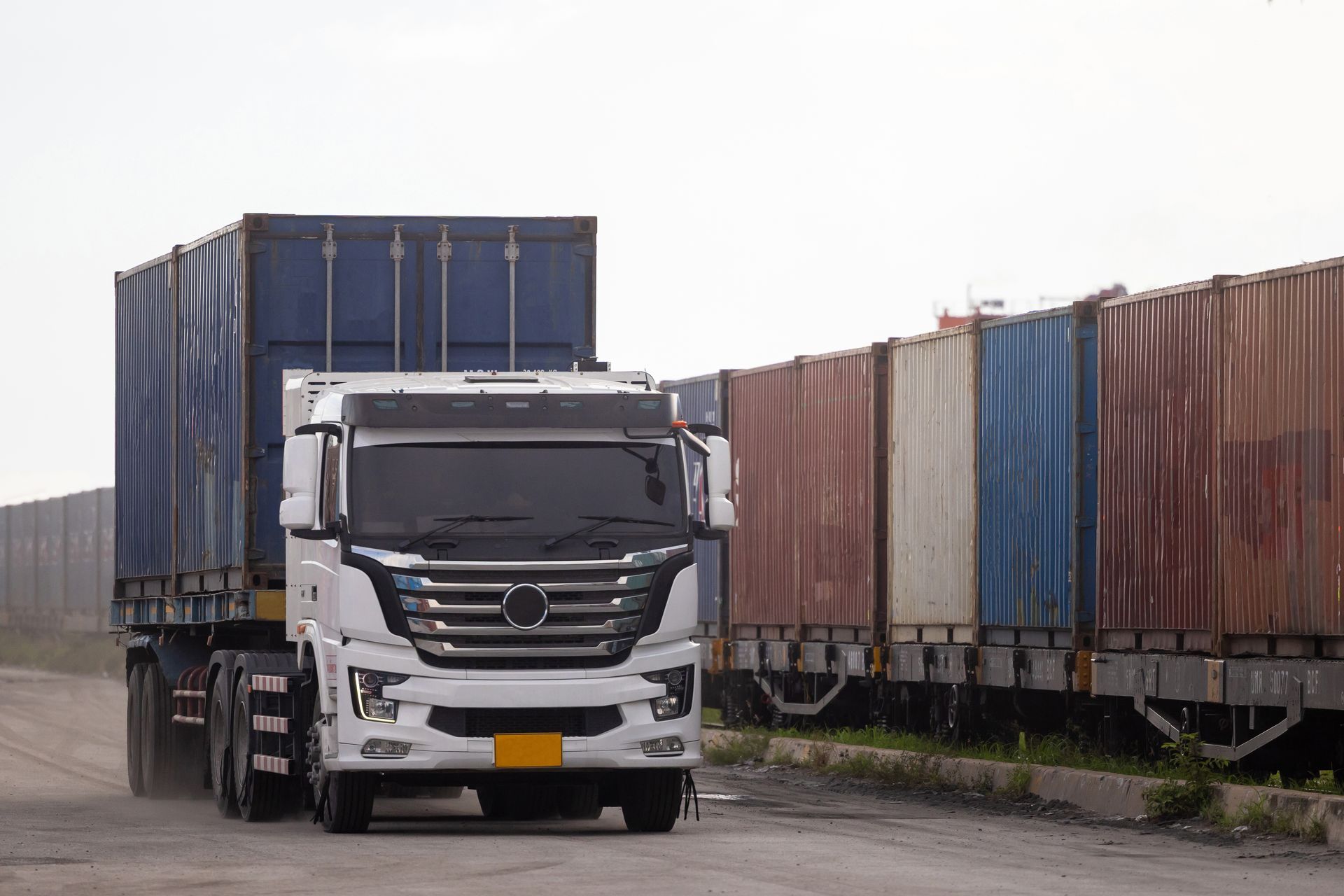
Commercial Auto & Trucking
Protection for your fleet including box trucks, moving vans, and trailers. Covers liability, collision, physical damage, and hired or non-owned vehicles used in your operations.
Motor Truck Cargo
Covers household goods and freight during transport from pickup to delivery. Protects against damage, theft, mysterious disappearance, and weather-related losses while cargo is in your care.

General Liability
Protection from third-party claims for bodily injury and property damage at customer homes, job sites, and your own facility. Essential coverage for every transportation operation
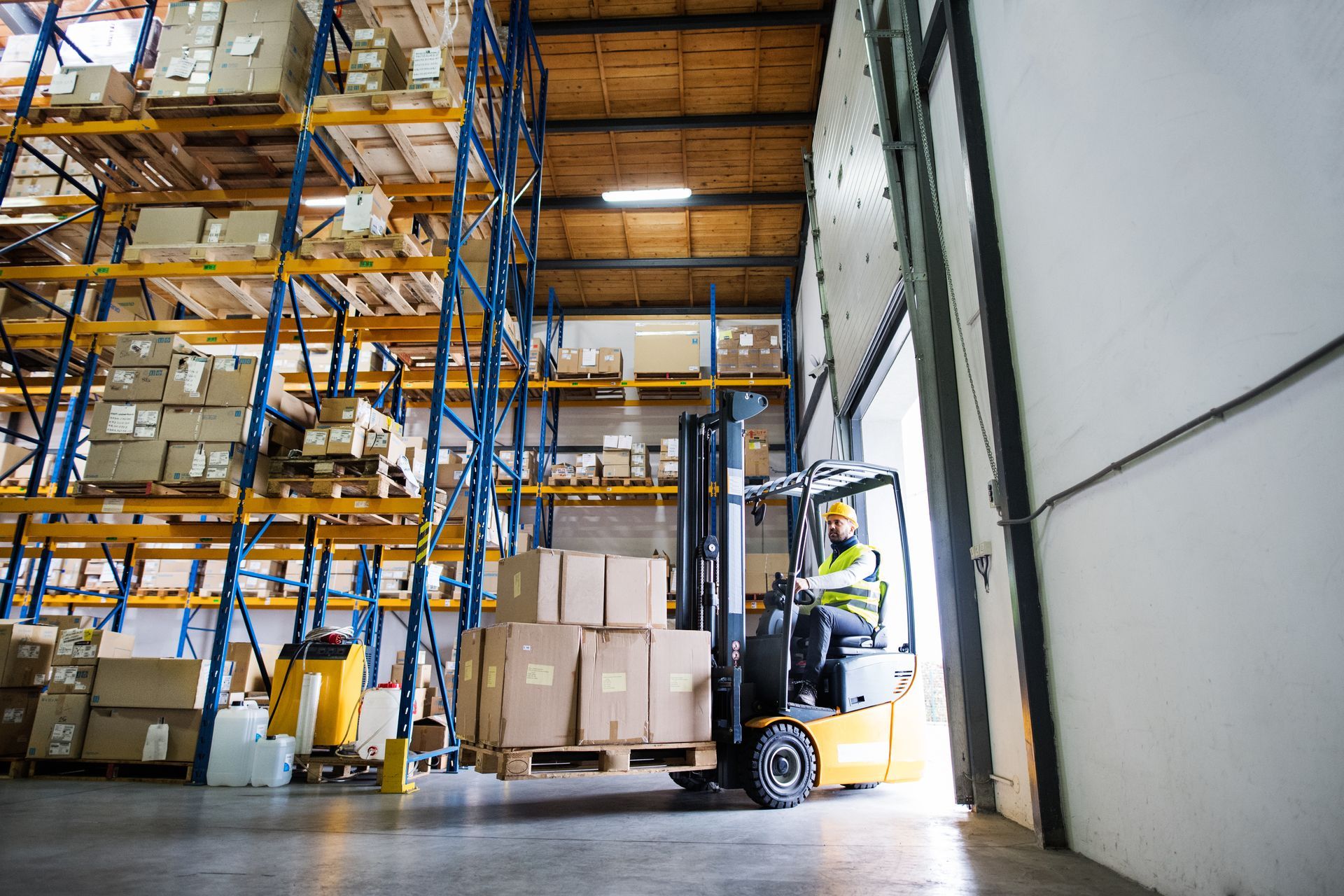
Warehouse Legal Liability
Coverage for customer property while stored in your facility. Protects against damage, theft, fire, and water damage to goods in your care, custody, or control.

Workers' Compensation
Medical care and wage replacement for employees injured on the job. Required in most states for transportation and warehouse work where physical labor creates higher injury risk.

Umbrella & Excess Liability
Higher liability limits stacked on top of your primary policies. Helps meet large contract requirements and protects your business assets against major claims and lawsuits.
Specialized Knowledge
Industries We Protect
Focused coverage for transportation and logistics businesses

Simple and Clear
How Our Process Works
Our process to get you covered
Connect With Us
Reach out through our form or by phone to share your business needs and current coverage situation.
Get Coverage Options
We review your risks, compare carriers, and present clear quotes with plain-language explanations.
Stay Protected
You choose your plan, and we provide ongoing support for certificates, claims, and renewals.
Trusted by Businesses
Feedback That Reflects Service and Reliability
What our clients say about working with Champion Risk
Answers You Need
Frequently Asked Questions
Common questions about transportation and logistics insurance



What insurance does a transportation company need to operate legally?
Motor carriers that cross state lines must meet FMCSA requirements. You need a minimum of $750,000 in liability coverage, plus a BMC-91 filing that proves your insurance to the federal government. Cargo coverage is also required, with minimums that depend on the type of goods you transport.
Intrastate operators follow state-specific rules. California, Texas, and Florida each have different requirements. Champion Risk handles both federal and state filings. We make sure your coverage meets legal minimums and your certificates reach the right agencies.
How much does commercial transportation insurance cost?
Premiums depend on your fleet size, driving records, cargo values, and claims history. A small operation with two trucks might pay $8,000 to $15,000 per year. A larger carrier with ten trucks could pay $50,000 to $100,000 or more.
The best way to control costs is working with a broker who knows transportation insurance. We find carriers that specialize in your exact operation type. This often results in better rates than going direct or using a general agent who doesn't understand the industry.
What is a BMC-91 filing and why do I need one?
A BMC-91 is a form your insurance company files with the FMCSA. It proves you carry the required liability coverage to operate as a for-hire motor carrier. Without an active BMC-91, your operating authority can be revoked.
Champion Risk works with carriers who file electronically. Your BMC-91 typically posts within 24 to 48 hours of binding coverage. We monitor your filing status and alert you if anything needs attention.
Does my warehouse or storage facility need different insurance than a trucking operation?
Yes. Storage facilities need warehouse legal liability coverage. This protects you when customer property is damaged or stolen while in your care. Standard general liability policies exclude this exposure.
You may also need property coverage for your building, equipment breakdown protection, and business income coverage if a fire or disaster shuts down operations. Champion Risk builds storage facility programs that address all these risks in one package.
Can you insure last-mile delivery drivers who use their own vehicles?
Yes. We offer hired and non-owned auto coverage for delivery operations that use independent contractors or employees driving personal vehicles. This fills gaps that personal auto policies don't cover during commercial use.
We also provide occupational accident coverage for 1099 drivers who aren't eligible for workers' comp. This protects your drivers and limits your liability exposure when accidents happen.
How fast can I get proof of insurance for a new contract?
Same day in most cases. Once we bind your policy, we issue certificates of insurance within hours. If your contract requires specific additional insured language or special endorsements, we coordinate directly with the carrier.
Rush requests happen often in this industry. General contractors and corporate clients demand certificates before they let you on site. Champion Risk prioritizes fast turnaround because we know your revenue depends on it.

Answers You Need
Transportation & Logistics Insurance Resources
Articles designed to inform and support your business
Contact Us
Phone Number:
Email Address:
Location:
12264 El Camino Real, Suite 350
San Diego, CA 92130
Hours:
Monday – Friday: 8:00 AM – 6:00 PM PT