
Running a trucking or logistics operation in Florida means dealing with insurance realities that would make operators in other states wince. The numbers tell the story: insurance costs in Florida rose 20.6% year-over-year as of January 2024, outpacing national averages by a significant margin. This isn't random bad luck. Florida's unique combination of high traffic density, hurricane exposure, and plaintiff-friendly legal environment creates a perfect storm for transportation insurance challenges.
The stakes are substantial. Florida's freight and logistics market is projected to reach $97.10 billion by 2030, meaning competition for hauling contracts will only intensify. Companies operating without proper coverage, or those overpaying due to poor risk management, will find themselves squeezed out. For owner-operators specifically, average annual insurance costs hover around $14,800, a figure that can make or break profitability on tight margins.
Understanding Florida's specific requirements for transportation and logistics insurance, from coverage types to state mandates, separates thriving operations from those constantly fighting to stay solvent. The good news? Smart operators can manage these costs effectively. The bad news? There's no shortcut around understanding what you actually need and why Florida demands it.


By: Mark Raby
Chief Executive Officer at Champion Risk & Insurance Services
Essential Insurance Coverages for Florida Logistics Firms
Primary Auto Liability and Motor Truck Cargo
Auto liability forms the foundation of any Florida trucking insurance program. Commercial auto insurance in Florida averages $207 monthly for minimum coverage, but here's where it gets interesting: that minimum rarely provides adequate protection for commercial operations. Most fleet managers end up paying closer to $577 monthly for a $1 million combined single limit plan, which actually reflects real-world exposure.
Motor truck cargo coverage protects the freight you're hauling when it's damaged, stolen, or destroyed. Florida's climate adds wrinkles here that northern operators don't face. Hurricane season means cargo sitting in trailers can be destroyed by flooding or wind damage even when the truck isn't moving. Standard cargo policies often exclude weather events unless you specifically negotiate that coverage.
General Liability and Inland Marine Coverage
General liability covers third-party bodily injury and property damage that occurs outside of vehicle operation. Think slip-and-fall incidents at your terminal, damage caused during loading operations, or injuries to dock workers from your equipment. Florida's high litigation rates make this coverage non-negotiable.
Inland marine coverage fills gaps that cargo insurance doesn't address. It protects goods during the loading and unloading process, covers equipment like GPS units and specialized cargo handling gear, and extends protection to goods temporarily stored at locations other than your main facility. For logistics firms handling high-value or temperature-sensitive cargo, this coverage prevents catastrophic losses that cargo insurance alone won't touch.
Contingent Cargo and Professional Liability for Brokers
Freight brokers face unique exposure that differs from motor carriers. Contingent cargo insurance kicks in when a carrier's primary cargo coverage fails, whether due to policy exclusions, insufficient limits, or carrier insolvency. Given the number of small carriers operating in Florida, this protection proves essential.
Professional liability, sometimes called errors and omissions coverage, protects brokers against claims arising from mistakes in freight management. Booking the wrong carrier, miscommunicating delivery requirements, or failing to verify carrier credentials can all generate lawsuits. Champion Risk works with brokers to structure these policies appropriately, ensuring coverage limits match actual exposure rather than arbitrary minimums.
Florida State-Specific Mandates and Federal Compliance
Florida Workers' Compensation Requirements for Transport
Florida law requires workers' compensation coverage for any construction industry employer with one or more employees, and for non-construction businesses with four or more employees. Transportation companies often fall into gray areas depending on their operations. Companies performing any loading, unloading, or terminal work may trigger construction classification requirements.
Owner-operators frequently misunderstand their obligations here. Independent contractors aren't automatically exempt from coverage requirements. If a motor carrier exercises sufficient control over how work is performed, those "independent" drivers may legally be employees requiring coverage. Florida regulators have become increasingly aggressive about pursuing misclassification cases, and the penalties include both back premiums and significant fines.
FMCSA Filings and State Financial Responsibility Limits
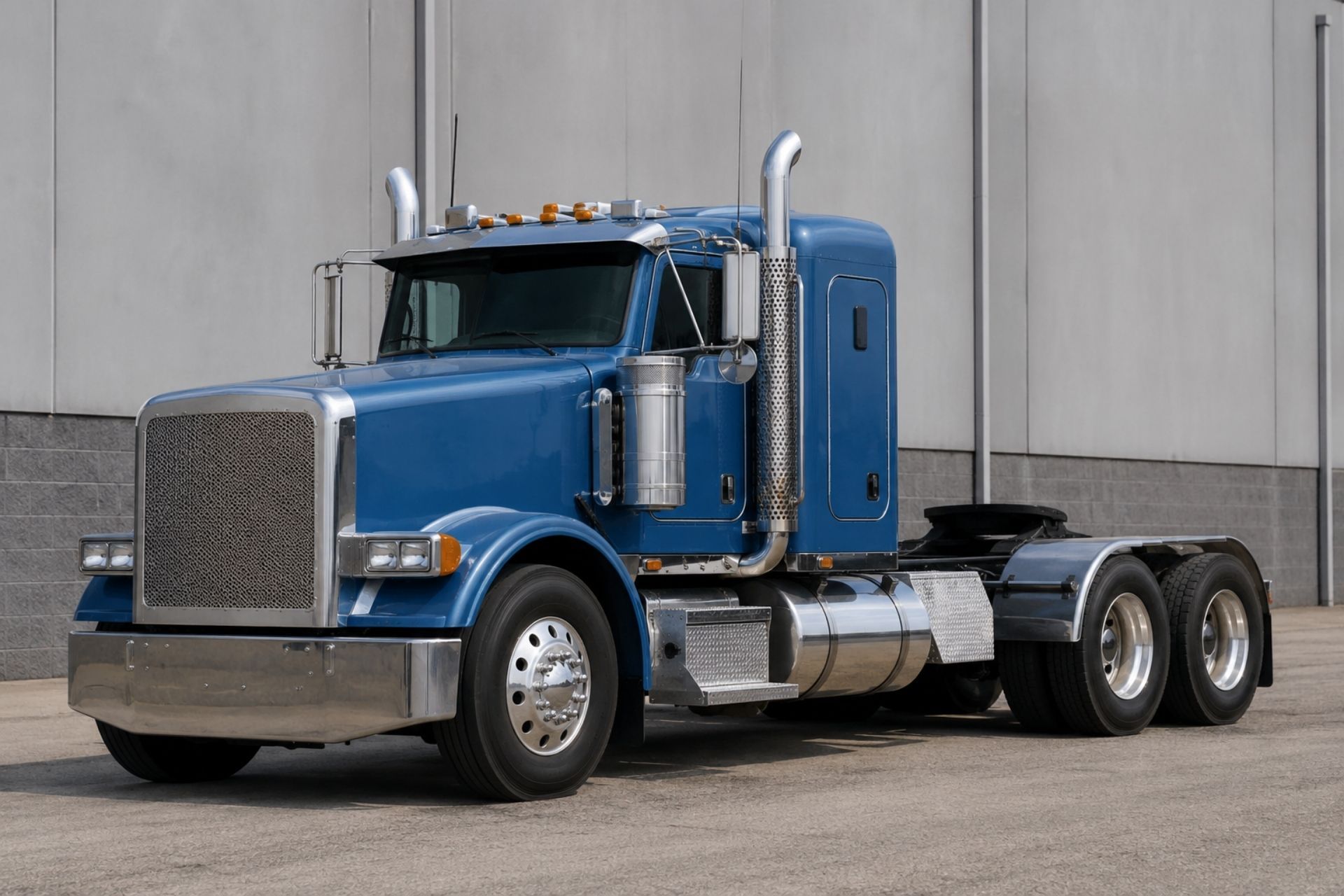
Federal Motor Carrier Safety Administration requirements layer on top of Florida's state mandates. Interstate carriers need FMCSA authority and must file proof of insurance through the Unified Registration System. Minimum liability insurance for general freight trucking solely within Florida is $750,000, but interstate operations hauling general freight require $750,000 to $1,000,000 depending on cargo type.
Hazmat haulers face steeper requirements, with minimums ranging from $1 million to $5 million based on the specific materials transported. Florida also requires specific filings for intrastate-only operations that many carriers overlook. Missing these filings can result in operating authority suspension, leaving trucks parked while paperwork gets sorted out.

Factors Influencing Insurance Costs in the Sunshine State
Impact of Florida's Legal Climate and Litigation Trends
Florida's reputation as a plaintiff-friendly jurisdiction directly impacts insurance pricing. Nuclear verdicts, those exceeding $10 million, occur more frequently in Florida than in most other states. Insurance carriers price this risk into every policy they write for Florida operations.
The state's no-fault auto insurance system creates additional complications. Personal injury protection claims can escalate quickly, and the abundance of medical providers willing to treat accident victims on a lien basis drives up claim costs. Underwriters factor these trends into commercial auto rates, which explains why Florida premiums often exceed those in neighboring Georgia or Alabama by 20-30%.
Radius of Operation and Cargo Risk Profiles
Where you operate matters enormously. Local operations staying within a 50-mile radius typically pay less than regional carriers covering the Southeast. Long-haul operations crossing multiple states face the highest premiums because exposure increases with every mile traveled.
Cargo type creates equally significant pricing variations. Hauling dry goods generates lower premiums than refrigerated freight, which requires coverage for spoilage. High-value electronics or pharmaceuticals demand specialized coverage with higher limits. Hazardous materials require not just higher liability limits but also pollution coverage that standard policies exclude. Champion Risk helps operators analyze their cargo profiles to ensure coverage matches actual risk without paying for protection they don't need.
Telematics and Safety Technology Integration
Installing telematics devices that track driver behavior provides concrete data insurers can use to justify lower premiums. Hard braking events, speeding patterns, and hours-of-service compliance all factor into risk assessments. Companies demonstrating consistent safe driving behavior through telematics data often secure discounts of 10-15%.
Collision avoidance systems, lane departure warnings, and forward-facing cameras reduce both accident frequency and claim severity. Insurers increasingly require or incentivize these technologies. The upfront investment typically pays for itself within two years through premium reductions and avoided accident costs.
Driver Vetting and Training Programs
Your drivers represent your biggest risk factor. Thorough pre-employment screening that includes MVR reviews, previous employer verification, and drug testing establishes a foundation for lower premiums. Insurers scrutinize driver hiring practices closely.
Ongoing training programs demonstrate commitment to safety that underwriters reward. Defensive driving courses, cargo securement training, and regular safety meetings create documentation that supports renewal negotiations. Some carriers require specific training certifications before extending coverage at preferred rates.
| Risk Factor | Impact on Premium | Mitigation Strategy |
|---|---|---|
| Driver MVR violations | +15-40% | Strict hiring standards, ongoing monitoring |
| No telematics | +10-20% | Install ELD-integrated tracking systems |
| High-value cargo | +20-35% | Enhanced security protocols, GPS tracking |
| Claims history | +25-50% | Safety programs, driver training |
| Hurricane exposure | +5-15% | Covered parking, emergency protocols |
Securing the Right Policy for Your Logistics Business
Finding appropriate coverage requires more than collecting quotes from multiple carriers. The cheapest policy often contains exclusions that create massive gaps when claims occur. Florida's transportation insurance requirements demand specific attention to state mandates, federal filings, and coverage adequacy.
Work with specialists who understand logistics operations. General insurance agents may miss critical coverages or fail to identify compliance requirements that could shut down your authority. Champion Risk focuses specifically on transportation and logistics clients, bringing expertise that generalist agencies simply can't match.
Review your coverage annually at minimum. Operations change, cargo types evolve, and radius of operation expands. Policies written for last year's business may not adequately protect this year's reality. Premium savings from proper coverage structuring often exceed 15-20% compared to poorly designed programs.
Frequently Asked Questions
What's the minimum insurance required to operate a trucking company in Florida? For intrastate general freight, you need at least $750,000 in liability coverage. Interstate operations require $750,000 to $5 million depending on cargo type.
Why is trucking insurance so expensive in Florida compared to other states? Florida's high litigation rates, nuclear verdicts, and no-fault auto insurance system create elevated claim costs that insurers pass through in premiums.
Do owner-operators need workers' compensation in Florida? Independent owner-operators without employees generally don't need workers' comp, but those working under carrier contracts may be classified as employees requiring coverage.
How can I reduce my Florida trucking insurance costs? Install telematics, maintain clean driver MVRs, implement documented safety programs, and work with specialists like Champion Risk who understand transportation-specific risk management.
Does cargo insurance cover hurricane damage? Standard policies often exclude weather events. You'll need to specifically negotiate this coverage, especially given Florida's hurricane exposure.
Making the Right Coverage Decisions
Getting transportation and logistics insurance right in Connecticut requires understanding both state requirements and the practical realities of operating in a high-traffic corridor state. The coverage decisions you make today determine whether your business survives tomorrow's inevitable claims.
Start by ensuring you meet all mandatory requirements, then layer additional coverage based on your specific cargo types, routes, and contractual obligations. Work with an independent agent who understands Connecticut's transportation sector and can access multiple carriers. Champion Risk specializes in helping logistics companies navigate these decisions, matching coverage to actual operational risks rather than selling generic policies.
Your next step? Pull your current policies and compare them against the requirements and coverage types outlined here. Gaps you identify now are far less expensive to address than claims you discover aren't covered.
About the Author:
Mark Raby
I am a seasoned insurance professional with over 30 years of experience in the industry. I lead Champion Risk & Insurance Services, a San Diego-based brokerage with nationwide reach and strong influence in the insurance marketplace. My core competencies include insurance agency M&A deals, captives and alternative risk structures, and commercial property and casualty insurance for clients in the transportation and logistics industries. I am a former president of IIAB San Diego and hold a Bachelor of Science in Finance from Western Michigan University’s Haworth College of Business.
Protection for Transportation Operations
Business Insurance for Transportation & Logistics Companies
Coverage designed specifically for transportation businesses
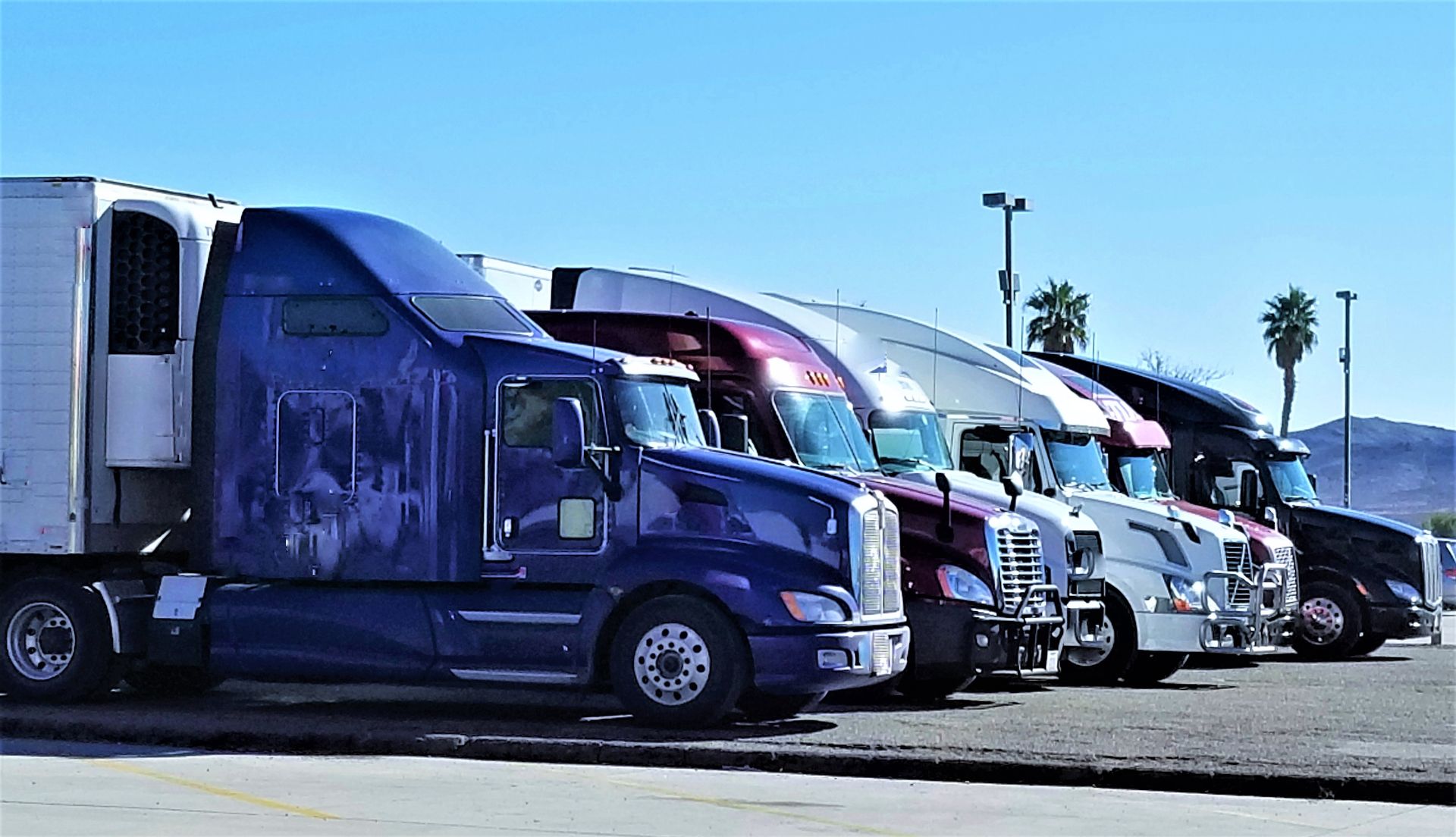
Commercial Auto & Trucking
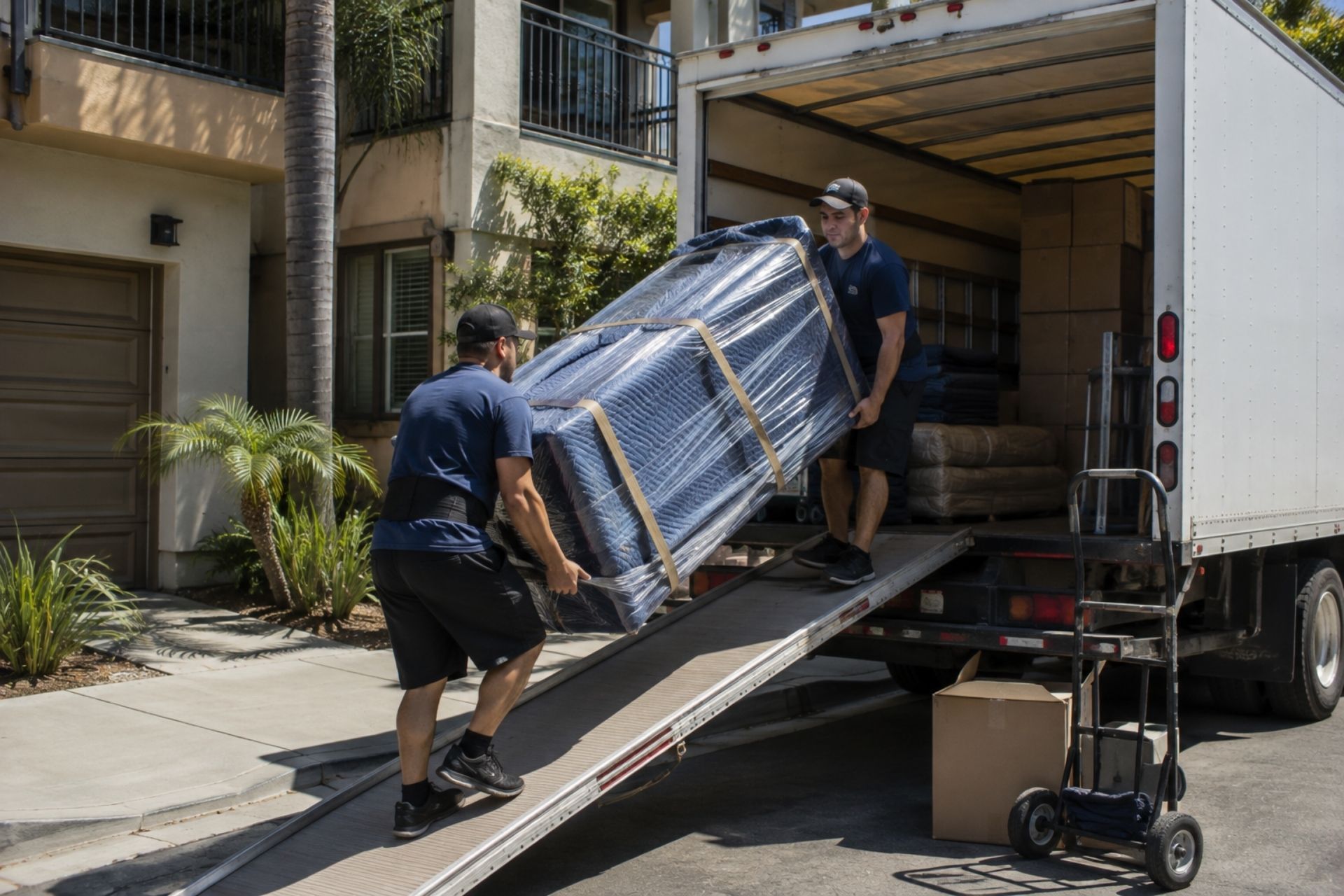
Protection for your fleet including box trucks, moving vans, and trailers. Covers liability, collision, physical damage, and hired or non-owned vehicles used in your operations.
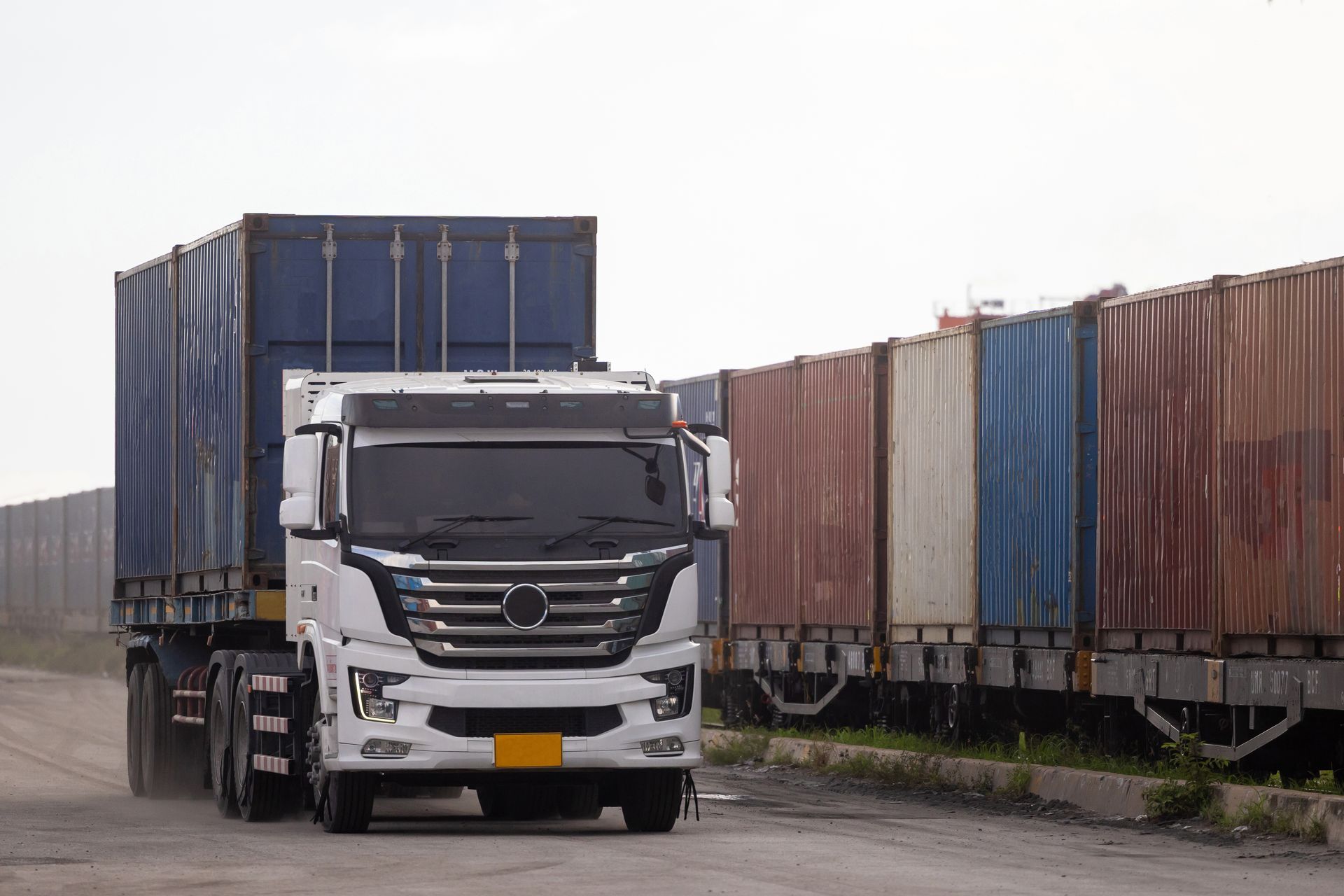
Motor Truck Cargo
Covers household goods and freight during transport from pickup to delivery. Protects against damage, theft, mysterious disappearance, and weather-related losses while cargo is in your care.

General Liability
Protection from third-party claims for bodily injury and property damage at customer homes, job sites, and your own facility. Essential coverage for every transportation operation

Warehouse Legal Liability
Coverage for customer property while stored in your facility. Protects against damage, theft, fire, and water damage to goods in your care, custody, or control.

Workers' Compensation
Medical care and wage replacement for employees injured on the job. Required in most states for transportation and warehouse work where physical labor creates higher injury risk.

Umbrella & Excess Liability
Higher liability limits stacked on top of your primary policies. Helps meet large contract requirements and protects your business assets against major claims and lawsuits.
Specialized Knowledge
Industries We Protect
Focused coverage for transportation and logistics businesses

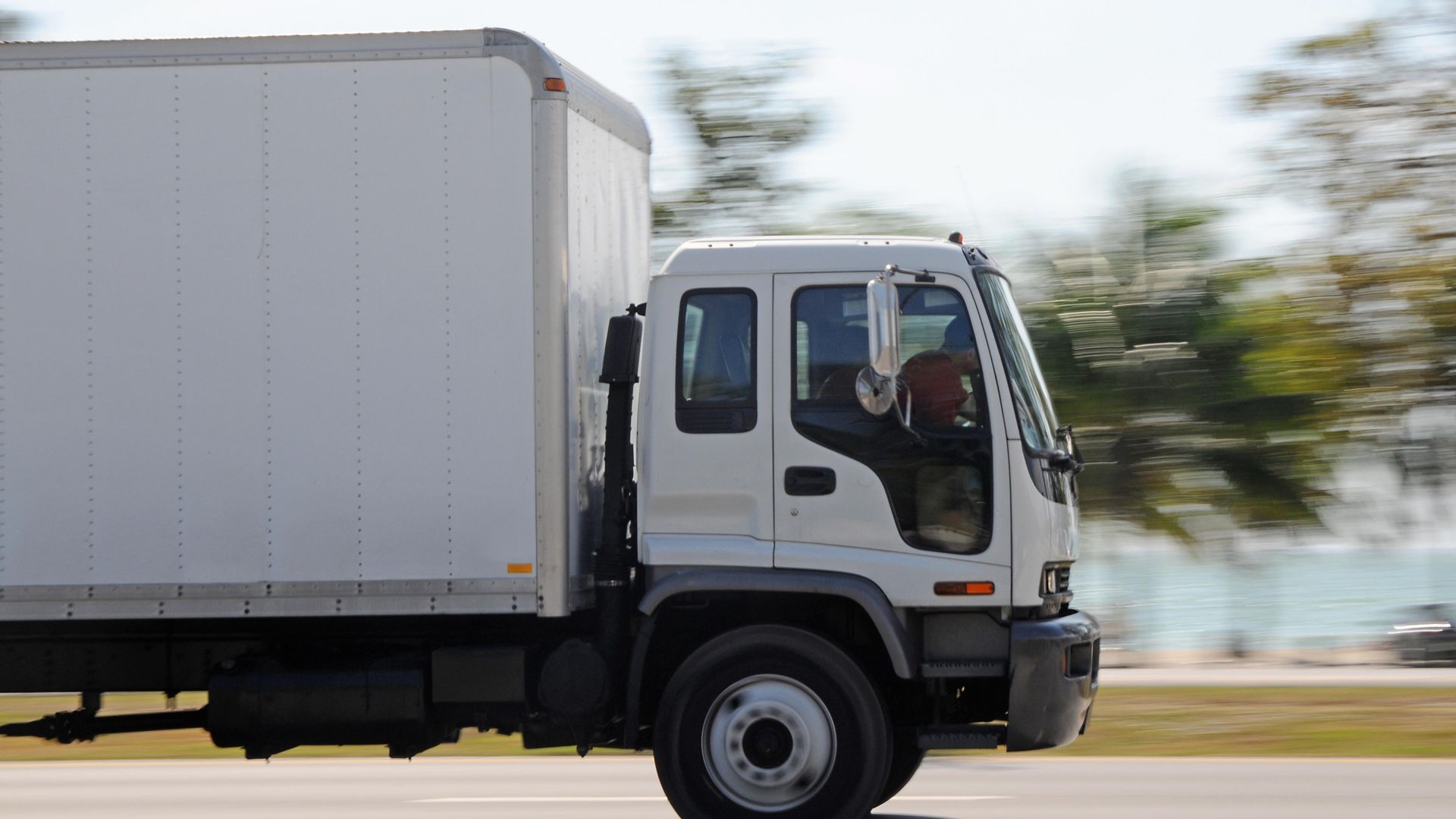

Simple and Clear
How Our Process Works
Our process to get you covered
Connect With Us
Reach out through our form or by phone to share your business needs and current coverage situation.
Get Coverage Options
We review your risks, compare carriers, and present clear quotes with plain-language explanations.
Stay Protected
You choose your plan, and we provide ongoing support for certificates, claims, and renewals.
Trusted by Businesses
Feedback That Reflects Service and Reliability
What our clients say about working with Champion Risk
Answers You Need
Frequently Asked Questions
Common questions about transportation and logistics insurance



What insurance does a transportation company need to operate legally?
Motor carriers that cross state lines must meet FMCSA requirements. You need a minimum of $750,000 in liability coverage, plus a BMC-91 filing that proves your insurance to the federal government. Cargo coverage is also required, with minimums that depend on the type of goods you transport.
Intrastate operators follow state-specific rules. California, Texas, and Florida each have different requirements. Champion Risk handles both federal and state filings. We make sure your coverage meets legal minimums and your certificates reach the right agencies.
How much does commercial transportation insurance cost?
Premiums depend on your fleet size, driving records, cargo values, and claims history. A small operation with two trucks might pay $8,000 to $15,000 per year. A larger carrier with ten trucks could pay $50,000 to $100,000 or more.
The best way to control costs is working with a broker who knows transportation insurance. We find carriers that specialize in your exact operation type. This often results in better rates than going direct or using a general agent who doesn't understand the industry.
What is a BMC-91 filing and why do I need one?
A BMC-91 is a form your insurance company files with the FMCSA. It proves you carry the required liability coverage to operate as a for-hire motor carrier. Without an active BMC-91, your operating authority can be revoked.
Champion Risk works with carriers who file electronically. Your BMC-91 typically posts within 24 to 48 hours of binding coverage. We monitor your filing status and alert you if anything needs attention.
Does my warehouse or storage facility need different insurance than a trucking operation?
Yes. Storage facilities need warehouse legal liability coverage. This protects you when customer property is damaged or stolen while in your care. Standard general liability policies exclude this exposure.
You may also need property coverage for your building, equipment breakdown protection, and business income coverage if a fire or disaster shuts down operations. Champion Risk builds storage facility programs that address all these risks in one package.
Can you insure last-mile delivery drivers who use their own vehicles?
Yes. We offer hired and non-owned auto coverage for delivery operations that use independent contractors or employees driving personal vehicles. This fills gaps that personal auto policies don't cover during commercial use.
We also provide occupational accident coverage for 1099 drivers who aren't eligible for workers' comp. This protects your drivers and limits your liability exposure when accidents happen.
How fast can I get proof of insurance for a new contract?
Same day in most cases. Once we bind your policy, we issue certificates of insurance within hours. If your contract requires specific additional insured language or special endorsements, we coordinate directly with the carrier.
Rush requests happen often in this industry. General contractors and corporate clients demand certificates before they let you on site. Champion Risk prioritizes fast turnaround because we know your revenue depends on it.

Answers You Need
Transportation & Logistics Insurance Resources
Articles designed to inform and support your business
Contact Us
Phone Number:
Email Address:
Location:
12264 El Camino Real, Suite 350
San Diego, CA 92130
Hours:
Monday – Friday: 8:00 AM – 6:00 PM PT