When a delivery truck slides off an icy road near Fairbanks or a barge carrying construction equipment gets delayed by sudden storms in the Aleutians, the financial consequences can devastate an unprepared logistics company. Alaska's transportation sector operates under conditions that mainland insurers barely understand, and generic policies written for lower-48 operations often leave dangerous gaps. The state's combination of extreme weather, vast distances, and limited infrastructure creates risks that demand specialized insurance solutions. According to TLI Magazine, "Alaska's logistics landscape is defined by remoteness, severe weather, and limited infrastructure. These conditions lead to frequent delays and higher transportation costs." Understanding transportation and logistics insurance requirements in Alaska means grappling with coverage types, cost factors, and state regulations that differ significantly from anywhere else in the country. Whether you're running a trucking fleet between Anchorage and the North Slope, coordinating freight forwarding through Dutch Harbor, or managing last-mile deliveries in rural communities accessible only by air or water, getting your insurance right isn't optional.
Unique Environmental and Geographic Risks
Alaska presents hazards that simply don't exist in other states. Permafrost heaving can destroy roads overnight. Whiteout conditions persist for days during winter months. Temperatures dropping to minus 40 degrees cause diesel to gel and hydraulic systems to fail. These aren't theoretical concerns but daily operational realities that affect claim frequency and severity.
The state's road network covers roughly 14,000 miles, but many critical routes close seasonally or require specialized equipment to traverse. The Dalton Highway, serving the oil fields, remains one of the most dangerous roads in North America. When accidents happen in remote locations, response times stretch from minutes to hours, and sometimes days. This isolation increases both the severity of injuries and the cost of vehicle recovery.
Wildlife collisions represent another underappreciated risk. Moose strikes cause significant damage to commercial vehicles, and encounters with bears near remote work sites create liability exposures that standard policies may exclude.
The Role of Multi-Modal Transport in the Last Frontier
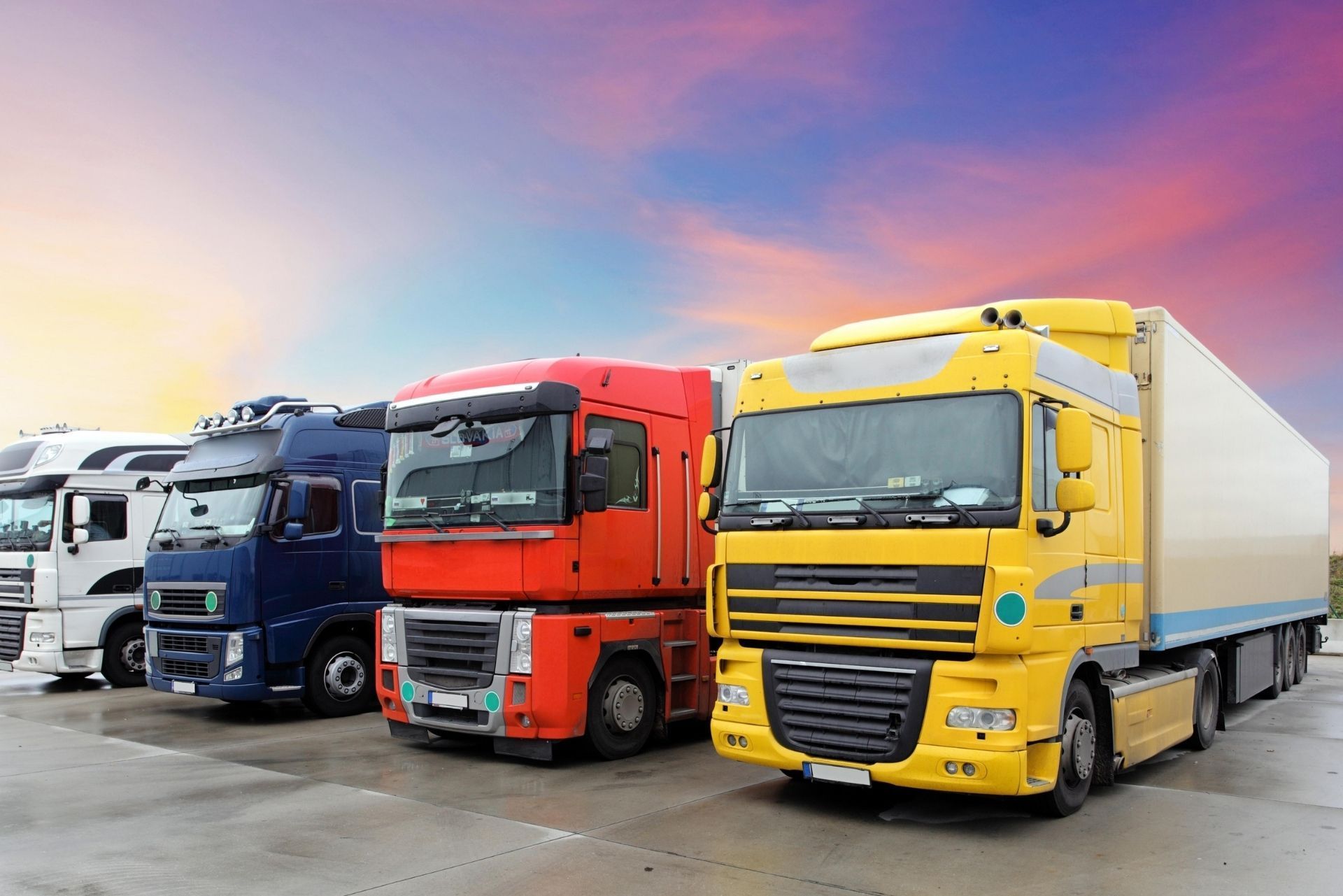
Few goods reach Alaskan communities via a single transportation method. A shipment might travel by ocean vessel to Anchorage, transfer to a truck bound for Fairbanks, then load onto a small aircraft for final delivery to a village with no road access. Each handoff creates potential coverage gaps.
This multi-modal reality means logistics operators need policies that follow cargo across different conveyance types. A truck-only policy won't help when goods are damaged during the barge portion of their journey. Champion Risk works with Alaska operators to build coverage that bridges these transitions, ensuring protection doesn't disappear when cargo changes hands or transportation modes.

By: Mark Raby
Chief Executive Officer at Champion Risk & Insurance Services
Essential Coverage Types for Alaska Transportation
Commercial Auto and Trucking Liability
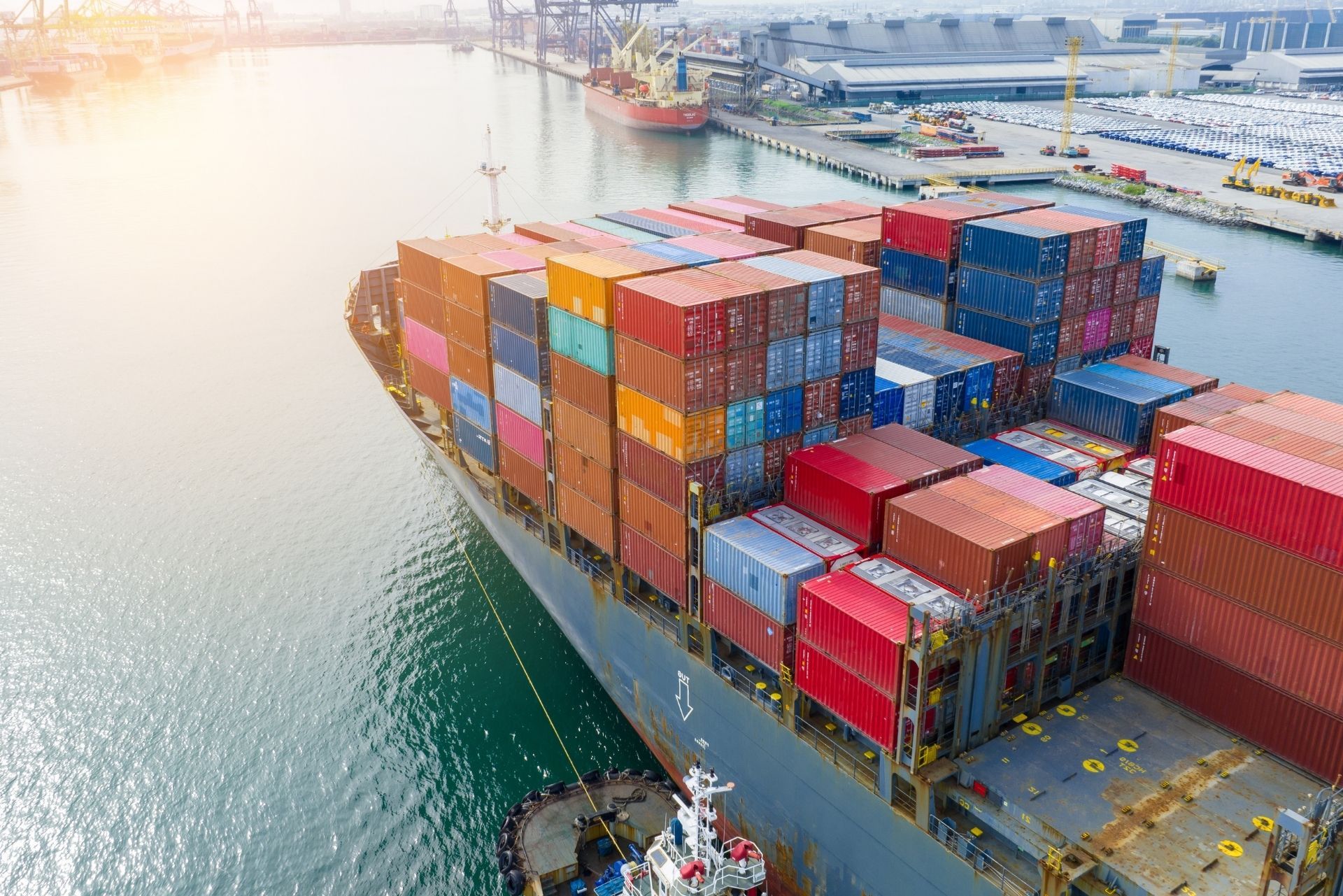
Commercial auto insurance forms the foundation of any transportation operation's risk management. Alaska law mandates minimum liability insurance of $50,000 for bodily injury or death per person, $100,000 for bodily injury or death per accident, and $25,000 for property damage. These minimums apply to personal vehicles, and commercial operations typically need substantially higher limits.
For trucking operations, the average cost runs approximately $13,792 annually, with most premiums falling between $11,037 and $15,071. That's higher than national averages, reflecting Alaska's elevated risk profile. Operators hauling hazardous materials or operating in the oilfield sector often pay considerably more.
Physical damage coverage for your fleet matters particularly in Alaska, where replacement vehicles and parts face long shipping delays. A totaled truck in Prudhoe Bay can't be replaced next week.
Motor Truck Cargo and Inland Marine Insurance
Cargo insurance protects the goods you're hauling, not your vehicles. This distinction matters because your commercial auto policy won't cover a customer's $200,000 equipment shipment that gets destroyed when your truck rolls over. Freight forwarder liability insurance typically costs between 0.3% and 0.5% of the commercial value of goods, making it relatively affordable compared to potential losses.
Inland marine coverage extends protection to goods in transit over land and water, filling gaps that standard cargo policies might miss. For Alaska's multi-modal operations, this coverage type proves essential.
Specialized Pollution and Environmental Liability
Alaska's pristine environment means environmental violations carry severe penalties. A fuel spill from an overturned tanker or hydraulic fluid leak contaminating a salmon stream can result in cleanup costs reaching millions of dollars. Standard commercial auto policies typically exclude pollution liability.
Dedicated environmental coverage addresses these exposures, covering both cleanup costs and third-party damages. Operations serving the oil and gas industry face particular scrutiny and often need higher limits than other sectors.
Alaska State Insurance Requirements and Regulations
Minimum Liability Limits and DOT Compliance
Beyond state minimums, federal DOT requirements apply to interstate carriers and those hauling specific cargo types. General freight carriers operating across state lines need $750,000 in liability coverage, while hazmat haulers require $1,000,000 to $5,000,000 depending on cargo classification.
TNC drivers engaged in prearranged rides must carry minimum liability coverage of $1,000,000 for death, bodily injury, and property damage. This requirement reflects the higher exposure associated with passenger transportation.
The consequences for operating without proper coverage are serious. Failure to provide proof of insurance in Alaska can lead to a 90-day license suspension for the first offense and a one-year suspension for subsequent violations. For commercial operators, losing driving privileges means losing your business.
Workers' Compensation for Remote Operations
Alaska requires workers' compensation coverage for nearly all employees, with limited exceptions. Remote operations face unique challenges because injured workers may be hours from medical facilities. Air evacuation costs, extended recovery times, and the difficulty of returning injured workers to modified duty all increase claim costs.
Champion Risk helps Alaska employers structure workers' compensation programs that account for these realities, including partnerships with medical providers experienced in remote-site care.
Impact of Extreme Weather and Seasonal Routes
Insurers price policies based on expected claim frequency and severity. Alaska's weather directly affects both metrics. Winter operations see more accidents due to ice, limited visibility, and shorter daylight hours. Some routes close entirely during winter, concentrating traffic onto remaining roads and increasing congestion-related incidents.
Seasonal variations also affect cargo values. Summer construction season means more heavy equipment shipments. Winter sees increased fuel deliveries to remote communities. Insurers may adjust rates based on your seasonal cargo mix.
| Factor | Impact on Premium |
|---|---|
| Winter-only operations | Higher rates due to concentrated risk |
| Year-round operations | More stable, potentially lower rates |
| Hazmat cargo | 25-50% premium increase |
| Remote route focus | Higher rates, limited carrier options |
| Urban-only operations | Lower rates, more carrier competition |
Safety Records and Driver Experience Levels
Your loss history matters more than almost any other factor. Companies with clean records for three to five years qualify for significant discounts. Conversely, a single serious accident can increase premiums by 20% or more.
Driver experience levels directly correlate with accident rates. Insurers want to see experienced operators behind the wheel, particularly for Alaska routes. New drivers may face restrictions or require higher premiums until they establish safe driving records.
Risk Management and Cost Mitigation Strategies
Implementing Telematics and Dashcam Technology
GPS tracking and telematics systems provide multiple benefits. They help dispatchers monitor vehicle locations, identify unsafe driving behaviors, and document conditions during incidents. Many insurers offer premium discounts of 5-15% for fleets with active telematics programs.
Dashcams prove particularly valuable in Alaska, where single-vehicle accidents in remote areas can be difficult to investigate. Video evidence helps establish what happened and can protect against fraudulent claims. The investment typically pays for itself through insurance savings within the first year.
Choosing Between Local and National Providers
National insurers bring financial strength and standardized processes. Local and regional providers offer Alaska-specific expertise and often more flexible underwriting. The right choice depends on your operation's size, complexity, and risk profile.
Champion Risk maintains relationships with both types of carriers, matching Alaska transportation companies with insurers who understand their specific exposures. A small air cargo operator needs different coverage than a large trucking fleet, and cookie-cutter policies serve neither well.
Frequently Asked Questions
What's the minimum insurance required for a commercial truck in Alaska? State minimums are $50,000/$100,000/$25,000, but interstate carriers need $750,000 or more depending on cargo type.
Why is trucking insurance more expensive in Alaska than other states? Extreme weather, remote locations, higher accident severity, and limited repair facilities all contribute to elevated premiums.
Does my cargo insurance cover goods during ocean shipping? Standard motor truck cargo policies typically don't. You'll need inland marine or ocean cargo coverage for multi-modal shipments.
How can I reduce my commercial auto insurance costs? Maintain clean driving records, install telematics and dashcams, implement driver training programs, and work with an agent who specializes in Alaska transportation.
Are there special requirements for hauling to the North Slope? Yes. Oilfield operations often require higher liability limits, pollution coverage, and specific safety certifications beyond standard DOT requirements.
Making the Right Coverage Choice
Getting transportation and logistics insurance right in Alaska requires understanding both regulatory requirements and practical operating realities. The state's unique conditions mean policies designed for lower-48 operations often fall short when you need them most. Working with specialists who understand Alaska's challenges helps ensure you're protected when a storm strands your cargo, a moose steps into your path, or a remote-site accident requires emergency evacuation. Take time to review your current coverage against the exposures outlined here, and consider whether your insurance truly matches your risk profile.
About the Author:
Mark Raby
I am a seasoned insurance professional with over 30 years of experience in the industry. I lead Champion Risk & Insurance Services, a San Diego-based brokerage with nationwide reach and strong influence in the insurance marketplace. My core competencies include insurance agency M&A deals, captives and alternative risk structures, and commercial property and casualty insurance for clients in the transportation and logistics industries. I am a former president of IIAB San Diego and hold a Bachelor of Science in Finance from Western Michigan University’s Haworth College of Business.
Protection for Transportation Operations
Business Insurance for Transportation & Logistics Companies
Coverage designed specifically for transportation businesses
Commercial Auto & Trucking
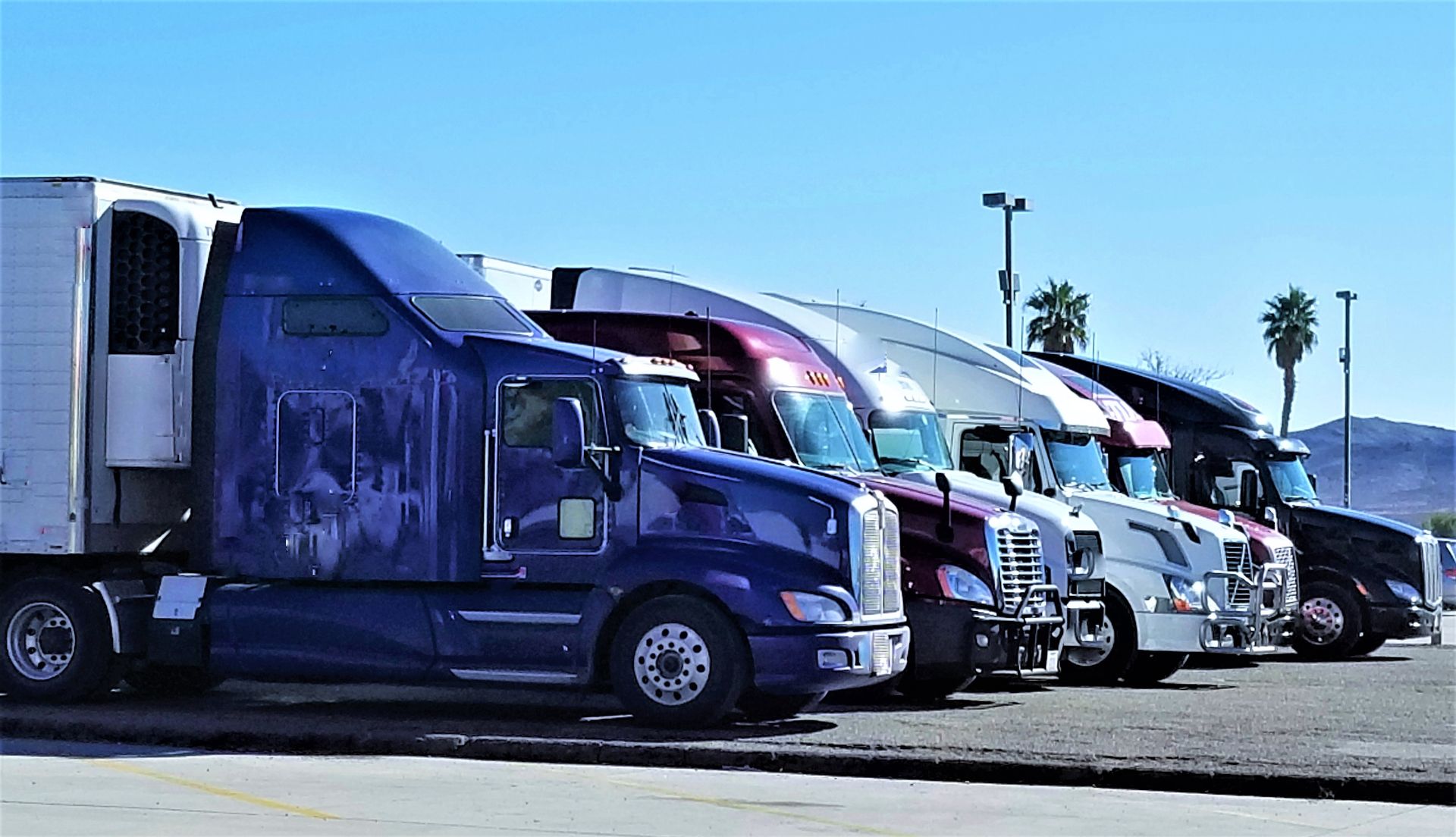
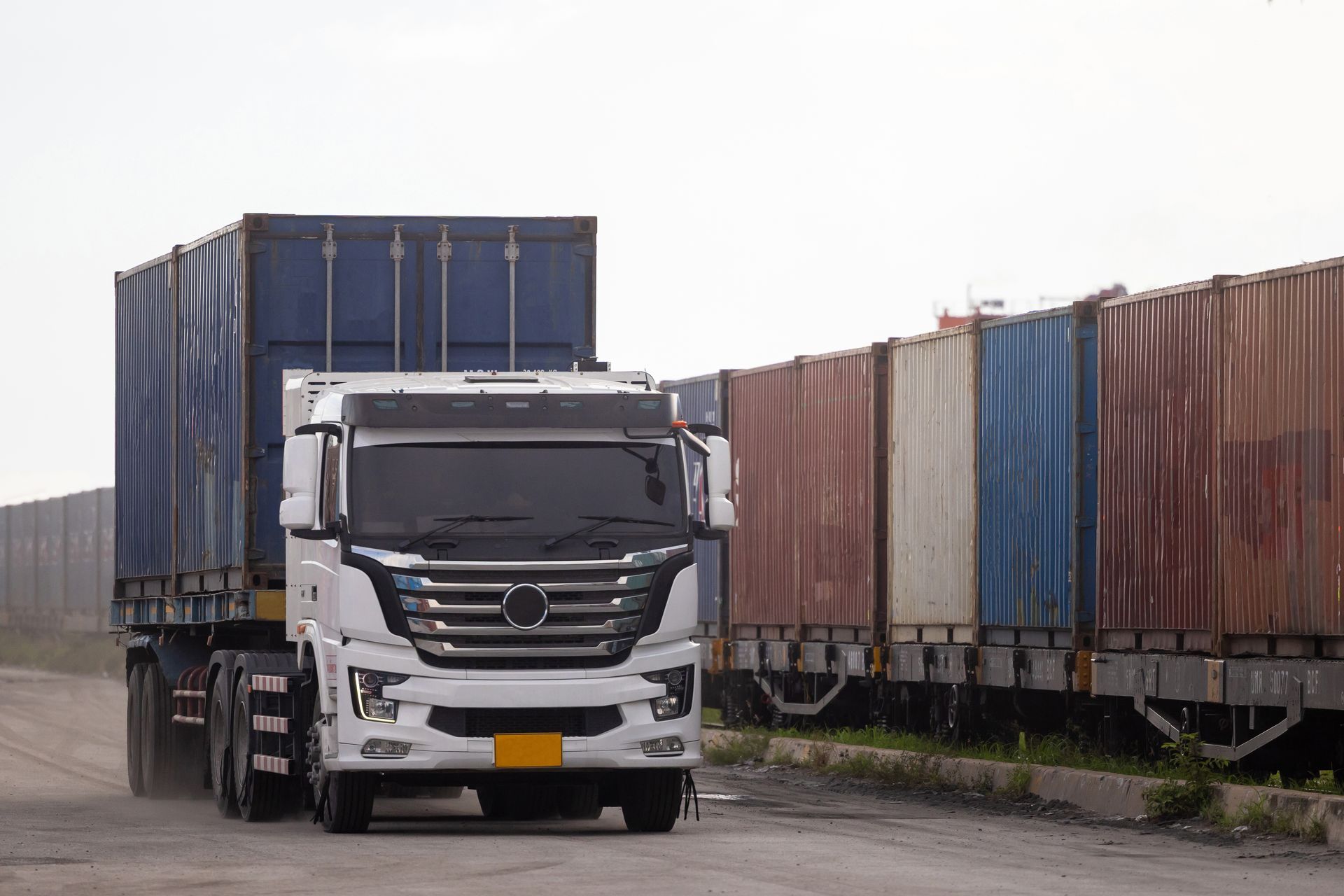
Protection for your fleet including box trucks, moving vans, and trailers. Covers liability, collision, physical damage, and hired or non-owned vehicles used in your operations.
Motor Truck Cargo
Covers household goods and freight during transport from pickup to delivery. Protects against damage, theft, mysterious disappearance, and weather-related losses while cargo is in your care.

General Liability
Protection from third-party claims for bodily injury and property damage at customer homes, job sites, and your own facility. Essential coverage for every transportation operation
Warehouse Legal Liability
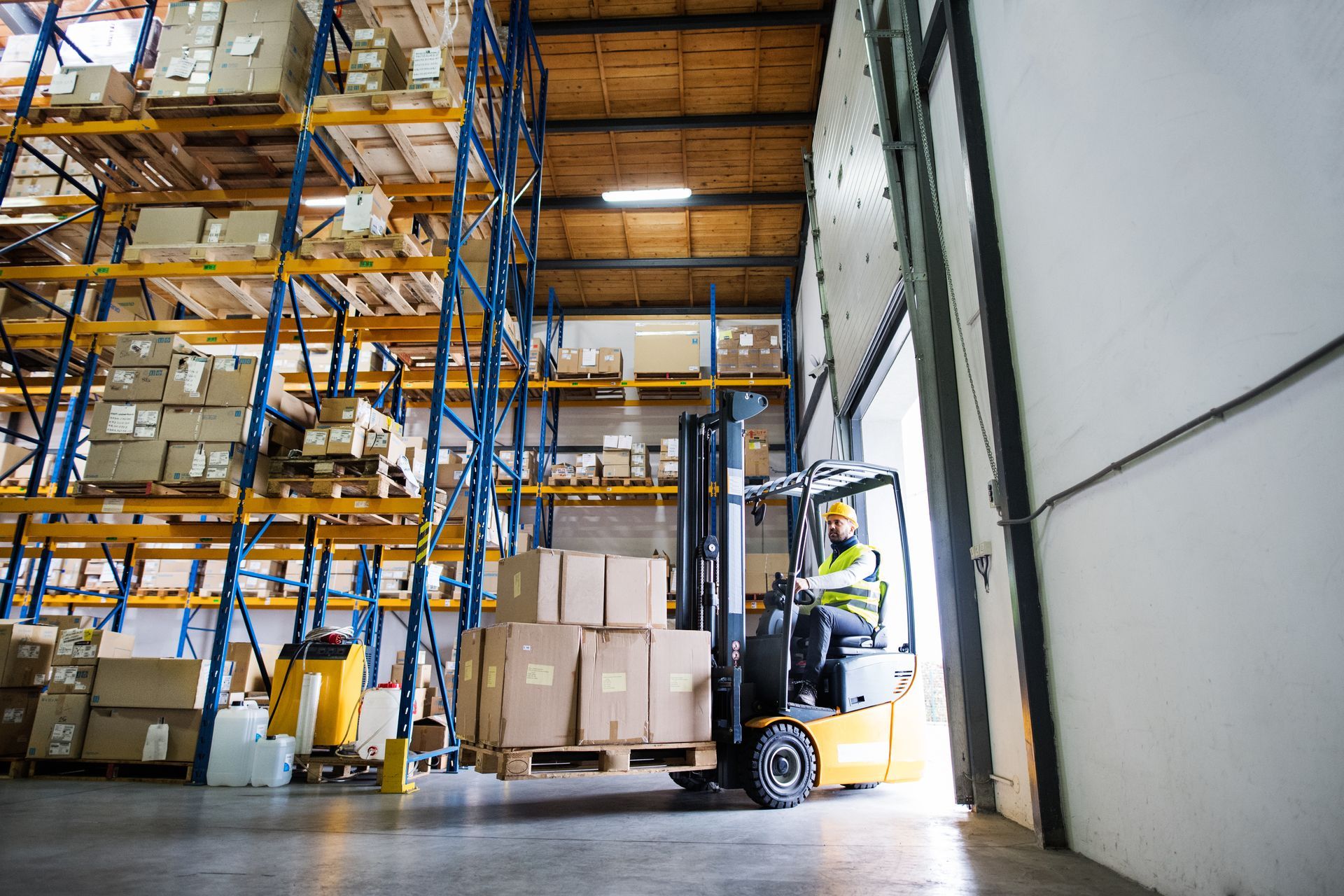
Coverage for customer property while stored in your facility. Protects against damage, theft, fire, and water damage to goods in your care, custody, or control.

Workers' Compensation
Medical care and wage replacement for employees injured on the job. Required in most states for transportation and warehouse work where physical labor creates higher injury risk.

Umbrella & Excess Liability
Higher liability limits stacked on top of your primary policies. Helps meet large contract requirements and protects your business assets against major claims and lawsuits.
Specialized Knowledge
Industries We Protect
Focused coverage for transportation and logistics businesses

Simple and Clear
How Our Process Works
Our process to get you covered
Connect With Us
Reach out through our form or by phone to share your business needs and current coverage situation.
Get Coverage Options
We review your risks, compare carriers, and present clear quotes with plain-language explanations.
Stay Protected
You choose your plan, and we provide ongoing support for certificates, claims, and renewals.
Trusted by Businesses
Feedback That Reflects Service and Reliability
What our clients say about working with Champion Risk
Answers You Need
Frequently Asked Questions
Common questions about transportation and logistics insurance



What insurance does a transportation company need to operate legally?
Motor carriers that cross state lines must meet FMCSA requirements. You need a minimum of $750,000 in liability coverage, plus a BMC-91 filing that proves your insurance to the federal government. Cargo coverage is also required, with minimums that depend on the type of goods you transport.
Intrastate operators follow state-specific rules. California, Texas, and Florida each have different requirements. Champion Risk handles both federal and state filings. We make sure your coverage meets legal minimums and your certificates reach the right agencies.
How much does commercial transportation insurance cost?
Premiums depend on your fleet size, driving records, cargo values, and claims history. A small operation with two trucks might pay $8,000 to $15,000 per year. A larger carrier with ten trucks could pay $50,000 to $100,000 or more.
The best way to control costs is working with a broker who knows transportation insurance. We find carriers that specialize in your exact operation type. This often results in better rates than going direct or using a general agent who doesn't understand the industry.
What is a BMC-91 filing and why do I need one?
A BMC-91 is a form your insurance company files with the FMCSA. It proves you carry the required liability coverage to operate as a for-hire motor carrier. Without an active BMC-91, your operating authority can be revoked.
Champion Risk works with carriers who file electronically. Your BMC-91 typically posts within 24 to 48 hours of binding coverage. We monitor your filing status and alert you if anything needs attention.
Does my warehouse or storage facility need different insurance than a trucking operation?
Yes. Storage facilities need warehouse legal liability coverage. This protects you when customer property is damaged or stolen while in your care. Standard general liability policies exclude this exposure.
You may also need property coverage for your building, equipment breakdown protection, and business income coverage if a fire or disaster shuts down operations. Champion Risk builds storage facility programs that address all these risks in one package.
Can you insure last-mile delivery drivers who use their own vehicles?
Yes. We offer hired and non-owned auto coverage for delivery operations that use independent contractors or employees driving personal vehicles. This fills gaps that personal auto policies don't cover during commercial use.
We also provide occupational accident coverage for 1099 drivers who aren't eligible for workers' comp. This protects your drivers and limits your liability exposure when accidents happen.
How fast can I get proof of insurance for a new contract?
Same day in most cases. Once we bind your policy, we issue certificates of insurance within hours. If your contract requires specific additional insured language or special endorsements, we coordinate directly with the carrier.
Rush requests happen often in this industry. General contractors and corporate clients demand certificates before they let you on site. Champion Risk prioritizes fast turnaround because we know your revenue depends on it.

Answers You Need
Transportation & Logistics Insurance Resources
Articles designed to inform and support your business
Contact Us
Phone Number:
Email Address:
Location:
12264 El Camino Real, Suite 350
San Diego, CA 92130
Hours:
Monday – Friday: 8:00 AM – 6:00 PM PT