North Dakota's transportation and logistics sector faces a unique set of challenges that most carriers in other states never encounter. Between Bakken oil field operations, agricultural hauling across vast rural distances, and brutal winter conditions that can drop temperatures to minus 40 degrees, the risks here demand specialized insurance coverage. A standard policy written for a fleet operating in Texas or California simply won't cut it when your trucks are navigating icy Highway 85 or hauling hazmat loads to remote drilling sites.
Understanding transportation and logistics insurance requirements in North Dakota means grappling with state-specific mandates, federal FMCSA regulations, and coverage gaps that can devastate an unprepared carrier. The stakes are high: according to
Risk Strategies, the insurance market remains hard, with significant premium increases across key coverage lines, including physical damage, umbrella, and auto liability. Getting your coverage right from the start protects both your assets and your ability to keep operating when claims hit.
The North Dakota Logistics Landscape and Insurance Essentials
Unique Risks for North Dakota Carriers
North Dakota carriers operate in an environment that amplifies standard trucking risks. The state's energy sector drives substantial demand for specialized hauling, with oil field trucks often paying $15,000 or more annually for insurance due to elevated liability requirements. These premiums reflect real exposure: transporting drilling equipment, crude oil, and hazardous materials across remote terrain creates liability scenarios that standard cargo policies weren't designed to handle.
Winter operations present another layer of complexity. Carriers running routes through the state from November through March face black ice, whiteout conditions, and emergency response times measured in hours rather than minutes. A jackknifed trailer on a rural highway can result in cargo spoilage, environmental cleanup costs, and third-party claims that quickly exceed minimum coverage limits.
The Role of Insurance in Regional Supply Chain Stability
The agricultural sector depends heavily on reliable trucking capacity during harvest seasons. Grain elevators, processing facilities, and export terminals need carriers who can demonstrate adequate insurance to protect shared interests. Shippers increasingly verify coverage before contracting, making proper insurance documentation a competitive necessity rather than just a regulatory checkbox.
Champion Risk works with North Dakota carriers to structure policies that address these regional realities. The right coverage package protects against both predictable seasonal risks and the unexpected claims that can emerge from oil field operations or winter weather incidents.

By: Mark Raby
Chief Executive Officer at Champion Risk & Insurance Services
Mandatory North Dakota State Insurance Requirements
State-Specific Liability Limits and Filings
North Dakota sets baseline auto insurance requirements at $25,000 per person and $50,000 per accident for bodily injury liability. These minimums apply to standard commercial vehicles, but most carriers need significantly higher limits to satisfy shipper requirements and protect against realistic claim scenarios.
Passenger transportation services face steeper requirements. Operations carrying 1-15 passengers must maintain a minimum of $1.5 million Combined Single Limit in coverage. This applies to shuttle services, charter operations, and medical transport companies operating within state borders.
One notable provision: commercial vehicles weighing over 20,000 pounds are not required to carry uninsured and underinsured motorist coverage in North Dakota. While this reduces mandatory premium costs, many carriers opt for this coverage anyway given the prevalence of underinsured drivers on rural highways.
North Dakota Workforce Safety & Insurance (WSI) Compliance
Unlike most states that allow private workers' compensation insurance, North Dakota operates a monopolistic state fund through Workforce Safety & Insurance. Every employer with one or more employees must obtain coverage through WSI, with no private market alternative. Premiums are calculated based on payroll and industry classification codes, with trucking and logistics operations typically falling into higher-risk categories.
WSI compliance isn't optional, and penalties for operating without coverage include fines and personal liability for owners. Carriers should factor WSI premiums into their total insurance budget alongside commercial auto and cargo coverage.
Core Coverage Types for Transportation and Logistics
Primary Auto Liability and Physical Damage
Commercial auto liability forms the foundation of any trucking insurance program. The average commercial truck insurance premium in North Dakota ranges from $8,000 to $16,000 per year, though actual costs vary based on fleet size, driver experience, and operational radius.
Physical damage coverage protects your owned equipment against collision, theft, and weather damage. Given North Dakota's hail season and winter conditions, comprehensive coverage becomes particularly valuable. Carriers should review policy exclusions carefully, as some forms exclude damage from freezing temperatures or require specific winterization protocols.
| Coverage Type | What It Protects | Typical Annual Cost Range |
|---|---|---|
| Primary Auto Liability | Third-party bodily injury and property damage | $5,000 - $12,000 |
| Physical Damage | Your trucks and trailers | $2,000 - $6,000 per unit |
| Motor Truck Cargo | Freight you're hauling | $1,500 - $4,000 |
| Non-Trucking Liability | Bobtail and personal use | $500 - $1,500 |
Motor Truck Cargo and Inland Marine Insurance
Cargo coverage protects the goods you're transporting against damage, theft, and spoilage. Standard policies typically cover $100,000 per occurrence, though agricultural and energy sector loads often require higher limits. Refrigerated cargo, livestock, and hazardous materials each demand specialized endorsements.
Inland marine insurance extends protection to equipment and goods in transit that don't fit neatly into standard cargo forms. This includes drilling equipment, oversized loads, and specialized machinery common in North Dakota's energy sector.
Broker Liability and General Liability for Warehousing
Freight brokers operating in North Dakota need contingent cargo and contingent auto liability coverage to protect against claims when contracted carriers fail to perform. The BMC-84 surety bond requirement sets a $75,000 minimum, but actual broker liability exposure often exceeds this threshold substantially.
Warehousing operations require general liability coverage addressing premises risks, along with warehouse legal liability for stored goods. Cross-dock facilities face particular exposure during loading and unloading operations.
Factors Influencing Transportation Insurance Costs
Impact of Safety Records and CSA Scores
Underwriters scrutinize CSA scores and safety records when pricing policies. Carriers with elevated scores in categories like unsafe driving or hours-of-service compliance face premium surcharges or coverage restrictions. Some insurers decline coverage entirely for fleets with poor safety metrics.
The relationship between safety investment and insurance costs is direct. Carriers who maintain clean inspection records and low accident frequencies typically see renewal increases well below market averages. Champion Risk helps clients understand how specific safety improvements translate into premium savings.
Route Risks: Winter Weather and Rural Infrastructure
Operating radius significantly impacts premiums. Carriers running primarily within North Dakota face different risk profiles than those with interstate authority covering multiple states. Rural routes with limited emergency services and challenging winter conditions command higher rates than urban delivery operations.
Oil field operations in the Bakken region carry premium loadings reflecting both the cargo type and the operating environment. Remote locations, unpaved access roads, and 24-hour operations all factor into underwriting calculations.
Implementing Telematics and Fleet Safety Programs
Telematics systems provide insurers with data demonstrating safe driving behaviors, often qualifying carriers for premium discounts ranging from 5% to 15%. Beyond direct savings, these systems help identify risky driving patterns before they result in claims.
Formal safety programs including regular driver training, pre-trip inspection protocols, and drug testing programs signal to underwriters that management takes risk seriously. Documentation matters: insurers want to see written policies, training records, and incident response procedures.
Choosing Optimal Deductibles and Coverage Limits
Higher deductibles reduce premiums but increase out-of-pocket exposure when claims occur. Carriers should model their actual claim history when selecting deductible levels. A fleet averaging two minor claims annually might save money with lower deductibles, while a carrier with infrequent but larger losses could benefit from higher retention.
Coverage limits should reflect realistic exposure rather than minimum requirements. A single serious accident can generate claims exceeding $1 million, making adequate umbrella coverage essential for protecting business assets.
Filing claims promptly and accurately accelerates resolution and protects your renewal pricing. Document accidents thoroughly with photos, witness statements, and police reports. Notify your insurer within 24 hours of any incident that might result in a claim.
Renewal preparation should begin 90 days before policy expiration. Gather updated driver lists, vehicle schedules, and safety program documentation. Review your loss runs for accuracy, as errors in claims history can inflate renewal premiums.
Working with a broker who understands North Dakota's transportation sector makes a measurable difference in both coverage quality and pricing. Champion Risk specializes in helping carriers navigate the complexities of state requirements, coverage gaps, and market conditions specific to this region.
Frequently Asked Questions
What's the minimum liability insurance required for trucking in North Dakota? State minimums are $25,000 per person and $50,000 per accident for bodily injury. Federal requirements for interstate carriers are significantly higher, typically $750,000 to $1 million depending on cargo type.
Why is oil field trucking insurance so expensive? Hazmat exposure, remote operating locations, and higher liability limits combine to push premiums above $15,000 annually for most oil field operations.
Can I buy private workers' compensation insurance in North Dakota? No. North Dakota operates a monopolistic state fund through Workforce Safety & Insurance. All employers must obtain coverage through WSI.
How do CSA scores affect my insurance premiums? Poor CSA scores can increase premiums by 20% to 50% or result in coverage denials. Some insurers won't quote carriers with elevated scores in critical categories.
Do I need uninsured motorist coverage for my commercial trucks? It's not required for vehicles over 20,000 pounds in North Dakota, but many carriers purchase it anyway given the risk of accidents with underinsured drivers.
About the Author:
Mark Raby
I am a seasoned insurance professional with over 30 years of experience in the industry. I lead Champion Risk & Insurance Services, a San Diego-based brokerage with nationwide reach and strong influence in the insurance marketplace. My core competencies include insurance agency M&A deals, captives and alternative risk structures, and commercial property and casualty insurance for clients in the transportation and logistics industries. I am a former president of IIAB San Diego and hold a Bachelor of Science in Finance from Western Michigan University’s Haworth College of Business.
Protection for Transportation Operations
Business Insurance for Transportation & Logistics Companies
Coverage designed specifically for transportation businesses
Commercial Auto & Trucking
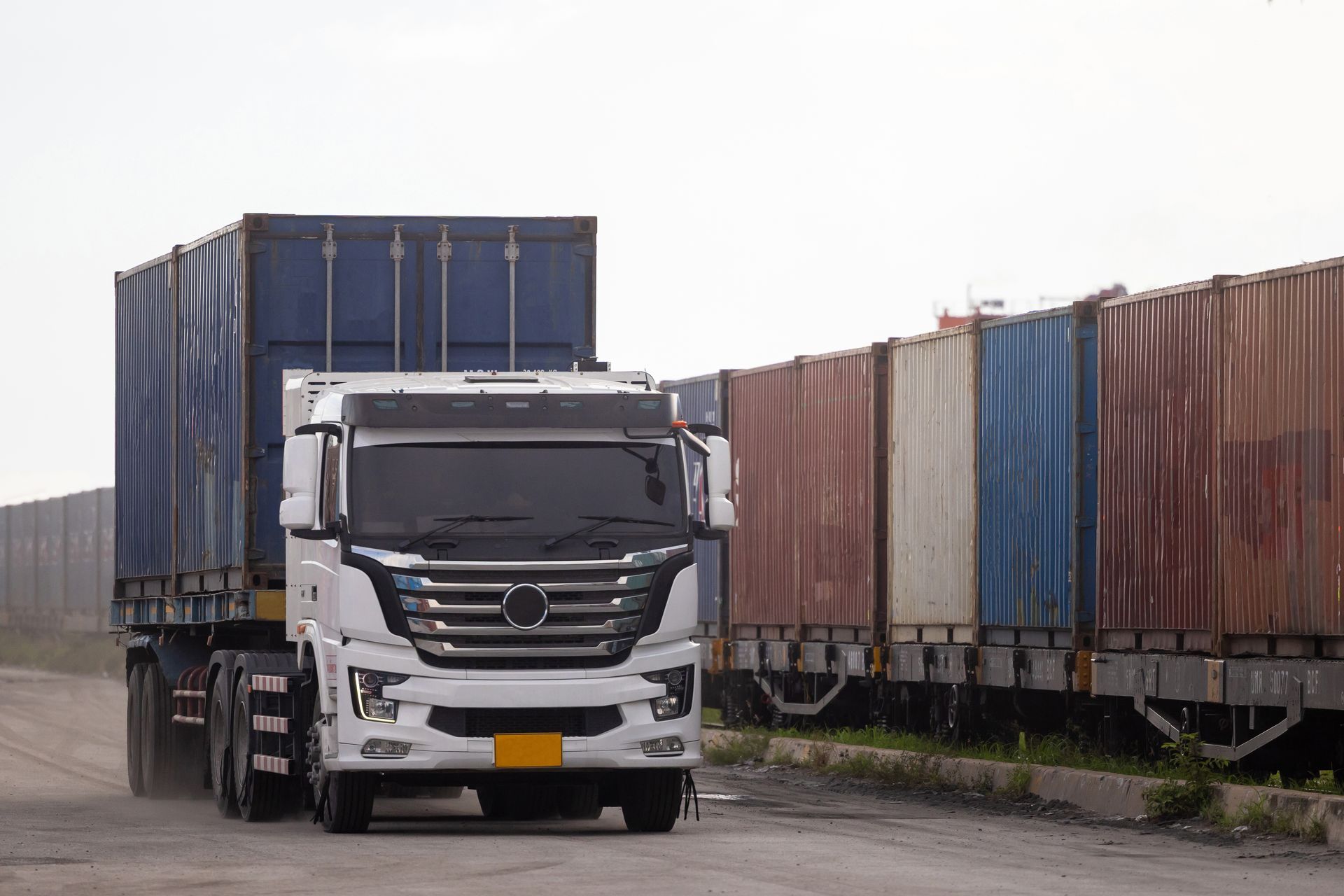
Protection for your fleet including box trucks, moving vans, and trailers. Covers liability, collision, physical damage, and hired or non-owned vehicles used in your operations.
Motor Truck Cargo
Covers household goods and freight during transport from pickup to delivery. Protects against damage, theft, mysterious disappearance, and weather-related losses while cargo is in your care.

General Liability
Protection from third-party claims for bodily injury and property damage at customer homes, job sites, and your own facility. Essential coverage for every transportation operation
Warehouse Legal Liability
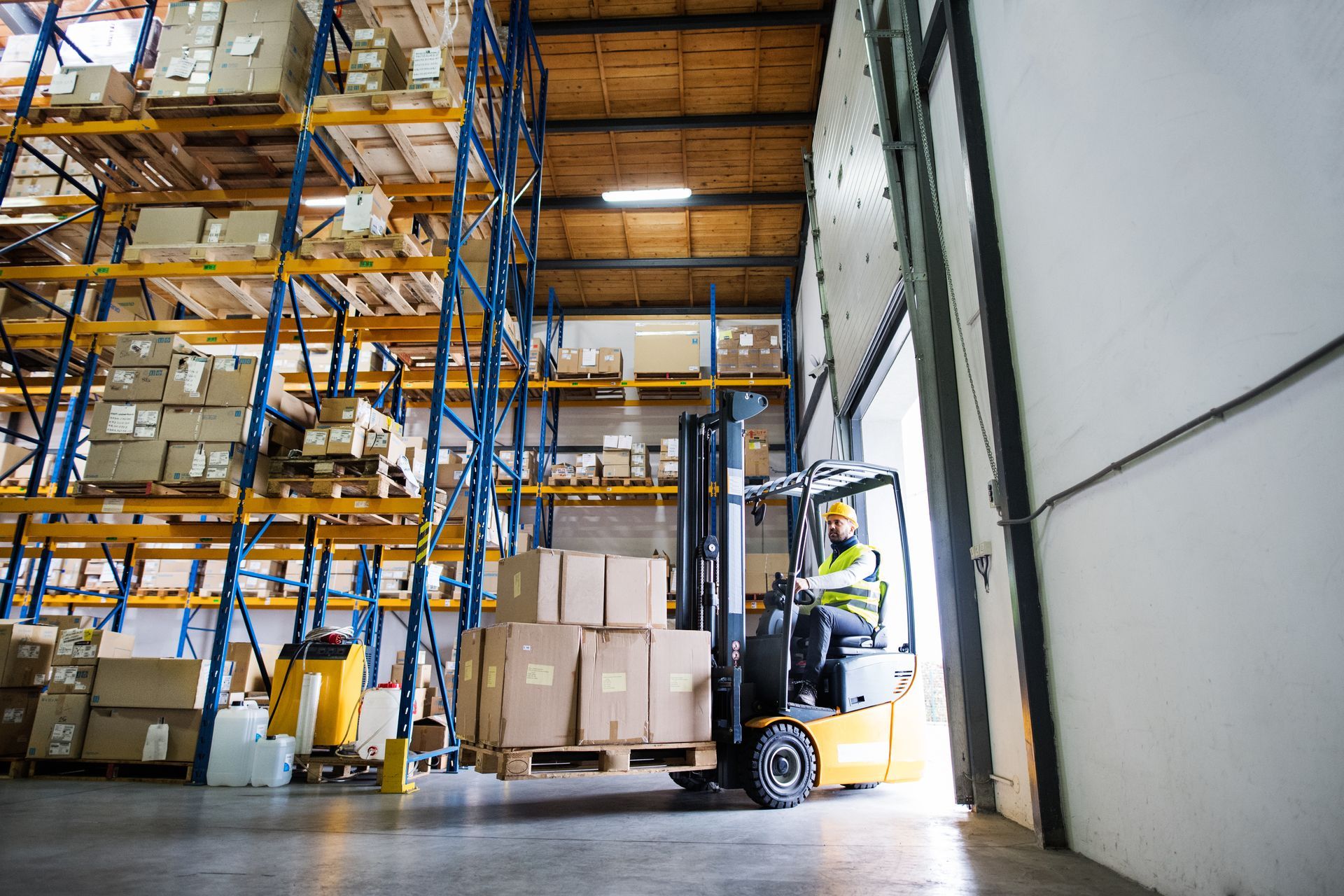
Coverage for customer property while stored in your facility. Protects against damage, theft, fire, and water damage to goods in your care, custody, or control.

Workers' Compensation
Medical care and wage replacement for employees injured on the job. Required in most states for transportation and warehouse work where physical labor creates higher injury risk.

Umbrella & Excess Liability
Higher liability limits stacked on top of your primary policies. Helps meet large contract requirements and protects your business assets against major claims and lawsuits.
Specialized Knowledge
Industries We Protect
Focused coverage for transportation and logistics businesses

Simple and Clear
How Our Process Works
Our process to get you covered
Connect With Us
Reach out through our form or by phone to share your business needs and current coverage situation.
Get Coverage Options
We review your risks, compare carriers, and present clear quotes with plain-language explanations.
Stay Protected
You choose your plan, and we provide ongoing support for certificates, claims, and renewals.
Trusted by Businesses
Feedback That Reflects Service and Reliability
What our clients say about working with Champion Risk
Answers You Need
Frequently Asked Questions
Common questions about transportation and logistics insurance



What insurance does a transportation company need to operate legally?
Motor carriers that cross state lines must meet FMCSA requirements. You need a minimum of $750,000 in liability coverage, plus a BMC-91 filing that proves your insurance to the federal government. Cargo coverage is also required, with minimums that depend on the type of goods you transport.
Intrastate operators follow state-specific rules. California, Texas, and Florida each have different requirements. Champion Risk handles both federal and state filings. We make sure your coverage meets legal minimums and your certificates reach the right agencies.
How much does commercial transportation insurance cost?
Premiums depend on your fleet size, driving records, cargo values, and claims history. A small operation with two trucks might pay $8,000 to $15,000 per year. A larger carrier with ten trucks could pay $50,000 to $100,000 or more.
The best way to control costs is working with a broker who knows transportation insurance. We find carriers that specialize in your exact operation type. This often results in better rates than going direct or using a general agent who doesn't understand the industry.
What is a BMC-91 filing and why do I need one?
A BMC-91 is a form your insurance company files with the FMCSA. It proves you carry the required liability coverage to operate as a for-hire motor carrier. Without an active BMC-91, your operating authority can be revoked.
Champion Risk works with carriers who file electronically. Your BMC-91 typically posts within 24 to 48 hours of binding coverage. We monitor your filing status and alert you if anything needs attention.
Does my warehouse or storage facility need different insurance than a trucking operation?
Yes. Storage facilities need warehouse legal liability coverage. This protects you when customer property is damaged or stolen while in your care. Standard general liability policies exclude this exposure.
You may also need property coverage for your building, equipment breakdown protection, and business income coverage if a fire or disaster shuts down operations. Champion Risk builds storage facility programs that address all these risks in one package.
Can you insure last-mile delivery drivers who use their own vehicles?
Yes. We offer hired and non-owned auto coverage for delivery operations that use independent contractors or employees driving personal vehicles. This fills gaps that personal auto policies don't cover during commercial use.
We also provide occupational accident coverage for 1099 drivers who aren't eligible for workers' comp. This protects your drivers and limits your liability exposure when accidents happen.
How fast can I get proof of insurance for a new contract?
Same day in most cases. Once we bind your policy, we issue certificates of insurance within hours. If your contract requires specific additional insured language or special endorsements, we coordinate directly with the carrier.
Rush requests happen often in this industry. General contractors and corporate clients demand certificates before they let you on site. Champion Risk prioritizes fast turnaround because we know your revenue depends on it.

Answers You Need
Transportation & Logistics Insurance Resources
Articles designed to inform and support your business
Contact Us
Phone Number:
Email Address:
Location:
12264 El Camino Real, Suite 350
San Diego, CA 92130
Hours:
Monday – Friday: 8:00 AM – 6:00 PM PT