
Running a moving and storage operation in West Virginia means dealing with narrow mountain roads, unpredictable weather patterns, and the constant reality that one damaged antique dresser or workplace injury could threaten everything you've built. The state's unique geography creates risks that flat-state movers simply don't face: steep grades that strain brakes, tight turns that test even experienced drivers, and rural routes where help isn't always close by. Getting the right insurance coverage isn't just about checking regulatory boxes with the Public Service Commission. It's about building a safety net that actually catches you when something goes wrong.
I've seen too many moving company owners piece together policies that look adequate on paper but fall apart when claims happen. The coverage gaps usually show up at the worst possible moment: a warehouse fire, a multi-vehicle accident, or a workers' comp claim that spirals into litigation. Understanding what West Virginia specifically requires, what typical coverage costs, and where most operators leave themselves exposed can save you from learning these lessons the hard way. This guide breaks down the essential insurance framework for West Virginia moving and storage businesses, from state-mandated minimums to the specialized endorsements that separate protected operations from vulnerable ones.
West Virginia Moving Industry Insurance Standards
PSC Registration and Liability Requirements
West Virginia's Public Service Commission oversees intrastate moving companies, and registration comes with specific insurance obligations. You'll need to file proof of liability coverage before operating legally, and the PSC doesn't accept excuses when documentation lapses. The state requires minimum commercial auto liability limits of 25/50/25: that's $25,000 per person, $50,000 per accident for bodily injury, and $25,000 for property damage, according to GEICO's commercial auto guidelines.
Here's the catch: those minimums are dangerously low for moving operations. A serious accident involving a loaded truck can easily exceed $50,000 in medical costs alone, leaving your business exposed to lawsuits that could drain operating capital or force closure. Most experienced operators carry at least $500,000 in combined single-limit coverage, and many push that to $1 million for interstate work.
Surety bonds add another layer of requirements. The cost of a surety bond in West Virginia typically ranges from 1% to 15% of the bond amount, depending on factors like credit score and financial history, as noted by NNA Surety Bonds. A clean financial record keeps bond costs manageable, while credit issues can make this requirement surprisingly expensive.
Cargo Insurance for Household Goods
Cargo coverage protects the belongings you're hired to transport, and it's where many movers underestimate their exposure. A single household move might contain $50,000 or more in furniture, electronics, and irreplaceable items. Standard policies typically offer either released value protection (minimal, around 60 cents per pound) or full value protection that covers repair, replacement, or cash settlement.
The distinction matters enormously when claims happen. That 60-pound antique mirror worth $3,000 would only net the customer $36 under released value. Full value coverage costs more but prevents the disputes and reputation damage that come with inadequate settlements.


By: Mark Raby
Chief Executive Officer at Champion Risk & Insurance Services
Essential Coverage Types for Moving and Storage
Commercial General Liability and Auto Liability
General liability protects against third-party injuries and property damage that occur during your operations. A customer trips over moving blankets in their driveway, a dolly scrapes their hardwood floors, or a crew member accidentally damages a neighbor's landscaping: these scenarios happen regularly in moving work.
The average cost of general liability insurance for businesses in West Virginia is $120 per month, according to Insureon. That's a reasonable baseline, though actual premiums depend on your revenue, claims history, and specific operations. Companies handling high-value residential moves or commercial relocations often pay more.
Commercial auto coverage is non-negotiable and typically represents your largest insurance expense. The average cost of commercial auto insurance in West Virginia runs around $164 per month for basic operations, though Insureon reports an average of $876 per month for more comprehensive coverage. The gap reflects differences in fleet size, driver experience, and coverage limits.
Warehouse Legal Liability for Storage Facilities
If you operate storage facilities alongside moving services, warehouse legal liability coverage becomes essential. This policy protects against damage to customer goods while in your care at a fixed location. Standard property insurance doesn't cover items you don't own, so without warehouse legal liability, you're personally responsible for any fire, theft, water damage, or other loss affecting stored customer belongings.
Coverage limits should reflect your maximum storage capacity at any given time. Underestimating this number is a common mistake that leaves operators exposed during busy seasons when warehouses fill up.
Workers' Compensation Laws in West Virginia
West Virginia requires workers' compensation coverage for businesses with one or more employees, making this mandatory for nearly every moving operation. The physical demands of moving work, including heavy lifting, repetitive motions, and exposure to weather extremes, create substantial injury risk.
The average cost of workers' compensation insurance in West Virginia is $755 per month, per Insureon data. That figure reflects the higher risk classification assigned to moving industry workers. Premiums are calculated based on payroll and experience modification ratings, so companies with strong safety records can reduce costs over time.
Champion Risk works with moving companies to structure workers' comp programs that balance adequate coverage with cost management, often identifying classification errors or experience mod issues that inflate premiums unnecessarily.
Fleet Size and Driver Safety Records
Insurance carriers scrutinize your fleet composition and driver histories when setting rates. A company running three newer trucks with experienced drivers pays dramatically less than an operation with ten aging vehicles and drivers who have recent violations.
| Factor | Premium Impact |
|---|---|
| Clean MVR (3+ years) | 15-25% reduction |
| At-fault accidents | 25-40% increase per incident |
| Vehicle age over 10 years | 10-20% increase |
| Dash cam installation | 5-10% reduction |
| Telematics monitoring | 10-15% reduction |
Driver hiring standards directly affect your insurability. Some carriers won't cover operations with drivers who have DUI convictions, multiple speeding tickets, or gaps in employment history. Investing in thorough background checks and ongoing training pays dividends in both safety and insurance costs.
Annual Revenue and Payroll Estimates
Most commercial policies use revenue and payroll figures to calculate premiums. Underreporting these numbers might reduce initial costs but creates serious problems at audit time. Carriers conduct annual audits and will bill you for the difference, plus penalties, if actual figures exceed estimates.
Accurate projections matter. If you're planning growth, discuss this with your broker so policies can accommodate expansion without coverage gaps. Champion Risk helps clients project realistic figures that prevent audit surprises while avoiding unnecessary overpayment.

Protecting Assets with Specialized Endorsements
Inland Marine Insurance for Transit Risks
Inland marine coverage fills gaps that standard policies miss, protecting equipment and customer goods while in transit. This includes your moving equipment, tools, and the cargo itself during transport between locations.
As one industry expert notes, "Each moving company is different, so identifying areas of risk is crucial for finding appropriate insurance coverage," according to LL Brown Insurance. Inland marine policies can be tailored to your specific operation, whether you're hauling pianos, fine art, or standard household goods.
Cyber Liability for Customer Data Management
Moving companies collect sensitive customer information: addresses, phone numbers, payment details, and schedules that reveal when homes will be vacant. A data breach exposes you to regulatory penalties, notification costs, and potential lawsuits.
Cyber liability coverage addresses these modern risks. Policies typically cover breach response costs, legal defense, and regulatory fines. Even small operations need this protection as hackers increasingly target businesses with limited IT resources.
Strategies for Reducing Moving Business Risks
Smart risk management reduces both claims and premiums over time. Start with documented safety programs that include regular training, equipment maintenance schedules, and incident reporting procedures. Carriers reward companies that demonstrate proactive risk control.
Consider these practical steps:
- Implement pre-trip vehicle inspections with written documentation
- Train crews on proper lifting techniques and equipment use
- Use furniture pads, straps, and protective materials consistently
- Photograph high-value items before loading
- Maintain weather-related protocols for wet or icy conditions
Working with a specialized broker like Champion Risk provides access to carriers who understand moving industry risks and offer competitive rates for well-managed operations. Generic insurance agents often place moving companies with standard commercial carriers who don't appreciate the industry's unique exposures.
Frequently Asked Questions
What insurance do I need to start a moving company in West Virginia? At minimum, you need commercial auto liability (25/50/25), general liability, cargo coverage, and workers' compensation if you have employees. Most lenders and commercial customers require higher limits.
How much does moving company insurance cost in West Virginia? Total annual premiums typically range from $15,000 to $50,000 depending on fleet size, coverage limits, and claims history. Small operations with clean records fall toward the lower end.
Does my personal auto insurance cover my moving truck? No. Personal policies exclude commercial use. You need a commercial auto policy specifically covering your business vehicles and operations.
What happens if I'm underinsured and have a major claim? You're personally liable for amounts exceeding your policy limits. This can result in lawsuits, asset seizure, and potential bankruptcy.
Can I reduce my workers' comp costs?
Yes. Implementing safety programs, maintaining accurate job classifications, and managing your experience modification rate can significantly reduce premiums over time.
Making the Right Coverage Decisions
The right insurance program protects your West Virginia moving and storage business without draining profits on unnecessary coverage. Start with state requirements, then build outward based on your specific operations, assets, and risk tolerance. Work with a broker who specializes in transportation and logistics, someone who understands that a moving company faces different exposures than a restaurant or retail store.
Champion Risk has helped moving operations across West Virginia structure coverage programs that meet regulatory requirements while protecting against the real-world risks that threaten business continuity. Whether you're launching a new operation or reviewing existing coverage, getting expert guidance prevents the coverage gaps that turn manageable incidents into business-ending disasters.
About the Author:
Mark Raby
I am a seasoned insurance professional with over 30 years of experience in the industry. I lead Champion Risk & Insurance Services, a San Diego-based brokerage with nationwide reach and strong influence in the insurance marketplace. My core competencies include insurance agency M&A deals, captives and alternative risk structures, and commercial property and casualty insurance for clients in the transportation and logistics industries. I am a former president of IIAB San Diego and hold a Bachelor of Science in Finance from Western Michigan University’s Haworth College of Business.
Protection for Transportation Operations
Business Insurance for Transportation & Logistics Companies
Coverage designed specifically for transportation businesses
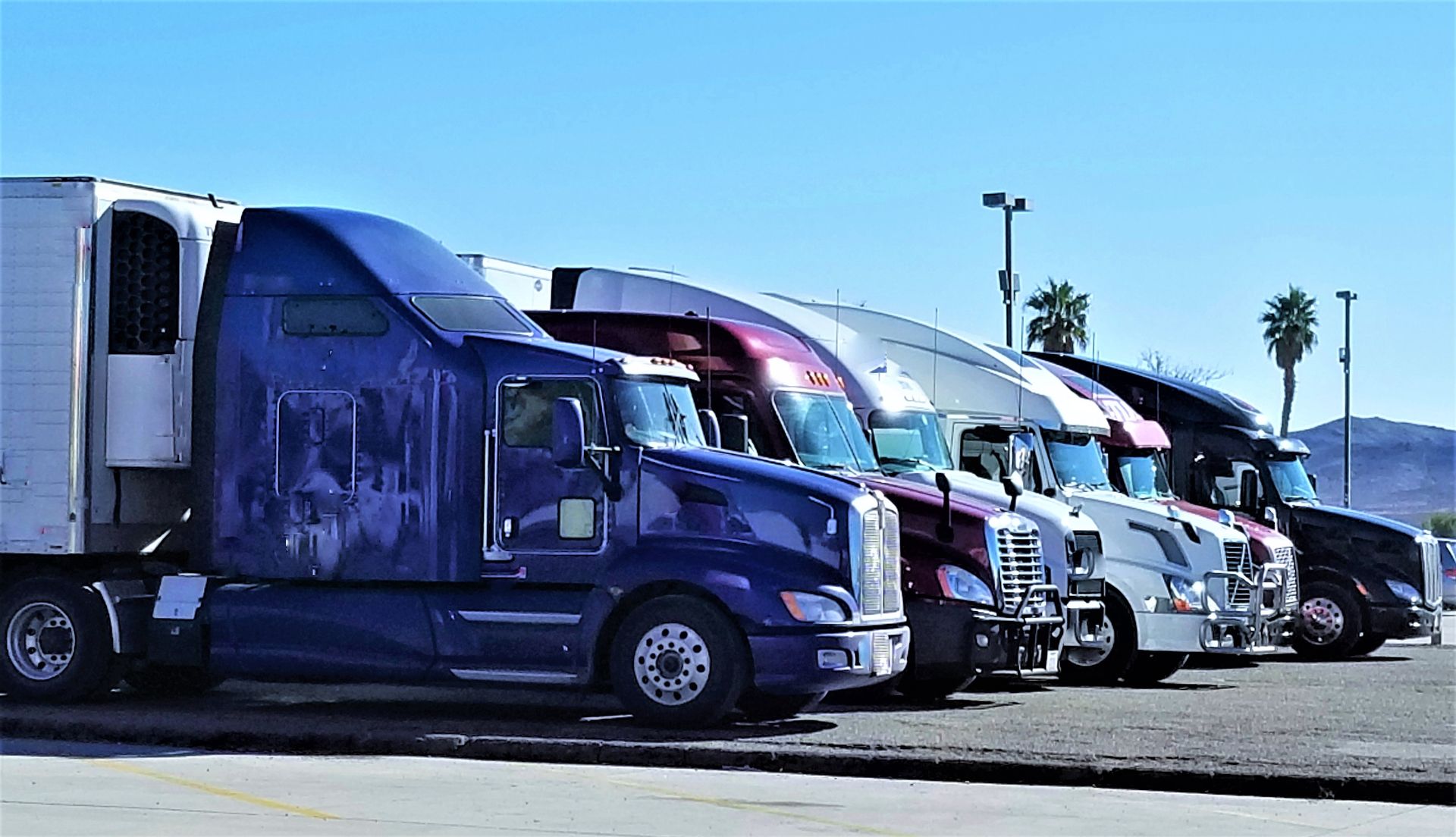
Commercial Auto & Trucking
Protection for your fleet including box trucks, moving vans, and trailers. Covers liability, collision, physical damage, and hired or non-owned vehicles used in your operations.
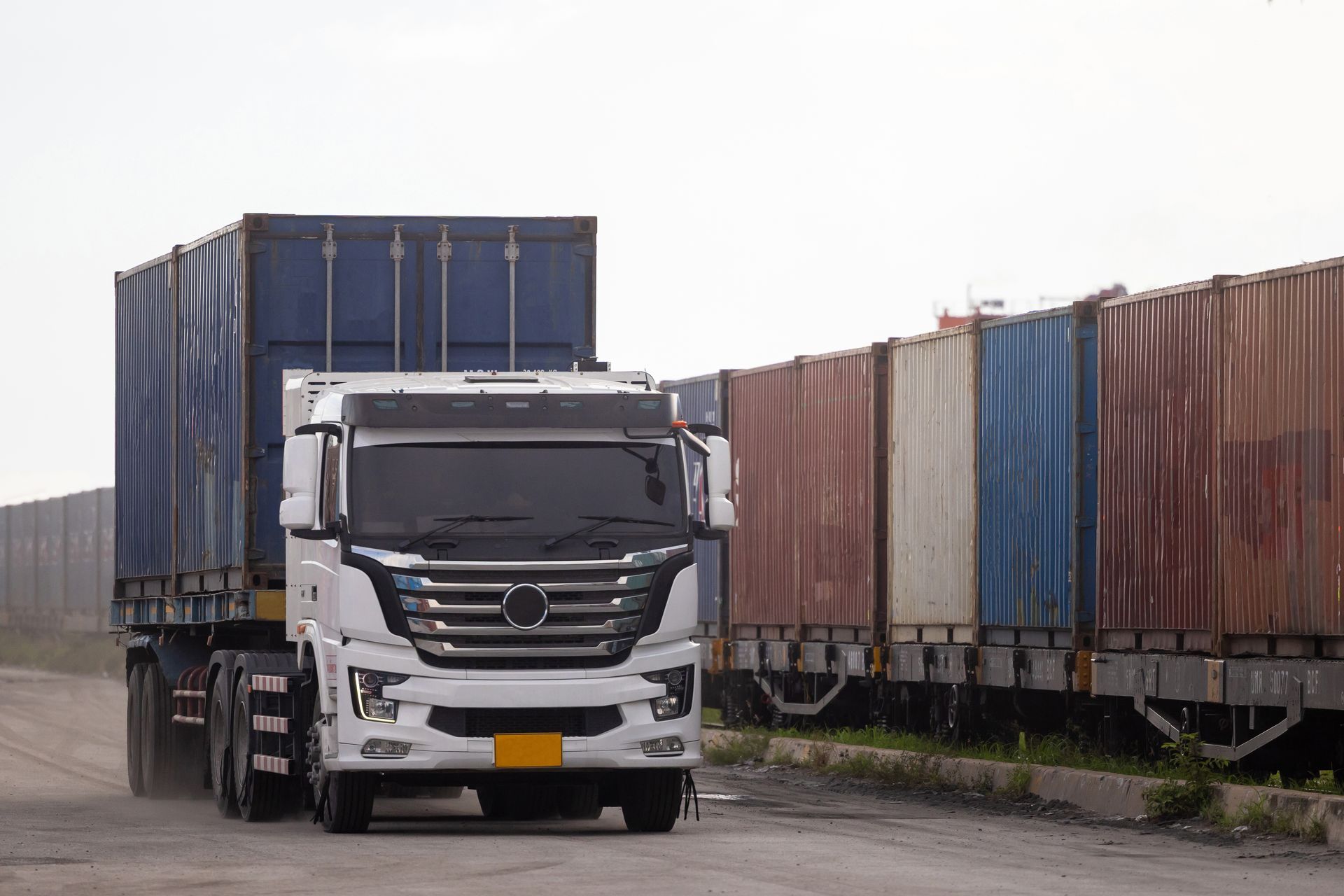
Motor Truck Cargo
Covers household goods and freight during transport from pickup to delivery. Protects against damage, theft, mysterious disappearance, and weather-related losses while cargo is in your care.

General Liability
Protection from third-party claims for bodily injury and property damage at customer homes, job sites, and your own facility. Essential coverage for every transportation operation

Warehouse Legal Liability
Coverage for customer property while stored in your facility. Protects against damage, theft, fire, and water damage to goods in your care, custody, or control.

Workers' Compensation
Medical care and wage replacement for employees injured on the job. Required in most states for transportation and warehouse work where physical labor creates higher injury risk.

Umbrella & Excess Liability
Higher liability limits stacked on top of your primary policies. Helps meet large contract requirements and protects your business assets against major claims and lawsuits.
Specialized Knowledge
Industries We Protect
Focused coverage for transportation and logistics businesses


Simple and Clear
How Our Process Works
Our process to get you covered
Connect With Us
Reach out through our form or by phone to share your business needs and current coverage situation.
Get Coverage Options
We review your risks, compare carriers, and present clear quotes with plain-language explanations.
Stay Protected
You choose your plan, and we provide ongoing support for certificates, claims, and renewals.
Trusted by Businesses
Feedback That Reflects Service and Reliability
What our clients say about working with Champion Risk
Answers You Need
Frequently Asked Questions
Common questions about transportation and logistics insurance




What insurance does a transportation company need to operate legally?
Motor carriers that cross state lines must meet FMCSA requirements. You need a minimum of $750,000 in liability coverage, plus a BMC-91 filing that proves your insurance to the federal government. Cargo coverage is also required, with minimums that depend on the type of goods you transport.
Intrastate operators follow state-specific rules. California, Texas, and Florida each have different requirements. Champion Risk handles both federal and state filings. We make sure your coverage meets legal minimums and your certificates reach the right agencies.
How much does commercial transportation insurance cost?
Premiums depend on your fleet size, driving records, cargo values, and claims history. A small operation with two trucks might pay $8,000 to $15,000 per year. A larger carrier with ten trucks could pay $50,000 to $100,000 or more.
The best way to control costs is working with a broker who knows transportation insurance. We find carriers that specialize in your exact operation type. This often results in better rates than going direct or using a general agent who doesn't understand the industry.
What is a BMC-91 filing and why do I need one?
A BMC-91 is a form your insurance company files with the FMCSA. It proves you carry the required liability coverage to operate as a for-hire motor carrier. Without an active BMC-91, your operating authority can be revoked.
Champion Risk works with carriers who file electronically. Your BMC-91 typically posts within 24 to 48 hours of binding coverage. We monitor your filing status and alert you if anything needs attention.
Does my warehouse or storage facility need different insurance than a trucking operation?
Yes. Storage facilities need warehouse legal liability coverage. This protects you when customer property is damaged or stolen while in your care. Standard general liability policies exclude this exposure.
You may also need property coverage for your building, equipment breakdown protection, and business income coverage if a fire or disaster shuts down operations. Champion Risk builds storage facility programs that address all these risks in one package.
Can you insure last-mile delivery drivers who use their own vehicles?
Yes. We offer hired and non-owned auto coverage for delivery operations that use independent contractors or employees driving personal vehicles. This fills gaps that personal auto policies don't cover during commercial use.
We also provide occupational accident coverage for 1099 drivers who aren't eligible for workers' comp. This protects your drivers and limits your liability exposure when accidents happen.
How fast can I get proof of insurance for a new contract?
Same day in most cases. Once we bind your policy, we issue certificates of insurance within hours. If your contract requires specific additional insured language or special endorsements, we coordinate directly with the carrier.
Rush requests happen often in this industry. General contractors and corporate clients demand certificates before they let you on site. Champion Risk prioritizes fast turnaround because we know your revenue depends on it.

Answers You Need
Transportation & Logistics Insurance Resources
Articles designed to inform and support your business
Contact Us
Phone Number:
Email Address:
Location:
12264 El Camino Real, Suite 350
San Diego, CA 92130
Hours:
Monday – Friday: 8:00 AM – 6:00 PM PT