
Jersey City, New Jersey Transportation & Logistics Insurance
Or Call Us:
(800) 829-0807
Jersey City sits at the crossroads of American commerce. Every day, thousands of trucks roll through its streets, carrying everything from electronics to frozen foods, connecting the massive port operations just across Newark Bay to millions of consumers throughout the Northeast. If you operate a transportation or logistics business here, you already know the stakes are high. What you might not fully grasp is how dramatically the insurance landscape has shifted, particularly since New Jersey increased minimum liability requirements for commercial vehicles to $1.5 million in July 2024, according to
wcmlaw.com. That single change has reshaped what adequate coverage looks like for local carriers. Understanding insurance requirements, costs, and coverage options specific to Hudson County isn't optional anymore. It's the difference between building a sustainable operation and watching one accident wipe out everything you've worked for.
The Evolving Logistics Landscape in Jersey City
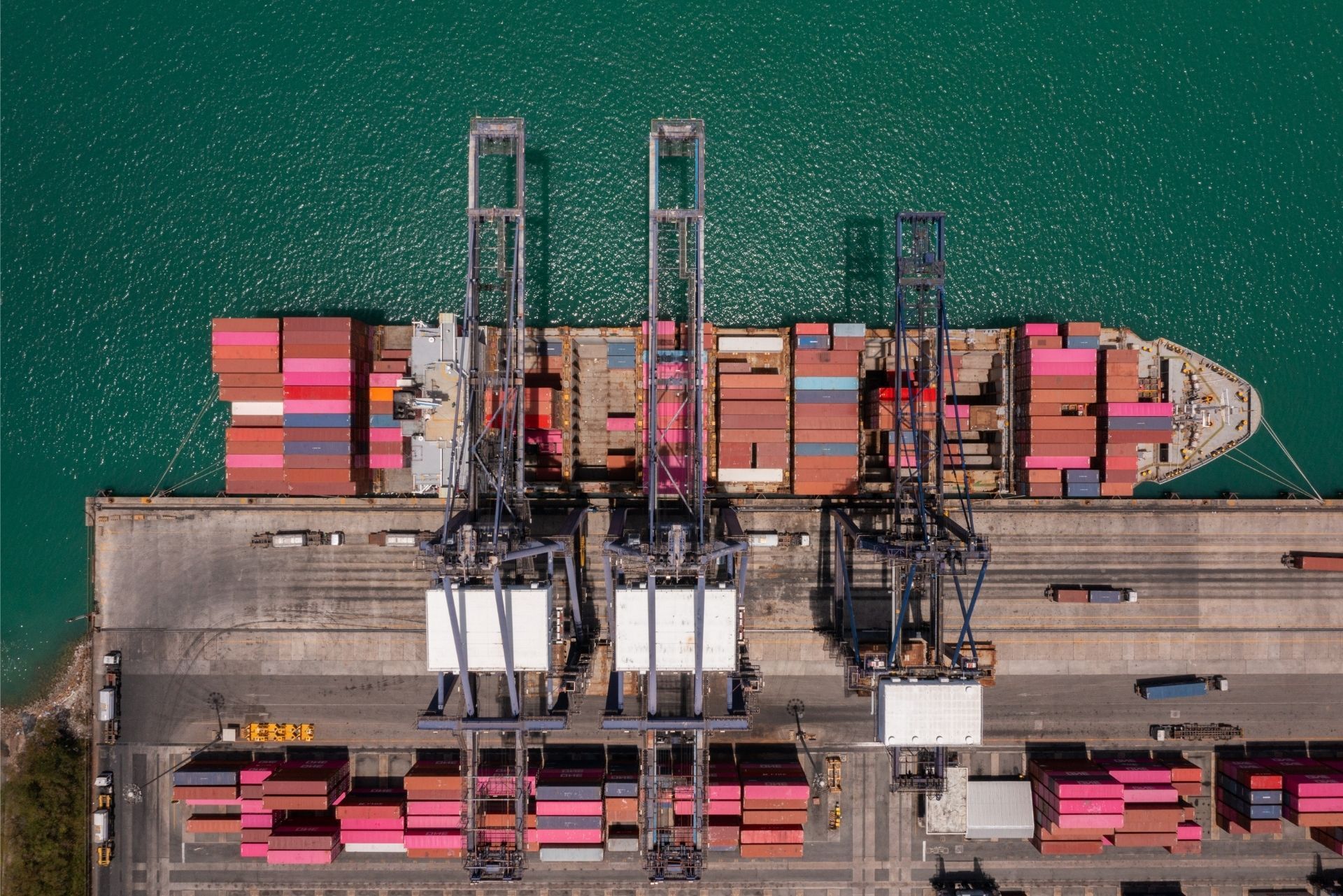
Jersey City has transformed into one of the most critical logistics nodes on the East Coast. The numbers tell the story: trucks carry 75% of the more than 600 million tons of goods moved through New Jersey each year, as reported by njit.edu. That volume creates opportunity, but it also creates risk that demands proper coverage.
Proximity to Port Newark and Elizabeth Marine Terminals
The Port of New York and New Jersey handled 4.4 million TEUs in the first half of 2025, representing a 4.9% increase compared to the same period in 2024, according to weberlogistics.com. Jersey City carriers benefit directly from this growth, but proximity to major port operations means constant exposure to congested corridors, tight delivery windows, and high-value cargo. Insurance underwriters factor this into every quote they write for local operators.
Strategic Role in the New York Metropolitan Supply Chain
The Transportation, Distribution, and Logistics industry contributed $62.5 billion to New Jersey's Real Gross Domestic Product in 2020, per
nj.gov. Jersey City's position makes it essential for last-mile delivery throughout Manhattan and the surrounding boroughs. That strategic importance comes with insurance implications: higher traffic exposure, more frequent stops, and increased theft risk in urban environments all influence policy pricing and coverage requirements.

By: Mark Raby
Chief Executive Officer at Champion Risk & Insurance Services
Essential Insurance Coverages for Local Carriers
Getting coverage right means understanding which policies actually protect your operation versus which ones simply check a compliance box. Here's what Jersey City carriers genuinely need.
Motor Truck Cargo and Physical Damage Protection
Cargo insurance protects the goods you're hauling, while physical damage coverage handles your equipment. Most carriers understand this in theory but underestimate actual limits needed. A single trailer of electronics heading from Port Newark can easily exceed $500,000 in value. Champion Risk works with local carriers to match cargo limits to actual freight profiles rather than defaulting to minimum coverage that leaves gaps when claims happen.
General Liability and Warehouse Legal Liability
General liability covers third-party injuries and property damage at your facilities. If you operate any warehouse or cross-dock space in Jersey City, you'll also need warehouse legal liability to protect goods in your care, custody, and control. These aren't interchangeable policies. A slip-and-fall at your loading dock triggers general liability. Damaged inventory triggers warehouse legal liability.
Non-Trucking Liability and Bobtail Insurance
Owner-operators leased to motor carriers often misunderstand when their primary policy applies. Non-trucking liability covers you during personal use when not under dispatch. Bobtail insurance covers you while operating without a trailer. Both fill gaps that can leave drivers personally exposed during off-duty periods.
New Jersey State and Local Compliance Requirements
New Jersey doesn't make compliance simple, but understanding the requirements keeps your operation legal and protects against costly penalties.
NJMVS and Federal FMCSA Filing Standards
Every commercial motor vehicle over 26,000 pounds now requires $1.5 million in liability coverage under New Jersey law. Federal FMCSA requirements add another layer, including proper MCS-90 endorsements and BMC-91 filings for interstate carriers. Missing these filings can result in authority revocation, which stops your trucks immediately.
Tracy Denora, executive director of the New Jersey Warehouse and Movers Association, has been vocal about the impact: "The new law will cost truckers $20,000 to $40,000 or more annually. She fears these additional costs will drive small owners from the industry, which is already suffering from a driver shortage," as reported by elementrisk.com.
New Jersey Workers' Compensation Mandates
New Jersey requires
workers' compensation for nearly all employees, with limited exceptions. The state uses a competitive market rather than a state fund, meaning rates vary significantly between insurers. Experience modification rates heavily influence premiums, making safety programs financially valuable beyond just preventing injuries.

Factors Influencing Insurance Costs in Hudson County
Understanding what drives your premiums helps you control them. Hudson County presents unique challenges that directly affect what you'll pay.
Impact of Urban Traffic Density and Accident Rates
Jersey City's street grid wasn't designed for modern commercial vehicles. Narrow streets, double-parked cars, and aggressive urban traffic create more frequent minor collisions than suburban or rural operations face. Underwriters analyze accident frequency data by zip code, and Hudson County numbers run higher than state averages. That translates directly to premium calculations.
| Coverage Type | Typical Annual Range | Key Cost Factors |
|---|---|---|
| Primary Liability | $8,000 - $15,000 | Limits, radius, commodities |
| Physical Damage | $3,000 - $6,000 | Vehicle value, deductible |
| Cargo | $1,500 - $4,000 | Limit, commodity type |
| General Liability | $2,000 - $5,000 | Revenue, operations |
| Workers' Comp | $4,000 - $12,000 | Payroll, experience mod |
The average commercial truck insurance premium in New Jersey ranges from $16,000 to $26,000 per year, according to progressivecommercial.com. Jersey City operators often land toward the higher end due to urban exposure factors.
Fleet Safety Records and CDL Driver Experience
Your CSA scores, driver MVRs, and claims history create your risk profile. Carriers with clean records and experienced drivers can see premiums 30% to 40% lower than those with violations or recent claims. Champion Risk helps clients implement telematics and safety programs that improve these metrics over time, creating tangible premium reductions at renewal.
Filing claims in Jersey City requires understanding how urban operations complicate the process. Accident scenes often involve multiple vehicles, witnesses who disappear quickly, and conflicting accounts. Documenting everything immediately matters more here than in less congested areas.
Keep dashcams running continuously. Train drivers to photograph damage, exchange information, and note witness contact details before anyone leaves the scene. Report claims to your carrier the same day, not the next morning. Urban claims frequently involve attorneys within 48 hours, and late reporting creates coverage disputes you don't want.
Work with an agent who understands local claims dynamics. Champion Risk maintains relationships with adjusters experienced in Hudson County operations, which helps move legitimate claims toward resolution rather than getting stuck in investigation limbo.
Securing Competitive Quotes from Jersey City Specialists
Finding the right coverage at competitive rates requires more than calling three random agents. Here's what actually works for local carriers.
Start by organizing your documentation: loss runs for three years, driver MVRs, equipment schedules, and revenue projections. Incomplete submissions get quoted conservatively, which means higher premiums. Agents can't advocate for better rates without complete information.
Compare quotes on equivalent coverage, not just premium. A policy $2,000 cheaper that excludes reefer breakdown coverage isn't actually cheaper when your refrigeration unit fails and you're liable for spoiled cargo. Read exclusions carefully or have your agent explain them in plain terms.
Consider working with specialists who focus on transportation risks rather than general commercial agents who write an occasional truck policy. Champion Risk concentrates on logistics and transportation clients in the Northeast, which means access to markets and programs general agents simply don't have.
Frequently Asked Questions
What's the minimum liability insurance required for trucks in New Jersey? Commercial vehicles over 26,000 pounds must carry $1.5 million in liability coverage as of July 2024. Lighter vehicles have lower minimums, but most carriers opt for higher limits regardless.
How much does commercial truck insurance cost in Jersey City? Expect $16,000 to $26,000 annually for a single truck, with urban operations typically landing toward the higher end. Fleet discounts can reduce per-unit costs significantly.
Does my cargo insurance cover all types of freight? Most cargo policies exclude certain commodities like live animals, pharmaceuticals, or hazardous materials. Review your policy exclusions against your actual freight mix.
What happens if my driver gets in an accident while not under dispatch? Your primary liability policy typically won't respond. Non-trucking liability or bobtail coverage fills this gap for owner-operators.
How can I lower my premiums without reducing coverage? Higher deductibles, telematics programs, driver training, and maintaining clean safety records all reduce premiums. Working with a specialized agent also helps access better-priced markets.
Making the Right Choice for Your Operation
Transportation and logistics insurance in Jersey City requires balancing compliance mandates, adequate protection, and cost management. The 2024 liability increase changed the economics for every carrier in the state, and those who adapt strategically will outlast those who simply absorb higher costs.
Get quotes from agents who understand Hudson County operations specifically. Review your coverage annually as your operation evolves. And recognize that proper insurance isn't just a cost center: it's what keeps your trucks moving when claims happen to competitors who cut corners. Contact Champion Risk to discuss coverage options tailored to Jersey City logistics operations.
About the Author:
Mark Raby
I am a seasoned insurance professional with over 30 years of experience in the industry. I lead Champion Risk & Insurance Services, a San Diego-based brokerage with nationwide reach and strong influence in the insurance marketplace. My core competencies include insurance agency M&A deals, captives and alternative risk structures, and commercial property and casualty insurance for clients in the transportation and logistics industries. I am a former president of IIAB San Diego and hold a Bachelor of Science in Finance from Western Michigan University’s Haworth College of Business.
Protection for Transportation Operations
Business Insurance for Transportation & Logistics Companies
Coverage designed specifically for transportation businesses
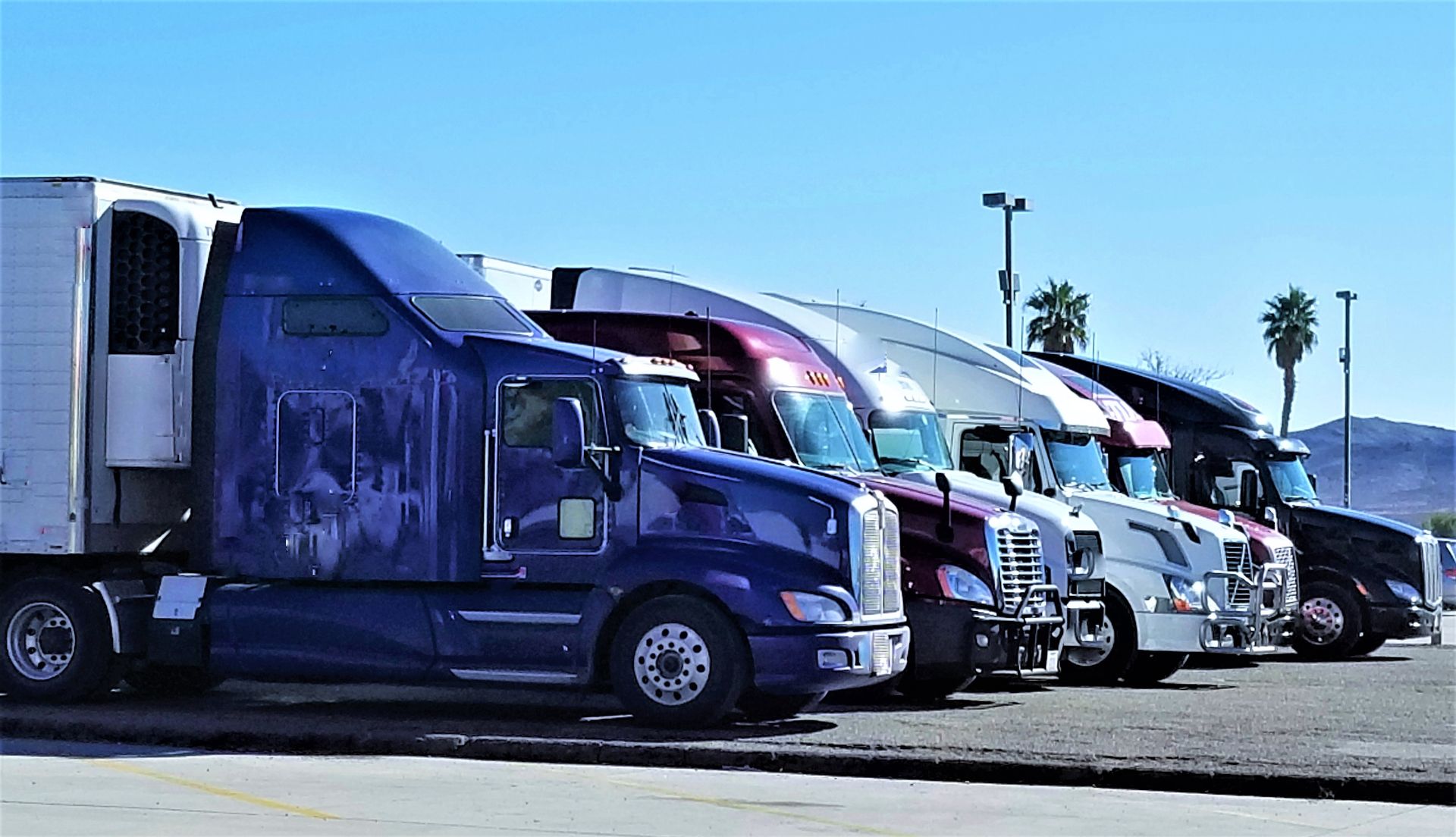
Commercial Auto & Trucking
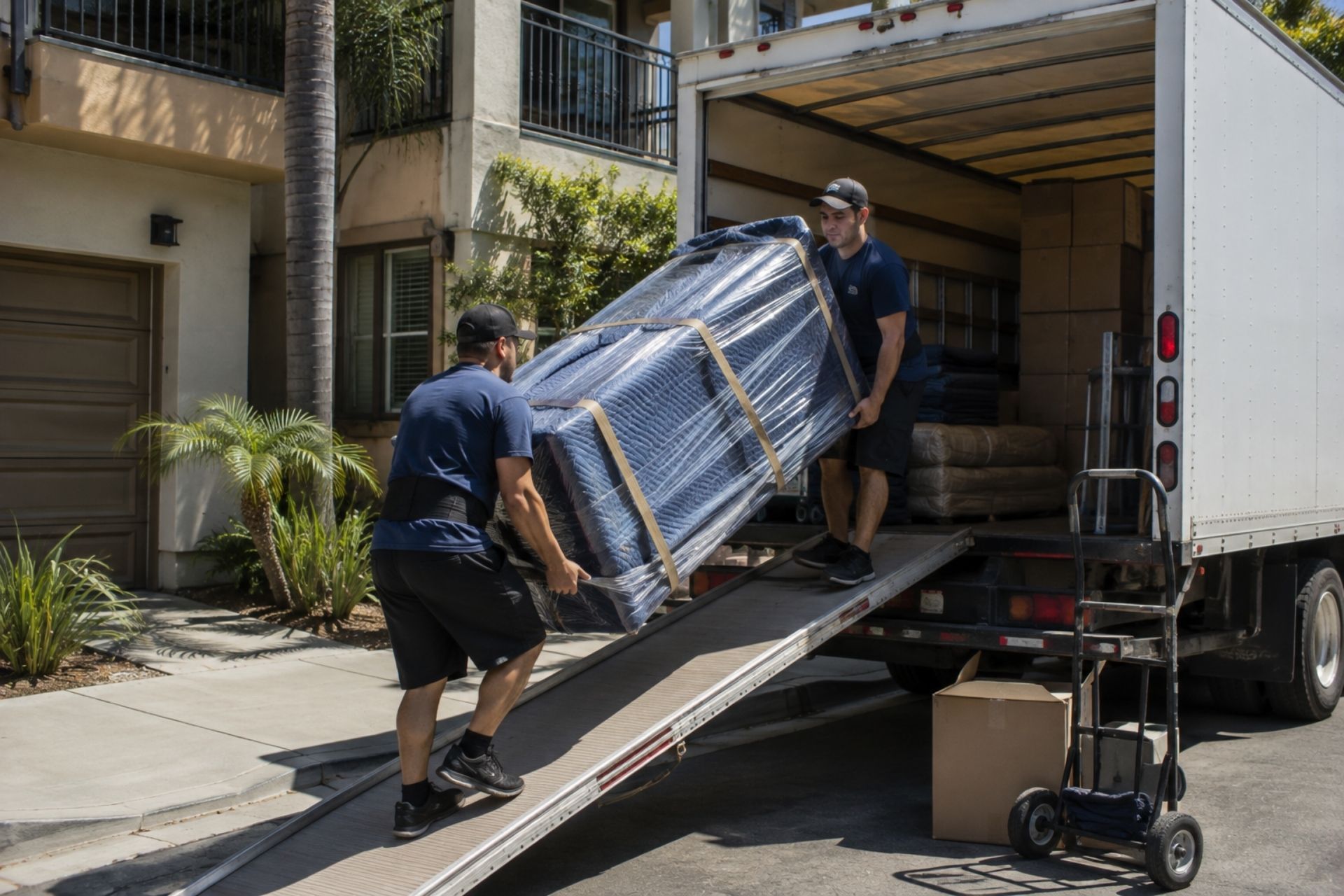
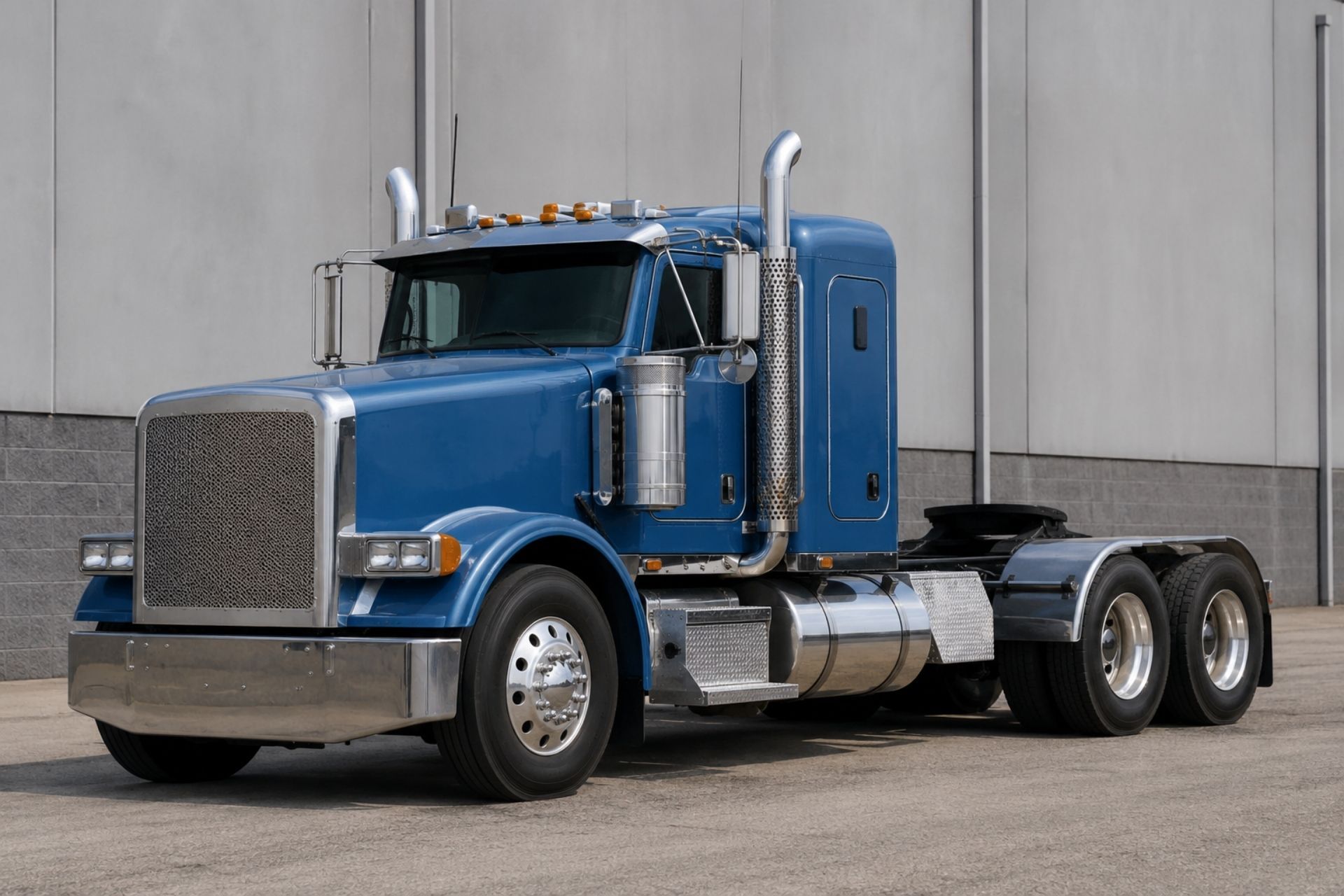
Protection for your fleet including box trucks, moving vans, and trailers. Covers liability, collision, physical damage, and hired or non-owned vehicles used in your operations.
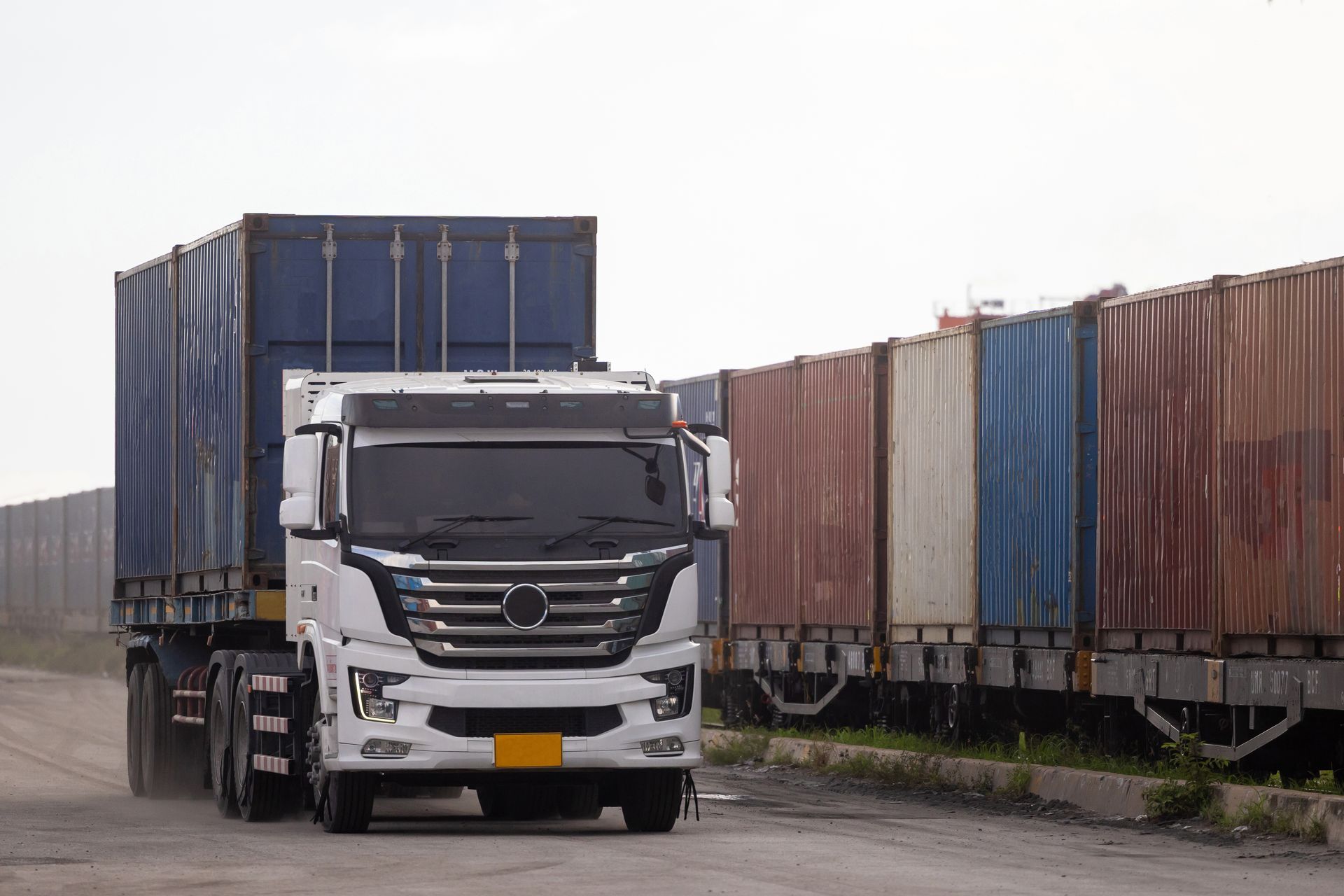
Motor Truck Cargo
Covers household goods and freight during transport from pickup to delivery. Protects against damage, theft, mysterious disappearance, and weather-related losses while cargo is in your care.

General Liability
Protection from third-party claims for bodily injury and property damage at customer homes, job sites, and your own facility. Essential coverage for every transportation operation

Warehouse Legal Liability
Coverage for customer property while stored in your facility. Protects against damage, theft, fire, and water damage to goods in your care, custody, or control.

Workers' Compensation
Medical care and wage replacement for employees injured on the job. Required in most states for transportation and warehouse work where physical labor creates higher injury risk.

Umbrella & Excess Liability
Higher liability limits stacked on top of your primary policies. Helps meet large contract requirements and protects your business assets against major claims and lawsuits.
Specialized Knowledge
Industries We Protect
Focused coverage for transportation and logistics businesses


Simple and Clear
How Our Process Works
Our process to get you covered
Connect With Us
Reach out through our form or by phone to share your business needs and current coverage situation.
Get Coverage Options
We review your risks, compare carriers, and present clear quotes with plain-language explanations.
Stay Protected
You choose your plan, and we provide ongoing support for certificates, claims, and renewals.
Trusted by Businesses
Feedback That Reflects Service and Reliability
What our clients say about working with Champion Risk
Answers You Need
Frequently Asked Questions
Common questions about transportation and logistics insurance




What insurance does a transportation company need to operate legally?
Motor carriers that cross state lines must meet FMCSA requirements. You need a minimum of $750,000 in liability coverage, plus a BMC-91 filing that proves your insurance to the federal government. Cargo coverage is also required, with minimums that depend on the type of goods you transport.
Intrastate operators follow state-specific rules. California, Texas, and Florida each have different requirements. Champion Risk handles both federal and state filings. We make sure your coverage meets legal minimums and your certificates reach the right agencies.
How much does commercial transportation insurance cost?
Premiums depend on your fleet size, driving records, cargo values, and claims history. A small operation with two trucks might pay $8,000 to $15,000 per year. A larger carrier with ten trucks could pay $50,000 to $100,000 or more.
The best way to control costs is working with a broker who knows transportation insurance. We find carriers that specialize in your exact operation type. This often results in better rates than going direct or using a general agent who doesn't understand the industry.
What is a BMC-91 filing and why do I need one?
A BMC-91 is a form your insurance company files with the FMCSA. It proves you carry the required liability coverage to operate as a for-hire motor carrier. Without an active BMC-91, your operating authority can be revoked.
Champion Risk works with carriers who file electronically. Your BMC-91 typically posts within 24 to 48 hours of binding coverage. We monitor your filing status and alert you if anything needs attention.
Does my warehouse or storage facility need different insurance than a trucking operation?
Yes. Storage facilities need warehouse legal liability coverage. This protects you when customer property is damaged or stolen while in your care. Standard general liability policies exclude this exposure.
You may also need property coverage for your building, equipment breakdown protection, and business income coverage if a fire or disaster shuts down operations. Champion Risk builds storage facility programs that address all these risks in one package.
Can you insure last-mile delivery drivers who use their own vehicles?
Yes. We offer hired and non-owned auto coverage for delivery operations that use independent contractors or employees driving personal vehicles. This fills gaps that personal auto policies don't cover during commercial use.
We also provide occupational accident coverage for 1099 drivers who aren't eligible for workers' comp. This protects your drivers and limits your liability exposure when accidents happen.
How fast can I get proof of insurance for a new contract?
Same day in most cases. Once we bind your policy, we issue certificates of insurance within hours. If your contract requires specific additional insured language or special endorsements, we coordinate directly with the carrier.
Rush requests happen often in this industry. General contractors and corporate clients demand certificates before they let you on site. Champion Risk prioritizes fast turnaround because we know your revenue depends on it.

Answers You Need
Transportation & Logistics Insurance Resources
Articles designed to inform and support your business
Contact Us
Phone Number:
Email Address:
Location:
12264 El Camino Real, Suite 350
San Diego, CA 92130
Hours:
Monday – Friday: 8:00 AM – 6:00 PM PT