
Maine's trucking industry moves more than just lobster and blueberries. According to Maine.gov, trucks carried 84% of export tonnage from the state in 2022, making commercial carriers the backbone of the regional economy. But here's what most business owners discover too late: the coverage that seems adequate on paper often falls apart when a loaded trailer jackknifes on an icy stretch of Route 1 in January.
Transportation and logistics insurance in Maine presents unique challenges that carriers in warmer states simply don't face. Between harsh winters, winding rural routes, and the long hauls required to reach major distribution hubs, Maine-based fleets operate under conditions that demand specialized protection. The average commercial truck insurance cost in Maine runs approximately $13,792 annually, according to Commercial Truck Insurance HQ, though your actual premium depends heavily on factors specific to your operation.
Understanding state requirements, federal mandates, and the coverage options that actually protect your business requires cutting through generic advice. What follows is a practical breakdown of what Maine carriers need to know about protecting their operations, their drivers, and their bottom line.
The Landscape of Maine Transportation and Logistics Insurance
Maine's geography creates insurance considerations that differ substantially from flatland states. The combination of coastal routes, mountainous terrain, and extreme seasonal weather variations means carriers face elevated risk profiles that insurers evaluate carefully.
Identifying Key Risks for Maine Carriers
Winter operations present the most obvious hazard. Black ice, heavy snowfall, and limited visibility contribute to accident rates that spike between November and March. But seasonal risks extend beyond winter: spring mud season damages rural roads, while summer tourist traffic creates congestion on coastal highways.
Cargo theft remains less common in Maine than in major metropolitan areas, but the remoteness of many routes creates different vulnerabilities. Breakdown in rural areas can leave cargo exposed for extended periods. Wildlife collisions occur frequently, particularly with moose, which can total a truck and seriously injure drivers.
The Role of Insurance in Regional Supply Chains
Maine's position at the northeastern tip of the continental supply chain means most freight travels significant distances before reaching distribution points. This extended transit time increases exposure. A load originating in Portland might travel through four states before reaching its destination, crossing multiple jurisdictions with varying regulations.
Insurance serves as the financial backbone enabling these operations. Without adequate coverage, a single major claim could eliminate a small carrier's operating capital entirely. Champion Risk works with Maine carriers specifically because understanding these regional dynamics requires local expertise, not generic national policies.


By: Mark Raby
Chief Executive Officer at Champion Risk & Insurance Services
Maine State Mandates and Federal Compliance
Compliance isn't optional, and the penalties for operating underinsured can shut down your business permanently. Maine maintains specific requirements that differ from federal minimums in important ways.
Minimum Liability and FMCSA Requirements
Insureon reports that Maine law requires minimum commercial auto coverage of $50,000 per person and $100,000 per accident for bodily injury, plus $25,000 for property damage. These 50/100/25 limits apply to standard commercial vehicles.
However, larger trucks face substantially higher requirements. Intrastate Commercial Motor Vehicles exceeding 10,001 pounds must carry $750,000 Combined Single Limit coverage, according to
Commercial Truck Insurance HQ. Interstate carriers fall under FMCSA jurisdiction, which mandates between $750,000 and $5 million in liability coverage depending on cargo type.
| Vehicle Type | Minimum Coverage Required |
|---|---|
| Standard Commercial | 50/100/25 Split Limits |
| CMV Over 10,001 lbs (Intrastate) | $750,000 CSL |
| General Freight (Interstate) | $750,000 CSL |
| Hazmat Carriers | $1M - $5M CSL |
Maine Workers' Compensation Laws for Drivers
Maine requires workers' compensation coverage for nearly all employers, including trucking companies with even a single employee. Owner-operators can exempt themselves but should carefully consider whether that exemption makes financial sense given the physical demands of the profession.
The state's workers' comp rates for trucking classifications reflect the occupation's inherent risks. Back injuries, repetitive stress conditions, and accident-related trauma all contribute to claims frequency that keeps premiums elevated compared to office-based industries.
Essential Coverage Types for Logistics Businesses
Minimum liability coverage satisfies legal requirements but leaves significant gaps. A comprehensive insurance program addresses multiple exposure points that state minimums ignore entirely.
Motor Truck Cargo and Inland Marine Insurance
Cargo coverage protects the goods you're hauling when they're damaged, destroyed, or stolen during transit. Standard policies typically cover $100,000 to $250,000 per load, though high-value freight requires higher limits.
Inland marine insurance extends protection to equipment and goods that move between locations. For logistics companies handling warehousing alongside transportation, this coverage bridges gaps between standard property and cargo policies. The distinction matters when a claim involves goods sitting in a cross-dock facility rather than actively moving.
General Liability and Physical Damage Protection
General liability covers third-party injuries and property damage that occur outside of vehicle accidents. A driver who damages a client's loading dock while backing in, or a customer who trips at your facility, creates claims that auto policies don't address.
Physical damage coverage protects your own vehicles. Collision coverage pays for accident damage regardless of fault, while comprehensive covers theft, vandalism, weather damage, and animal strikes. Given Maine's moose population, comprehensive coverage proves its value regularly.
Contingent Cargo for Freight Brokers
Freight brokers face unique exposure because they don't physically control the cargo but maintain responsibility for ensuring it reaches its destination. Contingent cargo coverage activates when a carrier's primary insurance fails to pay a claim, protecting the broker from bearing losses that should have been the carrier's responsibility.
Champion Risk frequently helps brokers understand this coverage gap, which many discover only after a carrier's policy proves inadequate following a loss.
Factors Influencing Insurance Premiums in Maine
Understanding what drives your premium helps identify opportunities for reduction. Insurers evaluate dozens of variables, but several factors carry particular weight for Maine operations.
Impact of Seasonal Weather and Road Conditions
Carriers operating year-round in Maine face higher premiums than those who park their fleets during winter months. Insurers recognize that January operations carry substantially more risk than July runs.
Road condition data influences underwriting as well. Routes through areas with poor maintenance records, frequent construction, or known hazard zones may trigger premium adjustments. Some carriers have successfully negotiated lower rates by documenting route changes that avoid particularly problematic stretches.
Driver Safety Records and Experience Ratings
Nothing impacts premiums more directly than driver history. A single at-fault accident can increase premiums by 20-40% at renewal. Multiple violations compound exponentially.
Experience ratings matter too. Drivers with less than two years of CDL experience typically cost more to insure than veterans with clean records spanning decades. Fleet composition, meaning the mix of experienced and newer drivers, directly affects your overall premium calculation.
Strategies for Reducing Commercial Insurance Costs
Premiums aren't entirely outside your control. Carriers who actively manage risk often achieve meaningful savings while simultaneously improving operational safety.
Implementing Telematics and Safety Tech
Electronic logging devices became mandatory, but voluntary telematics adoption goes further. GPS tracking, dash cameras, and driver behavior monitoring systems provide data that insurers increasingly reward with premium discounts.
The investment typically pays for itself within 18 months through insurance savings alone, not counting the operational benefits of better fleet visibility. Cameras that record both forward views and driver behavior prove particularly valuable during claims disputes.
Fleet Maintenance and Risk Management Protocols
Documented maintenance programs signal to underwriters that your operation takes prevention seriously. Pre-trip inspection logs, scheduled service records, and tire management programs all contribute to favorable underwriting assessments.
Formal safety training programs, especially those certified by recognized organizations, can qualify for premium credits. The logistics insurance market continues growing, with
Reanin projecting it will reach $93.8 billion by 2032. This growth means insurers compete for quality accounts, and demonstrating strong risk management makes your business more attractive.
Selecting the Right Maine Insurance Partner
The cheapest quote rarely represents the best value. Claims handling, coverage breadth, and local expertise matter enormously when you're facing a serious loss.
Look for partners who understand Maine's specific challenges. An agent who's never dealt with a moose strike claim or doesn't understand mud season's impact on rural routes may miss critical coverage needs. Champion Risk maintains relationships with carriers who specialize in northeastern operations, ensuring policies reflect actual regional conditions rather than generic national templates.
Frequently Asked Questions
What's the minimum insurance required for a box truck in Maine? Standard commercial vehicles need 50/100/25 coverage, but trucks over 10,001 pounds require $750,000 CSL for intrastate operations.
Does my cargo insurance cover refrigerated goods if the reefer fails? Standard cargo policies often exclude mechanical breakdown of refrigeration units. You'll need specific reefer breakdown coverage added to your policy.
How much does commercial truck insurance cost in Maine? The average runs about $13,792 annually, ranging from roughly $11,000 to $15,000 depending on your operation's specifics.
Can I reduce my premium by only operating in summer months? Yes, seasonal operations typically qualify for lower premiums since you're not exposing vehicles to winter driving conditions.
Do freight brokers need the same insurance as carriers? No, but brokers need contingent cargo coverage and broker liability policies that address their specific exposure as intermediaries.
Making the Right Coverage Decision
Protecting a Maine transportation or logistics operation requires understanding both regulatory minimums and practical coverage needs. State requirements establish a floor, not a ceiling. The carriers who thrive long-term build insurance programs that address their actual risk profile rather than simply checking compliance boxes.
Working with specialists who understand Maine's unique operating environment makes a measurable difference. Whether you're running a single truck or managing a regional fleet, the right coverage partner helps you avoid the gaps that turn manageable incidents into business-ending losses. Reach out to Champion Risk to discuss coverage options tailored specifically to Maine carriers.
About the Author:
Mark Raby
I am a seasoned insurance professional with over 30 years of experience in the industry. I lead Champion Risk & Insurance Services, a San Diego-based brokerage with nationwide reach and strong influence in the insurance marketplace. My core competencies include insurance agency M&A deals, captives and alternative risk structures, and commercial property and casualty insurance for clients in the transportation and logistics industries. I am a former president of IIAB San Diego and hold a Bachelor of Science in Finance from Western Michigan University’s Haworth College of Business.
Protection for Transportation Operations
Business Insurance for Transportation & Logistics Companies
Coverage designed specifically for transportation businesses
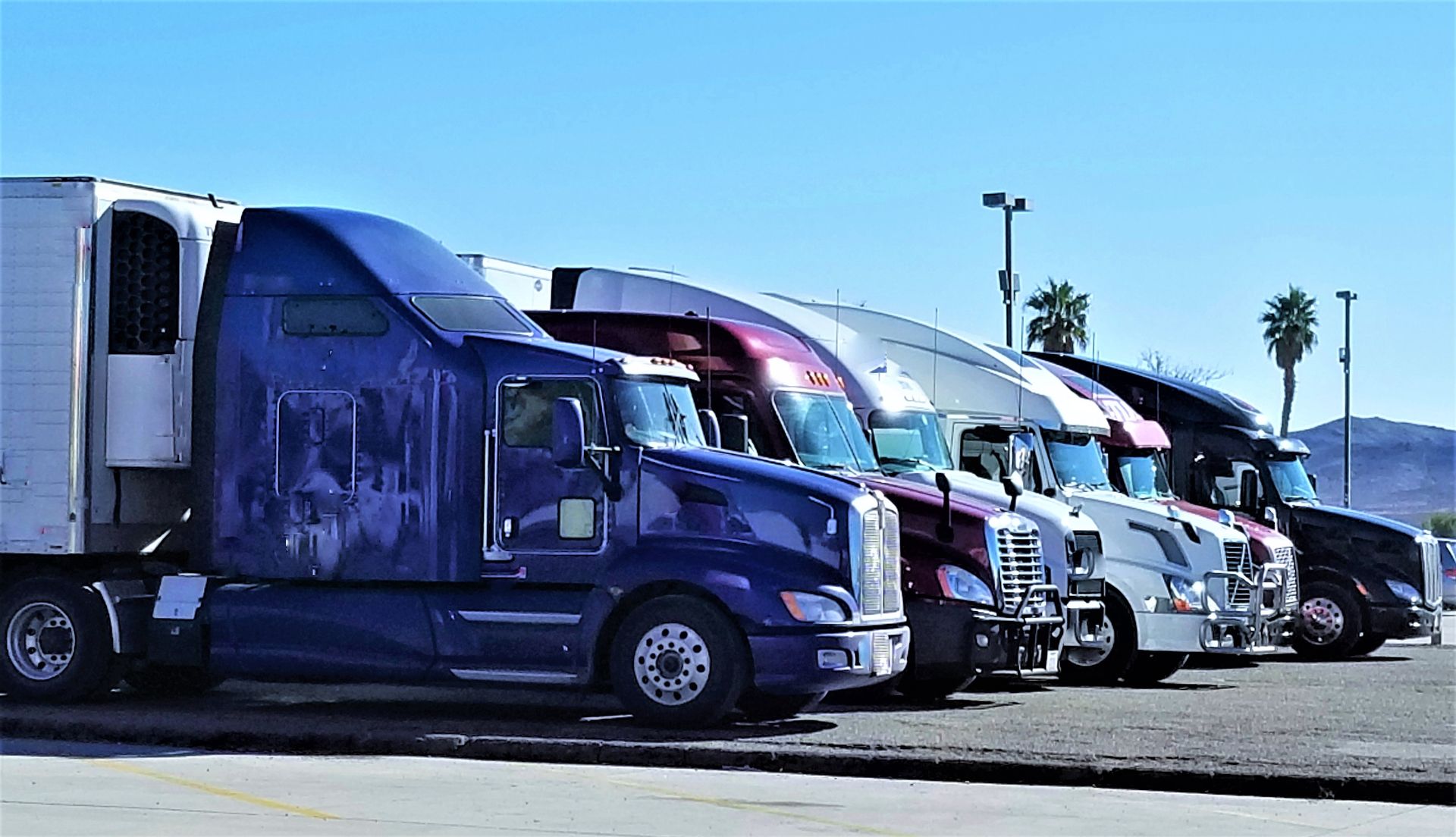
Commercial Auto & Trucking
Protection for your fleet including box trucks, moving vans, and trailers. Covers liability, collision, physical damage, and hired or non-owned vehicles used in your operations.
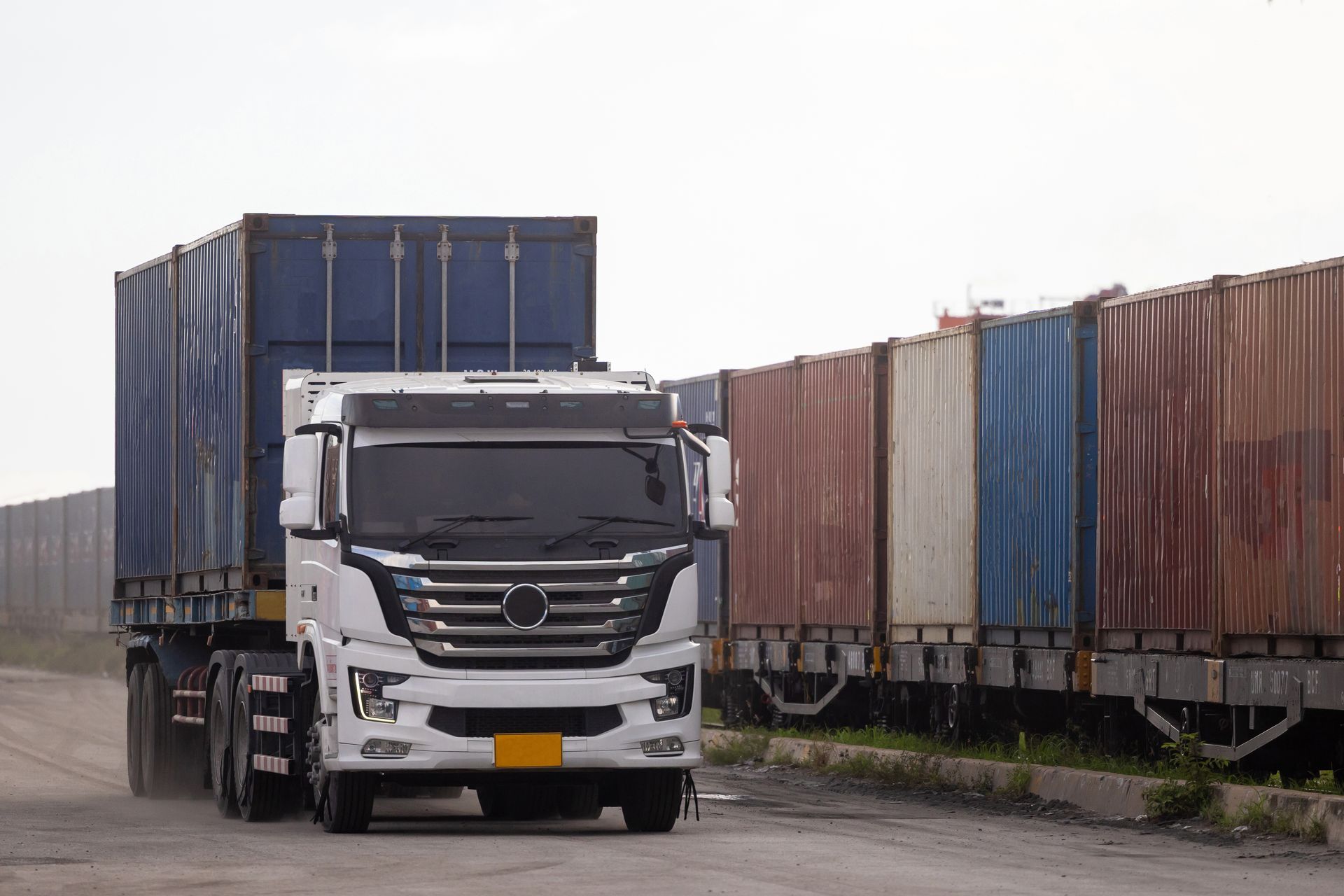
Motor Truck Cargo
Covers household goods and freight during transport from pickup to delivery. Protects against damage, theft, mysterious disappearance, and weather-related losses while cargo is in your care.

General Liability
Protection from third-party claims for bodily injury and property damage at customer homes, job sites, and your own facility. Essential coverage for every transportation operation
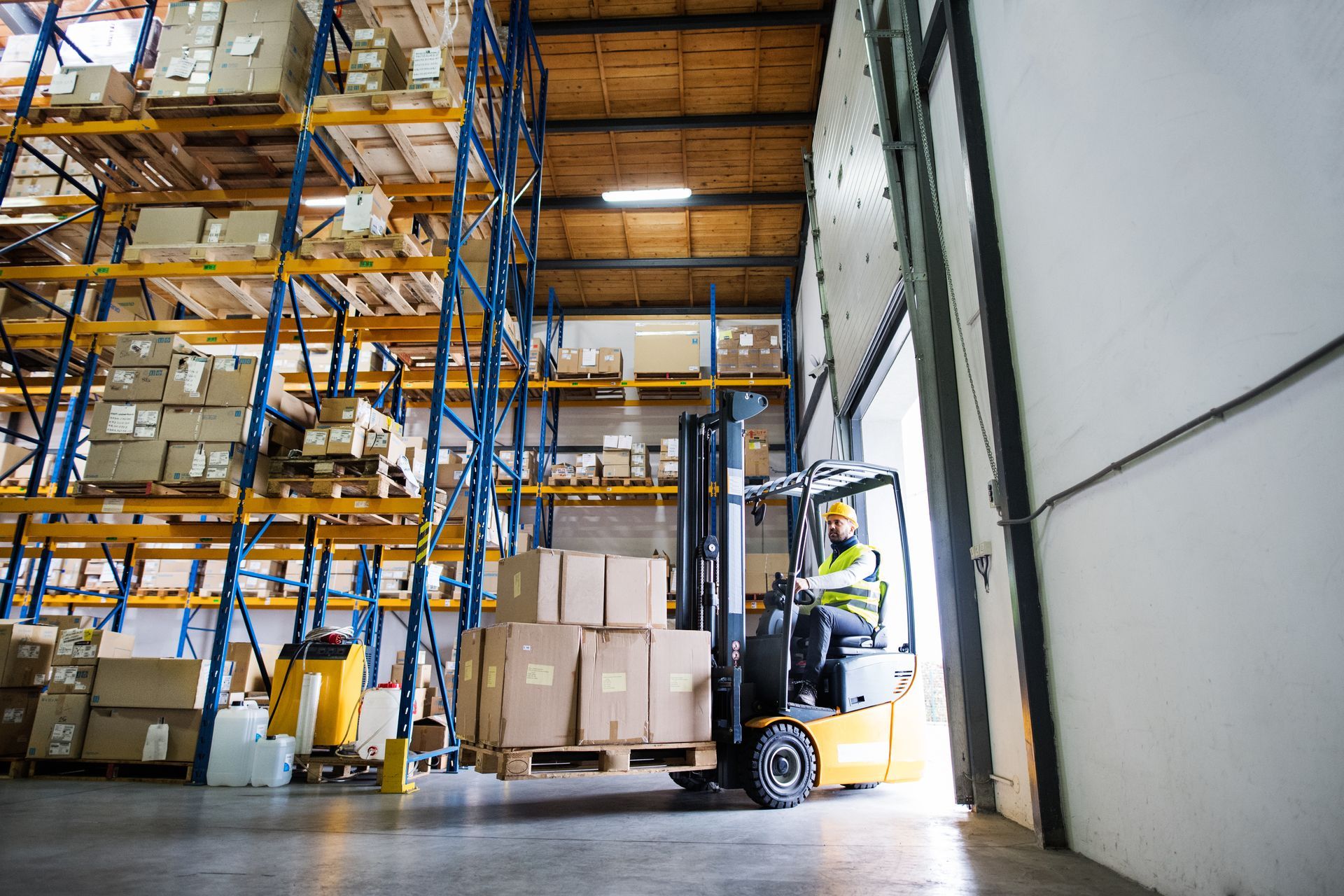
Warehouse Legal Liability
Coverage for customer property while stored in your facility. Protects against damage, theft, fire, and water damage to goods in your care, custody, or control.

Workers' Compensation
Medical care and wage replacement for employees injured on the job. Required in most states for transportation and warehouse work where physical labor creates higher injury risk.

Umbrella & Excess Liability
Higher liability limits stacked on top of your primary policies. Helps meet large contract requirements and protects your business assets against major claims and lawsuits.
Specialized Knowledge
Industries We Protect
Focused coverage for transportation and logistics businesses

Simple and Clear
How Our Process Works
Our process to get you covered
Connect With Us
Reach out through our form or by phone to share your business needs and current coverage situation.
Get Coverage Options
We review your risks, compare carriers, and present clear quotes with plain-language explanations.
Stay Protected
You choose your plan, and we provide ongoing support for certificates, claims, and renewals.
Trusted by Businesses
Feedback That Reflects Service and Reliability
What our clients say about working with Champion Risk
Answers You Need
Frequently Asked Questions
Common questions about transportation and logistics insurance



What insurance does a transportation company need to operate legally?
Motor carriers that cross state lines must meet FMCSA requirements. You need a minimum of $750,000 in liability coverage, plus a BMC-91 filing that proves your insurance to the federal government. Cargo coverage is also required, with minimums that depend on the type of goods you transport.
Intrastate operators follow state-specific rules. California, Texas, and Florida each have different requirements. Champion Risk handles both federal and state filings. We make sure your coverage meets legal minimums and your certificates reach the right agencies.
How much does commercial transportation insurance cost?
Premiums depend on your fleet size, driving records, cargo values, and claims history. A small operation with two trucks might pay $8,000 to $15,000 per year. A larger carrier with ten trucks could pay $50,000 to $100,000 or more.
The best way to control costs is working with a broker who knows transportation insurance. We find carriers that specialize in your exact operation type. This often results in better rates than going direct or using a general agent who doesn't understand the industry.
What is a BMC-91 filing and why do I need one?
A BMC-91 is a form your insurance company files with the FMCSA. It proves you carry the required liability coverage to operate as a for-hire motor carrier. Without an active BMC-91, your operating authority can be revoked.
Champion Risk works with carriers who file electronically. Your BMC-91 typically posts within 24 to 48 hours of binding coverage. We monitor your filing status and alert you if anything needs attention.
Does my warehouse or storage facility need different insurance than a trucking operation?
Yes. Storage facilities need warehouse legal liability coverage. This protects you when customer property is damaged or stolen while in your care. Standard general liability policies exclude this exposure.
You may also need property coverage for your building, equipment breakdown protection, and business income coverage if a fire or disaster shuts down operations. Champion Risk builds storage facility programs that address all these risks in one package.
Can you insure last-mile delivery drivers who use their own vehicles?
Yes. We offer hired and non-owned auto coverage for delivery operations that use independent contractors or employees driving personal vehicles. This fills gaps that personal auto policies don't cover during commercial use.
We also provide occupational accident coverage for 1099 drivers who aren't eligible for workers' comp. This protects your drivers and limits your liability exposure when accidents happen.
How fast can I get proof of insurance for a new contract?
Same day in most cases. Once we bind your policy, we issue certificates of insurance within hours. If your contract requires specific additional insured language or special endorsements, we coordinate directly with the carrier.
Rush requests happen often in this industry. General contractors and corporate clients demand certificates before they let you on site. Champion Risk prioritizes fast turnaround because we know your revenue depends on it.

Answers You Need
Transportation & Logistics Insurance Resources
Articles designed to inform and support your business
Contact Us
Phone Number:
Email Address:
Location:
12264 El Camino Real, Suite 350
San Diego, CA 92130
Hours:
Monday – Friday: 8:00 AM – 6:00 PM PT