
Running a moving and storage operation in Toledo means facing risks that most business owners never think about until something goes wrong. A crew member drops a family heirloom down a staircase. A truck gets sideswiped on I-75 during rush hour. Water damage ruins a storage unit full of antique furniture. These scenarios play out constantly across Northwest Ohio, and without proper insurance coverage, any one of them could devastate your business financially. Moving company insurance in Toledo requires understanding Ohio-specific regulations, PUCO requirements, and the unique exposures that come with handling other people's possessions. The stakes are high: according to industry data,
moving business insurance averages $163 monthly, but inadequate coverage could cost you hundreds of thousands in a single claim. Toledo's market is also evolving rapidly, with
154,000 square feet of new self-storage space coming online in 2023 alone. This growth brings opportunity, but also increased competition and liability exposure. Getting your insurance right from the start protects both your customers and your livelihood.
The Importance of Specialized Insurance for Toledo Moving Companies
Generic business insurance policies weren't designed for the moving industry. Standard commercial coverage often excludes or severely limits protection for goods in transit, which is essentially your entire operation. A retail store's inventory sits on shelves. Your "inventory" is constantly moving through doorways, up staircases, and down highways, handled by multiple people under time pressure.
Toledo's position as a logistics hub creates specific challenges. Your trucks navigate everything from tight Victorian-era neighborhoods in the Old West End to sprawling suburban developments in Sylvania. Each job presents different risk profiles. A piano move requires different considerations than relocating a corporate office.
The regional economy is also shifting. As U-Haul Company of Akron President Alissa Nider notes, "A lot of people originally from Ohio are returning home... Especially in the work-from-home era, people can continue in their jobs and be in Ohio with their families." This migration trend means more residential moves, more storage needs, and more opportunities for claims.
Champion Risk has worked with Toledo-area movers for years, and the pattern is consistent: companies that piece together generic policies inevitably discover gaps when they file claims. A dedicated moving and storage program addresses cargo liability, warehouse exposure, and commercial auto risks under coordinated coverage designed for how your business actually operates.

By: Mark Raby
Chief Executive Officer at Champion Risk & Insurance Services
Essential Coverage Types for Moving and Storage Operations
Cargo and Bailee Insurance for Goods in Transit
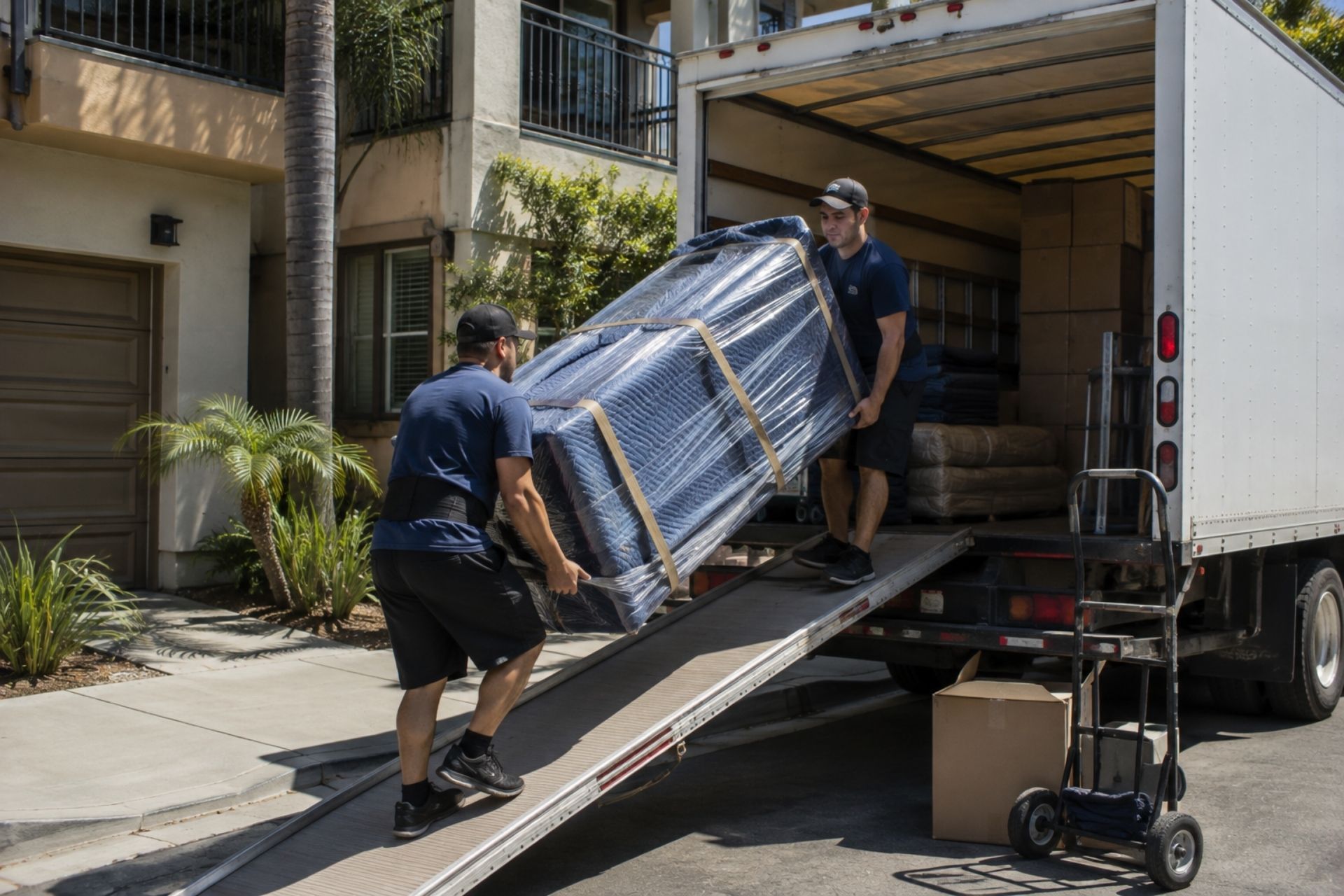
Cargo insurance protects customer belongings while your crew handles them. This sounds straightforward until you realize how many things can go wrong between pickup and delivery. Items get scratched, dented, broken, lost, or damaged by weather. The legal term "bailee" refers to someone temporarily holding another person's property, which describes exactly what moving companies do.
Full Value Protection typically costs 1% to 2% of the shipment's total value, which gives you a baseline for pricing these services to customers. Many movers offer this as an add-on, but your underlying business policy needs adequate limits to actually pay claims.
The distinction between released value and full value protection matters enormously. Released value coverage, often included at no extra charge, pays only about 60 cents per pound per item. A 50-pound flat-screen TV worth $2,000 would net the customer just $30. Full value protection replaces items at current market value or covers repair costs.
General Liability and Commercial Auto Protection
General liability covers third-party bodily injury and property damage that occurs during your operations. If a mover accidentally puts a dolly through a customer's wall or a pedestrian trips over moving blankets on the sidewalk, GL responds. This coverage is foundational for any business, but moving companies face elevated exposure because you're constantly working in other people's spaces.
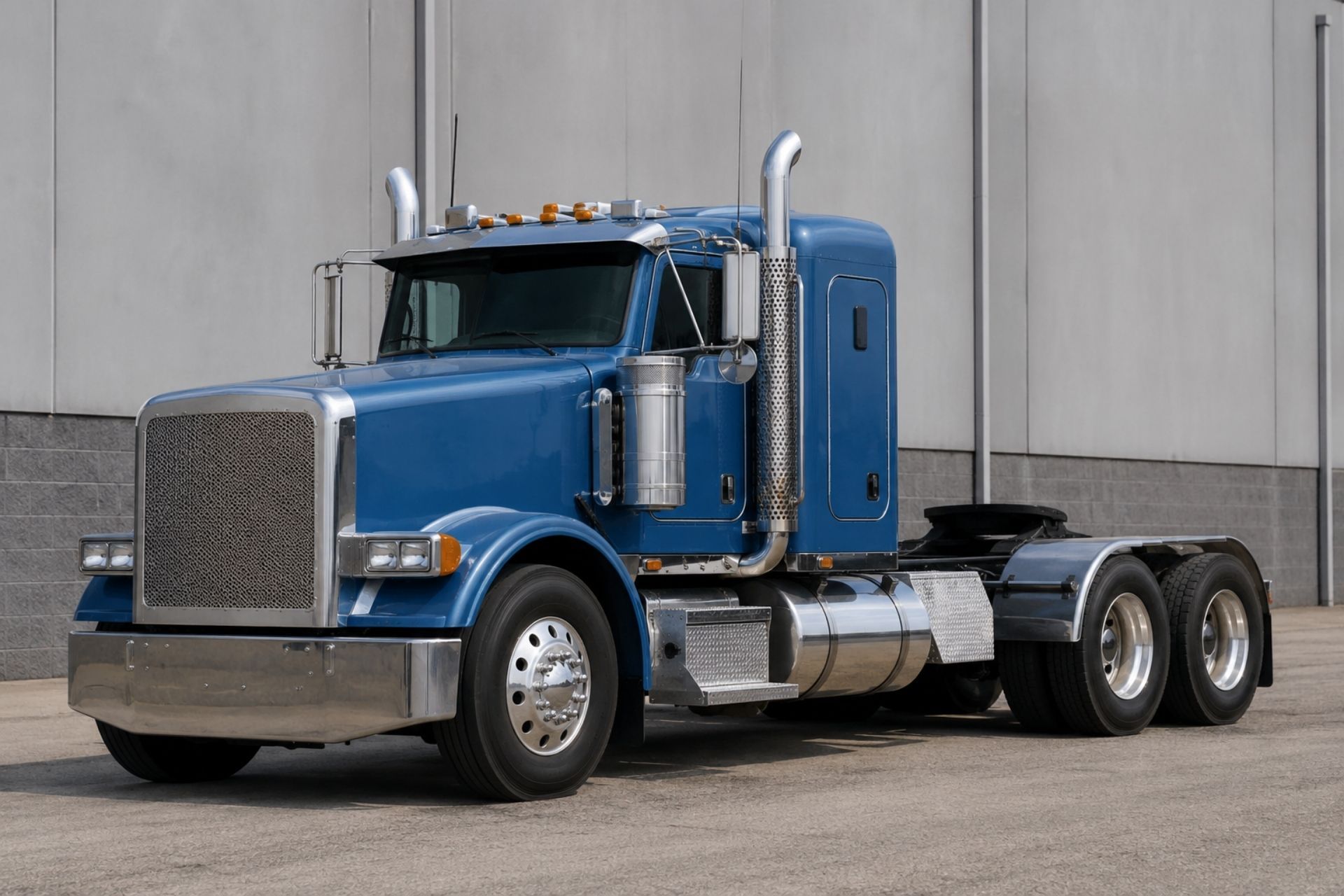
Commercial auto insurance is equally critical. Ohio requires commercial auto insurance with 25/50/25 liability limits, but these minimums rarely provide adequate protection for moving operations. A serious accident involving a loaded truck could easily exceed these limits, leaving your business exposed to lawsuits.
Champion Risk typically recommends limits well above state minimums for moving fleets. The cost difference between minimum coverage and robust protection is often smaller than business owners expect, while the risk difference is substantial.
Warehouse Legal Liability for Storage Facilities
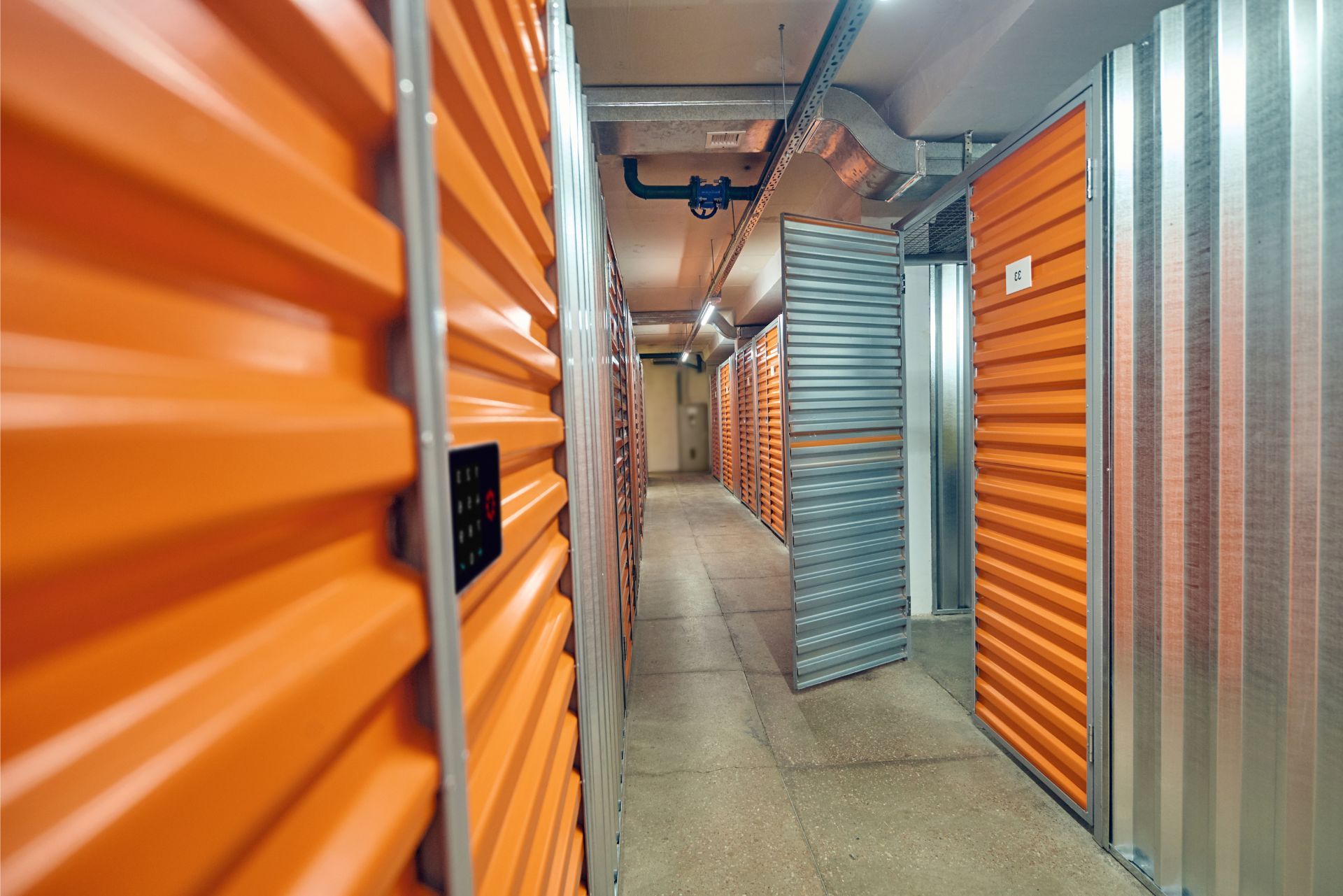
If you operate storage facilities alongside your moving services, warehouse legal liability becomes essential. This coverage protects against damage to customer property while it's in your care at a fixed location. Standard property insurance covers your building and equipment, but not the goods you're storing for others.
Common warehouse claims include water damage from roof leaks, fire damage, theft, and pest infestation. Toledo's weather creates specific concerns: heavy snow loads can stress older warehouse roofs, and spring flooding affects low-lying areas near the Maumee River.
Ohio Regulatory Requirements and Licensing Compliance
PUCO Minimum Insurance Standards
The Public Utilities Commission of Ohio regulates for-hire moving companies operating within the state. PUCO registration isn't optional: operating without proper authority can result in fines, vehicle impoundment, and personal liability exposure.
Public Liability insurance required by PUCO is $750,000 per incident. This requirement exists specifically because moving companies handle valuable customer property and operate heavy vehicles on public roads. Meeting this threshold requires either a single policy with adequate limits or a combination of primary and excess coverage.
PUCO also requires proof of cargo insurance with minimum limits based on your operation type. Household goods movers face different requirements than office movers or specialty haulers. Filing requirements include specific forms that your insurance provider must submit directly to PUCO, so working with an agency experienced in moving company coverage simplifies compliance.
Workers' Compensation for Moving Crews
Ohio operates a state-fund workers' compensation system through the Bureau of Workers' Compensation. Moving companies face classification codes that reflect the physical nature of the work: heavy lifting, awkward positions, repetitive motions, and traffic exposure all contribute to elevated injury rates.
Common moving industry injuries include back strains, knee problems, hand injuries from pinch points, and slip-and-fall incidents. Your workers' comp premium reflects your claims history, so investing in safety training and proper equipment pays dividends beyond just preventing injuries.
| Coverage Type | Typical Limits | Primary Purpose |
|---|---|---|
| General Liability | $1M per occurrence | Third-party injury/property damage |
| Commercial Auto | $1M combined single limit | Vehicle accidents |
| Cargo/Bailee | $50K-$250K per shipment | Customer goods in transit |
| Warehouse Legal | $500K-$2M aggregate | Stored property protection |
| Workers' Comp | Statutory limits | Employee injury coverage |

Factors Influencing Insurance Costs in Northwest Ohio
Claims History and Safety Records
Your loss history is the single biggest factor in premium calculations. Insurers look at both frequency and severity: a company with several small claims may actually rate worse than one with a single larger loss. The reasoning is that frequent claims suggest systemic problems, while isolated incidents can happen to anyone.
Safety programs directly impact your rates over time. Documented training, vehicle maintenance records, and drug testing programs all demonstrate risk management commitment. Some insurers offer premium credits for specific safety certifications or telematics programs that monitor driver behavior.
Champion Risk works with clients to identify coverage gaps and risk management improvements that can reduce long-term insurance costs. Sometimes a modest investment in safety equipment or training yields premium savings that exceed the initial expense.
Fleet Size and Coverage Limits
More vehicles mean more exposure, but the relationship isn't always linear. A well-managed fleet of ten trucks might rate better than a poorly maintained fleet of three. Insurers evaluate vehicle age, maintenance practices, and driver qualifications alongside simple vehicle counts.
Coverage limits significantly affect premiums. Doubling your liability limits doesn't double your premium because most claims fall within lower limits. The cost of higher coverage often represents excellent value, particularly given the potential consequences of being underinsured.
Mitigating Risks and Securing the Best Rates in Toledo
Smart risk management starts before you buy insurance. Document everything: pre-move inventories, photos of valuable items, signed contracts with clear liability terms. Train crews on proper lifting techniques and item handling. Maintain vehicles religiously and keep records proving it.
When shopping for coverage, work with an agency that understands the moving industry. Generic insurance agents often miss critical exposures or recommend inappropriate coverage forms. Champion Risk specializes in complex commercial risks, including moving and storage operations, and can structure programs that address your specific situation.
Get quotes from multiple carriers, but compare coverage terms carefully, not just prices. A cheaper policy with broader exclusions or lower sublimits can cost far more when you actually need to file a claim.
Frequently Asked Questions
What insurance do I need to start a moving company in Toledo? At minimum, you need commercial auto insurance meeting Ohio requirements, general liability coverage, and cargo insurance. PUCO registration requires $750,000 public liability coverage for household goods movers.
How much does moving company insurance cost in Ohio? Costs vary significantly based on fleet size, claims history, and coverage limits, but industry averages suggest around $163 monthly for basic coverage. Comprehensive programs for established operations typically run higher.
Does my commercial auto policy cover customer belongings? No. Commercial auto covers vehicle damage and liability from accidents, but not cargo. You need separate cargo or bailee coverage for customer property.
What happens if a customer claims we damaged something we didn't touch? Proper documentation protects you. Pre-move inventories with customer signatures, photographs, and detailed notes help defend against fraudulent or mistaken claims.
Do I need separate insurance for storage operations? Yes. Warehouse legal liability covers stored goods, while your moving policies typically cover only goods in transit.
Making the Right Choice for Your Toledo Moving Business
Getting insurance right requires understanding both regulatory requirements and practical business risks. PUCO compliance is non-negotiable, but meeting minimum standards doesn't mean you're adequately protected. The right coverage package balances cost with comprehensive protection, addresses your specific operation type, and scales as your business grows. Work with specialists who understand moving company exposures and can structure coverage that actually responds when you need it. Your customers trust you with their possessions, so make sure you have the protection to honor that trust.
About the Author:
Mark Raby
I am a seasoned insurance professional with over 30 years of experience in the industry. I lead Champion Risk & Insurance Services, a San Diego-based brokerage with nationwide reach and strong influence in the insurance marketplace. My core competencies include insurance agency M&A deals, captives and alternative risk structures, and commercial property and casualty insurance for clients in the transportation and logistics industries. I am a former president of IIAB San Diego and hold a Bachelor of Science in Finance from Western Michigan University’s Haworth College of Business.
Protection for Transportation Operations
Business Insurance for Transportation & Logistics Companies
Coverage designed specifically for transportation businesses
Commercial Auto & Trucking
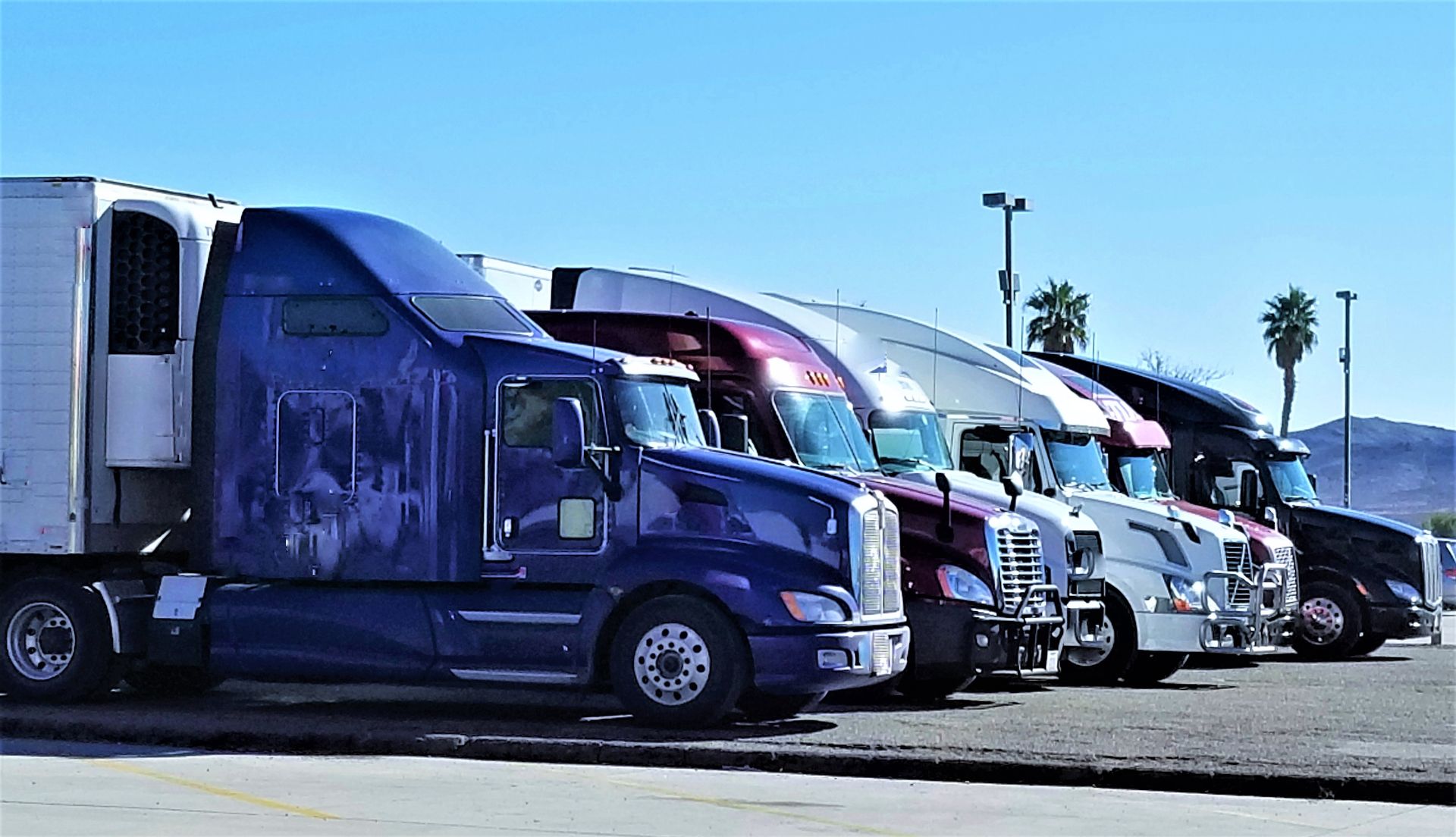
Protection for your fleet including box trucks, moving vans, and trailers. Covers liability, collision, physical damage, and hired or non-owned vehicles used in your operations.
Motor Truck Cargo
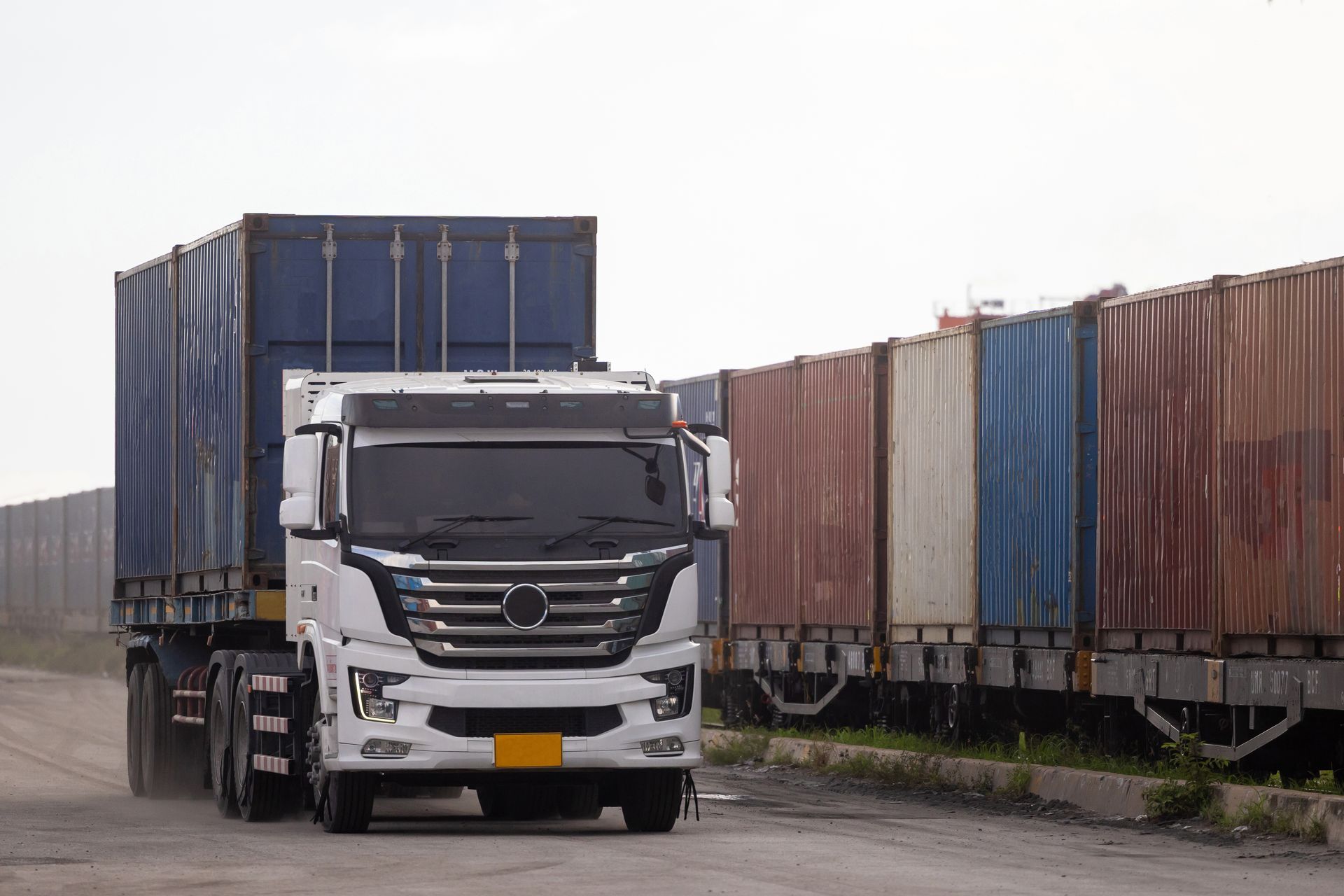
Covers household goods and freight during transport from pickup to delivery. Protects against damage, theft, mysterious disappearance, and weather-related losses while cargo is in your care.

General Liability
Protection from third-party claims for bodily injury and property damage at customer homes, job sites, and your own facility. Essential coverage for every transportation operation

Warehouse Legal Liability
Coverage for customer property while stored in your facility. Protects against damage, theft, fire, and water damage to goods in your care, custody, or control.

Workers' Compensation
Medical care and wage replacement for employees injured on the job. Required in most states for transportation and warehouse work where physical labor creates higher injury risk.

Umbrella & Excess Liability
Higher liability limits stacked on top of your primary policies. Helps meet large contract requirements and protects your business assets against major claims and lawsuits.
Specialized Knowledge
Industries We Protect
Focused coverage for transportation and logistics businesses


Simple and Clear
How Our Process Works
Our process to get you covered
Connect With Us
Reach out through our form or by phone to share your business needs and current coverage situation.
Get Coverage Options
We review your risks, compare carriers, and present clear quotes with plain-language explanations.
Stay Protected
You choose your plan, and we provide ongoing support for certificates, claims, and renewals.
Trusted by Businesses
Feedback That Reflects Service and Reliability
What our clients say about working with Champion Risk
Answers You Need
Frequently Asked Questions
Common questions about transportation and logistics insurance




What insurance does a transportation company need to operate legally?
Motor carriers that cross state lines must meet FMCSA requirements. You need a minimum of $750,000 in liability coverage, plus a BMC-91 filing that proves your insurance to the federal government. Cargo coverage is also required, with minimums that depend on the type of goods you transport.
Intrastate operators follow state-specific rules. California, Texas, and Florida each have different requirements. Champion Risk handles both federal and state filings. We make sure your coverage meets legal minimums and your certificates reach the right agencies.
How much does commercial transportation insurance cost?
Premiums depend on your fleet size, driving records, cargo values, and claims history. A small operation with two trucks might pay $8,000 to $15,000 per year. A larger carrier with ten trucks could pay $50,000 to $100,000 or more.
The best way to control costs is working with a broker who knows transportation insurance. We find carriers that specialize in your exact operation type. This often results in better rates than going direct or using a general agent who doesn't understand the industry.
What is a BMC-91 filing and why do I need one?
A BMC-91 is a form your insurance company files with the FMCSA. It proves you carry the required liability coverage to operate as a for-hire motor carrier. Without an active BMC-91, your operating authority can be revoked.
Champion Risk works with carriers who file electronically. Your BMC-91 typically posts within 24 to 48 hours of binding coverage. We monitor your filing status and alert you if anything needs attention.
Does my warehouse or storage facility need different insurance than a trucking operation?
Yes. Storage facilities need warehouse legal liability coverage. This protects you when customer property is damaged or stolen while in your care. Standard general liability policies exclude this exposure.
You may also need property coverage for your building, equipment breakdown protection, and business income coverage if a fire or disaster shuts down operations. Champion Risk builds storage facility programs that address all these risks in one package.
Can you insure last-mile delivery drivers who use their own vehicles?
Yes. We offer hired and non-owned auto coverage for delivery operations that use independent contractors or employees driving personal vehicles. This fills gaps that personal auto policies don't cover during commercial use.
We also provide occupational accident coverage for 1099 drivers who aren't eligible for workers' comp. This protects your drivers and limits your liability exposure when accidents happen.
How fast can I get proof of insurance for a new contract?
Same day in most cases. Once we bind your policy, we issue certificates of insurance within hours. If your contract requires specific additional insured language or special endorsements, we coordinate directly with the carrier.
Rush requests happen often in this industry. General contractors and corporate clients demand certificates before they let you on site. Champion Risk prioritizes fast turnaround because we know your revenue depends on it.

Answers You Need
Transportation & Logistics Insurance Resources
Articles designed to inform and support your business
Contact Us
Phone Number:
Email Address:
Location:
12264 El Camino Real, Suite 350
San Diego, CA 92130
Hours:
Monday – Friday: 8:00 AM – 6:00 PM PT