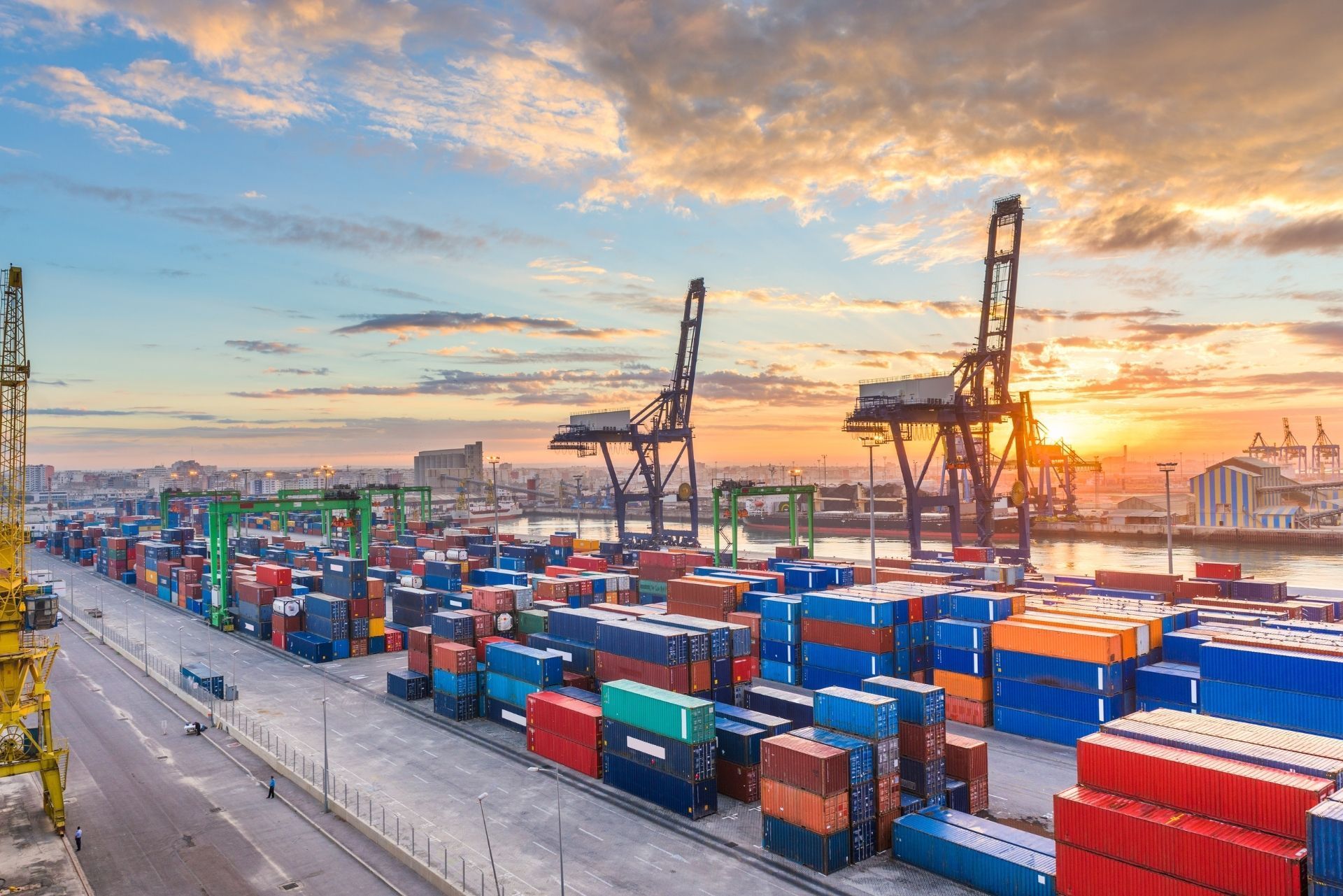
Hawaii's transportation and logistics industry operates unlike anywhere else in the United States. Every gallon of fuel, every piece of construction equipment, and nearly every consumer product arrives by ship or plane before trucks distribute it across the islands. As Kelvin Kohatsu of the Hawaii Transportation Association puts it, "Many of the materials, supplies, equipment, goods are transported with trucks and drivers operating those trucks that make our life in Hawaii possible." This reality creates a unique insurance landscape where standard mainland policies often fall short. Transportation and logistics insurance in Hawaii requires specialized coverage that accounts for ocean crossings, volcanic terrain, and the isolated nature of island operations. The stakes are high: a single uninsured cargo loss during inter-island transit can devastate a small logistics company. Understanding what coverage you actually need, what Hawaii state law requires, and how to control costs without leaving gaps in protection separates thriving operations from those constantly fighting claims battles. The following breakdown covers the essential policies, regulatory requirements, and practical strategies that Hawaii logistics professionals need to protect their businesses.
Overview of the Hawaii Transportation and Logistics Landscape
The Hawaiian logistics market has faced significant headwinds recently. Imports to Hawaii decreased by 50.6% from August 2023 to August 2024, creating ripple effects throughout the supply chain. Matson's container volume to Hawaii in the third quarter of 2024 declined by 2.2% compared to the previous year, reflecting broader economic pressures on the islands.
These market shifts directly impact insurance considerations. Fewer shipments don't necessarily mean lower premiums, since fixed costs for fleet coverage remain constant regardless of utilization. Companies operating with reduced revenue still face the same liability exposures and regulatory requirements.
The geographic reality compounds everything. Unlike mainland operations where a truck breakdown means calling a tow service, Hawaii logistics companies must account for ocean transit between islands, limited repair facilities, and longer replacement part lead times. A single vehicle out of service hits harder when you can't simply rent a replacement from a nearby city. Insurance policies must reflect these operational realities, covering not just standard trucking risks but the marine exposures inherent in moving goods across water.

By: Mark Raby
Chief Executive Officer at Champion Risk & Insurance Services
Essential Insurance Coverages for Hawaii Logistics Firms
Commercial Auto and Fleet Liability
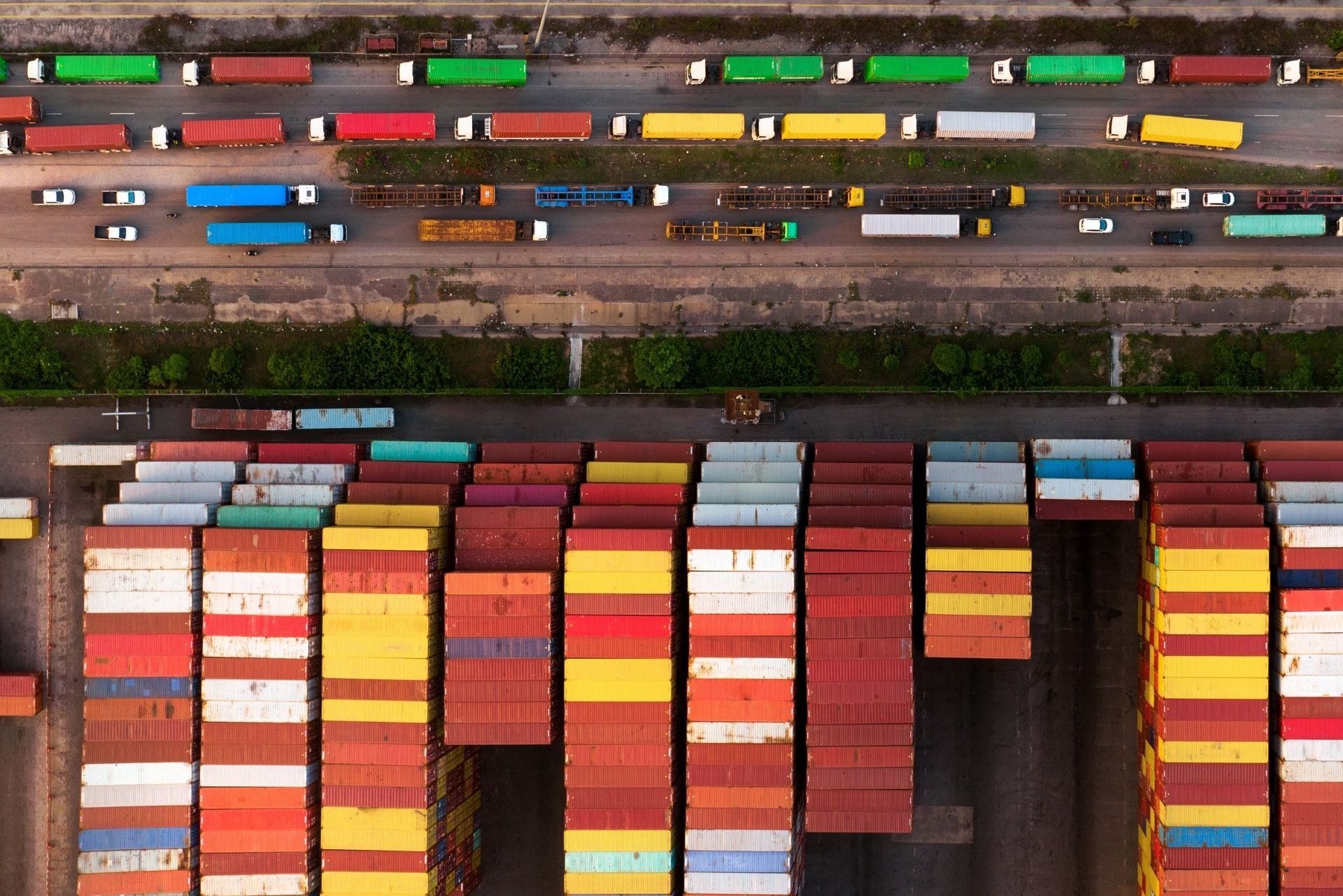
Commercial auto insurance forms the foundation of any Hawaii trucking operation's risk management. The average commercial auto insurance cost in Hawaii runs about $147 per month, though actual premiums vary significantly based on fleet size, vehicle types, and claims history.
Hawaii's liability requirements are changing. Effective January 1, 2026, the state's minimum liability coverage for bodily injury or death of one person per accident increases to $40,000. Smart operators carry limits well above minimums, since a serious accident on the H-1 during rush hour can generate claims far exceeding basic coverage.
Fleet policies should include comprehensive and collision coverage for owned vehicles, uninsured motorist protection, and hired/non-owned auto coverage for employees using personal vehicles. Champion Risk works with logistics companies to structure fleet policies that account for Hawaii's unique driving conditions, including steep grades, frequent rain, and tourist-heavy traffic patterns.
Motor Truck Cargo and Inland Marine
Cargo insurance protects the goods you're hauling, not your vehicles. Standard policies cover loss or damage during transit, but Hawaii operations need careful attention to policy territory definitions. Does your coverage extend to inter-island ferry crossings? What about goods stored temporarily at port facilities awaiting pickup?
Inland marine coverage fills gaps between standard property and cargo policies. This becomes critical for equipment and materials in transit that don't fit neatly into traditional categories. Construction materials moving between job sites, specialized medical equipment being delivered to neighbor island clinics, and agricultural products heading to processing facilities all require appropriate inland marine protection.
Warehouse Legal Liability
Any logistics operation that stores customer goods, even temporarily, needs warehouse legal liability coverage. This protects against claims when stored property is damaged, destroyed, or stolen while in your care. Standard property insurance won't cover goods owned by others.
Coverage limits should reflect the maximum value of goods you might hold at any time. Underestimating this figure creates dangerous gaps when claims arise.
Hawaii State Insurance Requirements and Regulations
Hawaii Public Utilities Commission (PUC) Compliance
The Hawaii PUC regulates motor carriers operating for hire within the state. Obtaining and maintaining PUC certification requires proof of adequate insurance coverage. The specific requirements depend on your operation type, but generally include liability coverage meeting state minimums and cargo insurance for property carriers.
PUC compliance isn't optional. Operating without proper certification exposes you to fines, vehicle impoundment, and personal liability if accidents occur. The certification process requires filing proof of insurance on approved forms, and your insurer must notify the PUC if coverage lapses.
State-Mandated Workers' Compensation Standards
Hawaii requires workers' compensation coverage for virtually all employees, with very limited exceptions. The state operates a competitive insurance market, meaning you can purchase coverage from private insurers rather than a state fund.
Experience modification rates significantly impact premiums. New companies start with a 1.0 modifier, which adjusts based on claims history over time. A strong safety record can reduce your modifier below 1.0, cutting premiums substantially. Conversely, frequent claims push modifiers higher, sometimes making coverage difficult to obtain at any price.
Factors Influencing Insurance Costs in the Islands
Geographic Challenges and Inter-Island Transit Risks
Hawaii's isolation drives insurance costs higher than mainland averages. Every repair part must be shipped in. Specialized adjusters may need to fly between islands to inspect claims. These logistical realities translate directly into premium calculations.
Inter-island operations face particular scrutiny. Moving vehicles and cargo between Oahu, Maui, Hawaii Island, and Kauai involves ocean transit, port loading and unloading, and coordination with marine carriers. Each transfer point represents potential loss exposure. Insurers price this risk accordingly, and policies must explicitly cover these transitions.
| Cost Factor | Impact on Premiums |
|---|---|
| Inter-island operations | 15-25% higher than single-island |
| Fleet age over 10 years | 10-20% surcharge |
| Poor claims history | 25-50% or more increase |
| Hazmat hauling | 30-40% additional |
| New driver workforce | 15-30% higher rates |
Driver Safety Records and Experience Modifiers
Nothing impacts commercial auto premiums more directly than driver quality. Insurers pull motor vehicle records on all listed drivers, and violations translate immediately into higher costs. DUI convictions, at-fault accidents, and moving violations within the past three to five years trigger rate increases or coverage denials.
Experience modifiers for workers' compensation follow similar logic. Companies with frequent injury claims pay more, while those with strong safety records earn discounts. Champion Risk helps clients implement safety programs that reduce both accident frequency and modifier scores over time.
Paying in full for commercial auto insurance may result in savings of 13% or more, making annual payment a smart choice for companies with adequate cash flow.
Specialized Risks: Ocean Marine and Port Operations
Logistics companies handling goods at Hawaii's ports face exposures that standard inland policies don't address. Ocean marine coverage becomes essential when your operations involve loading, unloading, or storing cargo at harbor facilities.
Port operations create specific liability concerns. Damage to dock equipment, injuries to longshoremen, and pollution incidents all require specialized coverage. The Longshore and Harbor Workers' Compensation Act creates federal obligations separate from state workers' comp requirements for certain maritime employees.
Companies moving goods between the mainland and Hawaii need marine cargo policies that cover the ocean transit portion. These policies differ significantly from standard motor truck cargo coverage, with different exclusions, deductibles, and claims procedures. Working with brokers experienced in both marine and trucking coverage, like Champion Risk's Hawaii specialists, ensures no gaps exist between where one policy ends and another begins.
Controlling insurance costs requires active management, not just annual shopping. The most effective strategies combine operational improvements with smart policy structuring.
- Implement telematics and dash cameras across your fleet to document incidents and identify risky driving behaviors before they cause claims
- Establish formal safety training programs with documented attendance and regular refresher courses
- Maintain vehicles according to manufacturer schedules and keep detailed service records
- Consider higher deductibles on physical damage coverage if you have reserves to handle smaller losses
- Bundle multiple policies with a single carrier to access package discounts
- Review coverage annually with your broker to eliminate unnecessary endorsements while ensuring adequate limits
Driver hiring practices matter enormously. Running thorough background checks, verifying employment history, and requiring road tests before hire prevents problems that no insurance policy can fully address. The cost of a rigorous hiring process pales compared to the premium increases following a serious accident caused by a driver with undisclosed violations.
Frequently Asked Questions
What insurance do I need to start a trucking company in Hawaii? At minimum, you need commercial auto liability meeting state requirements, workers' compensation for any employees, and PUC certification. Most operations also require cargo coverage and general liability.
How much does commercial truck insurance cost in Hawaii? Costs vary widely based on fleet size, vehicle types, and claims history. Single-truck operations might pay $1,500 to $3,000 monthly, while larger fleets benefit from volume discounts.
Does my cargo insurance cover inter-island ferry transit? Not automatically. You need explicit coverage for ocean transit portions. Review your policy territory definitions carefully or ask your broker to confirm coverage.
Can I reduce my workers' comp premiums? Yes. Implementing safety programs, maintaining a clean claims history, and working with your insurer on return-to-work programs all help reduce experience modifiers over time.
What happens if my PUC insurance lapses? Your carrier must notify the PUC, and your operating authority becomes invalid. You cannot legally operate for hire until coverage is reinstated and new filings are made.
Making the Right Coverage Decisions
Hawaii logistics operations face insurance challenges that mainland companies simply don't encounter. The combination of ocean transit exposures, geographic isolation, and regulatory requirements creates a complex coverage landscape. Getting it right protects your business, your employees, and your customers.
Start by understanding exactly what Hawaii law requires, then build coverage that addresses your specific operational risks. Work with brokers who understand both Hawaii's regulatory environment and the practical realities of island logistics. Champion Risk specializes in helping Hawaii transportation companies structure coverage that protects against real exposures without paying for unnecessary endorsements. The goal isn't just compliance; it's building a risk management foundation that supports long-term business success.
About the Author:
Mark Raby
I am a seasoned insurance professional with over 30 years of experience in the industry. I lead Champion Risk & Insurance Services, a San Diego-based brokerage with nationwide reach and strong influence in the insurance marketplace. My core competencies include insurance agency M&A deals, captives and alternative risk structures, and commercial property and casualty insurance for clients in the transportation and logistics industries. I am a former president of IIAB San Diego and hold a Bachelor of Science in Finance from Western Michigan University’s Haworth College of Business.
Protection for Transportation Operations
Business Insurance for Transportation & Logistics Companies
Coverage designed specifically for transportation businesses
Commercial Auto & Trucking
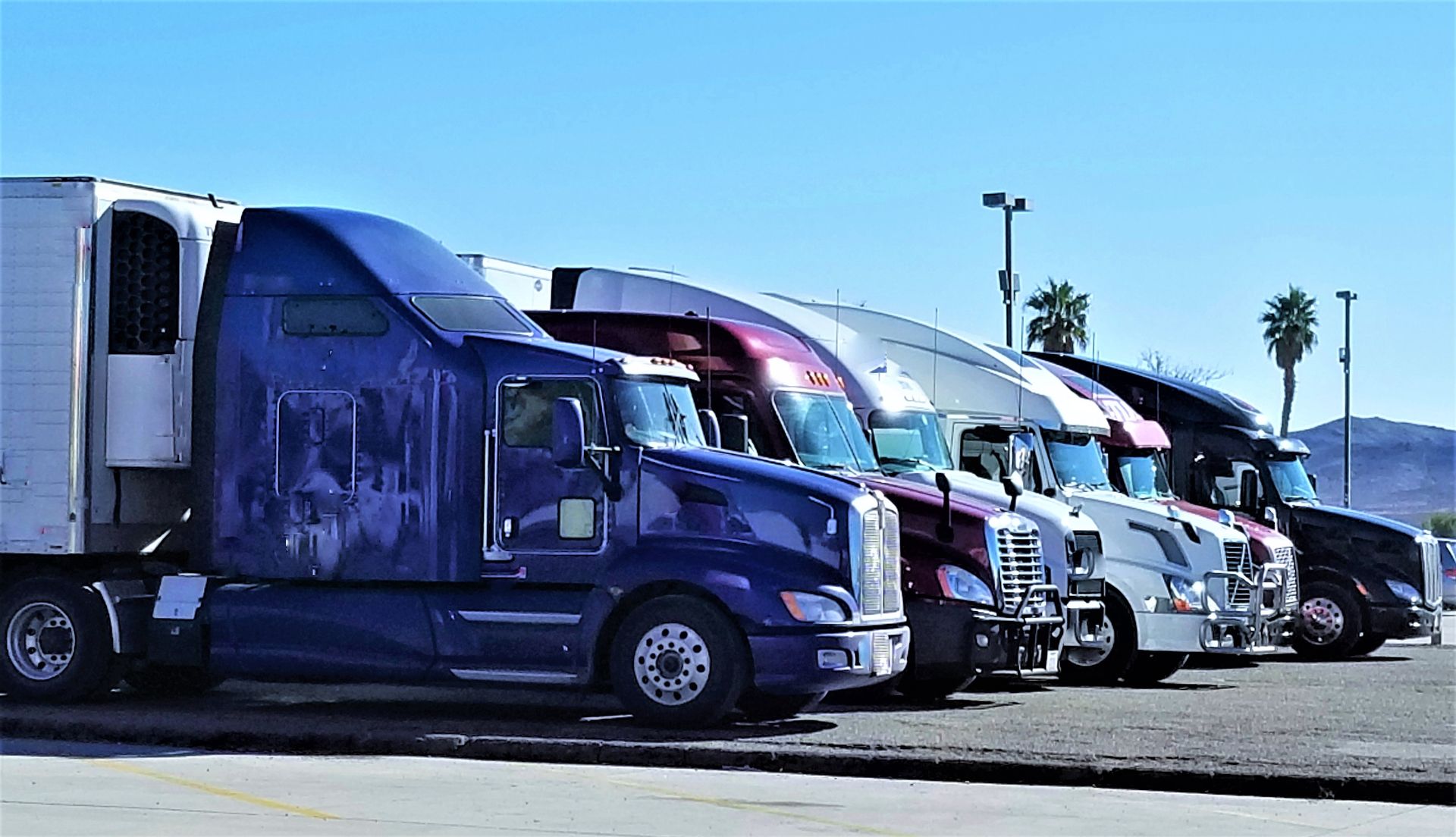
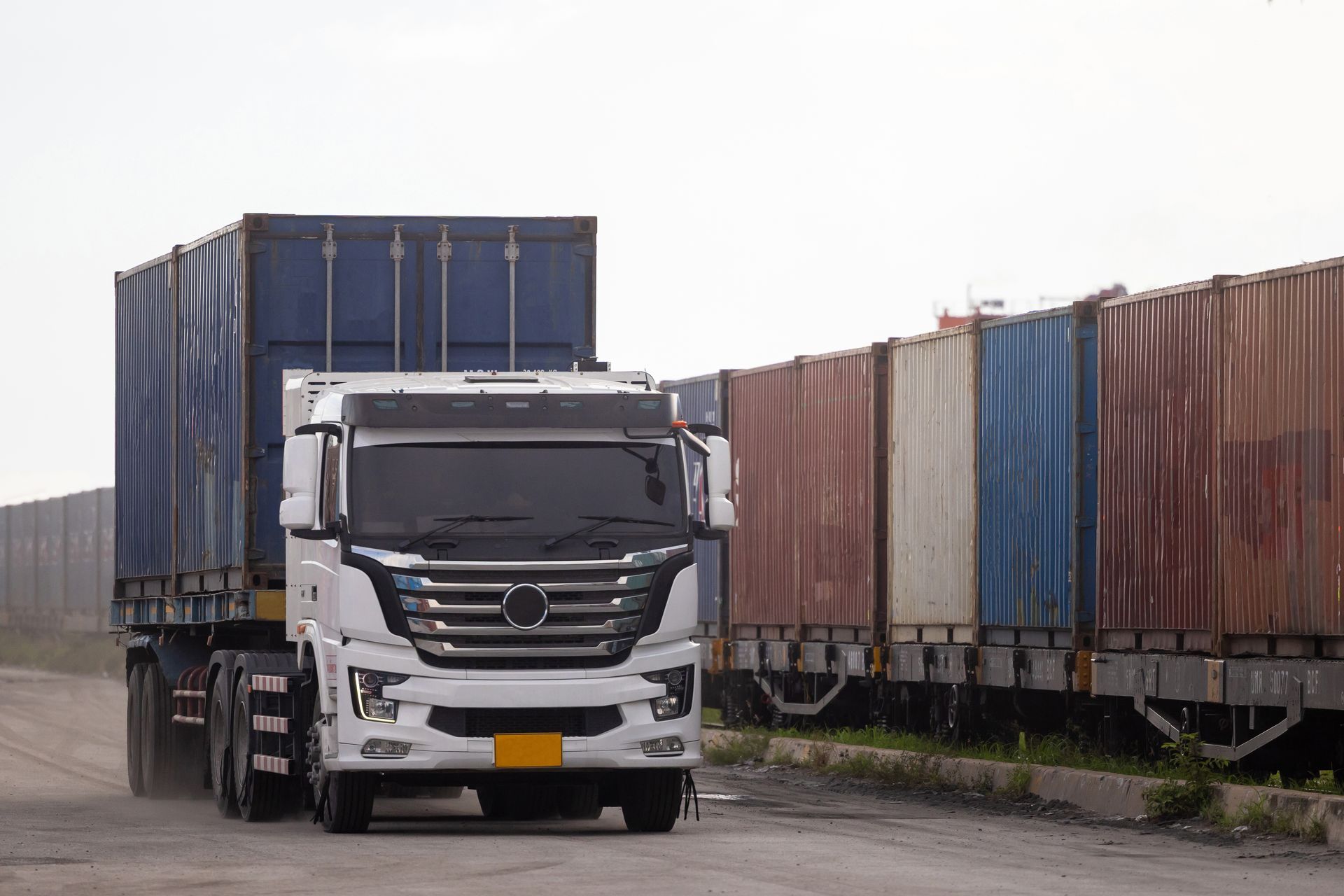
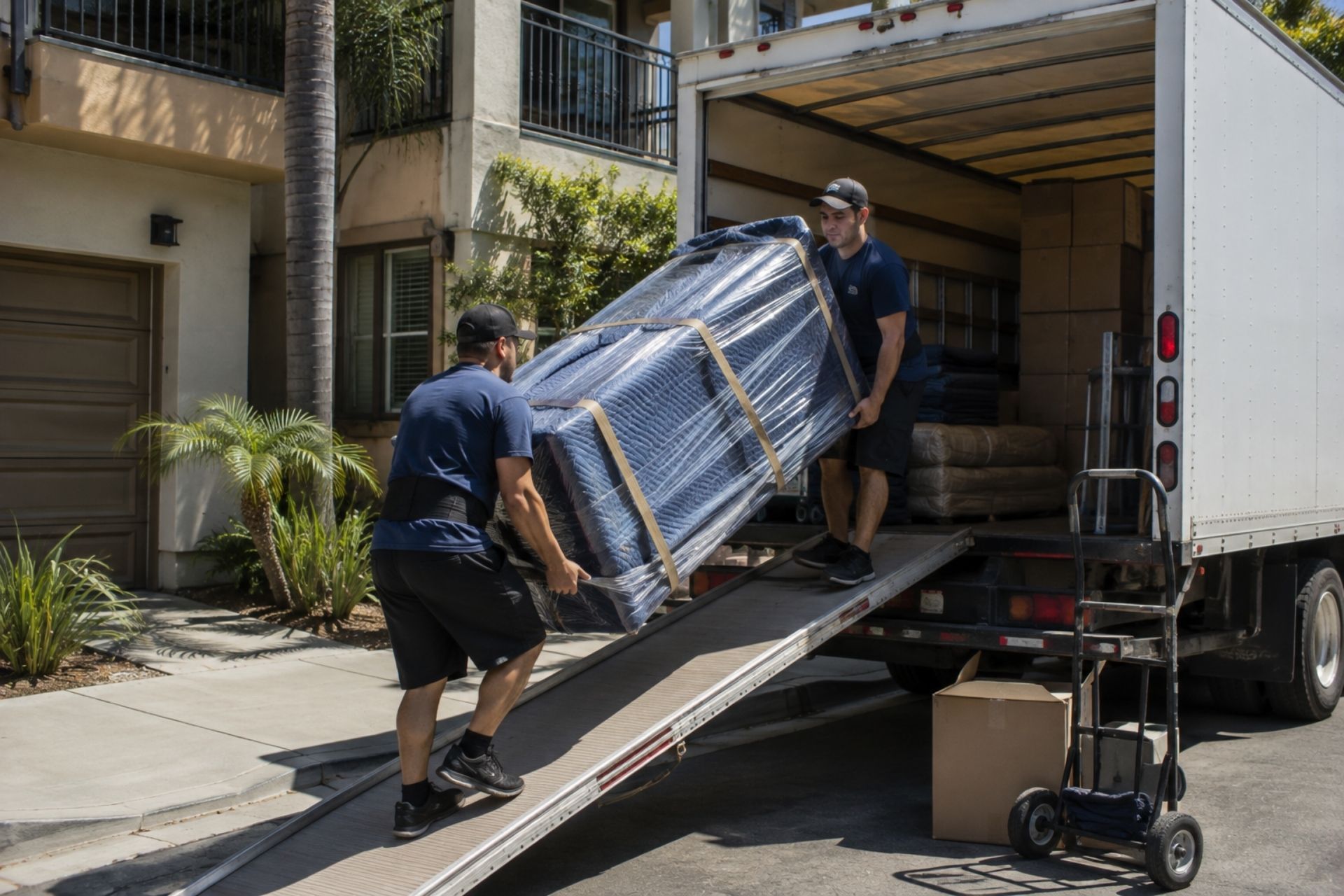
Protection for your fleet including box trucks, moving vans, and trailers. Covers liability, collision, physical damage, and hired or non-owned vehicles used in your operations.
Motor Truck Cargo
Covers household goods and freight during transport from pickup to delivery. Protects against damage, theft, mysterious disappearance, and weather-related losses while cargo is in your care.

General Liability
Protection from third-party claims for bodily injury and property damage at customer homes, job sites, and your own facility. Essential coverage for every transportation operation
Warehouse Legal Liability
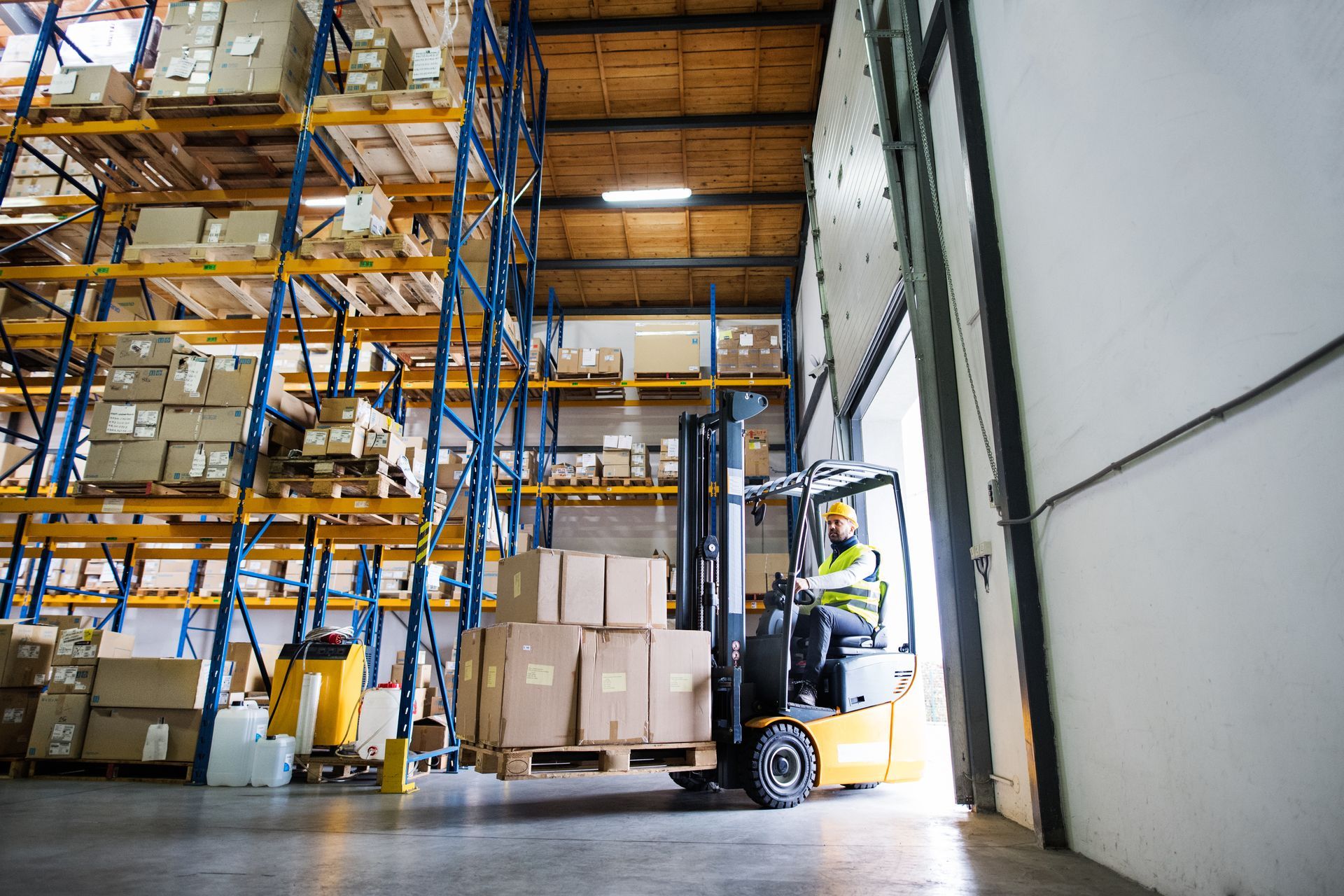
Coverage for customer property while stored in your facility. Protects against damage, theft, fire, and water damage to goods in your care, custody, or control.

Workers' Compensation
Medical care and wage replacement for employees injured on the job. Required in most states for transportation and warehouse work where physical labor creates higher injury risk.

Umbrella & Excess Liability
Higher liability limits stacked on top of your primary policies. Helps meet large contract requirements and protects your business assets against major claims and lawsuits.
Specialized Knowledge
Industries We Protect
Focused coverage for transportation and logistics businesses


Simple and Clear
How Our Process Works
Our process to get you covered
Connect With Us
Reach out through our form or by phone to share your business needs and current coverage situation.
Get Coverage Options
We review your risks, compare carriers, and present clear quotes with plain-language explanations.
Stay Protected
You choose your plan, and we provide ongoing support for certificates, claims, and renewals.
Trusted by Businesses
Feedback That Reflects Service and Reliability
What our clients say about working with Champion Risk
Answers You Need
Frequently Asked Questions
Common questions about transportation and logistics insurance



What insurance does a transportation company need to operate legally?
Motor carriers that cross state lines must meet FMCSA requirements. You need a minimum of $750,000 in liability coverage, plus a BMC-91 filing that proves your insurance to the federal government. Cargo coverage is also required, with minimums that depend on the type of goods you transport.
Intrastate operators follow state-specific rules. California, Texas, and Florida each have different requirements. Champion Risk handles both federal and state filings. We make sure your coverage meets legal minimums and your certificates reach the right agencies.
How much does commercial transportation insurance cost?
Premiums depend on your fleet size, driving records, cargo values, and claims history. A small operation with two trucks might pay $8,000 to $15,000 per year. A larger carrier with ten trucks could pay $50,000 to $100,000 or more.
The best way to control costs is working with a broker who knows transportation insurance. We find carriers that specialize in your exact operation type. This often results in better rates than going direct or using a general agent who doesn't understand the industry.
What is a BMC-91 filing and why do I need one?
A BMC-91 is a form your insurance company files with the FMCSA. It proves you carry the required liability coverage to operate as a for-hire motor carrier. Without an active BMC-91, your operating authority can be revoked.
Champion Risk works with carriers who file electronically. Your BMC-91 typically posts within 24 to 48 hours of binding coverage. We monitor your filing status and alert you if anything needs attention.
Does my warehouse or storage facility need different insurance than a trucking operation?
Yes. Storage facilities need warehouse legal liability coverage. This protects you when customer property is damaged or stolen while in your care. Standard general liability policies exclude this exposure.
You may also need property coverage for your building, equipment breakdown protection, and business income coverage if a fire or disaster shuts down operations. Champion Risk builds storage facility programs that address all these risks in one package.
Can you insure last-mile delivery drivers who use their own vehicles?
Yes. We offer hired and non-owned auto coverage for delivery operations that use independent contractors or employees driving personal vehicles. This fills gaps that personal auto policies don't cover during commercial use.
We also provide occupational accident coverage for 1099 drivers who aren't eligible for workers' comp. This protects your drivers and limits your liability exposure when accidents happen.
How fast can I get proof of insurance for a new contract?
Same day in most cases. Once we bind your policy, we issue certificates of insurance within hours. If your contract requires specific additional insured language or special endorsements, we coordinate directly with the carrier.
Rush requests happen often in this industry. General contractors and corporate clients demand certificates before they let you on site. Champion Risk prioritizes fast turnaround because we know your revenue depends on it.

Answers You Need
Transportation & Logistics Insurance Resources
Articles designed to inform and support your business
Contact Us
Phone Number:
Email Address:
Location:
12264 El Camino Real, Suite 350
San Diego, CA 92130
Hours:
Monday – Friday: 8:00 AM – 6:00 PM PT