
Inland Marine Insurance for Transportation & Logistics Company
Or Call Us:
(800) 829-0807
A truck carrying $200,000 worth of medical equipment breaks down on a rural highway in Texas. While waiting for repairs, thieves strip the cargo overnight. The trucking company's standard commercial auto policy? It covers the damaged vehicle but not a single piece of stolen equipment. This scenario plays out across the logistics industry more often than most business owners realize.
Inland marine insurance for transportation and logistics companies fills precisely this gap, protecting goods while they're moving between locations or sitting in temporary storage. The name sounds confusing since there's nothing "marine" about a cross-country trucking route, but the coverage traces back to maritime shipping policies that eventually expanded to cover land-based transit. With the inland marine insurance market projected to reach $35 billion by 2024, this specialized protection has become essential for any business moving goods across American roads.
The stakes are real. A single cargo theft claim can devastate a small trucking operation, and standard business insurance leaves dangerous coverage gaps. Understanding what inland marine policies actually cover, what they cost, and what insurers require before issuing them separates protected logistics companies from those gambling with their financial future.
The Role of Inland Marine Insurance in Modern Logistics
Defining Inland Marine vs. Standard Property Insurance
Standard property insurance protects your stuff at fixed locations: your warehouse, your office, your storage facility. The moment goods leave those premises, coverage gets murky or disappears entirely. Inland marine insurance picks up where property policies stop, covering property in transit over land via truck, train, or air, plus temporary storage situations.
Think of it this way: property insurance protects things that stay put, while inland marine protects things that move. A pallet of electronics sitting in your bonded warehouse falls under property coverage. That same pallet loaded onto a truck heading to a customer becomes inland marine territory.
Why Logistics Providers Need Specialized Transit Coverage
Standard commercial policies contain exclusions that create massive exposure for transportation companies. Your general liability might cover a slip-and-fall at your loading dock, but it won't touch cargo damage claims. Your auto policy handles vehicle repairs after accidents, but the freight inside? That's a separate conversation entirely.
As
OneGroup explains,"Inland marine insurance stands as a cornerstone in safeguarding businesses against the uncertainties of transportation and off-site storage. Its flexible coverage and broad terms make it indispensable for industries ranging from construction to technology." Logistics providers face unique risks that generic policies simply weren't designed to address.


By: Mark Raby
Chief Executive Officer at Champion Risk & Insurance Services
Core Coverage Components for Transportation Businesses
Motor Truck Cargo Insurance
This is the workhorse of inland marine coverage for trucking operations. Motor truck cargo insurance protects freight while it's on your vehicles, covering losses from theft, collision damage, fire, and other specified perils. Coverage limits typically range from $50,000 to $500,000 or higher, depending on what you haul.
The policy responds when cargo is damaged or destroyed during transit, regardless of whether the accident was your driver's fault. If a tire blows out and your truck rolls, damaging $150,000 in furniture, cargo insurance pays the claim. Champion Risk works with logistics companies to match cargo limits with actual load values, preventing both underinsurance gaps and unnecessary premium spending.
Warehouse Legal Liability
Logistics companies that store customer goods, even temporarily, face legal liability for damage occurring in their facilities. Warehouse legal liability coverage protects against claims when stored goods are damaged by fire, theft, water intrusion, or negligent handling.
This coverage differs from standard property insurance because you're protecting someone else's property, not your own. If a forklift operator accidentally punctures a customer's shrink-wrapped pallet, warehouse legal liability responds to the resulting claim.
Carrier's Errors and Omissions (E&O)
Mistakes happen in logistics. Shipments go to wrong addresses. Paperwork errors cause customs delays that spoil perishable goods. Documentation failures trigger regulatory violations. Carrier's E&O coverage protects against financial losses stemming from these administrative and operational errors.
This coverage matters especially for freight brokers and third-party logistics providers who coordinate shipments without physically handling cargo. When a broker books a refrigerated truck that arrives without working cooling units, E&O coverage addresses the resulting spoilage claim.
Key Factors Influencing Policy Costs
Commodity Type and Cargo Risk Profiles
What you haul dramatically affects premium calculations. Electronics, pharmaceuticals, and alcohol attract thieves and command higher premiums. Building materials and raw commodities present lower theft risk but may have different damage exposure.
Inland marine premiums typically range from 0.1% to 3% of the insured property's value, with high-value, theft-prone cargo pushing toward the upper end. A trucking company hauling copper wire pays substantially more per $100,000 of coverage than one transporting gravel.
Operating Radius and Route Security
Regional carriers operating in low-crime areas pay less than long-haul operators crossing high-theft corridors. Routes through certain metropolitan areas, truck stops with poor security records, and border regions all influence underwriting decisions.
Insurers also consider whether you run team drivers, overnight parking protocols, and GPS tracking capabilities. Companies with robust security measures often qualify for premium credits that offset technology investments.
Claims History and Safety Ratings
Your loss history speaks volumes to underwriters. Companies with multiple cargo claims face higher premiums or coverage restrictions. Clean records over three to five years typically earn favorable pricing.
DOT safety ratings, CSA scores, and driver qualification standards all factor into premium calculations. Champion Risk helps clients understand how operational improvements translate into insurance savings, creating business cases for safety investments.
| Factor | Lower Premium Impact | Higher Premium Impact |
|---|---|---|
| Cargo Type | Building materials, food products | Electronics, pharmaceuticals, alcohol |
| Operating Area | Regional, rural routes | National, high-theft corridors |
| Claims History | No claims in 3+ years | Multiple claims, large payouts |
| Safety Ratings | Satisfactory DOT rating | Conditional or unsatisfactory rating |
| Security Measures | GPS tracking, secure parking | No tracking, random parking |

Underwriting Requirements and Eligibility
Essential Documentation for Applicants
Insurers require substantial documentation before quoting inland marine coverage. Expect to provide operating authority documents, DOT registration, driver qualification files, and three years of loss runs from previous insurers.
Financial statements help underwriters assess company stability. Vehicle schedules listing equipment age and condition are standard requirements. Larger operations may need to provide safety program documentation and training records.
Vehicle and Equipment Maintenance Standards
Underwriters scrutinize maintenance practices because poorly maintained equipment causes cargo damage. Regular inspection records, preventive maintenance schedules, and repair documentation all support applications.
Refrigerated units require additional documentation showing temperature monitoring capabilities and calibration records. Flatbed operations may need to demonstrate load securement training and equipment inventories.
Common Exclusions and Policy Limitations
Even comprehensive inland marine policies contain exclusions that catch logistics companies off guard. Standard exclusions typically include:
- Intentional damage or employee dishonesty (separate crime coverage needed)
- War, nuclear events, and government seizure
- Inherent vice or natural deterioration of goods
- Improper packaging by shippers
- Mechanical breakdown of refrigeration units (often requires separate endorsement)
- Contamination by other cargo
Small businesses pay an average premium of $29 per month, or about $350 annually, for inland marine insurance, but these figures reflect minimal coverage. Comprehensive protection for active trucking operations costs considerably more.
Deductibles typically range from $1,000 to $25,000 depending on coverage limits and risk profiles. Higher deductibles reduce premiums but increase out-of-pocket exposure on smaller claims.
Best Practices for Selecting and Managing Coverage
Getting inland marine coverage right requires more than shopping for the lowest premium. Start by honestly assessing your maximum exposure: what's the most valuable load you might carry on any given day? Your coverage limits should reflect this reality, not average load values.
Review policy language carefully, paying special attention to covered perils and exclusions. "All-risk" policies provide broader protection than "named peril" policies, though they cost more. The market is expected to grow at a CAGR of 3% through 2033, suggesting stable availability but potentially rising costs.
Document everything. Photograph high-value loads before departure. Maintain temperature logs for refrigerated shipments. Keep signed bills of lading organized and accessible. This documentation proves invaluable when claims arise.
Frequently Asked Questions
How quickly can I get inland marine coverage for a new trucking operation? Most policies can be bound within 24 to 72 hours once documentation is complete. New ventures without operating history may face higher premiums or require larger deductibles.
Does inland marine insurance cover cargo theft from parked trucks? Yes, most policies cover theft during transit stops, but exclusions may apply if drivers leave trucks unattended in unsecured locations or leave keys accessible.
Can I adjust coverage limits seasonally for peak shipping periods? Some insurers offer endorsements allowing temporary limit increases during high-volume seasons. Discuss this option with your agent before busy periods arrive.
What happens if I haul cargo outside my declared operating radius? Operating outside declared territories may void coverage for that shipment. Always notify your insurer before expanding operations geographically.
Do I need separate coverage for each truck in my fleet?
Fleet policies typically cover all scheduled vehicles under one policy. Adding or removing vehicles requires notifying your insurer to maintain accurate coverage.
Making the Right Choice for Your Operation
Inland marine coverage isn't optional for serious logistics operations. The gap between standard business insurance and actual transit exposures creates financial risk that responsible owners can't ignore. Matching coverage to your specific operation, whether that's local furniture delivery or cross-country pharmaceutical transport, requires understanding both your risks and available policy options.
Champion Risk specializes in helping transportation companies build coverage programs that address real exposures without paying for unnecessary protection. Contact their team to review your current coverage and identify any gaps before the next claim reveals them the hard way.
About the Author:
Mark Raby
I am a seasoned insurance professional with over 30 years of experience in the industry. I lead Champion Risk & Insurance Services, a San Diego-based brokerage with nationwide reach and strong influence in the insurance marketplace. My core competencies include insurance agency M&A deals, captives and alternative risk structures, and commercial property and casualty insurance for clients in the transportation and logistics industries. I am a former president of IIAB San Diego and hold a Bachelor of Science in Finance from Western Michigan University’s Haworth College of Business.
Protection for Transportation Operations
Business Insurance for Transportation & Logistics Companies
Coverage designed specifically for transportation businesses
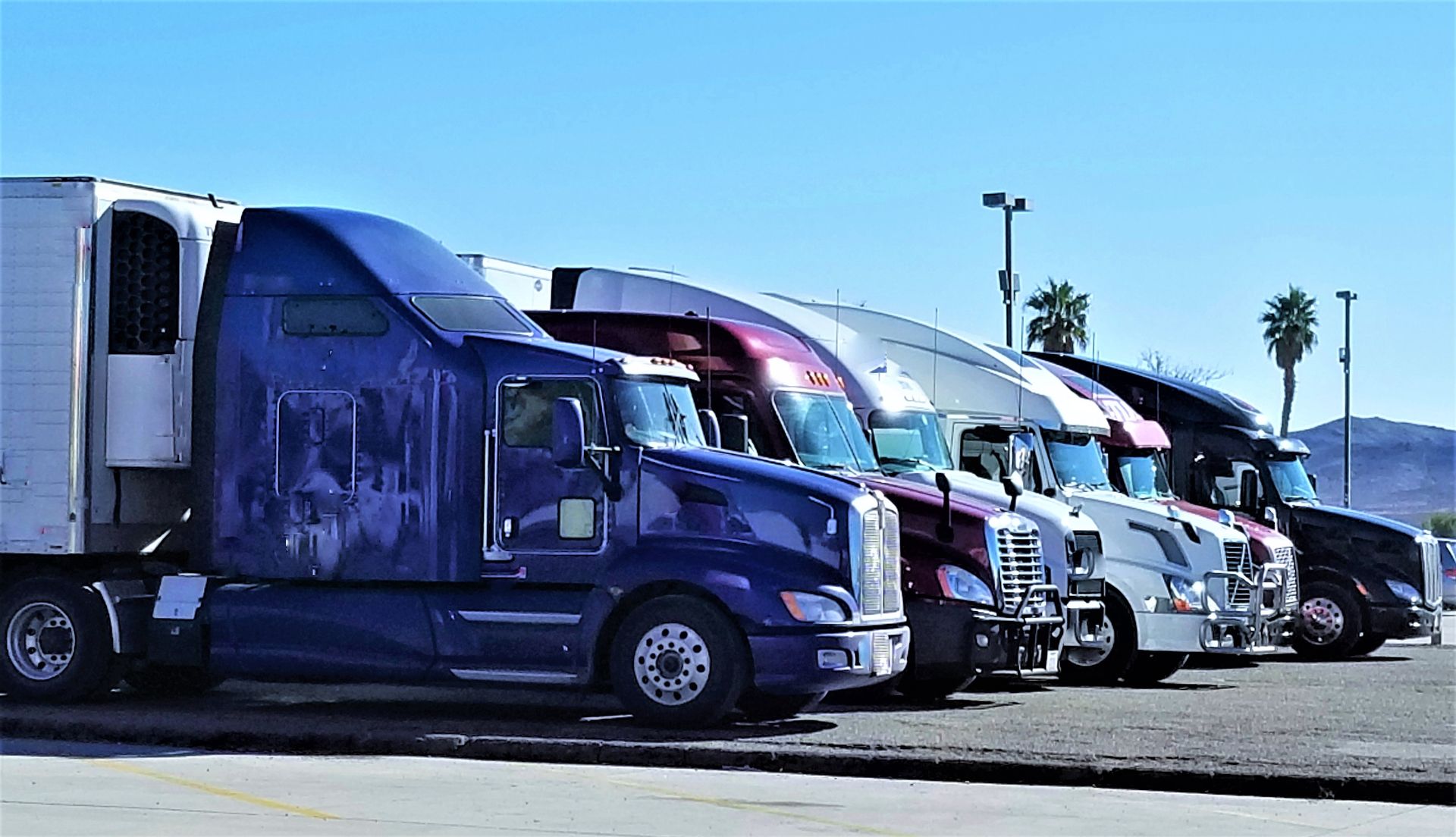
Commercial Auto & Trucking
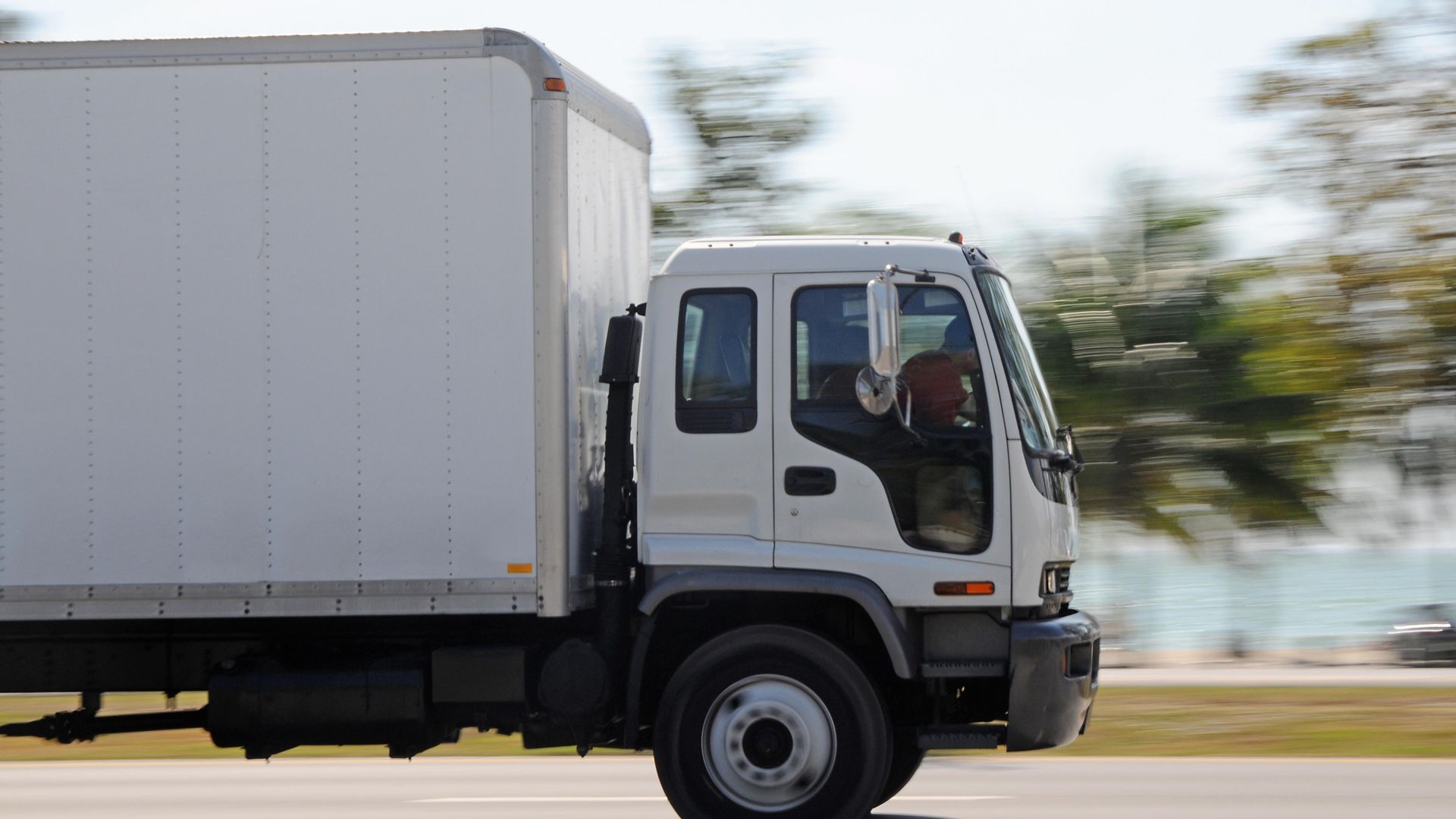
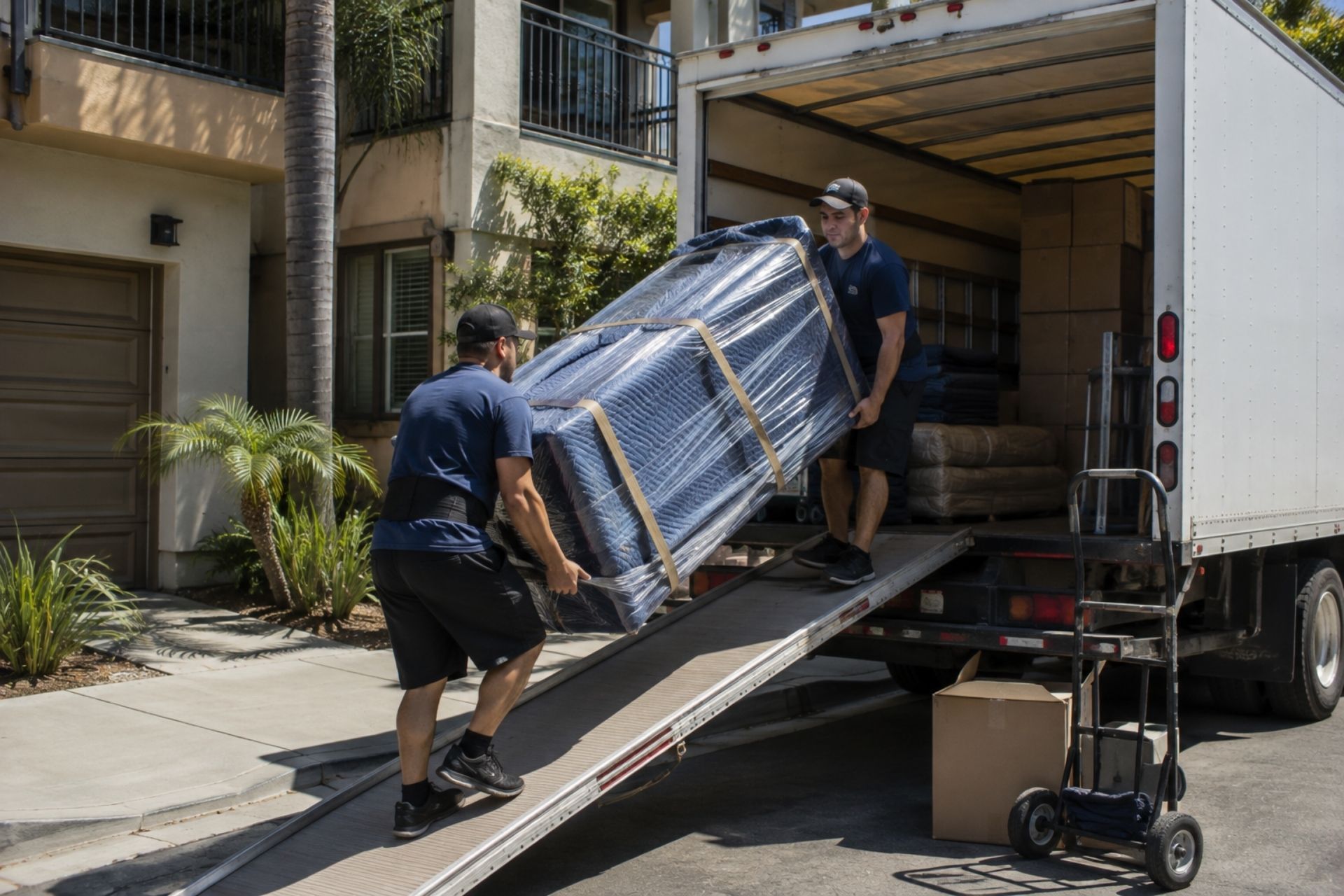
Protection for your fleet including box trucks, moving vans, and trailers. Covers liability, collision, physical damage, and hired or non-owned vehicles used in your operations.
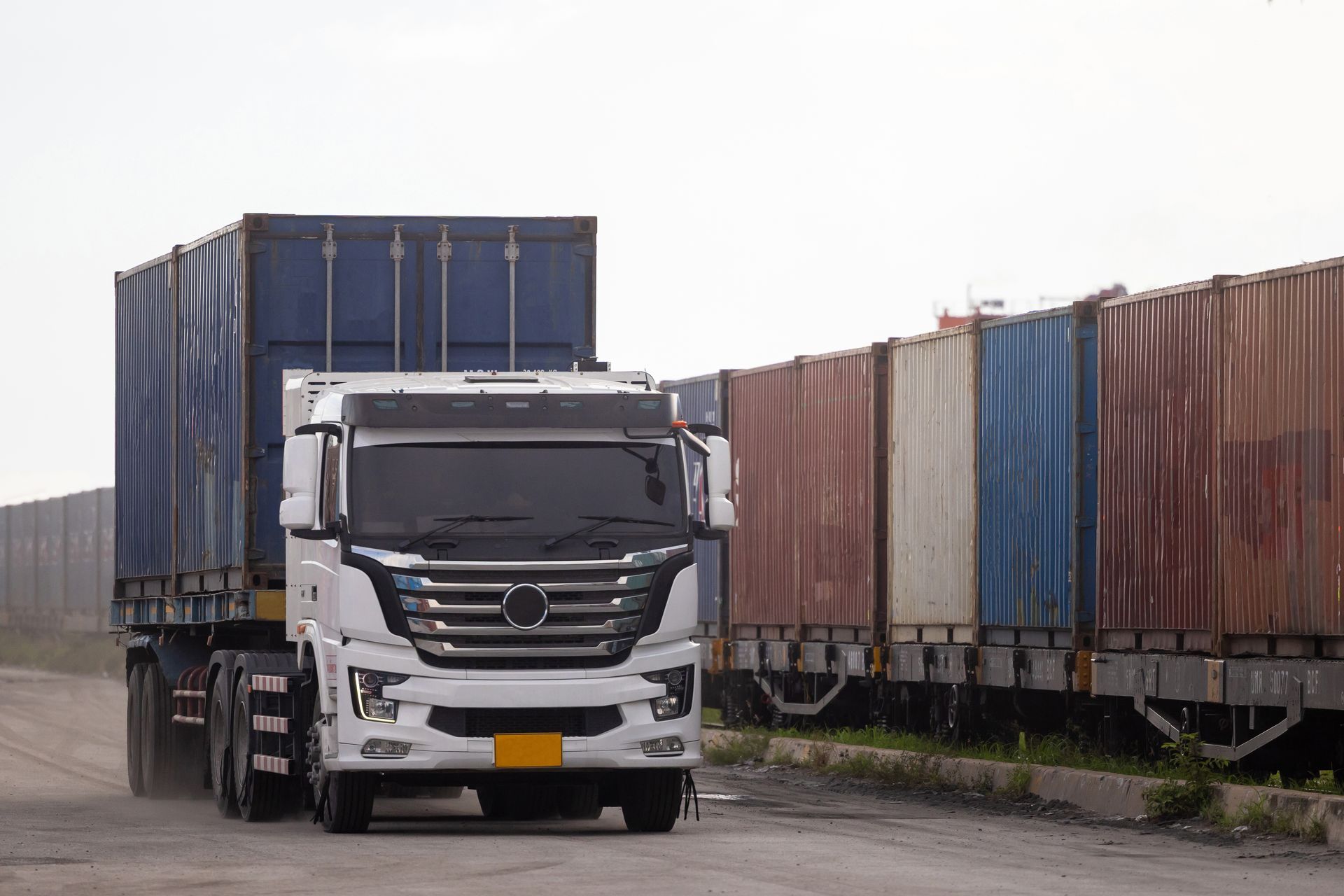
Motor Truck Cargo
Covers household goods and freight during transport from pickup to delivery. Protects against damage, theft, mysterious disappearance, and weather-related losses while cargo is in your care.

General Liability
Protection from third-party claims for bodily injury and property damage at customer homes, job sites, and your own facility. Essential coverage for every transportation operation
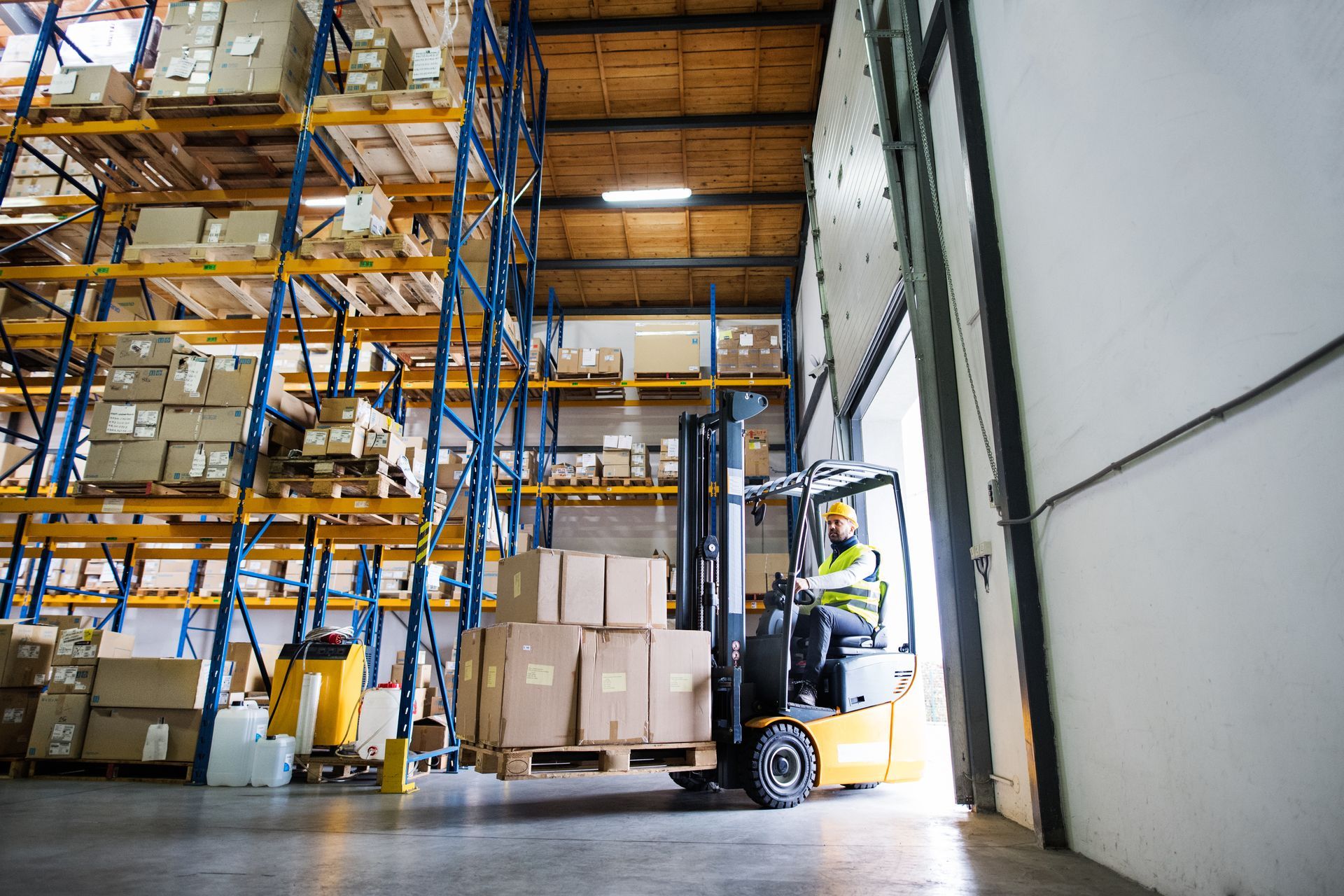
Warehouse Legal Liability
Coverage for customer property while stored in your facility. Protects against damage, theft, fire, and water damage to goods in your care, custody, or control.

Workers' Compensation
Medical care and wage replacement for employees injured on the job. Required in most states for transportation and warehouse work where physical labor creates higher injury risk.

Umbrella & Excess Liability
Higher liability limits stacked on top of your primary policies. Helps meet large contract requirements and protects your business assets against major claims and lawsuits.
Specialized Knowledge
Industries We Protect
Focused coverage for transportation and logistics businesses

Simple and Clear
How Our Process Works
Our process to get you covered
Connect With Us
Reach out through our form or by phone to share your business needs and current coverage situation.
Get Coverage Options
We review your risks, compare carriers, and present clear quotes with plain-language explanations.
Stay Protected
You choose your plan, and we provide ongoing support for certificates, claims, and renewals.
Trusted by Businesses
Feedback That Reflects Service and Reliability
What our clients say about working with Champion Risk
Answers You Need
Frequently Asked Questions
Common questions about transportation and logistics insurance



What insurance does a transportation company need to operate legally?
Motor carriers that cross state lines must meet FMCSA requirements. You need a minimum of $750,000 in liability coverage, plus a BMC-91 filing that proves your insurance to the federal government. Cargo coverage is also required, with minimums that depend on the type of goods you transport.
Intrastate operators follow state-specific rules. California, Texas, and Florida each have different requirements. Champion Risk handles both federal and state filings. We make sure your coverage meets legal minimums and your certificates reach the right agencies.
How much does commercial transportation insurance cost?
Premiums depend on your fleet size, driving records, cargo values, and claims history. A small operation with two trucks might pay $8,000 to $15,000 per year. A larger carrier with ten trucks could pay $50,000 to $100,000 or more.
The best way to control costs is working with a broker who knows transportation insurance. We find carriers that specialize in your exact operation type. This often results in better rates than going direct or using a general agent who doesn't understand the industry.
What is a BMC-91 filing and why do I need one?
A BMC-91 is a form your insurance company files with the FMCSA. It proves you carry the required liability coverage to operate as a for-hire motor carrier. Without an active BMC-91, your operating authority can be revoked.
Champion Risk works with carriers who file electronically. Your BMC-91 typically posts within 24 to 48 hours of binding coverage. We monitor your filing status and alert you if anything needs attention.
Does my warehouse or storage facility need different insurance than a trucking operation?
Yes. Storage facilities need warehouse legal liability coverage. This protects you when customer property is damaged or stolen while in your care. Standard general liability policies exclude this exposure.
You may also need property coverage for your building, equipment breakdown protection, and business income coverage if a fire or disaster shuts down operations. Champion Risk builds storage facility programs that address all these risks in one package.
Can you insure last-mile delivery drivers who use their own vehicles?
Yes. We offer hired and non-owned auto coverage for delivery operations that use independent contractors or employees driving personal vehicles. This fills gaps that personal auto policies don't cover during commercial use.
We also provide occupational accident coverage for 1099 drivers who aren't eligible for workers' comp. This protects your drivers and limits your liability exposure when accidents happen.
How fast can I get proof of insurance for a new contract?
Same day in most cases. Once we bind your policy, we issue certificates of insurance within hours. If your contract requires specific additional insured language or special endorsements, we coordinate directly with the carrier.
Rush requests happen often in this industry. General contractors and corporate clients demand certificates before they let you on site. Champion Risk prioritizes fast turnaround because we know your revenue depends on it.

Answers You Need
Transportation & Logistics Insurance Resources
Articles designed to inform and support your business
Contact Us
Phone Number:
Email Address:
Location:
12264 El Camino Real, Suite 350
San Diego, CA 92130
Hours:
Monday – Friday: 8:00 AM – 6:00 PM PT