
Running a moving and storage company in Maine means dealing with narrow driveways in Portland's West End, icy winter conditions that last half the year, and customers who expect their grandmother's antique hutch to arrive in perfect condition. One damaged item, one employee injury, or one accident involving your truck can turn a profitable quarter into a financial disaster. That's why understanding moving and storage company insurance in Maine, including coverage options, costs, and state requirements, isn't just about compliance. It's about protecting the business you've built.
The stakes are real. Most moves within Maine cost between $536 and $4,973, according to mygoodmovers.com, and moving companies typically charge around $136 per hour. Those numbers represent significant revenue, but they also represent significant liability exposure every time your crew loads a truck. A single claim for damaged property or an injured worker can wipe out months of earnings if you're not properly insured.
Here's what makes Maine's insurance landscape particularly tricky: the state has specific regulatory requirements that differ from neighboring states, and the harsh climate creates unique risk factors that insurers consider when pricing your policy. Whether you're operating a small local outfit or managing a fleet that handles both intrastate and interstate moves, getting your coverage right from the start saves you headaches and money down the road.
Maine State Regulatory Requirements for Moving Companies
Maine Bureau of Motor Vehicles (BMV) Compliance
Maine regulates moving companies through the Bureau of Motor Vehicles, which oversees commercial vehicle registration and operating authority. If you're hauling household goods for compensation within the state, you need proper registration and must meet minimum insurance requirements before putting your trucks on the road.
A typical minimum insurance requirement for moving companies in Maine is $750,000 liability and $10,000 cargo coverage, as noted by threemovers.com. These aren't suggestions. Operating without meeting these thresholds puts your business license at risk and exposes you to personal liability if something goes wrong. The BMV can and does conduct audits, and violations result in fines, suspended operating authority, or both.
Intrastate vs. Interstate Licensing Rules
The distinction between intrastate and interstate operations matters more than many operators realize. Moving goods only within Maine falls under state jurisdiction. Cross that border into New Hampshire or Massachusetts, and you're suddenly dealing with federal requirements through the FMCSA, which means obtaining a USDOT number and potentially MC authority.
Interstate movers face higher minimum insurance requirements, typically $750,000 or more in liability coverage depending on vehicle weight. Champion Risk works with many operators who started as local Maine companies and expanded their service area, and the transition from intrastate to interstate compliance trips up more businesses than you'd expect. Getting it wrong means operating illegally, which creates coverage gaps that insurers can use to deny claims.


By: Mark Raby
Chief Executive Officer at Champion Risk & Insurance Services
Essential Insurance Coverages for Moving and Storage Operations
Cargo Legal Liability and Valuation Options
Your customers trust you with their belongings, and cargo coverage protects you when things go wrong during transport. Released Value Protection, the free option, covers just $0.60 per pound per item, according to safeboundmoving.com. That means a 50-pound flat-screen TV worth $2,000 would only pay out $30 if damaged.
Full Value Protection typically costs 1% to 2% of the total estimated value of the goods being moved. This coverage makes the mover responsible for repairing, replacing, or providing cash settlement for damaged items at current market value. Most professional movers recommend this option to customers, and smart operators carry sufficient cargo liability to back up these commitments.
Warehouse Legal Liability for Storage Facilities
If you offer storage services alongside moving,
warehouse legal liability becomes essential. This coverage protects stored goods against damage from fire, theft, water damage, and other covered perils while items sit in your facility. Standard property insurance doesn't cover customer goods; you need specific warehouse liability coverage.
| Coverage Type | What It Covers | Typical Limitsr |
|---|---|---|
| Warehouse Legal Liability | Damage to stored customer goods | $50,000 - $500,000+ |
| Building Coverage | Your storage facility structure | Replacement cost |
| Business Personal Property | Your equipment and supplies | Actual cash value |
Commercial Auto and Physical Damage Protection
Your trucks represent both your biggest assets and your biggest liability exposure. Commercial auto insurance covers bodily injury and property damage when your vehicles are involved in accidents. Physical damage coverage protects the trucks themselves from collision, theft, vandalism, and weather damage.
Maine's winters create particular challenges. Icy roads increase accident frequency, and salt corrosion accelerates vehicle wear. Insurers factor these conditions into their pricing, which is why Maine operators often see higher commercial auto premiums than companies in milder climates.
Maine Workers' Compensation and General Liability
State Mandates for Employee Protection
Maine requires workers' compensation insurance for nearly all employers. Moving company work is physically demanding, and injuries happen. Back strains from lifting, falls on icy walkways, and vehicle accidents all create workers' comp claims. As heffins.com notes, "Moving and storage businesses face constant exposure to liability, property damage, and operational disruption, making specialized insurance essential."
The classification code for moving company employees typically carries higher rates than office workers because the work is inherently riskier. Your premium depends on your payroll and your experience modification rate, which reflects your claims history compared to industry averages.
Premises Liability for Customer Storage Access
When customers visit your storage facility to access their belongings, you're responsible for their safety on your property. Premises liability coverage, typically part of your general liability policy, protects against claims from slip-and-fall accidents, injuries from falling objects, or other incidents on your property.
This coverage becomes particularly important during Maine's winter months when ice and snow create hazardous conditions. Maintaining clear walkways and documenting your safety procedures helps both prevent incidents and defend against claims when they occur.

Fleet Size and Driver Safety Records
Insurers look at several factors when pricing your policy. Fleet size matters, but it's not just about having more vehicles. Larger fleets often qualify for volume discounts, though they also represent more total exposure. The condition and age of your vehicles factor in as well; newer trucks with modern safety features typically cost less to insure.
Driver records carry significant weight. A single driver with multiple accidents or violations can increase your entire fleet's premium. Many operators implement driver monitoring programs and require clean driving records as a condition of employment. Champion Risk has seen clients reduce premiums by 15% or more simply by tightening their driver qualification standards.
Claims History and Risk Management Strategies
Your loss history follows you. Frequent claims, even small ones, signal to insurers that your operation carries higher risk. Some operators make the mistake of filing every minor claim, not realizing they're building a record that will cost them far more in premium increases than they recovered from those claims.
Effective risk management includes:
- Regular safety training for all employees
- Proper equipment maintenance and inspection schedules
- Clear procedures for handling customer belongings
- Documentation of all moves and storage arrangements
- Incident reporting protocols that capture details for potential claims
Estimating Your Annual Insurance Costs
Annual insurance costs for Maine moving and storage companies vary widely based on operation size, services offered, and risk profile. A small operation with two trucks and a handful of employees might spend $15,000 to $25,000 annually on comprehensive coverage. Mid-sized operations with larger fleets and storage facilities often see costs between $50,000 and $100,000 or more.
| Business Size | Typical Annual Premium Range | Key Cost Drivers |
|---|---|---|
| Small (1-2 trucks) | $15,000 - $25,000 | Driver records, cargo limits |
| Medium (3-10 trucks) | $35,000 - $75,000 | Fleet size, storage operations |
| Large (10+ trucks) | $75,000 - $150,000+ | Total payroll, claims history |
These figures represent general ranges. Your actual costs depend on your specific situation, coverage limits, deductibles, and the insurer you choose.
Best Practices for Selecting a Maine Insurance Provider
Working with an insurance provider who understands the moving and storage industry makes a measurable difference in both coverage quality and cost. Generic commercial insurers often don't understand the specific risks your business faces, leading to coverage gaps or unnecessary endorsements that inflate your premium.
Look for brokers who specialize in transportation and logistics. They'll know which carriers offer competitive rates for moving companies and can structure policies that address your actual exposures. Champion Risk, for example, has built relationships with carriers that specifically underwrite moving and storage operations, which often translates to better coverage terms and pricing than you'd find shopping on your own.
Ask potential providers about their claims handling process. When something goes wrong, you need an insurer who responds quickly and fairly. Check references from other moving companies they insure and ask specifically about claims experiences.
Frequently Asked Questions
What's the minimum insurance required to operate a moving company in Maine? Maine typically requires $750,000 in liability coverage and $10,000 in cargo coverage for household goods movers operating within the state.
Does my commercial auto policy cover damage to customer belongings? No. Commercial auto insurance covers vehicle accidents and related injuries or property damage. You need separate cargo liability coverage for customer goods.
How much does Full Value Protection cost for my customers? Full Value Protection typically runs 1% to 2% of the total declared value of the shipment, though rates vary by carrier and coverage terms.
Do I need workers' compensation if I only have part-time employees? Yes. Maine requires workers' compensation coverage for nearly all employees regardless of full-time or part-time status.
Can I reduce my insurance costs without reducing coverage? Yes. Improving driver safety records, implementing formal training programs, and maintaining a clean claims history all help reduce premiums over time.
Making the Right Coverage Decision
Getting insurance right for your Maine moving and storage company isn't just about meeting minimum requirements. It's about building a foundation that lets you operate confidently, knowing you're protected when things go wrong. The right coverage at the right price exists, but finding it requires understanding both your specific risks and the insurance market.
Take time to review your current policies, identify any gaps, and work with a knowledgeable broker who can advocate for your business. Champion Risk specializes in helping moving and storage companies navigate these decisions, and a conversation about your specific situation costs nothing. The investment you make in proper coverage today protects everything you've worked to build.
About the Author:
Mark Raby
I am a seasoned insurance professional with over 30 years of experience in the industry. I lead Champion Risk & Insurance Services, a San Diego-based brokerage with nationwide reach and strong influence in the insurance marketplace. My core competencies include insurance agency M&A deals, captives and alternative risk structures, and commercial property and casualty insurance for clients in the transportation and logistics industries. I am a former president of IIAB San Diego and hold a Bachelor of Science in Finance from Western Michigan University’s Haworth College of Business.
Protection for Transportation Operations
Business Insurance for Transportation & Logistics Companies
Coverage designed specifically for transportation businesses
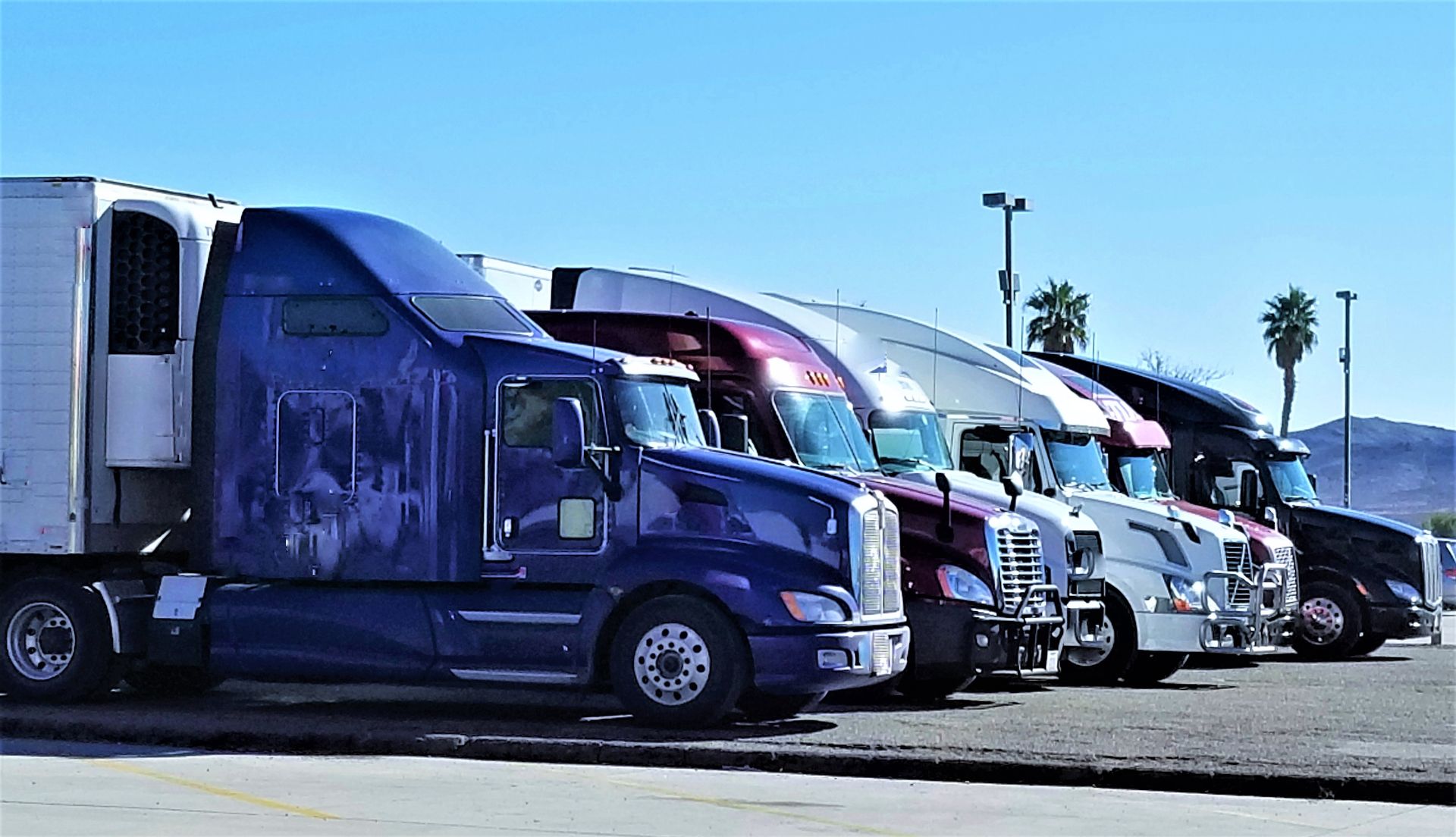
Commercial Auto & Trucking
Protection for your fleet including box trucks, moving vans, and trailers. Covers liability, collision, physical damage, and hired or non-owned vehicles used in your operations.
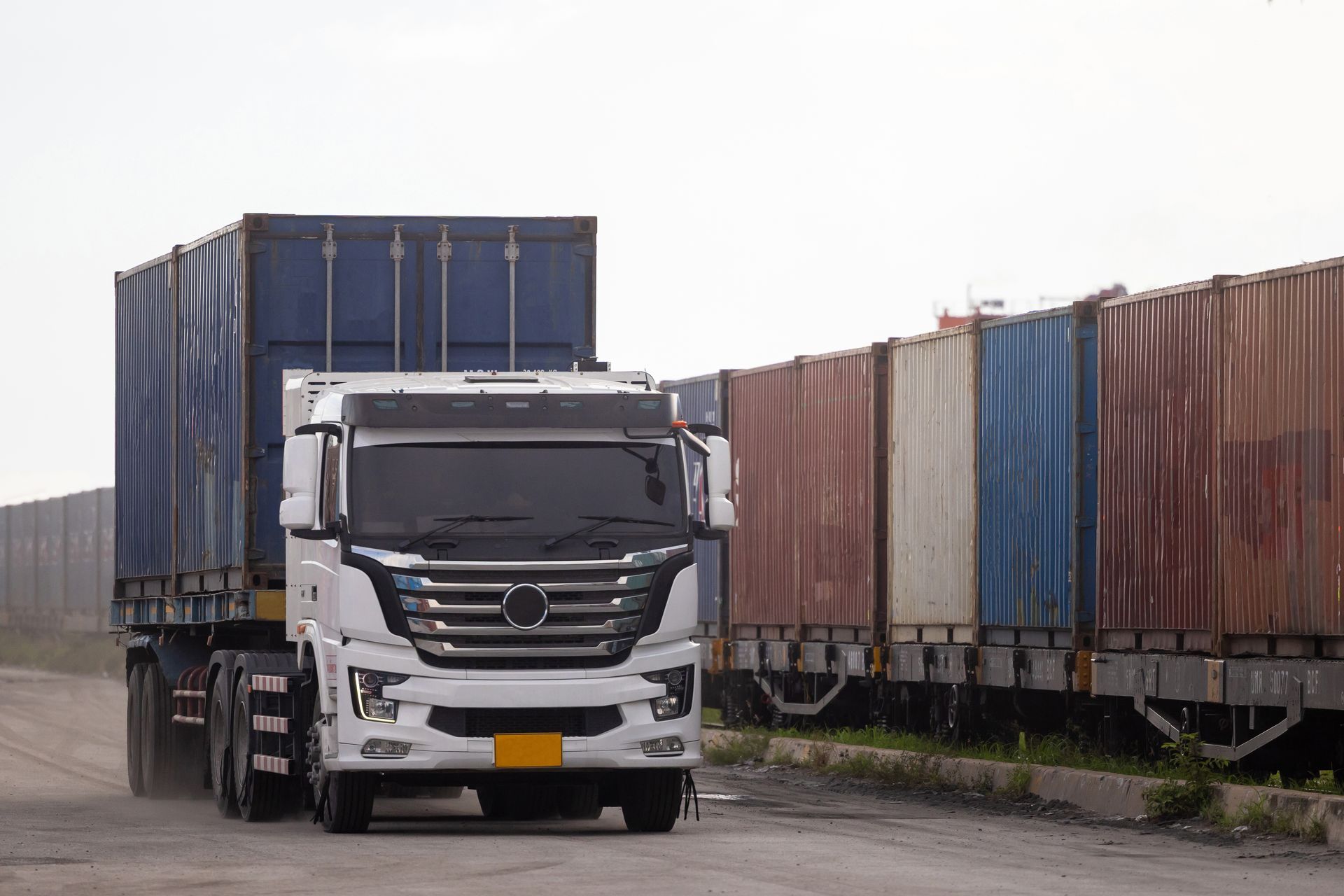
Motor Truck Cargo
Covers household goods and freight during transport from pickup to delivery. Protects against damage, theft, mysterious disappearance, and weather-related losses while cargo is in your care.

General Liability
Protection from third-party claims for bodily injury and property damage at customer homes, job sites, and your own facility. Essential coverage for every transportation operation

Warehouse Legal Liability
Coverage for customer property while stored in your facility. Protects against damage, theft, fire, and water damage to goods in your care, custody, or control.

Workers' Compensation
Medical care and wage replacement for employees injured on the job. Required in most states for transportation and warehouse work where physical labor creates higher injury risk.

Umbrella & Excess Liability
Higher liability limits stacked on top of your primary policies. Helps meet large contract requirements and protects your business assets against major claims and lawsuits.
Specialized Knowledge
Industries We Protect
Focused coverage for transportation and logistics businesses

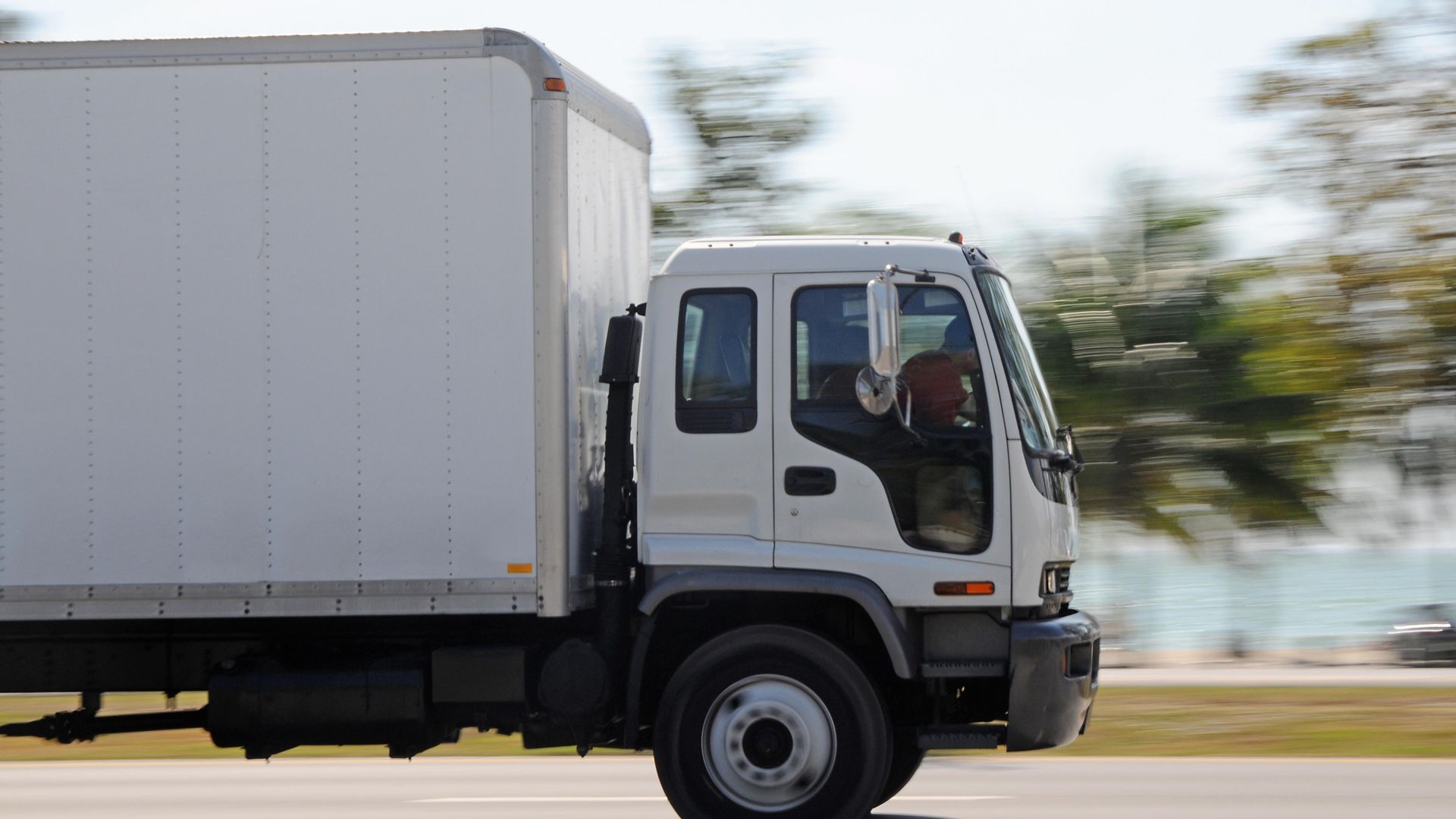

Simple and Clear
How Our Process Works
Our process to get you covered
Connect With Us
Reach out through our form or by phone to share your business needs and current coverage situation.
Get Coverage Options
We review your risks, compare carriers, and present clear quotes with plain-language explanations.
Stay Protected
You choose your plan, and we provide ongoing support for certificates, claims, and renewals.
Trusted by Businesses
Feedback That Reflects Service and Reliability
What our clients say about working with Champion Risk
Answers You Need
Frequently Asked Questions
Common questions about transportation and logistics insurance




What insurance does a transportation company need to operate legally?
Motor carriers that cross state lines must meet FMCSA requirements. You need a minimum of $750,000 in liability coverage, plus a BMC-91 filing that proves your insurance to the federal government. Cargo coverage is also required, with minimums that depend on the type of goods you transport.
Intrastate operators follow state-specific rules. California, Texas, and Florida each have different requirements. Champion Risk handles both federal and state filings. We make sure your coverage meets legal minimums and your certificates reach the right agencies.
How much does commercial transportation insurance cost?
Premiums depend on your fleet size, driving records, cargo values, and claims history. A small operation with two trucks might pay $8,000 to $15,000 per year. A larger carrier with ten trucks could pay $50,000 to $100,000 or more.
The best way to control costs is working with a broker who knows transportation insurance. We find carriers that specialize in your exact operation type. This often results in better rates than going direct or using a general agent who doesn't understand the industry.
What is a BMC-91 filing and why do I need one?
A BMC-91 is a form your insurance company files with the FMCSA. It proves you carry the required liability coverage to operate as a for-hire motor carrier. Without an active BMC-91, your operating authority can be revoked.
Champion Risk works with carriers who file electronically. Your BMC-91 typically posts within 24 to 48 hours of binding coverage. We monitor your filing status and alert you if anything needs attention.
Does my warehouse or storage facility need different insurance than a trucking operation?
Yes. Storage facilities need warehouse legal liability coverage. This protects you when customer property is damaged or stolen while in your care. Standard general liability policies exclude this exposure.
You may also need property coverage for your building, equipment breakdown protection, and business income coverage if a fire or disaster shuts down operations. Champion Risk builds storage facility programs that address all these risks in one package.
Can you insure last-mile delivery drivers who use their own vehicles?
Yes. We offer hired and non-owned auto coverage for delivery operations that use independent contractors or employees driving personal vehicles. This fills gaps that personal auto policies don't cover during commercial use.
We also provide occupational accident coverage for 1099 drivers who aren't eligible for workers' comp. This protects your drivers and limits your liability exposure when accidents happen.
How fast can I get proof of insurance for a new contract?
Same day in most cases. Once we bind your policy, we issue certificates of insurance within hours. If your contract requires specific additional insured language or special endorsements, we coordinate directly with the carrier.
Rush requests happen often in this industry. General contractors and corporate clients demand certificates before they let you on site. Champion Risk prioritizes fast turnaround because we know your revenue depends on it.

Answers You Need
Transportation & Logistics Insurance Resources
Articles designed to inform and support your business
Contact Us
Phone Number:
Email Address:
Location:
12264 El Camino Real, Suite 350
San Diego, CA 92130
Hours:
Monday – Friday: 8:00 AM – 6:00 PM PT