
Independent Contractor Insurance for Transportation & Logistics Company
Or Call Us:
(800) 829-0807
A trucking company in Ohio recently faced a $2.3 million lawsuit after one of their independent contractors caused a multi-vehicle accident. The contractor's personal auto policy denied the claim, and the company's commercial coverage excluded independent contractors. The result? A devastating legal battle that nearly bankrupted the business.
This scenario plays out across the transportation industry more often than most operators realize. With over 350,000 truckers operating as independent contractors, the question of proper insurance coverage has become critical for logistics companies of all sizes. Understanding independent contractor insurance requirements for transportation and logistics operations isn't just about compliance; it's about protecting your business from catastrophic financial exposure.
The stakes keep climbing.
Commercial auto insurance premiums are expected to rise 10-20% in 2025, with umbrella liability potentially jumping 10-30%. Getting coverage right from the start saves money and headaches down the road.
Why Logistics Companies Require Independent Contractor Insurance
Protecting Against Vicarious Liability
Here's the uncomfortable truth: even when you hire independent contractors instead of employees, courts can still hold your company liable for their actions. This legal concept, called vicarious liability, catches many logistics operators off guard.
When a contractor operates under your company's authority, displays your branding, or follows your dispatch instructions, plaintiffs' attorneys will argue that you maintained sufficient control to share responsibility. A single serious accident can expose your company to claims exceeding your policy limits, especially if the contractor carries inadequate coverage.
The solution involves requiring contractors to maintain specific coverage levels and adding your company as an additional insured on their policies. Champion Risk works with transportation companies to structure these requirements properly, ensuring the contractor's coverage responds first in a claim.
Ensuring Compliance with Federal and State Regulations
Federal Motor Carrier Safety Administration regulations establish minimum insurance requirements that apply whether you use employees or contractors. For-hire carriers transporting general freight need at least $750,000 in liability coverage. Hazmat haulers face requirements up to $5 million.
State requirements add another layer of complexity. Some states mandate higher minimums than federal standards. Others require specific endorsements or coverage types. Missing these requirements puts your operating authority at risk and can result in fines, cargo holds, or complete shutdown.
The Difference Between Employee and Contractor Coverage
The coverage gap between employees and independent contractors creates significant exposure for logistics companies. Employees fall under your commercial auto policy and workers' compensation coverage automatically. Contractors don't.
When you classify workers as independent contractors, they become responsible for their own insurance. Your company's policies typically exclude coverage for these individuals. This arrangement works fine when contractors maintain proper coverage, but creates massive liability gaps when they don't.


By: Mark Raby
Chief Executive Officer at Champion Risk & Insurance Services
Essential Coverage Types for Transportation Contractors
Non-Trucking Liability and Bobtail Insurance
Independent owner-operators need coverage for periods when they're not under dispatch. Non-trucking liability covers personal use of the truck, while bobtail insurance specifically covers the tractor when operating without a trailer.
Many contractors assume their motor carrier's policy covers them continuously. It doesn't. Coverage typically applies only while under dispatch or load. The drive home after delivering a load, stopping for groceries, or any personal use falls into an uninsured gap without proper non-trucking coverage.
Premiums for non-trucking liability typically run $300-$600 annually, making it an affordable coverage that prevents potentially catastrophic exposure.
Occupational Accident vs. Workers' Compensation
Independent contractors don't qualify for
workers' compensation in most states because they're not employees.
Occupational accident insurance fills this gap, typically costing between $60 and $160 per monthdepending on coverage limits and risk factors.
| Coverage Type | Who It Covers | Typical Monthly Cost | Key Benefits |
|---|---|---|---|
| Workers' Comp | Employees only | $650 average | State-mandated, covers medical and lost wages |
| Occupational Accident | Independent contractors | $60-$160 | Medical expenses, disability, accidental death |
Some motor carriers require occupational accident coverage as a condition of leasing. Others offer group policies at reduced rates. Either way, contractors without this coverage face financial ruin from a single workplace injury.
Physical Damage and Motor Truck Cargo Coverage
Physical damage coverage protects the contractor's truck and trailer from collision, theft, and weather damage. Cargo coverage protects the freight being transported. Both are essential, but they serve different purposes.
Cargo coverage minimums typically start at $100,000, though many shippers require $250,000 or higher. Physical damage coverage should reflect the actual value of the equipment. Underinsuring either creates gaps that fall back on the motor carrier when claims arise.
Determining the Cost of Independent Contractor Policies
Factors Influencing Premium Rates
Insurance costs for transportation contractors vary dramatically based on several factors. The logistics insurance market is projected to reach $93.8 billion by 2032, and competition among carriers helps keep rates somewhat competitive. That said, individual premiums depend on:
Operating radius matters significantly. Local delivery operations pay less than long-haul trucking. The type of freight affects rates too; hazmat and high-value cargo cost more to insure than general commodities.
Driver experience and safety records carry substantial weight. A contractor with five years of clean driving history pays far less than someone with recent accidents or violations. Similarly, the age and condition of equipment influences physical damage premiums.
Average Deductibles and Coverage Limits
Commercial auto insurance averages $846 per month for freight operations, though independent contractors often pay less because they're insuring a single unit rather than a fleet. General liability adds approximately $146 monthly, while workers' compensation for any employees averages $650 monthly.
Deductibles typically range from $1,000 to $5,000 for physical damage claims. Higher deductibles reduce premiums but increase out-of-pocket exposure. Most contractors find the sweet spot around $2,500, balancing affordable premiums with manageable claim costs.
Coverage limits should match contractual requirements at minimum. Many logistics companies require $1 million in auto liability, $100,000 in cargo coverage, and $1 million in general liability from their contractors.

Contractual Requirements and Verification Processes
Standard Insurance Minimums in Logistics Contracts
Shipper and broker contracts establish the baseline insurance requirements for contractors. These minimums have increased steadily over the past decade as claim values have risen.
Common contractual requirements include:
- Auto liability: $1 million per occurrence
- General liability: $1 million per occurrence, $2 million aggregate
- Cargo coverage: $100,000 to $250,000
- Workers' comp or occupational accident: statutory limits
Some shippers, particularly those moving high-value or hazardous freight, require significantly higher limits. Pharmaceutical and electronics shippers often demand $500,000 or more in cargo coverage.
Managing Certificates of Insurance (COI)
Certificates of insurance verify that contractors maintain required coverage. Managing these certificates across dozens or hundreds of contractors becomes a significant administrative burden.
Champion Risk helps logistics companies implement systems for tracking COI expiration dates, verifying coverage levels, and ensuring additional insured endorsements remain current. Without proper tracking, contractors can lapse on coverage without the motor carrier's knowledge, creating hidden liability exposure.
Automated verification systems flag expiring certificates before they lapse, giving contractors time to renew and provide updated documentation. This proactive approach prevents the common scenario where a contractor's coverage lapses and an accident occurs during the gap.
Best Practices for Risk Management and Policy Integration
Effective risk management for independent contractor relationships starts with clear contractual requirements. Specify exact coverage types, minimum limits, and required endorsements in your contractor agreements. Require certificates of insurance before any contractor begins operating under your authority.
Verify coverage continuously, not just at onboarding. Annual reviews catch contractors who downgrade coverage or let policies lapse. Quarterly spot-checks add another layer of protection without overwhelming administrative resources.
Consider offering group insurance programs for your contractors. Volume purchasing power often secures better rates than contractors can obtain individually, and centralized billing ensures coverage remains active. Champion Risk structures these programs for motor carriers looking to reduce contractor insurance gaps while maintaining proper independent contractor classification.
Build insurance requirements into your contractor selection process. Contractors who struggle to obtain proper coverage often have underlying issues like poor safety records or financial instability. Using insurance as a screening tool helps identify quality contractors while weeding out problematic operators.
Frequently Asked Questions
What happens if my independent contractor causes an accident without proper insurance? Your company faces potential vicarious liability claims. Plaintiffs' attorneys will pursue the deepest pockets, and without proper contractor coverage, that's often the motor carrier.
Can I add independent contractors to my company's commercial auto policy? Generally no. Adding contractors to your policy can trigger employee misclassification issues. The proper approach involves requiring contractors to maintain their own coverage and naming your company as additional insured.
How often should I verify contractor insurance certificates? Verify at onboarding, then at least quarterly thereafter. Automated systems that flag expiring certificates provide the most reliable protection.
Does occupational accident insurance satisfy workers' compensation requirements? Not in states that require workers' compensation for independent contractors. Most states don't, but Texas and a few others have specific requirements worth checking.
What's the minimum cargo coverage I should require from contractors? $100,000 is the floor for most general freight. Match your requirements to the value of freight your contractors typically haul, with $250,000 being more appropriate for higher-value goods.
Making the Right Coverage Decisions
Getting independent contractor insurance right protects both your business and the contractors who keep your freight moving. The cost of proper coverage pales compared to the financial devastation of an uninsured claim.
Start by reviewing your current contractor agreements and insurance requirements. Identify gaps between what you require and what contractors actually maintain. Implement verification systems that catch lapses before they become claims.
For logistics companies ready to strengthen their contractor insurance programs, Champion Risk provides the expertise to structure requirements properly and the systems to verify compliance continuously. Reach out to discuss your specific situation and build a contractor insurance framework that actually protects your business.
About the Author:
Mark Raby
I am a seasoned insurance professional with over 30 years of experience in the industry. I lead Champion Risk & Insurance Services, a San Diego-based brokerage with nationwide reach and strong influence in the insurance marketplace. My core competencies include insurance agency M&A deals, captives and alternative risk structures, and commercial property and casualty insurance for clients in the transportation and logistics industries. I am a former president of IIAB San Diego and hold a Bachelor of Science in Finance from Western Michigan University’s Haworth College of Business.
Protection for Transportation Operations
Business Insurance for Transportation & Logistics Companies
Coverage designed specifically for transportation businesses
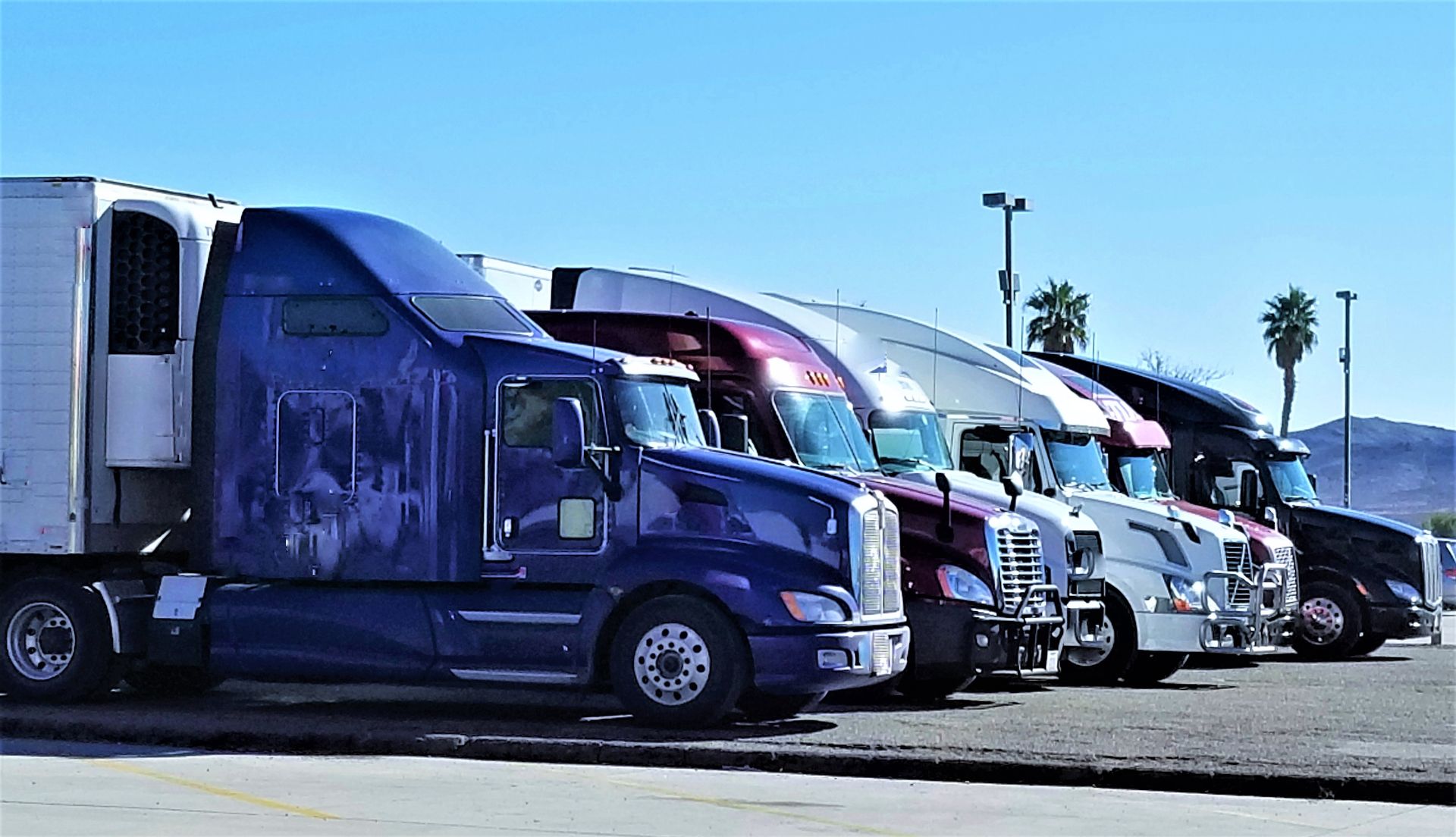
Commercial Auto & Trucking
Protection for your fleet including box trucks, moving vans, and trailers. Covers liability, collision, physical damage, and hired or non-owned vehicles used in your operations.
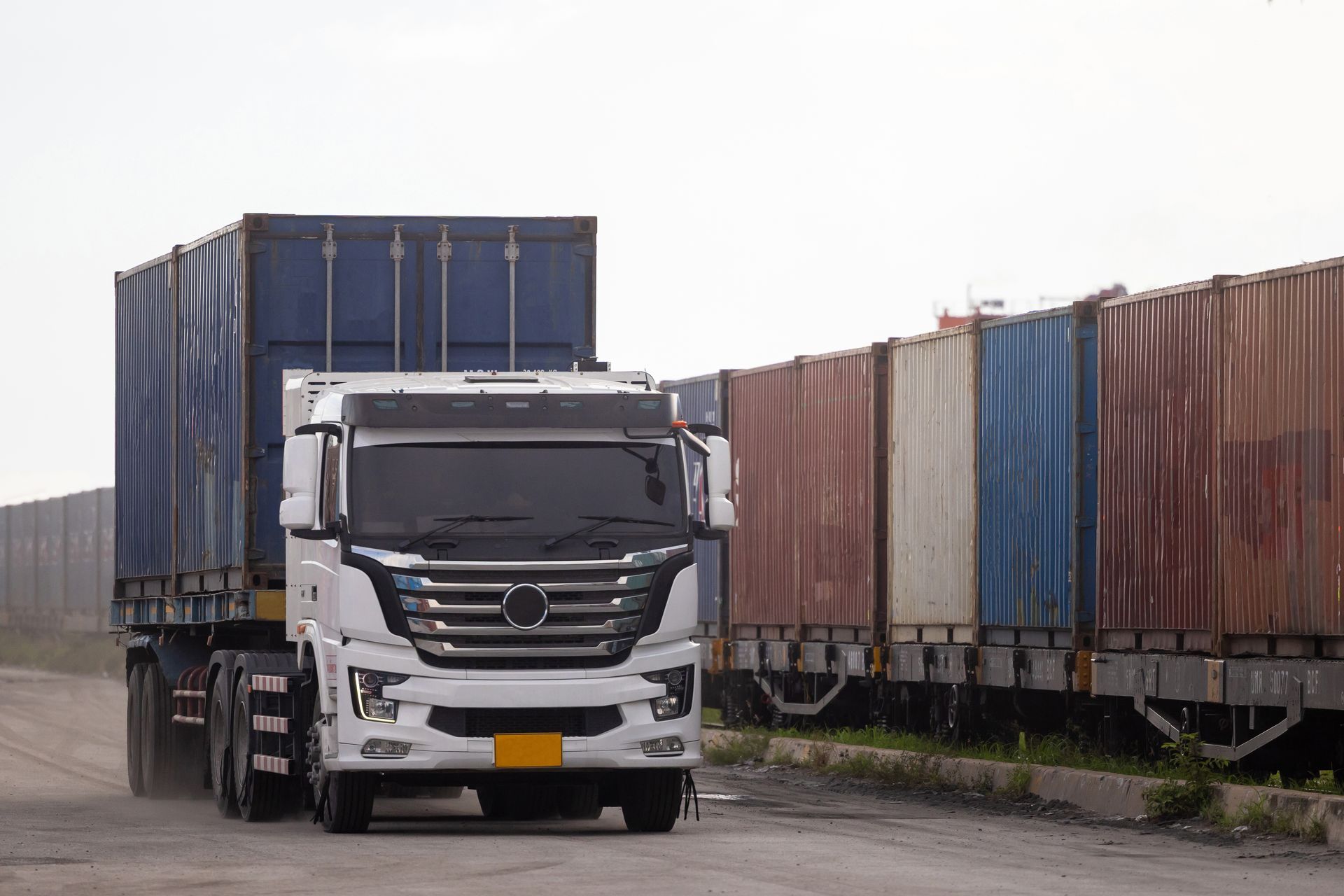
Motor Truck Cargo
Covers household goods and freight during transport from pickup to delivery. Protects against damage, theft, mysterious disappearance, and weather-related losses while cargo is in your care.

General Liability
Protection from third-party claims for bodily injury and property damage at customer homes, job sites, and your own facility. Essential coverage for every transportation operation

Warehouse Legal Liability
Coverage for customer property while stored in your facility. Protects against damage, theft, fire, and water damage to goods in your care, custody, or control.

Workers' Compensation
Medical care and wage replacement for employees injured on the job. Required in most states for transportation and warehouse work where physical labor creates higher injury risk.

Umbrella & Excess Liability
Higher liability limits stacked on top of your primary policies. Helps meet large contract requirements and protects your business assets against major claims and lawsuits.
Specialized Knowledge
Industries We Protect
Focused coverage for transportation and logistics businesses



Simple and Clear
How Our Process Works
Our process to get you covered
Connect With Us
Reach out through our form or by phone to share your business needs and current coverage situation.
Get Coverage Options
We review your risks, compare carriers, and present clear quotes with plain-language explanations.
Stay Protected
You choose your plan, and we provide ongoing support for certificates, claims, and renewals.
Trusted by Businesses
Feedback That Reflects Service and Reliability
What our clients say about working with Champion Risk
Answers You Need
Frequently Asked Questions
Common questions about transportation and logistics insurance




What insurance does a transportation company need to operate legally?
Motor carriers that cross state lines must meet FMCSA requirements. You need a minimum of $750,000 in liability coverage, plus a BMC-91 filing that proves your insurance to the federal government. Cargo coverage is also required, with minimums that depend on the type of goods you transport.
Intrastate operators follow state-specific rules. California, Texas, and Florida each have different requirements. Champion Risk handles both federal and state filings. We make sure your coverage meets legal minimums and your certificates reach the right agencies.
How much does commercial transportation insurance cost?
Premiums depend on your fleet size, driving records, cargo values, and claims history. A small operation with two trucks might pay $8,000 to $15,000 per year. A larger carrier with ten trucks could pay $50,000 to $100,000 or more.
The best way to control costs is working with a broker who knows transportation insurance. We find carriers that specialize in your exact operation type. This often results in better rates than going direct or using a general agent who doesn't understand the industry.
What is a BMC-91 filing and why do I need one?
A BMC-91 is a form your insurance company files with the FMCSA. It proves you carry the required liability coverage to operate as a for-hire motor carrier. Without an active BMC-91, your operating authority can be revoked.
Champion Risk works with carriers who file electronically. Your BMC-91 typically posts within 24 to 48 hours of binding coverage. We monitor your filing status and alert you if anything needs attention.
Does my warehouse or storage facility need different insurance than a trucking operation?
Yes. Storage facilities need warehouse legal liability coverage. This protects you when customer property is damaged or stolen while in your care. Standard general liability policies exclude this exposure.
You may also need property coverage for your building, equipment breakdown protection, and business income coverage if a fire or disaster shuts down operations. Champion Risk builds storage facility programs that address all these risks in one package.
Can you insure last-mile delivery drivers who use their own vehicles?
Yes. We offer hired and non-owned auto coverage for delivery operations that use independent contractors or employees driving personal vehicles. This fills gaps that personal auto policies don't cover during commercial use.
We also provide occupational accident coverage for 1099 drivers who aren't eligible for workers' comp. This protects your drivers and limits your liability exposure when accidents happen.
How fast can I get proof of insurance for a new contract?
Same day in most cases. Once we bind your policy, we issue certificates of insurance within hours. If your contract requires specific additional insured language or special endorsements, we coordinate directly with the carrier.
Rush requests happen often in this industry. General contractors and corporate clients demand certificates before they let you on site. Champion Risk prioritizes fast turnaround because we know your revenue depends on it.

Answers You Need
Transportation & Logistics Insurance Resources
Articles designed to inform and support your business
Contact Us
Phone Number:
Email Address:
Location:
12264 El Camino Real, Suite 350
San Diego, CA 92130
Hours:
Monday – Friday: 8:00 AM – 6:00 PM PT