
A delivery van gets sideswiped at a busy intersection. The driver's fine, but the cargo: three hundred dollars worth of electronics headed to residential customers: is scattered across the pavement. The van owner assumed their personal auto policy would handle it. They assumed wrong.
This scenario plays out thousands of times yearly, and it exposes a critical gap that catches many delivery operators off guard. As Roman Atkielski, Transportation Practice Leader at Jencap, puts it: "A common misconception is that personal insurance will pick this up. But your personal insurance won't cover you while you're using the vehicle for commercial use."
The stakes keep climbing. Last mile delivery costs now represent 53% of total shipping expenses, up from 41% in 2018. With 62% of shoppers saying delivery speed influences purchasing decisions, companies are pushing harder and faster than ever. That pressure creates risk, and risk without proper coverage creates financial disaster.
Understanding what coverage you actually need, what it costs, and what the law requires isn't optional anymore. It's the difference between a minor setback and losing your business over a single claim.
Understanding Last Mile Delivery Insurance and Risk Exposure
The Role of Last Mile Logistics in Modern Commerce
The final stretch of delivery, from distribution center to customer doorstep, has become the most expensive and complex segment of the supply chain. E-commerce growth transformed what was once a straightforward trucking operation into a fragmented network of vans, independent contractors, and gig workers crisscrossing residential neighborhoods.
This shift created unique insurance challenges. Traditional freight coverage was designed for long-haul trucking with predictable routes and controlled environments. Last mile operations involve hundreds of stops daily, constant loading and unloading, drivers entering private property, and vehicles parked in unfamiliar locations. Each stop multiplies exposure.
The last mile delivery insurance market reflects this reality, projected to grow from USD 1.2 billion in 2024 to USD 2.3 billion by 2033. That 7.5% annual growth rate signals both expanding demand and increasing risk awareness among operators.
Common Risks: Theft, Damage, and Liability
Cargo theft remains a persistent headache, particularly during peak seasons when trucks carry higher-value loads. Porch piracy affects customer satisfaction, but organized theft rings target vehicles directly, sometimes following predictable routes.
Property damage claims arise constantly. Drivers backing into mailboxes, scraping garage doors, or damaging landscaping generate liability exposure that personal policies explicitly exclude. Slip-and-fall incidents when customers approach delivery vehicles create premises liability concerns many operators never consider.
Vehicle accidents represent the largest financial exposure. A serious collision involving injuries can generate claims exceeding policy limits, leaving business assets vulnerable. Workers' compensation claims from repetitive motion injuries, back problems from heavy lifting, and accidents during loading compound the risk profile.


By: Mark Raby
Chief Executive Officer at Champion Risk & Insurance Services
Essential Coverage Types for Delivery Operations
Commercial Auto and Hired/Non-Owned Auto Insurance
Commercial auto insurance forms the foundation of any delivery operation's coverage. Unlike personal policies, commercial auto covers vehicles used for business purposes, including the liability exposure from accidents during work hours.
Hired and non-owned auto coverage addresses a specific gap: liability when employees drive vehicles the company doesn't own. If a driver uses their personal vehicle for a delivery run and causes an accident, this coverage responds. Many operators overlook this exposure, assuming drivers' personal policies provide adequate protection.
Coverage limits matter significantly. Minimum state requirements often prove inadequate for serious accidents. Champion Risk typically recommends limits of at least $1 million combined single limit for delivery operations, given the frequency of road exposure.
Motor Truck Cargo and Inland Marine Coverage
Motor truck cargo insurance protects the goods being transported. Standard commercial auto policies cover the vehicle itself but exclude cargo damage. When a collision destroys customer shipments, cargo coverage responds.
Inland marine coverage extends protection to goods in transit that don't fit neatly into cargo categories. Equipment, tools, and materials moving between locations fall under this coverage. The distinction matters because policy language determines whether a claim gets paid.
Valuation methods vary between policies. Some cover actual cash value, accounting for depreciation. Others offer replacement cost coverage. Understanding which applies prevents unpleasant surprises when filing claims for damaged merchandise.
General Liability and Workers' Compensation
General liability insurance covers third-party bodily injury and property damage claims unrelated to vehicle accidents. A customer trips over a package left on their porch and breaks an ankle: that's a general liability claim, not auto liability.
Workers' compensation requirements vary by state but apply to most delivery operations with employees. Even single-employee operations may need coverage depending on jurisdiction. Independent contractor relationships don't automatically eliminate workers' comp obligations; misclassification creates significant legal exposure.
| Coverage Type | What It Protects | Typical Limits |
|---|---|---|
| Commercial Auto | Vehicle accidents, collision damage | $1M+ CSL recommended |
| Hired/Non-Owned Auto | Liability for non-company vehicles | Matches primary auto |
| Motor Truck Cargo | Goods in transit | $50K-$250K per load |
| General Liability | Third-party injury/property damage | $1M per occurrence |
| Workers' Compensation | Employee injuries | State-mandated minimums |
Factors Influencing Insurance Costs
Fleet Size and Vehicle Specifications
Premiums scale with fleet size, but not linearly. Larger fleets often qualify for volume discounts that offset some per-vehicle costs. Vehicle types significantly impact pricing: cargo vans cost less to insure than box trucks, which cost less than tractor-trailers.
Vehicle age and condition affect physical damage premiums. Newer vehicles cost more to repair or replace, driving higher coverage costs. Some operators strategically maintain older fleets to reduce premium expenses, accepting higher maintenance costs as a tradeoff.
Modifications matter too. Refrigeration units, lift gates, and custom shelving increase vehicle value and replacement costs. Insurers want accurate vehicle specifications; underreporting modifications can result in denied claims.
Driver Safety Records and Experience
Driver history represents the single largest controllable factor in premium calculations. Motor vehicle record violations, particularly DUIs and at-fault accidents, dramatically increase costs. Some insurers refuse coverage entirely for drivers with serious violations.
Experience requirements vary by insurer. Many require minimum age thresholds and years of commercial driving experience. Hiring inexperienced drivers might seem cost-effective until insurance quotes arrive.
Claims history follows businesses for years. A pattern of frequent small claims often hurts more than a single large claim, signaling poor risk management to underwriters.
Geographic Service Areas and Delivery Volume
Urban operations face higher premiums than rural routes. Congestion, pedestrian density, and parking challenges increase accident frequency. Operating in multiple states adds complexity, as each jurisdiction has different minimum requirements and regulatory frameworks.
Delivery volume correlates with exposure. More stops mean more opportunities for accidents, theft, and liability claims. Insurers consider annual mileage, number of deliveries, and hours of operation when calculating premiums.
Commercial transportation businesses should expect significant premium increases in 2025: auto liability potentially rising 10-20%, physical damage increasing 20-25%, and umbrella liability climbing 10-30%.

Legal Requirements and Compliance Standards
State and Federal Minimum Coverage Mandates
Every state mandates minimum liability coverage for commercial vehicles, though amounts vary considerably. California requires $750,000 for vehicles transporting hazardous materials. Texas mandates $500,000 for motor carriers. Knowing your state's specific requirements prevents costly compliance violations.
Federal requirements apply to vehicles crossing state lines or exceeding certain weight thresholds. FMCSA regulations require minimum liability coverage of $750,000 for general freight carriers operating interstate. Specialized cargo categories trigger higher minimums.
Operating without required coverage triggers immediate penalties. Fines, vehicle impoundment, and operating authority revocation represent the legal consequences. Civil liability exposure for uninsured accidents can destroy businesses entirely.
Contractual Requirements for Independent Contractors
Major retailers and logistics companies impose insurance requirements on delivery partners that exceed legal minimums. Amazon, Walmart, and similar platforms require specific coverage types and limits as conditions of partnership.
These contractual requirements typically include additional insured endorsements naming the contracting company on your policy. Certificate of insurance requirements demand proof of coverage before operations begin.
Independent contractors often underestimate these obligations. Meeting contractual requirements while maintaining profitability requires careful policy structuring. Champion Risk works with delivery operators to balance adequate coverage against budget constraints.
Strategies to Reduce Premiums and Mitigate Claims
Implementing Telematics and Fleet Tracking
Telematics devices monitor driving behavior, providing data on speed, braking, acceleration, and route efficiency. Insurers increasingly offer premium discounts for operations using these systems, recognizing the correlation between monitored driving and reduced accidents.
GPS tracking serves dual purposes: operational efficiency and theft recovery. Recovered vehicles and cargo reduce claim severity, which eventually reduces premiums. Real-time visibility into fleet operations also improves customer service and route optimization.
The data generated supports claims defense. When accidents occur, telematics records provide objective evidence about vehicle speed and driver actions, potentially refuting fraudulent claims.
Safety Training and Rigorous Driver Vetting
Formal safety programs demonstrate commitment to risk management. Documented training on defensive driving, cargo handling, and customer interaction creates evidence of due diligence that insurers reward.
Pre-employment screening should include thorough MVR checks, drug testing, and verification of previous employment. The cost of proper vetting pales compared to premiums for hiring risky drivers.
One transportation company reduced its cost per unit from $42,000 to $17,500 by implementing a captive insurance solution combined with aggressive risk management. That kind of savings requires systematic attention to safety, not just policy shopping.
Securing the Right Policy for Your Delivery Business
Getting last mile delivery insurance right requires understanding your specific operation's risk profile. A two-van local delivery service faces different exposures than a regional fleet handling pharmaceutical shipments. Cookie-cutter policies leave gaps.
Start by documenting everything: vehicle specifications, driver records, service areas, cargo types, and delivery volumes. Accurate information produces accurate quotes. Underreporting to save on premiums backfires when claims get denied for material misrepresentation.
Work with specialists who understand delivery operations. General insurance agents may lack familiarity with cargo coverage nuances, hired auto exposures, and the contractual requirements imposed by major platforms. Champion Risk focuses specifically on commercial transportation, bringing expertise that generalists can't match.
Frequently Asked Questions
Does my personal auto insurance cover delivery driving? No. Personal policies exclude commercial use. Using your personal vehicle for paid deliveries without commercial coverage voids your policy and leaves you personally liable for accidents.
How much does last mile delivery insurance typically cost? Costs range from $3,000 to $15,000 annually per vehicle, depending on coverage limits, driver records, vehicle types, and geographic factors. High-risk operations pay significantly more.
Do I need cargo insurance if I'm just delivering packages? Yes, if you want protection for goods in transit. Commercial auto covers vehicle damage, not cargo damage. Lost or damaged shipments come out of your pocket without cargo coverage.
What happens if my driver causes an accident in their personal vehicle? Hired and non-owned auto coverage responds to this scenario. Without it, you face direct liability exposure for accidents occurring during business operations.
Can independent contractors avoid workers' compensation requirements?
Legitimate independent contractor relationships may exempt you from workers' comp obligations, but misclassification creates serious legal exposure. State laws vary significantly on this issue.
About the Author:
Mark Raby
I am a seasoned insurance professional with over 30 years of experience in the industry. I lead Champion Risk & Insurance Services, a San Diego-based brokerage with nationwide reach and strong influence in the insurance marketplace. My core competencies include insurance agency M&A deals, captives and alternative risk structures, and commercial property and casualty insurance for clients in the transportation and logistics industries. I am a former president of IIAB San Diego and hold a Bachelor of Science in Finance from Western Michigan University’s Haworth College of Business.
Protection for Transportation Operations
Business Insurance for Transportation & Logistics Companies
Coverage designed specifically for transportation businesses
Commercial Auto & Trucking
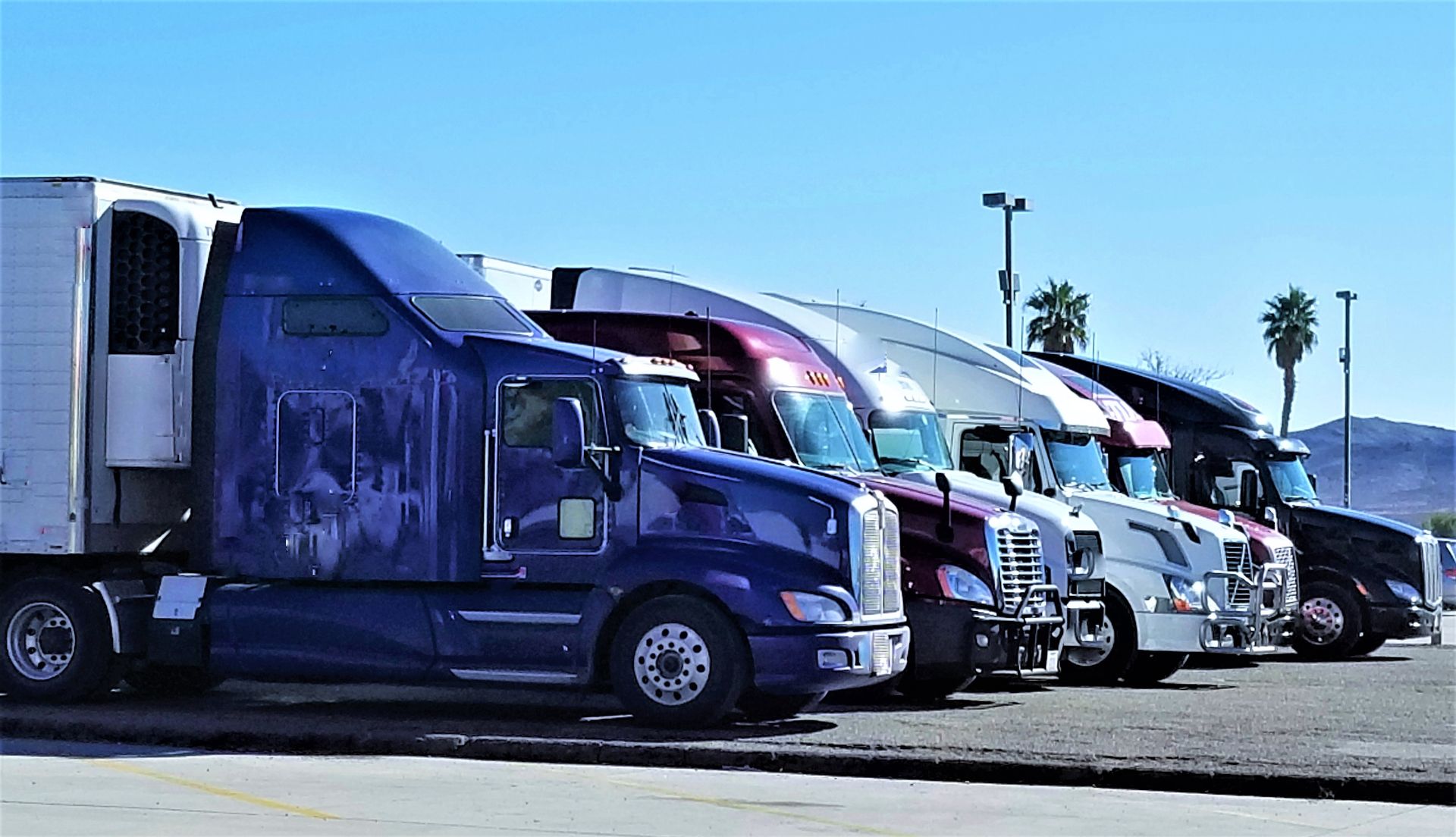
Protection for your fleet including box trucks, moving vans, and trailers. Covers liability, collision, physical damage, and hired or non-owned vehicles used in your operations.
Motor Truck Cargo
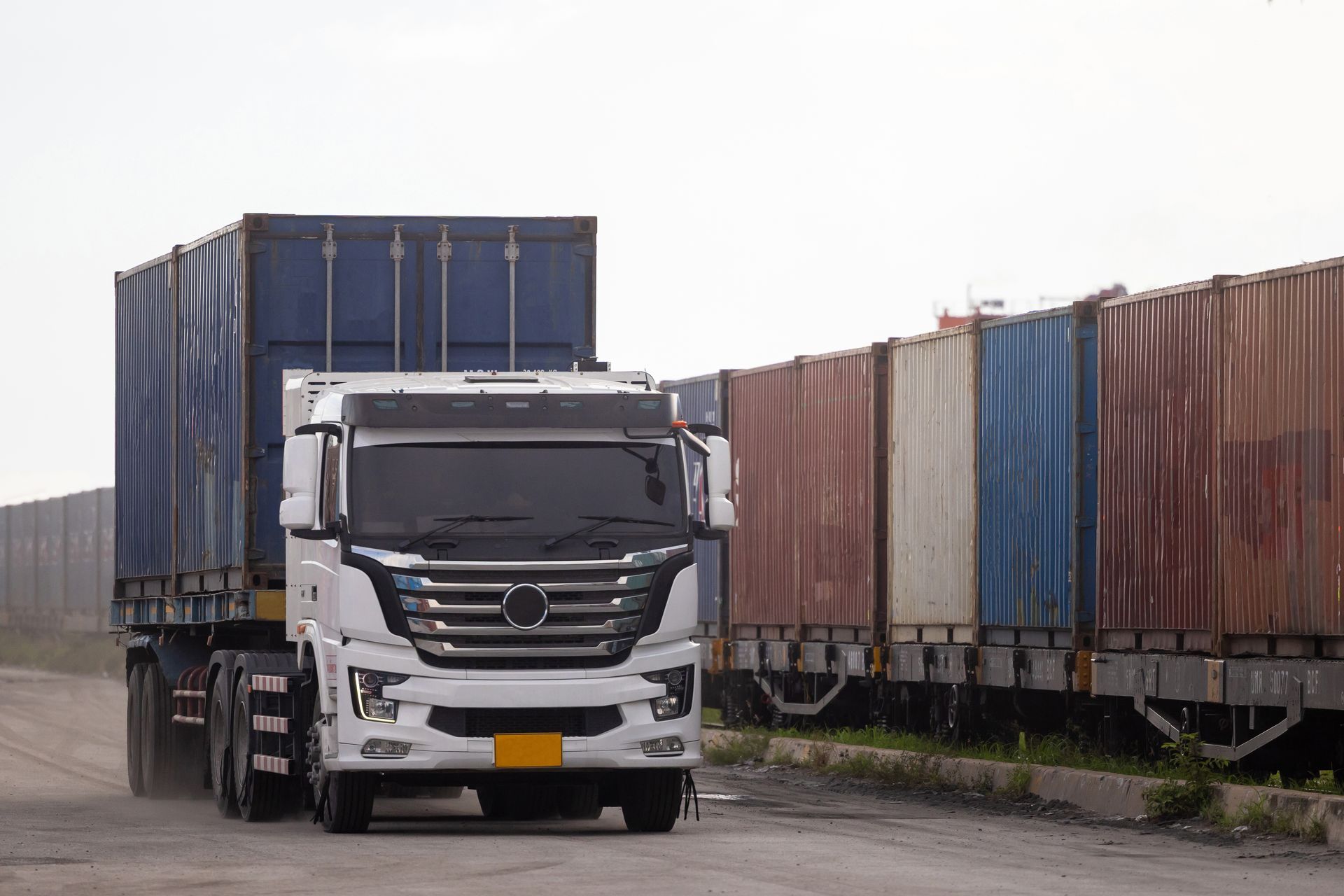
Covers household goods and freight during transport from pickup to delivery. Protects against damage, theft, mysterious disappearance, and weather-related losses while cargo is in your care.

General Liability
Protection from third-party claims for bodily injury and property damage at customer homes, job sites, and your own facility. Essential coverage for every transportation operation

Warehouse Legal Liability
Coverage for customer property while stored in your facility. Protects against damage, theft, fire, and water damage to goods in your care, custody, or control.

Workers' Compensation
Medical care and wage replacement for employees injured on the job. Required in most states for transportation and warehouse work where physical labor creates higher injury risk.

Umbrella & Excess Liability
Higher liability limits stacked on top of your primary policies. Helps meet large contract requirements and protects your business assets against major claims and lawsuits.
Specialized Knowledge
Industries We Protect
Focused coverage for transportation and logistics businesses

Simple and Clear
How Our Process Works
Our process to get you covered
Connect With Us
Reach out through our form or by phone to share your business needs and current coverage situation.
Get Coverage Options
We review your risks, compare carriers, and present clear quotes with plain-language explanations.
Stay Protected
You choose your plan, and we provide ongoing support for certificates, claims, and renewals.
Trusted by Businesses
Feedback That Reflects Service and Reliability
What our clients say about working with Champion Risk
Answers You Need
Frequently Asked Questions
Common questions about transportation and logistics insurance



What insurance does a transportation company need to operate legally?
Motor carriers that cross state lines must meet FMCSA requirements. You need a minimum of $750,000 in liability coverage, plus a BMC-91 filing that proves your insurance to the federal government. Cargo coverage is also required, with minimums that depend on the type of goods you transport.
Intrastate operators follow state-specific rules. California, Texas, and Florida each have different requirements. Champion Risk handles both federal and state filings. We make sure your coverage meets legal minimums and your certificates reach the right agencies.
How much does commercial transportation insurance cost?
Premiums depend on your fleet size, driving records, cargo values, and claims history. A small operation with two trucks might pay $8,000 to $15,000 per year. A larger carrier with ten trucks could pay $50,000 to $100,000 or more.
The best way to control costs is working with a broker who knows transportation insurance. We find carriers that specialize in your exact operation type. This often results in better rates than going direct or using a general agent who doesn't understand the industry.
What is a BMC-91 filing and why do I need one?
A BMC-91 is a form your insurance company files with the FMCSA. It proves you carry the required liability coverage to operate as a for-hire motor carrier. Without an active BMC-91, your operating authority can be revoked.
Champion Risk works with carriers who file electronically. Your BMC-91 typically posts within 24 to 48 hours of binding coverage. We monitor your filing status and alert you if anything needs attention.
Does my warehouse or storage facility need different insurance than a trucking operation?
Yes. Storage facilities need warehouse legal liability coverage. This protects you when customer property is damaged or stolen while in your care. Standard general liability policies exclude this exposure.
You may also need property coverage for your building, equipment breakdown protection, and business income coverage if a fire or disaster shuts down operations. Champion Risk builds storage facility programs that address all these risks in one package.
Can you insure last-mile delivery drivers who use their own vehicles?
Yes. We offer hired and non-owned auto coverage for delivery operations that use independent contractors or employees driving personal vehicles. This fills gaps that personal auto policies don't cover during commercial use.
We also provide occupational accident coverage for 1099 drivers who aren't eligible for workers' comp. This protects your drivers and limits your liability exposure when accidents happen.
How fast can I get proof of insurance for a new contract?
Same day in most cases. Once we bind your policy, we issue certificates of insurance within hours. If your contract requires specific additional insured language or special endorsements, we coordinate directly with the carrier.
Rush requests happen often in this industry. General contractors and corporate clients demand certificates before they let you on site. Champion Risk prioritizes fast turnaround because we know your revenue depends on it.

Answers You Need
Transportation & Logistics Insurance Resources
Articles designed to inform and support your business
Contact Us
Phone Number:
Email Address:
Location:
12264 El Camino Real, Suite 350
San Diego, CA 92130
Hours:
Monday – Friday: 8:00 AM – 6:00 PM PT