
Tampa's transportation and logistics industry operates at a scale that surprises most outsiders. With Port Tampa Bay driving over 192,000 jobs and generating $34 billion in economic value, the stakes for carriers, freight brokers, and warehouse operators couldn't be higher. A single uninsured cargo theft or liability claim can devastate a business that took years to build.
Here's what makes insurance for this sector tricky: Florida's requirements differ significantly from other states, and Tampa's unique position as a gateway to Latin American and Caribbean markets creates risk profiles that generic policies often miss. The average commercial vehicle insurance in Florida runs about $266 per month, but costs can spike to $1,370 depending on your operation's specifics. Understanding what drives those numbers, and what coverage gaps could leave you exposed, is essential before signing any policy.
This guide breaks down the coverage types, compliance requirements, and cost factors that Tampa-based transportation companies actually need to understand.
The Evolving Landscape of Tampa's Logistics Sector
Tampa's freight industry has transformed from a regional player into a critical node in international supply chains. Florida's freight and logistics market is projected to reach $97.10 billion by 2030, growing at a 4.45% compound annual rate from 2025. That growth brings opportunity, but also intensified competition and evolving risk exposures.
Port Tampa Bay and Regional Supply Chain Dynamics
Port Tampa Bay handles everything from phosphate exports to cruise ship operations, but its strategic value lies in connecting Florida's 21 million residents and 126 million annual visitors to global trade routes. Carriers serving this port face unique scheduling pressures, diverse cargo types, and intermodal complexity that generic Midwest trucking operations never encounter.
The port's Latin American and Caribbean connections mean many Tampa logistics companies handle international documentation, customs compliance, and cargo with varied temperature and handling requirements. Each of these factors influences insurance underwriting decisions.
Unique Risk Factors for Florida-Based Carriers
Florida carriers deal with hurricane exposure that affects both property and business interruption coverage. Coastal routes face flooding risks that inland carriers don't consider. The state's no-fault auto insurance system creates claim dynamics that differ from tort-based states, and Florida's reputation for high litigation rates directly impacts premium calculations.
Cargo theft represents another serious concern. In 2024, the US experienced 3,625 cargo theft incidents with $455 million in estimated losses, averaging $202,364 per claim. Tampa's position as a distribution hub makes local carriers attractive targets for organized theft rings.


By: Mark Raby
Chief Executive Officer at Champion Risk & Insurance Services
Essential Insurance Coverages for Transportation Firms
Getting the right coverage mix matters more than getting the cheapest policy. Champion Risk works with Tampa transportation companies to identify coverage gaps before they become claim denials.
Primary Auto Liability and Motor Truck Cargo
Primary auto liability covers bodily injury and property damage your vehicles cause to others. Florida requires minimum coverage, but federal requirements for interstate carriers typically mandate $750,000 to $1 million in liability limits depending on cargo type. Hazmat haulers face requirements up to $5 million.
Motor truck cargo insurance protects the freight you're hauling. Standard policies cover theft, collision damage, and fire, but exclusions vary wildly between carriers. Some policies exclude refrigerated cargo spoilage; others won't cover electronics or pharmaceuticals without specific endorsements. Review exclusions carefully before assuming you're covered.
Warehouse Legal Liability for Logistics Providers
If your operation includes warehousing or cross-docking, warehouse legal liability becomes essential. This coverage protects against claims when stored goods are damaged, stolen, or destroyed while in your care. Standard property insurance won't cover goods you don't own, which creates a significant gap for third-party logistics providers.
Coverage limits should reflect your maximum storage value at any given time, plus consider seasonal fluctuations if your business has peak periods.
Contingent Liability and Brokerage Protections
Freight brokers face liability exposure even when they never touch the cargo. Contingent cargo and contingent auto liability protect brokers when the carriers they hire are underinsured or uninsured. Given that many small carriers operate with minimum required coverage, this protection is practical rather than theoretical.
Broker bonds, required by the FMCSA at $75,000, don't substitute for actual insurance coverage. They protect shippers, not brokers.
Florida State Requirements and Regulatory Compliance
Florida's insurance requirements layer on top of federal mandates, creating compliance obligations that catch out-of-state operators off guard.
Florida Department of Highway Safety and Motor Vehicles Filings
Florida mandates Personal Injury Protection of $10,000 and Property Damage Liability of $10,000 for all registered vehicles according to the Florida DHSMV. These minimums apply to personal vehicles; commercial operations face additional requirements based on vehicle weight and cargo type.
For-hire carriers must file proof of insurance with the Florida Public Service Commission if operating intrastate. Interstate carriers file with the FMCSA instead. Getting this wrong results in operating authority suspensions that halt your business immediately.
Workers' Compensation Mandates for Florida Trucking
Florida requires workers' compensation coverage for construction companies with one or more employees and non-construction businesses with four or more employees. The trucking industry classification can fall into either category depending on your operations, creating confusion about compliance thresholds.
Owner-operators can exempt themselves under certain conditions, but misclassifying employees as independent contractors triggers significant penalties. The Florida Division of Workers' Compensation actively investigates misclassification complaints.

Understanding what drives your premiums helps you focus improvement efforts where they'll actually reduce costs.
Impact of Driver Safety Records and ELD Data
Your drivers' MVRs directly impact premiums. Carriers with drivers holding clean records for three or more years consistently receive better rates than those with recent violations. ELD data now factors into underwriting decisions at sophisticated insurers who analyze hard braking events, speeding patterns, and hours-of-service compliance.
| Factor | Low Risk Profile | High Risk Profile |
|---|---|---|
| Driver MVRs | Clean 3+ years | Multiple violations |
| ELD Compliance | 95%+ on-time | Frequent HOS violations |
| Claim History | No claims 3+ years | Multiple claims annually |
| Vehicle Age | Under 5 years | Over 10 years |
| Cargo Type | Dry goods | Hazmat/high-value |
The Role of Route Geography and Cargo Type
Carriers running I-4 and I-75 corridors face different risk profiles than those operating primarily in urban Tampa. High-traffic routes correlate with higher accident frequency, while rural routes may have different theft exposure patterns.
Cargo type significantly affects both cargo insurance and liability premiums. Hauling electronics or pharmaceuticals costs more to insure than dry goods. Temperature-controlled cargo adds spoilage exposure. Hazmat operations require specialized coverage and higher liability limits.
Strategies for Reducing Costs and Managing Claims
Premium reduction requires systematic effort, not just shopping for quotes.
Implementing Robust Safety and Training Programs
Documented safety programs that include regular driver training, vehicle maintenance schedules, and incident review processes demonstrate risk management commitment to underwriters. Some carriers offer premium credits of 5-15% for verified safety programs.
Dash cameras have become nearly standard. They protect against fraudulent claims, provide evidence in legitimate accidents, and create coaching opportunities for driver behavior improvement. The investment typically pays for itself within the first prevented or mitigated claim.
Navigating Florida's Legal Environment and Nuclear Verdicts
Florida's legal climate has produced several nuclear verdicts against trucking companies, with jury awards exceeding $10 million becoming less rare. This trend drives liability premium increases across the state regardless of individual carrier safety records.
Higher liability limits cost more but provide protection against catastrophic judgments. Umbrella policies that extend coverage above primary limits offer cost-effective protection compared to increasing primary policy limits alone.
Champion Risk helps Tampa transportation companies structure coverage that balances premium costs against realistic exposure levels, particularly for operations facing elevated litigation risk.
Selecting a Specialized Tampa Insurance Partner
Generic business insurance agents rarely understand transportation industry nuances. They may not know the difference between motor truck cargo and inland marine coverage, or why contingent liability matters for brokers.
Look for partners who understand FMCSA filings, can explain Florida-specific requirements, and have claims experience with transportation losses. Ask about their carrier relationships, because access to multiple markets means better options when your risk profile doesn't fit standard underwriting criteria.
The cheapest quote often comes with coverage gaps or carriers with poor claims handling reputations. A $500 annual savings means nothing if your claim gets denied or delayed when you need coverage most.
Frequently Asked Questions
What liability limits do Tampa trucking companies actually need? Federal minimums range from $300,000 to $5 million depending on cargo type. Most Tampa carriers should carry at least $1 million, with umbrella coverage extending to $5 million for adequate protection against Florida's litigation environment.
Does my cargo insurance cover refrigerated freight spoilage? Not automatically. Reefer breakdown coverage requires a specific endorsement on most policies. Verify your policy language before hauling temperature-sensitive freight.
How often do Tampa transportation insurance rates change? Rates adjust annually at renewal, but market conditions can shift mid-year. After significant claims, expect increases at your next renewal regardless of market trends.
Can I reduce premiums by increasing deductibles? Yes, but carefully. Higher deductibles reduce premiums but increase out-of-pocket costs when claims occur. Balance deductible levels against your cash reserves and claim frequency.
What happens if my carrier's insurance lapses? Operating authority gets suspended, often within days. Reinstatement requires new filings and potentially new underwriting. Maintain continuous coverage to avoid this disruption.
Making the Right Choice for Your Operation
Tampa's transportation sector offers significant growth opportunities, but only for operators who manage risk effectively. The right insurance program protects your business without draining resources on unnecessary coverage or leaving dangerous gaps.
Start by auditing your current coverage against the requirements and risk factors outlined here. Identify gaps, review exclusions, and ensure your limits reflect current cargo values and liability exposure. Champion Risk specializes in helping Tampa transportation and logistics companies build coverage programs that match their actual operations rather than generic templates.
Reach out for a coverage review before your next renewal. The conversation costs nothing, and the insights could prevent a claim denial that costs everything.
About the Author:
Mark Raby
I am a seasoned insurance professional with over 30 years of experience in the industry. I lead Champion Risk & Insurance Services, a San Diego-based brokerage with nationwide reach and strong influence in the insurance marketplace. My core competencies include insurance agency M&A deals, captives and alternative risk structures, and commercial property and casualty insurance for clients in the transportation and logistics industries. I am a former president of IIAB San Diego and hold a Bachelor of Science in Finance from Western Michigan University’s Haworth College of Business.
Protection for Transportation Operations
Business Insurance for Transportation & Logistics Companies
Coverage designed specifically for transportation businesses
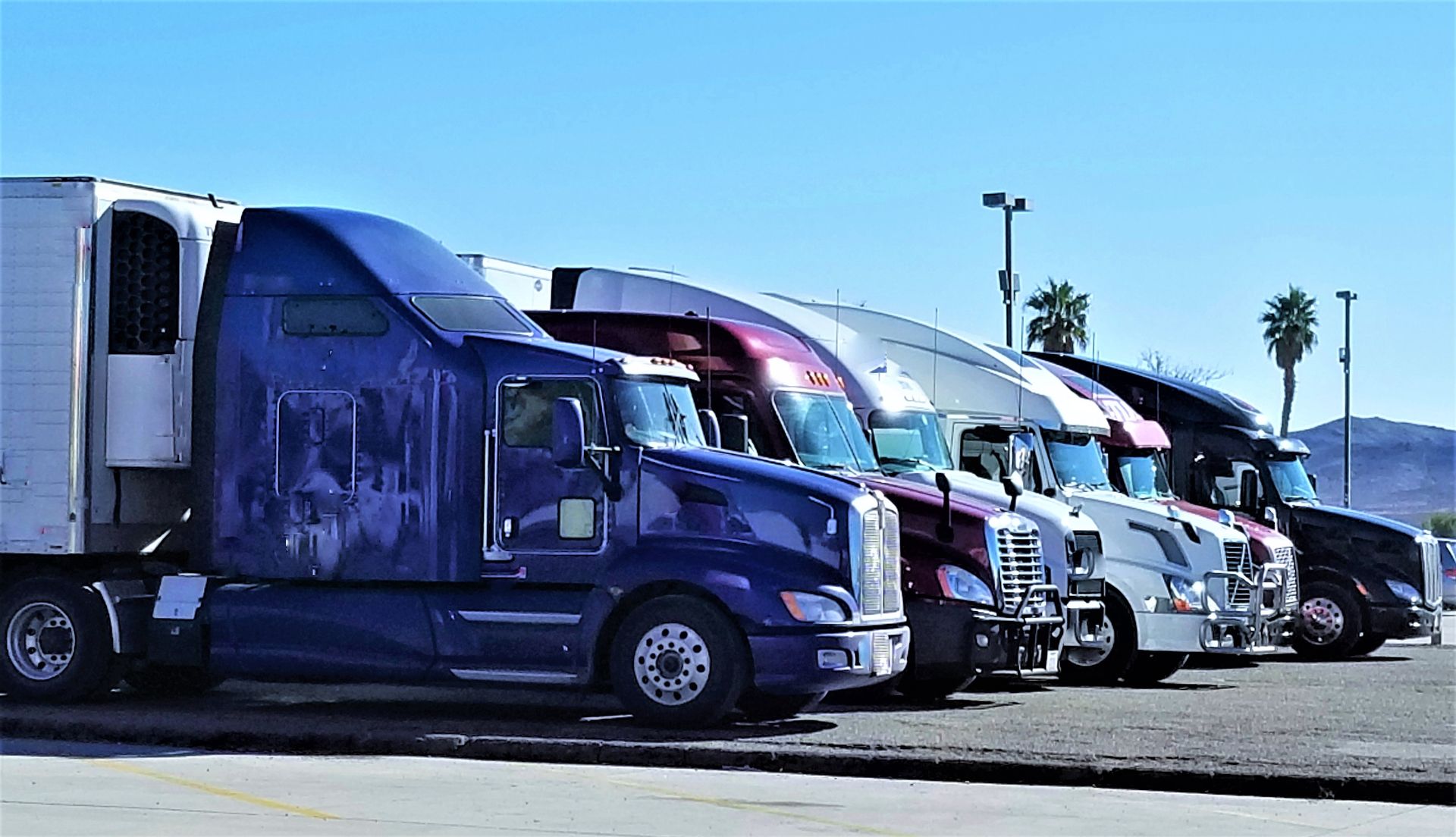
Commercial Auto & Trucking
Protection for your fleet including box trucks, moving vans, and trailers. Covers liability, collision, physical damage, and hired or non-owned vehicles used in your operations.
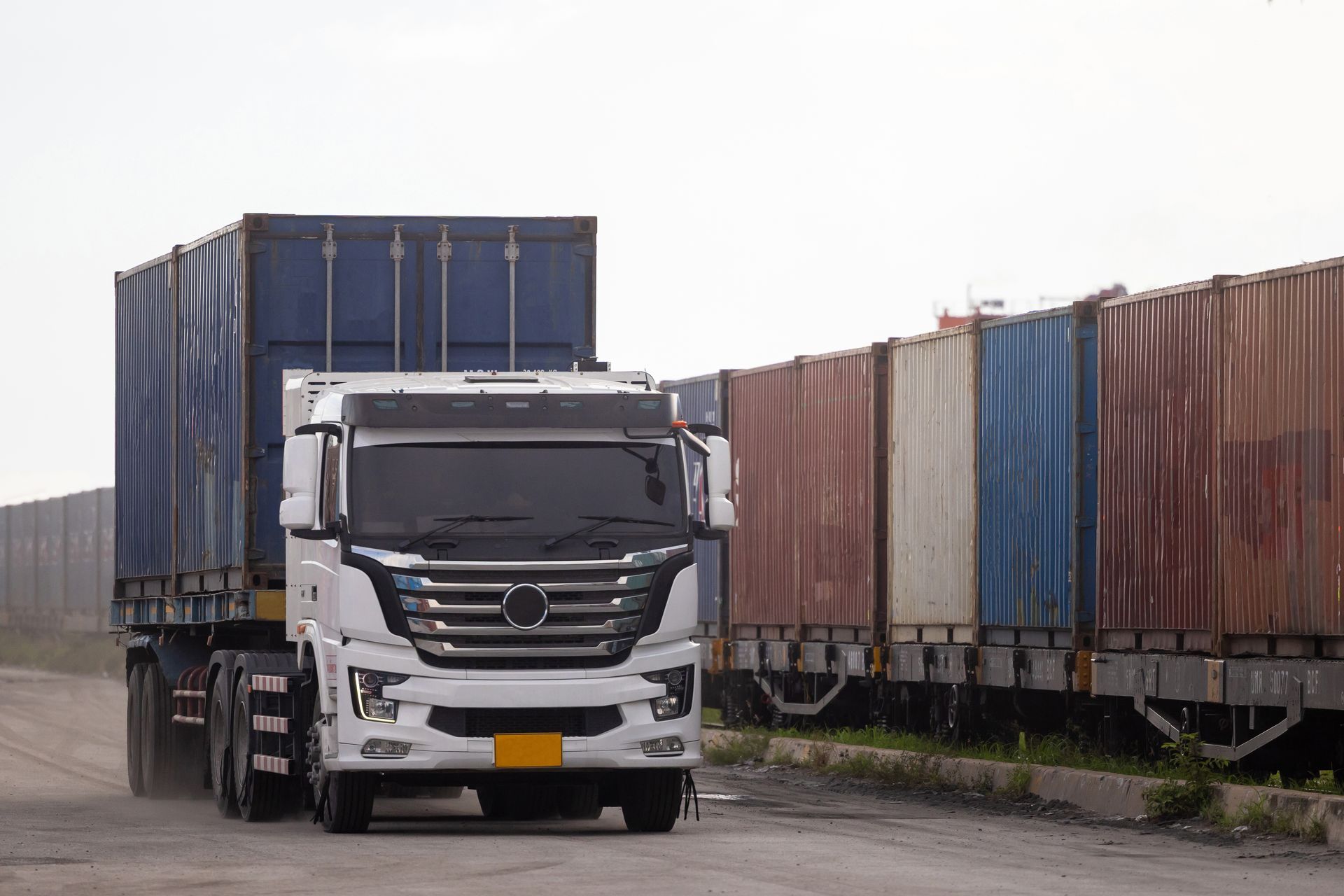
Motor Truck Cargo
Covers household goods and freight during transport from pickup to delivery. Protects against damage, theft, mysterious disappearance, and weather-related losses while cargo is in your care.

General Liability
Protection from third-party claims for bodily injury and property damage at customer homes, job sites, and your own facility. Essential coverage for every transportation operation

Warehouse Legal Liability
Coverage for customer property while stored in your facility. Protects against damage, theft, fire, and water damage to goods in your care, custody, or control.

Workers' Compensation
Medical care and wage replacement for employees injured on the job. Required in most states for transportation and warehouse work where physical labor creates higher injury risk.

Umbrella & Excess Liability
Higher liability limits stacked on top of your primary policies. Helps meet large contract requirements and protects your business assets against major claims and lawsuits.
Specialized Knowledge
Industries We Protect
Focused coverage for transportation and logistics businesses


Simple and Clear
How Our Process Works
Our process to get you covered
Connect With Us
Reach out through our form or by phone to share your business needs and current coverage situation.
Get Coverage Options
We review your risks, compare carriers, and present clear quotes with plain-language explanations.
Stay Protected
You choose your plan, and we provide ongoing support for certificates, claims, and renewals.
Trusted by Businesses
Feedback That Reflects Service and Reliability
What our clients say about working with Champion Risk
Answers You Need
Frequently Asked Questions
Common questions about transportation and logistics insurance




What insurance does a transportation company need to operate legally?
Motor carriers that cross state lines must meet FMCSA requirements. You need a minimum of $750,000 in liability coverage, plus a BMC-91 filing that proves your insurance to the federal government. Cargo coverage is also required, with minimums that depend on the type of goods you transport.
Intrastate operators follow state-specific rules. California, Texas, and Florida each have different requirements. Champion Risk handles both federal and state filings. We make sure your coverage meets legal minimums and your certificates reach the right agencies.
How much does commercial transportation insurance cost?
Premiums depend on your fleet size, driving records, cargo values, and claims history. A small operation with two trucks might pay $8,000 to $15,000 per year. A larger carrier with ten trucks could pay $50,000 to $100,000 or more.
The best way to control costs is working with a broker who knows transportation insurance. We find carriers that specialize in your exact operation type. This often results in better rates than going direct or using a general agent who doesn't understand the industry.
What is a BMC-91 filing and why do I need one?
A BMC-91 is a form your insurance company files with the FMCSA. It proves you carry the required liability coverage to operate as a for-hire motor carrier. Without an active BMC-91, your operating authority can be revoked.
Champion Risk works with carriers who file electronically. Your BMC-91 typically posts within 24 to 48 hours of binding coverage. We monitor your filing status and alert you if anything needs attention.
Does my warehouse or storage facility need different insurance than a trucking operation?
Yes. Storage facilities need warehouse legal liability coverage. This protects you when customer property is damaged or stolen while in your care. Standard general liability policies exclude this exposure.
You may also need property coverage for your building, equipment breakdown protection, and business income coverage if a fire or disaster shuts down operations. Champion Risk builds storage facility programs that address all these risks in one package.
Can you insure last-mile delivery drivers who use their own vehicles?
Yes. We offer hired and non-owned auto coverage for delivery operations that use independent contractors or employees driving personal vehicles. This fills gaps that personal auto policies don't cover during commercial use.
We also provide occupational accident coverage for 1099 drivers who aren't eligible for workers' comp. This protects your drivers and limits your liability exposure when accidents happen.
How fast can I get proof of insurance for a new contract?
Same day in most cases. Once we bind your policy, we issue certificates of insurance within hours. If your contract requires specific additional insured language or special endorsements, we coordinate directly with the carrier.
Rush requests happen often in this industry. General contractors and corporate clients demand certificates before they let you on site. Champion Risk prioritizes fast turnaround because we know your revenue depends on it.

Answers You Need
Transportation & Logistics Insurance Resources
Articles designed to inform and support your business
Contact Us
Phone Number:
Email Address:
Location:
12264 El Camino Real, Suite 350
San Diego, CA 92130
Hours:
Monday – Friday: 8:00 AM – 6:00 PM PT