Durham, North Carolina Transportation & Logistics Insurance
Or Call Us:
(800) 829-0807
Durham's position at the heart of North Carolina's Research Triangle has transformed it into a logistics powerhouse, with trucks, vans, and freight operations crisscrossing the region daily. If you run a transportation or logistics business here, you already know the stakes: one uninsured accident or cargo claim can devastate years of hard work. The global logistics insurance market hit USD 70.23 billion in 2023 and continues growing, according to Introspective Market Research, reflecting just how critical proper coverage has become for carriers worldwide. North America alone accounts for roughly 40% of that market share, per Market Research Future.
What does this mean for Durham-based operations? Competition for quality coverage is fierce, rates fluctuate based on factors ranging from your safety record to local traffic patterns, and state requirements add another layer of complexity. Most North Carolina trucking operations pay between $8,000 and $11,500 per truck annually, though that figure can swing from $7,000 to $18,000 depending on your risk profile, as reported by
Alvix Insurance. Understanding what drives these costs and how to manage them separates thriving operations from those constantly scrambling to stay compliant.
The Landscape of Transportation and Logistics in Durham
Durham's Role in the Research Triangle Logistics Hub
Durham sits at a strategic crossroads connecting Raleigh, Chapel Hill, and the broader Southeast corridor. This positioning makes it ideal for distribution centers, last-mile delivery operations, and regional trucking companies serving everything from pharmaceuticals to construction materials. The presence of Duke University, major healthcare systems, and a booming tech sector creates consistent demand for specialized freight services.
Interstate 40 and Interstate 85 converge nearby, funneling commercial traffic through Durham County daily. This accessibility cuts both ways: while it opens market opportunities, it also exposes local carriers to higher accident frequencies and congestion-related risks that insurers carefully evaluate.
Key Industries Driving Demand for Specialized Coverage
Pharmaceutical distribution dominates much of Durham's logistics activity, with temperature-controlled shipments requiring specialized cargo coverage that standard policies don't provide. Medical device manufacturers, biotech firms, and research institutions all depend on carriers who can demonstrate adequate insurance protection before signing contracts.
Construction and building materials represent another major segment, particularly as residential and commercial development continues across the Triangle. These loads carry different risk profiles: heavy equipment, oversized materials, and job-site delivery challenges all factor into coverage decisions. Champion Risk works with many Durham carriers navigating these industry-specific requirements, helping match coverage to actual operational needs rather than generic one-size-fits-all policies.


By: Mark Raby
Chief Executive Officer at Champion Risk & Insurance Services
Essential Insurance Coverages for Durham Carriers
Primary Auto Liability and Motor Truck Cargo
Auto liability forms the foundation of any transportation insurance program. The Hartford notes that North Carolina mandates minimum coverage of $30,000 per person for bodily injury, $60,000 per accident, and $25,000 for property damage. These minimums apply to standard commercial vehicles, though most shippers and brokers require significantly higher limits before working with carriers.
Motor truck cargo insurance protects the freight you're hauling. Coverage limits typically range from $100,000 to $250,000, though pharmaceutical and high-value electronics shipments often require $500,000 or more. Your cargo policy should align with the types of goods you transport most frequently.
General Liability and Physical Damage Protection
General liability covers third-party bodily injury and property damage that occurs during non-driving operations: loading docks, warehouse facilities, or customer premises. This coverage fills gaps that auto liability doesn't address.
Physical damage insurance protects your own vehicles against collision, theft, vandalism, and weather events. Newer trucks with higher replacement costs need comprehensive physical damage coverage, while older equipment might justify higher deductibles or reduced coverage to manage premium costs.
Contingent Cargo and Professional Liability for Freight Brokers
Freight brokers operating in Durham face distinct exposures. Contingent cargo coverage protects brokers when a carrier's insurance fails to pay a claim, leaving the broker holding responsibility. Professional liability, sometimes called errors and omissions coverage, addresses claims arising from booking mistakes, documentation errors, or failure to verify carrier credentials.
As Insureon explains, "Commercial auto insurance covers vehicles used for job duties, while personal auto insurance covers personal use. Commercial policies typically offer more comprehensive coverage, higher limits, and liability coverages." This distinction matters for brokers who occasionally use personal vehicles for business purposes.
North Carolina State Requirements and Regulatory Compliance
NC Department of Insurance Minimum Liability Limits
North Carolina's minimum liability requirements represent the floor, not the ceiling. While state law mandates 30/60/25 coverage, federal requirements for interstate carriers jump to $750,000 or higher depending on cargo type. Hazmat haulers face $1 million to $5 million minimums.
Local Durham operations staying within state lines still need to consider shipper requirements. Most contracts specify $1 million combined single limit coverage as a baseline, making the state minimums functionally irrelevant for serious commercial operations.
Workers' Compensation Laws for North Carolina Trucking Firms
North Carolina requires workers' compensation coverage for businesses with three or more employees. Owner-operators working independently may be exempt, but the moment you hire drivers or dock workers, compliance becomes mandatory.
Workers' comp premiums for trucking operations reflect the industry's inherent risks. Driver classifications carry higher rates than office staff, and your experience modification factor directly impacts what you pay. A single serious injury claim can raise your mod factor for years, making safety investments financially worthwhile beyond just avoiding accidents.

Factors Influencing Insurance Costs in the Durham Market
Impact of Local Traffic Patterns and High-Risk Corridors
Durham's traffic congestion directly affects insurance pricing. Insurers analyze accident data by corridor, and routes through downtown Durham or along the I-40/I-85 interchange carry higher risk ratings than rural routes through surrounding counties.
Heavy Haul notes that loads over 10 feet wide face restrictions within a 10-mile radius of Durham during rush hours: 7:00 a.m. to 9:00 a.m. and 4:00 p.m. to 6:00 p.m. These restrictions exist because oversized loads during peak traffic create elevated accident risks, something underwriters factor into premium calculations.
Safety Ratings, ELD Data, and Driver Experience
Your CSA scores and safety ratings weigh heavily in premium determinations. Carriers with clean inspection records and low out-of-service percentages qualify for better rates than those with violations on their records.
Electronic logging device data provides insurers with granular insight into driver behavior. Hours of service compliance, hard braking events, and speed patterns all influence risk assessments. Champion Risk helps Durham carriers understand how their ELD data affects underwriting decisions and what improvements might yield premium reductions.
| Factor | Low Risk | High Risk |
|---|---|---|
| CSA Score | Below 50 percentileeduction | Above 75 percentile |
| Driver Experience | 5+ years CDL | Under 2 years CDL |
| Loss History | No claims 3 years | Multiple claims |
| Vehicle Age | Under 5 years | Over 10 years |
| Cargo Type | General freight | Hazmat/high-value |
Implementing Telematics and Fleet Safety Programs
Telematics systems that monitor speed, braking, and route adherence can reduce premiums by 10-15% with some insurers. The data these systems generate demonstrates proactive risk management, making your operation more attractive to underwriters.
Formal safety programs with documented driver training, regular vehicle inspections, and clear disciplinary procedures also influence pricing. Insurers want evidence that you take safety seriously beyond just checking compliance boxes.
Working with Local Independent Agents vs. Direct Writers
Independent agents access multiple insurance markets, allowing them to shop your account across several carriers. Direct writers offer only their own products, limiting options when your risk profile doesn't fit their preferred customer profile.
For Durham transportation companies, working with agents who understand local market conditions and carrier appetites often yields better results than national direct-to-consumer platforms. An agent familiar with Triangle-area logistics operations knows which insurers are writing new business, which are tightening underwriting, and which offer flexibility for specific cargo types.
Frequently Asked Questions
How much does commercial truck insurance cost in Durham? Most Durham carriers pay $8,000 to $11,500 per truck annually, though rates range from $7,000 to $18,000 based on coverage levels, cargo type, and safety record.
What's the minimum liability insurance required in North Carolina? State law requires $30,000/$60,000/$25,000 for bodily injury and property damage, but most commercial operations need $1 million combined single limit to satisfy shipper requirements.
Do I need cargo insurance if I'm a freight broker? Brokers should carry contingent cargo coverage, which pays when a carrier's insurance fails. Standard cargo policies are for motor carriers, not brokers.
Can telematics really lower my premiums? Yes. Many insurers offer 10-15% discounts for fleets using approved telematics systems that demonstrate safe driving behavior.
What happens if I operate without proper coverage?
Beyond fines and potential license revocation, you face personal liability for accidents. Shippers also won't work with uninsured or underinsured carriers.
Securing Your Logistics Business for Future Growth
Building a sustainable transportation operation in Durham requires insurance coverage that matches your actual exposures, not just minimum legal requirements. The carriers thriving here invest in safety programs, maintain clean compliance records, and work with knowledgeable advisors who understand both state regulations and market conditions.
Your next step should be reviewing your current policies against actual operational needs. Are your cargo limits adequate for your highest-value loads? Does your liability coverage meet shipper contract requirements? Champion Risk specializes in helping Durham logistics companies answer these questions and build coverage programs that support growth rather than just satisfy minimums. Reach out for a policy review before your next renewal, and make sure your coverage keeps pace with your business.
About the Author:
Mark Raby
I am a seasoned insurance professional with over 30 years of experience in the industry. I lead Champion Risk & Insurance Services, a San Diego-based brokerage with nationwide reach and strong influence in the insurance marketplace. My core competencies include insurance agency M&A deals, captives and alternative risk structures, and commercial property and casualty insurance for clients in the transportation and logistics industries. I am a former president of IIAB San Diego and hold a Bachelor of Science in Finance from Western Michigan University’s Haworth College of Business.
Protection for Transportation Operations
Business Insurance for Transportation & Logistics Companies
Coverage designed specifically for transportation businesses
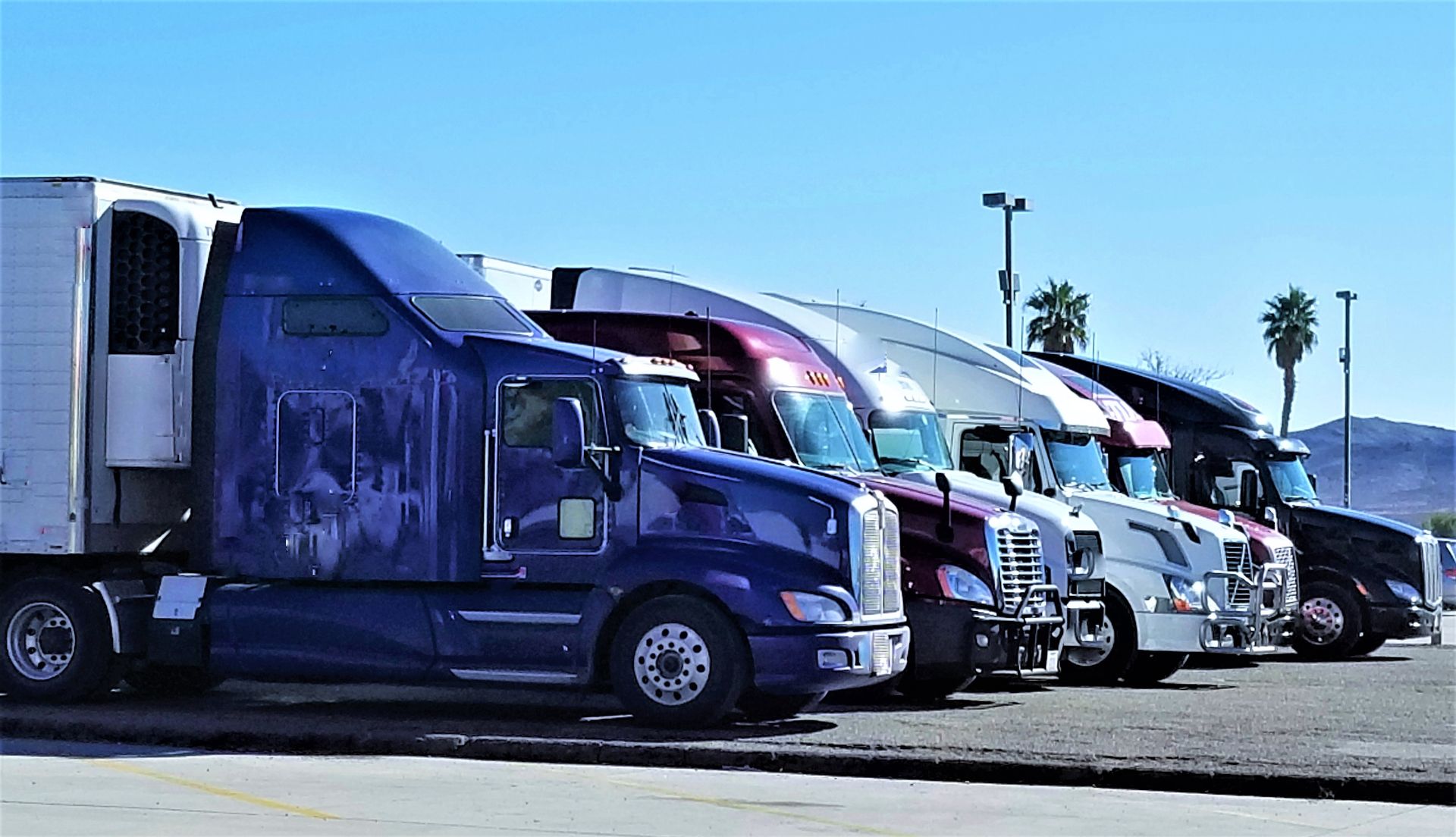
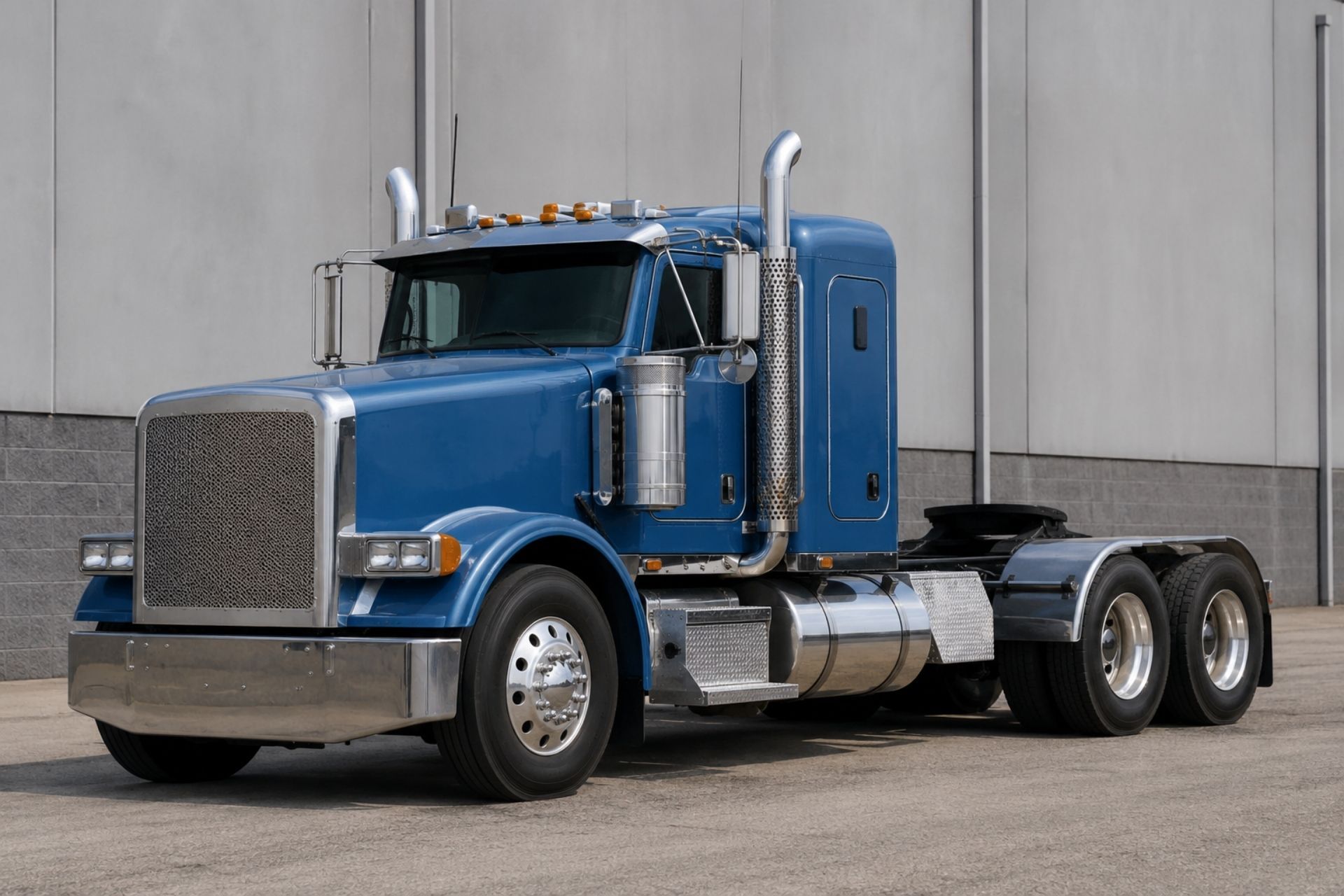
Commercial Auto & Trucking
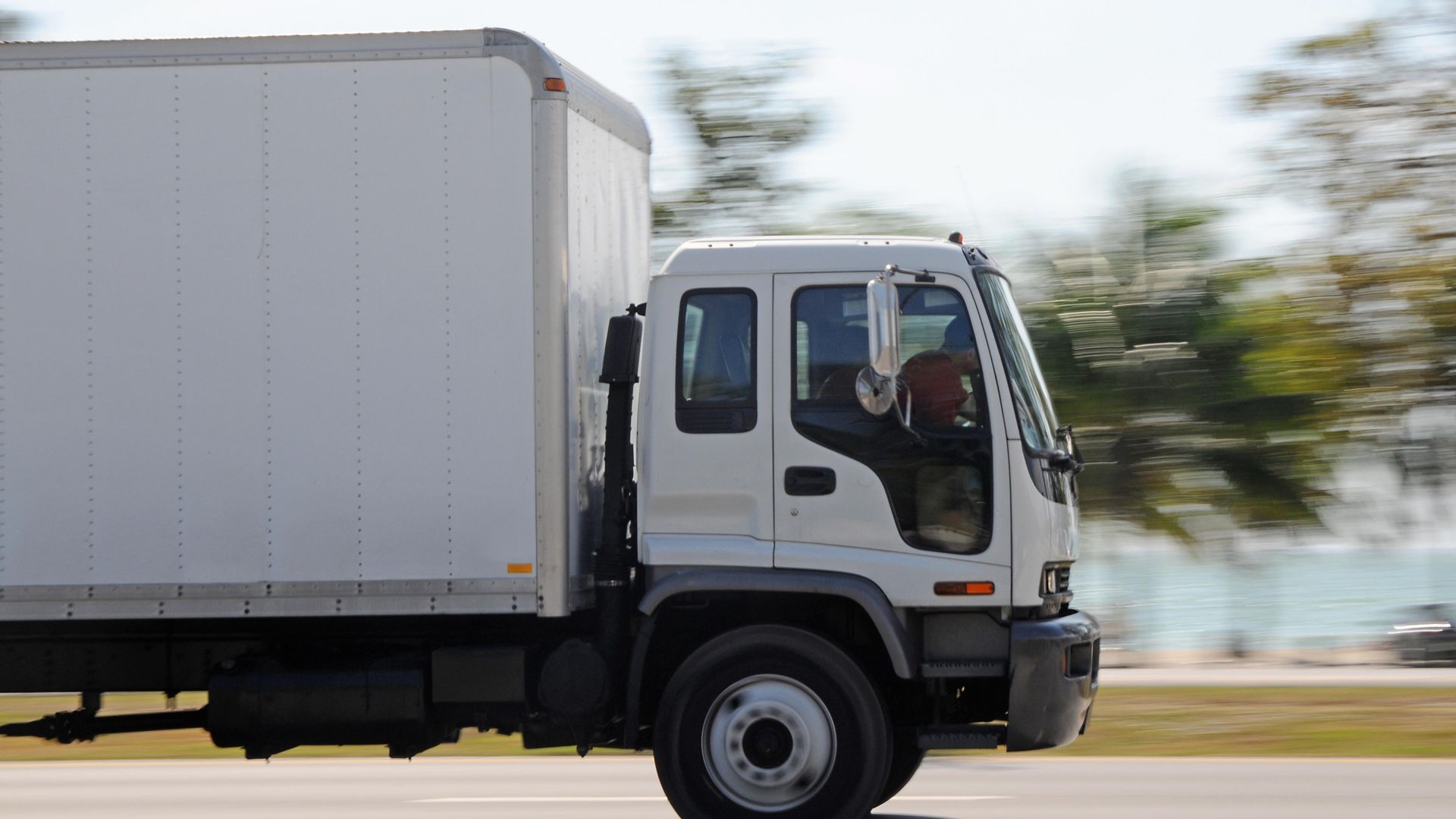
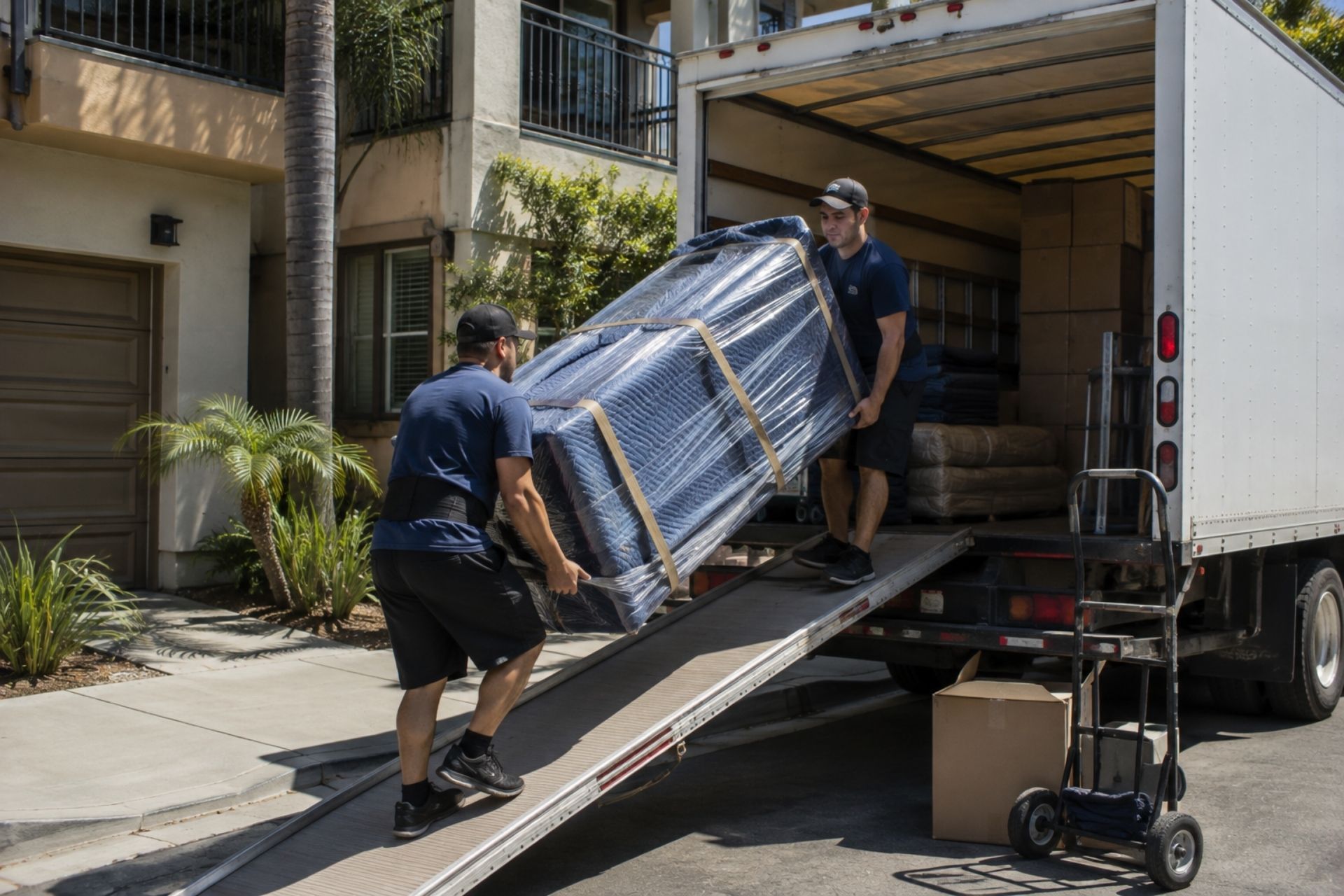
Protection for your fleet including box trucks, moving vans, and trailers. Covers liability, collision, physical damage, and hired or non-owned vehicles used in your operations.
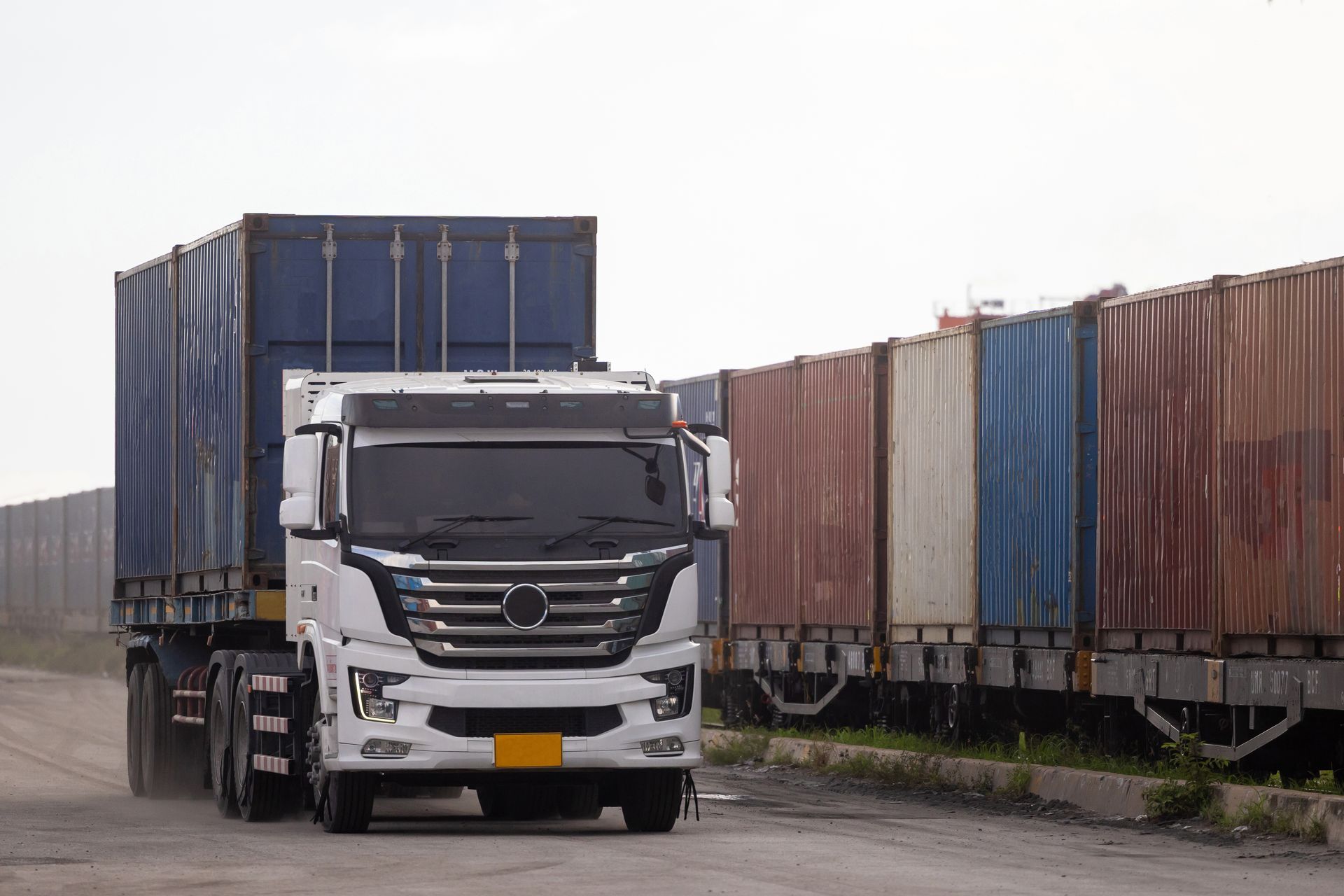
Motor Truck Cargo
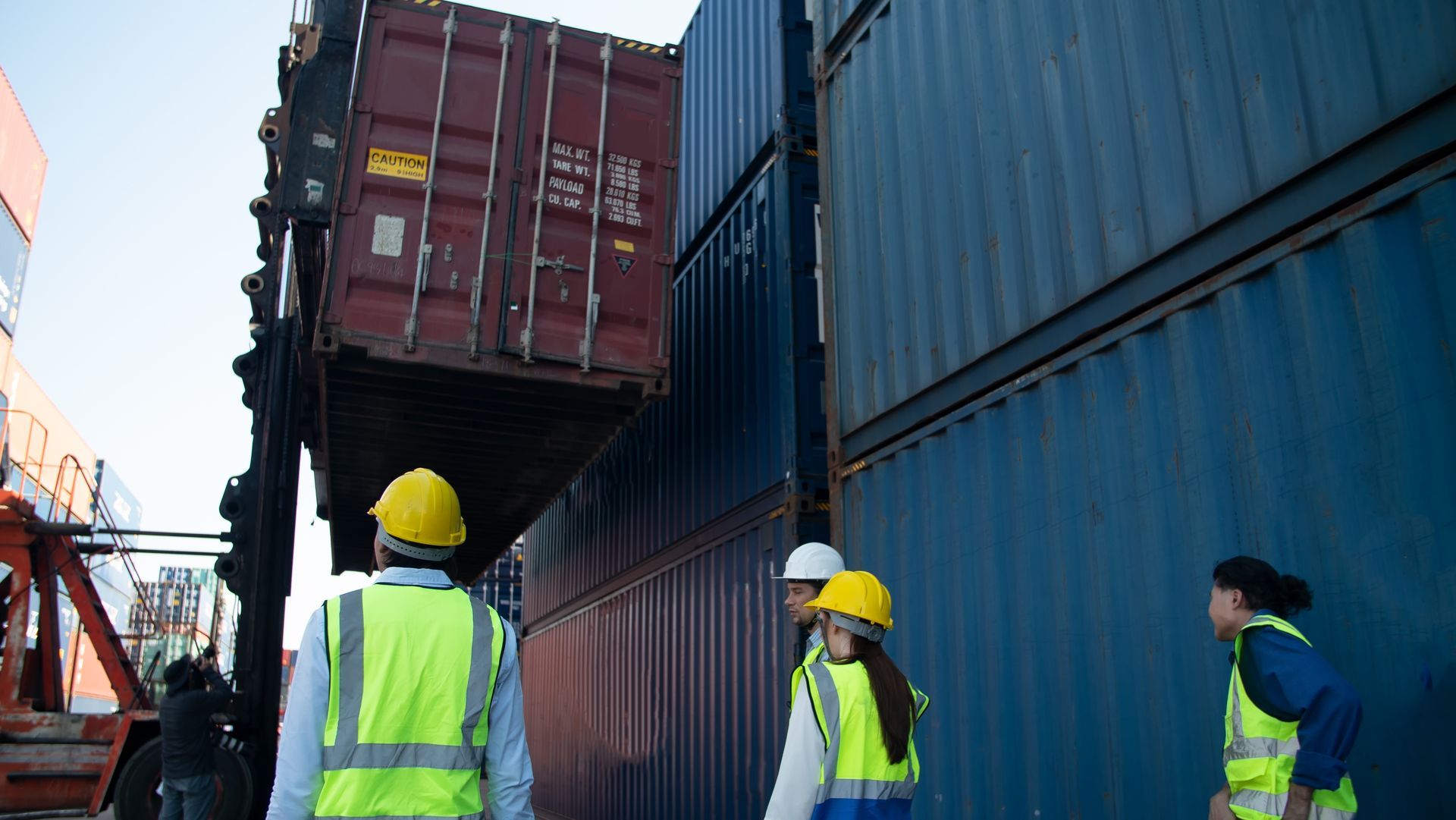
Covers household goods and freight during transport from pickup to delivery. Protects against damage, theft, mysterious disappearance, and weather-related losses while cargo is in your care.

General Liability
Protection from third-party claims for bodily injury and property damage at customer homes, job sites, and your own facility. Essential coverage for every transportation operation

Warehouse Legal Liability
Coverage for customer property while stored in your facility. Protects against damage, theft, fire, and water damage to goods in your care, custody, or control.

Workers' Compensation
Medical care and wage replacement for employees injured on the job. Required in most states for transportation and warehouse work where physical labor creates higher injury risk.

Umbrella & Excess Liability
Higher liability limits stacked on top of your primary policies. Helps meet large contract requirements and protects your business assets against major claims and lawsuits.
Specialized Knowledge
Industries We Protect
Focused coverage for transportation and logistics businesses

Simple and Clear
How Our Process Works
Our process to get you covered
Connect With Us
Reach out through our form or by phone to share your business needs and current coverage situation.
Get Coverage Options
We review your risks, compare carriers, and present clear quotes with plain-language explanations.
Stay Protected
You choose your plan, and we provide ongoing support for certificates, claims, and renewals.
Trusted by Businesses
Feedback That Reflects Service and Reliability
What our clients say about working with Champion Risk
Answers You Need
Frequently Asked Questions
Common questions about transportation and logistics insurance



What insurance does a transportation company need to operate legally?
Motor carriers that cross state lines must meet FMCSA requirements. You need a minimum of $750,000 in liability coverage, plus a BMC-91 filing that proves your insurance to the federal government. Cargo coverage is also required, with minimums that depend on the type of goods you transport.
Intrastate operators follow state-specific rules. California, Texas, and Florida each have different requirements. Champion Risk handles both federal and state filings. We make sure your coverage meets legal minimums and your certificates reach the right agencies.
How much does commercial transportation insurance cost?
Premiums depend on your fleet size, driving records, cargo values, and claims history. A small operation with two trucks might pay $8,000 to $15,000 per year. A larger carrier with ten trucks could pay $50,000 to $100,000 or more.
The best way to control costs is working with a broker who knows transportation insurance. We find carriers that specialize in your exact operation type. This often results in better rates than going direct or using a general agent who doesn't understand the industry.
What is a BMC-91 filing and why do I need one?
A BMC-91 is a form your insurance company files with the FMCSA. It proves you carry the required liability coverage to operate as a for-hire motor carrier. Without an active BMC-91, your operating authority can be revoked.
Champion Risk works with carriers who file electronically. Your BMC-91 typically posts within 24 to 48 hours of binding coverage. We monitor your filing status and alert you if anything needs attention.
Does my warehouse or storage facility need different insurance than a trucking operation?
Yes. Storage facilities need warehouse legal liability coverage. This protects you when customer property is damaged or stolen while in your care. Standard general liability policies exclude this exposure.
You may also need property coverage for your building, equipment breakdown protection, and business income coverage if a fire or disaster shuts down operations. Champion Risk builds storage facility programs that address all these risks in one package.
Can you insure last-mile delivery drivers who use their own vehicles?
Yes. We offer hired and non-owned auto coverage for delivery operations that use independent contractors or employees driving personal vehicles. This fills gaps that personal auto policies don't cover during commercial use.
We also provide occupational accident coverage for 1099 drivers who aren't eligible for workers' comp. This protects your drivers and limits your liability exposure when accidents happen.
How fast can I get proof of insurance for a new contract?
Same day in most cases. Once we bind your policy, we issue certificates of insurance within hours. If your contract requires specific additional insured language or special endorsements, we coordinate directly with the carrier.
Rush requests happen often in this industry. General contractors and corporate clients demand certificates before they let you on site. Champion Risk prioritizes fast turnaround because we know your revenue depends on it.

Answers You Need
Transportation & Logistics Insurance Resources
Articles designed to inform and support your business
Contact Us
Phone Number:
Email Address:
Location:
12264 El Camino Real, Suite 350
San Diego, CA 92130
Hours:
Monday – Friday: 8:00 AM – 6:00 PM PT