
New York City, New York Transportation & Logistics Insurance
Or Call Us:
(800) 829-0807
Running a trucking company or logistics operation in Manhattan is nothing like hauling freight across rural Nebraska. The density, the regulations, the sheer chaos of five boroughs packed with 8.3 million people: it creates an insurance environment unlike anywhere else in the country. If you're operating commercial vehicles in New York City, you're facing some of the highest premiums in the nation, and for good reason.
The numbers tell the story. According to Insureon, commercial auto insurance in New York averages $172 per month, or about $2,065 annually. That sounds manageable until you realize that TLC-licensed vehicles can cost contractors $10,000 or more per year. For operators running commercial trucks requiring $1 million in liability coverage, MoneyGeek reports that New York drivers pay approximately $666 monthly, translating to nearly $8,000 yearly.
Understanding transportation and logistics insurance requirements in New York City means grasping both the coverage types you need and the local factors driving costs through the roof. This isn't about finding the cheapest policy. It's about building protection that actually holds up when a delivery truck clips a cyclist in Midtown or cargo gets stolen from a warehouse in Queens.
The Unique Risk Profile of New York City Operations
Every mile driven in NYC carries more risk than ten miles on an interstate. Narrow streets, double-parked vehicles, aggressive drivers, pedestrians stepping into traffic without looking: these aren't occasional hazards. They're the daily reality. Delivery drivers in Manhattan might cover only 50 miles in a shift but face more potential collision scenarios than a long-haul trucker covering 500.
Theft rates compound the problem. Cargo sitting in a Brooklyn warehouse or on a truck parked overnight in the Bronx faces significantly higher theft risk than goods stored in suburban facilities. Insurers price these realities into every policy, which explains why coverage here costs two to three times what you'd pay in other markets.
Understanding the Role of the New York Department of Transportation (NYCDOT)
The NYCDOT regulates commercial vehicle operations throughout the city, establishing rules for truck routes, delivery windows, and vehicle size restrictions. These regulations directly impact your insurance needs. Operating outside designated truck routes or during restricted hours can void coverage or lead to denied claims.
Permit requirements for oversized loads, construction deliveries, and special events add compliance layers that your insurance must account for. Working with a broker who understands NYCDOT requirements, like the team at Champion Risk, helps ensure your coverage aligns with how you actually operate.
Essential Insurance Coverages for NYC Logistics Businesses
Commercial Auto Liability and Motor Truck Cargo Protection
Commercial auto liability forms the foundation of any fleet policy. New York's minimum requirements for personal vehicles fall far short of what commercial operators need, especially given the city's litigation environment. Most logistics companies carry $1 million in combined single limit coverage, though high-value cargo haulers often need more.
Motor truck cargo insurance protects the goods you're transporting. Standard policies cover theft, collision damage, and weather-related losses. The coverage amount should match the maximum value of any single load you haul. Underinsuring cargo leaves you personally liable for the difference when claims exceed policy limits.
General Liability and Warehouse Legal Liability
General liability covers third-party injuries and property damage at your business locations. If a visitor slips on your loading dock or your forklift damages a client's property, GL responds.
Warehouse legal liability specifically protects goods stored in your facilities, covering damage from fire, water, theft, and handling errors.
| Coverage Type | What It Protects | Typical NYC Limits |
|---|---|---|
| Commercial Auto | Vehicle accidents, driver liability | $1M combined single limit |
| Motor Truck Cargo | Goods in transit | $100K-$500K per load |
| General Liability | Third-party injuries at your location | $1M per occurrence |
| Warehouse Legal | Stored goods in your facility | Value of stored inventory |
Workers' Compensation and New York Disability Benefits Law (DBL)
New York requires workers' compensation for virtually all employees, with no minimum employee threshold. The penalties for non-compliance are severe: personal liability for injuries plus fines up to $2,000 per ten-day period of non-compliance.
The state also mandates Disability Benefits Law coverage, providing partial wage replacement for off-the-job injuries and illnesses. DBL is separate from workers' comp and must be purchased independently. Many logistics operators overlook this requirement until they face penalties.

By: Mark Raby
Chief Executive Officer at Champion Risk & Insurance Services
NYC-Specific Regulatory Requirements and Compliance
TLC Insurance Mandates for Last-Mile Delivery and Couriers
The Taxi and Limousine Commission regulates for-hire vehicles throughout the city, including many last-mile delivery operations. Contractors Choice Agency reports that TLC vehicles must carry minimum insurance of $100,000 per person for bodily injury, $300,000 per accident for bodily injury, and $100,000 for property damage.
These minimums represent a floor, not a recommendation. Most TLC operators carry higher limits given the frequency of accidents and the size of jury awards in New York courts. The 100/300/100 split liability structure differs from combined single limit policies common in other commercial auto contexts.
Minimum Liability Limits for Five-Borough Commercial Transit
Beyond TLC requirements, commercial vehicles operating in NYC face federal and state mandates based on vehicle weight and cargo type. Trucks over 10,001 pounds GVWR need USDOT numbers and must carry minimum liability based on cargo classification. Hazmat haulers face the highest requirements, sometimes exceeding $5 million.
The city's congestion pricing program, launching in 2024, adds another compliance layer. While primarily a toll system, it requires electronic tracking that insurers may eventually factor into premium calculations.
Factors Influencing Insurance Costs in the New York Metro Area
Impact of Urban Traffic Density and High Litigation Rates
New York's plaintiff-friendly legal environment drives insurance costs more than almost any other factor. Jury awards for vehicle accidents regularly exceed $1 million, and the city's "no-fault" insurance system doesn't prevent lawsuits for serious injuries. Insurers price this litigation risk into every policy.
Traffic density creates frequency risk. More vehicles sharing limited road space means more accidents per mile driven. Substack analysis shows that NYC TLC liability insurance costs have risen faster than general inflation, with estimated annualized, compounded inflation of approximately 12.1% from March 2021 to March 2026.
Fleet Size, Cargo Value, and Driver Safety Records
Your specific risk profile matters enormously. Insurers evaluate fleet size, vehicle ages, cargo types, and driver histories when setting premiums. A ten-vehicle fleet with experienced drivers and clean MVRs pays dramatically less per vehicle than a startup with new drivers.
Cargo value affects both cargo insurance and liability coverage. Hauling pharmaceuticals or electronics creates different risk profiles than moving bulk commodities. Champion Risk works with logistics operators to match coverage precisely to cargo types, avoiding both gaps and unnecessary premium spend.

Implementing Telematics and In-Cab Safety Technology
Telematics systems that monitor speed, braking, and driving patterns can reduce premiums by 10-25% with participating insurers. Dashcams provide evidence in disputed claims, often preventing fraudulent injury lawsuits that plague NYC operators.
Forward-collision warning systems and automatic emergency braking reduce accident frequency. Some insurers offer specific discounts for these technologies, while others factor them into overall risk assessment. Either way, the investment typically pays for itself within two years through premium savings and reduced claim frequency.
Risk Retention Groups vs. Traditional Carriers in NY
Risk retention groups allow similar businesses to pool resources and self-insure. For trucking and logistics companies, RRGs can offer lower premiums than traditional carriers, particularly for operators with strong safety records. The trade-off involves less regulatory protection and potential assessments if the group experiences heavy losses.
Traditional carriers provide more stability and broader coverage options. For most small to mid-size operators, conventional insurance through a specialized broker remains the better choice. Larger fleets with dedicated safety programs and risk management resources may benefit from RRG structures.
Frequently Asked Questions
How much does commercial truck insurance cost in NYC? Expect $8,000 to $15,000 annually for $1 million liability coverage, depending on vehicle type, cargo, and driver records. TLC vehicles often exceed $10,000 per year.
What's the difference between TLC insurance and regular commercial auto? TLC insurance meets specific Taxi and Limousine Commission requirements for for-hire vehicles, including the 100/300/100 liability split. Regular commercial auto may not satisfy TLC mandates.
Are insurance rates going up in New York? Yes. Program Business reports that rideshare insurance rates are expected to increase by an average of 25% over the next three years. Bhairavi Desai, executive director of the New York Taxi Workers Alliance, noted this could mean an additional $1,500 per year for drivers.
Do I need separate cargo insurance? Commercial auto liability doesn't cover cargo. You need motor truck cargo insurance to protect goods in transit, with limits matching your maximum load values.
What happens if I operate without proper insurance? Penalties include vehicle impoundment, fines up to $10,000, and personal liability for any accidents. Operating uninsured in NYC is a fast path to business failure.
Securing the Right Policy for Your NYC Logistics Enterprise
Getting transportation and logistics insurance right in New York City requires understanding both coverage types and local market realities. Premiums will remain high: that's the cost of operating in the nation's largest urban market. The goal isn't finding cheap coverage but building protection that actually responds when you need it.
Start by auditing your current operations against regulatory requirements. Ensure TLC compliance if applicable, verify workers' comp and DBL coverage, and confirm liability limits match your actual exposure. Work with a broker experienced in NYC logistics insurance who understands both the coverage landscape and the regulatory environment.
Champion Risk specializes in helping transportation companies navigate these complexities. Whether you're running a three-truck delivery operation or managing a regional fleet, the right coverage structure protects your business without wasting money on unnecessary premiums. Contact their team to review your current policies against actual NYC requirements.
About the Author:
Mark Raby
I am a seasoned insurance professional with over 30 years of experience in the industry. I lead Champion Risk & Insurance Services, a San Diego-based brokerage with nationwide reach and strong influence in the insurance marketplace. My core competencies include insurance agency M&A deals, captives and alternative risk structures, and commercial property and casualty insurance for clients in the transportation and logistics industries. I am a former president of IIAB San Diego and hold a Bachelor of Science in Finance from Western Michigan University’s Haworth College of Business.
Protection for Transportation Operations
Business Insurance for Transportation & Logistics Companies
Coverage designed specifically for transportation businesses
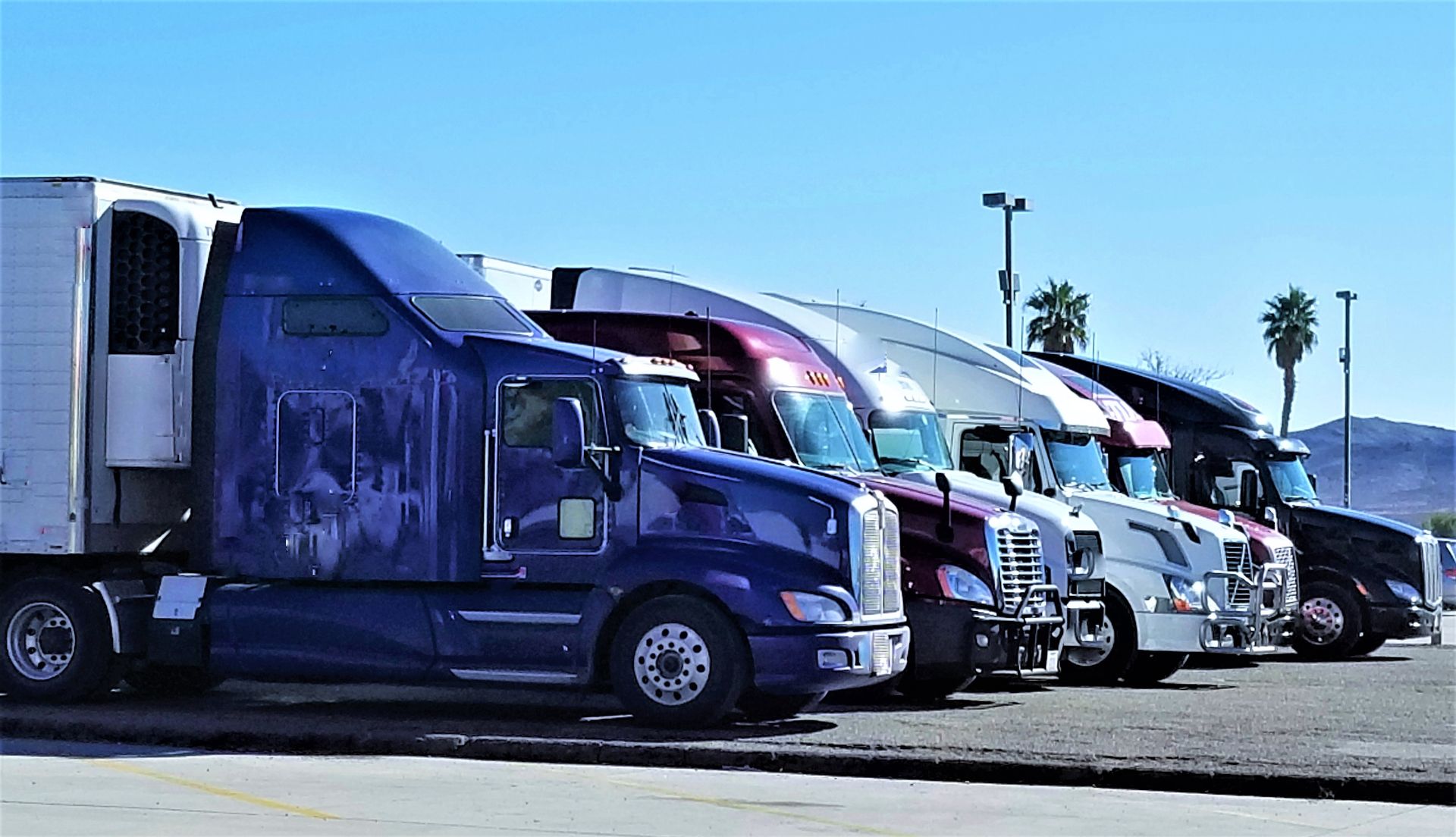
Commercial Auto & Trucking
Protection for your fleet including box trucks, moving vans, and trailers. Covers liability, collision, physical damage, and hired or non-owned vehicles used in your operations.
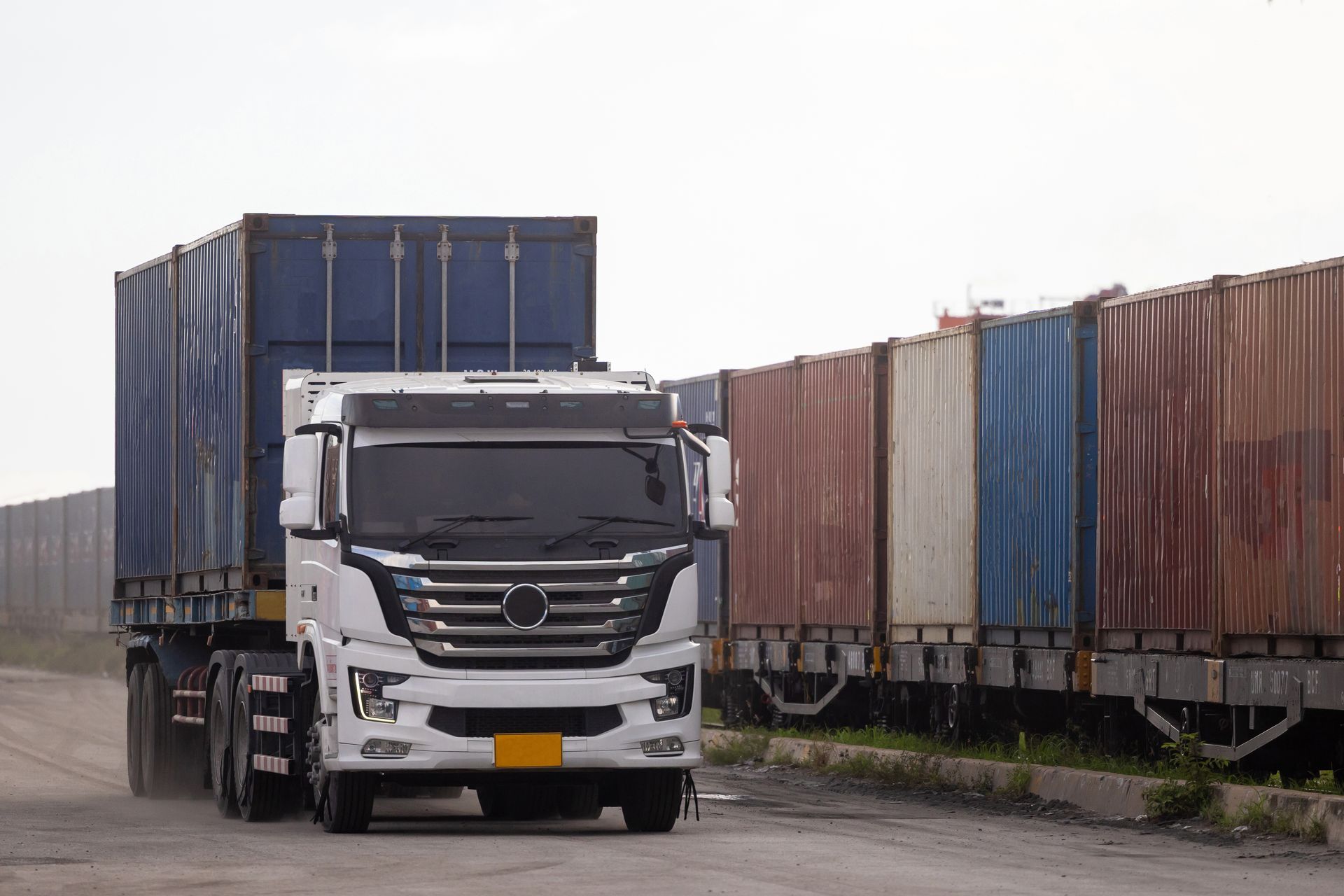
Motor Truck Cargo
Covers household goods and freight during transport from pickup to delivery. Protects against damage, theft, mysterious disappearance, and weather-related losses while cargo is in your care.

General Liability
Protection from third-party claims for bodily injury and property damage at customer homes, job sites, and your own facility. Essential coverage for every transportation operation

Warehouse Legal Liability
Coverage for customer property while stored in your facility. Protects against damage, theft, fire, and water damage to goods in your care, custody, or control.

Workers' Compensation
Medical care and wage replacement for employees injured on the job. Required in most states for transportation and warehouse work where physical labor creates higher injury risk.

Umbrella & Excess Liability
Higher liability limits stacked on top of your primary policies. Helps meet large contract requirements and protects your business assets against major claims and lawsuits.
Specialized Knowledge
Industries We Protect
Focused coverage for transportation and logistics businesses


Simple and Clear
How Our Process Works
Our process to get you covered
Connect With Us
Reach out through our form or by phone to share your business needs and current coverage situation.
Get Coverage Options
We review your risks, compare carriers, and present clear quotes with plain-language explanations.
Stay Protected
You choose your plan, and we provide ongoing support for certificates, claims, and renewals.
Trusted by Businesses
Feedback That Reflects Service and Reliability
What our clients say about working with Champion Risk
Answers You Need
Frequently Asked Questions
Common questions about transportation and logistics insurance




What insurance does a transportation company need to operate legally?
Motor carriers that cross state lines must meet FMCSA requirements. You need a minimum of $750,000 in liability coverage, plus a BMC-91 filing that proves your insurance to the federal government. Cargo coverage is also required, with minimums that depend on the type of goods you transport.
Intrastate operators follow state-specific rules. California, Texas, and Florida each have different requirements. Champion Risk handles both federal and state filings. We make sure your coverage meets legal minimums and your certificates reach the right agencies.
How much does commercial transportation insurance cost?
Premiums depend on your fleet size, driving records, cargo values, and claims history. A small operation with two trucks might pay $8,000 to $15,000 per year. A larger carrier with ten trucks could pay $50,000 to $100,000 or more.
The best way to control costs is working with a broker who knows transportation insurance. We find carriers that specialize in your exact operation type. This often results in better rates than going direct or using a general agent who doesn't understand the industry.
What is a BMC-91 filing and why do I need one?
A BMC-91 is a form your insurance company files with the FMCSA. It proves you carry the required liability coverage to operate as a for-hire motor carrier. Without an active BMC-91, your operating authority can be revoked.
Champion Risk works with carriers who file electronically. Your BMC-91 typically posts within 24 to 48 hours of binding coverage. We monitor your filing status and alert you if anything needs attention.
Does my warehouse or storage facility need different insurance than a trucking operation?
Yes. Storage facilities need warehouse legal liability coverage. This protects you when customer property is damaged or stolen while in your care. Standard general liability policies exclude this exposure.
You may also need property coverage for your building, equipment breakdown protection, and business income coverage if a fire or disaster shuts down operations. Champion Risk builds storage facility programs that address all these risks in one package.
Can you insure last-mile delivery drivers who use their own vehicles?
Yes. We offer hired and non-owned auto coverage for delivery operations that use independent contractors or employees driving personal vehicles. This fills gaps that personal auto policies don't cover during commercial use.
We also provide occupational accident coverage for 1099 drivers who aren't eligible for workers' comp. This protects your drivers and limits your liability exposure when accidents happen.
How fast can I get proof of insurance for a new contract?
Same day in most cases. Once we bind your policy, we issue certificates of insurance within hours. If your contract requires specific additional insured language or special endorsements, we coordinate directly with the carrier.
Rush requests happen often in this industry. General contractors and corporate clients demand certificates before they let you on site. Champion Risk prioritizes fast turnaround because we know your revenue depends on it.

Answers You Need
Transportation & Logistics Insurance Resources
Articles designed to inform and support your business
Contact Us
Phone Number:
Email Address:
Location:
12264 El Camino Real, Suite 350
San Diego, CA 92130
Hours:
Monday – Friday: 8:00 AM – 6:00 PM PT