Harrisburg, Pennsylvania Transportation & Logistics Insurance
Or Call Us:
(800) 829-0807
Harrisburg sits at the crossroads of Interstate 81 and Interstate 83, making it one of the most strategically positioned logistics hubs on the East Coast. Trucks hauling everything from agricultural products to manufactured goods pass through this corridor daily, connecting the Port of Philadelphia to markets across the Midwest. For transportation companies operating here, the right insurance coverage isn't just a regulatory checkbox: it's the difference between surviving a major claim and watching your business collapse under financial pressure.
Pennsylvania's freight system moved 897 million tons of freight valued at $1.1 trillion in 2022, ranking fifth nationally for freight value. That volume creates opportunity, but it also creates exposure. A single cargo theft incident, a multi-vehicle accident on the Pennsylvania Turnpike, or a warehouse fire can generate claims exceeding your coverage limits if your policies weren't structured correctly from the start.
Transportation and logistics insurance requirements in Harrisburg involve navigating both Pennsylvania state mandates and federal FMCSA regulations. The complexity increases when you factor in varying coverage needs for different operations: a regional LTL carrier faces different risks than a dedicated contract hauler or a third-party logistics warehouse. Understanding these distinctions helps you avoid paying for coverage you don't need while ensuring you're not dangerously underinsured where it matters most.
The Harrisburg Logistics Landscape: Why Specialized Insurance Matters
Harrisburg's position in Central Pennsylvania makes it a natural distribution point for companies serving the Northeast corridor. As Moira Conway from Kutztown University notes, southeastern Pennsylvania's proximity to a large portion of the U.S. population contributes to its logistics prominence. This geographic advantage attracts carriers and warehousing operations, but it also concentrates risk.
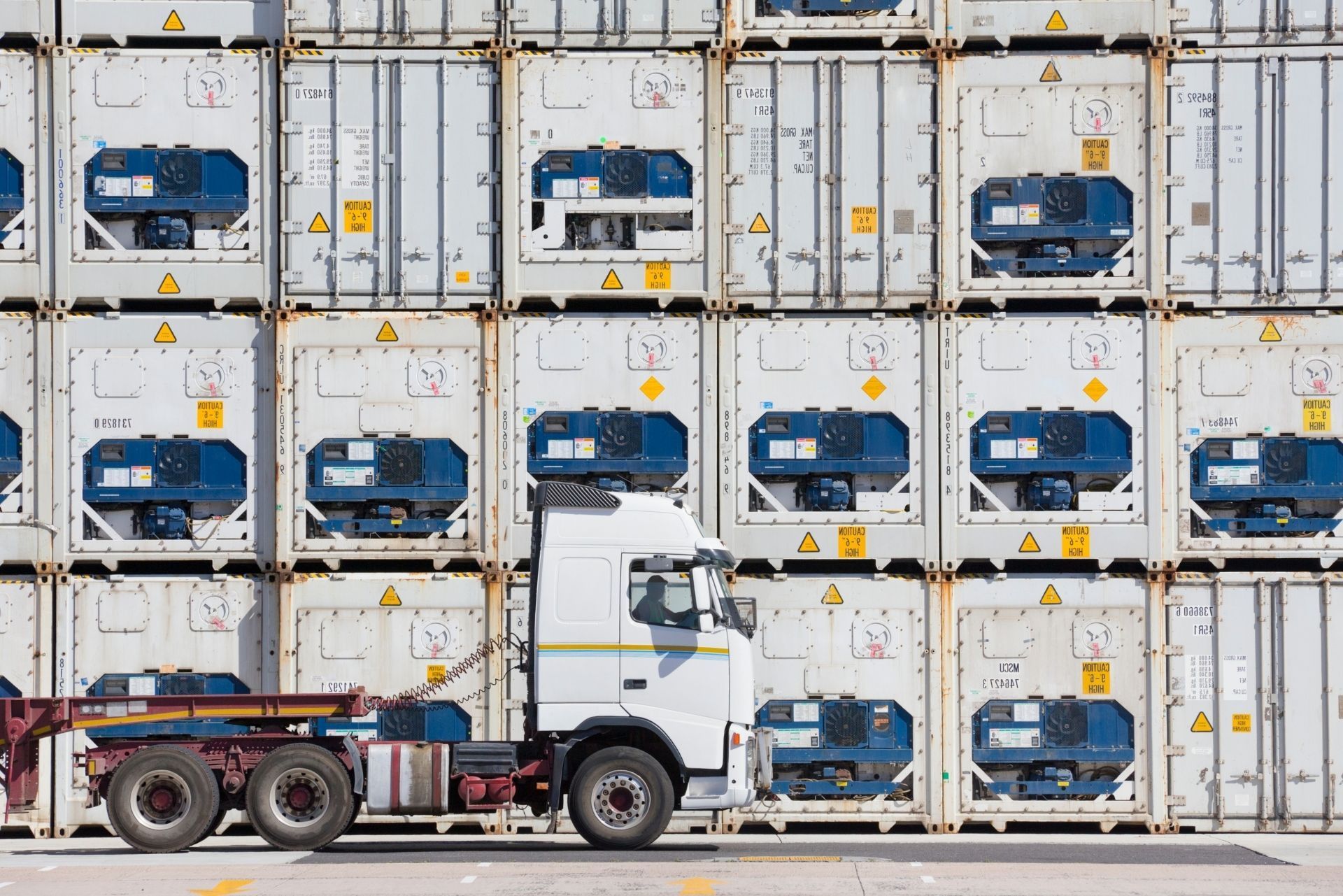
The region's weather patterns create unique hazards. Winter storms can shut down I-81 for hours, leading to cargo delays and spoilage claims. Spring flooding along the Susquehanna River threatens warehouse operations in low-lying industrial areas. Summer heat waves stress refrigerated trailers and their contents. Each seasonal challenge requires specific coverage considerations that generic national policies often miss.
Local carriers also face heightened theft risk.
Supply chain risk events increased 15% in 2022, with cargo theft rising 20% and total losses reaching $223 million across the U.S. and Canada. Harrisburg's truck stops and distribution centers along major highways make attractive targets for organized theft rings operating throughout the Mid-Atlantic region.

By: Mark Raby
Chief Executive Officer at Champion Risk & Insurance Services
Essential Coverage Types for Central Pennsylvania Carriers
Commercial Auto Liability and Physical Damage
Commercial auto liability forms the foundation of any trucking insurance program. Pennsylvania requires minimum liability limits, but the legal minimums rarely provide adequate protection for serious accidents. A catastrophic collision involving multiple vehicles and injuries can easily generate claims exceeding $1 million, leaving underinsured carriers personally liable for the difference.
Physical damage coverage protects your rolling stock: tractors, trailers, and specialized equipment. Actual cash value policies pay depreciated amounts, while stated value or agreed value policies provide more predictable payouts. For newer equipment, the difference matters significantly when filing claims.
Motor Truck Cargo and Inland Marine Insurance
Cargo insurance protects freight while in transit, covering losses from theft, damage, or spoilage. Standard policies include exclusions you need to understand: temperature-sensitive goods, high-value electronics, and hazardous materials often require endorsements or separate policies. Carriers hauling pharmaceuticals through Harrisburg's distribution network face particularly strict coverage requirements from shippers.
Inland marine coverage extends protection to goods during loading, unloading, and temporary storage. This fills gaps between motor truck cargo policies and warehouse coverage, protecting freight during the vulnerable transition periods when losses frequently occur.
General Liability and Warehouse Legal Liability
General liability covers third-party bodily injury and property damage claims arising from your operations. For warehouse operators, this includes slip-and-fall injuries, forklift accidents involving visitors, and damage to neighboring properties from your activities.
Warehouse legal liability specifically addresses your responsibility for customers' goods while in storage. Standard property policies don't cover goods you don't own, making this coverage essential for any 3PL operation handling inventory for multiple clients.
Pennsylvania State Requirements and Federal Compliance
PennDOT Insurance Mandates for Local Fleets
Pennsylvania requires all commercial vehicles to maintain minimum liability coverage, with amounts varying by vehicle type and weight class. Intrastate carriers operating solely within Pennsylvania must comply with PennDOT registration requirements, including proof of insurance filing.
For transportation network company drivers, Pennsylvania mandates specific coverage levels while engaged in prearranged rides: at least $500,000 for death, bodily injury, and property damage, plus first-party medical benefits. These requirements reflect the state's approach to protecting both drivers and the public.
FMCSA Regulations and MCS-90 Filings
Interstate carriers face federal requirements through the FMCSA. The MCS-90 endorsement guarantees that your insurer will pay claims up to your required minimum, even if your policy would otherwise exclude coverage. This protects the public but creates significant risk for carriers if their underlying coverage is inadequate.
Minimum federal requirements depend on cargo type. General freight carriers need $750,000 in liability coverage, while hazmat haulers require $1 million to $5 million depending on the materials transported. These minimums haven't kept pace with actual claim costs, making them floor levels rather than adequate protection.
Pennsylvania Workers' Compensation for Drivers
Pennsylvania requires workers' compensation coverage for employees, including drivers. Owner-operators may elect coverage but aren't required to carry it for themselves. The distinction matters because many motor carriers use independent contractors, creating questions about coverage responsibility when injuries occur.
Workers' comp premiums for trucking operations reflect the industry's injury rates. Experience modification ratings significantly impact costs, rewarding carriers with strong safety records and penalizing those with frequent claims.
Factors Influencing Transportation Insurance Costs in Harrisburg
Several variables determine what you'll pay for coverage. Fleet size and composition matter: a five-truck local delivery operation faces different underwriting than a 50-truck regional carrier. Vehicle age, equipment condition, and safety technology all influence premiums.
Driver experience and records weigh heavily in underwriting decisions. Carriers with experienced drivers holding clean MVRs pay substantially less than those employing newer drivers or those with violations. Some insurers won't quote fleets with drivers having recent DUI convictions or serious moving violations.
| Cost Factor | Lower Premium Impact | Higher Premium Impact |
|---|---|---|
| Driver Experience | 5+ years, clean MVR | Under 2 years, violations |
| Fleet Age | Newer equipment with safety tech | Older vehicles, no ELDs |
| Cargo Type | General freight, dry goods | Hazmat, high-value, refrigerated |
| Operating Radius | Local/regional routes | Long-haul, mountainous terrain |
| Claims History | 3+ years claim-free | Multiple at-fault accidents |
Insurance penetration in the logistics sector increased 14.6% between 2022 and 2024, reflecting both growing awareness and rising premium costs across the industry. Harrisburg carriers have seen rate increases consistent with national trends, particularly for operations with less favorable risk profiles.
Implementing Telematics and Safety Technology
Telematics systems that monitor driver behavior provide concrete data for underwriting. Carriers demonstrating consistent safe driving patterns through GPS tracking, hard-braking alerts, and speed monitoring often qualify for premium discounts. The data also helps defend against fraudulent claims by documenting actual vehicle movements and driver actions.
Forward-facing cameras have become nearly standard for serious carriers. Video evidence resolves disputed claims quickly, often preventing litigation entirely. Some insurers require dash cameras as a condition of coverage, while others offer premium credits for their installation.
Driver Vetting and Training Programs
Thorough pre-employment screening prevents costly mistakes. Running MVRs, verifying previous employment, and conducting road tests identifies problem drivers before they're behind the wheel of your equipment. The investment in screening pays dividends through lower claims frequency.
Ongoing training programs reinforce safe driving habits and document your commitment to risk management. Champion Risk works with carriers to develop training protocols that satisfy insurer requirements while actually improving driver performance. Defensive driving courses, hours-of-service compliance training, and cargo securement certification all contribute to better risk profiles.
Securing Local Expertise: Working with Harrisburg Insurance Brokers
Finding the right coverage requires understanding both the local market and the specialized world of transportation insurance. Generalist agents handling personal auto and homeowners policies rarely have the expertise to properly structure commercial trucking programs.
Champion Risk specializes in transportation and logistics coverage for Central Pennsylvania operations. Working with brokers who understand Harrisburg's specific challenges: the I-81 corridor risks, local regulatory requirements, and regional carrier concerns: produces better coverage at more competitive rates than working with distant national agencies unfamiliar with your operating environment.
The transportation industry is projected to grow significantly, with
freight tonnage expected to increase 57% by weight and 98% by value through 2050. That growth means more competition, more trucks on the road, and more pressure on insurance markets. Positioning your operation with proper coverage now protects against both current claims and future market changes.
Frequently Asked Questions
What liability limits do Harrisburg trucking companies actually need? While federal minimums start at $750,000, most experienced carriers carry $1 million or higher. Serious accidents regularly generate claims exceeding minimum limits, leaving underinsured carriers personally exposed.
Does my cargo insurance cover refrigerated loads? Standard motor truck cargo policies often exclude temperature-controlled freight. You'll need a reefer breakdown endorsement or separate coverage for perishable goods.
How do I lower my workers' comp costs for drivers? Focus on your experience modification rating by preventing injuries and managing claims effectively. Return-to-work programs and safety incentives demonstrably reduce long-term costs.
Can I use personal auto insurance for my delivery vehicle? No. Commercial use voids personal auto policies. Even a single-vehicle delivery operation requires commercial coverage to have valid protection.
What happens if my driver causes an accident in another state? Your commercial auto policy should provide coverage across all operating states. Verify your policy includes appropriate interstate coverage before expanding your service area.
Transportation and logistics operations in Harrisburg face a complex insurance landscape shaped by state regulations, federal mandates, and local market conditions. The carriers that thrive long-term are those that treat insurance as a strategic investment rather than an unavoidable expense. Proper coverage protects your assets, satisfies your customers' requirements, and positions your company for sustainable growth in one of the nation's most important logistics corridors. Reach out to Champion Risk to review your current coverage and identify any gaps before they become costly problems.
About the Author:
Mark Raby
I am a seasoned insurance professional with over 30 years of experience in the industry. I lead Champion Risk & Insurance Services, a San Diego-based brokerage with nationwide reach and strong influence in the insurance marketplace. My core competencies include insurance agency M&A deals, captives and alternative risk structures, and commercial property and casualty insurance for clients in the transportation and logistics industries. I am a former president of IIAB San Diego and hold a Bachelor of Science in Finance from Western Michigan University’s Haworth College of Business.
Protection for Transportation Operations
Business Insurance for Transportation & Logistics Companies
Coverage designed specifically for transportation businesses
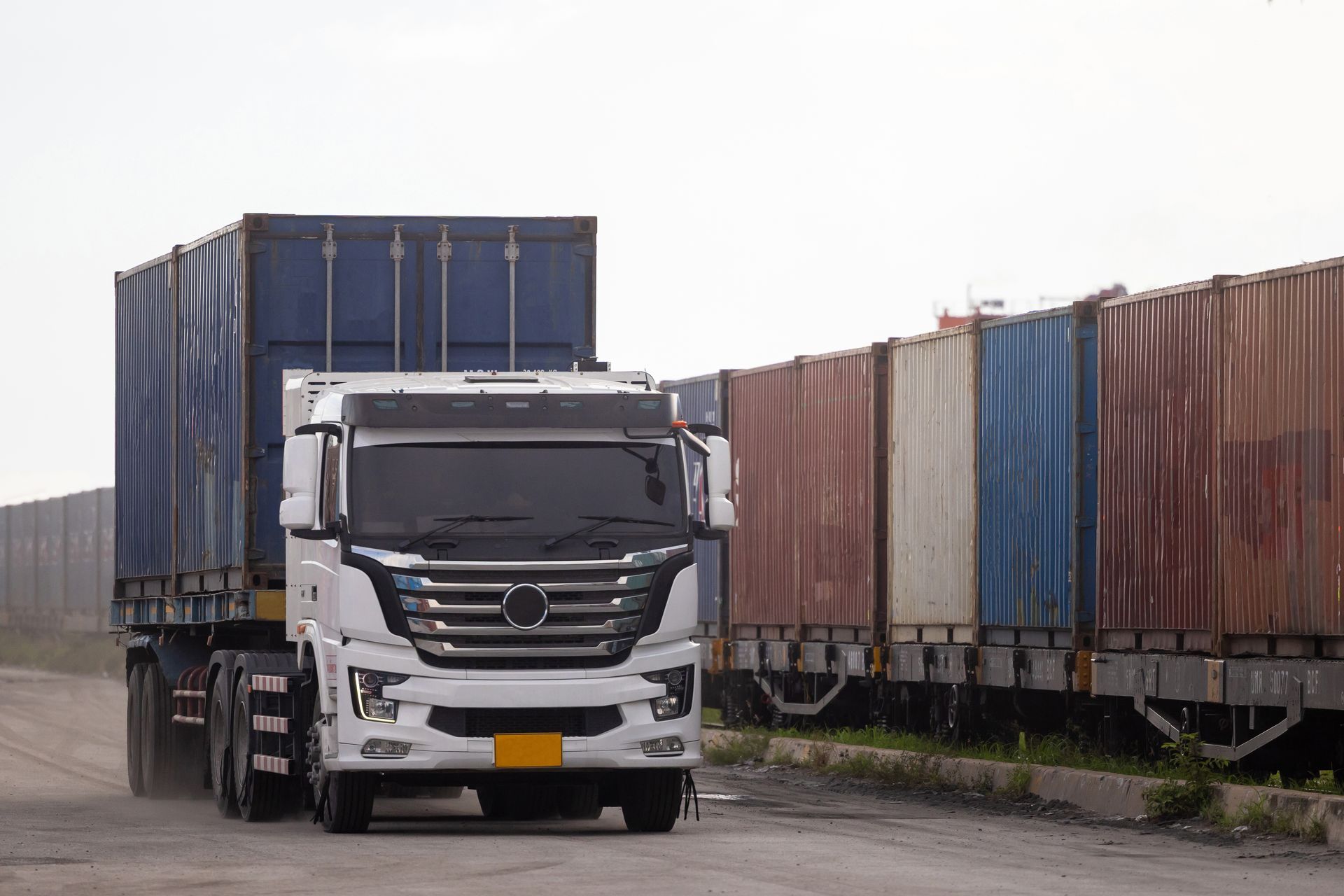
Commercial Auto & Trucking
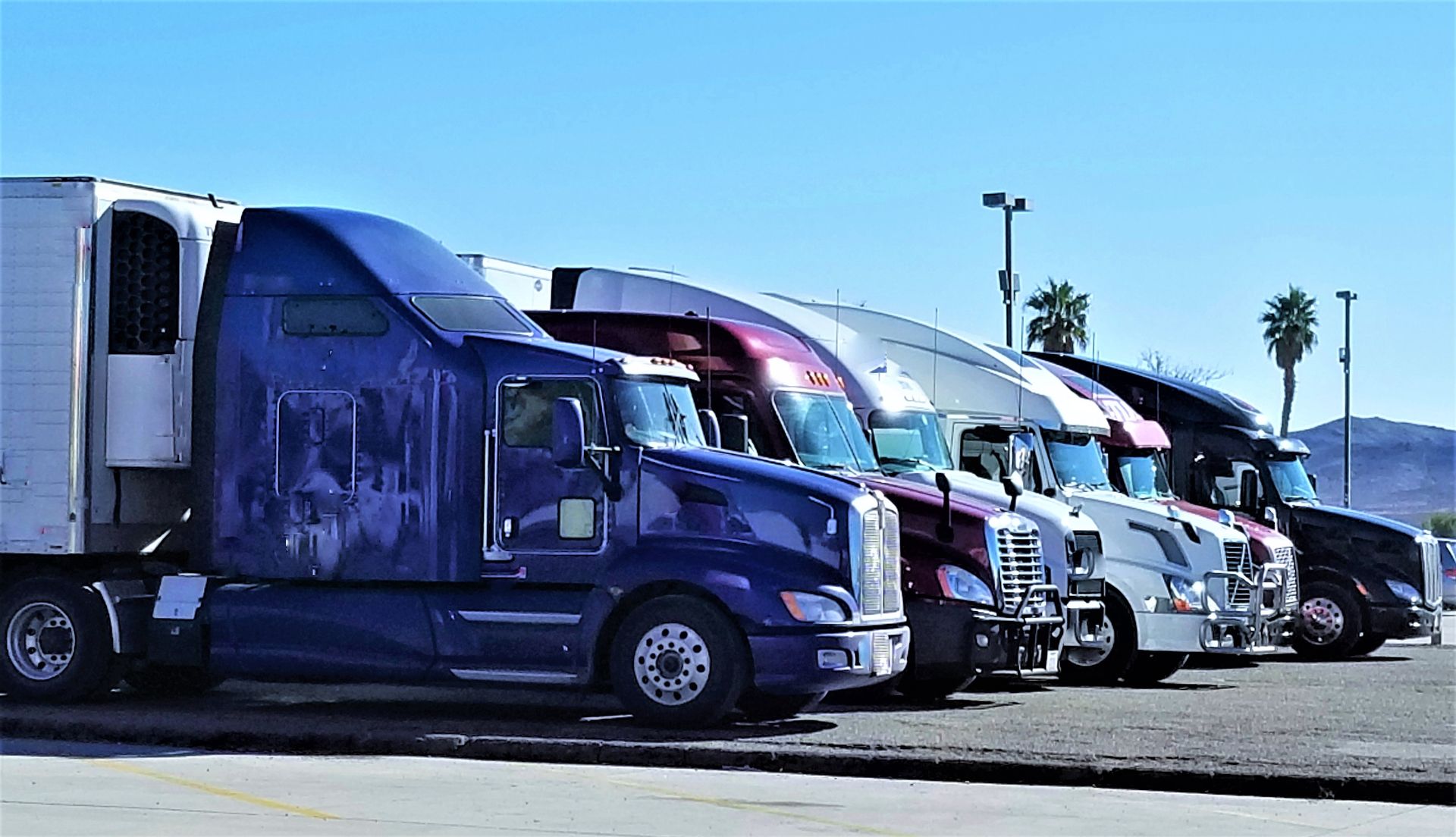
Protection for your fleet including box trucks, moving vans, and trailers. Covers liability, collision, physical damage, and hired or non-owned vehicles used in your operations.
Motor Truck Cargo
Covers household goods and freight during transport from pickup to delivery. Protects against damage, theft, mysterious disappearance, and weather-related losses while cargo is in your care.

General Liability
Protection from third-party claims for bodily injury and property damage at customer homes, job sites, and your own facility. Essential coverage for every transportation operation

Warehouse Legal Liability
Coverage for customer property while stored in your facility. Protects against damage, theft, fire, and water damage to goods in your care, custody, or control.

Workers' Compensation
Medical care and wage replacement for employees injured on the job. Required in most states for transportation and warehouse work where physical labor creates higher injury risk.

Umbrella & Excess Liability
Higher liability limits stacked on top of your primary policies. Helps meet large contract requirements and protects your business assets against major claims and lawsuits.
Specialized Knowledge
Industries We Protect
Focused coverage for transportation and logistics businesses

Simple and Clear
How Our Process Works
Our process to get you covered
Connect With Us
Reach out through our form or by phone to share your business needs and current coverage situation.
Get Coverage Options
We review your risks, compare carriers, and present clear quotes with plain-language explanations.
Stay Protected
You choose your plan, and we provide ongoing support for certificates, claims, and renewals.
Trusted by Businesses
Feedback That Reflects Service and Reliability
What our clients say about working with Champion Risk
Answers You Need
Frequently Asked Questions
Common questions about transportation and logistics insurance



What insurance does a transportation company need to operate legally?
Motor carriers that cross state lines must meet FMCSA requirements. You need a minimum of $750,000 in liability coverage, plus a BMC-91 filing that proves your insurance to the federal government. Cargo coverage is also required, with minimums that depend on the type of goods you transport.
Intrastate operators follow state-specific rules. California, Texas, and Florida each have different requirements. Champion Risk handles both federal and state filings. We make sure your coverage meets legal minimums and your certificates reach the right agencies.
How much does commercial transportation insurance cost?
Premiums depend on your fleet size, driving records, cargo values, and claims history. A small operation with two trucks might pay $8,000 to $15,000 per year. A larger carrier with ten trucks could pay $50,000 to $100,000 or more.
The best way to control costs is working with a broker who knows transportation insurance. We find carriers that specialize in your exact operation type. This often results in better rates than going direct or using a general agent who doesn't understand the industry.
What is a BMC-91 filing and why do I need one?
A BMC-91 is a form your insurance company files with the FMCSA. It proves you carry the required liability coverage to operate as a for-hire motor carrier. Without an active BMC-91, your operating authority can be revoked.
Champion Risk works with carriers who file electronically. Your BMC-91 typically posts within 24 to 48 hours of binding coverage. We monitor your filing status and alert you if anything needs attention.
Does my warehouse or storage facility need different insurance than a trucking operation?
Yes. Storage facilities need warehouse legal liability coverage. This protects you when customer property is damaged or stolen while in your care. Standard general liability policies exclude this exposure.
You may also need property coverage for your building, equipment breakdown protection, and business income coverage if a fire or disaster shuts down operations. Champion Risk builds storage facility programs that address all these risks in one package.
Can you insure last-mile delivery drivers who use their own vehicles?
Yes. We offer hired and non-owned auto coverage for delivery operations that use independent contractors or employees driving personal vehicles. This fills gaps that personal auto policies don't cover during commercial use.
We also provide occupational accident coverage for 1099 drivers who aren't eligible for workers' comp. This protects your drivers and limits your liability exposure when accidents happen.
How fast can I get proof of insurance for a new contract?
Same day in most cases. Once we bind your policy, we issue certificates of insurance within hours. If your contract requires specific additional insured language or special endorsements, we coordinate directly with the carrier.
Rush requests happen often in this industry. General contractors and corporate clients demand certificates before they let you on site. Champion Risk prioritizes fast turnaround because we know your revenue depends on it.

Answers You Need
Transportation & Logistics Insurance Resources
Articles designed to inform and support your business
Contact Us
Phone Number:
Email Address:
Location:
12264 El Camino Real, Suite 350
San Diego, CA 92130
Hours:
Monday – Friday: 8:00 AM – 6:00 PM PT