
A driver heading home after dropping a trailer at a customer's warehouse probably isn't thinking about insurance gaps. But that 45-minute drive back to the yard without cargo attached? That's when standard motor carrier policies often stop covering you. For moving and storage companies, this exposure happens constantly: empty runs between jobs, repositioning trucks across town, or simply parking at home overnight.
Understanding bobtail insurance for moving and storage companies means grasping a coverage gap that catches many fleet operators off guard. Your primary liability policy typically protects you while hauling freight under dispatch. The moment that trailer disconnects, the protection can vanish. According to Insureon, bobtail coverage typically costs between $30 to $60 per month for a $1 million liability limit, making it an affordable safeguard against potentially devastating claims.
The moving industry presents unique challenges here. Unlike long-haul trucking where bobtail situations are occasional, storage and moving operations involve frequent short trips, multiple daily stops, and regular periods where trucks operate without trailers. One accident during an uncovered gap can expose your business to lawsuits that dwarf the cost of proper coverage.
Understanding Bobtail Insurance for Moving Professionals
Definition and Core Functionality
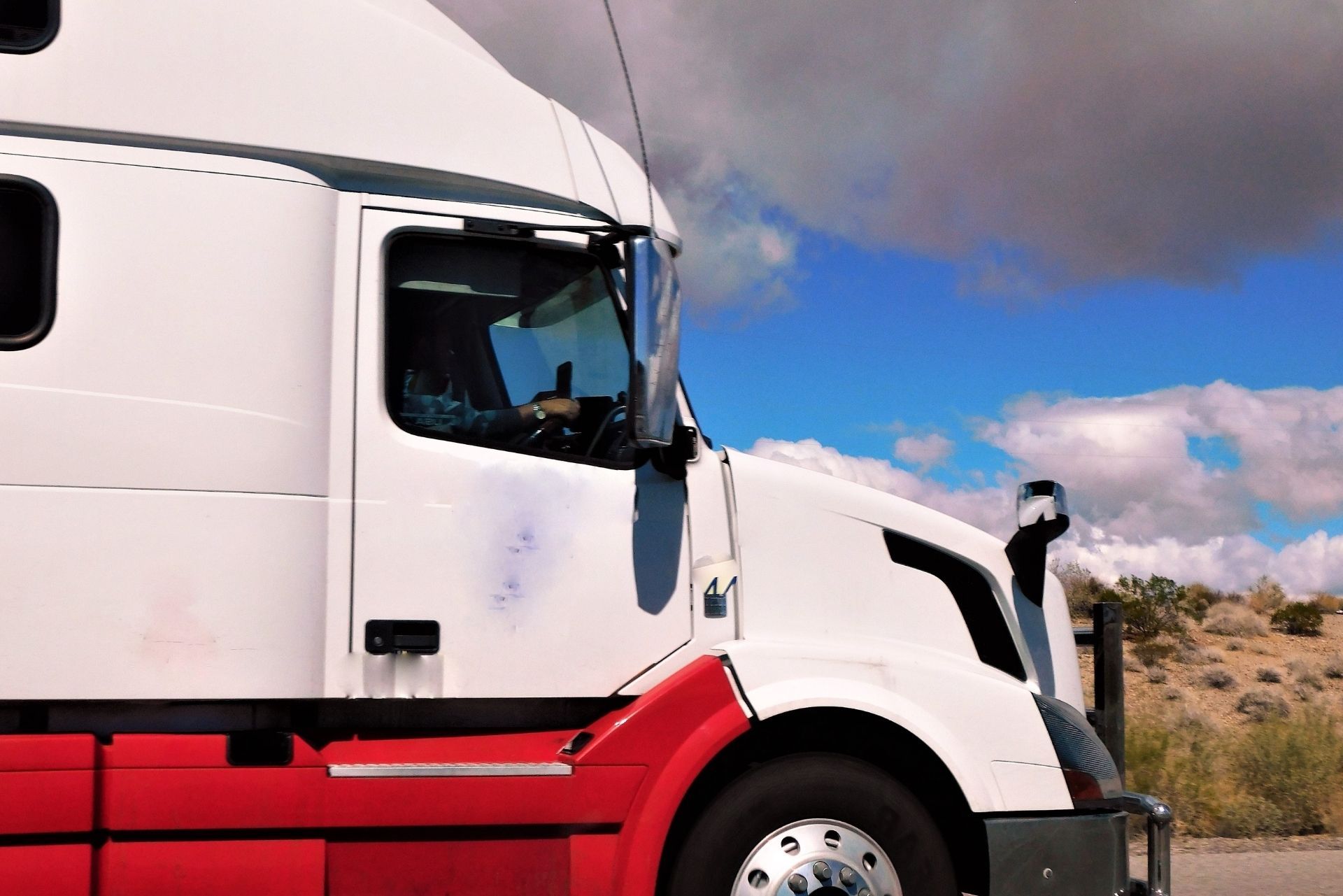
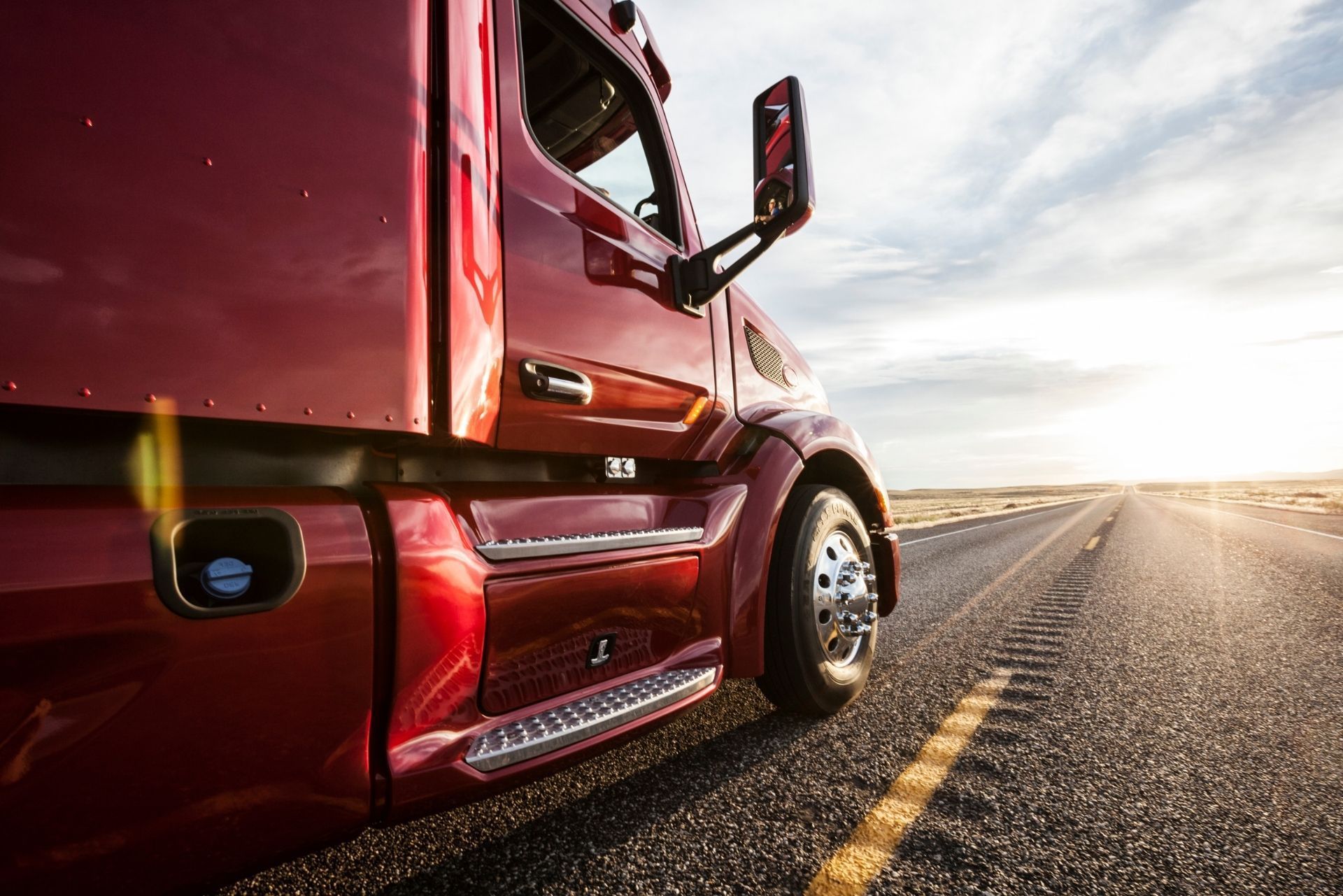
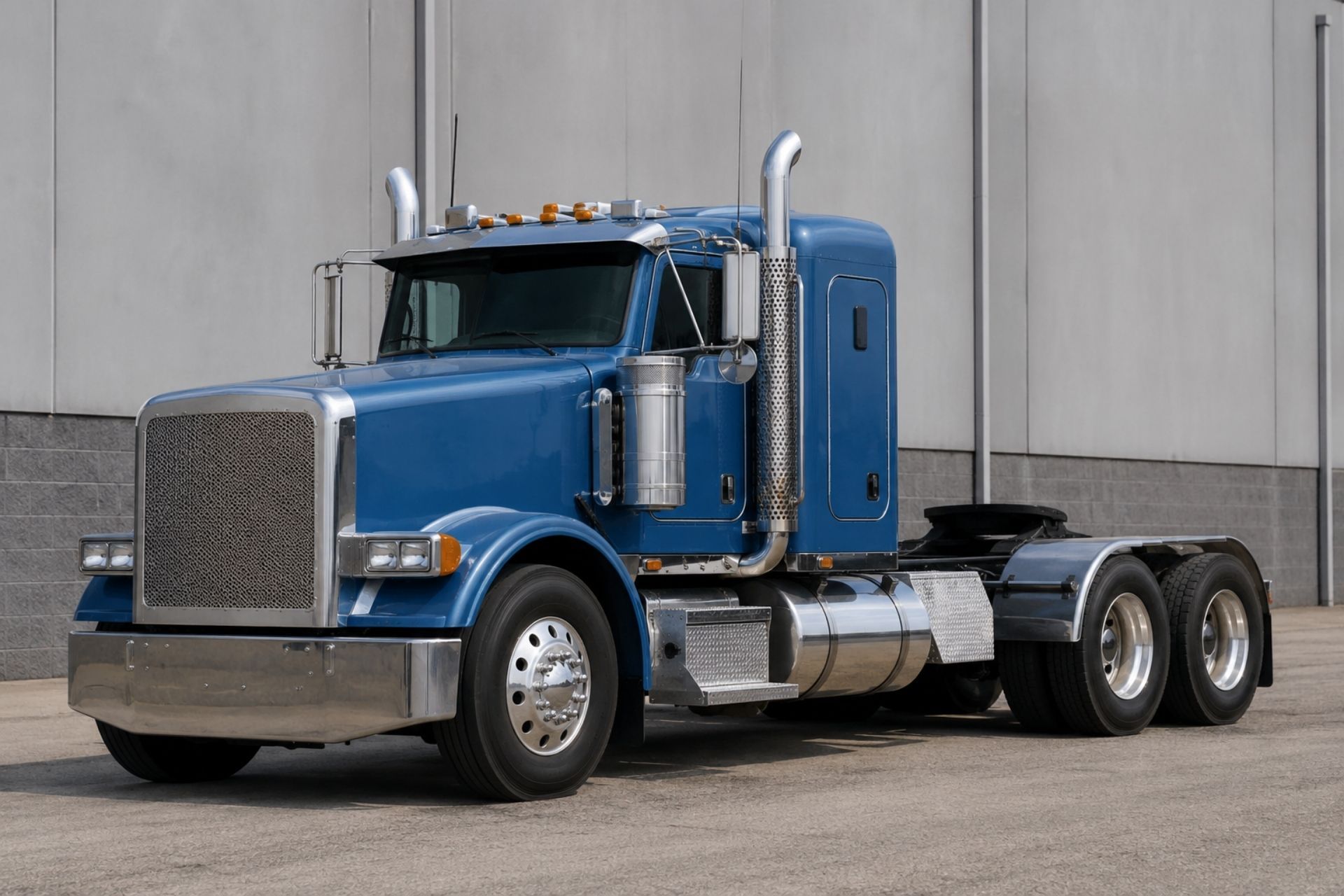
Bobtail insurance provides liability coverage when a commercial truck operates without an attached trailer. The term comes from trucking slang: a "bobtail" describes a tractor driving solo, its shortened appearance resembling a bobbed tail.
For moving and storage companies, this coverage activates during specific scenarios. A driver finishing a delivery might drive 20 miles to pick up the next load. Another might take the truck home overnight after completing a route. These situations fall outside typical motor carrier authority, creating liability exposure that bobtail policies address.
The coverage primarily handles bodily injury and property damage claims arising from accidents during non-dispatch periods. If your driver causes a collision while repositioning an empty truck, bobtail insurance responds to third-party claims. Without it, your business faces these costs directly, and a serious accident can easily generate six-figure liability.
Bobtail vs. Non-Trucking Liability: Key Differences
These two coverage types often get confused, but the distinction matters for moving companies. Non-trucking liability (NTL) covers personal use of a commercial vehicle: running errands, driving to appointments, or other activities unrelated to trucking work. Bobtail insurance specifically covers business-related driving without a trailer attached.
The practical difference shows up in claims. A driver using the truck to pick up groceries on the way home falls under NTL territory. That same driver heading to the terminal after dropping a load needs bobtail coverage. Some policies combine both, while others require separate purchases.
Moving companies should examine lease agreements carefully. Many motor carriers require owner-operators to carry specific coverage types, and the language distinguishes between personal use and deadhead operations. Champion Risk works with moving fleets to identify exactly which gaps exist in current coverage and which policy structure makes sense for their operations.

By: Mark Raby
Chief Executive Officer at Champion Risk & Insurance Services
Critical Coverage Components for Storage and Logistics
Liability Protection for Empty Trailer Returns
The most common bobtail scenario for moving companies involves returning empty equipment. After unloading a customer's belongings at their new home, the truck heads back to the warehouse or to the next job site. This deadhead mileage accumulates quickly across a fleet.
Liability protection during these returns covers the costs if your driver causes an accident. This includes medical expenses for injured parties, vehicle repairs, property damage to structures or objects, and legal defense costs. Standard limits of $1 million are typical, though some operations require higher amounts based on contract requirements or risk tolerance.
Storage companies face additional considerations. Trucks moving between warehouse locations, shuttling containers, or repositioning for seasonal demand all create bobtail exposure. A single facility might generate dozens of empty-truck trips weekly, each one a potential liability event without proper coverage.
Property Damage and Bodily Injury Limits
Policy limits determine maximum payout amounts, and selecting appropriate levels requires honest assessment of risk exposure. A $1 million limit handles most single-accident scenarios, but serious collisions involving multiple vehicles or significant injuries can exceed this threshold.
Bodily injury claims drive the largest settlements. Medical costs, lost wages, pain and suffering awards, and long-term care expenses compound quickly. Property damage typically involves vehicle repairs and structural damage, though striking a building or infrastructure can generate substantial claims.
Strong Tie Insurance notes that a clean driving record results in lower bobtail insurance premiums, while accidents, violations, and claims increase costs. This creates a direct connection between fleet safety programs and insurance expenses.
Determining the Cost of Bobtail Policies
Factors Influencing Annual Premiums
Several variables affect what you'll pay for bobtail coverage. Driver experience and safety records carry significant weight: insurers view experienced drivers with clean histories as lower risks. Fleet size matters too, with larger operations sometimes qualifying for volume discounts.
Geographic factors play a role. Operating in congested urban areas with higher accident rates typically increases premiums compared to rural routes. The frequency of bobtail operations also influences pricing; a company with extensive deadhead mileage presents more exposure than one with minimal empty driving.
Vehicle age and condition affect rates, as do the specific trucks being covered. Newer equipment with advanced safety features may qualify for discounts. Prior claims history impacts pricing substantially: a fleet with recent bobtail-related claims will pay more than one with a clean record.
Barter Insurance reports that bundling bobtail insurance with other coverages can reduce total premiums by 10% to 20%. Moving companies already carrying general liability, cargo coverage, and workers' compensation should explore package options.
Average Cost Benchmarks for Moving Fleets
Industry data provides useful reference points. According to
Commercial Truck Insurance HQ, annual bobtail insurance premiums typically range from $350 to $600. This translates to roughly $30 to $50 monthly for standard coverage.
| Coverage Level | Monthly Cost | Annual Cost |
|---|---|---|
| Basic ($750K) | $25-$40 | $300-$480 |
| Standard ($1M) | $30-$60 | $360-$720 |
| Enhanced ($2M) | $50-$90 | $600-$1,080 |
Insured Better points out that paying annually instead of monthly can lower total costs by 5% to 10%. For fleets managing multiple trucks, this savings compounds meaningfully.
Champion Risk helps moving companies benchmark their current rates against market averages and identify opportunities for premium reduction through improved safety programs or policy restructuring.
Compliance and Operational Requirements
FMCSA Standards and Lease Agreements
Federal Motor Carrier Safety Administration regulations establish baseline insurance requirements for commercial carriers. While FMCSA mandates don't specifically require bobtail coverage, they do require adequate liability protection for all operations. Gaps in coverage can create compliance issues during audits.
Lease agreements between motor carriers and owner-operators typically specify insurance requirements in detail. Many carriers mandate bobtail or non-trucking liability coverage as a condition of the lease. Failing to maintain required coverage can result in lease termination and potential liability for the carrier.
As JEB Insurance observes, the trucking industry is experiencing significant changes due to technology, regulations, and freight market trends, with fleet operators advised to stay agile and review coverage needs regularly. This applies particularly to moving companies adapting to evolving operational models.
Documentation for Independent Contractors
Independent contractors working with moving companies face specific documentation requirements. Carriers typically require certificates of insurance showing active bobtail or NTL coverage before allowing contractors to operate under their authority.
Essential documentation includes current insurance certificates with appropriate coverage limits, named insured information matching contractor records, policy effective dates covering the entire contract period, and carrier contact information for verification purposes.
Moving companies should establish clear processes for collecting and verifying contractor insurance documentation. Expired coverage or inadequate limits create liability exposure for the primary carrier, making ongoing verification essential.
Selecting the Right Policy for Your Moving Business
Finding appropriate bobtail coverage requires matching policy features to your specific operations. Start by analyzing how frequently your trucks operate without trailers and under what circumstances. A company with extensive local shuttle operations has different needs than one primarily handling long-distance relocations.
Consider these factors when evaluating policies: coverage limits that match your risk exposure, deductible amounts you can comfortably absorb, whether combined bobtail and NTL coverage makes sense, and compatibility with existing policies to avoid gaps or overlaps.
Request quotes from multiple insurers and compare not just premiums but coverage terms, claims processes, and carrier financial stability. The cheapest policy provides little value if the insurer struggles to pay claims promptly.
Frequently Asked Questions
Does my primary auto liability cover bobtail situations? Generally no. Most motor carrier policies only cover operations while under dispatch with cargo. Driving without a trailer attached typically falls outside this coverage.
Can I skip bobtail insurance if I rarely drive without a trailer? Even occasional bobtail driving creates exposure. One accident without coverage can cost more than decades of premiums.
What's the difference between bobtail and deadhead coverage? These terms often overlap. Deadhead refers to driving without cargo, while bobtail specifically means operating without a trailer attached.
Do lease agreements require bobtail insurance? Many do. Review your specific lease language, as requirements vary between carriers.
How quickly can I get bobtail coverage? Most policies can be issued within 24 to 48 hours once underwriting information is submitted.
Making the Right Coverage Decision
Bobtail insurance represents a relatively small investment that addresses a significant liability gap for moving and storage operations. At $30 to $60 monthly for standard coverage, the protection far outweighs the cost of even a minor uncovered accident.
Evaluate your current coverage carefully, paying attention to when protection applies and when gaps exist. Work with an insurance partner who understands the specific operational patterns of moving companies, not just general trucking. Champion Risk specializes in helping storage and logistics businesses identify coverage gaps and structure policies that match real-world operations.
The right policy keeps your trucks protected throughout every phase of operation, not just while hauling customer belongings.
About the Author:
Mark Raby
I am a seasoned insurance professional with over 30 years of experience in the industry. I lead Champion Risk & Insurance Services, a San Diego-based brokerage with nationwide reach and strong influence in the insurance marketplace. My core competencies include insurance agency M&A deals, captives and alternative risk structures, and commercial property and casualty insurance for clients in the transportation and logistics industries. I am a former president of IIAB San Diego and hold a Bachelor of Science in Finance from Western Michigan University’s Haworth College of Business.
Protection for Transportation Operations
Business Insurance for Transportation & Logistics Companies
Coverage designed specifically for transportation businesses
Commercial Auto & Trucking
Protection for your fleet including box trucks, moving vans, and trailers. Covers liability, collision, physical damage, and hired or non-owned vehicles used in your operations.
Motor Truck Cargo
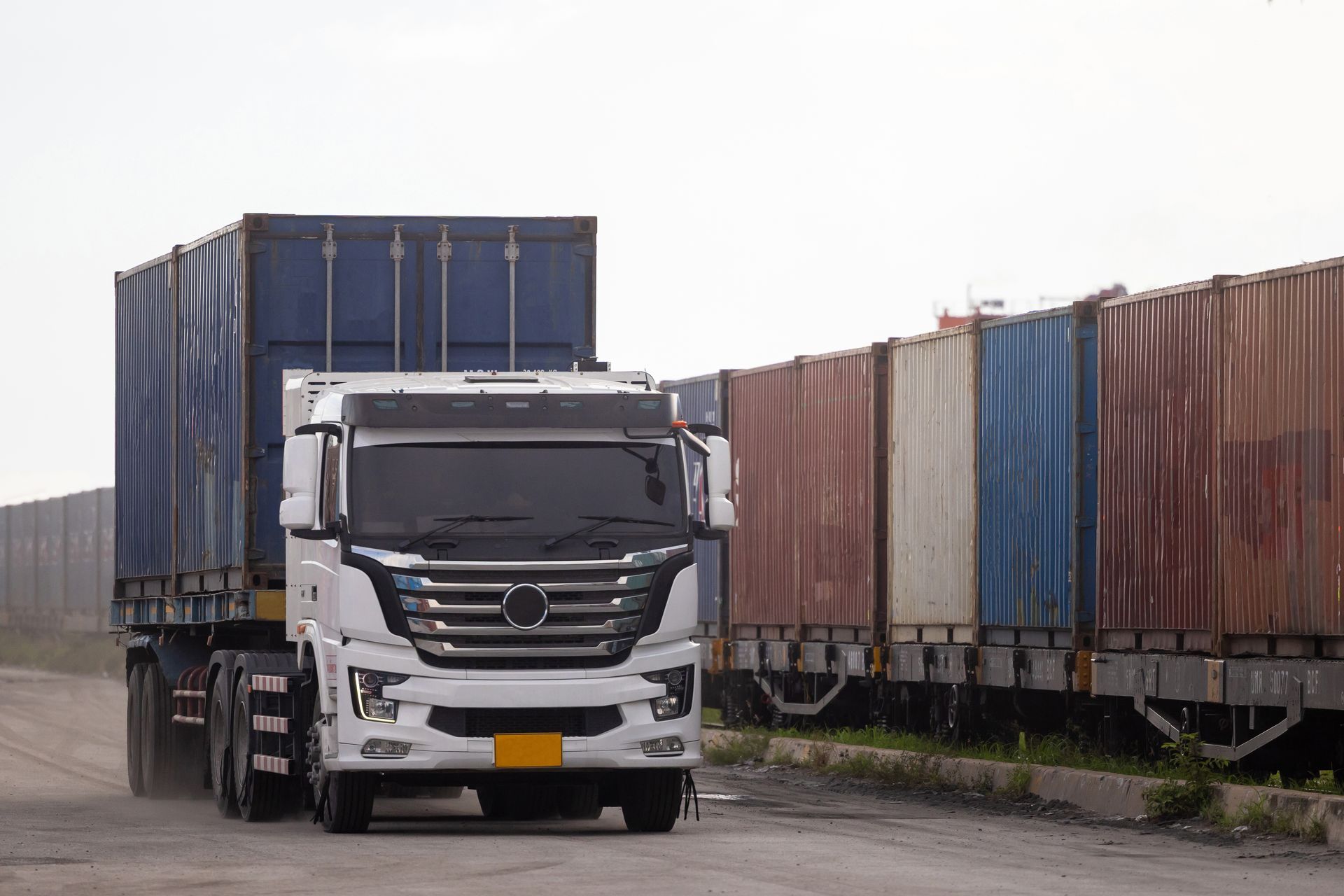
Covers household goods and freight during transport from pickup to delivery. Protects against damage, theft, mysterious disappearance, and weather-related losses while cargo is in your care.

General Liability
Protection from third-party claims for bodily injury and property damage at customer homes, job sites, and your own facility. Essential coverage for every transportation operation

Warehouse Legal Liability
Coverage for customer property while stored in your facility. Protects against damage, theft, fire, and water damage to goods in your care, custody, or control.

Workers' Compensation
Medical care and wage replacement for employees injured on the job. Required in most states for transportation and warehouse work where physical labor creates higher injury risk.

Umbrella & Excess Liability
Higher liability limits stacked on top of your primary policies. Helps meet large contract requirements and protects your business assets against major claims and lawsuits.
Specialized Knowledge
Industries We Protect
Focused coverage for transportation and logistics businesses


Simple and Clear
How Our Process Works
Our process to get you covered
Connect With Us
Reach out through our form or by phone to share your business needs and current coverage situation.
Get Coverage Options
We review your risks, compare carriers, and present clear quotes with plain-language explanations.
Stay Protected
You choose your plan, and we provide ongoing support for certificates, claims, and renewals.
Trusted by Businesses
Feedback That Reflects Service and Reliability
What our clients say about working with Champion Risk
Answers You Need
Frequently Asked Questions
Common questions about transportation and logistics insurance




What insurance does a transportation company need to operate legally?
Motor carriers that cross state lines must meet FMCSA requirements. You need a minimum of $750,000 in liability coverage, plus a BMC-91 filing that proves your insurance to the federal government. Cargo coverage is also required, with minimums that depend on the type of goods you transport.
Intrastate operators follow state-specific rules. California, Texas, and Florida each have different requirements. Champion Risk handles both federal and state filings. We make sure your coverage meets legal minimums and your certificates reach the right agencies.
How much does commercial transportation insurance cost?
Premiums depend on your fleet size, driving records, cargo values, and claims history. A small operation with two trucks might pay $8,000 to $15,000 per year. A larger carrier with ten trucks could pay $50,000 to $100,000 or more.
The best way to control costs is working with a broker who knows transportation insurance. We find carriers that specialize in your exact operation type. This often results in better rates than going direct or using a general agent who doesn't understand the industry.
What is a BMC-91 filing and why do I need one?
A BMC-91 is a form your insurance company files with the FMCSA. It proves you carry the required liability coverage to operate as a for-hire motor carrier. Without an active BMC-91, your operating authority can be revoked.
Champion Risk works with carriers who file electronically. Your BMC-91 typically posts within 24 to 48 hours of binding coverage. We monitor your filing status and alert you if anything needs attention.
Does my warehouse or storage facility need different insurance than a trucking operation?
Yes. Storage facilities need warehouse legal liability coverage. This protects you when customer property is damaged or stolen while in your care. Standard general liability policies exclude this exposure.
You may also need property coverage for your building, equipment breakdown protection, and business income coverage if a fire or disaster shuts down operations. Champion Risk builds storage facility programs that address all these risks in one package.
Can you insure last-mile delivery drivers who use their own vehicles?
Yes. We offer hired and non-owned auto coverage for delivery operations that use independent contractors or employees driving personal vehicles. This fills gaps that personal auto policies don't cover during commercial use.
We also provide occupational accident coverage for 1099 drivers who aren't eligible for workers' comp. This protects your drivers and limits your liability exposure when accidents happen.
How fast can I get proof of insurance for a new contract?
Same day in most cases. Once we bind your policy, we issue certificates of insurance within hours. If your contract requires specific additional insured language or special endorsements, we coordinate directly with the carrier.
Rush requests happen often in this industry. General contractors and corporate clients demand certificates before they let you on site. Champion Risk prioritizes fast turnaround because we know your revenue depends on it.

Answers You Need
Transportation & Logistics Insurance Resources
Articles designed to inform and support your business
Contact Us
Phone Number:
Email Address:
Location:
12264 El Camino Real, Suite 350
San Diego, CA 92130
Hours:
Monday – Friday: 8:00 AM – 6:00 PM PT