
Moving companies face a brutal reality in the commercial insurance market. Traditional carriers see your fleet of trucks, your warehouse full of customers' belongings, and your workers lifting heavy furniture all day, and they price your premiums accordingly. Many moving and storage operators have watched their insurance costs climb 15-25% annually while their claims experience stays relatively flat. This disconnect between risk management performance and premium pricing drives many company owners to explore alternatives.
Captive insurance programs for moving and storage companies offer a fundamentally different approach to managing risk and controlling costs. Rather than paying premiums to a traditional carrier that pools your risk with every other trucking and logistics operation, a captive structure lets you retain underwriting profits when your safety programs actually work. According to
Marsh, captives now account for close to a quarter of global commercial insurance premiums, and the industry is projected to reach a
$250 billion global market value by 2028. This growth reflects a simple truth: companies with strong loss control deserve better than being lumped in with their poorly managed competitors.
Understanding Captive Insurance for the Moving Industry
The moving and storage sector presents unique risk characteristics that traditional insurers often misunderstand. Your exposure combines elements of trucking, warehousing, and physical labor in ways that don't fit neatly into standard underwriting boxes. A captive insurance structure acknowledges this complexity and creates coverage tailored to your actual operations.
How Captive Models Differ from Traditional Insurance
Traditional insurance operates on a simple exchange: you pay premiums, the carrier assumes your risk, and any underwriting profit belongs to them. Captive insurance flips this model. As Benesch Law explains, "In situations where the traditional insurance market does not adequately recognize a company's unique risk profile, a captive serves as a great alternative."
In a group captive arrangement, multiple moving and storage companies pool their risks together while maintaining individual accountability for their own loss experience. You contribute capital to form the insurance entity, participate in governance decisions, and share in underwriting profits when the group performs well. The key difference is ownership: you're not just buying coverage, you're building equity in an insurance company.
Benefits of Member-Owned Insurance for Storage Operators
Storage operations carry warehouseman's legal liability exposure that traditional carriers often price conservatively. When you own part of your insurance company, you gain access to coverage forms designed specifically for your industry. Premium stability becomes possible because you're not subject to the hard market cycles that drive traditional carrier pricing. Champion Risk works with storage operators who've experienced this firsthand, watching their peers on traditional programs face double-digit increases while captive members see modest adjustments tied to actual performance.


By: Mark Raby
Chief Executive Officer at Champion Risk & Insurance Services
Core Coverage Components in a Moving & Storage Captive
A well-structured captive program addresses the full spectrum of exposures facing moving and storage operations. The coverage architecture matters as much as the financial structure.
Auto Liability and Cargo Protection
Your trucks represent your largest liability exposure.
Auto liability coverage in a captive typically mirrors commercial auto policies but with higher limits and more flexible terms.
Cargo coverage protects customer belongings during transport, and captive programs often include valuation options that traditional carriers won't write.
| Coverage Type | Traditional Market | Captive Program |
|---|---|---|
| Auto Liability | Standard limits, rigid terms | Higher limits, customized endorsements |
| Cargo Protection | Limited valuation options | Full replacement value available |
| Deductibles | Carrier-mandated | Member-selected based on risk tolerance |
| Claims Handling | Carrier-controlled | Member input on settlements |
Workers' Compensation and Warehouseman's Legal Liability
Moving company employees face significant injury risk. Back injuries, strains, and falls account for most claims, and
workers' compensation premiums reflect this reality. Captive programs incentivize loss control investment because reduced claims directly benefit members through dividend distributions.
Warehouseman's legal liability coverage protects against customer
property damage while goods are in storage, an exposure that many traditional carriers misunderstand or overprice.
Financial Requirements and Capital Contribution
Entering a captive program requires meaningful financial commitment. This isn't a decision to make lightly, and the capital requirements serve as both barrier to entry and alignment mechanism.
Initial Collateral and Buy-in Obligations
Most group captives require initial collateral ranging from one to three times your annual premium. This collateral backs your share of the group's loss obligations and demonstrates your commitment to the program. Risk Management Advisors reports that upfront costs for forming a captive typically range from $50,000 to over $100,000, though group captive buy-ins for individual members often fall below these figures.
The collateral requirement serves multiple purposes:
- Ensures members have financial stake in loss control outcomes
- Provides security for unpaid claims
- Demonstrates operational stability to regulators
- Aligns member interests with group performance
Annual Premium Structuring and Loss Funds
Premium payments in a captive split between fixed costs and loss funds. Fixed costs cover administration, reinsurance, and operating expenses. Loss funds pay claims, and any surplus returns to members as dividends.
Risk Management Advisors notes that captive insurance managers typically charge $36,000 to $100,000+ annually for administration, though group captives spread these costs across multiple members.

Eligibility and Underwriting Standards
Not every moving company qualifies for captive membership. The selectivity protects existing members from adverse selection and maintains program integrity.
Safety Records and Loss History Thresholds
Captive programs typically require three to five years of loss history demonstrating consistent performance. Your experience modification rate matters, as do specific claim types. A company with multiple large cargo claims will face more scrutiny than one with minor workers' compensation frequency. Most programs look for EMRs below 1.0 and loss ratios under 60% for auto and cargo lines.
Champion Risk evaluates prospective members on their commitment to safety culture, not just historical numbers. A company with improving trends and documented safety investments may qualify even with imperfect history.
Operational Scale and Financial Stability Metrics
Minimum premium thresholds vary by program but typically start around $150,000 to $250,000 in annual premium. This ensures members contribute meaningfully to the risk pool and can absorb their share of collateral requirements. Financial stability indicators include revenue trends, debt levels, and operating margins. Captive boards want members who'll remain viable long-term partners.
Cost-Benefit Analysis: Long-term ROI and Dividends
The financial case for captive participation requires honest assessment of both costs and potential returns. This isn't a quick fix for companies with poor loss experience.
Lowering Total Cost of Risk (TCOR)
Total cost of risk encompasses more than premium payments. It includes deductible payments, administrative costs, lost productivity from claims, and indirect costs like reputation damage. Captive members often see TCOR reductions of 10-20% over five-year periods, driven by:
- Premium stability reducing budget volatility
- Dividend returns from favorable loss experience
- Improved loss control reducing claim frequency
- Better claims management reducing severity
The growth in captive adoption reflects these economics. CICA World reported that Tennessee alone licensed twelve new pure captives and 95 new cells during 2024, demonstrating continued industry confidence in the model.
Tax Advantages and Underwriting Profit Distribution
Captive insurance companies receive specific tax treatment that can benefit members. Premium payments to a properly structured captive are deductible business expenses. Investment income within the captive accumulates tax-deferred. When underwriting profits distribute as dividends, members receive returns tied directly to their loss control performance. These tax advantages require careful structuring and ongoing compliance, making experienced captive management essential.
Implementing a Risk Management Strategy for Captive Success
Joining a captive program marks the beginning of a risk management partnership, not the end of your insurance shopping. Success requires ongoing commitment to loss control and active participation in program governance.
Start by assessing your current safety programs honestly. Where are your biggest exposures? What training gaps exist? How do you investigate incidents and implement corrective actions? Captive membership amplifies both the benefits of strong programs and the costs of weak ones.
Engage with your captive's loss control resources. Most programs offer safety consulting, driver training programs, and claims management support. These services represent real value that traditional carriers rarely provide.
Frequently Asked Questions
How long before I see dividends from captive membership? Most programs require three to five years before significant dividend distributions, as claims need time to develop and close. Early returns are possible with exceptional loss performance.
Can I leave a captive program if it doesn't work out? Yes, but collateral typically remains until all claims from your membership period close, which can take several years. Understand the exit terms before joining.
What happens if another member has catastrophic losses? Group captives typically include reinsurance layers that protect individual members from other members' large losses. Your exposure is generally limited to your own performance.
Do I need to change my current broker to join a captive? Many captive programs work with existing broker relationships, though some require using specific agency partners. Champion Risk can clarify requirements for programs you're considering.
Making the Right Choice for Your Operation
Captive insurance programs offer moving and storage companies a genuine alternative to traditional market volatility. The model rewards operational excellence, provides coverage stability, and builds equity over time. The requirements are real: financial commitment, loss control discipline, and long-term thinking. For companies meeting these standards, captive participation often represents the most sophisticated approach to managing insurance costs while maintaining comprehensive protection. Contact Champion Risk to evaluate whether your operation qualifies for captive membership and which program structure best fits your risk profile.
About the Author:
Mark Raby
I am a seasoned insurance professional with over 30 years of experience in the industry. I lead Champion Risk & Insurance Services, a San Diego-based brokerage with nationwide reach and strong influence in the insurance marketplace. My core competencies include insurance agency M&A deals, captives and alternative risk structures, and commercial property and casualty insurance for clients in the transportation and logistics industries. I am a former president of IIAB San Diego and hold a Bachelor of Science in Finance from Western Michigan University’s Haworth College of Business.
Protection for Transportation Operations
Business Insurance for Transportation & Logistics Companies
Coverage designed specifically for transportation businesses
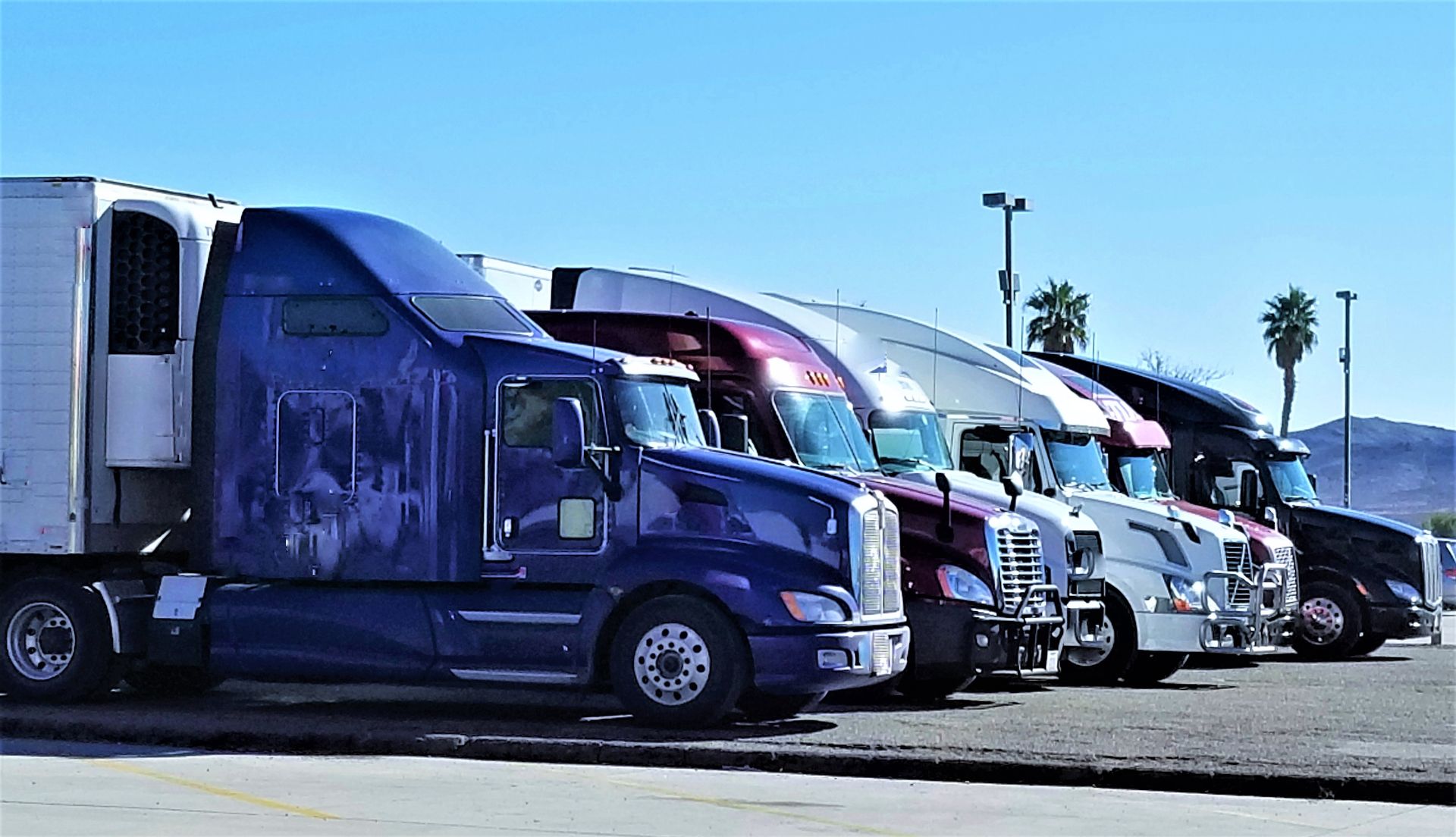
Commercial Auto & Trucking
Protection for your fleet including box trucks, moving vans, and trailers. Covers liability, collision, physical damage, and hired or non-owned vehicles used in your operations.
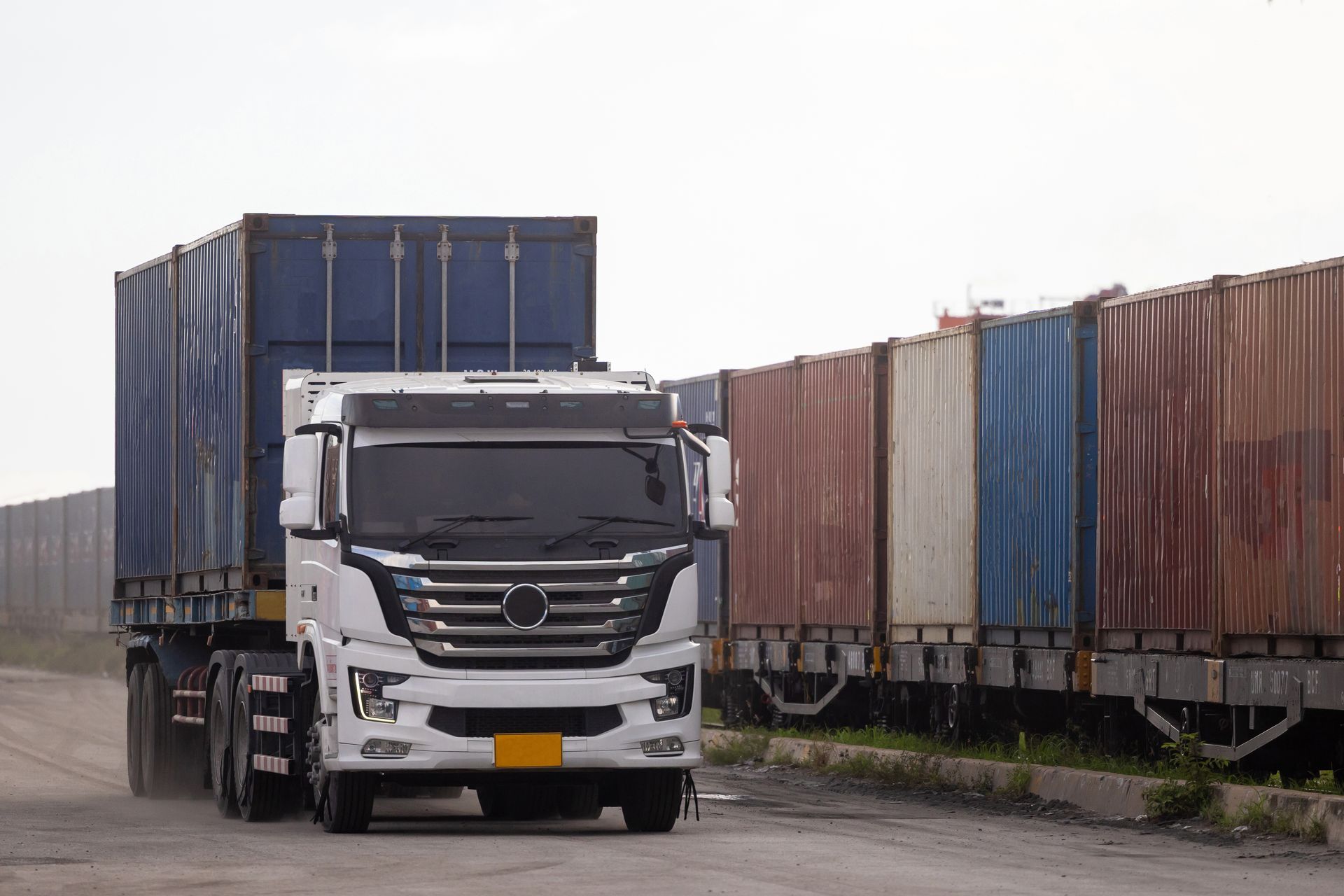
Motor Truck Cargo
Covers household goods and freight during transport from pickup to delivery. Protects against damage, theft, mysterious disappearance, and weather-related losses while cargo is in your care.

General Liability
Protection from third-party claims for bodily injury and property damage at customer homes, job sites, and your own facility. Essential coverage for every transportation operation

Warehouse Legal Liability
Coverage for customer property while stored in your facility. Protects against damage, theft, fire, and water damage to goods in your care, custody, or control.

Workers' Compensation
Medical care and wage replacement for employees injured on the job. Required in most states for transportation and warehouse work where physical labor creates higher injury risk.

Umbrella & Excess Liability
Higher liability limits stacked on top of your primary policies. Helps meet large contract requirements and protects your business assets against major claims and lawsuits.
Specialized Knowledge
Industries We Protect
Focused coverage for transportation and logistics businesses

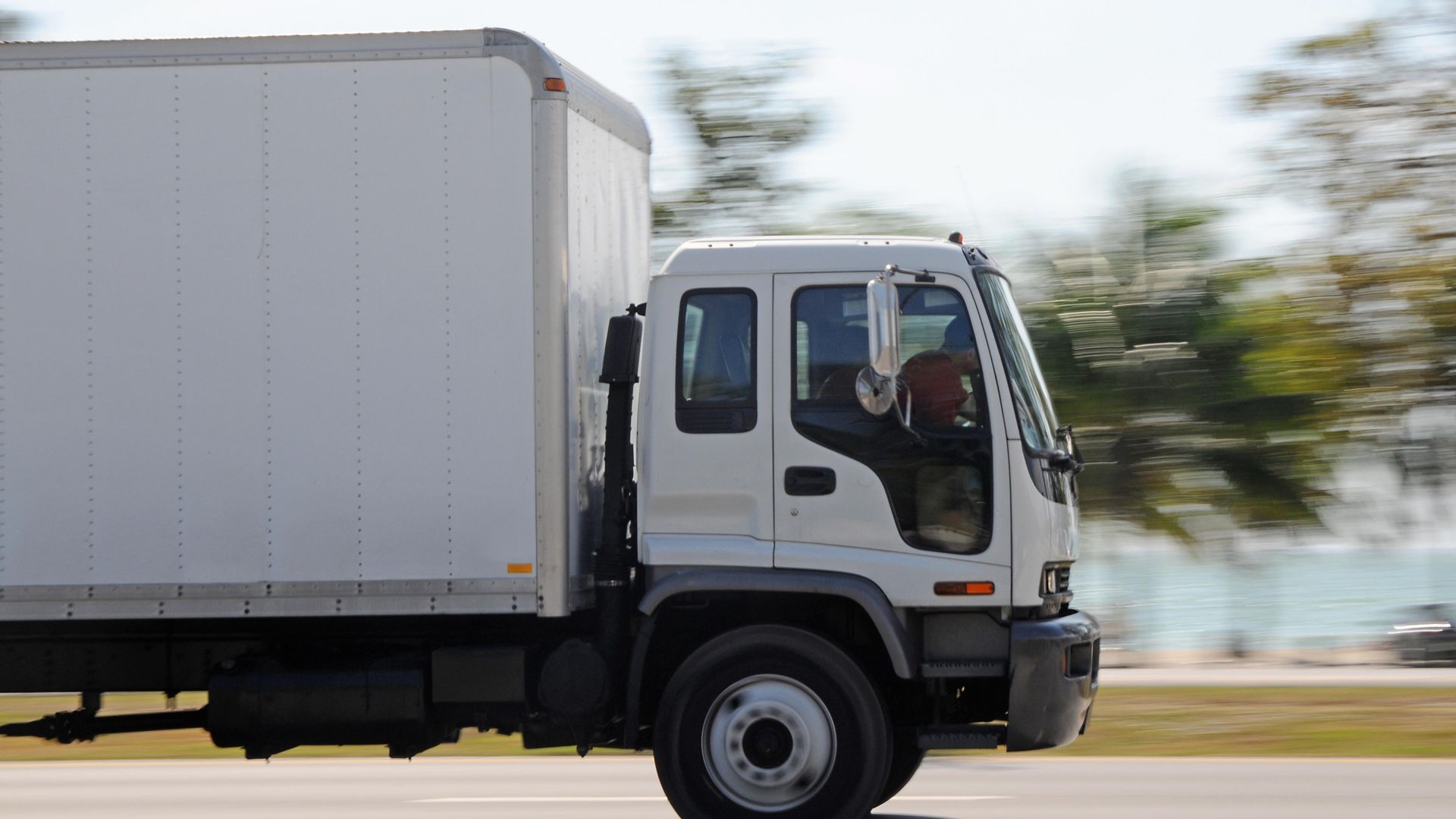

Simple and Clear
How Our Process Works
Our process to get you covered
Connect With Us
Reach out through our form or by phone to share your business needs and current coverage situation.
Get Coverage Options
We review your risks, compare carriers, and present clear quotes with plain-language explanations.
Stay Protected
You choose your plan, and we provide ongoing support for certificates, claims, and renewals.
Trusted by Businesses
Feedback That Reflects Service and Reliability
What our clients say about working with Champion Risk
Answers You Need
Frequently Asked Questions
Common questions about transportation and logistics insurance




What insurance does a transportation company need to operate legally?
Motor carriers that cross state lines must meet FMCSA requirements. You need a minimum of $750,000 in liability coverage, plus a BMC-91 filing that proves your insurance to the federal government. Cargo coverage is also required, with minimums that depend on the type of goods you transport.
Intrastate operators follow state-specific rules. California, Texas, and Florida each have different requirements. Champion Risk handles both federal and state filings. We make sure your coverage meets legal minimums and your certificates reach the right agencies.
How much does commercial transportation insurance cost?
Premiums depend on your fleet size, driving records, cargo values, and claims history. A small operation with two trucks might pay $8,000 to $15,000 per year. A larger carrier with ten trucks could pay $50,000 to $100,000 or more.
The best way to control costs is working with a broker who knows transportation insurance. We find carriers that specialize in your exact operation type. This often results in better rates than going direct or using a general agent who doesn't understand the industry.
What is a BMC-91 filing and why do I need one?
A BMC-91 is a form your insurance company files with the FMCSA. It proves you carry the required liability coverage to operate as a for-hire motor carrier. Without an active BMC-91, your operating authority can be revoked.
Champion Risk works with carriers who file electronically. Your BMC-91 typically posts within 24 to 48 hours of binding coverage. We monitor your filing status and alert you if anything needs attention.
Does my warehouse or storage facility need different insurance than a trucking operation?
Yes. Storage facilities need warehouse legal liability coverage. This protects you when customer property is damaged or stolen while in your care. Standard general liability policies exclude this exposure.
You may also need property coverage for your building, equipment breakdown protection, and business income coverage if a fire or disaster shuts down operations. Champion Risk builds storage facility programs that address all these risks in one package.
Can you insure last-mile delivery drivers who use their own vehicles?
Yes. We offer hired and non-owned auto coverage for delivery operations that use independent contractors or employees driving personal vehicles. This fills gaps that personal auto policies don't cover during commercial use.
We also provide occupational accident coverage for 1099 drivers who aren't eligible for workers' comp. This protects your drivers and limits your liability exposure when accidents happen.
How fast can I get proof of insurance for a new contract?
Same day in most cases. Once we bind your policy, we issue certificates of insurance within hours. If your contract requires specific additional insured language or special endorsements, we coordinate directly with the carrier.
Rush requests happen often in this industry. General contractors and corporate clients demand certificates before they let you on site. Champion Risk prioritizes fast turnaround because we know your revenue depends on it.


Answers You Need
Transportation & Logistics Insurance Resources
Articles designed to inform and support your business
Contact Us
Phone Number:
Email Address:
Location:
12264 El Camino Real, Suite 350
San Diego, CA 92130
Hours:
Monday – Friday: 8:00 AM – 6:00 PM PT