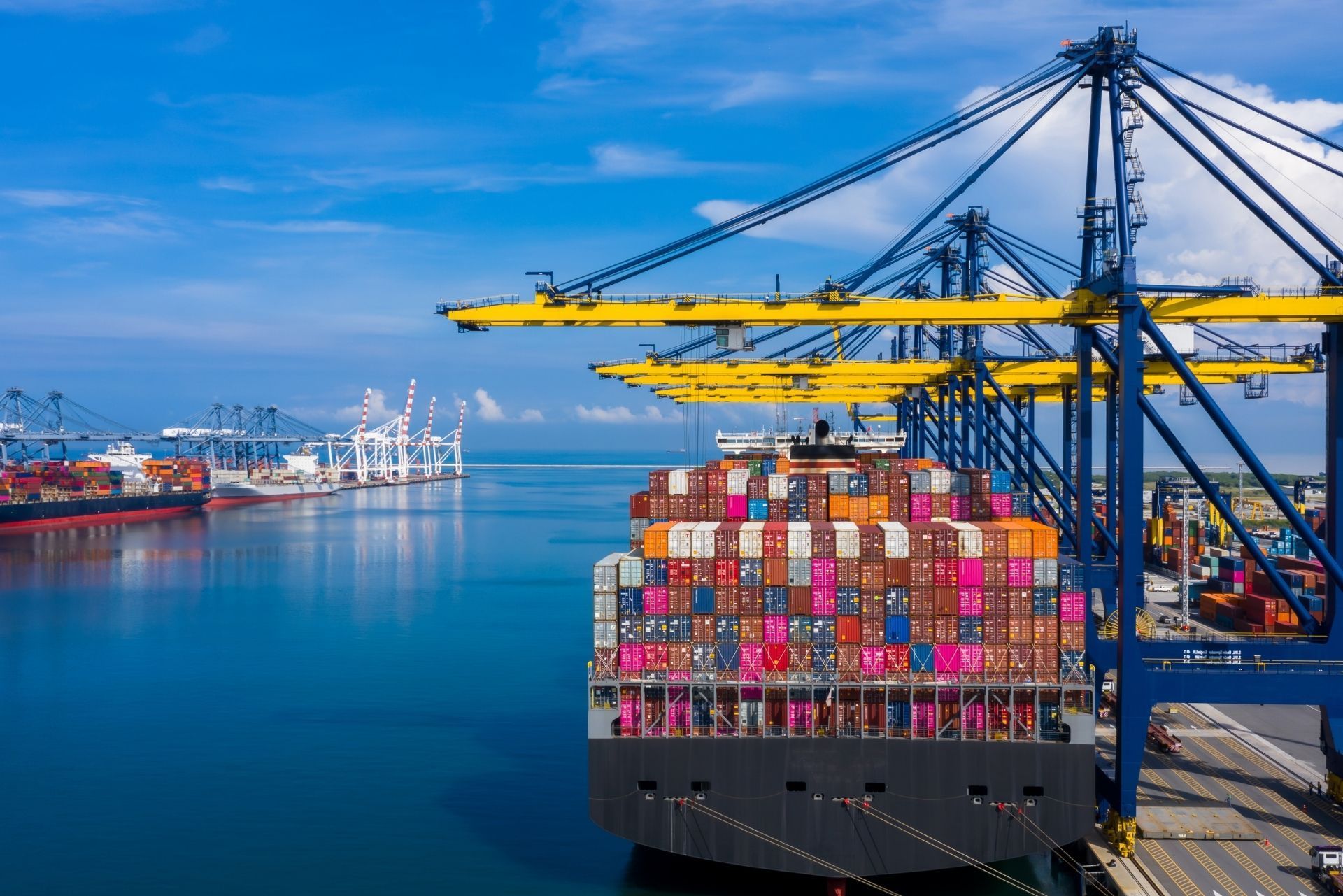
New Jersey sits at the crossroads of American commerce. With the Port of Newark handling over 7 million shipping containers annually and the New Jersey Turnpike serving as the primary artery between New York and Philadelphia, logistics companies here face a unique combination of high traffic density, strict state regulations, and substantial liability exposure. If you operate trucks, manage warehouses, or coordinate freight in the Garden State, your insurance needs aren't just complex: they're expensive and heavily regulated.
The state legislature made this abundantly clear on July 1, 2024, when New Jersey
increased its minimum liability insurance for commercial vehicles over 26,001 pounds to $1.5 million. That's a significant jump that caught many smaller carriers off guard. Understanding what coverage you actually need, what it costs, and how to manage those expenses has become essential for survival in this market. Whether you're running a three-truck operation out of Edison or managing a distribution center in Secaucus, getting your insurance strategy right directly impacts your bottom line and your ability to stay on the road.
Overview of New Jersey's Transportation and Logistics Industry
New Jersey processes more freight per square mile than any other state. The combination of port operations, rail connections, and highway infrastructure creates a logistics ecosystem that moves goods to roughly 100 million consumers within a day's drive. This concentration brings opportunity and risk in equal measure.
The state hosts over 15,000 trucking companies and thousands of warehouses serving e-commerce, pharmaceutical, and food distribution sectors. Competition is fierce, margins are thin, and a single serious accident can wipe out years of profit. Insurance isn't just a regulatory checkbox here: it's the financial foundation that determines whether your business survives an unexpected claim.
What makes New Jersey particularly challenging is the density factor. More vehicles on the road means more accidents. Urban delivery routes through Newark, Jersey City, and Elizabeth involve constant exposure to pedestrians, cyclists, and congested intersections. Rural routes aren't much easier, with aging infrastructure and weather challenges during winter months.

By: Mark Raby
Chief Executive Officer at Champion Risk & Insurance Services
Essential Insurance Coverages for NJ Logistics Companies
Commercial Auto and Motor Truck Cargo Liability
Your trucks are your business, and commercial auto insurance protects them. The average cost of commercial auto insurance in New Jersey runs about $263 per month, or $3,155 annually, though actual premiums vary dramatically based on fleet size, cargo type, and driving records.
Motor truck cargo liability covers the goods you're hauling if they're damaged, stolen, or destroyed during transit. This coverage matters because your customer doesn't care why their shipment arrived damaged: they want compensation. Standard policies cover $100,000 to $250,000 per occurrence, but high-value freight like electronics or pharmaceuticals often requires higher limits.
One mistake I see regularly: operators assume their commercial auto policy covers cargo. It doesn't. These are separate coverages that work together, and gaps between them create real exposure.
Warehouse Legal Liability and Inland Marine Insurance
If you store goods for others, warehouse legal liability protects you when items are damaged or lost while in your care. Standard coverage addresses fire, theft, and water damage, but exclusions vary significantly between policies. Read the fine print on temperature-controlled storage requirements: spoilage claims from improper refrigeration can devastate a business.
Inland marine insurance fills gaps that standard property policies miss. Despite the name, this coverage protects goods in transit over land and items stored at locations you don't own. For logistics companies moving goods between warehouses, distribution centers, and customer locations, inland marine provides essential protection during the vulnerable moments when cargo is most exposed.
General Liability and Cyber Insurance for Freight Forwarders
General liability covers third-party bodily injury and property damage claims unrelated to your vehicles. A delivery driver who slips on a customer's loading dock, a forklift operator who damages a client's building: these scenarios fall under general liability. The median cost for general liability insurance in New Jersey is $107 monthly, making it one of the more affordable essential coverages.
Cyber insurance has become non-negotiable for freight forwarders and brokers who handle sensitive shipping data, customer information, and financial transactions. Ransomware attacks targeting logistics companies have increased sharply, and a single breach can halt operations while exposing you to regulatory penalties and lawsuits.
New Jersey State Insurance Mandates and Compliance
NJ Workers' Compensation Requirements for Trucking
New Jersey requires workers' compensation coverage for virtually all employees, including truck drivers. There's no minimum employee threshold: even a single-employee operation needs coverage if that employee isn't an owner. Penalties for non-compliance include fines up to $10,000 and potential criminal charges.
Classification matters tremendously for workers' comp premiums. Long-haul drivers, local delivery drivers, and warehouse workers each carry different risk profiles and corresponding rates. Misclassifying employees to reduce premiums is a common mistake that backfires during audits, often resulting in substantial back-payments and penalties.
Champion Risk works with logistics companies to ensure proper classification and identify legitimate premium reduction strategies that don't create compliance risk.
Minimum Liability Limits and FMCSA Alignment
The 2024 liability increase to $1.5 million for heavy commercial vehicles represents one of the highest state minimums in the country. According to industry analysis, every $1 million increase in minimum liability requirements can increase premiums by 40% to 60%. That's a substantial cost impact for carriers operating in New Jersey.
Federal Motor Carrier Safety Administration requirements still apply for interstate carriers, but New Jersey's state minimums now exceed federal requirements for many vehicle classes. This creates a compliance challenge for carriers operating both intrastate and interstate routes: you need to maintain the higher New Jersey limits regardless of where individual loads are headed.
| Coverage Type | NJ State Minimum | FMCSA Minimum (Interstate) |
|---|---|---|
| Liability (over 26,001 lbs) | $1,500,000 | $750,000 - $5,000,000 |
| Cargo Insurance | Varies by contract | $5,000 per vehicle |
| Workers' Comp | Required | Required |

Factors Influencing Insurance Costs in the Garden State
Impact of NJ Traffic Density and Infrastructure on Premiums
Insurance actuaries don't set rates arbitrarily. New Jersey's combination of population density, aging roads, and high traffic volume directly translates to higher claim frequency. Routes through the Newark metropolitan area carry significantly higher premiums than rural Pennsylvania routes, even for the same cargo and equipment.
Commercial auto insurance in New Jersey can range from $250 to $1,340 per month, and that spread reflects the dramatic difference between low-risk and high-risk operations. A refrigerated truck running daily routes through Jersey City pays substantially more than a flatbed hauling construction materials in Sussex County.
Infrastructure quality affects premiums indirectly through accident frequency. Pothole damage, bridge weight restrictions, and construction zone accidents all contribute to claims history that insurers track carefully.
Fleet Safety Records and Driver Experience Ratings
Your CSA scores matter more than most operators realize. Carriers with poor safety ratings face premium increases of 25% or more, and some insurers simply won't write policies for high-risk operations. Clean inspections, minimal violations, and documented safety programs translate directly to lower costs.
Driver experience ratings work similarly. Experienced drivers with clean MVRs cost less to insure than new CDL holders. Some carriers hesitate to invest in training programs, but the premium savings often exceed training costs within the first year.
Implementing Telematics and Safety Technology
Telematics systems that track speed, braking patterns, and route compliance provide insurers with data that can justify premium reductions. More importantly, they help identify risky driving behavior before it results in accidents. Carriers using comprehensive telematics programs typically see 10-15% premium reductions after establishing positive track records.
Forward-facing cameras serve a dual purpose: they discourage risky driving and provide evidence that protects you from fraudulent claims. In New Jersey's litigation-friendly environment, video evidence can mean the difference between a dismissed claim and a six-figure settlement.
Champion Risk helps clients identify which safety technologies provide the best return on investment for their specific operations and fleet profiles.
Selecting the Right New Jersey Insurance Provider
The cheapest quote rarely represents the best value. Claims handling, coverage breadth, and industry expertise matter enormously when you actually need to use your policy. A carrier that specializes in logistics understands the specific exposures you face and structures coverage accordingly.
Ask potential providers about their experience with New Jersey-specific regulations and their claims response times. A broker who understands the difference between warehouse legal liability and bailee coverage will serve you better than a generalist offering the same policy they'd sell a retail store.
Look for providers who offer annual policy reviews as your operation changes. Adding trucks, expanding routes, or taking on new cargo types all affect your coverage needs. The right partner identifies gaps before they become problems.
Frequently Asked Questions
How much does trucking insurance cost in New Jersey after the 2024 changes? Premiums increased significantly for heavy vehicles. Expect to pay $3,000 to $16,000 annually for commercial auto coverage, depending on fleet size and risk factors.
Do I need separate cargo insurance if I have commercial auto coverage? Yes. Commercial auto covers your vehicle; cargo insurance covers what you're hauling. These are distinct policies that work together.
What happens if I operate without the required $1.5 million liability coverage? You face license suspension, fines, and personal liability exposure. Operating uninsured or underinsured is a business-ending risk.
Can telematics actually reduce my insurance premiums? Yes, typically 10-15% after establishing a positive driving record. The data helps insurers verify that your operation is lower risk than average.
Does New Jersey require workers' comp for owner-operators? Owner-operators without employees can sometimes exempt themselves, but many contracts require coverage regardless. Check your shipper agreements.
Making the Right Choice for Your Operation
New Jersey's transportation insurance requirements create real financial pressure, but they also create opportunity for well-managed carriers to differentiate themselves. Operators who invest in safety, maintain compliance, and work with knowledgeable insurance partners position themselves to absorb these costs while competitors struggle.
The $1.5 million liability requirement isn't going away, and premiums will likely continue rising as claim costs increase. Your best defense is a proactive approach: implementing safety technology, maintaining clean records, and structuring coverage that actually protects your operation without paying for unnecessary extras.
Start with an honest assessment of your current coverage and compliance status. Identify gaps, address them systematically, and build relationships with insurers who understand logistics. The carriers who thrive in New Jersey's demanding market are those who treat insurance as a strategic investment rather than an unavoidable expense.
About the Author:
Mark Raby
I am a seasoned insurance professional with over 30 years of experience in the industry. I lead Champion Risk & Insurance Services, a San Diego-based brokerage with nationwide reach and strong influence in the insurance marketplace. My core competencies include insurance agency M&A deals, captives and alternative risk structures, and commercial property and casualty insurance for clients in the transportation and logistics industries. I am a former president of IIAB San Diego and hold a Bachelor of Science in Finance from Western Michigan University’s Haworth College of Business.
Protection for Transportation Operations
Business Insurance for Transportation & Logistics Companies
Coverage designed specifically for transportation businesses
Commercial Auto & Trucking
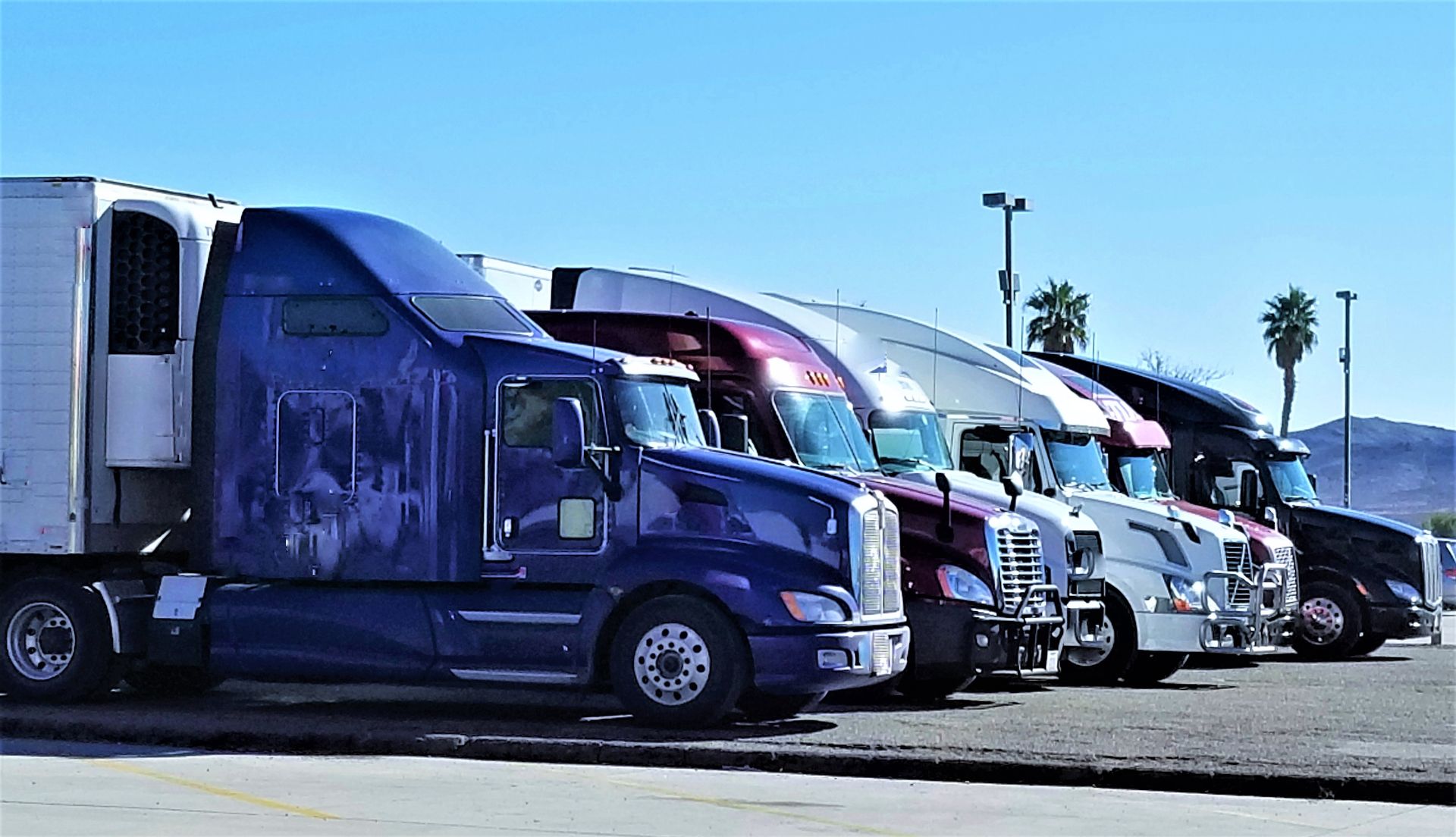
Protection for your fleet including box trucks, moving vans, and trailers. Covers liability, collision, physical damage, and hired or non-owned vehicles used in your operations.
Motor Truck Cargo
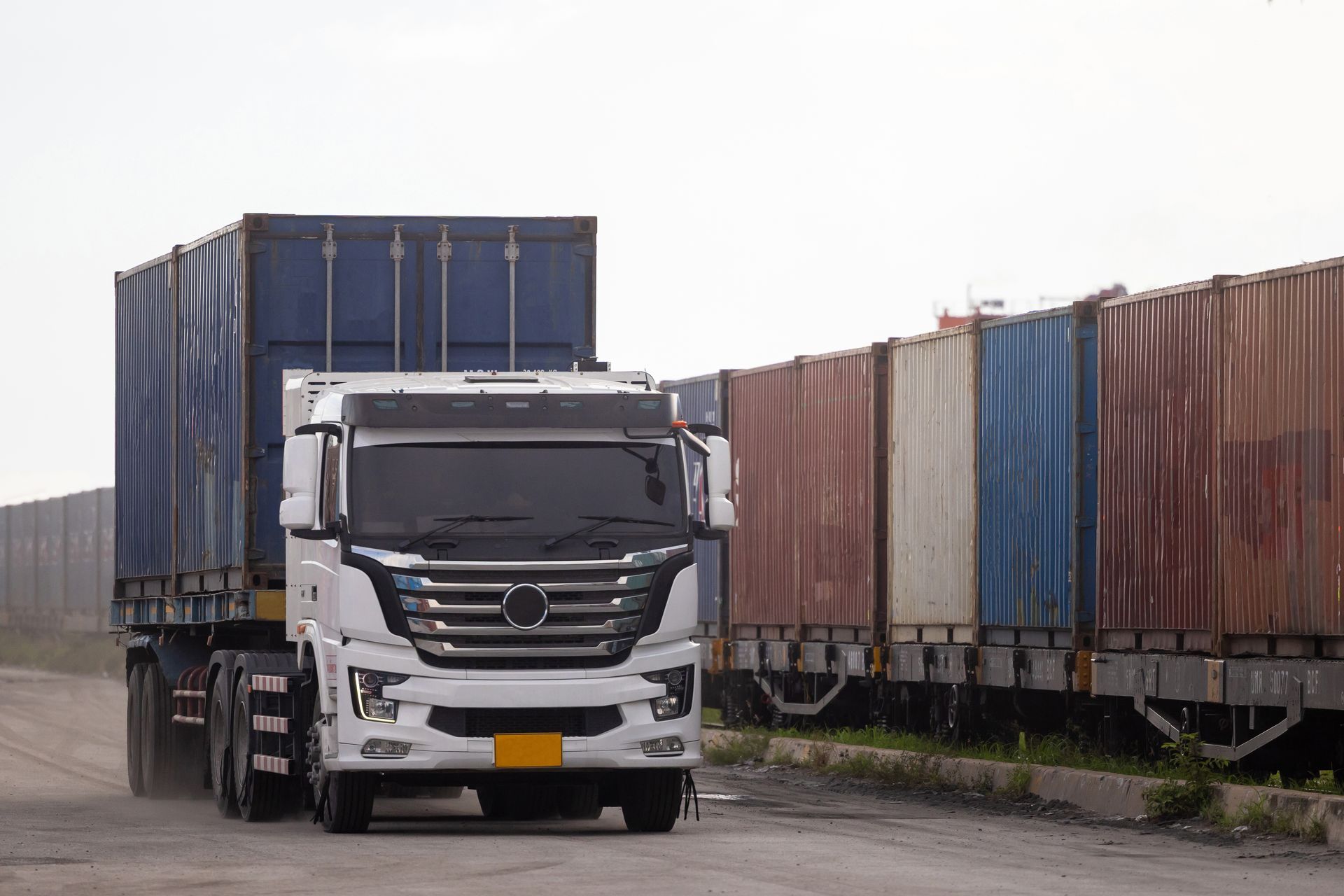
Covers household goods and freight during transport from pickup to delivery. Protects against damage, theft, mysterious disappearance, and weather-related losses while cargo is in your care.

General Liability
Protection from third-party claims for bodily injury and property damage at customer homes, job sites, and your own facility. Essential coverage for every transportation operation
Warehouse Legal Liability
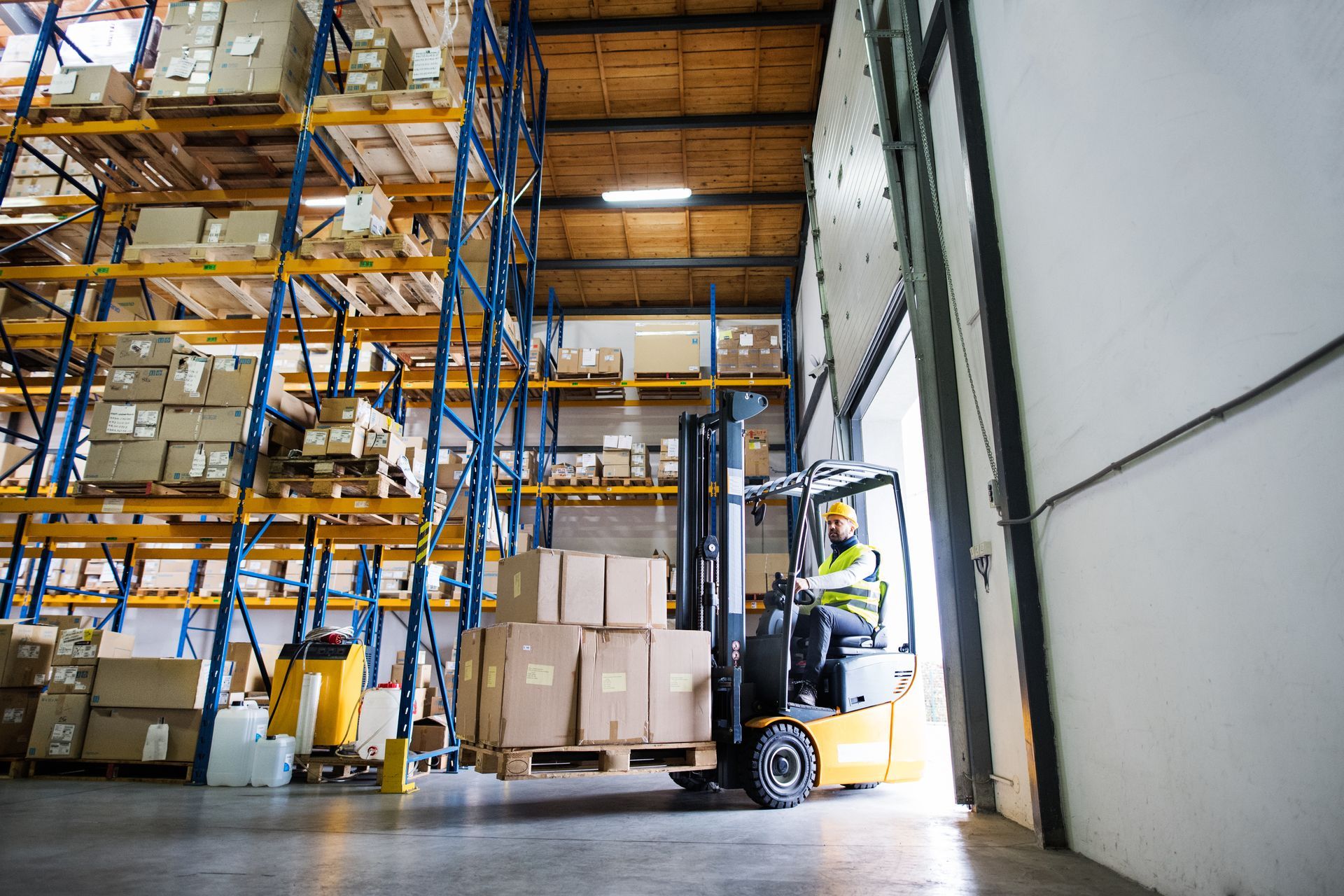
Coverage for customer property while stored in your facility. Protects against damage, theft, fire, and water damage to goods in your care, custody, or control.

Workers' Compensation
Medical care and wage replacement for employees injured on the job. Required in most states for transportation and warehouse work where physical labor creates higher injury risk.

Umbrella & Excess Liability
Higher liability limits stacked on top of your primary policies. Helps meet large contract requirements and protects your business assets against major claims and lawsuits.
Specialized Knowledge
Industries We Protect
Focused coverage for transportation and logistics businesses

Simple and Clear
How Our Process Works
Our process to get you covered
Connect With Us
Reach out through our form or by phone to share your business needs and current coverage situation.
Get Coverage Options
We review your risks, compare carriers, and present clear quotes with plain-language explanations.
Stay Protected
You choose your plan, and we provide ongoing support for certificates, claims, and renewals.
Trusted by Businesses
Feedback That Reflects Service and Reliability
What our clients say about working with Champion Risk
Answers You Need
Frequently Asked Questions
Common questions about transportation and logistics insurance



What insurance does a transportation company need to operate legally?
Motor carriers that cross state lines must meet FMCSA requirements. You need a minimum of $750,000 in liability coverage, plus a BMC-91 filing that proves your insurance to the federal government. Cargo coverage is also required, with minimums that depend on the type of goods you transport.
Intrastate operators follow state-specific rules. California, Texas, and Florida each have different requirements. Champion Risk handles both federal and state filings. We make sure your coverage meets legal minimums and your certificates reach the right agencies.
How much does commercial transportation insurance cost?
Premiums depend on your fleet size, driving records, cargo values, and claims history. A small operation with two trucks might pay $8,000 to $15,000 per year. A larger carrier with ten trucks could pay $50,000 to $100,000 or more.
The best way to control costs is working with a broker who knows transportation insurance. We find carriers that specialize in your exact operation type. This often results in better rates than going direct or using a general agent who doesn't understand the industry.
What is a BMC-91 filing and why do I need one?
A BMC-91 is a form your insurance company files with the FMCSA. It proves you carry the required liability coverage to operate as a for-hire motor carrier. Without an active BMC-91, your operating authority can be revoked.
Champion Risk works with carriers who file electronically. Your BMC-91 typically posts within 24 to 48 hours of binding coverage. We monitor your filing status and alert you if anything needs attention.
Does my warehouse or storage facility need different insurance than a trucking operation?
Yes. Storage facilities need warehouse legal liability coverage. This protects you when customer property is damaged or stolen while in your care. Standard general liability policies exclude this exposure.
You may also need property coverage for your building, equipment breakdown protection, and business income coverage if a fire or disaster shuts down operations. Champion Risk builds storage facility programs that address all these risks in one package.
Can you insure last-mile delivery drivers who use their own vehicles?
Yes. We offer hired and non-owned auto coverage for delivery operations that use independent contractors or employees driving personal vehicles. This fills gaps that personal auto policies don't cover during commercial use.
We also provide occupational accident coverage for 1099 drivers who aren't eligible for workers' comp. This protects your drivers and limits your liability exposure when accidents happen.
How fast can I get proof of insurance for a new contract?
Same day in most cases. Once we bind your policy, we issue certificates of insurance within hours. If your contract requires specific additional insured language or special endorsements, we coordinate directly with the carrier.
Rush requests happen often in this industry. General contractors and corporate clients demand certificates before they let you on site. Champion Risk prioritizes fast turnaround because we know your revenue depends on it.

Answers You Need
Transportation & Logistics Insurance Resources
Articles designed to inform and support your business
Contact Us
Phone Number:
Email Address:
Location:
12264 El Camino Real, Suite 350
San Diego, CA 92130
Hours:
Monday – Friday: 8:00 AM – 6:00 PM PT