
Houston's transportation and logistics sector moves more than goods: it drives the regional economy, connects global supply chains, and keeps businesses across Texas competitive. With the Houston-Galveston Customs District handling $286.7 billion in goods in 2023, making it the nation's top export region, carriers operating here face unique pressures that demand specialized insurance protection. The sheer volume of freight, combined with Gulf Coast weather patterns and Texas-specific regulations, creates a risk profile unlike anywhere else in the country.
Getting coverage right matters more here than in most markets. A single uninsured cargo claim or liability gap can devastate a trucking operation that took years to build. I've seen carriers with solid safety records get blindsided by coverage gaps they didn't know existed until a claim hit. The combination of high-value freight, hurricane exposure, and aggressive litigation makes Houston one of the most challenging markets for transportation insurance in the United States. Understanding what coverage you actually need, what it costs, and how local requirements shape your options isn't optional: it's the foundation of staying in business.
The Landscape of Transportation and Logistics in Houston
Impact of the Port of Houston and Intermodal Hubs
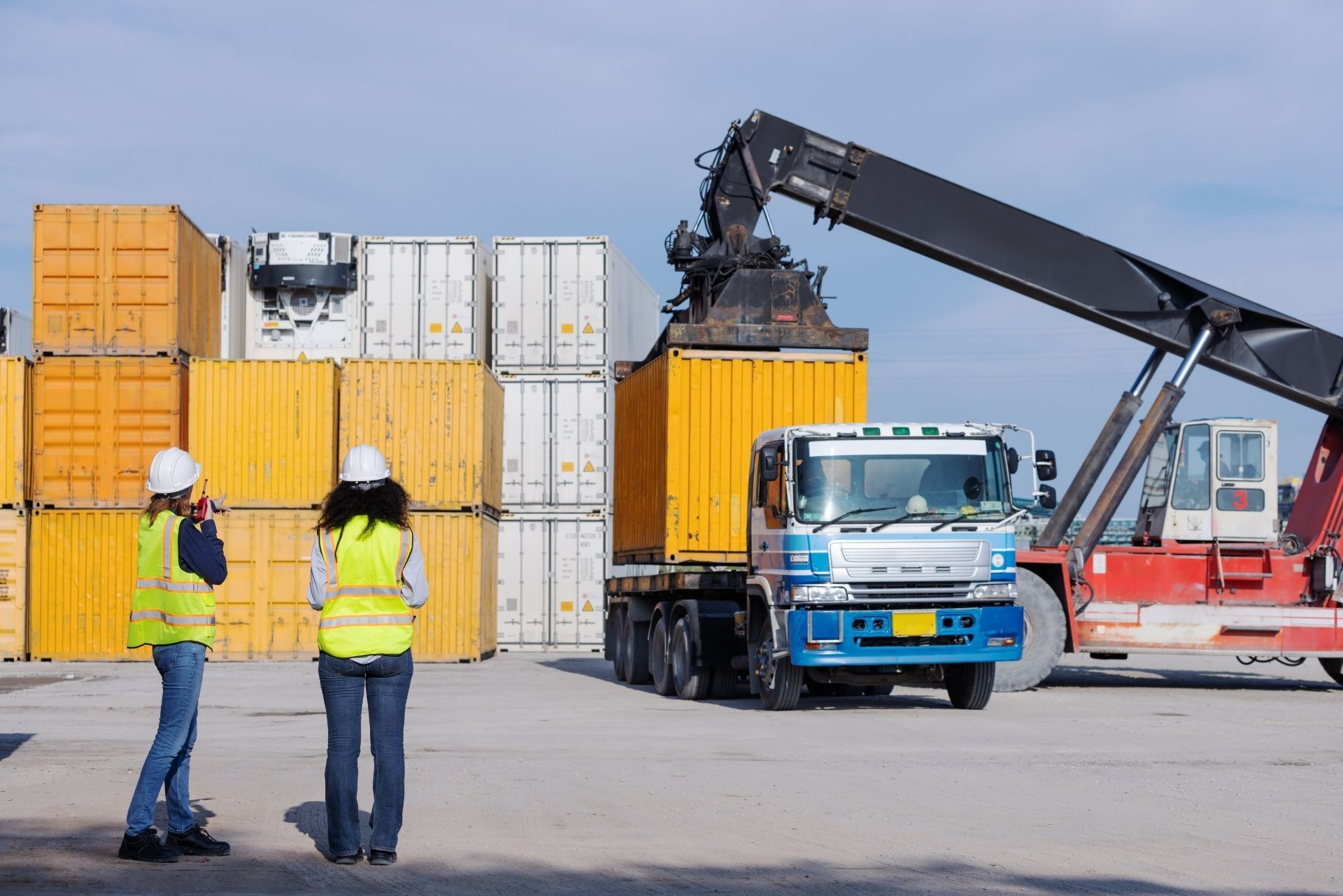
The Port of Houston ranks as the nation's largest port by foreign waterborne tonnage, and that volume translates directly into trucking demand. Carriers serving port facilities handle everything from containerized consumer goods to petrochemical products, each requiring specific coverage considerations. Intermodal operations connecting rail yards, distribution centers, and the port create complex liability scenarios where multiple parties share exposure.
This concentration of freight activity means Houston carriers often haul higher-value loads than their counterparts in smaller markets. A single container of electronics or industrial equipment can represent hundreds of thousands in cargo value. Standard coverage limits that work elsewhere may leave dangerous gaps here.
Unique Regional Risks: Weather, Traffic, and Infrastructure
Hurricane season brings annual anxiety for Houston logistics operations. Flood damage, wind exposure, and business interruption from storm events require coverage considerations that carriers in landlocked states never face. The 2017 Hurricane Harvey losses demonstrated how quickly weather can destroy equipment and inventory simultaneously.
Traffic congestion on I-10, I-45, and the 610 Loop increases accident frequency compared to less congested corridors. More time on crowded roads means more exposure to collisions, and Houston's aggressive driving culture doesn't help. Infrastructure challenges, including aging bridges and construction zones, add mechanical breakdown risks that affect physical damage claims.

By: Mark Raby
Chief Executive Officer at Champion Risk & Insurance Services
Essential Insurance Coverages for Texas Carriers
Primary Auto Liability and Motor Truck Cargo
Texas mandates minimum liability insurance of $500,000 combined single limit for intrastate commercial trucks, though most carriers need significantly higher limits. Interstate operations under FMCSA authority require $750,000 minimum, and hazmat haulers face $1 million or $5 million requirements depending on cargo type. These minimums represent floors, not recommendations.
Motor truck cargo insurance protects the freight you're hauling. Cargo coverage costs typically range from $5,000 to $15,000 annually, depending on commodity types and coverage limits. Refrigerated cargo, high-value electronics, and pharmaceuticals command higher premiums than general freight.
Physical Damage and Bobtail Insurance
Physical damage coverage protects your equipment from collision, theft, fire, and weather damage. Given Houston's flood risk, understanding your policy's flood exclusions matters significantly. Some policies exclude flood entirely; others offer limited coverage that may not reflect actual replacement costs.
Bobtail insurance covers your tractor when operating without a trailer, typically during personal use or between loads. Non-trucking liability serves a similar purpose but with different coverage triggers. Confusing these coverages creates gaps that surface at the worst possible moments.
General Liability and Workers' Compensation
General liability protects against third-party bodily injury and property damage claims not involving your vehicles. Slip-and-fall incidents at customer locations, damage to client property during loading, and similar exposures fall here.
Workers' compensation in Texas remains technically optional, but operating without it creates massive personal liability exposure.
Long-haul truck drivers in Houston face workers' compensation costs of $15.20 to $24.50 per $100 of payroll,reflecting the inherent dangers of the profession. Champion Risk works with carriers to structure workers' comp programs that balance cost control with adequate protection.
Texas-Specific Regulatory and Filing Requirements
TxDMV Requirements and Form E Filings
The Texas Department of Motor Vehicles requires specific insurance filings for intrastate carriers. Form E filings prove your liability coverage meets state minimums, and lapses in these filings can result in operating authority suspension. The bureaucratic process moves slowly, so maintaining continuous coverage prevents costly delays.
Registration requirements vary based on vehicle weight, cargo type, and operating radius. Household goods movers, for instance, face different filing requirements than general freight carriers. Getting these details wrong creates compliance headaches that compound over time.
FMCSA Compliance for Interstate Logistics
Interstate carriers must maintain BMC-91 (liability) and BMC-34 (cargo) filings with the Federal Motor Carrier Safety Administration. These filings link directly to your operating authority, and coverage lapses trigger automatic authority revocation. The FMCSA's SAFER system makes compliance status publicly visible, affecting your ability to secure contracts with shippers who verify carrier credentials.
Unified Carrier Registration fees and International Fuel Tax Agreement compliance add administrative layers that indirectly affect insurance. Carriers with compliance issues often face higher premiums as underwriters view regulatory problems as risk indicators.

Factors Influencing Insurance Costs in the Houston Area
Driver Safety Records and CDL Experience
Driver history represents the single largest factor in premium calculations. Accidents, moving violations, and CSA scores directly impact what underwriters charge. A fleet with clean MVRs can pay 30% to 40% less than a comparable operation with multiple incidents.
CDL experience requirements have tightened considerably. Most preferred markets now require two to three years of verifiable experience, and drivers with less than one year often can't be covered at all. Commercial truck insurance in Texas typically ranges from $10,000 to $15,000 annually, but newer drivers or those with violations can push costs significantly higher.
Equipment Type, Age, and Route Radius
Newer equipment with advanced safety features often qualifies for lower physical damage rates, though higher values mean higher coverage costs overall. Trucks older than ten years may face coverage restrictions or exclusions that limit protection.
Route radius affects liability exposure calculations. Local Houston operations face different risk profiles than long-haul carriers running coast-to-coast. Underwriters analyze where you operate, not just where you're based, when setting rates.
| Factor | Lower Premium Impact | Higher Premium Impact |
|---|---|---|
| Driver Experience | 3+ years, clean MVR | Under 2 years, violations |
| Equipment Age | Under 5 years | Over 10 years |
| Operating Radius | Local/regional | Long-haul interstate |
| Cargo Type | General freight | Hazmat, high-value |
| Safety Technology | Telematics, cameras | No monitoring systems |
Implementing Telematics and Safety Technology
Telematics systems that monitor driver behavior create data trails that demonstrate safety commitment. Hard braking events, speeding incidents, and hours-of-service compliance become measurable rather than anecdotal. Some insurers offer direct premium credits for telematics participation.
Dash cameras serve dual purposes: they provide evidence in disputed claims and create accountability that improves driver behavior. The investment typically pays for itself through reduced claim frequency and better claim outcomes when incidents occur.
Navigating the Texas Litigation Environment
Texas commercial auto insurance premiums have risen dramatically due to increased lawsuits and claim values. Nuclear verdicts, where juries award tens of millions in trucking accident cases, have transformed the liability landscape. Carriers need higher limits than they did a decade ago simply to maintain equivalent protection.
Champion Risk helps clients understand how litigation trends affect coverage needs. Umbrella and excess liability policies that seemed adequate five years ago may now leave dangerous gaps. Proactive claims management and early settlement strategies can reduce exposure to runaway verdicts.
Selecting a Specialized Houston Logistics Insurance Broker
Working with a broker who understands Houston's logistics market makes a measurable difference in both coverage quality and cost. Generalist agents who handle auto and homeowners policies rarely grasp the nuances of motor truck cargo endorsements, trailer interchange agreements, or FMCSA filing requirements.
Look for brokers with direct relationships to transportation-focused insurers. These markets offer coverage forms designed for trucking operations rather than adapted from general commercial auto policies. The difference shows up in claim handling, where specialists understand industry practices that generalists may question.
Champion Risk maintains relationships across multiple transportation insurance markets, allowing comparison shopping that reveals pricing differences between carriers. The same operation can see premium variations of 25% or more depending on which insurer writes the policy.
Frequently Asked Questions
What liability limits do Houston trucking companies actually need? While Texas requires $500,000 CSL for intrastate operations, most carriers should carry $1 million or higher given current verdict trends. Shippers increasingly require $1 million as a contract minimum.
How does hurricane damage affect my trucking insurance? Physical damage policies typically cover wind damage, but flood coverage may require separate endorsements. Review your policy's flood provisions before storm season, not after.
Can I reduce workers' comp costs for my drivers? Safety programs, return-to-work policies, and experience modification factor management all influence workers' comp premiums. Claims history from the past three years drives most of your rate.
What happens if my insurance filing lapses with TxDMV or FMCSA? Operating authority suspension occurs automatically, and reinstatement requires new filings with processing delays. Continuous coverage prevents these disruptions.
Do owner-operators need different coverage than fleet operations? Owner-operators often need occupational accident coverage since they may not qualify for traditional workers' comp. Non-trucking liability and bobtail coverage also become more relevant for leased operators.
Making the Right Coverage Decision
Houston's position as a logistics powerhouse creates opportunities for carriers willing to manage risk properly. The combination of high-value freight, weather exposure, and aggressive litigation demands insurance programs built specifically for this market. Generic coverage purchased on price alone almost always fails when tested by real claims.
Working with specialists who understand both Texas regulations and Houston's unique operating environment positions carriers for sustainable growth. Whether you're launching a new operation or reviewing existing coverage, Champion Risk provides the market access and technical expertise that Houston logistics companies need. Reach out to discuss how your current program measures against what this market actually demands.
About the Author:
Mark Raby
I am a seasoned insurance professional with over 30 years of experience in the industry. I lead Champion Risk & Insurance Services, a San Diego-based brokerage with nationwide reach and strong influence in the insurance marketplace. My core competencies include insurance agency M&A deals, captives and alternative risk structures, and commercial property and casualty insurance for clients in the transportation and logistics industries. I am a former president of IIAB San Diego and hold a Bachelor of Science in Finance from Western Michigan University’s Haworth College of Business.
Protection for Transportation Operations
Business Insurance for Transportation & Logistics Companies
Coverage designed specifically for transportation businesses
Commercial Auto & Trucking
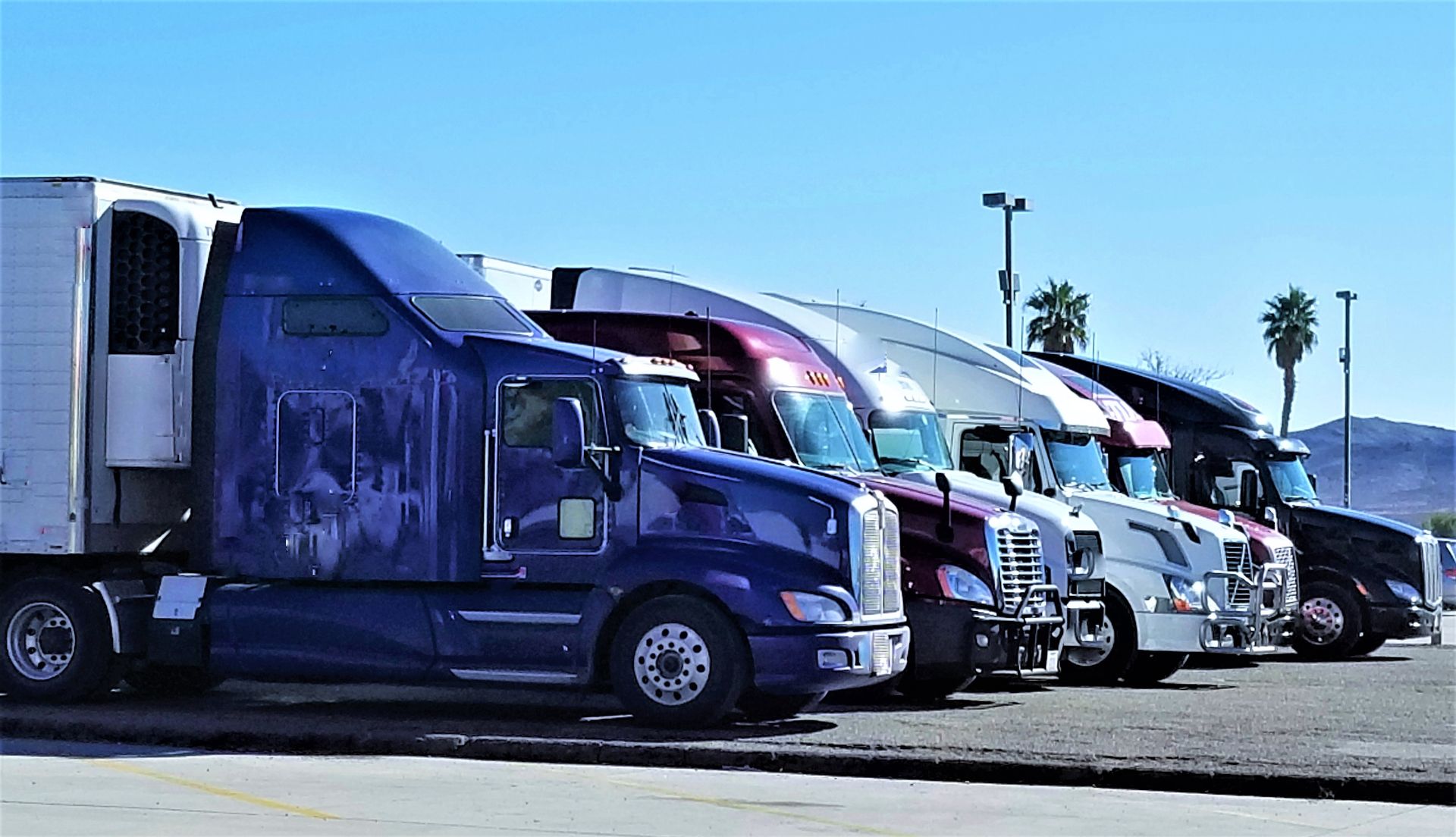
Protection for your fleet including box trucks, moving vans, and trailers. Covers liability, collision, physical damage, and hired or non-owned vehicles used in your operations.
Motor Truck Cargo
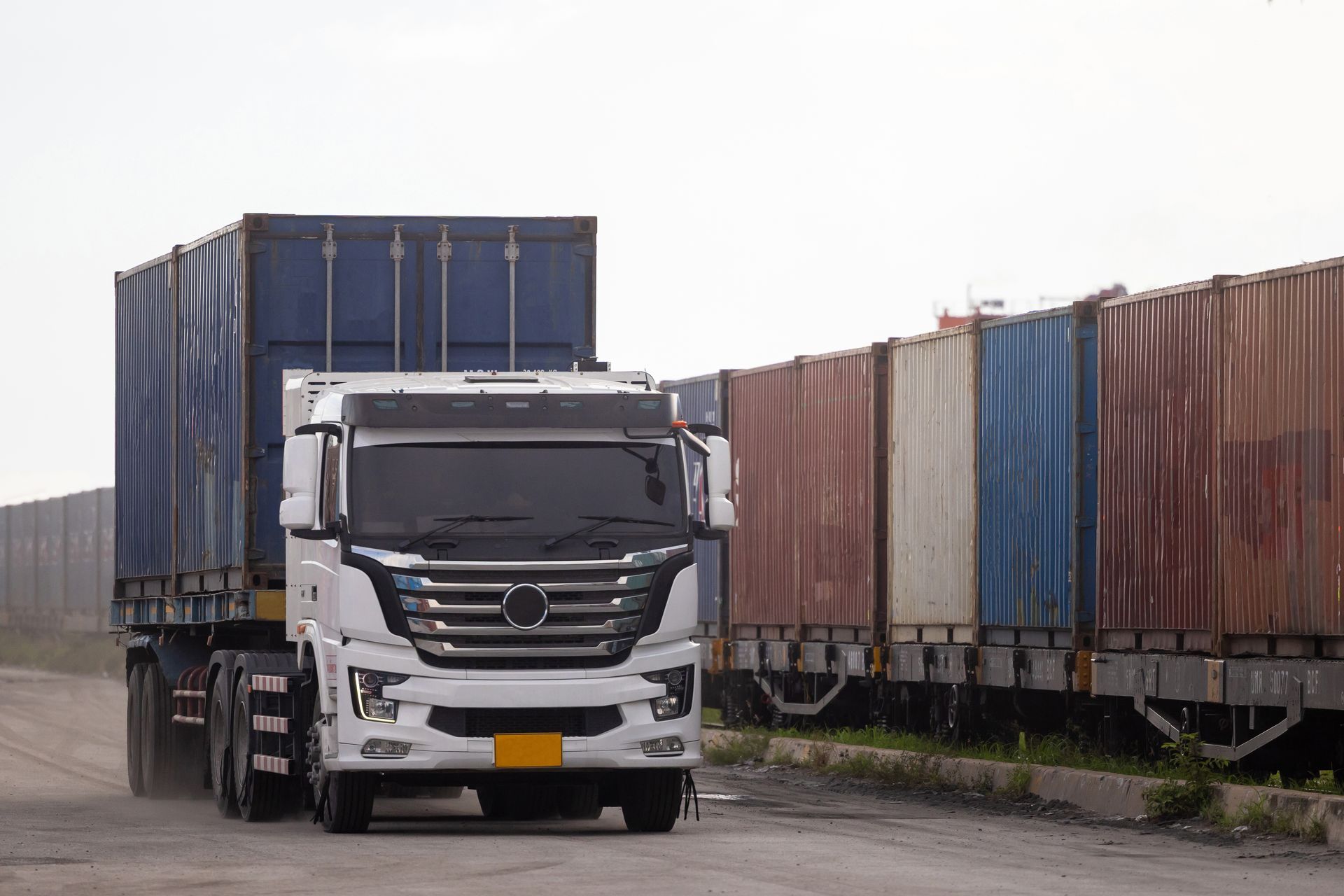
Covers household goods and freight during transport from pickup to delivery. Protects against damage, theft, mysterious disappearance, and weather-related losses while cargo is in your care.

General Liability
Protection from third-party claims for bodily injury and property damage at customer homes, job sites, and your own facility. Essential coverage for every transportation operation
Warehouse Legal Liability
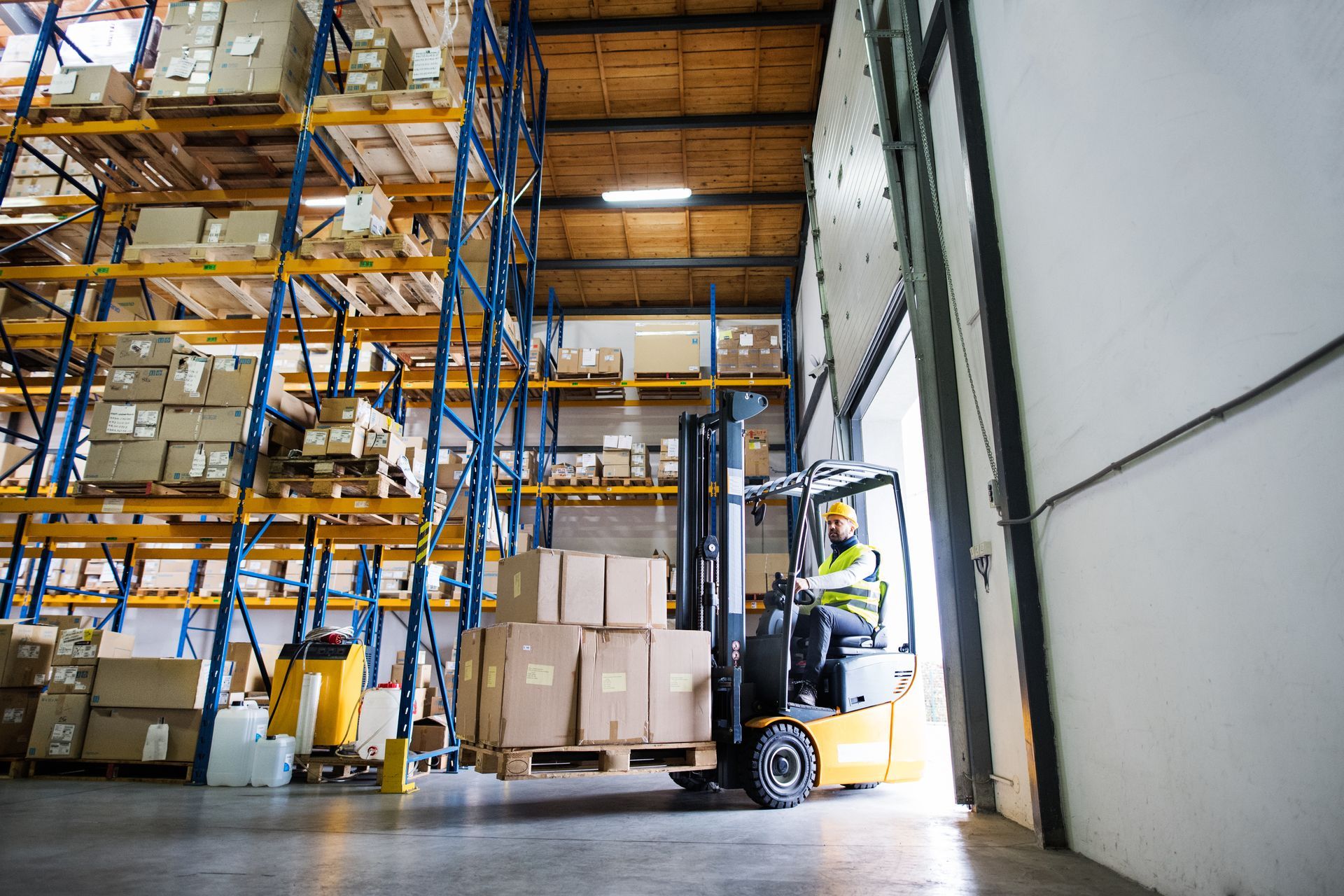
Coverage for customer property while stored in your facility. Protects against damage, theft, fire, and water damage to goods in your care, custody, or control.

Workers' Compensation
Medical care and wage replacement for employees injured on the job. Required in most states for transportation and warehouse work where physical labor creates higher injury risk.

Umbrella & Excess Liability
Higher liability limits stacked on top of your primary policies. Helps meet large contract requirements and protects your business assets against major claims and lawsuits.
Specialized Knowledge
Industries We Protect
Focused coverage for transportation and logistics businesses

Simple and Clear
How Our Process Works
Our process to get you covered
Connect With Us
Reach out through our form or by phone to share your business needs and current coverage situation.
Get Coverage Options
We review your risks, compare carriers, and present clear quotes with plain-language explanations.
Stay Protected
You choose your plan, and we provide ongoing support for certificates, claims, and renewals.
Trusted by Businesses
Feedback That Reflects Service and Reliability
What our clients say about working with Champion Risk
Answers You Need
Frequently Asked Questions
Common questions about transportation and logistics insurance



What insurance does a transportation company need to operate legally?
Motor carriers that cross state lines must meet FMCSA requirements. You need a minimum of $750,000 in liability coverage, plus a BMC-91 filing that proves your insurance to the federal government. Cargo coverage is also required, with minimums that depend on the type of goods you transport.
Intrastate operators follow state-specific rules. California, Texas, and Florida each have different requirements. Champion Risk handles both federal and state filings. We make sure your coverage meets legal minimums and your certificates reach the right agencies.
How much does commercial transportation insurance cost?
Premiums depend on your fleet size, driving records, cargo values, and claims history. A small operation with two trucks might pay $8,000 to $15,000 per year. A larger carrier with ten trucks could pay $50,000 to $100,000 or more.
The best way to control costs is working with a broker who knows transportation insurance. We find carriers that specialize in your exact operation type. This often results in better rates than going direct or using a general agent who doesn't understand the industry.
What is a BMC-91 filing and why do I need one?
A BMC-91 is a form your insurance company files with the FMCSA. It proves you carry the required liability coverage to operate as a for-hire motor carrier. Without an active BMC-91, your operating authority can be revoked.
Champion Risk works with carriers who file electronically. Your BMC-91 typically posts within 24 to 48 hours of binding coverage. We monitor your filing status and alert you if anything needs attention.
Does my warehouse or storage facility need different insurance than a trucking operation?
Yes. Storage facilities need warehouse legal liability coverage. This protects you when customer property is damaged or stolen while in your care. Standard general liability policies exclude this exposure.
You may also need property coverage for your building, equipment breakdown protection, and business income coverage if a fire or disaster shuts down operations. Champion Risk builds storage facility programs that address all these risks in one package.
Can you insure last-mile delivery drivers who use their own vehicles?
Yes. We offer hired and non-owned auto coverage for delivery operations that use independent contractors or employees driving personal vehicles. This fills gaps that personal auto policies don't cover during commercial use.
We also provide occupational accident coverage for 1099 drivers who aren't eligible for workers' comp. This protects your drivers and limits your liability exposure when accidents happen.
How fast can I get proof of insurance for a new contract?
Same day in most cases. Once we bind your policy, we issue certificates of insurance within hours. If your contract requires specific additional insured language or special endorsements, we coordinate directly with the carrier.
Rush requests happen often in this industry. General contractors and corporate clients demand certificates before they let you on site. Champion Risk prioritizes fast turnaround because we know your revenue depends on it.

Answers You Need
Transportation & Logistics Insurance Resources
Articles designed to inform and support your business
Contact Us
Phone Number:
Email Address:
Location:
12264 El Camino Real, Suite 350
San Diego, CA 92130
Hours:
Monday – Friday: 8:00 AM – 6:00 PM PT