
Employment Practices Liability Insurance for Transportation & Logistics Company
Or Call Us:
(800) 829-0807
A single wrongful termination lawsuit can cost a trucking company more than a totaled rig. The average expense for defending and settling an employee claim runs roughly $160,000, and that figure climbs significantly when you factor in California operations, where resolving claims can cost 260% more than elsewhere.
Transportation and logistics companies face unique employment challenges that most industries never encounter. You're managing drivers across state lines, juggling independent contractor classifications, tracking hours of service, and handling wage calculations that would make an accountant's head spin. These complexities create fertile ground for employment disputes.
Employment practices liability insurance protects fleet owners and logistics operators from claims alleging discrimination, harassment, wrongful termination, and wage violations. For an industry where driver turnover regularly exceeds 90% annually and regulatory scrutiny intensifies each year, this coverage isn't optional. The EPLI market itself reflects this reality, valued at USD 4.79 billion in 2024 and projected to reach $10.23 billion by 2033. Transportation companies represent a significant slice of that growth.
Understanding EPLI in the Transportation Sector
Transportation companies operate in an environment where employment decisions happen fast. A driver fails a drug test, and you need them off the road immediately. A dispatcher makes inappropriate comments, and three employees file complaints the same week. These situations require quick action, but quick action without proper documentation invites lawsuits.
EPLI coverage responds to claims arising from employment-related decisions and workplace conduct. For trucking and logistics operations, this means protection against allegations that can surface months or years after an employee leaves. The policy pays for legal defense costs, settlements, and judgments when former or current employees claim their rights were violated.
Common Employment Claims in Logistics
Retaliation claims dominate the EEOC's caseload, representing 56.8% of all discrimination charges filed. In transportation, retaliation often follows safety complaints. A driver reports a maintenance issue, gets terminated two months later for a minor infraction, and suddenly you're defending a whistleblower claim.
Wage and hour disputes hit trucking companies particularly hard. The Department of Labor recovered over $273 million in back wages during fiscal year 2024 due to wage violations. Per diem calculations, detention time pay, and layover compensation create constant exposure for fleet operators.
Discrimination claims based on age, race, and gender remain steady concerns. Harassment allegations, particularly in male-dominated workplaces, continue rising across the industry.
Distinguishing EPLI from General Liability and Workers Comp
Your general liability policy covers third-party bodily injury and property damage. It protects you when a delivery driver backs into someone's fence, not when that driver claims you fired him because of his age.
Workers compensation handles on-the-job injuries. It pays medical bills and lost wages when a warehouse worker hurts their back. It doesn't cover the lawsuit that follows when you terminate that worker during their recovery and they allege disability discrimination.
EPLI fills the gap between these coverages, protecting against claims rooted in employment decisions rather than physical harm or accidents.


By: Mark Raby
Chief Executive Officer at Champion Risk & Insurance Services
Core Coverage and Policy Protections
Standard EPLI policies cover defense costs, settlements, and judgments arising from covered employment claims. Most policies operate on a duty-to-defend basis, meaning the insurer provides legal representation from the moment a claim surfaces. This matters because defense costs alone can exceed $75,000 before you even consider settlement negotiations.
Wrongful Termination and Discrimination Defense
Wrongful termination claims typically allege that an employee was fired for illegal reasons: discrimination, retaliation, or violation of public policy. EPLI responds by providing experienced employment law attorneys who understand both the legal landscape and industry-specific defenses.
Discrimination claims require proving that adverse employment actions stemmed from protected characteristics. Your policy covers the investigation, discovery process, and trial if necessary. Champion Risk works with transportation companies to ensure policy terms align with actual operational exposures.
Wage and Hour Disputes for Drivers
Wage claims present unique challenges for trucking operations. Class action potential multiplies exposure when similar pay practices affect multiple drivers. Some EPLI policies include wage and hour coverage, while others require a separate endorsement.
Coverage typically addresses defense costs and damages, though policy limits for wage claims may differ from other employment claims. Fleet owners should verify whether their policy covers Department of Labor investigations, which can precede formal litigation.
Third-Party Liability and Harassment Claims
Third-party EPLI coverage extends protection beyond employee claims. When a customer accuses your driver of harassment, or a vendor claims discriminatory treatment, third-party coverage responds.
This matters for logistics companies whose employees interact constantly with customers, suppliers, and the public. Standard policies may exclude third-party claims, so confirming this coverage exists saves headaches later.
Premium calculations for transportation companies reflect industry-specific risk factors. Underwriters examine your operations through a lens shaped by trucking's unique employment challenges.
| Factor | Lower Premium Impact | Higher Premium Impact |
|---|---|---|
| Employee count | Under 50 employees | 100+ employees |
| Turnover rate | Below 50% annually | Above 80% annually |
| Claims history | No claims in 5 years | Multiple claims in 3 years |
| HR practices | Formal handbook, training | No documentation |
| State operations | Low-litigation states | California, New York, Florida |
Employee Count and Independent Contractor Ratios
More employees mean more exposure, but the relationship isn't purely linear. Companies with strong HR practices may see favorable rates despite larger headcounts.
Independent contractor ratios complicate underwriting. Insurers know that misclassification claims represent significant exposure, so heavy reliance on contractors triggers additional scrutiny. Some policies specifically exclude claims arising from worker classification disputes.
Claims History and Loss Runs
Past claims predict future claims. Underwriters review your loss runs, examining not just paid claims but also reserved amounts and claim frequency. A single large settlement concerns underwriters less than multiple smaller claims, which suggest systemic problems.
Companies emerging from difficult claims periods should work with specialists like Champion Risk who understand how to present improved practices to underwriters.

Underwriting Requirements and Risk Mitigation
Insurers want evidence that you take employment practices seriously. Documentation requirements serve dual purposes: they help underwriters assess risk and they provide your defense team with ammunition if claims arise.
The Importance of Formal Employee Handbooks
A comprehensive employee handbook establishes expectations and documents policies. Underwriters want to see handbooks that address harassment prevention, complaint procedures, disciplinary processes, and termination protocols.
As one industry expert notes, "EPLI can be used as a risk management tool, encouraging companies to enforce policies that reduce the chances of a lawsuit being filed". Your handbook serves as the foundation for this risk management approach.
Transportation-specific policies should address hours of service compliance, drug testing procedures, and safety reporting protocols. Generic handbooks miss these critical areas.
Proper Documentation for Disciplinary Actions
Every termination should have a paper trail. Progressive discipline documentation, performance reviews, and written warnings create defensible records. Underwriters may request samples of your documentation practices during the application process.
Verbal warnings mean nothing in court. Train supervisors to document conversations, maintain personnel files, and follow consistent procedures across all employees.
Misclassification claims represent existential threats to some trucking operations. When regulators or courts determine that your independent contractors should have been classified as employees, liability extends backward to unpaid benefits, taxes, and overtime.
The ABC test, adopted by California and other states, presumes workers are employees unless the company proves otherwise. Meeting all three prongs of this test challenges many owner-operator relationships.
EPLI policies vary significantly in how they treat misclassification claims. Some exclude them entirely, others cover defense costs only, and some provide full coverage. Fleet owners must understand their policy's position before a claim surfaces.
Champion Risk helps transportation companies evaluate their classification practices and secure appropriate coverage for this evolving exposure.
Choosing the Right Policy Limits and Deductibles
Policy limits should reflect your actual exposure, not industry averages. A 200-truck operation faces different risks than a 20-truck fleet, and limits should scale accordingly.
Consider these factors when selecting limits:
- Total employee and contractor count
- States of operation, particularly high-litigation jurisdictions
- Annual turnover rates
- Historical claim frequency
- Financial capacity to absorb losses
Deductibles, or self-insured retentions, trade premium savings for retained risk. Higher deductibles make sense for companies with strong HR practices and low claim frequency. Companies with past claims may find insurers require higher retentions regardless of preference.
Most transportation companies carry limits between $1 million and $5 million, with deductibles ranging from $10,000 to $100,000. Your specific needs depend on operational factors that generic recommendations can't address.
Frequently Asked Questions
Does EPLI cover claims from independent contractors? Coverage varies by policy. Some policies exclude contractor claims entirely, while others provide limited coverage. Confirm your policy's language before assuming protection exists.
How long does EPLI coverage extend after an employee leaves? Most policies cover claims arising from employment decisions made during the policy period, regardless of when the claim surfaces. Extended reporting periods may apply.
Are wage and hour class actions covered? Many standard policies exclude or sublimit wage and hour claims. Separate endorsements or standalone policies may be necessary for full protection.
Does EPLI cover EEOC investigations? Most policies cover defense costs associated with EEOC charges and investigations, though coverage triggers and limits vary.
What happens if I change insurance carriers mid-claim?
Claims-made policies require coverage when the claim is reported, not when the alleged conduct occurred. Tail coverage or prior acts coverage addresses gaps during carrier transitions.
Making the Right Coverage Decision
Employment practices liability insurance protects transportation companies from claims that can devastate operations and drain resources. The combination of high turnover, complex wage calculations, and multi-state operations creates exposure that demands proper coverage.
Start by auditing your current HR practices and documentation. Identify gaps in handbooks, training programs, and disciplinary procedures. Then work with a specialist who understands transportation industry exposures to structure coverage that matches your actual risk profile.
The cost of EPLI premiums pales against the cost of defending uninsured claims. Contact Champion Risk to evaluate your current coverage and identify opportunities to strengthen your employment practices protection.
About the Author:
Mark Raby
I am a seasoned insurance professional with over 30 years of experience in the industry. I lead Champion Risk & Insurance Services, a San Diego-based brokerage with nationwide reach and strong influence in the insurance marketplace. My core competencies include insurance agency M&A deals, captives and alternative risk structures, and commercial property and casualty insurance for clients in the transportation and logistics industries. I am a former president of IIAB San Diego and hold a Bachelor of Science in Finance from Western Michigan University’s Haworth College of Business.
Protection for Transportation Operations
Business Insurance for Transportation & Logistics Companies
Coverage designed specifically for transportation businesses
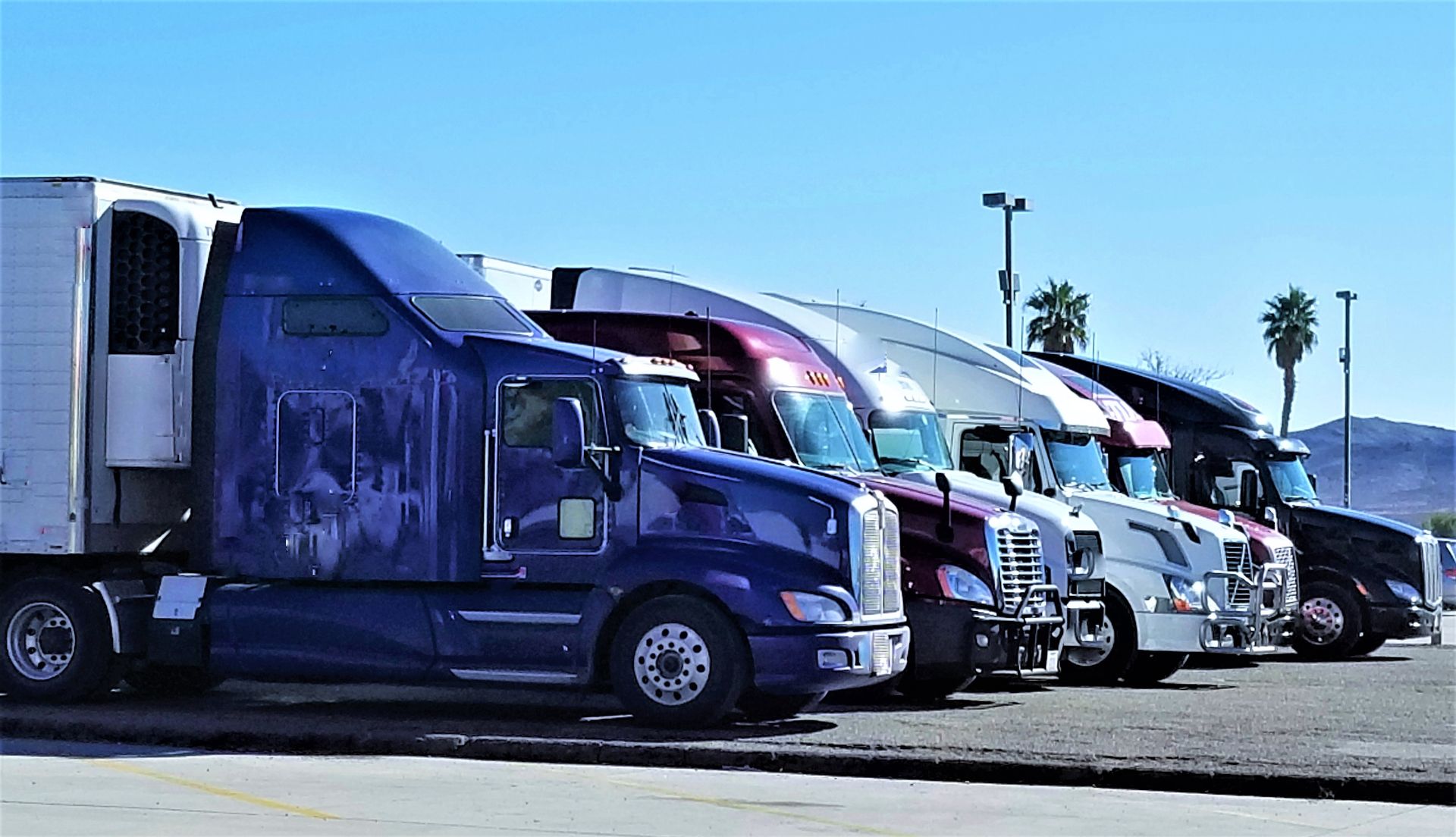
Commercial Auto & Trucking
Protection for your fleet including box trucks, moving vans, and trailers. Covers liability, collision, physical damage, and hired or non-owned vehicles used in your operations.
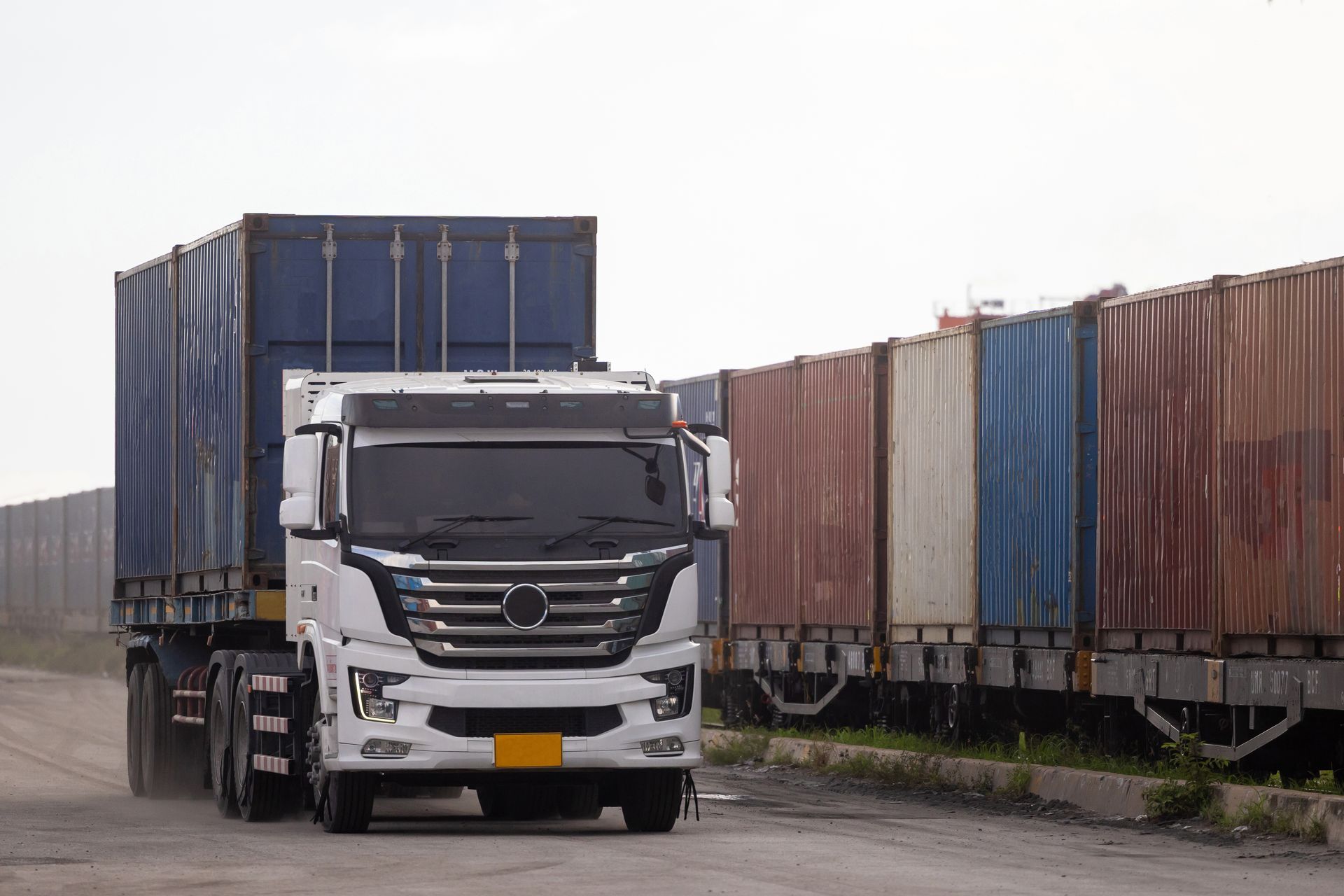
Motor Truck Cargo
Covers household goods and freight during transport from pickup to delivery. Protects against damage, theft, mysterious disappearance, and weather-related losses while cargo is in your care.

General Liability
Protection from third-party claims for bodily injury and property damage at customer homes, job sites, and your own facility. Essential coverage for every transportation operation

Warehouse Legal Liability
Coverage for customer property while stored in your facility. Protects against damage, theft, fire, and water damage to goods in your care, custody, or control.

Workers' Compensation
Medical care and wage replacement for employees injured on the job. Required in most states for transportation and warehouse work where physical labor creates higher injury risk.

Umbrella & Excess Liability
Higher liability limits stacked on top of your primary policies. Helps meet large contract requirements and protects your business assets against major claims and lawsuits.
Specialized Knowledge
Industries We Protect
Focused coverage for transportation and logistics businesses


Simple and Clear
How Our Process Works
Our process to get you covered
Connect With Us
Reach out through our form or by phone to share your business needs and current coverage situation.
Get Coverage Options
We review your risks, compare carriers, and present clear quotes with plain-language explanations.
Stay Protected
You choose your plan, and we provide ongoing support for certificates, claims, and renewals.
Trusted by Businesses
Feedback That Reflects Service and Reliability
What our clients say about working with Champion Risk
Answers You Need
Frequently Asked Questions
Common questions about transportation and logistics insurance




What insurance does a transportation company need to operate legally?
Motor carriers that cross state lines must meet FMCSA requirements. You need a minimum of $750,000 in liability coverage, plus a BMC-91 filing that proves your insurance to the federal government. Cargo coverage is also required, with minimums that depend on the type of goods you transport.
Intrastate operators follow state-specific rules. California, Texas, and Florida each have different requirements. Champion Risk handles both federal and state filings. We make sure your coverage meets legal minimums and your certificates reach the right agencies.
How much does commercial transportation insurance cost?
Premiums depend on your fleet size, driving records, cargo values, and claims history. A small operation with two trucks might pay $8,000 to $15,000 per year. A larger carrier with ten trucks could pay $50,000 to $100,000 or more.
The best way to control costs is working with a broker who knows transportation insurance. We find carriers that specialize in your exact operation type. This often results in better rates than going direct or using a general agent who doesn't understand the industry.
What is a BMC-91 filing and why do I need one?
A BMC-91 is a form your insurance company files with the FMCSA. It proves you carry the required liability coverage to operate as a for-hire motor carrier. Without an active BMC-91, your operating authority can be revoked.
Champion Risk works with carriers who file electronically. Your BMC-91 typically posts within 24 to 48 hours of binding coverage. We monitor your filing status and alert you if anything needs attention.
Does my warehouse or storage facility need different insurance than a trucking operation?
Yes. Storage facilities need warehouse legal liability coverage. This protects you when customer property is damaged or stolen while in your care. Standard general liability policies exclude this exposure.
You may also need property coverage for your building, equipment breakdown protection, and business income coverage if a fire or disaster shuts down operations. Champion Risk builds storage facility programs that address all these risks in one package.
Can you insure last-mile delivery drivers who use their own vehicles?
Yes. We offer hired and non-owned auto coverage for delivery operations that use independent contractors or employees driving personal vehicles. This fills gaps that personal auto policies don't cover during commercial use.
We also provide occupational accident coverage for 1099 drivers who aren't eligible for workers' comp. This protects your drivers and limits your liability exposure when accidents happen.
How fast can I get proof of insurance for a new contract?
Same day in most cases. Once we bind your policy, we issue certificates of insurance within hours. If your contract requires specific additional insured language or special endorsements, we coordinate directly with the carrier.
Rush requests happen often in this industry. General contractors and corporate clients demand certificates before they let you on site. Champion Risk prioritizes fast turnaround because we know your revenue depends on it.


Answers You Need
Transportation & Logistics Insurance Resources
Articles designed to inform and support your business
Contact Us
Phone Number:
Email Address:
Location:
12264 El Camino Real, Suite 350
San Diego, CA 92130
Hours:
Monday – Friday: 8:00 AM – 6:00 PM PT