The Landscape of Oklahoma Transportation and Logistics Insurance
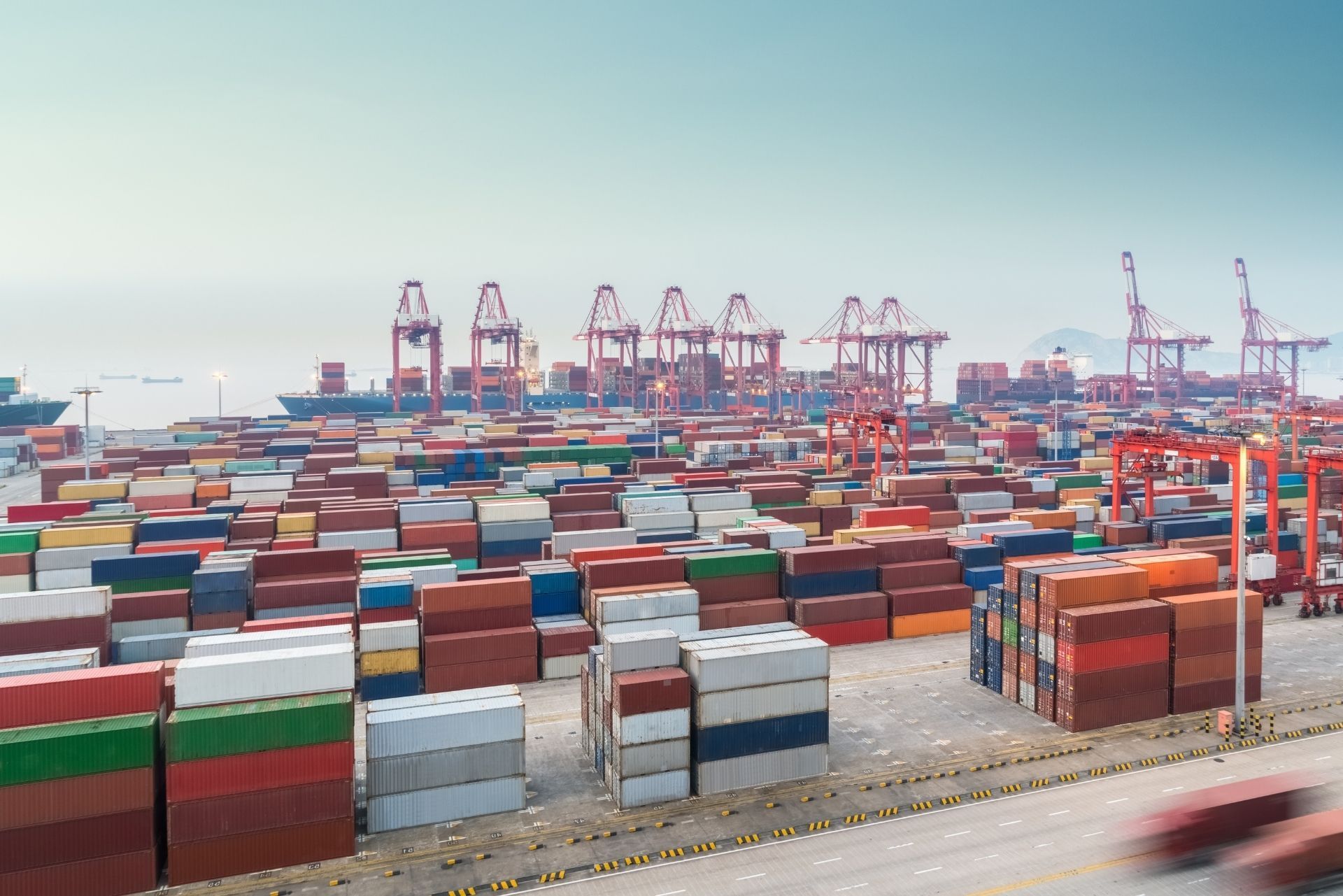
Oklahoma sits at the crossroads of America, quite literally. With Interstate 40 cutting east-west and I-35 running north-south, the state handles an enormous volume of freight traffic. According to TRIP, Oklahoma's transportation system carried 45.1 billion vehicle miles traveled in 2023, making proper insurance coverage essential for anyone operating in this space.
The transportation and logistics insurance market here has its own character. Local premiums average around $9,376 annually, compared to the national average of $13,383, according to Truck Insurance NITIC. That gap exists partly because operating costs in Oklahoma tend to run lower than coastal states, but don't let the relatively affordable premiums fool you into thinking coverage decisions are simple.
What makes Oklahoma's market unique goes beyond geography. The state has experienced significant growth, ranking 11th on the
U-Haul Growth Index for 2024, which means more businesses, more freight demand, and more trucks on the road. This growth creates both opportunity and risk. Understanding state requirements, coverage options, and cost factors isn't just about compliance: it's about protecting your business from the unexpected. Whether you're an owner-operator running a single truck or managing a fleet of fifty, getting your insurance right from the start saves headaches and money down the road.
Oklahoma State Insurance Requirements and Regulations
Oklahoma's insurance regulations blend state-specific requirements with federal mandates, depending on where your trucks operate. The state doesn't make this overly complicated, but missing a requirement can shut down your operation fast.
Minimum Liability and Financial Responsibility Limits
Oklahoma requires minimum auto liability coverage of $25,000 for bodily injury per person, $50,000 for bodily injury per accident, and $25,000 for property damage, as outlined by Nix Law Group. These minimums apply to personal vehicles, though commercial operations typically need higher limits.
For commercial trucking, federal minimums kick in. Carriers hauling general freight need at least $750,000 in liability coverage. Hazmat carriers face requirements up to $5 million depending on what they transport. Most experienced trucking professionals carry well above minimums because a single serious accident can easily exceed $750,000 in damages.
Intrastate vs. Interstate Operating Authority (DOT and MC Numbers)
Operating purely within Oklahoma requires a USDOT number and compliance with Oklahoma Corporation Commission regulations. Cross state lines, and you'll need an MC number from the FMCSA plus compliance with federal insurance requirements.
The distinction matters for insurance purposes. Interstate carriers face more scrutiny and typically pay higher premiums due to increased exposure. Champion Risk works with both intrastate and interstate operators to structure policies that match actual operating authority without paying for coverage you don't need.
Oklahoma Workers' Compensation for Trucking Fleets
Oklahoma operates under an opt-out system for
workers' compensation, one of only a few states allowing this. Trucking companies can create alternative injury benefit plans if they meet specific criteria. That said, most small to mid-sized fleets stick with traditional workers' comp because the administrative burden of alternative plans outweighs the savings.

By: Mark Raby
Chief Executive Officer at Champion Risk & Insurance Services
Essential Coverage Types for Logistics Businesses
Beyond liability minimums, logistics businesses need layered protection covering cargo, property, and the unique risks that come with moving goods.
Motor Truck Cargo and Inland Marine Insurance
Cargo insurance protects the freight you're hauling. Standard policies cover damage from accidents, theft, and fire, but exclusions vary widely. Some policies exclude temperature-sensitive cargo unless you specifically add refrigeration breakdown coverage. Others won't cover high-value electronics without scheduling them separately.
Inland marine insurance extends protection to goods in transit that traditional property policies miss. If you're moving equipment between job sites or storing cargo temporarily at a terminal, inland marine fills gaps that cargo-only policies leave open.
General Liability and Property Damage
General liability covers third-party injuries and property damage that happen outside of vehicle accidents. A client slips at your loading dock, or your forklift damages a customer's warehouse: general liability responds to these situations.
Property coverage protects your physical assets: terminals, warehouses, office equipment, and maintenance facilities. Choosing between actual cash value and replacement cost coverage makes a real difference when filing claims. Replacement cost policies cost more upfront but pay significantly better when you need them.
Bobtail and Non-Trucking Liability for Independent Contractors
Owner-operators leased to motor carriers often assume their carrier's insurance covers them all the time. It doesn't. When you're operating without a trailer or driving for personal reasons, the carrier's policy typically excludes you.
Bobtail insurance covers driving without a trailer attached. Non-trucking liability covers personal use of your commercial vehicle. These policies run a few hundred dollars annually and prevent devastating coverage gaps. Champion Risk sees claims denied regularly because operators didn't understand when their motor carrier's coverage stopped.
Insurance pricing isn't arbitrary. Carriers evaluate specific risk factors when setting premiums, and understanding these factors helps you control costs.
Impact of Route Geography and Local Weather Risks
Oklahoma's weather creates unique challenges. Tornado Alley runs through the state, and severe storms, hail, and ice create seasonal spikes in claims. Carriers operating during spring storm season or winter ice events face higher exposure.
Route geography matters too. Urban routes through Oklahoma City and Tulsa carry higher accident frequency than rural stretches. Long-haul operators running through the Texas Panhandle deal with different risks than local delivery fleets. Insurers price these differences into your premium.
Driver Safety Records and Fleet Maintenance Protocols
Nothing impacts premiums more directly than driver history. A single at-fault accident can increase rates by 20-40% for three years. Multiple violations compound quickly. Hiring drivers with clean MVRs and maintaining that standard through ongoing monitoring keeps premiums manageable.
Documented maintenance programs also influence pricing. Carriers that can demonstrate regular inspections, preventive maintenance schedules, and quick repair turnaround present lower risk. Some insurers offer credits for telematics programs that monitor driving behavior and vehicle health in real time.

Specialized Protections for Supply Chain Intermediaries
Not everyone in logistics operates trucks. Brokers, forwarders, and warehouse operators face distinct risks requiring specialized coverage.
Freight Broker Liability and Professional Errors & Omissions
Freight brokers don't touch cargo, but they face significant liability exposure. If a broker arranges transport with an unqualified carrier who causes an accident or loses cargo, the broker may face claims. Contingent cargo coverage protects against carrier failures.
Errors and omissions insurance covers professional mistakes: booking the wrong carrier, miscommunicating delivery instructions, or failing to verify carrier credentials. A single documentation error can result in claims exceeding $100,000. E&O coverage prevents these mistakes from threatening your business.
Warehouse Legal Liability for Storage Operations
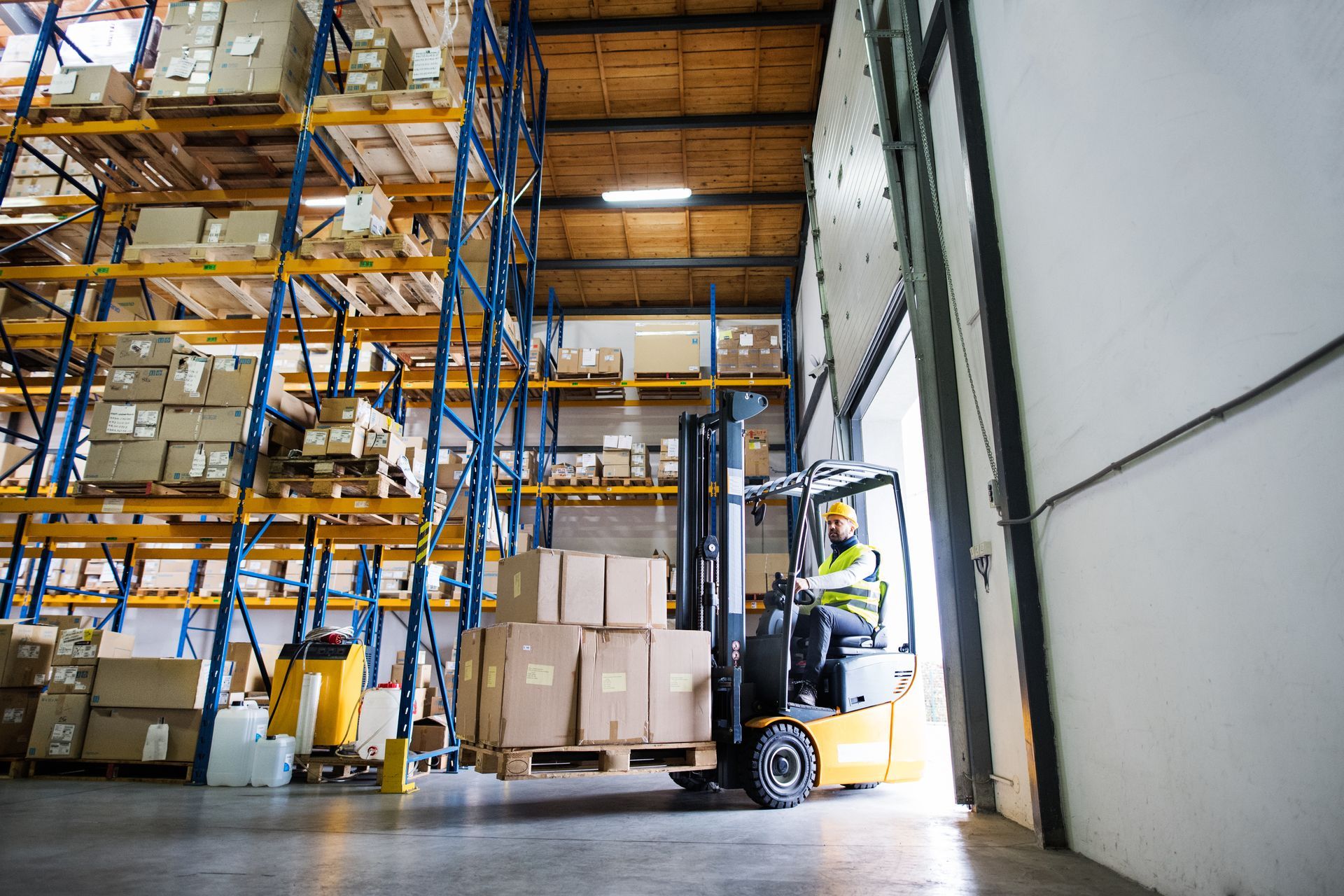
Standard property insurance doesn't cover goods you're storing for others. Warehouse legal liability specifically protects against damage to customer property while in your care. Coverage typically responds to fire, theft, water damage, and handling errors.
Limits should reflect the maximum value of goods stored at any time. Underestimating this value creates dangerous coverage gaps. Champion Risk recommends quarterly reviews of stored inventory values to keep coverage aligned with actual exposure.
Strategies for Reducing Costs and Securing Robust Policies
Commercial truck insurance in Oklahoma averages around $12,400 annually for owner-operators, according to Truck Insurance NITIC. That's a significant expense, but several strategies can reduce costs without sacrificing necessary protection.
| Strategy | Potential Savings | Implementation Difficulty |
|---|---|---|
| Higher deductibles | 10-25% premium reduction | Low |
| Driver training programs | 5-15% discount | Medium |
| Telematics installation | 5-20% discount | Medium |
| Multi-policy bundling | 10-15% reduction | Low |
| Safety committee documentation | 5-10% credit | Medium |
Bundling policies with a single carrier often generates savings. Combining auto liability, cargo, general liability, and workers' comp under one insurer simplifies administration and typically reduces total premium.
Working with specialists matters. General insurance agents rarely understand trucking-specific coverage nuances. Champion Risk focuses exclusively on transportation and logistics, which means understanding policy language that generalists miss.
Frequently Asked Questions
How much does trucking insurance cost in Oklahoma? Owner-operators average around $12,400 annually, while local fleet premiums average $9,376. Actual costs depend on equipment type, cargo hauled, driver experience, and operating radius.
Do I need separate cargo insurance if I'm leased to a carrier? Usually yes. Motor carrier policies protect the carrier's interest in cargo, not yours. Owner-operators should carry their own cargo coverage to protect against deductibles and coverage gaps.
What happens if I operate interstate without proper MC authority? Operating without authority results in fines up to $16,000 per violation, potential vehicle impoundment, and insurance policy voiding. Carriers verify authority before providing coverage.
Is workers' comp required for trucking companies in Oklahoma? Employers with one or more employees must carry workers' comp or qualify for an approved alternative benefit plan. Independent contractors without employees are exempt but should consider occupational accident coverage.
How do weather events affect my insurance claims?
Comprehensive coverage responds to weather damage, but deductibles apply. Severe storm seasons may trigger aggregate deductibles or sub-limits for named storms in some policies.
Making the Right Coverage Decisions
Getting transportation and logistics insurance right in Oklahoma requires balancing state requirements, federal mandates, and practical business protection. The relatively affordable premiums compared to national averages create opportunity, but cutting corners on coverage creates risk that far exceeds any premium savings.
Start with compliance: meet state minimums and federal requirements for your operating authority. Build from there based on actual exposure: what you haul, where you operate, and how much a major claim could cost your business. Review coverage annually as operations change.
Champion Risk specializes in helping Oklahoma transportation businesses find coverage that fits. Whether you're launching a new operation or reviewing existing policies, working with specialists who understand trucking-specific risks makes the difference between adequate protection and policies that fail when you need them most.
About the Author:
Mark Raby
I am a seasoned insurance professional with over 30 years of experience in the industry. I lead Champion Risk & Insurance Services, a San Diego-based brokerage with nationwide reach and strong influence in the insurance marketplace. My core competencies include insurance agency M&A deals, captives and alternative risk structures, and commercial property and casualty insurance for clients in the transportation and logistics industries. I am a former president of IIAB San Diego and hold a Bachelor of Science in Finance from Western Michigan University’s Haworth College of Business.
Protection for Transportation Operations
Business Insurance for Transportation & Logistics Companies
Coverage designed specifically for transportation businesses
Commercial Auto & Trucking
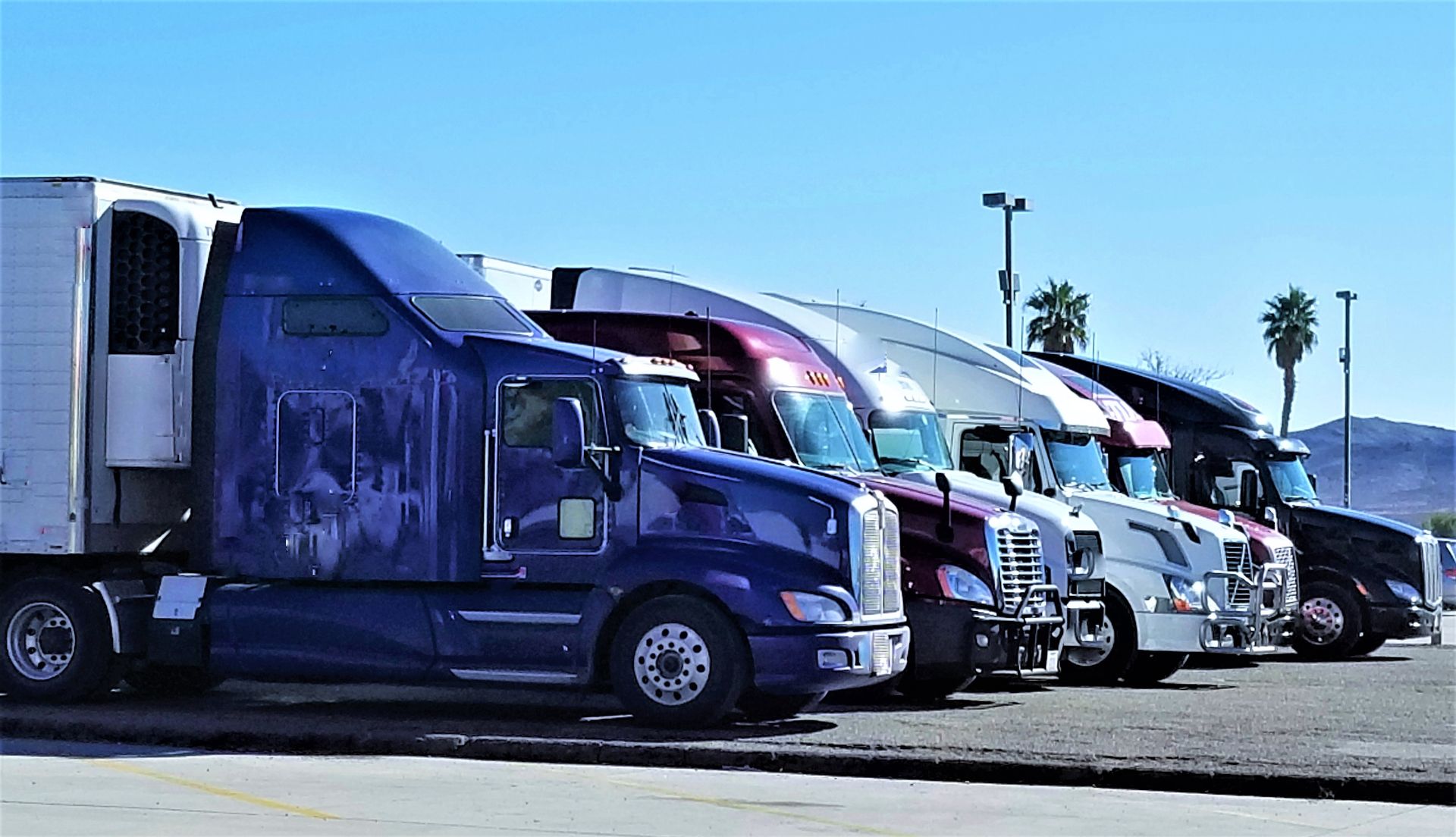
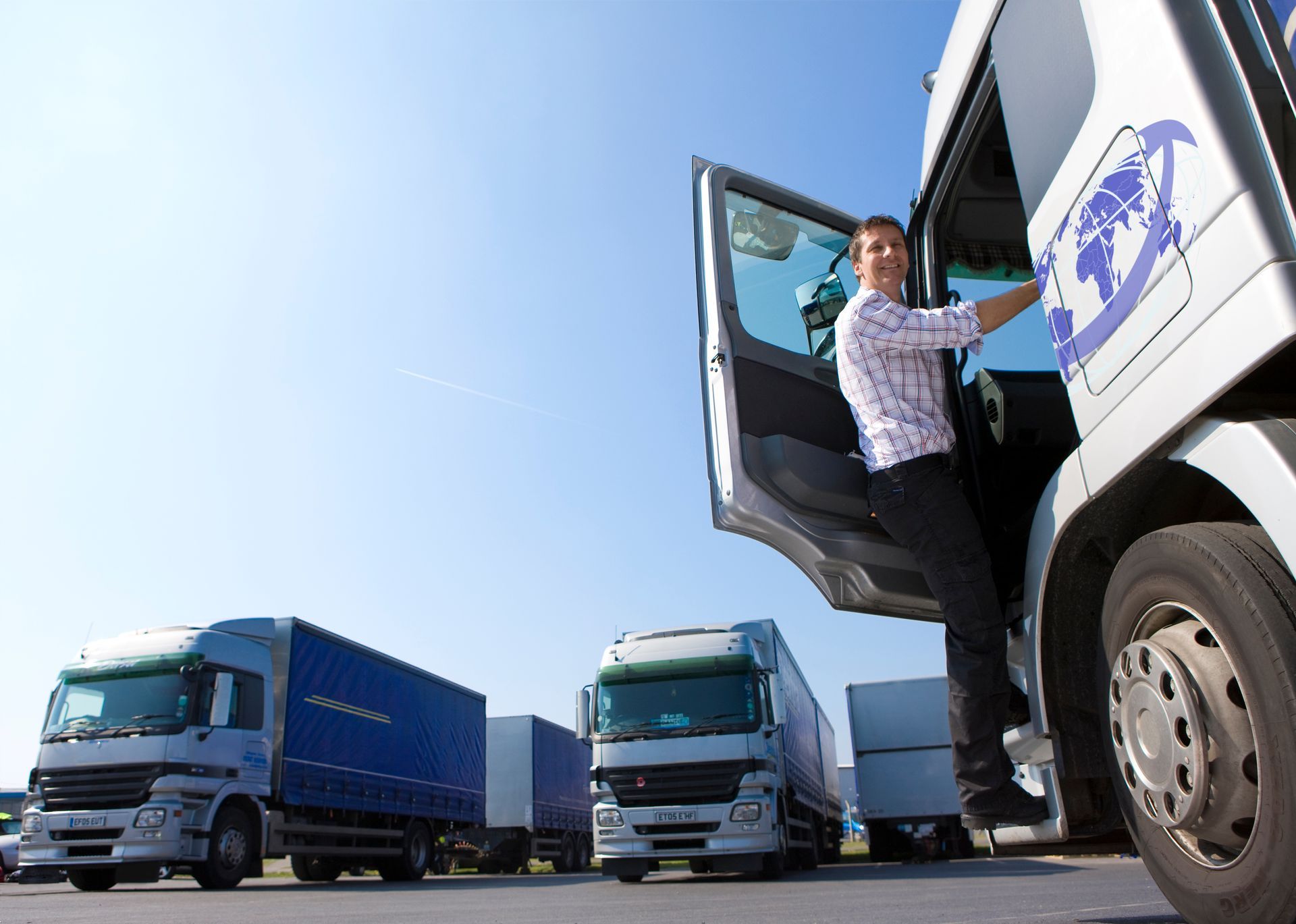
Protection for your fleet including box trucks, moving vans, and trailers. Covers liability, collision, physical damage, and hired or non-owned vehicles used in your operations.
Motor Truck Cargo
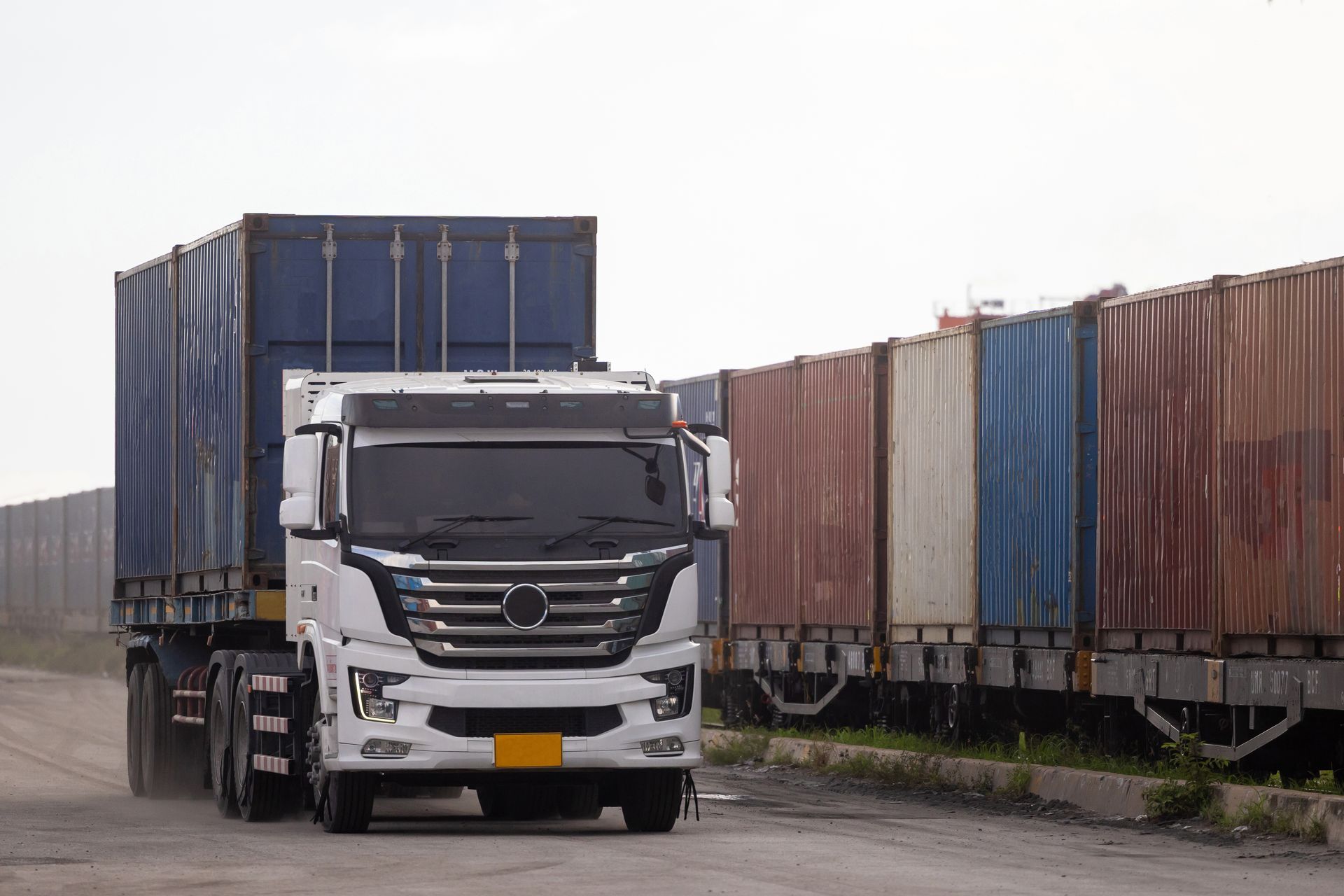
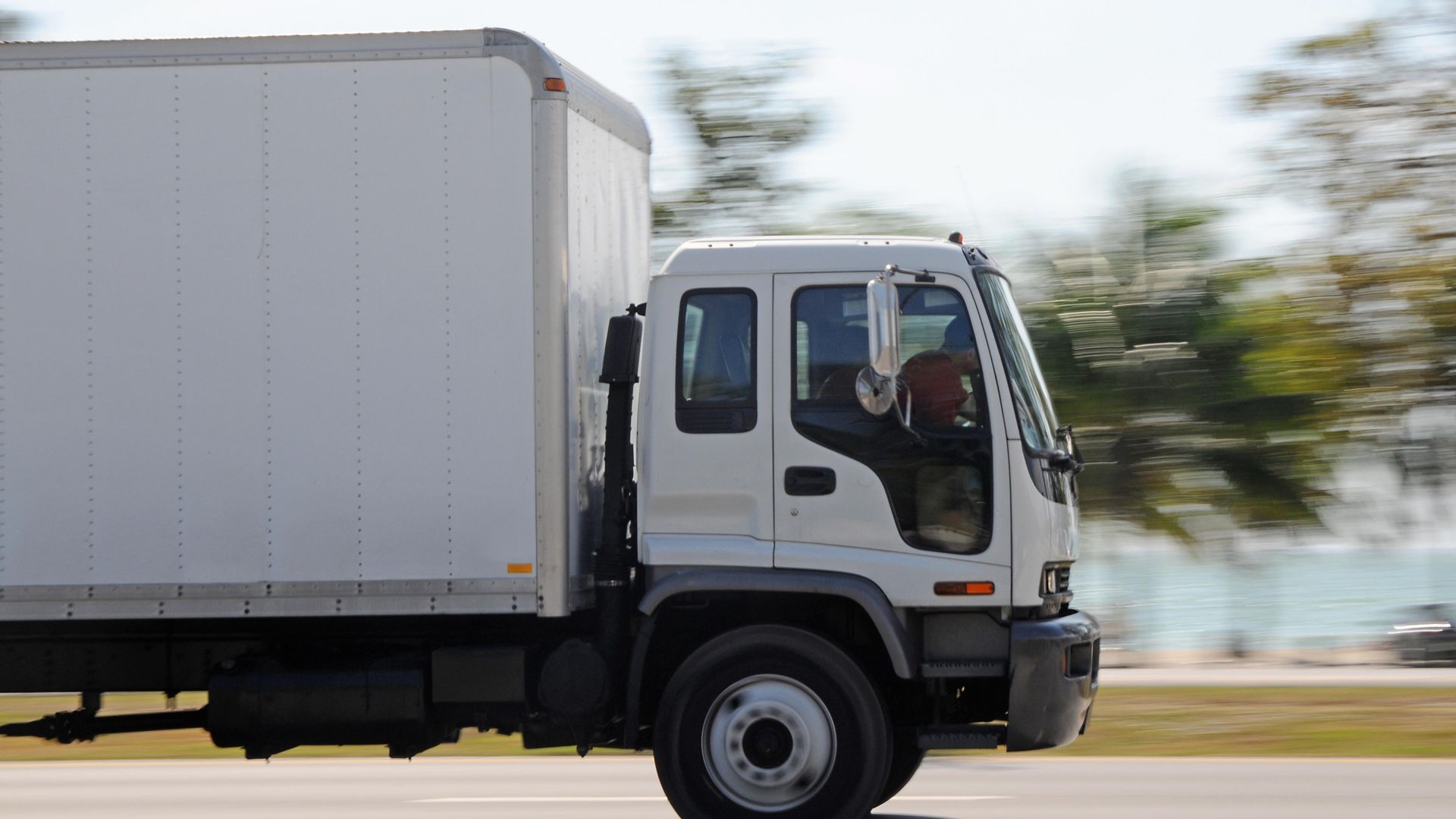
Covers household goods and freight during transport from pickup to delivery. Protects against damage, theft, mysterious disappearance, and weather-related losses while cargo is in your care.

General Liability
Protection from third-party claims for bodily injury and property damage at customer homes, job sites, and your own facility. Essential coverage for every transportation operation
Warehouse Legal Liability
Coverage for customer property while stored in your facility. Protects against damage, theft, fire, and water damage to goods in your care, custody, or control.

Workers' Compensation
Medical care and wage replacement for employees injured on the job. Required in most states for transportation and warehouse work where physical labor creates higher injury risk.

Umbrella & Excess Liability
Higher liability limits stacked on top of your primary policies. Helps meet large contract requirements and protects your business assets against major claims and lawsuits.
Specialized Knowledge
Industries We Protect
Focused coverage for transportation and logistics businesses

Simple and Clear
How Our Process Works
Our process to get you covered
Connect With Us
Reach out through our form or by phone to share your business needs and current coverage situation.
Get Coverage Options
We review your risks, compare carriers, and present clear quotes with plain-language explanations.
Stay Protected
You choose your plan, and we provide ongoing support for certificates, claims, and renewals.
Trusted by Businesses
Feedback That Reflects Service and Reliability
What our clients say about working with Champion Risk
Answers You Need
Frequently Asked Questions
Common questions about transportation and logistics insurance



What insurance does a transportation company need to operate legally?
Motor carriers that cross state lines must meet FMCSA requirements. You need a minimum of $750,000 in liability coverage, plus a BMC-91 filing that proves your insurance to the federal government. Cargo coverage is also required, with minimums that depend on the type of goods you transport.
Intrastate operators follow state-specific rules. California, Texas, and Florida each have different requirements. Champion Risk handles both federal and state filings. We make sure your coverage meets legal minimums and your certificates reach the right agencies.
How much does commercial transportation insurance cost?
Premiums depend on your fleet size, driving records, cargo values, and claims history. A small operation with two trucks might pay $8,000 to $15,000 per year. A larger carrier with ten trucks could pay $50,000 to $100,000 or more.
The best way to control costs is working with a broker who knows transportation insurance. We find carriers that specialize in your exact operation type. This often results in better rates than going direct or using a general agent who doesn't understand the industry.
What is a BMC-91 filing and why do I need one?
A BMC-91 is a form your insurance company files with the FMCSA. It proves you carry the required liability coverage to operate as a for-hire motor carrier. Without an active BMC-91, your operating authority can be revoked.
Champion Risk works with carriers who file electronically. Your BMC-91 typically posts within 24 to 48 hours of binding coverage. We monitor your filing status and alert you if anything needs attention.
Does my warehouse or storage facility need different insurance than a trucking operation?
Yes. Storage facilities need warehouse legal liability coverage. This protects you when customer property is damaged or stolen while in your care. Standard general liability policies exclude this exposure.
You may also need property coverage for your building, equipment breakdown protection, and business income coverage if a fire or disaster shuts down operations. Champion Risk builds storage facility programs that address all these risks in one package.
Can you insure last-mile delivery drivers who use their own vehicles?
Yes. We offer hired and non-owned auto coverage for delivery operations that use independent contractors or employees driving personal vehicles. This fills gaps that personal auto policies don't cover during commercial use.
We also provide occupational accident coverage for 1099 drivers who aren't eligible for workers' comp. This protects your drivers and limits your liability exposure when accidents happen.
How fast can I get proof of insurance for a new contract?
Same day in most cases. Once we bind your policy, we issue certificates of insurance within hours. If your contract requires specific additional insured language or special endorsements, we coordinate directly with the carrier.
Rush requests happen often in this industry. General contractors and corporate clients demand certificates before they let you on site. Champion Risk prioritizes fast turnaround because we know your revenue depends on it.

Answers You Need
Transportation & Logistics Insurance Resources
Articles designed to inform and support your business
Contact Us
Phone Number:
Email Address:
Location:
12264 El Camino Real, Suite 350
San Diego, CA 92130
Hours:
Monday – Friday: 8:00 AM – 6:00 PM PT