A freight forwarder loses $340,000 when a trusted dispatcher creates phantom loads and pockets payments for months before anyone notices. A trucking company watches $180,000 vanish after an employee falls for a sophisticated email scam that mimics their largest shipper's payment portal. These aren't hypothetical scenarios: they're real losses that happen weekly across the transportation industry.
Crime insurance for transportation and logistics companies provides protection against these internal and external threats that cargo policies simply don't address. While most fleet operators obsess over cargo coverage and liability limits, they overlook the coverage gap that leaves them exposed to employee theft, forgery, and increasingly sophisticated fraud schemes. The numbers tell a concerning story: estimated losses from supply chain crime surged 60% to nearly $725 million in 2025, and much of this stems from criminal activity that standard cargo policies exclude entirely.
The transportation sector's unique vulnerabilities, including high cash flow, multiple access points, complex payment systems, and distributed workforces, make it a prime target for both internal and external criminal activity. Understanding what crime insurance actually covers, what drives premium costs, and what underwriters require before issuing a policy can mean the difference between surviving a major theft event and watching your company collapse under uninsured losses.
Understanding Crime Insurance in the Logistics Sector
Crime insurance operates in a fundamentally different space than most transportation policies. It protects against deliberate criminal acts rather than accidents, covering losses from employee dishonesty, forgery, theft of money and securities, and computer fraud. For logistics operations handling millions in freight and processing countless financial transactions, this coverage addresses risks that grow more severe each year.
Difference Between Crime Insurance and Cargo Insurance
Cargo insurance covers physical loss or damage to goods in transit: a truck accident, warehouse fire, or stolen trailer. Crime insurance covers financial losses from criminal acts, often committed by people you trust. The distinction matters because cargo policies typically exclude employee theft and never cover losses from forged documents or fraudulent wire transfers.
Consider a scenario where your warehouse manager systematically steals inventory over 18 months. Cargo insurance won't pay because there's no covered event, just ongoing theft by an employee. Crime insurance steps in here. Similarly, when a hacker compromises your payment system and redirects $200,000 to offshore accounts, your cargo policy offers nothing while crime coverage responds.
Why Transportation Companies are High-Risk Targets
Transportation companies handle significant cash flow with relatively thin margins, making any theft particularly damaging. Drivers operate independently across vast distances with minimal supervision. Warehouse workers have access to valuable inventory. Office staff process payments and handle sensitive financial data. Each role presents theft opportunities that criminals, both internal and external, exploit regularly.
Strategic cargo theft has seen a dramatic increase, with one source reporting a 1,500% increase since 2021.These aren't random crimes. Sophisticated criminal organizations now target logistics companies specifically because they understand the industry's vulnerabilities. Social engineering attacks impersonate shippers, brokers, and even company executives to redirect payments or steal loads.


By: Mark Raby
Chief Executive Officer at Champion Risk & Insurance Services
Core Coverage Components for Fleet and Freight Operations
A comprehensive crime policy for transportation companies includes several distinct coverage sections, each addressing specific theft scenarios that plague the industry.
Employee Dishonesty and Internal Theft
This coverage responds when employees steal money, securities, or property. For logistics companies, this includes drivers who steal cargo, dispatchers who create phantom loads, accounting staff who embezzle funds, and warehouse workers who pilfer inventory. Coverage typically extends to temporary workers, leased employees, and sometimes independent contractors under your direct supervision.
The policy pays for direct losses you discover during the policy period, even if the theft occurred earlier. Most policies include a discovery period after cancellation, giving you time to uncover losses that happened while coverage was active. Champion Risk works with transportation clients to structure employee dishonesty limits that reflect actual exposure based on inventory values, cash handling, and payment processing volumes.
Forgery, Alteration, and Social Engineering Fraud
Forgery coverage protects against losses from forged or altered checks, drafts, and similar instruments. Someone alters a check your company issued, cashing it for a larger amount: this coverage responds. An employee forges your signature on company checks: covered.
Social engineering fraud, sometimes called cyber deception, addresses losses when criminals trick employees into transferring money or property. The classic scenario involves an email that appears to come from your CEO directing an urgent wire transfer. These attacks have become devastatingly effective in logistics because the industry operates on tight timelines where urgent payment requests seem normal.
Theft of Money and Securities On and Off Premises
This coverage section protects cash, checks, and money orders whether they're in your office safe, being transported to the bank, or held at a customer location. For transportation companies that handle COD payments or maintain cash reserves for driver advances, this coverage prevents significant gaps.
The distinction between on-premises and off-premises matters. Policies specify different limits for each, and transportation companies often need higher off-premises limits given the amount of cash that moves with drivers and between locations.
Underwriters evaluate several factors when pricing crime coverage for logistics operations. Understanding these factors helps you anticipate costs and identify areas where improved controls might reduce premiums.
Annual Revenue and Volume of Transactions
Higher revenue generally means higher exposure, but transaction volume matters more than total dollars. A company processing 10,000 payments monthly faces more theft opportunities than one processing 500 payments of larger amounts. Underwriters want to understand payment methods, approval processes, and reconciliation procedures.
Cargo theft costs the U.S. trucking industry approximately $6.6 billion annually, and insurers know that companies handling more freight face proportionally higher crime exposure. Your premium reflects this reality, though strong controls can offset some of the increased risk.
Number of Employees and Access Levels
More employees with access to money, inventory, or financial systems means more potential theft scenarios. Underwriters examine not just headcount but access controls. How many people can initiate wire transfers? Who has keys to the warehouse? Can drivers access cargo areas unsupervised?
| Risk Factor | Lower Premium Impact | Higher Premium Impact |
|---|---|---|
| Employee count | Under 50 employees | Over 200 employees |
| Cash handling | Minimal cash operations | Significant COD or cash advances |
| Payment authority | Dual approval required | Single-person authorization |
| Inventory access | Restricted, logged entry | Open access, minimal tracking |
| Prior losses | Clean loss history | Multiple claims in 5 years |

Underwriting Requirements and Risk Mitigation
Insurers don't just price risk: they require specific controls before issuing coverage. Meeting these requirements often reduces premiums while genuinely protecting your operation.
Internal Financial Controls and Auditing Procedures
Underwriters expect separation of duties in financial operations. The person who initiates payments shouldn't be the same person who approves them. Bank reconciliations should happen monthly, performed by someone without payment authority. Inventory counts should occur regularly with discrepancies investigated promptly.
Only 36.4% of logistics service providers report all cargo theft incidents to their insurance carrier. This underreporting suggests many companies lack the internal controls to even detect theft. Insurers view robust auditing procedures as evidence that you'll catch problems early, limiting loss severity.
Champion Risk often helps clients document existing controls in ways that satisfy underwriters while identifying gaps that need attention. Sometimes simple procedural changes, like requiring dual signatures on checks over $5,000, significantly improve your risk profile.
Pre-Employment Screening and Background Checks
Transportation companies face unique screening challenges. Drivers require DOT background checks, but office staff often receive minimal vetting. Underwriters want to see consistent screening across all positions with access to money, inventory, or financial systems.
Effective screening includes criminal background checks, employment verification, and reference checks. For positions with significant financial access, credit checks may be appropriate. Document your screening procedures and apply them consistently: underwriters review these policies during the application process.
Selecting the Right Policy Limits and Deductibles
Choosing appropriate limits requires honest assessment of your exposure. Underinsurance saves premium dollars but leaves you vulnerable when losses exceed coverage. Overinsurance wastes money on limits you'll never need.
Start by calculating maximum possible loss scenarios. What's the most an employee could steal before detection? Consider your largest customer payment, your average daily cash on hand, your highest-value inventory accessible to a single employee. These figures establish a baseline for limit selection.
Deductibles work differently in crime insurance than in other policies. Higher deductibles reduce premiums but leave you responsible for smaller losses. For transportation companies with thin margins, a $25,000 deductible might be manageable, but a $100,000 deductible could create cash flow problems when you need to absorb a loss while waiting for coverage to respond.
Cargo theft incidents in North America reached 3,594 in 2025, and many of these involved insider information or employee participation. Your crime policy limits should reflect the reality that losses can be substantial and may not be discovered immediately.
Frequently Asked Questions
Does crime insurance cover theft by independent contractors? Coverage varies by policy. Some forms extend to contractors under your direct supervision, while others exclude them entirely. Review your policy language carefully and discuss contractor arrangements with your agent.
How quickly does crime insurance pay claims? Most claims require investigation, especially for employee dishonesty. Expect 30 to 90 days for straightforward claims, longer for complex losses involving multiple employees or extended theft periods.
Can I get crime insurance with a prior theft loss? Yes, though premiums will be higher and underwriters will scrutinize what controls you've implemented since the loss. Demonstrating improved procedures helps offset the impact of prior claims.
Does crime insurance cover cyber theft? Traditional crime policies include some computer fraud coverage, but comprehensive cyber protection requires a separate cyber liability policy. The two policies should coordinate to avoid gaps.
What's the minimum coverage amount available?
Most insurers offer crime policies starting at $25,000 to $50,000 in coverage. Transportation companies typically need significantly higher limits based on their actual exposure.
Making the Right Coverage Decision
Crime insurance represents essential protection for transportation and logistics operations facing escalating theft risks. The coverage fills gaps that cargo and liability policies leave exposed, protecting against the internal and external criminal threats that target this industry specifically.
Work with a specialist who understands transportation operations. Champion Risk helps logistics companies assess their actual crime exposure, structure appropriate limits, and implement the controls that satisfy underwriters while genuinely reducing risk. The premium you pay should reflect your specific operation, not generic industry assumptions. Request a crime insurance review to identify coverage gaps before a loss reveals them the hard way.
About the Author:
Mark Raby
I am a seasoned insurance professional with over 30 years of experience in the industry. I lead Champion Risk & Insurance Services, a San Diego-based brokerage with nationwide reach and strong influence in the insurance marketplace. My core competencies include insurance agency M&A deals, captives and alternative risk structures, and commercial property and casualty insurance for clients in the transportation and logistics industries. I am a former president of IIAB San Diego and hold a Bachelor of Science in Finance from Western Michigan University’s Haworth College of Business.
Protection for Transportation Operations
Business Insurance for Transportation & Logistics Companies
Coverage designed specifically for transportation businesses
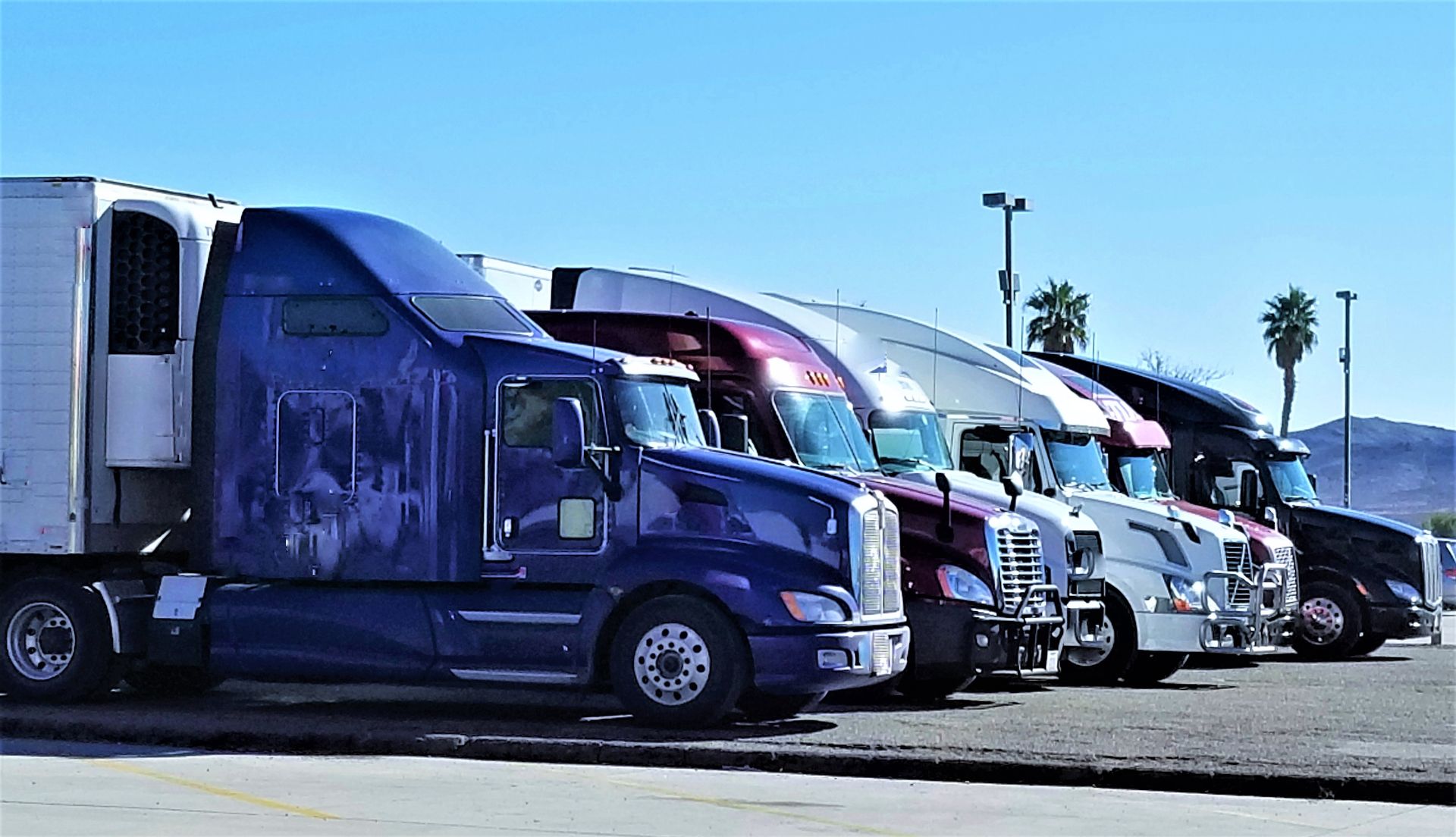
Commercial Auto & Trucking
Protection for your fleet including box trucks, moving vans, and trailers. Covers liability, collision, physical damage, and hired or non-owned vehicles used in your operations.
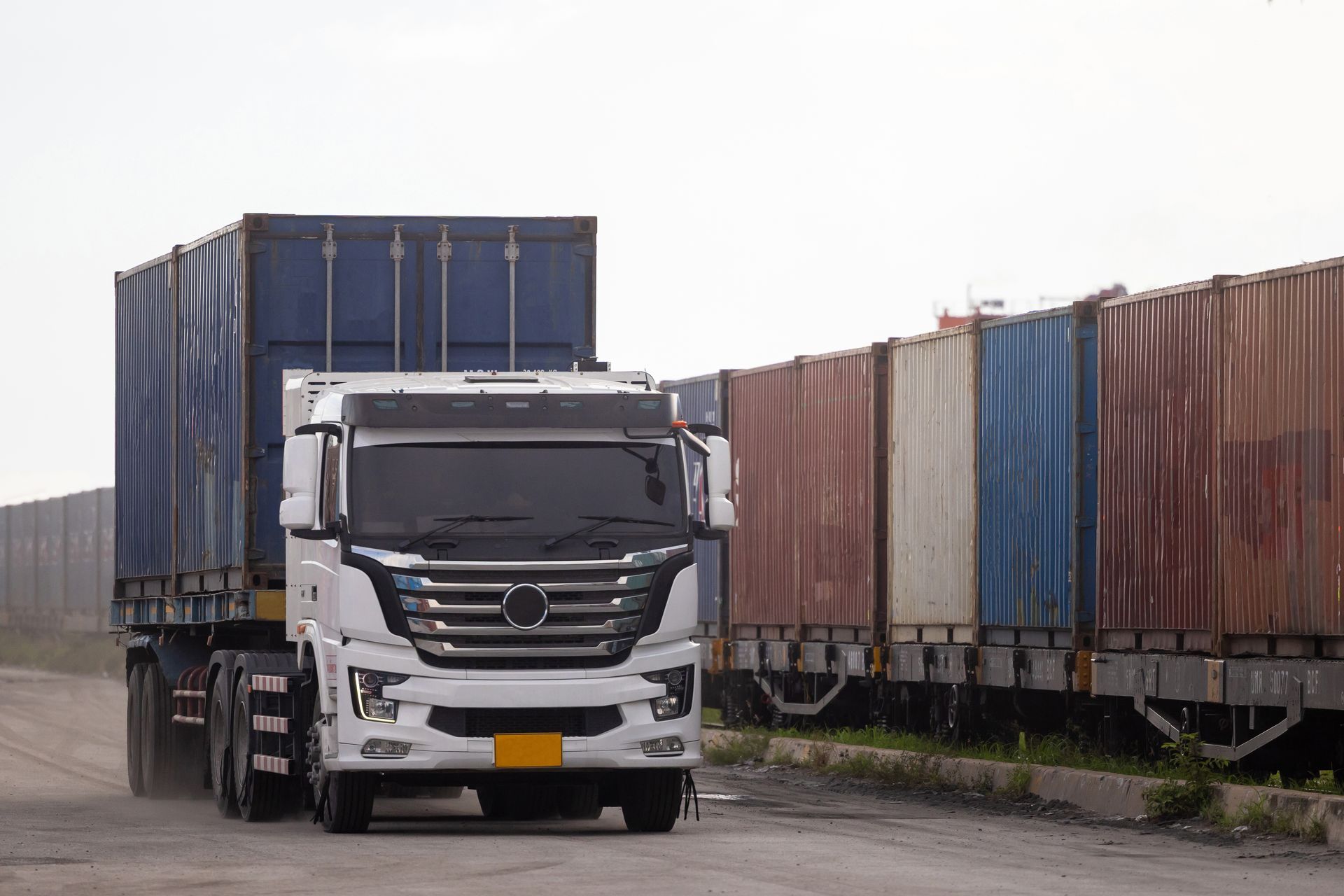
Motor Truck Cargo
Covers household goods and freight during transport from pickup to delivery. Protects against damage, theft, mysterious disappearance, and weather-related losses while cargo is in your care.

General Liability
Protection from third-party claims for bodily injury and property damage at customer homes, job sites, and your own facility. Essential coverage for every transportation operation

Warehouse Legal Liability
Coverage for customer property while stored in your facility. Protects against damage, theft, fire, and water damage to goods in your care, custody, or control.

Workers' Compensation
Medical care and wage replacement for employees injured on the job. Required in most states for transportation and warehouse work where physical labor creates higher injury risk.

Umbrella & Excess Liability
Higher liability limits stacked on top of your primary policies. Helps meet large contract requirements and protects your business assets against major claims and lawsuits.
Specialized Knowledge
Industries We Protect
Focused coverage for transportation and logistics businesses


Simple and Clear
How Our Process Works
Our process to get you covered
Connect With Us
Reach out through our form or by phone to share your business needs and current coverage situation.
Get Coverage Options
We review your risks, compare carriers, and present clear quotes with plain-language explanations.
Stay Protected
You choose your plan, and we provide ongoing support for certificates, claims, and renewals.
Trusted by Businesses
Feedback That Reflects Service and Reliability
What our clients say about working with Champion Risk
Answers You Need
Frequently Asked Questions
Common questions about transportation and logistics insurance




What insurance does a transportation company need to operate legally?
Motor carriers that cross state lines must meet FMCSA requirements. You need a minimum of $750,000 in liability coverage, plus a BMC-91 filing that proves your insurance to the federal government. Cargo coverage is also required, with minimums that depend on the type of goods you transport.
Intrastate operators follow state-specific rules. California, Texas, and Florida each have different requirements. Champion Risk handles both federal and state filings. We make sure your coverage meets legal minimums and your certificates reach the right agencies.
How much does commercial transportation insurance cost?
Premiums depend on your fleet size, driving records, cargo values, and claims history. A small operation with two trucks might pay $8,000 to $15,000 per year. A larger carrier with ten trucks could pay $50,000 to $100,000 or more.
The best way to control costs is working with a broker who knows transportation insurance. We find carriers that specialize in your exact operation type. This often results in better rates than going direct or using a general agent who doesn't understand the industry.
What is a BMC-91 filing and why do I need one?
A BMC-91 is a form your insurance company files with the FMCSA. It proves you carry the required liability coverage to operate as a for-hire motor carrier. Without an active BMC-91, your operating authority can be revoked.
Champion Risk works with carriers who file electronically. Your BMC-91 typically posts within 24 to 48 hours of binding coverage. We monitor your filing status and alert you if anything needs attention.
Does my warehouse or storage facility need different insurance than a trucking operation?
Yes. Storage facilities need warehouse legal liability coverage. This protects you when customer property is damaged or stolen while in your care. Standard general liability policies exclude this exposure.
You may also need property coverage for your building, equipment breakdown protection, and business income coverage if a fire or disaster shuts down operations. Champion Risk builds storage facility programs that address all these risks in one package.
Can you insure last-mile delivery drivers who use their own vehicles?
Yes. We offer hired and non-owned auto coverage for delivery operations that use independent contractors or employees driving personal vehicles. This fills gaps that personal auto policies don't cover during commercial use.
We also provide occupational accident coverage for 1099 drivers who aren't eligible for workers' comp. This protects your drivers and limits your liability exposure when accidents happen.
How fast can I get proof of insurance for a new contract?
Same day in most cases. Once we bind your policy, we issue certificates of insurance within hours. If your contract requires specific additional insured language or special endorsements, we coordinate directly with the carrier.
Rush requests happen often in this industry. General contractors and corporate clients demand certificates before they let you on site. Champion Risk prioritizes fast turnaround because we know your revenue depends on it.


Answers You Need
Transportation & Logistics Insurance Resources
Articles designed to inform and support your business
Contact Us
Phone Number:
Email Address:
Location:
12264 El Camino Real, Suite 350
San Diego, CA 92130
Hours:
Monday – Friday: 8:00 AM – 6:00 PM PT