Philadelphia, Pennsylvania Transportation & Logistics Insurance
Or Call Us:
(800) 829-0807
Philadelphia sits at the crossroads of American commerce. With over a million tons of freight moving through the region annually, according to PIDC, this city handles more cargo than most people realize. The Port of Philadelphia connects ocean vessels to rail lines and highways, while I-95 serves as the spine of East Coast distribution. For carriers and logistics companies operating here, the insurance requirements are anything but simple.
The stakes are real. A single accident on the Schuylkill Expressway can result in claims exceeding $1 million. Cargo theft in certain neighborhoods costs the industry millions each year. And Pennsylvania's regulatory framework adds layers that out-of-state carriers often miss until it's too late. Transportation and logistics insurance in Philadelphia demands attention to local requirements, coverage gaps, and cost factors that generic policies simply don't address. Understanding what you actually need, versus what someone is trying to sell you, makes the difference between adequate protection and financial exposure.
The Landscape of Transportation and Logistics in Philadelphia
Regional Hub Dynamics: Port of Philadelphia and I-95 Corridors
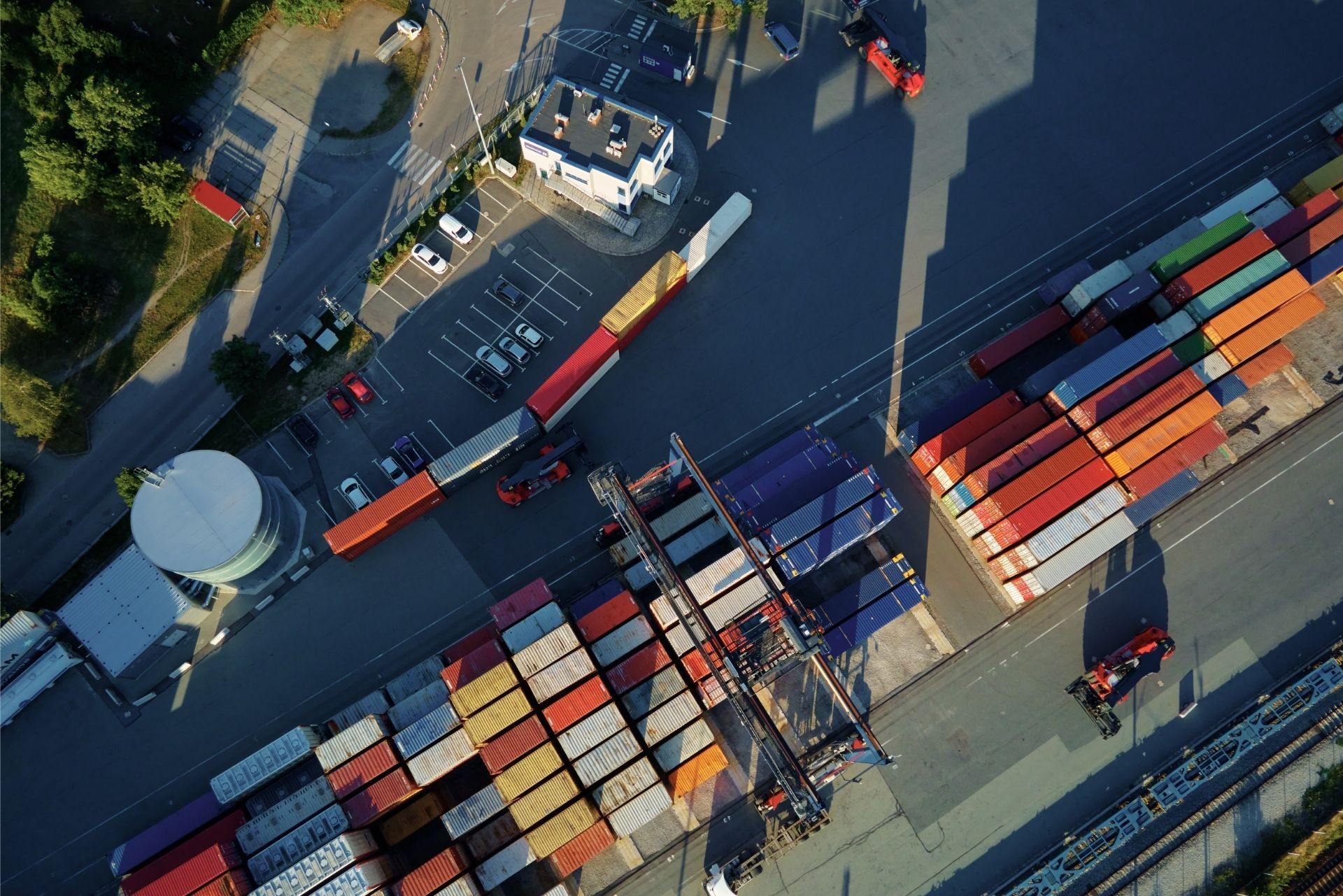
The Delaware River waterfront has transformed over the past decade. Modern distribution centers now line areas that once held abandoned warehouses. The Port of Philadelphia handles containerized cargo, breakbulk shipments, and refrigerated goods, creating demand for specialized drayage operations. Truckers moving containers from port terminals to regional warehouses face unique exposures: tight turning radiuses, heavy loads, and time-sensitive deliveries that push schedules.
I-95 and I-76 intersect in ways that create bottlenecks during peak hours. Carriers operating these corridors deal with stop-and-go traffic that increases accident frequency. The Commodore Barry Bridge and Walt Whitman Bridge serve as critical connection points to New Jersey markets, meaning many Philadelphia-based carriers maintain operations across state lines. This multistate exposure complicates insurance requirements significantly.
Assessing Risk Factors for Local Urban and Interstate Haulers
Urban delivery in Center City presents challenges suburban carriers never face. Double-parking, aggressive cyclists, and pedestrians stepping into traffic create constant collision risks. Delivery windows at commercial buildings often require early morning or late evening schedules, times when visibility decreases and fatigue increases.
Approximately 1 in 6 workers in Philadelphia are employed in the industrial sector, per
PIDC, which translates to significant last-mile delivery demand. E-commerce fulfillment has exploded, putting more box trucks and sprinter vans on congested streets. These operations need coverage structures different from long-haul trucking, yet many carriers try to force-fit the same policies.

By: Mark Raby
Chief Executive Officer at Champion Risk & Insurance Services
Essential Insurance Coverage for Pennsylvania Carriers
Primary Liability and Motor Truck Cargo Protections
Pennsylvania's minimum liability insurance limits stand at $15,000 per person, $30,000 per accident for bodily injury, and $5,000 for property damage, according to Alchemy Insurance. These minimums apply to personal vehicles. Commercial operations need far more. Interstate trucking companies may require liability coverage from $750,000 to $5,000,000 depending on cargo and passengers, as noted by Alchemy Insurance.
Motor truck cargo insurance protects the freight you haul. Standard policies cover loss or damage during transit, but exclusions matter. Refrigerated cargo needs reefer breakdown coverage. High-value electronics may require scheduled limits. The policy that worked for your previous commodity might leave gaps when you diversify into new freight types.
Physical Damage and Bobtail Insurance for Independent Contractors
Owner-operators leasing to carriers often assume the motor carrier's policy covers everything. That assumption fails when you're driving without a trailer attached. Bobtail insurance fills the gap during non-dispatch periods. If you stop for groceries on your way home and cause an accident, the carrier's policy won't respond.
Physical damage coverage for your tractor represents a significant investment. Collision and comprehensive policies should reflect actual cash value or agreed value, depending on your equipment's condition. Champion Risk works with carriers who've been burned by policies that depreciated their trucks to nothing after a total loss. Getting the valuation right matters before you need to file a claim.
General Liability and Warehouse Legal Liability for Logistics Providers
Trucking companies that also operate cross-docks or warehouses need coverage beyond auto policies.
General liability protects against slip-and-fall claims from visitors and vendors.
Warehouse legal liability covers damage to goods in your care, custody, and control while stored.
| Coverage Type | What It Protects | Common Limits |
|---|---|---|
| General Liability | Third-party injuries, property damage | $1M per occurrence |
| Warehouse Legal | Stored goods damage | Based on inventory value |
| Cargo Insurance | Freight in transit | $100K to $250K typical |
| Auto Liability | Vehicle accidents | $750K to $1M minimum |
Pennsylvania State and Philadelphia Local Compliance Requirements
PennDOT and PUC Filing Requirements for Intrastate Operations
Carriers operating solely within Pennsylvania must register with the Pennsylvania Public Utility Commission. The PUC requires proof of insurance before issuing operating authority. Filings must be made on specific forms, and lapses in coverage trigger automatic suspension of authority.
PennDOT handles vehicle registration and safety inspections. Commercial vehicles require annual inspections at certified stations. Failed inspections mean vehicles can't operate legally, and operating without valid inspection stickers exposes you to fines and potential policy voidance.
Workers' Compensation Mandates for Pennsylvania Transportation Firms
Pennsylvania requires workers' compensation coverage for virtually all employers. The transportation industry carries higher experience modification rates due to injury frequency. Back injuries from loading, repetitive motion injuries from driving, and accidents during coupling operations drive claims.
Independent contractor classifications get scrutinized heavily. The IRS and Pennsylvania Department of Labor use different tests. Misclassifying employees as contractors can result in back premiums, penalties, and personal liability for owners. Champion Risk advises clients to document contractor relationships carefully and maintain appropriate coverage regardless of classification.
Impact of Urban Traffic Density and Philadelphia Crime Statistics
Insurance carriers analyze loss data by zip code. Certain Philadelphia neighborhoods show elevated cargo theft rates, which directly impacts premium calculations. Truckers who park loaded trailers overnight in high-risk areas pay more than those with secured yard storage.
Traffic density affects collision frequency. Routes through North Philadelphia differ from suburban runs through Bucks County. Carriers can sometimes reduce premiums by documenting primary operating areas and avoiding high-loss territories when possible.
Fleet Safety Records and CDL Driver Experience Ratings
Your CSA scores matter more than most carriers realize. Unsafe driving alerts, hours-of-service violations, and vehicle maintenance issues all factor into underwriting decisions. Carriers with poor scores face limited market options and higher premiums.
Driver experience requirements have tightened. Many insurers now require three years of CDL experience minimum. Hiring newer drivers means paying higher premiums or finding specialty markets willing to write the risk. The cost difference can reach 40% or more.
Strategies for Reducing Logistics Insurance Costs
Implementing Telematics and Dashcam Safety Programs
Forward-facing dashcams provide evidence that protects against fraudulent claims. Nuclear verdicts in trucking litigation have made insurers nervous. Video evidence showing your driver wasn't at fault can prevent million-dollar settlements.
Telematics systems track speed, hard braking, and hours of service. Some insurers offer premium credits for carriers using approved systems. The data also helps identify drivers who need additional training before they cause losses.
- Install dual-facing dashcams on all power units
- Review telematics data weekly with drivers
- Document all safety meetings and training sessions
- Maintain detailed maintenance records
Navigating the Specialized Philadelphia Commercial Insurance Market
Not every insurance broker understands transportation. Generalists often place trucking accounts with standard markets that don't fit the risk. Specialized brokers like Champion Risk access markets designed for commercial auto and cargo exposures.
Philadelphia Insurance Companies maintains a 97% claims satisfaction rating, demonstrating that carrier selection matters beyond just premium. Claims handling determines whether a loss becomes a minor inconvenience or a business-ending event.
Frequently Asked Questions
What liability limits do Philadelphia trucking companies actually need? Most shippers require $1 million minimum, though hazmat and passenger operations need higher limits. Interstate carriers should carry at least $750,000 to $1 million regardless of minimum requirements.
Does my motor carrier's insurance cover me when I'm bobtailing? Usually not. Most motor carrier policies only cover you during dispatch. You need separate bobtail or non-trucking liability coverage for personal use.
How do I reduce my commercial truck insurance premiums? Clean CSA scores, experienced drivers, dashcams, and telematics all help. Working with a specialized broker who knows which markets fit your operation makes a significant difference.
Is workers' compensation required for owner-operators in Pennsylvania? Owner-operators working alone can often opt out, but those hiring helpers need coverage. Misclassification risks make this determination critical.
What happens if my insurance lapses while I have PUC authority? Your operating authority gets suspended automatically. Reinstatement requires new filings and potentially additional fees.
Making the Right Coverage Decisions
Philadelphia's logistics industry continues expanding due to its strategic location and infrastructure investments, as Last Mile Logistics Solutions notes. That growth brings opportunity and risk in equal measure. Getting insurance right means understanding local requirements, selecting appropriate coverage limits, and working with specialists who know this market.
The carriers who thrive here build relationships with brokers who understand their operations. They invest in safety technology that reduces losses and premiums. They stay current on regulatory changes that affect their authority. Champion Risk works with Philadelphia-area transportation companies to build coverage programs that actually fit, rather than forcing generic policies onto complex operations. Reach out to discuss your specific situation and find coverage that protects what you've built.
About the Author:
Mark Raby
I am a seasoned insurance professional with over 30 years of experience in the industry. I lead Champion Risk & Insurance Services, a San Diego-based brokerage with nationwide reach and strong influence in the insurance marketplace. My core competencies include insurance agency M&A deals, captives and alternative risk structures, and commercial property and casualty insurance for clients in the transportation and logistics industries. I am a former president of IIAB San Diego and hold a Bachelor of Science in Finance from Western Michigan University’s Haworth College of Business.
Protection for Transportation Operations
Business Insurance for Transportation & Logistics Companies
Coverage designed specifically for transportation businesses
Commercial Auto & Trucking
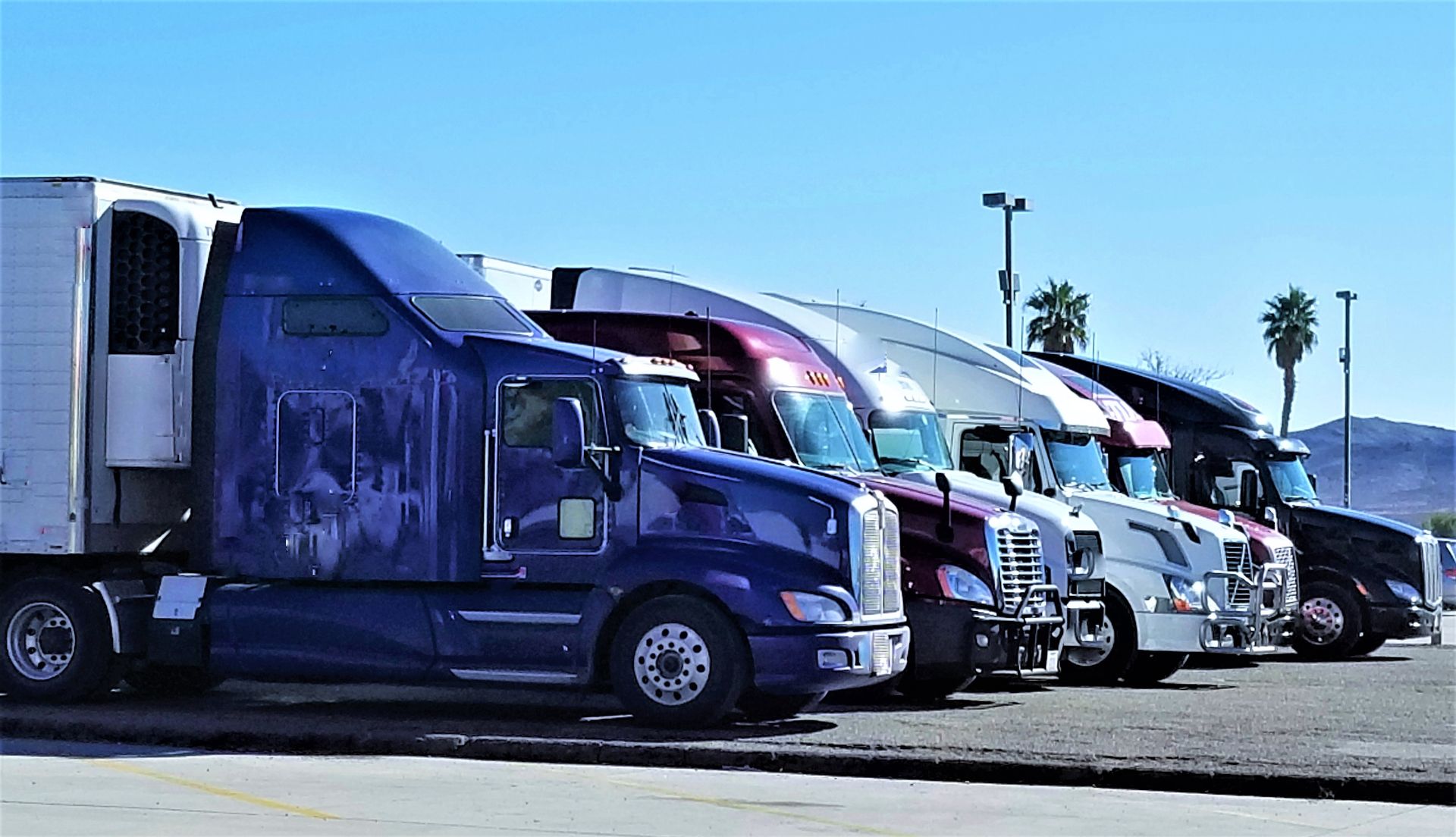
Protection for your fleet including box trucks, moving vans, and trailers. Covers liability, collision, physical damage, and hired or non-owned vehicles used in your operations.
Motor Truck Cargo
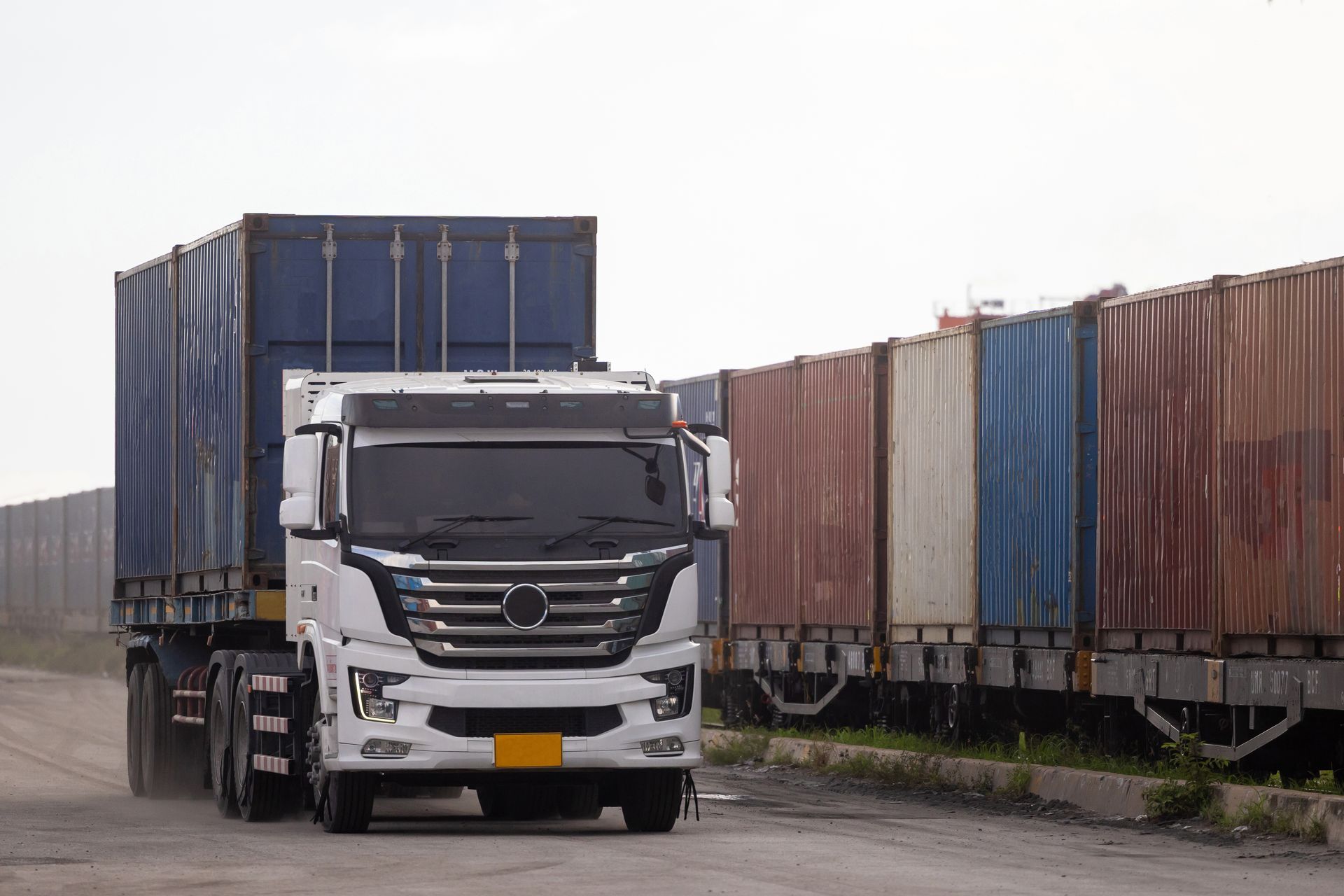
Covers household goods and freight during transport from pickup to delivery. Protects against damage, theft, mysterious disappearance, and weather-related losses while cargo is in your care.

General Liability
Protection from third-party claims for bodily injury and property damage at customer homes, job sites, and your own facility. Essential coverage for every transportation operation

Warehouse Legal Liability
Coverage for customer property while stored in your facility. Protects against damage, theft, fire, and water damage to goods in your care, custody, or control.

Workers' Compensation
Medical care and wage replacement for employees injured on the job. Required in most states for transportation and warehouse work where physical labor creates higher injury risk.

Umbrella & Excess Liability
Higher liability limits stacked on top of your primary policies. Helps meet large contract requirements and protects your business assets against major claims and lawsuits.
Specialized Knowledge
Industries We Protect
Focused coverage for transportation and logistics businesses

Simple and Clear
How Our Process Works
Our process to get you covered
Connect With Us
Reach out through our form or by phone to share your business needs and current coverage situation.
Get Coverage Options
We review your risks, compare carriers, and present clear quotes with plain-language explanations.
Stay Protected
You choose your plan, and we provide ongoing support for certificates, claims, and renewals.
Trusted by Businesses
Feedback That Reflects Service and Reliability
What our clients say about working with Champion Risk
Answers You Need
Frequently Asked Questions
Common questions about transportation and logistics insurance



What insurance does a transportation company need to operate legally?
Motor carriers that cross state lines must meet FMCSA requirements. You need a minimum of $750,000 in liability coverage, plus a BMC-91 filing that proves your insurance to the federal government. Cargo coverage is also required, with minimums that depend on the type of goods you transport.
Intrastate operators follow state-specific rules. California, Texas, and Florida each have different requirements. Champion Risk handles both federal and state filings. We make sure your coverage meets legal minimums and your certificates reach the right agencies.
How much does commercial transportation insurance cost?
Premiums depend on your fleet size, driving records, cargo values, and claims history. A small operation with two trucks might pay $8,000 to $15,000 per year. A larger carrier with ten trucks could pay $50,000 to $100,000 or more.
The best way to control costs is working with a broker who knows transportation insurance. We find carriers that specialize in your exact operation type. This often results in better rates than going direct or using a general agent who doesn't understand the industry.
What is a BMC-91 filing and why do I need one?
A BMC-91 is a form your insurance company files with the FMCSA. It proves you carry the required liability coverage to operate as a for-hire motor carrier. Without an active BMC-91, your operating authority can be revoked.
Champion Risk works with carriers who file electronically. Your BMC-91 typically posts within 24 to 48 hours of binding coverage. We monitor your filing status and alert you if anything needs attention.
Does my warehouse or storage facility need different insurance than a trucking operation?
Yes. Storage facilities need warehouse legal liability coverage. This protects you when customer property is damaged or stolen while in your care. Standard general liability policies exclude this exposure.
You may also need property coverage for your building, equipment breakdown protection, and business income coverage if a fire or disaster shuts down operations. Champion Risk builds storage facility programs that address all these risks in one package.
Can you insure last-mile delivery drivers who use their own vehicles?
Yes. We offer hired and non-owned auto coverage for delivery operations that use independent contractors or employees driving personal vehicles. This fills gaps that personal auto policies don't cover during commercial use.
We also provide occupational accident coverage for 1099 drivers who aren't eligible for workers' comp. This protects your drivers and limits your liability exposure when accidents happen.
How fast can I get proof of insurance for a new contract?
Same day in most cases. Once we bind your policy, we issue certificates of insurance within hours. If your contract requires specific additional insured language or special endorsements, we coordinate directly with the carrier.
Rush requests happen often in this industry. General contractors and corporate clients demand certificates before they let you on site. Champion Risk prioritizes fast turnaround because we know your revenue depends on it.

Answers You Need
Transportation & Logistics Insurance Resources
Articles designed to inform and support your business
Contact Us
Phone Number:
Email Address:
Location:
12264 El Camino Real, Suite 350
San Diego, CA 92130
Hours:
Monday – Friday: 8:00 AM – 6:00 PM PT