Columbus sits at the crossroads of American commerce, and if you're running a trucking operation or logistics company here, you already know the stakes. A single accident, cargo claim, or compliance violation can unravel years of hard work. The challenge isn't just finding insurance: it's understanding what coverage actually protects your business versus what's simply checking regulatory boxes.
Transportation and logistics insurance in Columbus requires balancing Ohio state mandates, federal FMCSA requirements, and the practical realities of operating in one of the nation's busiest distribution corridors. The city's position within a one-day drive of
45% of the U.S. population and 36% of U.S. manufacturing capacity makes it a magnet for freight operations, but that density also concentrates risk. Understanding your coverage options, cost factors, and local requirements isn't optional: it's the foundation of sustainable growth in this market.
The Evolving Landscape of Logistics in Columbus
Columbus as a Midwest Distribution Hub
The numbers tell a compelling story. Columbus has transformed from a regional distribution point into a national logistics powerhouse over the past decade. The 200-mile stretch between Columbus, Cincinnati, and Louisville now carries the nickname "Heart of eCommerce Corridor," and that designation brings both opportunity and exposure.
Major retailers and third-party logistics providers have planted massive fulfillment centers throughout Franklin County and surrounding areas. This concentration means more trucks on I-70 and I-71, more delivery vehicles navigating suburban neighborhoods, and more warehouses handling millions of packages annually. For carriers operating here, the volume of potential customers is significant, but so is the competition and the scrutiny from regulators watching this high-traffic zone.
Risk Management for Local Freight and Last-Mile Delivery
Last-mile delivery presents unique insurance challenges that long-haul operations don't face. Your drivers make dozens of stops daily, often in residential areas with tight streets, parked cars, and pedestrians. Each stop creates exposure: backing into driveways, hand-carrying packages to porches, interacting with customers.
Local freight operations also deal with loading dock incidents, forklift damage, and the constant pressure of same-day delivery expectations. These time pressures can lead to rushed decisions that increase accident frequency. Smart operators build safety protocols specifically for urban delivery environments and ensure their insurance reflects these distinct risks rather than treating all trucking operations identically.


By: Mark Raby
Chief Executive Officer at Champion Risk & Insurance Services
Essential Insurance Coverages for Ohio Carriers
Primary Auto Liability and Motor Truck Cargo
Auto liability forms the backbone of any trucking insurance program. The FMCSA requires a minimum of $750,000 in liability coverage for general freight, though many shippers and brokers demand $1 million or higher before they'll load your trucks. Meeting the federal minimum might satisfy regulators, but it can lock you out of profitable contracts.
Motor truck cargo coverage protects the goods you're hauling. Standard policies cover theft, collision damage, and weather-related losses, but exclusions matter enormously. Refrigerated cargo, hazardous materials, and high-value electronics often require specialized endorsements. Champion Risk works with Columbus carriers to identify these coverage gaps before a claim denial makes them painfully obvious.
General Liability and Physical Damage Protection
General liability covers incidents that happen off the road: a driver injures someone at a customer's facility, your employee damages property while making a delivery, or a third party slips on ice outside your terminal. These claims can be substantial, and they're not covered under your auto policy.
Physical damage coverage protects your equipment: tractors, trailers, and specialized cargo handling gear. Collision and comprehensive coverage work similarly to personal auto policies, but the values involved are dramatically higher. A single tractor-trailer combination can represent a $200,000 asset, and financing companies typically require physical damage coverage as a loan condition.
Non-Trucking Liability and Bobtail Insurance
Owner-operators leased to motor carriers face a specific coverage gap. When you're not under dispatch, your carrier's insurance doesn't protect you. Non-trucking liability, sometimes called bobtail coverage, fills this gap during personal use or when deadheading without a load assignment.
The distinction between non-trucking and bobtail coverage confuses many operators. Non-trucking typically excludes any business use, while bobtail coverage specifically addresses operating without a trailer attached. Your specific lease agreement and operating patterns determine which coverage, or both, you actually need.
State and Federal Regulatory Requirements
Ohio Bureau of Workers' Compensation (BWC) Mandates
Ohio operates a monopolistic state workers' compensation fund, meaning private carriers cannot write workers' comp policies here. All employers must obtain coverage through the Ohio BWC or qualify as self-insured. This creates a different dynamic than neighboring states where you can shop multiple carriers for competitive rates.
The BWC uses industry classification codes to determine base rates, and trucking operations typically fall into higher-risk categories. Your claims history directly impacts your experience modifier, which can increase or decrease your premiums by 50% or more. Maintaining strong safety records isn't just about avoiding injuries: it's a direct financial lever on your insurance costs.
FMCSA Compliance and MCS-90 Filings
Federal motor carrier authority requires specific insurance filings with the FMCSA. The MCS-90 endorsement guarantees that your insurance company will pay claims even if your policy would otherwise exclude coverage. It protects the public, not you, and it can leave your insurer pursuing reimbursement from your business after paying a claim.
Form BMC-91 or BMC-91X demonstrates your liability coverage to the FMCSA. These filings must remain active and current; lapses trigger immediate operating authority suspension. Champion Risk handles these compliance filings as part of policy management, ensuring your authority stays active without administrative headaches on your end.

Impact of Fleet Safety Records and CDL Experience
Insurance underwriters scrutinize three years of loss history when pricing your coverage. Frequency matters more than severity in most cases: multiple small claims signal operational problems that a single large accident might not. Clean CSA scores and favorable SMS percentages can unlock preferred pricing tiers that significantly reduce your annual spend.
Driver qualification standards directly impact premiums. Carriers requiring minimum two-year CDL experience, clean MVRs, and documented training programs demonstrate commitment to safety that underwriters reward. The average cost of commercial auto insurance in Columbus runs approximately $147 per month, or $1,762 annually, but actual premiums vary dramatically based on these operational factors.
Route Risks: Urban Columbus vs. Long-Haul Corridors
Where your trucks operate shapes your risk profile. Urban delivery routes through downtown Columbus, the Short North, and surrounding suburbs create different exposures than over-the-road operations running I-70 to the coasts. Stop-and-go traffic, pedestrian density, and parking challenges increase urban accident frequency.
Long-haul corridors present their own concerns: driver fatigue, weather variability across multiple states, and hours-of-service compliance. Underwriters evaluate your primary operating radius and adjust pricing accordingly. A mixed fleet running both local delivery and regional routes may need hybrid coverage structures that address each operation type appropriately.
Specialized Solutions for Warehousing and Logistics Providers
Warehouse Legal Liability and Cyber Risks
Warehouse operations require coverage beyond standard commercial property insurance. Warehouse legal liability protects against damage to customer goods in your care, custody, or control. Standard property policies exclude property you don't own, creating a significant gap for 3PL providers storing client inventory.
Cyber liability has become essential for logistics operations managing electronic shipping data, customer information, and integration with client systems. A ransomware attack that shuts down your warehouse management system doesn't just cost recovery expenses: it creates liability for delayed shipments and potential data breaches affecting your customers' customers.
| Coverage Type | What It Protects | Typical Limits |
|---|---|---|
| Warehouse Legal Liability | Customer goods in storage | $500K - $5M |
| Cyber Liability | Data breaches, system attacks | $1M - $5M |
| Inland Marine | Goods in transit | Per-shipment basis |
| Umbrella/Excess | Claims exceeding primary limits | $1M - $10M |
Strategies for Reducing Insurance Costs and Improving Safety
Cost reduction starts with loss prevention, not coverage cutting. Installing dash cameras, implementing telematics monitoring, and conducting regular driver safety meetings demonstrate commitment that underwriters recognize. These investments often pay for themselves through premium reductions within 12 to 18 months.
As one industry expert notes, "Having the right commercial trucking insurance in Ohio is essential for compliance, protection, and long-term success." That perspective captures the balance: insurance isn't just a cost center, it's infrastructure that enables growth.
Consider higher deductibles if your cash reserves support them. Moving from a $1,000 to $5,000 deductible on physical damage can reduce premiums by 15 to 20 percent. Bundle coverages with a single carrier when possible, as package discounts often outweigh savings from splitting policies across multiple insurers.
Frequently Asked Questions
What liability limits do Ohio trucking companies actually need? While Ohio state minimums are $25,000 per person for bodily injury, federal requirements of $750,000 apply to interstate carriers. Most shippers require $1 million, so that's the practical minimum for most Columbus operations.
How does the Ohio BWC monopoly affect my workers' comp options? You must obtain coverage through the state fund unless you qualify for self-insurance. Focus on safety programs and claims management to improve your experience modifier, since you can't shop competing carriers.
Do I need separate coverage for leased owner-operators? Owner-operators under lease should carry non-trucking liability for personal use periods. Your motor carrier policy covers them while under dispatch, but gaps exist during off-duty time.
What triggers FMCSA operating authority suspension? Insurance filing lapses, failure to maintain required coverage levels, or cancellation of your MCS-90 endorsement can all result in immediate authority suspension.
How often should I review my transportation insurance program? Annual reviews at minimum, with additional reviews when adding vehicles, expanding routes, or changing cargo types. Champion Risk recommends quarterly check-ins for growing operations.
Making the Right Choice for Your Operation
Transportation and logistics insurance in Columbus demands more than finding the cheapest policy. The coverage requirements span state workers' comp mandates, federal FMCSA filings, and the practical realities of operating in a major distribution corridor. Getting this wrong creates compliance violations, coverage gaps, and financial exposure that can threaten your entire operation.
Work with specialists who understand both the regulatory landscape and the operational realities of Central Ohio logistics. Champion Risk brings that combination of compliance expertise and practical experience to Columbus carriers and warehousing operations. Reach out for a coverage review that identifies gaps, reduces costs where possible, and builds an insurance foundation that supports your growth rather than limiting it.
About the Author:
Mark Raby
I am a seasoned insurance professional with over 30 years of experience in the industry. I lead Champion Risk & Insurance Services, a San Diego-based brokerage with nationwide reach and strong influence in the insurance marketplace. My core competencies include insurance agency M&A deals, captives and alternative risk structures, and commercial property and casualty insurance for clients in the transportation and logistics industries. I am a former president of IIAB San Diego and hold a Bachelor of Science in Finance from Western Michigan University’s Haworth College of Business.
Protection for Transportation Operations
Business Insurance for Transportation & Logistics Companies
Coverage designed specifically for transportation businesses
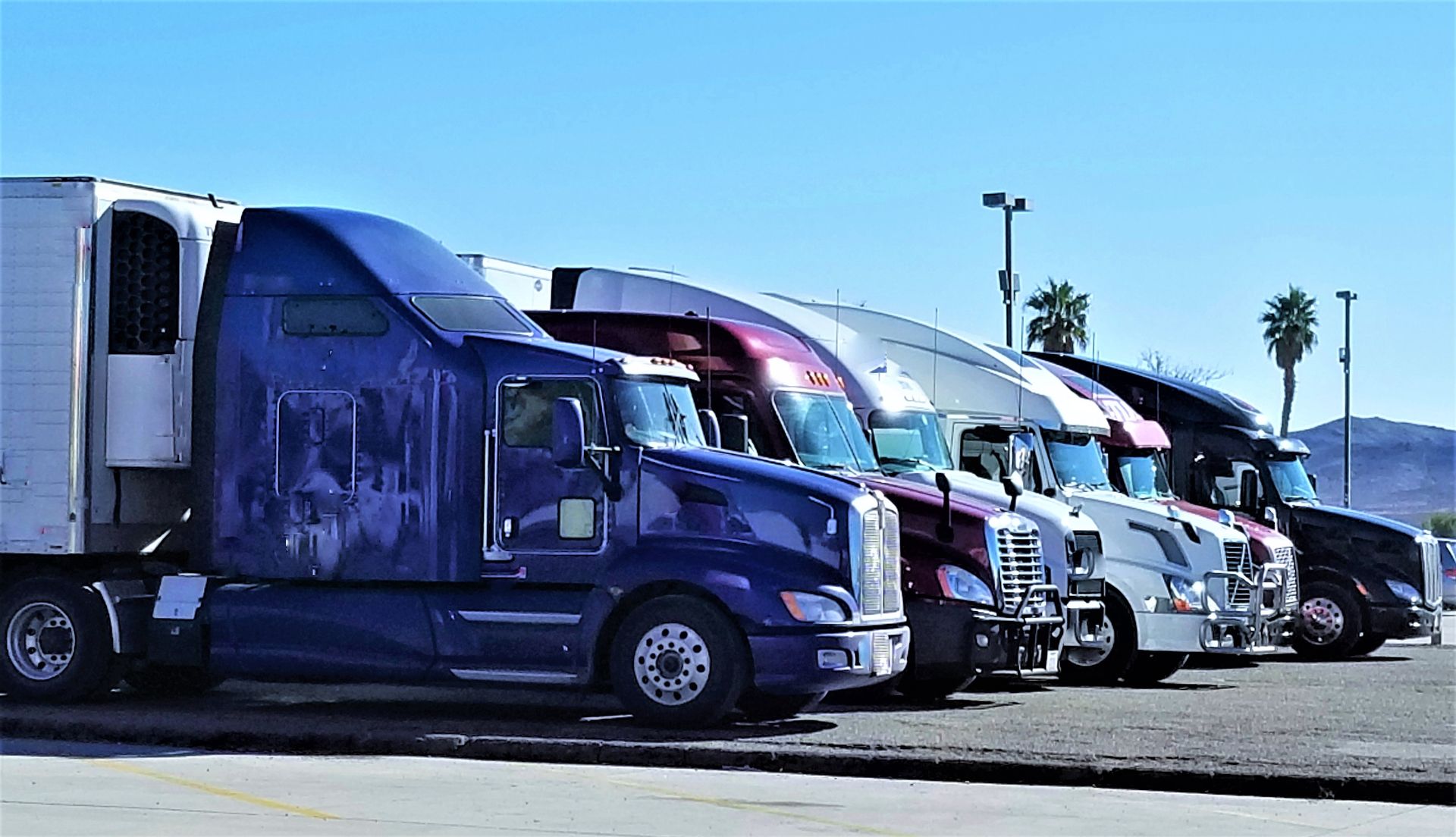
Commercial Auto & Trucking
Protection for your fleet including box trucks, moving vans, and trailers. Covers liability, collision, physical damage, and hired or non-owned vehicles used in your operations.
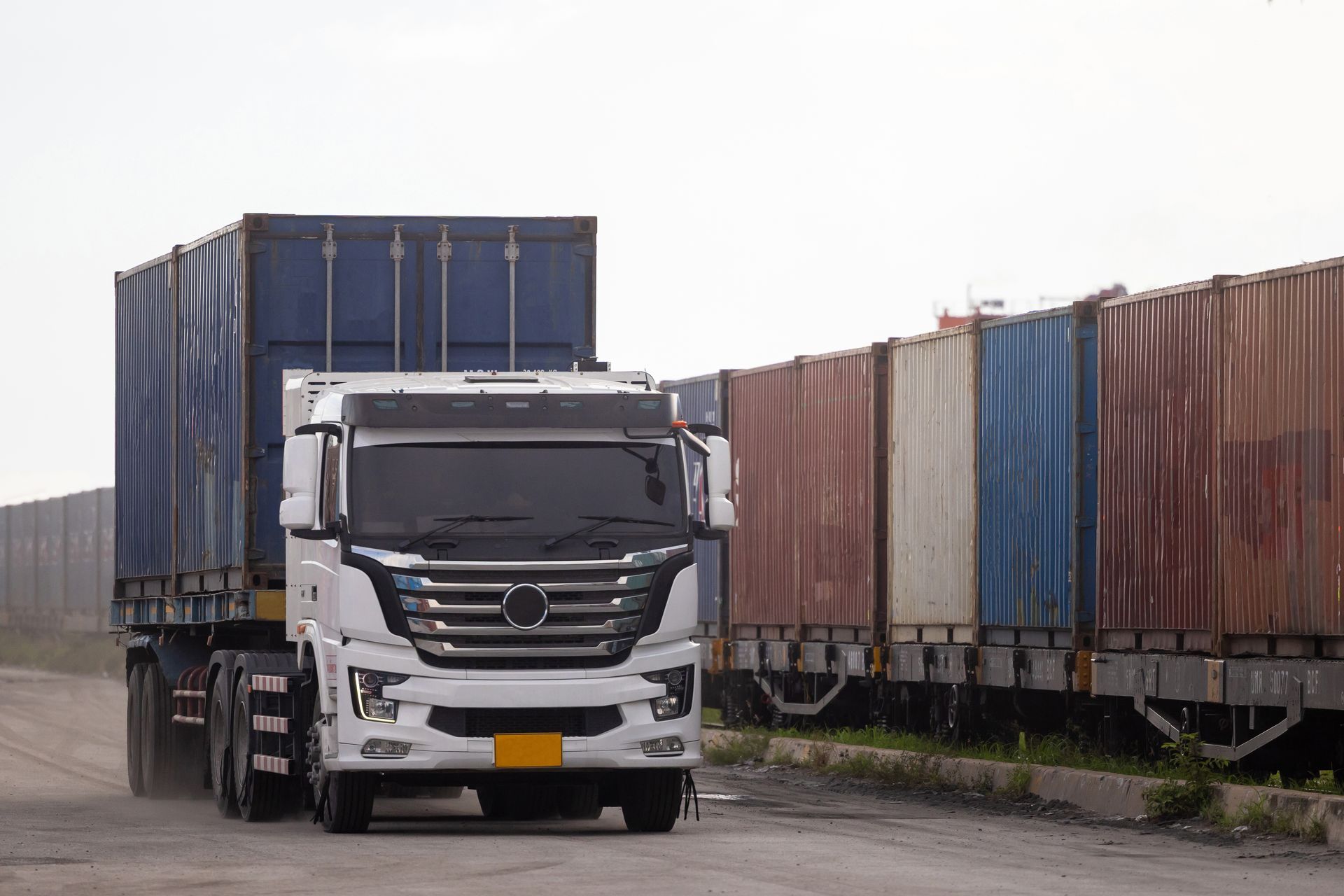
Motor Truck Cargo
Covers household goods and freight during transport from pickup to delivery. Protects against damage, theft, mysterious disappearance, and weather-related losses while cargo is in your care.

General Liability
Protection from third-party claims for bodily injury and property damage at customer homes, job sites, and your own facility. Essential coverage for every transportation operation

Warehouse Legal Liability
Coverage for customer property while stored in your facility. Protects against damage, theft, fire, and water damage to goods in your care, custody, or control.

Workers' Compensation
Medical care and wage replacement for employees injured on the job. Required in most states for transportation and warehouse work where physical labor creates higher injury risk.

Umbrella & Excess Liability
Higher liability limits stacked on top of your primary policies. Helps meet large contract requirements and protects your business assets against major claims and lawsuits.
Specialized Knowledge
Industries We Protect
Focused coverage for transportation and logistics businesses


Simple and Clear
How Our Process Works
Our process to get you covered
Connect With Us
Reach out through our form or by phone to share your business needs and current coverage situation.
Get Coverage Options
We review your risks, compare carriers, and present clear quotes with plain-language explanations.
Stay Protected
You choose your plan, and we provide ongoing support for certificates, claims, and renewals.
Trusted by Businesses
Feedback That Reflects Service and Reliability
What our clients say about working with Champion Risk
Answers You Need
Frequently Asked Questions
Common questions about transportation and logistics insurance



What insurance does a transportation company need to operate legally?
Motor carriers that cross state lines must meet FMCSA requirements. You need a minimum of $750,000 in liability coverage, plus a BMC-91 filing that proves your insurance to the federal government. Cargo coverage is also required, with minimums that depend on the type of goods you transport.
Intrastate operators follow state-specific rules. California, Texas, and Florida each have different requirements. Champion Risk handles both federal and state filings. We make sure your coverage meets legal minimums and your certificates reach the right agencies.
How much does commercial transportation insurance cost?
Premiums depend on your fleet size, driving records, cargo values, and claims history. A small operation with two trucks might pay $8,000 to $15,000 per year. A larger carrier with ten trucks could pay $50,000 to $100,000 or more.
The best way to control costs is working with a broker who knows transportation insurance. We find carriers that specialize in your exact operation type. This often results in better rates than going direct or using a general agent who doesn't understand the industry.
What is a BMC-91 filing and why do I need one?
A BMC-91 is a form your insurance company files with the FMCSA. It proves you carry the required liability coverage to operate as a for-hire motor carrier. Without an active BMC-91, your operating authority can be revoked.
Champion Risk works with carriers who file electronically. Your BMC-91 typically posts within 24 to 48 hours of binding coverage. We monitor your filing status and alert you if anything needs attention.
Does my warehouse or storage facility need different insurance than a trucking operation?
Yes. Storage facilities need warehouse legal liability coverage. This protects you when customer property is damaged or stolen while in your care. Standard general liability policies exclude this exposure.
You may also need property coverage for your building, equipment breakdown protection, and business income coverage if a fire or disaster shuts down operations. Champion Risk builds storage facility programs that address all these risks in one package.
Can you insure last-mile delivery drivers who use their own vehicles?
Yes. We offer hired and non-owned auto coverage for delivery operations that use independent contractors or employees driving personal vehicles. This fills gaps that personal auto policies don't cover during commercial use.
We also provide occupational accident coverage for 1099 drivers who aren't eligible for workers' comp. This protects your drivers and limits your liability exposure when accidents happen.
How fast can I get proof of insurance for a new contract?
Same day in most cases. Once we bind your policy, we issue certificates of insurance within hours. If your contract requires specific additional insured language or special endorsements, we coordinate directly with the carrier.
Rush requests happen often in this industry. General contractors and corporate clients demand certificates before they let you on site. Champion Risk prioritizes fast turnaround because we know your revenue depends on it.

Answers You Need
Transportation & Logistics Insurance Resources
Articles designed to inform and support your business
Contact Us
Phone Number:
Email Address:
Location:
12264 El Camino Real, Suite 350
San Diego, CA 92130
Hours:
Monday – Friday: 8:00 AM – 6:00 PM PT