
Albany sits at a crossroads that makes or breaks logistics operations across the Northeast. With the Port of Albany-Rensselaer handling millions of tons of cargo annually, Interstate 87 connecting New York City to Montreal, and rail lines crisscrossing the Capital Region, this city processes freight volumes that rival operations twice its size. That geographic advantage comes with a catch: insurance requirements here are complex, costs are climbing, and one coverage gap can sink a profitable operation.
If you're running trucks, managing warehouses, or brokering freight in the Albany market, understanding transportation and logistics insurance isn't optional. New York State imposes some of the strictest requirements in the country, and the Capital Region's weather patterns, traffic density, and regulatory environment create risks you won't find in other markets. Physical damage premiums have seen escalations of 18% to 25% in the transportation insurance market, making smart coverage decisions more critical than ever.
This guide breaks down what Albany-based carriers actually need, what it costs, and how to avoid the coverage mistakes that put operators out of business.
The Landscape of Transportation and Logistics in Albany
Albany's Role as a Major Northeast Transit Hub
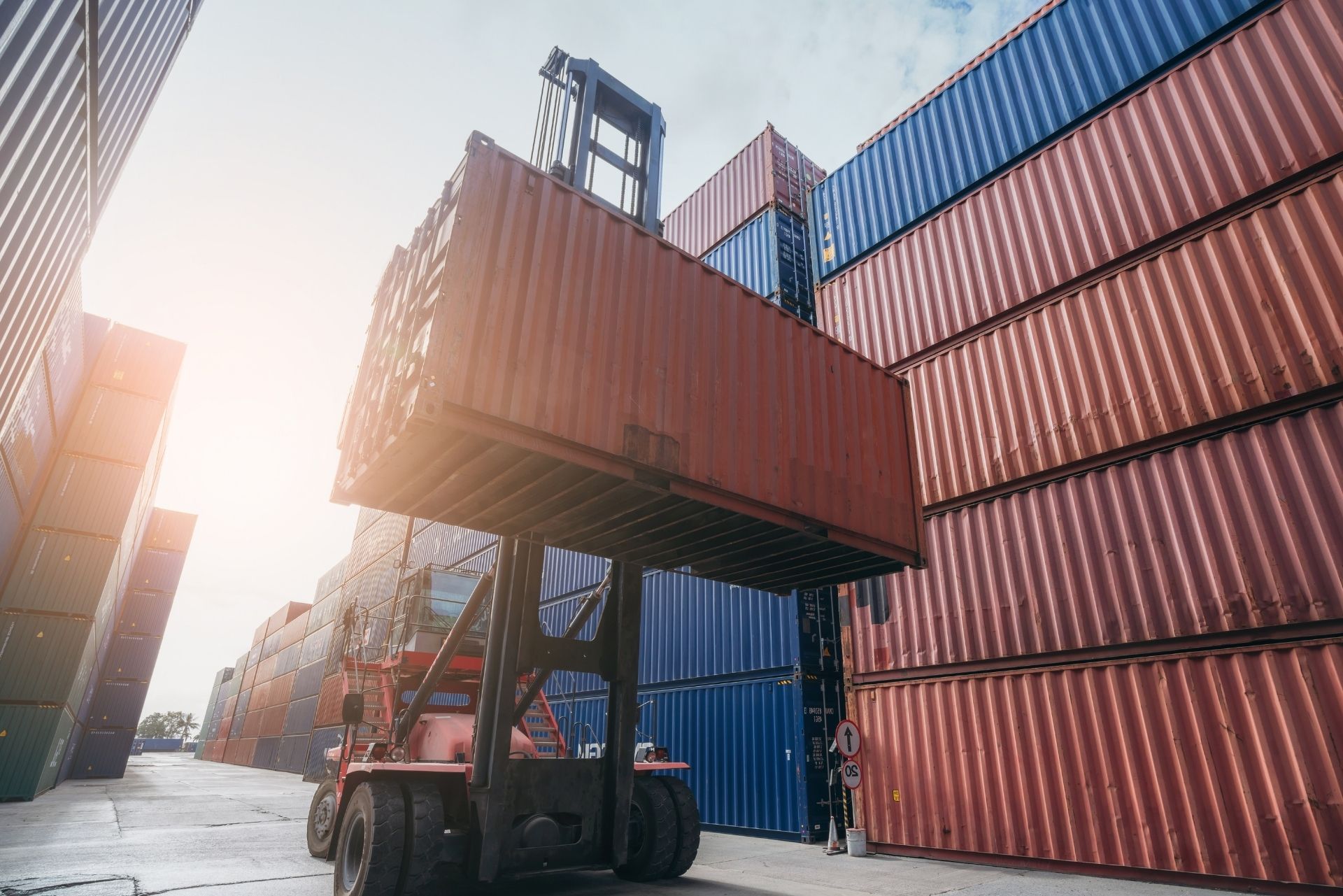
Albany isn't just the state capital. It's a logistics nerve center connecting New England, the Mid-Atlantic, and Canada. The intersection of I-87, I-90, and I-88 creates a hub where regional carriers can reach 55 million consumers within a single day's drive. The Port of Albany handles heavy lift cargo, petroleum products, and agricultural commodities that move through the region year-round.
This positioning attracts carriers of every size, from owner-operators running local delivery routes to fleet operations managing cross-border freight. The diversity creates a competitive market where insurance costs directly impact profitability. Carriers operating out of Albany typically run tighter margins than their counterparts in less congested regions, making coverage decisions a genuine business strategy rather than an afterthought.
Risks Unique to Capital Region Logistics Operations
Albany's geography creates insurance challenges you won't find in warmer climates. Winter operations mean ice-related accidents, cargo freeze damage, and delays that trigger contractual penalties. The Northway sees whiteout conditions multiple times each season, and insurers price these risks into every policy.
Beyond weather, the Capital Region's aging infrastructure creates liability exposure. Bridge weight restrictions, construction zones on I-90, and congested urban delivery routes in downtown Albany increase accident frequency. Carriers hauling overweight loads face additional scrutiny:
trip permits for vehicles exceeding 80,000 lbs on Albany County highways run $50 per vehicle per trip, and operating without proper permits can void coverage entirely.


By: Mark Raby
Chief Executive Officer at Champion Risk & Insurance Services
Essential Insurance Coverages for New York Carriers
Primary Auto Liability and Motor Truck Cargo
New York's minimum requirements for commercial vehicles depend on what you're hauling. Basic delivery trucks need at least $25,000 per person and $50,000 per accident for bodily injury liability, plus $10,000 for property damage. Those minimums work for local delivery operations, but they're woefully inadequate for interstate freight.
For general freight protection, New York requires $750,000 in liability coverage. Hazmat haulers and carriers moving household goods face even higher thresholds. Motor truck cargo insurance protects the freight itself, covering damage, theft, or loss during transit. Most shippers require proof of cargo coverage before releasing loads, with $100,000 being a common minimum.
Champion Risk works with Albany carriers to structure policies that meet both regulatory minimums and shipper requirements without paying for coverage overlaps.
General Liability and Warehouse Legal Liability
Auto liability covers what happens on the road. General liability covers everything else: slip-and-fall injuries at your terminal, damage to customer property during loading, advertising claims, and premises liability. Albany operations with customer-facing facilities need GL limits that reflect their actual exposure, not arbitrary minimums.
Warehouse legal liability becomes critical for carriers operating cross-dock facilities or storage operations. This coverage protects against damage to goods in your care, custody, and control while they're not on a truck. The distinction matters because motor truck cargo typically only covers freight during active transit.
Contingent Cargo and Professional Liability for Brokers
Freight brokers and third-party logistics providers face different exposure than asset-based carriers. Contingent cargo insurance activates when a carrier's primary cargo policy fails to pay a claim, protecting the broker from shipper lawsuits. Professional liability covers errors and omissions in your brokerage services: missed pickups, incorrect carrier vetting, or documentation mistakes that cause financial losses.
Albany's broker community has grown significantly as shippers seek local expertise for Northeast distribution. That growth means more competition and more pressure to demonstrate adequate coverage to win contracts.
New York State Regulatory and Compliance Requirements
NYSDOT and FMCSA Filing Requirements
Operating legally in New York requires satisfying both state and federal regulators. The NYSDOT requires registration for intrastate carriers, while interstate operations fall under FMCSA authority. Both agencies require proof of insurance through specific filing mechanisms.
Form MCS-90 endorsements demonstrate financial responsibility for interstate carriers and must be filed with the FMCSA. New York intrastate carriers need separate filings with the NYSDOT. Missing or lapsed filings can result in operating authority suspension, which voids your insurance coverage retroactively. Champion Risk handles these filings as part of policy management, preventing the administrative gaps that catch carriers off guard.
New York Workers' Compensation and Disability Mandates
New York doesn't allow workers' compensation opt-outs for transportation companies. Every employee, from drivers to dispatchers to warehouse workers, must be covered under a compliant policy. The state also mandates short-term disability insurance and paid family leave coverage, adding layers that other states don't require.
These mandates significantly impact total insurance costs for Albany carriers. Owner-operators sometimes try to classify themselves as independent contractors to avoid these requirements, but New York's ABC test makes misclassification risky. Audits can result in back premiums, penalties, and personal liability for company owners.
Factors Influencing Insurance Costs in Albany
mpact of Radius of Operation and Route Safety
Insurers price commercial auto policies based heavily on where you operate. A carrier running local Albany deliveries within a 50-mile radius pays dramatically less than one hauling freight to Boston, Philadelphia, and Montreal. Each additional mile of operating radius increases exposure and premium.
Route selection matters too. Carriers that regularly use I-87 through the Adirondacks face different risk profiles than those running I-90 to Syracuse. Insurers analyze accident data by corridor, and some routes carry surcharges based on historical claims frequency. Auto liability has increased between 7.5% and 20% due to settlement creep, making route optimization a genuine cost control strategy.
Driver MVRs and Safety Management Systems (SMS) Scores
Nothing impacts insurance costs faster than driver records. Motor Vehicle Reports showing moving violations, accidents, or license suspensions can double or triple premium costs. Carriers with clean driver pools access preferred rates that struggling operations can't touch.
FMCSA's Safety Measurement System scores create another pricing factor. High scores in categories like Unsafe Driving or Hours-of-Service Compliance trigger underwriting scrutiny and premium increases. Some insurers won't quote carriers above certain SMS thresholds, limiting market options and increasing costs.
Implementing Telematics and In-Cab Technologies
Telematics systems that track speed, braking patterns, and hours of service provide data that insurers reward. Carriers with comprehensive telematics programs often qualify for discounts between 5% and 15%, depending on the technology and how data is shared with underwriters.
Forward-facing cameras create evidence that protects against fraudulent claims. In a market where adequate transportation insurance protects the financial investment in transporting goods and provides peace of mind, having video evidence can mean the difference between a denied claim and full coverage. Albany's congested urban delivery routes make cameras particularly valuable.
Navigating Albany's Local Insurance Market and Specialized Brokers
The Albany insurance market includes generalist agencies and specialized transportation brokers. Generalists often lack the market access and technical knowledge to structure competitive programs for complex operations. Specialized brokers like Champion Risk maintain relationships with transportation-focused underwriters who understand the nuances of Northeast logistics.
Working with a broker who knows Albany's specific challenges, from winter operations to port-related exposures to cross-border requirements, produces better coverage at lower costs than shopping policies independently.
| Coverage Type | Minimum Required | Recommended for Albany Operations |
|---|---|---|
| Auto Liability (Local) | $50,000/$10,000 | $500,000 combined single limit |
| Auto Liability (Interstate) | $750,000 | $1,000,000 |
| Motor Truck Cargo | Varies by shipper | $100,000 minimum |
| General Liability | None mandated | $1,000,000 per occurrence |
| Workers' Compensation | Required | Statutory limits |
Frequently Asked Questions
What liability limits do Albany trucking companies actually need? State minimums are $750,000 for interstate freight, but most shippers and brokers require $1 million. Running at minimum limits restricts the loads you can haul.
How does winter weather affect my insurance costs? Insurers factor Albany's climate into base rates. Carriers with documented winter safety protocols and driver training sometimes qualify for credits.
Can I reduce premiums by increasing deductibles? Yes, but carefully. Higher deductibles lower premiums but increase out-of-pocket costs when claims happen. Balance savings against cash flow realities.
Do I need separate coverage for cross-border Canadian runs? Your policy must specifically include Canadian operations. Many standard policies exclude international coverage, leaving gaps that only appear at claim time.
How often should I review my transportation insurance program? Annually at minimum, or whenever you add vehicles, change operating radius, or modify the types of freight you haul.
Making the Right Coverage Decision
Transportation and logistics insurance in Albany requires balancing regulatory compliance, shipper requirements, and cost management. The carriers that thrive here approach insurance as a strategic function rather than an expense to minimize. They invest in safety technology, maintain clean driver records, and work with brokers who understand Northeast logistics.
Getting coverage wrong costs more than premium savings. One uncovered claim can eliminate years of profits. One compliance gap can shut down operations. Champion Risk helps Albany carriers build programs that protect against real risks while controlling costs in a challenging market. Reach out for a coverage review that addresses your specific operation, routes, and growth plans.
About the Author:
Mark Raby
I am a seasoned insurance professional with over 30 years of experience in the industry. I lead Champion Risk & Insurance Services, a San Diego-based brokerage with nationwide reach and strong influence in the insurance marketplace. My core competencies include insurance agency M&A deals, captives and alternative risk structures, and commercial property and casualty insurance for clients in the transportation and logistics industries. I am a former president of IIAB San Diego and hold a Bachelor of Science in Finance from Western Michigan University’s Haworth College of Business.
Protection for Transportation Operations
Business Insurance for Transportation & Logistics Companies
Coverage designed specifically for transportation businesses
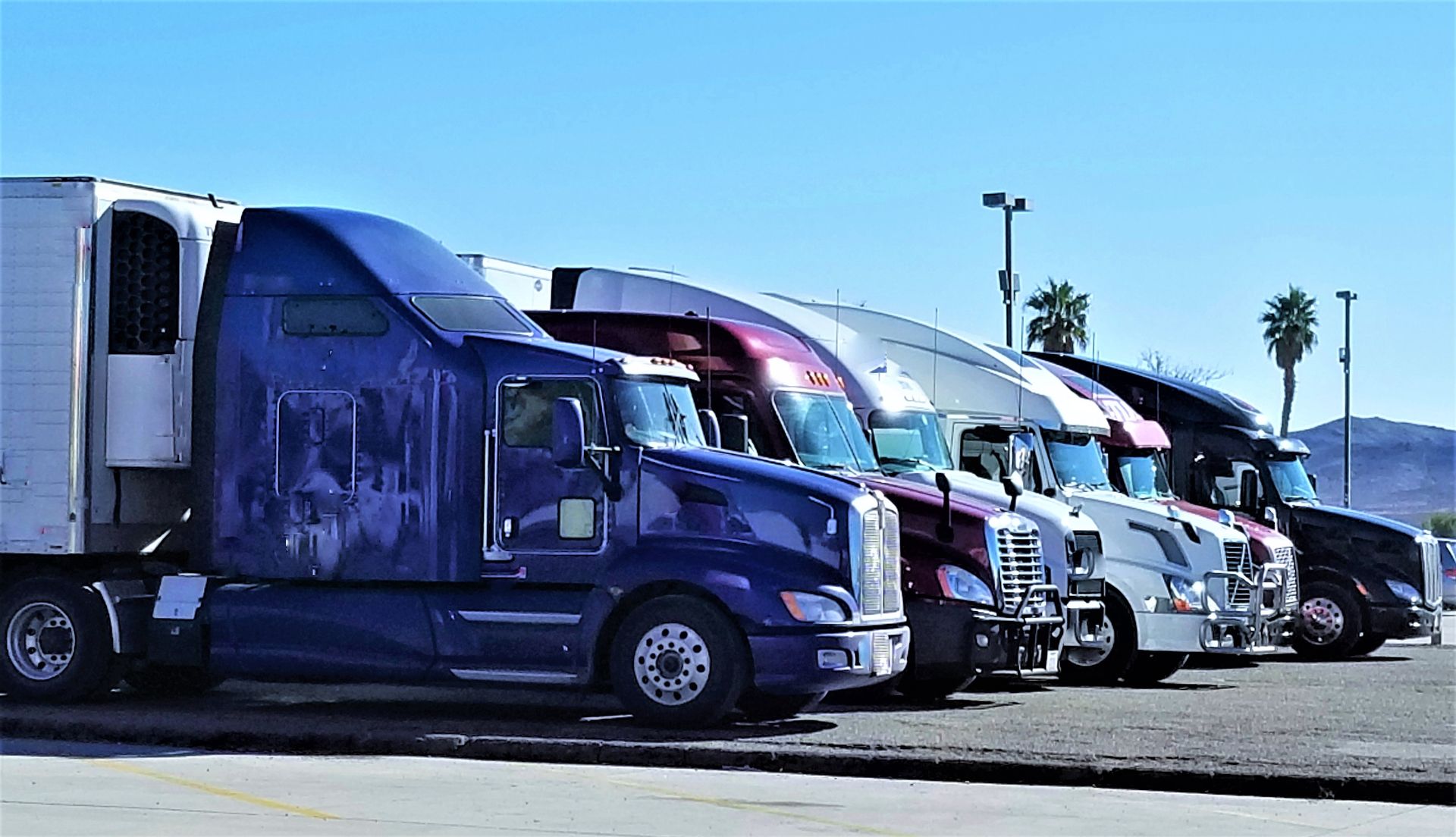
Commercial Auto & Trucking
Protection for your fleet including box trucks, moving vans, and trailers. Covers liability, collision, physical damage, and hired or non-owned vehicles used in your operations.
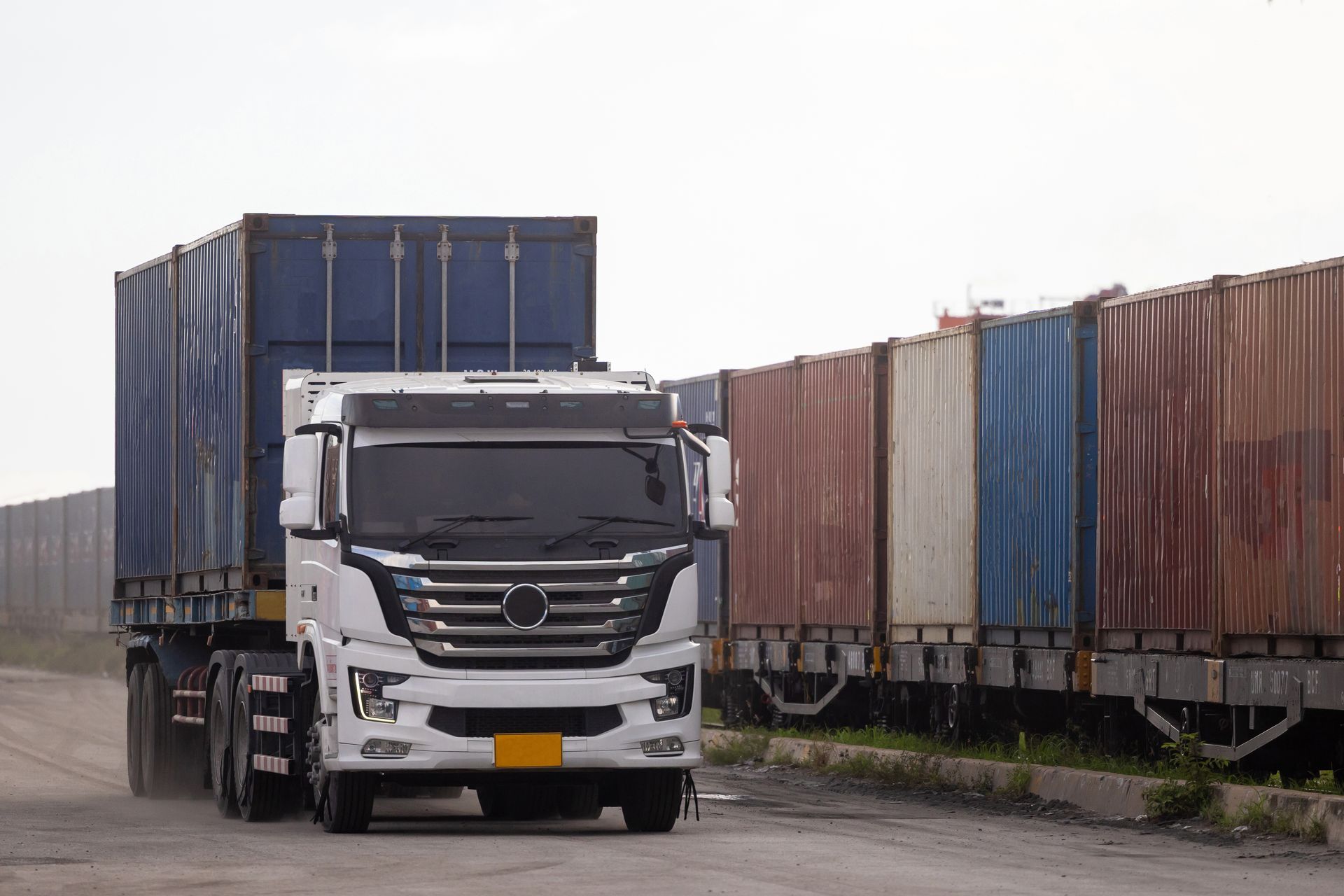
Motor Truck Cargo
Covers household goods and freight during transport from pickup to delivery. Protects against damage, theft, mysterious disappearance, and weather-related losses while cargo is in your care.

General Liability
Protection from third-party claims for bodily injury and property damage at customer homes, job sites, and your own facility. Essential coverage for every transportation operation

Warehouse Legal Liability
Coverage for customer property while stored in your facility. Protects against damage, theft, fire, and water damage to goods in your care, custody, or control.

Workers' Compensation
Medical care and wage replacement for employees injured on the job. Required in most states for transportation and warehouse work where physical labor creates higher injury risk.

Umbrella & Excess Liability
Higher liability limits stacked on top of your primary policies. Helps meet large contract requirements and protects your business assets against major claims and lawsuits.
Specialized Knowledge
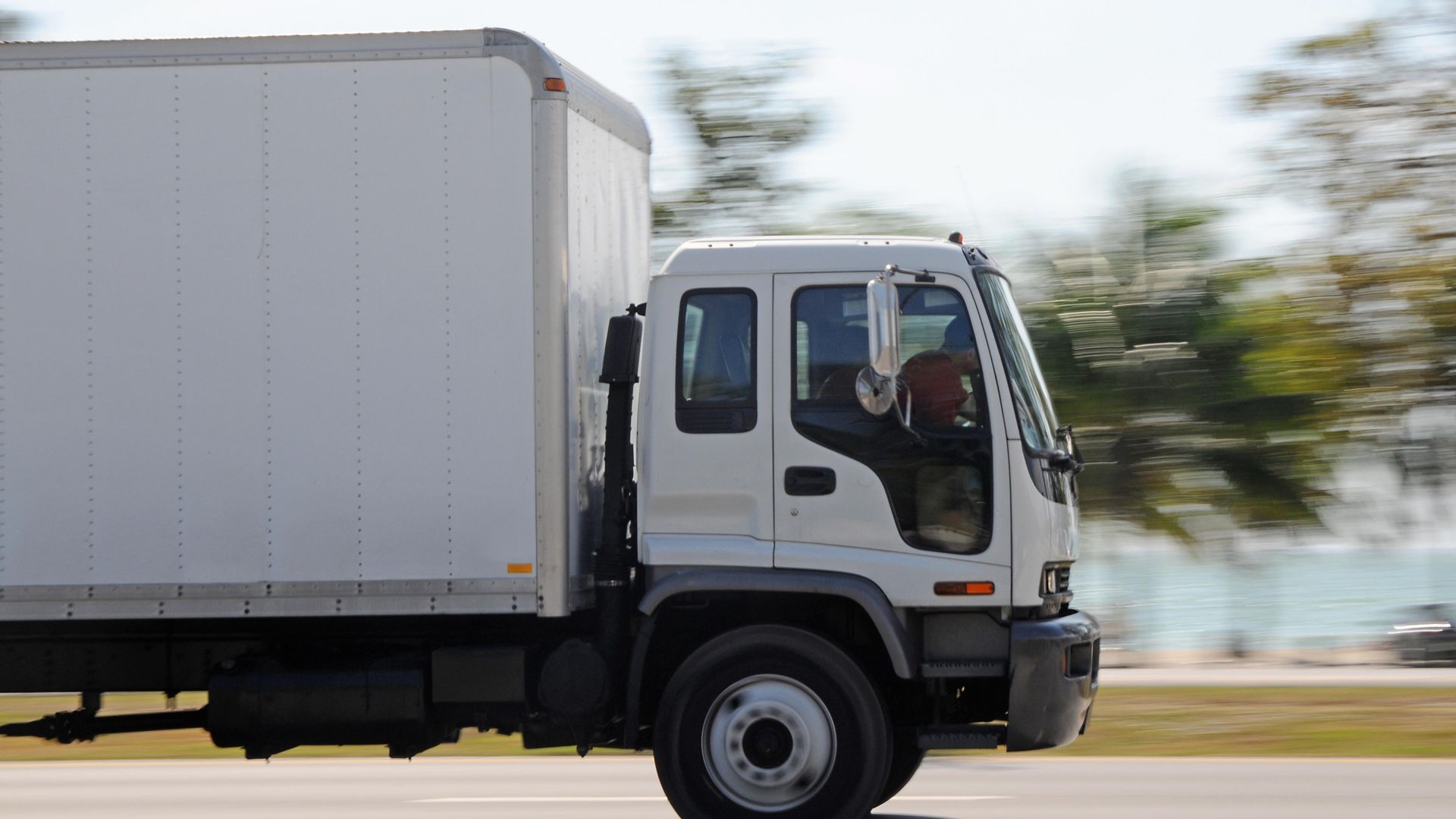
Industries We Protect
Focused coverage for transportation and logistics businesses


Simple and Clear
How Our Process Works
Our process to get you covered
Connect With Us
Reach out through our form or by phone to share your business needs and current coverage situation.
Get Coverage Options
We review your risks, compare carriers, and present clear quotes with plain-language explanations.
Stay Protected
You choose your plan, and we provide ongoing support for certificates, claims, and renewals.
Trusted by Businesses
Feedback That Reflects Service and Reliability
What our clients say about working with Champion Risk
Answers You Need
Frequently Asked Questions
Common questions about transportation and logistics insurance



What insurance does a transportation company need to operate legally?
Motor carriers that cross state lines must meet FMCSA requirements. You need a minimum of $750,000 in liability coverage, plus a BMC-91 filing that proves your insurance to the federal government. Cargo coverage is also required, with minimums that depend on the type of goods you transport.
Intrastate operators follow state-specific rules. California, Texas, and Florida each have different requirements. Champion Risk handles both federal and state filings. We make sure your coverage meets legal minimums and your certificates reach the right agencies.
How much does commercial transportation insurance cost?
Premiums depend on your fleet size, driving records, cargo values, and claims history. A small operation with two trucks might pay $8,000 to $15,000 per year. A larger carrier with ten trucks could pay $50,000 to $100,000 or more.
The best way to control costs is working with a broker who knows transportation insurance. We find carriers that specialize in your exact operation type. This often results in better rates than going direct or using a general agent who doesn't understand the industry.
What is a BMC-91 filing and why do I need one?
A BMC-91 is a form your insurance company files with the FMCSA. It proves you carry the required liability coverage to operate as a for-hire motor carrier. Without an active BMC-91, your operating authority can be revoked.
Champion Risk works with carriers who file electronically. Your BMC-91 typically posts within 24 to 48 hours of binding coverage. We monitor your filing status and alert you if anything needs attention.
Does my warehouse or storage facility need different insurance than a trucking operation?
Yes. Storage facilities need warehouse legal liability coverage. This protects you when customer property is damaged or stolen while in your care. Standard general liability policies exclude this exposure.
You may also need property coverage for your building, equipment breakdown protection, and business income coverage if a fire or disaster shuts down operations. Champion Risk builds storage facility programs that address all these risks in one package.
Can you insure last-mile delivery drivers who use their own vehicles?
Yes. We offer hired and non-owned auto coverage for delivery operations that use independent contractors or employees driving personal vehicles. This fills gaps that personal auto policies don't cover during commercial use.
We also provide occupational accident coverage for 1099 drivers who aren't eligible for workers' comp. This protects your drivers and limits your liability exposure when accidents happen.
How fast can I get proof of insurance for a new contract?
Same day in most cases. Once we bind your policy, we issue certificates of insurance within hours. If your contract requires specific additional insured language or special endorsements, we coordinate directly with the carrier.
Rush requests happen often in this industry. General contractors and corporate clients demand certificates before they let you on site. Champion Risk prioritizes fast turnaround because we know your revenue depends on it.

Answers You Need
Transportation & Logistics Insurance Resources
Articles designed to inform and support your business
Contact Us
Phone Number:
Email Address:
Location:
12264 El Camino Real, Suite 350
San Diego, CA 92130
Hours:
Monday – Friday: 8:00 AM – 6:00 PM PT