
Moving companies bidding on government contracts or large commercial jobs face a common hurdle: the performance bond requirement. For many business owners, this feels like just another bureaucratic hoop to jump through. But here's what most articles won't tell you: understanding how these bonds actually work can mean the difference between landing a six-figure contract and watching it go to your competitor.
The moving and storage industry contributes $92.2 billion in economic activity annually, employing over 480,000 people across the country. With that much money flowing through the sector, it makes sense that clients want financial protection when hiring movers for high-stakes relocations. Performance bonds provide exactly that protection, but they're often misunderstood by the companies required to carry them.
Whether you're a
storage company expanding into government work or a moving company chasing larger contracts, getting the right bond at the right price requires knowing what you're dealing with. The cost, coverage, and qualification requirements vary significantly based on your company's financial health, the contract size, and where you operate. Let's break down what actually matters.
Understanding Performance Bonds in the Moving Industry
A performance bond functions as a three-party agreement between your moving company, your client, and a surety company. If you fail to complete a job according to contract terms, the bond provides financial recourse to the client. As TMDSuretyBonds.com explains, "A performance bond is a financial guarantee that a moving company will adhere to local, state, or federal regulations and the terms of its contracts."
This isn't about protecting you. The bond protects the party hiring you, giving them confidence that they won't be left holding the bag if something goes wrong. For moving companies, this means demonstrating financial stability before you even load the first truck.
The Difference Between Performance Bonds and Insurance
Here's where confusion typically starts. Insurance protects your company from losses, covering things like damaged goods, vehicle accidents, or workplace injuries. Performance bonds protect your clients from your potential failure to deliver on promises.
Think of it this way: if your truck gets into an accident and damages a client's furniture, that's an insurance claim. If you abandon a job halfway through a corporate relocation, leaving the client scrambling to find another mover, that's a bond claim. The surety pays the client, then comes after you to recover those funds. You're ultimately on the hook for any claims paid out.
Why Government and Commercial Contracts Require Bonding
Government agencies and large corporations require performance bonds because they're spending significant money on relocations and can't afford to gamble on unknown contractors. A military base relocating personnel, a hospital moving medical equipment, or a corporation transferring an entire office needs assurance that the job will get done.
These clients have seen too many contractors disappear mid-project or deliver substandard work. The bond requirement filters out companies that can't demonstrate financial responsibility. For well-qualified movers, this actually creates opportunity since you're competing against a smaller pool of bonded competitors.


By: Mark Raby
Chief Executive Officer at Champion Risk & Insurance Services
What Do Performance Bonds Cover for Storage Companies?
Storage companies face unique bonding situations, particularly when handling government contracts or high-value inventory. The bond coverage extends beyond simple moving services to include the safe storage and timely return of goods.
Guarantee of Contractual Obligations and Timelines
Performance bonds guarantee that storage companies will meet specific contractual obligations. This includes maintaining proper climate control, security standards, and accessibility as outlined in the agreement. If a storage facility fails to maintain required conditions and goods are damaged, the bond provides recourse.
Timeline guarantees matter significantly for commercial storage contracts. If you've agreed to have inventory available for retrieval within 24 hours and consistently fail to meet that standard, the bond can be called upon. Storage companies handling seasonal inventory for retailers or manufacturers often face strict timeline requirements in their contracts.
Protection Against Financial Loss from Service Failure
When a storage company goes bankrupt or simply stops operating, clients need a way to recover their goods or receive compensation. The performance bond covers financial losses resulting from service failure, including the cost of relocating goods to another facility or replacing items that become inaccessible.
In Florida, for example, movers operating two or fewer vehicles can choose between a $25,000 Household Moving Services Performance Bond or a certificate of deposit of equal value, according to
SuretyGroup.com.This state-specific requirement demonstrates how bonding protections vary by jurisdiction and company size.
Factors Influencing the Cost of Performance Bonds
Bond costs aren't one-size-fits-all. According to SwiftBonds.com, performance bonds typically cost between 0.5% to 5% of the total contract amount, with well-qualified contractors paying 1-3%. That's a significant range, and understanding what drives your rate can save thousands of dollars.
Bond Amount and Total Contract Value
The bond amount directly correlates to your premium. A $100,000 contract requiring a 100% performance bond means you're securing $100,000 in coverage. At a 2% rate, that's a $2,000 premium. At 5%, you're paying $5,000 for the same coverage.
| Contract Value | Bond Amount (100%) | Premium at 1.5% | Premium at 4% |
|---|---|---|---|
| $50,000 | $50,000 | $750 | $2,000 |
| $100,000 | $100,000 | $1,500 | $4,000 |
| $500,000 | $500,000 | $7,500 | $20,000 |
| $1,000,000 | $1,000,000 | $15,000 | $40,000 |
Larger contracts sometimes qualify for lower percentage rates, but the absolute dollar amount still increases substantially. Champion Risk works with moving companies to find competitive rates across various contract sizes.
Financial Health and Creditworthiness of the Moving Company
Your company's financial profile determines where you fall on that 0.5% to 5% spectrum. Sureties examine your credit history, liquid assets, debt levels, and overall financial stability. A moving company with strong cash reserves, minimal debt, and excellent credit might pay 1% while a newer company with limited financial history could face 4% or higher.
Rising interest rates had a negative impact on
76% of moving companies in 2023, making financial stability harder to maintain. Companies carrying significant debt or struggling with cash flow face higher bond premiums precisely when they can least afford them.

Qualification Requirements and Application Process
Getting approved for a performance bond requires documentation that proves your company can handle the contracted work. Sureties aren't just checking boxes; they're assessing whether backing your company represents acceptable risk.
Necessary Financial Statements and Business Documentation
Expect to provide:
- Two to three years of financial statements, preferably CPA-prepared
- Current balance sheet showing assets and liabilities
- Profit and loss statements demonstrating consistent revenue
- Bank statements and lines of credit documentation
- Business licenses and relevant certifications
- Proof of existing insurance coverage
The documentation requirements intensify as bond amounts increase. A $25,000 bond might require minimal paperwork, while a $500,000 bond demands audited financials and detailed business plans.
The Role of Experience and Past Performance Records
Sureties want evidence that you've successfully completed similar contracts. A moving company with five years of corporate relocation experience presents less risk than a residential mover attempting their first commercial contract. Past performance records, client references, and any industry certifications strengthen your application.
Companies new to bonded work should start with smaller contracts to build a track record. Champion Risk often advises clients to pursue modest bonded projects initially, establishing the performance history that qualifies them for larger opportunities later.
Managing Bond Claims and Maintaining Compliance
Bond claims happen when clients allege you've failed to meet contractual obligations. Unlike insurance claims, bond claims create personal liability. The surety pays the client, then pursues reimbursement from you, potentially including legal costs.
Preventing claims requires meticulous contract management. Document everything: delivery confirmations, condition reports, communication logs, and any change orders. When disputes arise, having clear documentation often resolves issues before they escalate to formal claims.
Maintaining compliance means meeting all regulatory requirements in your operating states. Bond requirements change, and letting coverage lapse can result in license suspension or contract termination. Set calendar reminders for renewal dates and maintain relationships with your surety provider.
Frequently Asked Questions
How long does it take to get a performance bond approved? Most bonds for moving companies are approved within 24 to 72 hours if your documentation is complete. Complex applications or larger bond amounts may take one to two weeks.
Can I get a performance bond with bad credit? Yes, though you'll pay higher premiums. Some sureties specialize in higher-risk applicants, and providing collateral can offset credit concerns.
What happens if a claim is filed against my bond? The surety investigates the claim. If valid, they pay the claimant and then seek reimbursement from you. You're responsible for repaying the full amount plus any associated costs.
Do I need separate bonds for each state where I operate? Often yes. State requirements vary significantly. SuretyGroup.com notes that Florida has specific bond requirements for household movers that differ from other states.
Is the bond premium a one-time payment?
No. Performance bonds require annual renewal with corresponding premiums. Your rate may adjust based on claims history and financial changes.
Performance bonds represent both a barrier and an opportunity for moving and storage companies. Only 29% of movers plan to raise prices in 2025, meaning competition remains fierce. Companies that can efficiently secure bonding gain access to lucrative contracts that unbonded competitors simply cannot pursue.
Start by organizing your financial documentation and understanding your current credit position. Get quotes from multiple surety providers to compare rates. Champion Risk can help moving companies navigate the application process and find competitive bond pricing that fits their financial situation. The investment in proper bonding opens doors to contracts that transform business growth.
About the Author:
Mark Raby
I am a seasoned insurance professional with over 30 years of experience in the industry. I lead Champion Risk & Insurance Services, a San Diego-based brokerage with nationwide reach and strong influence in the insurance marketplace. My core competencies include insurance agency M&A deals, captives and alternative risk structures, and commercial property and casualty insurance for clients in the transportation and logistics industries. I am a former president of IIAB San Diego and hold a Bachelor of Science in Finance from Western Michigan University’s Haworth College of Business.
Protection for Transportation Operations
Business Insurance for Transportation & Logistics Companies
Coverage designed specifically for transportation businesses
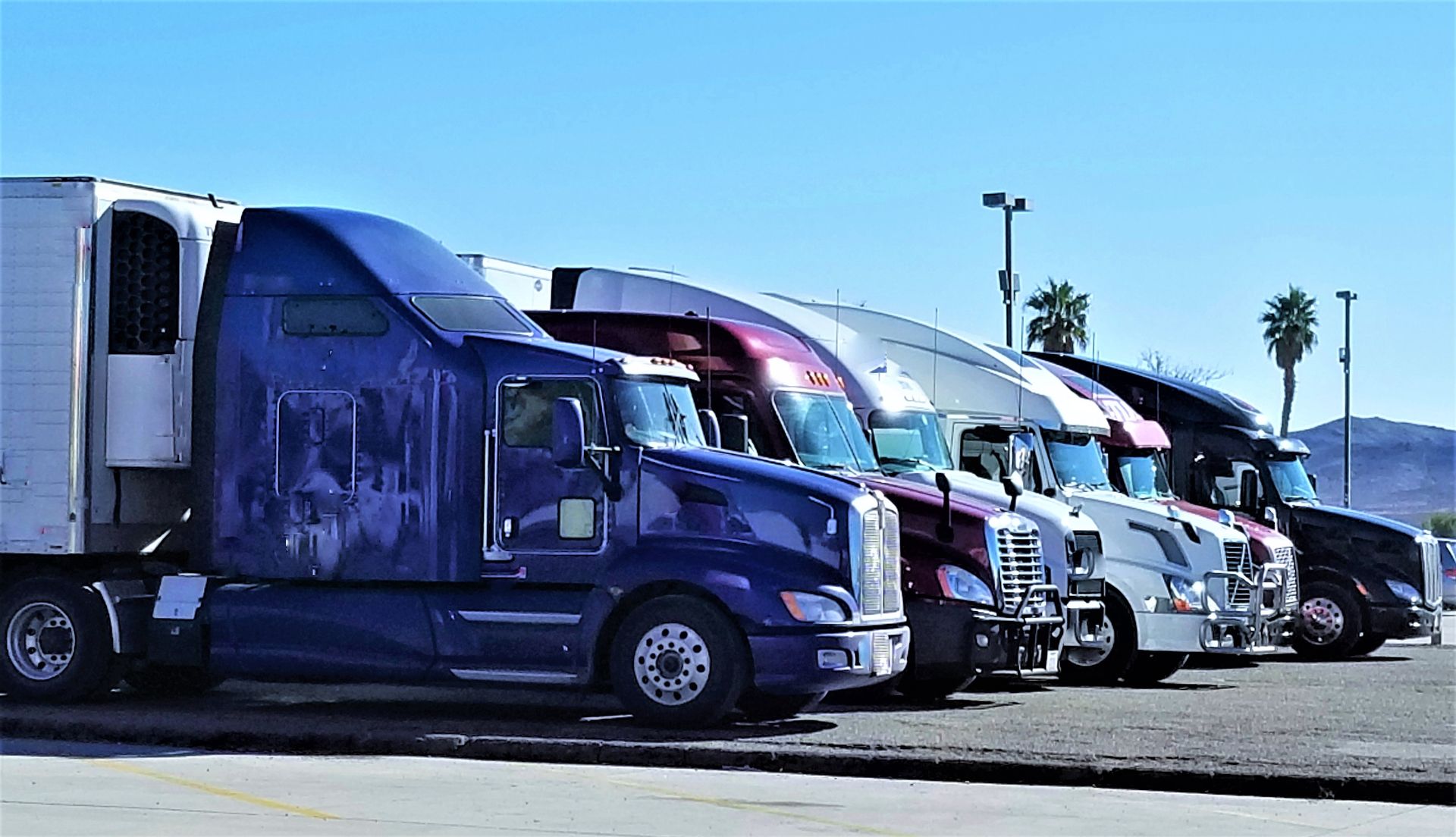
Commercial Auto & Trucking
Protection for your fleet including box trucks, moving vans, and trailers. Covers liability, collision, physical damage, and hired or non-owned vehicles used in your operations.

Motor Truck Cargo
Covers household goods and freight during transport from pickup to delivery. Protects against damage, theft, mysterious disappearance, and weather-related losses while cargo is in your care.

General Liability
Protection from third-party claims for bodily injury and property damage at customer homes, job sites, and your own facility. Essential coverage for every transportation operation

Warehouse Legal Liability
Coverage for customer property while stored in your facility. Protects against damage, theft, fire, and water damage to goods in your care, custody, or control.

Workers' Compensation
Medical care and wage replacement for employees injured on the job. Required in most states for transportation and warehouse work where physical labor creates higher injury risk.

Umbrella & Excess Liability
Higher liability limits stacked on top of your primary policies. Helps meet large contract requirements and protects your business assets against major claims and lawsuits.
Specialized Knowledge
Industries We Protect
Focused coverage for transportation and logistics businesses


Simple and Clear
How Our Process Works
Our process to get you covered
Connect With Us
Reach out through our form or by phone to share your business needs and current coverage situation.
Get Coverage Options
We review your risks, compare carriers, and present clear quotes with plain-language explanations.
Stay Protected
You choose your plan, and we provide ongoing support for certificates, claims, and renewals.
Trusted by Businesses
Feedback That Reflects Service and Reliability
What our clients say about working with Champion Risk
Answers You Need
Frequently Asked Questions
Common questions about transportation and logistics insurance




What insurance does a transportation company need to operate legally?
Motor carriers that cross state lines must meet FMCSA requirements. You need a minimum of $750,000 in liability coverage, plus a BMC-91 filing that proves your insurance to the federal government. Cargo coverage is also required, with minimums that depend on the type of goods you transport.
Intrastate operators follow state-specific rules. California, Texas, and Florida each have different requirements. Champion Risk handles both federal and state filings. We make sure your coverage meets legal minimums and your certificates reach the right agencies.
How much does commercial transportation insurance cost?
Premiums depend on your fleet size, driving records, cargo values, and claims history. A small operation with two trucks might pay $8,000 to $15,000 per year. A larger carrier with ten trucks could pay $50,000 to $100,000 or more.
The best way to control costs is working with a broker who knows transportation insurance. We find carriers that specialize in your exact operation type. This often results in better rates than going direct or using a general agent who doesn't understand the industry.
What is a BMC-91 filing and why do I need one?
A BMC-91 is a form your insurance company files with the FMCSA. It proves you carry the required liability coverage to operate as a for-hire motor carrier. Without an active BMC-91, your operating authority can be revoked.
Champion Risk works with carriers who file electronically. Your BMC-91 typically posts within 24 to 48 hours of binding coverage. We monitor your filing status and alert you if anything needs attention.
Does my warehouse or storage facility need different insurance than a trucking operation?
Yes. Storage facilities need warehouse legal liability coverage. This protects you when customer property is damaged or stolen while in your care. Standard general liability policies exclude this exposure.
You may also need property coverage for your building, equipment breakdown protection, and business income coverage if a fire or disaster shuts down operations. Champion Risk builds storage facility programs that address all these risks in one package.
Can you insure last-mile delivery drivers who use their own vehicles?
Yes. We offer hired and non-owned auto coverage for delivery operations that use independent contractors or employees driving personal vehicles. This fills gaps that personal auto policies don't cover during commercial use.
We also provide occupational accident coverage for 1099 drivers who aren't eligible for workers' comp. This protects your drivers and limits your liability exposure when accidents happen.
How fast can I get proof of insurance for a new contract?
Same day in most cases. Once we bind your policy, we issue certificates of insurance within hours. If your contract requires specific additional insured language or special endorsements, we coordinate directly with the carrier.
Rush requests happen often in this industry. General contractors and corporate clients demand certificates before they let you on site. Champion Risk prioritizes fast turnaround because we know your revenue depends on it.


Answers You Need
Transportation & Logistics Insurance Resources
Articles designed to inform and support your business
Contact Us
Phone Number:
Email Address:
Location:
12264 El Camino Real, Suite 350
San Diego, CA 92130
Hours:
Monday – Friday: 8:00 AM – 6:00 PM PT