Running a trucking or logistics operation in Rhode Island presents a unique set of challenges that most insurance articles gloss over. The state's compact geography might suggest simpler insurance needs, but the reality is more complex. With the local freight trucking industry projected to reach $154.3 million by 2026, competition is fierce, and proper coverage separates thriving operations from those one bad claim away from closure.
Here's what most carriers don't realize until it's too late: Rhode Island's road infrastructure directly impacts your insurance costs. According to TRIP National Transportation Research Nonprofit, deteriorated road conditions cost Ocean State motorists $734 million annually, translating to $966 per driver. Those potholes and crumbling bridges mean more vehicle damage claims, higher accident rates, and insurers who price accordingly.
The transportation insurance market itself isn't making things easier. As industry analysts at
Amwins note, "The transportation insurance market is challenging due to rising claims, social inflation, and high reinsurance costs. Commercial auto is experiencing record rate hikes." Understanding Rhode Island's specific coverage requirements, cost factors, and state mandates isn't optional: it's essential for protecting your business and your bottom line.
State-Mandated Insurance Requirements for RI Carriers
Rhode Island regulators take financial responsibility seriously, and the penalties for operating without proper coverage can shut down your operation overnight. Whether you're running a single box truck or managing a regional fleet, compliance starts with understanding exactly what the state requires.
Minimum Liability and Financial Responsibility Limits
The baseline commercial auto coverage in Rhode Island requires $25,000 per person and $50,000 per accident for bodily injury liability, plus $25,000 for property damage. These minimums apply to standard commercial vehicles, but don't assume they're sufficient for your operation.
Motor carriers face higher thresholds. Rhode Island General Laws mandate proof of financial responsibility with minimum coverage of $250,000 for injury or death of one person. For-hire carriers transporting hazardous materials or operating across state lines face even steeper requirements, often $750,000 to $5 million depending on cargo type.
Rhode Island Workers' Compensation for Logistics Employees
Every Rhode Island employer with one or more employees must carry workers' compensation insurance. No exceptions for small fleets. This covers medical expenses, lost wages, and rehabilitation for workers injured on the job, whether loading cargo at your warehouse or involved in a roadside accident.
Logistics work ranks among the most physically demanding industries, and claims involving back injuries, forklift accidents, and repetitive stress injuries are common. Premiums vary based on your claims history and job classifications, so maintaining safety protocols directly impacts your costs.
FMCSA and DOT Compliance for Interstate Operations
If your trucks cross state lines, federal requirements layer on top of Rhode Island mandates. The Federal Motor Carrier Safety Administration requires minimum liability coverage of $750,000 for general freight carriers and $1 million for carriers transporting oil or hazardous materials. You'll need to file Form MCS-90 as proof of financial responsibility with the DOT.
Champion Risk works with Rhode Island carriers daily who discover their existing policies don't meet FMCSA filing requirements. This gap can result in operating authority suspension, so verify your policy includes proper federal endorsements before your next interstate haul.


By: Mark Raby
Chief Executive Officer at Champion Risk & Insurance Services
Essential Coverage Types for Logistics Businesses
Meeting minimum requirements keeps you legal, but comprehensive coverage keeps you in business. The gaps between state mandates and actual risk exposure can swallow an unprepared operation whole.
Motor Truck Cargo and Inland Marine Insurance
Your customer's freight is your responsibility from pickup to delivery. Motor truck cargo insurance protects against damage, theft, or loss of goods you're hauling. Coverage limits typically range from $25,000 to $250,000 per shipment, though high-value cargo may require specialty policies.
Inland marine insurance extends protection to goods in transit that standard property policies exclude. If you're moving electronics, pharmaceuticals, or temperature-sensitive products through Rhode Island's ports, this coverage becomes essential.
General Liability and Warehouse Legal Liability
General liability covers third-party bodily injury and property damage claims not involving your vehicles. A delivery driver who damages a client's loading dock, a visitor who slips at your terminal: these scenarios fall under general liability rather than auto policies.
Warehouse legal liability protects against damage to customer property stored at your facility. Standard property insurance covers your building and equipment, but not the goods you're holding for others. Given Rhode Island's role as a regional distribution hub, many logistics companies need both coverages.
Bobtail and Non-Trucking Liability for Owner-Operators
Owner-operators leased to motor carriers face a common coverage gap. When you're operating under a carrier's authority, their primary liability policy applies. But the moment you disconnect from that trailer or use your truck for personal purposes, you're potentially uninsured.
Bobtail insurance covers your tractor while operating without a trailer under dispatch. Non-trucking liability covers personal use and deadhead miles. Champion Risk frequently encounters owner-operators who assumed their lease agreement covered all scenarios, only to discover the hard way that it didn't.
Factors Influencing Insurance Costs in the Ocean State
The average commercial auto insurance cost in Rhode Island runs approximately $271 per month, but that figure represents a starting point, not a guarantee. Your actual premiums depend on factors largely within your control.
Fleet Size, Vehicle Types, and Radius of Operation
| Factor | Lower Premium Impact | Higher Premium Impact |
|---|---|---|
| Fleet Size | 1-3 vehicles | 10+ vehicles |
| Vehicle Type | Cargo vans, light trucks | Heavy tractor-trailers |
| Operating Radius | Local (under 50 miles) | Regional/Interstate |
| Cargo Type | General freight | Hazmat, high-value goods |
| Annual Mileage | Under 50,000 miles | Over 100,000 miles |
Insurers assess each vehicle individually. A mixed fleet with box trucks and tractor-trailers will see different rates for each unit. Operating primarily within Rhode Island's borders typically costs less than running routes through Boston, Hartford, and New York, where congestion and accident frequency spike.
Driver Safety Records and MVR Impact
Your drivers' motor vehicle records directly determine premium calculations. Major violations like DUIs, reckless driving, or at-fault accidents within the past three to five years can double or triple insurance costs for that driver. Some carriers become uninsurable after accumulating too many high-risk drivers.
Insurers pull MVRs annually, so a clean record at hire doesn't guarantee continued low rates. Implementing quarterly MVR monitoring catches problems before renewal surprises. One driver with a suspended license operating your equipment creates liability exposure that extends far beyond insurance costs.

Insurance companies reward operations that demonstrate commitment to loss prevention. The upfront investment in safety technology and training pays dividends through reduced premiums and fewer claims.
Implementing Telematics and Safety Tech
Telematics systems that monitor speed, braking patterns, and hours of service provide data insurers love. Carriers using electronic logging devices and dash cameras often qualify for discounts ranging from 5% to 15%. More importantly, the footage protects you against fraudulent claims, which have become increasingly common.
Forward-facing and driver-facing cameras create accountability. When an accident occurs, you have objective evidence rather than competing narratives. Champion Risk has seen clients avoid six-figure liability payouts because camera footage proved their driver wasn't at fault.
Collision avoidance systems, lane departure warnings, and automatic emergency braking reduce accident frequency. Insurers recognize these technologies lower their risk exposure and adjust premiums accordingly.
Choosing Deductibles and Policy Bundling
Higher deductibles reduce premiums, but only choose deductible levels you can actually afford to pay. A $5,000 deductible might save $100 monthly, but can you absorb that cost if three claims hit in one quarter?
Bundling multiple policies with a single carrier typically generates savings of 10% to 20%. Combining commercial auto, general liability, cargo, and workers' compensation creates package discounts while simplifying administration. You'll have one renewal date, one agent relationship, and coordinated coverage without gaps.
Frequently Asked Questions
What happens if I operate in Rhode Island without proper commercial insurance? You face vehicle impoundment, fines starting at $500, and potential criminal charges for repeat offenses. Operating authority suspension follows, effectively shutting down your business.
Does my personal auto policy cover occasional business use of my truck? No. Personal policies explicitly exclude commercial use. Even one delivery for compensation voids your coverage and leaves you personally liable.
How often do Rhode Island commercial auto rates change? Insurers can adjust rates at renewal, typically annually. Market conditions have pushed increases of 8% to 15% yearly for the past several years.
Do I need cargo insurance if I only haul customer-owned goods? Yes. You're legally responsible for freight in your possession regardless of ownership. Cargo insurance protects against claims when goods arrive damaged or don't arrive at all.
Can I reduce premiums by excluding certain drivers from my policy? Yes, but excluded drivers cannot operate your vehicles under any circumstances. If an excluded driver causes an accident, you have zero coverage.
Securing the Right Policy for Rhode Island Operations
Getting transportation and logistics insurance right in Rhode Island requires balancing state mandates, federal requirements, and practical business protection. The minimum legal requirements rarely provide adequate coverage for actual operations, and the gaps between what's required and what's needed can devastate an unprepared carrier.
Start by auditing your current coverage against the requirements outlined here. Verify your policy meets FMCSA filing requirements if you cross state lines. Confirm your cargo limits match the actual value of goods you transport. Check that workers' compensation classifications accurately reflect your employees' duties.
Champion Risk specializes in helping Rhode Island transportation companies find coverage that fits both their risk profile and their budget. The right policy isn't necessarily the cheapest: it's the one that actually pays when you need it. Request a policy review to identify gaps before they become claims, and build a coverage strategy that protects what you've worked to build.
About the Author:
Mark Raby
I am a seasoned insurance professional with over 30 years of experience in the industry. I lead Champion Risk & Insurance Services, a San Diego-based brokerage with nationwide reach and strong influence in the insurance marketplace. My core competencies include insurance agency M&A deals, captives and alternative risk structures, and commercial property and casualty insurance for clients in the transportation and logistics industries. I am a former president of IIAB San Diego and hold a Bachelor of Science in Finance from Western Michigan University’s Haworth College of Business.
Protection for Transportation Operations
Business Insurance for Transportation & Logistics Companies
Coverage designed specifically for transportation businesses
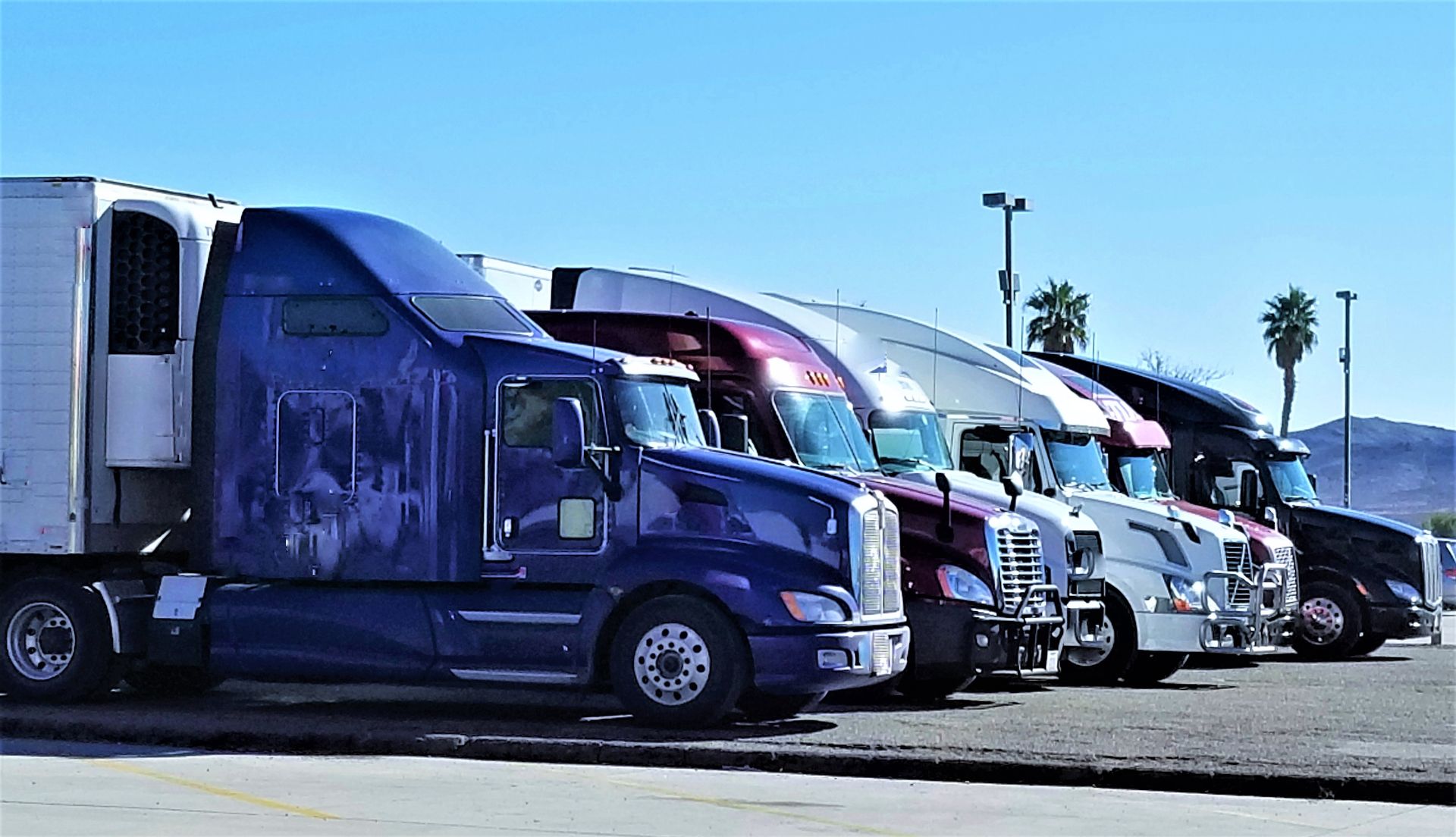
Commercial Auto & Trucking
Protection for your fleet including box trucks, moving vans, and trailers. Covers liability, collision, physical damage, and hired or non-owned vehicles used in your operations.
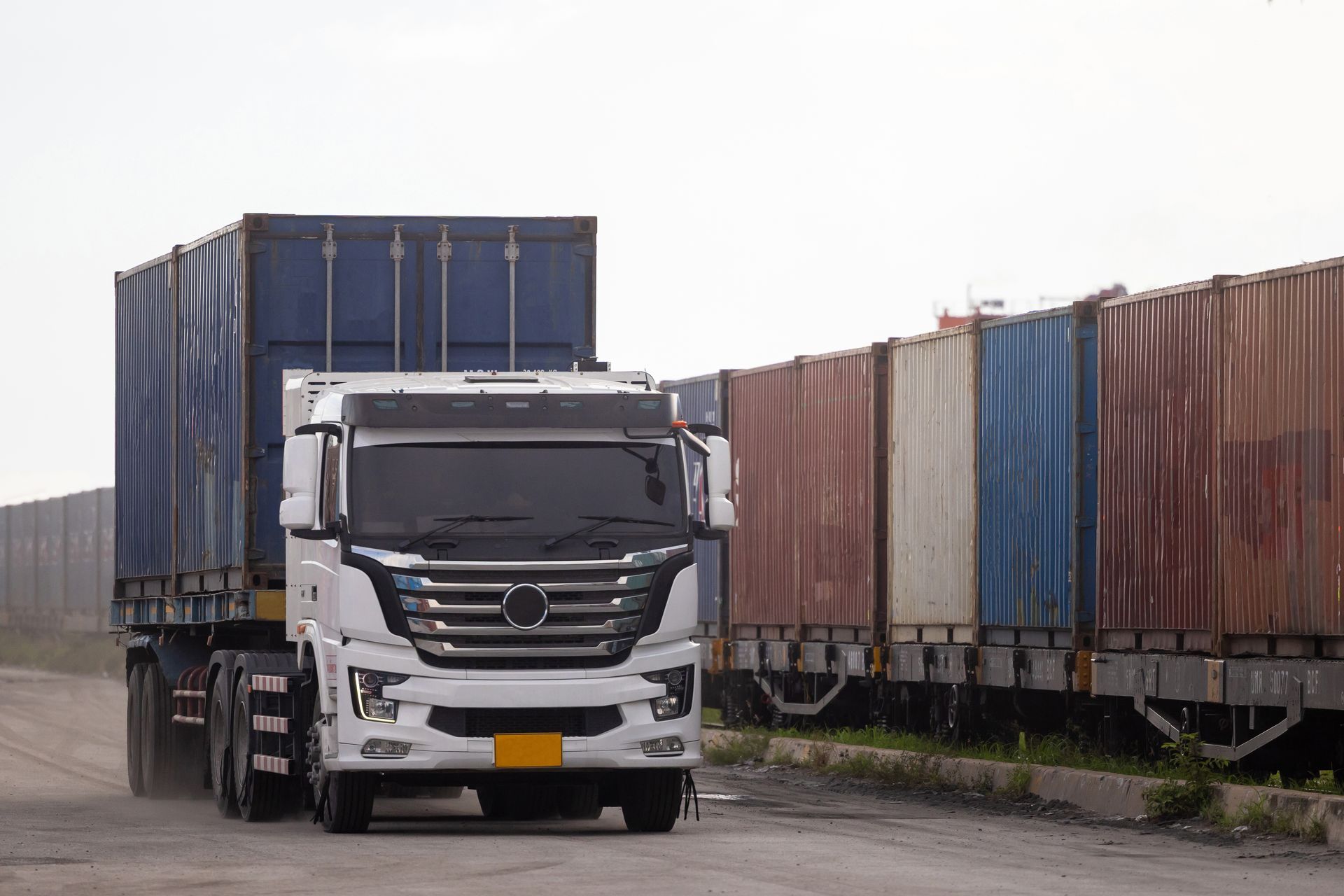
Motor Truck Cargo
Covers household goods and freight during transport from pickup to delivery. Protects against damage, theft, mysterious disappearance, and weather-related losses while cargo is in your care.

General Liability
Protection from third-party claims for bodily injury and property damage at customer homes, job sites, and your own facility. Essential coverage for every transportation operation

Warehouse Legal Liability
Coverage for customer property while stored in your facility. Protects against damage, theft, fire, and water damage to goods in your care, custody, or control.

Workers' Compensation
Medical care and wage replacement for employees injured on the job. Required in most states for transportation and warehouse work where physical labor creates higher injury risk.

Umbrella & Excess Liability
Higher liability limits stacked on top of your primary policies. Helps meet large contract requirements and protects your business assets against major claims and lawsuits.
Specialized Knowledge
Industries We Protect
Focused coverage for transportation and logistics businesses


Simple and Clear
How Our Process Works
Our process to get you covered
Connect With Us
Reach out through our form or by phone to share your business needs and current coverage situation.
Get Coverage Options
We review your risks, compare carriers, and present clear quotes with plain-language explanations.
Stay Protected
You choose your plan, and we provide ongoing support for certificates, claims, and renewals.
Trusted by Businesses
Feedback That Reflects Service and Reliability
What our clients say about working with Champion Risk
Answers You Need
Frequently Asked Questions
Common questions about transportation and logistics insurance




What insurance does a transportation company need to operate legally?
Motor carriers that cross state lines must meet FMCSA requirements. You need a minimum of $750,000 in liability coverage, plus a BMC-91 filing that proves your insurance to the federal government. Cargo coverage is also required, with minimums that depend on the type of goods you transport.
Intrastate operators follow state-specific rules. California, Texas, and Florida each have different requirements. Champion Risk handles both federal and state filings. We make sure your coverage meets legal minimums and your certificates reach the right agencies.
How much does commercial transportation insurance cost?
Premiums depend on your fleet size, driving records, cargo values, and claims history. A small operation with two trucks might pay $8,000 to $15,000 per year. A larger carrier with ten trucks could pay $50,000 to $100,000 or more.
The best way to control costs is working with a broker who knows transportation insurance. We find carriers that specialize in your exact operation type. This often results in better rates than going direct or using a general agent who doesn't understand the industry.
What is a BMC-91 filing and why do I need one?
A BMC-91 is a form your insurance company files with the FMCSA. It proves you carry the required liability coverage to operate as a for-hire motor carrier. Without an active BMC-91, your operating authority can be revoked.
Champion Risk works with carriers who file electronically. Your BMC-91 typically posts within 24 to 48 hours of binding coverage. We monitor your filing status and alert you if anything needs attention.
Does my warehouse or storage facility need different insurance than a trucking operation?
Yes. Storage facilities need warehouse legal liability coverage. This protects you when customer property is damaged or stolen while in your care. Standard general liability policies exclude this exposure.
You may also need property coverage for your building, equipment breakdown protection, and business income coverage if a fire or disaster shuts down operations. Champion Risk builds storage facility programs that address all these risks in one package.
Can you insure last-mile delivery drivers who use their own vehicles?
Yes. We offer hired and non-owned auto coverage for delivery operations that use independent contractors or employees driving personal vehicles. This fills gaps that personal auto policies don't cover during commercial use.
We also provide occupational accident coverage for 1099 drivers who aren't eligible for workers' comp. This protects your drivers and limits your liability exposure when accidents happen.
How fast can I get proof of insurance for a new contract?
Same day in most cases. Once we bind your policy, we issue certificates of insurance within hours. If your contract requires specific additional insured language or special endorsements, we coordinate directly with the carrier.
Rush requests happen often in this industry. General contractors and corporate clients demand certificates before they let you on site. Champion Risk prioritizes fast turnaround because we know your revenue depends on it.

Answers You Need
Transportation & Logistics Insurance Resources
Articles designed to inform and support your business
Contact Us
Phone Number:
Email Address:
Location:
12264 El Camino Real, Suite 350
San Diego, CA 92130
Hours:
Monday – Friday: 8:00 AM – 6:00 PM PT