Pittsburgh, Pennsylvania Transportation & Logistics Insurance
Or Call Us:
(800) 829-0807
Pittsburgh sits at the confluence of three rivers and serves as a critical hub where freight from the Midwest, East Coast, and Appalachian regions converges daily. For carriers operating in this market, understanding transportation and logistics insurance requirements in Pittsburgh isn't just about checking compliance boxes. It's about protecting your business against the specific risks that come with navigating steep grades, unpredictable weather, and aging infrastructure while hauling everything from steel to pharmaceuticals.
Freight shipping directly contributes approximately 5% to Pittsburgh's gross metropolitan product, according to
industry analysis. That economic significance means intense competition, tight margins, and insurance decisions that can make or break a carrier's profitability. The average cost for commercial truck insurance in Pennsylvania runs approximately $14,055, with premiums ranging from $12,247 to $17,631 depending on your specific operation, according to
Commercial Truck Insurance HQ. Those numbers fluctuate significantly based on factors we'll examine throughout this guide.
Overview of Pittsburgh's Transportation and Logistics Landscape
Pittsburgh's geography creates both opportunity and challenge for carriers. The city's position makes it a natural distribution point, but that same terrain demands respect from anyone hauling freight through the region.
The Role of the Port of Pittsburgh and Major Interstates
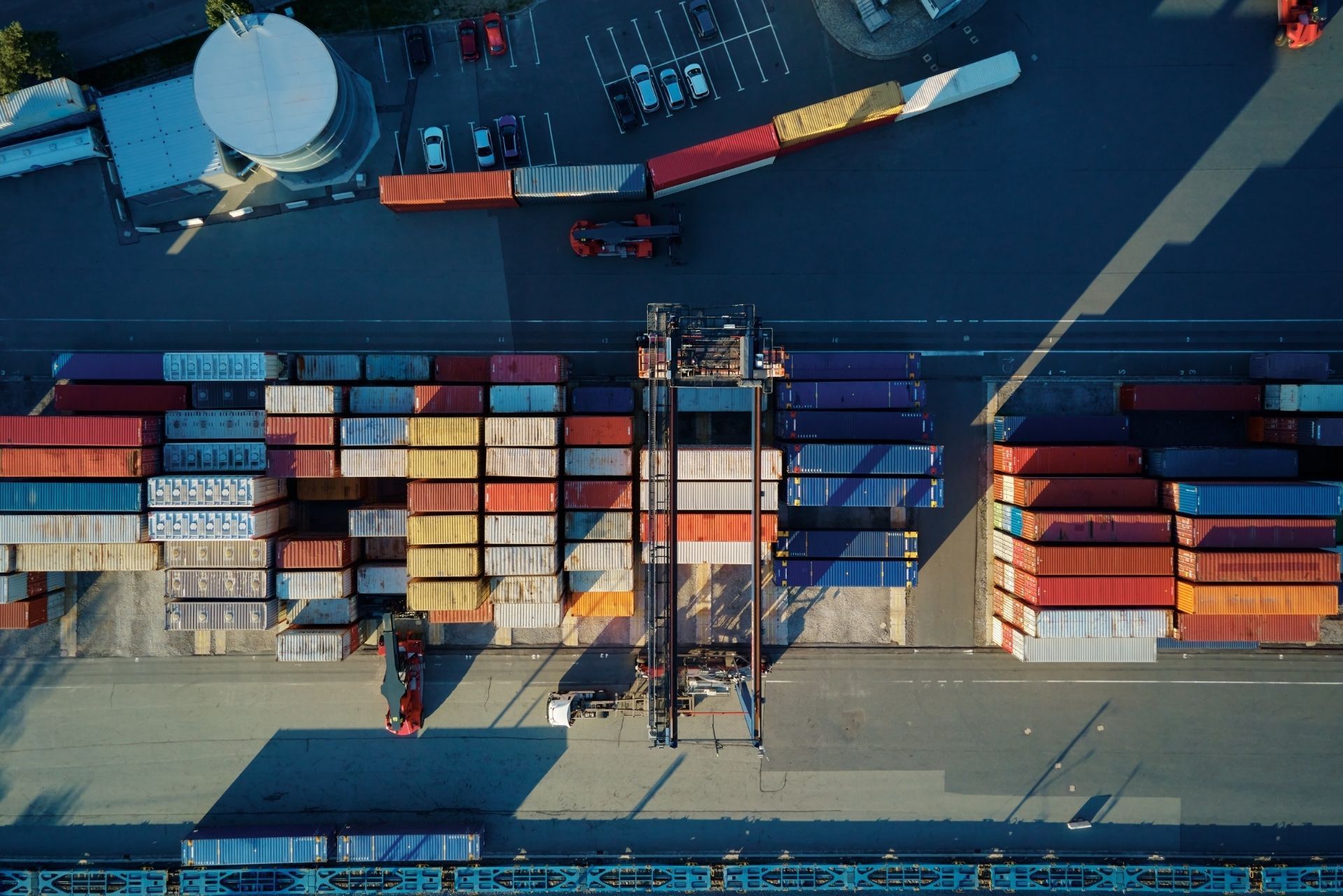
The Port of Pittsburgh ranks among the largest inland ports in the United States, handling millions of tons of cargo annually along the Ohio, Allegheny, and Monongahela rivers. This multimodal capability means carriers often coordinate with barge operations, creating additional insurance considerations around intermodal transfers and cargo custody.
Interstate 76 connects Pittsburgh to Philadelphia and the eastern seaboard, while I-79 runs north-south through the region. I-70 provides access to Ohio and points west. These corridors see heavy commercial traffic, and accident rates on certain stretches influence how underwriters price policies for carriers operating primarily in these zones.
Regional Risk Factors: Terrain, Weather, and Infrastructure
The hills surrounding Pittsburgh aren't just scenic. They create genuine operational hazards. Grades exceeding 6% are common on routes into and out of the city, putting additional stress on braking systems and increasing rollover risk for top-heavy loads.
Winter weather adds another layer of complexity. Lake-effect snow from nearby Erie, combined with Pittsburgh's own precipitation patterns, creates icy conditions that persist longer in shaded valleys. Underwriters factor these conditions into their risk models, and carriers without proper winter protocols often see higher premiums.
Bridge infrastructure also matters here. Pittsburgh has more bridges than any other U.S. city, and many are aging. Weight restrictions, lane narrowings, and occasional closures require route flexibility that affects delivery schedules and risk exposure.

By: Mark Raby
Chief Executive Officer at Champion Risk & Insurance Services
Essential Insurance Coverages for Pennsylvania Carriers
Getting coverage right means understanding what each policy actually protects and where gaps commonly appear.
Primary Auto Liability and Motor Truck Cargo
Primary auto liability covers bodily injury and property damage you cause to others. Pennsylvania law mandates minimum liability coverage of $15,000 for bodily injury per person, $30,000 for bodily injury per accident, and $5,000 for property damage per accident. Those minimums apply to personal vehicles. Commercial carriers face significantly higher requirements based on cargo type and operating authority.
Motor truck cargo insurance protects the freight you're hauling. Standard policies cover damage from accidents, fire, and theft, but exclusions vary widely. Pay attention to whether your policy covers refrigeration breakdown, contamination, or mysterious disappearance. These gaps catch carriers off guard during claims.
General Liability and Warehouse Legal Liability
General liability protects against third-party claims unrelated to vehicle operation. If a visitor slips at your terminal or your employee damages a client's property while making a delivery, this coverage responds.
Warehouse legal liability becomes critical if you store goods, even temporarily. Standard property insurance doesn't cover customer goods in your care. Warehouse legal liability fills that gap, protecting you when stored cargo is damaged, stolen, or destroyed.
Contingent Cargo and Non-Trucking Liability
Contingent cargo insurance protects brokers and freight forwarders when a carrier's primary cargo policy fails to respond. If you're brokering loads, this coverage prevents gaps from leaving you exposed when a contracted carrier's insurance proves inadequate.
Non-trucking liability covers your vehicle when it's being used for personal purposes outside dispatch. Owner-operators leased to motor carriers often need this coverage since the carrier's policy only applies during business use.
Pennsylvania State Requirements and Compliance
Pennsylvania's regulatory environment requires attention to both state and federal requirements, depending on your operating authority.
PennDOT Insurance Filings and PUC Regulations
The Pennsylvania Public Utility Commission regulates intrastate carriers, requiring specific insurance filings before you can operate legally. PUC requirements vary based on whether you're hauling property or passengers and the size of your operation.
PennDOT handles registration and maintains records of insurance compliance. Lapses in coverage trigger automatic registration suspensions, and reinstatement involves fees and delays that can sideline your equipment for weeks.
Workers' Compensation Laws for PA Transport Companies
Pennsylvania requires workers' compensation coverage for nearly all employers, with limited exceptions. Transport companies face unique classification challenges since drivers, dock workers, and administrative staff all carry different risk profiles.
Experience modification rates significantly impact workers' comp premiums. A poor safety record can push your mod rate above 1.0, increasing costs substantially. Conversely, strong safety performance can reduce premiums by 20% or more over time.

Factors Influencing Logistics Insurance Costs in Pittsburgh
The top 10 truck insurance companies in Pittsburgh write 77% of all commercial truck policies in the city, creating a competitive market where pricing varies significantly based on your specific risk profile.
Impact of Driver Safety Records and CDL Experience
Underwriters scrutinize driver histories closely. Moving violations, at-fault accidents, and CDL experience all factor into pricing. A driver with less than two years of CDL experience typically costs more to insure than a ten-year veteran with a clean record.
Drug and alcohol violations create particular challenges. Some carriers become uninsurable through standard markets after certain violations, forcing them into high-risk pools with substantially higher premiums.
Equipment Age and Safety Tech Implementation
Newer equipment generally costs less to insure. Modern braking systems, stability control, and collision avoidance technology reduce accident frequency and severity, and underwriters reward these investments.
| Factor | Premium Impact |
|---|---|
| Equipment over 10 years old | 10-25% increase |
| Collision avoidance systems | 5-15% discount |
| Electronic logging devices | 3-8% discount |
| Dash cameras | 5-12% discount |
| Driver training programs | 5-10% discount |
Strategic Risk Management for Local Fleet Owners
Smart risk management reduces both claim frequency and insurance costs. The most successful Pittsburgh carriers treat safety as a profit center, not just a compliance requirement.
Leveraging Telematics to Lower Premiums
Telematics systems provide real-time data on driver behavior, including hard braking, speeding, and hours of service compliance. Many insurers offer premium discounts for carriers sharing this data, sometimes reducing costs by 10-15%.
Beyond premium savings, telematics data helps identify problem drivers before they cause accidents. Early intervention through coaching or retraining prevents claims that would otherwise impact your loss history for years.
Champion Risk works with Pittsburgh carriers to identify telematics programs that align with both safety goals and insurance optimization. The right system pays for itself through premium reductions and avoided claims.
Navigating the Claims Process in Western PA
When accidents happen, response speed matters. Document the scene thoroughly, including photos, witness information, and police report numbers. Notify your insurer immediately, even for minor incidents that might not seem worth reporting.
Local brokers in Pittsburgh understand local insurance needs and can tailor coverage to specific job demands. This local expertise proves valuable during claims when knowledge of regional repair facilities, legal environments, and regulatory requirements accelerates resolution.
Selecting a Pittsburgh-Based Insurance Partner
The U.S. logistics insurance market is expected to reach $13.0 million by 2030, with steady growth creating more options for carriers. That said, more options doesn't automatically mean better outcomes.
Look for partners who understand Pittsburgh's specific challenges. An agent unfamiliar with the region's terrain, weather patterns, and regulatory environment will miss nuances that affect both coverage adequacy and pricing.
Champion Risk specializes in transportation and logistics insurance for Pittsburgh-area carriers, offering the local expertise that makes a difference when you're evaluating coverage options or navigating a complex claim. The right partner doesn't just sell policies: they help you build a risk management strategy that protects your operation and improves your bottom line.
Frequently Asked Questions
What insurance do I need to haul freight in Pennsylvania? At minimum, you need primary auto liability meeting federal or state requirements based on your operating authority, plus motor truck cargo coverage. Most carriers also carry general liability and workers' compensation.
How much does commercial truck insurance cost in Pittsburgh? Average premiums run around $14,055 annually, but your actual cost depends on equipment, driver experience, cargo type, and safety record. Premiums range from roughly $12,000 to over $17,000.
Does Pennsylvania require workers' compensation for owner-operators? Owner-operators without employees can often exempt themselves, but carriers you lease to may require you to carry coverage anyway. Check your lease agreement carefully.
What's the difference between cargo insurance and freight liability? Cargo insurance covers the actual value of goods you're hauling. Freight liability is the carrier's legal responsibility, which is often limited to $0.50 per pound under standard terms.
How can I lower my trucking insurance premiums? Install safety technology, maintain clean driver records, implement formal training programs, and work with a specialized broker who can shop your account to multiple carriers.
About the Author:
Mark Raby
I am a seasoned insurance professional with over 30 years of experience in the industry. I lead Champion Risk & Insurance Services, a San Diego-based brokerage with nationwide reach and strong influence in the insurance marketplace. My core competencies include insurance agency M&A deals, captives and alternative risk structures, and commercial property and casualty insurance for clients in the transportation and logistics industries. I am a former president of IIAB San Diego and hold a Bachelor of Science in Finance from Western Michigan University’s Haworth College of Business.
Protection for Transportation Operations
Business Insurance for Transportation & Logistics Companies
Coverage designed specifically for transportation businesses
Commercial Auto & Trucking
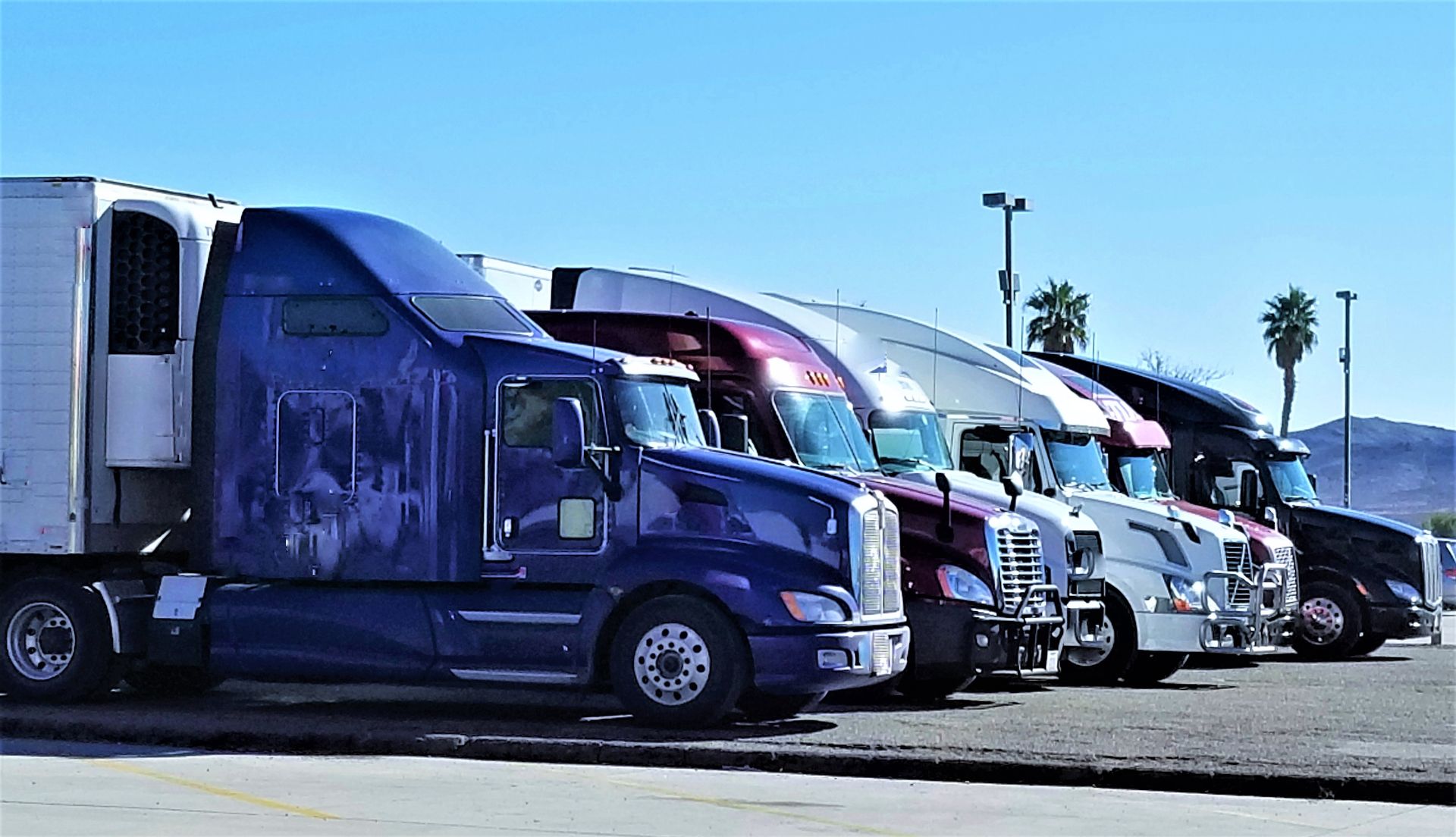
Protection for your fleet including box trucks, moving vans, and trailers. Covers liability, collision, physical damage, and hired or non-owned vehicles used in your operations.
Motor Truck Cargo
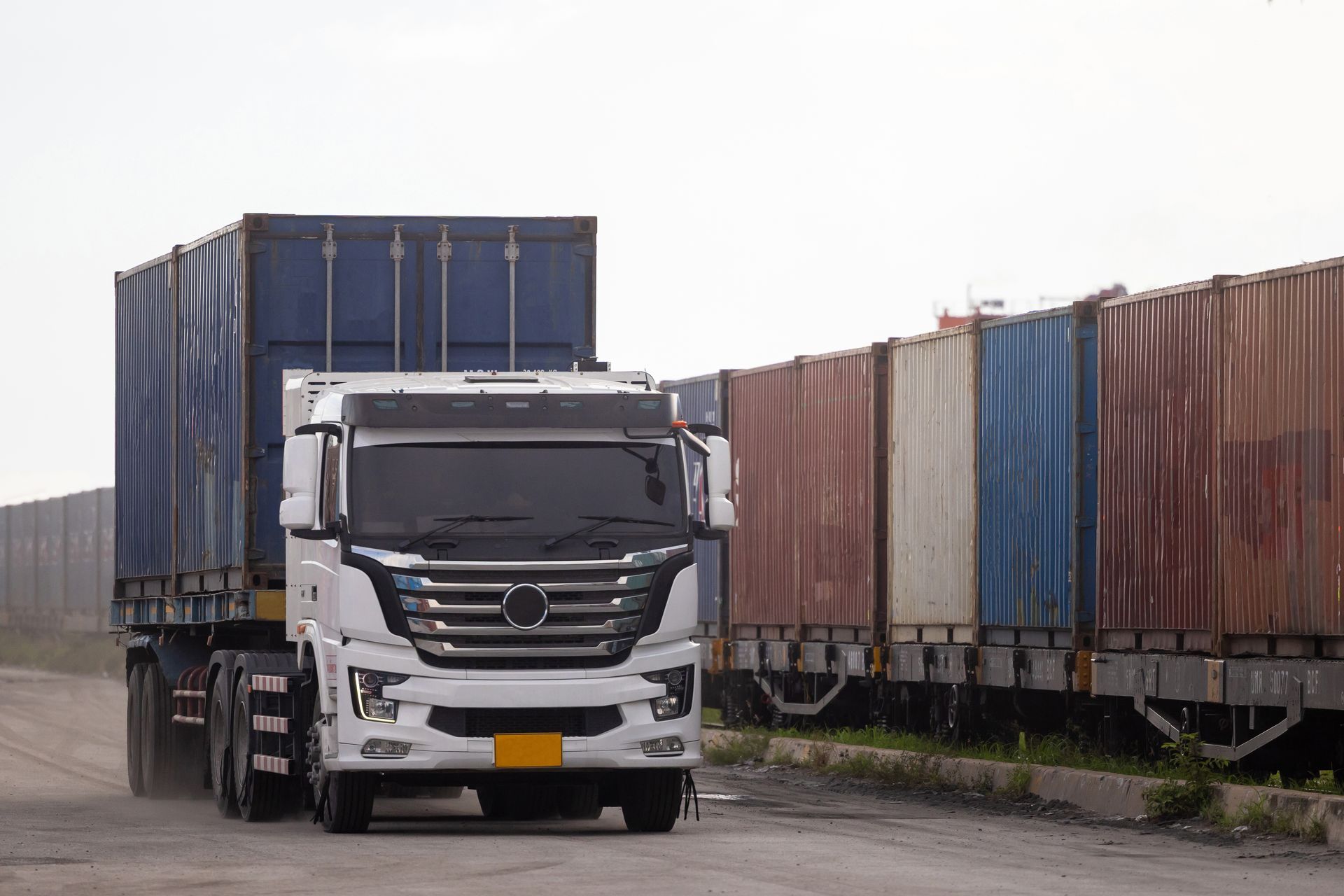
Covers household goods and freight during transport from pickup to delivery. Protects against damage, theft, mysterious disappearance, and weather-related losses while cargo is in your care.

General Liability
Protection from third-party claims for bodily injury and property damage at customer homes, job sites, and your own facility. Essential coverage for every transportation operation
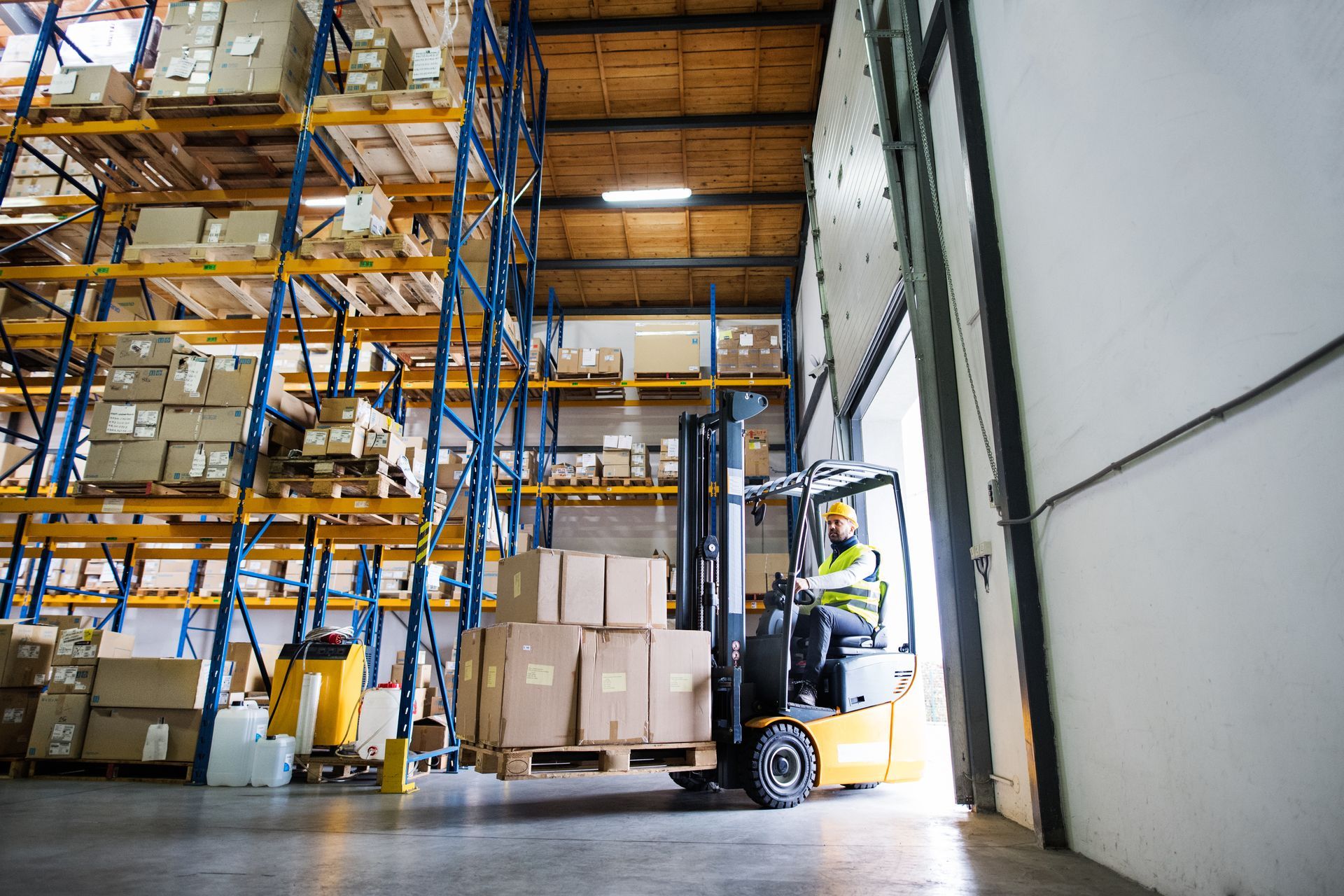
Warehouse Legal Liability
Coverage for customer property while stored in your facility. Protects against damage, theft, fire, and water damage to goods in your care, custody, or control.

Workers' Compensation
Medical care and wage replacement for employees injured on the job. Required in most states for transportation and warehouse work where physical labor creates higher injury risk.

Umbrella & Excess Liability
Higher liability limits stacked on top of your primary policies. Helps meet large contract requirements and protects your business assets against major claims and lawsuits.
Specialized Knowledge
Industries We Protect
Focused coverage for transportation and logistics businesses

Simple and Clear
How Our Process Works
Our process to get you covered
Connect With Us
Reach out through our form or by phone to share your business needs and current coverage situation.
Get Coverage Options
We review your risks, compare carriers, and present clear quotes with plain-language explanations.
Stay Protected
You choose your plan, and we provide ongoing support for certificates, claims, and renewals.
Trusted by Businesses
Feedback That Reflects Service and Reliability
What our clients say about working with Champion Risk
Answers You Need
Frequently Asked Questions
Common questions about transportation and logistics insurance



What insurance does a transportation company need to operate legally?
Motor carriers that cross state lines must meet FMCSA requirements. You need a minimum of $750,000 in liability coverage, plus a BMC-91 filing that proves your insurance to the federal government. Cargo coverage is also required, with minimums that depend on the type of goods you transport.
Intrastate operators follow state-specific rules. California, Texas, and Florida each have different requirements. Champion Risk handles both federal and state filings. We make sure your coverage meets legal minimums and your certificates reach the right agencies.
How much does commercial transportation insurance cost?
Premiums depend on your fleet size, driving records, cargo values, and claims history. A small operation with two trucks might pay $8,000 to $15,000 per year. A larger carrier with ten trucks could pay $50,000 to $100,000 or more.
The best way to control costs is working with a broker who knows transportation insurance. We find carriers that specialize in your exact operation type. This often results in better rates than going direct or using a general agent who doesn't understand the industry.
What is a BMC-91 filing and why do I need one?
A BMC-91 is a form your insurance company files with the FMCSA. It proves you carry the required liability coverage to operate as a for-hire motor carrier. Without an active BMC-91, your operating authority can be revoked.
Champion Risk works with carriers who file electronically. Your BMC-91 typically posts within 24 to 48 hours of binding coverage. We monitor your filing status and alert you if anything needs attention.
Does my warehouse or storage facility need different insurance than a trucking operation?
Yes. Storage facilities need warehouse legal liability coverage. This protects you when customer property is damaged or stolen while in your care. Standard general liability policies exclude this exposure.
You may also need property coverage for your building, equipment breakdown protection, and business income coverage if a fire or disaster shuts down operations. Champion Risk builds storage facility programs that address all these risks in one package.
Can you insure last-mile delivery drivers who use their own vehicles?
Yes. We offer hired and non-owned auto coverage for delivery operations that use independent contractors or employees driving personal vehicles. This fills gaps that personal auto policies don't cover during commercial use.
We also provide occupational accident coverage for 1099 drivers who aren't eligible for workers' comp. This protects your drivers and limits your liability exposure when accidents happen.
How fast can I get proof of insurance for a new contract?
Same day in most cases. Once we bind your policy, we issue certificates of insurance within hours. If your contract requires specific additional insured language or special endorsements, we coordinate directly with the carrier.
Rush requests happen often in this industry. General contractors and corporate clients demand certificates before they let you on site. Champion Risk prioritizes fast turnaround because we know your revenue depends on it.

Answers You Need
Transportation & Logistics Insurance Resources
Articles designed to inform and support your business
Contact Us
Phone Number:
Email Address:
Location:
12264 El Camino Real, Suite 350
San Diego, CA 92130
Hours:
Monday – Friday: 8:00 AM – 6:00 PM PT