
Miami sits at the crossroads of global commerce, where shipping containers from South America meet refrigerated trucks bound for Atlanta and freight forwarders coordinate moves across three continents. This position creates extraordinary opportunity for transportation and logistics companies, but it also generates insurance exposures you won't find in Kansas City or Denver.
The Florida freight and logistics market is projected to reach $97.10 billion by 2030, growing at 4.45% annually. That growth means more trucks on I-95, more cargo moving through PortMiami, and more complex liability scenarios for every company in the supply chain. Whether you're running a small cartage operation or managing intermodal shipments across the hemisphere, understanding transportation and logistics insurance requirements in Miami isn't optional. It's the foundation of staying in business.
Here's what I've observed working with Miami-based logistics companies: the ones who treat insurance as a checkbox exercise end up paying more in the long run. The ones who understand their specific exposures, build relationships with specialized brokers, and invest in risk mitigation consistently outperform their competitors on both coverage quality and premium costs.
Overview of Miami's Transportation and Logistics Landscape
Miami's logistics industry operates differently than anywhere else in the country. The combination of international trade, cruise ship operations, perishable cargo, and year-round hurricane exposure creates a risk profile that generic insurance approaches simply can't address.
The Role of PortMiami and MIA in Regional Risk
PortMiami handles over one million TEUs annually and serves as the primary gateway for trade with Central and South America. Miami International Airport ranks among the top cargo airports globally, specializing in perishable goods, pharmaceuticals, and high-value electronics. These two facilities create a concentrated zone of logistics activity where insurance claims happen at higher frequency and severity than national averages.
Companies accessing PortMiami face immediate coverage requirements. Cartage companies need a minimum of $1,000,000 in both general liability and vehicle liability coverage just to obtain terminal access. That's before considering cargo values, which routinely exceed $500,000 per container for electronics or pharmaceuticals moving through the port.
Common Logistics Exposures in South Florida
The exposures here stack in ways that catch newcomers off guard. Hurricane season runs June through November, creating six months where every warehouse, every truck, and every piece of cargo faces wind and flood risk. Summer heat damages temperature-sensitive cargo within hours if refrigeration fails. Traffic density on I-95 and the Palmetto Expressway produces accident rates well above national averages.
Cargo theft represents another significant concern. Miami consistently ranks among the top metropolitan areas for cargo theft incidents, with organized rings targeting electronics, pharmaceuticals, and designer goods. As insurance expert Niki Perez from PTL Insurance Associates notes,
"Proper coverage can be the difference between a minor setback and a business-ending financial catastrophe in Miami's trucking industry."


By: Mark Raby
Chief Executive Officer at Champion Risk & Insurance Services
Essential Insurance Coverage for Miami Freight and Trucking
Getting coverage right means understanding which policies address which exposures. Too many operators carry overlapping coverage in some areas while leaving dangerous gaps in others.
Commercial Auto and Motor Truck Cargo Liability
Commercial auto liability covers damage your vehicles cause to others. Motor truck cargo liability covers damage to freight you're hauling. These are separate policies, and you need both.
The average cost for commercial truck insurance in Florida runs $15,522 annually, with most premiums falling between $12,648 and $17,856. That's higher than most states, reflecting Florida's litigation environment and traffic density. Cargo liability limits should match your typical load values, with many Miami operators carrying $100,000 to $250,000 per shipment.
Warehouse Legal Liability and Freight Forwarder E&O
Warehouse legal liability protects you when stored goods are damaged, stolen, or destroyed while in your care. Standard property insurance doesn't cover customer goods, so this coverage fills a critical gap for any operation with storage facilities.
Freight forwarder errors and omissions coverage addresses mistakes in documentation, routing, or customs compliance. A single misdeclared shipment can trigger fines, delays, and cargo seizure. Champion Risk works with Miami logistics companies to structure E&O policies that address the specific documentation requirements for Latin American trade lanes.
Marine Cargo and Intermodal Equipment Coverage
Marine cargo insurance protects goods during ocean transit, covering perils that motor truck cargo policies exclude. For companies moving containers between PortMiami and inland destinations, intermodal equipment coverage protects chassis, containers, and specialized handling equipment.
| Coverage Type | What It Protects | Typical Limits |
|---|---|---|
| Commercial Auto | Third-party bodily injury and property damage | $1M - $5M |
| Motor Truck Cargo | Freight in transit | $100K - $500K per shipment |
| Warehouse Legal | Stored customer goods | Based on storage capacity |
| Marine Cargo | Ocean transit exposures | Per-shipment basis |
| Intermodal Equipment | Chassis and containers | Replacement value |
Florida State and Local Regulatory Requirements
Florida's insurance requirements create baseline obligations, but smart operators exceed minimums substantially.
Florida Minimum Liability and PIP Requirements
Florida requires $10,000 in personal injury protection and $10,000 in property damage liability for standard vehicles. Commercial trucks face higher requirements based on weight class and cargo type. Vehicles over 26,000 pounds or hauling hazardous materials need significantly higher limits.
The state's no-fault PIP system means your own insurance pays medical bills regardless of fault, up to policy limits. This system produces some of the highest auto insurance rates in the country, and commercial operators feel that pressure directly.
Compliance with FMCSA and State DOT Filings
Interstate carriers must file proof of insurance with the Federal Motor Carrier Safety Administration. The BMC-91 form demonstrates liability coverage, while BMC-34 shows cargo insurance. Florida DOT requires separate filings for intrastate-only carriers.
Filing lapses trigger immediate authority suspension. Champion Risk helps clients maintain continuous compliance through automated filing systems that prevent gaps between policy renewals.
Factors Influencing Insurance Costs in the Miami Market
Understanding what drives your premiums helps you control them. Miami's market has specific characteristics that affect every quote you receive.
Impact of High-Density Traffic and Local Litigation Trends
Miami-Dade County's traffic density produces more accidents per mile driven than rural operations. Insurers price this reality into every policy. The litigation environment compounds the problem, with Florida's plaintiff-friendly courts producing higher average settlements than most states.
Florida's government has allocated $15.5 billion in the 2024-2025 budget for transportation projects, which should eventually improve road conditions. Until construction completes, expect continued premium pressure from accident frequency.
Cargo Theft Hotspots and Risk Mitigation Savings
Certain areas around PortMiami and major distribution centers see concentrated theft activity. Insurers track these patterns and adjust pricing accordingly. Companies that implement GPS tracking, secure parking protocols, and driver verification procedures often qualify for premium discounts of 10-20%.
Loss history matters enormously. A single large cargo theft claim can increase premiums for three to five years. Investing in prevention typically costs far less than the premium impact of a major loss.
| Factor | Lower Premium Impact | Higher Premium Impact |
|---|---|---|
| Cargo Type | General freight, dry goods | Electronics, hazmat, pharmaceuticals |
| Operating Radius | Local only (under 50 miles) | Regional or interstate |
| Driver Experience | 5+ years, clean MVR | Under 2 years, violations |
| Vehicle Age | Under 5 years old | Over 10 years old |
| Safety Equipment | Telematics, cameras, collision avoidance | Basic equipment only |
Strategies for Securing Competitive Quotes and Renewals
The difference between average and excellent insurance programs often comes down to how you present your operation to underwriters.
Leveraging Telematics and Safety Management Systems
Telematics data gives underwriters confidence in your operation. Companies with dashcams, electronic logging devices, and GPS tracking demonstrate commitment to safety that translates directly into premium savings. Some insurers offer 15-25% discounts for comprehensive telematics programs.
Safety management systems that document training, maintenance, and incident response show underwriters you're managing risk proactively. Champion Risk helps clients package this documentation effectively during the renewal process.
Working with Miami-Based Specialized Maritime Brokers
Generic insurance agents struggle with Miami's unique exposures. Brokers who specialize in maritime and logistics coverage understand PortMiami's requirements, know which carriers write Latin American cargo exposures, and maintain relationships with underwriters who appreciate the Miami market.
The right broker also helps during claims. When a container of electronics goes missing or a refrigerated trailer loses cooling, having an advocate who understands the coverage and the local claims environment makes recovery faster and more complete.
Frequently Asked Questions
What's the minimum insurance needed to access PortMiami terminals? Cartage companies need at least $1,000,000 in general liability and $1,000,000 in vehicle liability coverage to obtain terminal access permits.
How much does commercial truck insurance cost in Florida? Most operators pay between $12,648 and $17,856 annually, with the average around $15,522. Rates vary based on equipment, cargo types, and loss history.
Does standard cargo insurance cover hurricane damage? Most motor truck cargo policies exclude weather-related losses. Marine cargo policies typically include hurricane coverage, but warehouse storage may require separate windstorm coverage.
How can I reduce my transportation insurance premiums? Install telematics and dashcams, implement documented safety programs, use secure parking facilities, and work with specialized brokers who can present your operation effectively to underwriters.
What happens if my FMCSA filing lapses? Your operating authority suspends immediately. You cannot legally operate interstate until coverage is reinstated and new filings are accepted.
What This Means for Your Business
Transportation and logistics insurance in Miami requires more attention than operations in simpler markets. The combination of international trade, hurricane exposure, cargo theft risk, and aggressive litigation creates challenges that generic insurance approaches can't handle.
The companies that thrive here invest in understanding their specific exposures, build relationships with specialized brokers, and treat risk management as a competitive advantage rather than a cost center. Whether you're a single-truck operator or managing a fleet serving PortMiami, getting coverage right protects everything you've built.
Contact Champion Risk to discuss your specific exposures and explore coverage options tailored to Miami's transportation and logistics environment.
About the Author:
Mark Raby
I am a seasoned insurance professional with over 30 years of experience in the industry. I lead Champion Risk & Insurance Services, a San Diego-based brokerage with nationwide reach and strong influence in the insurance marketplace. My core competencies include insurance agency M&A deals, captives and alternative risk structures, and commercial property and casualty insurance for clients in the transportation and logistics industries. I am a former president of IIAB San Diego and hold a Bachelor of Science in Finance from Western Michigan University’s Haworth College of Business.
Protection for Transportation Operations
Business Insurance for Transportation & Logistics Companies
Coverage designed specifically for transportation businesses
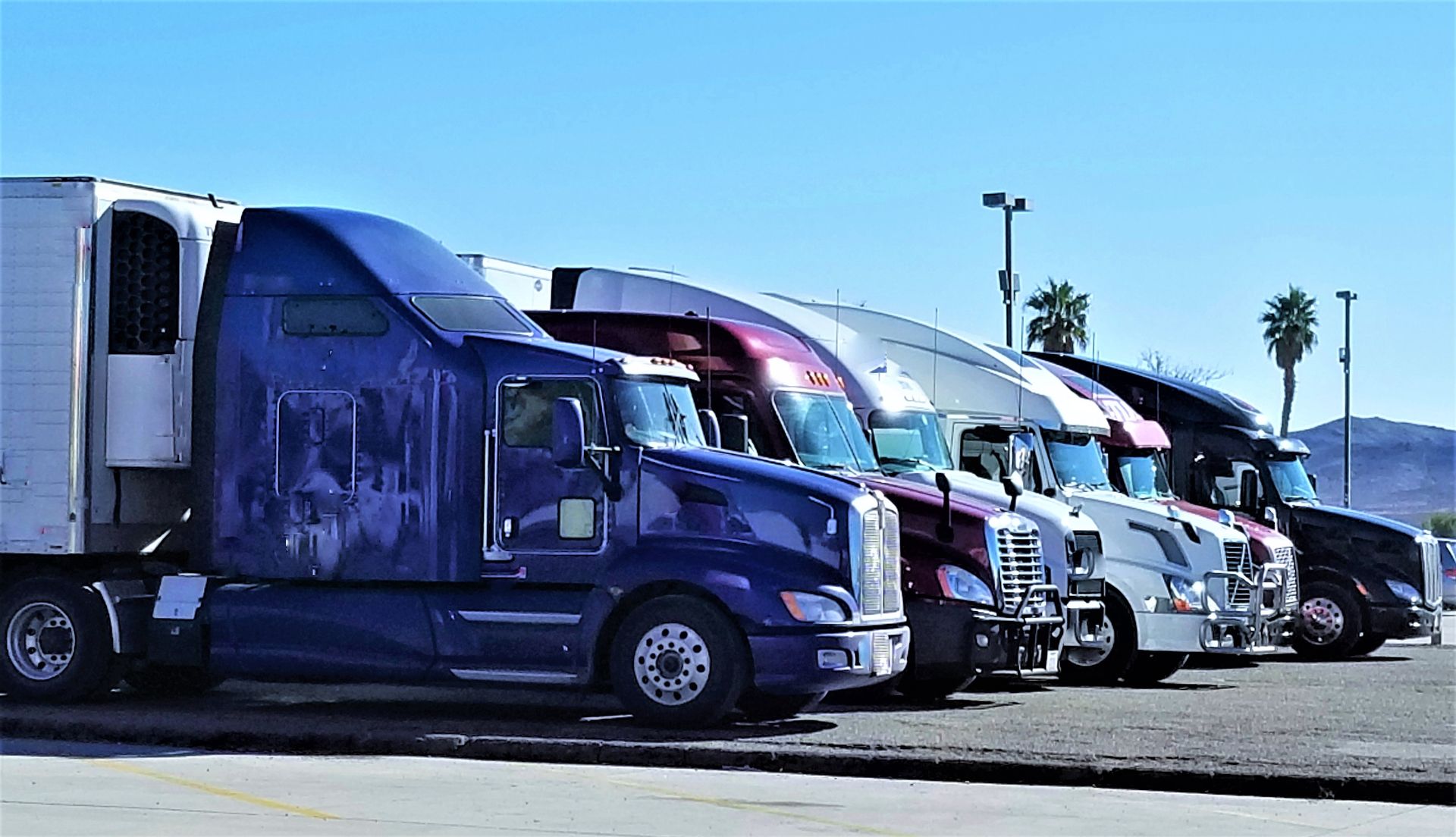
Commercial Auto & Trucking
Protection for your fleet including box trucks, moving vans, and trailers. Covers liability, collision, physical damage, and hired or non-owned vehicles used in your operations.
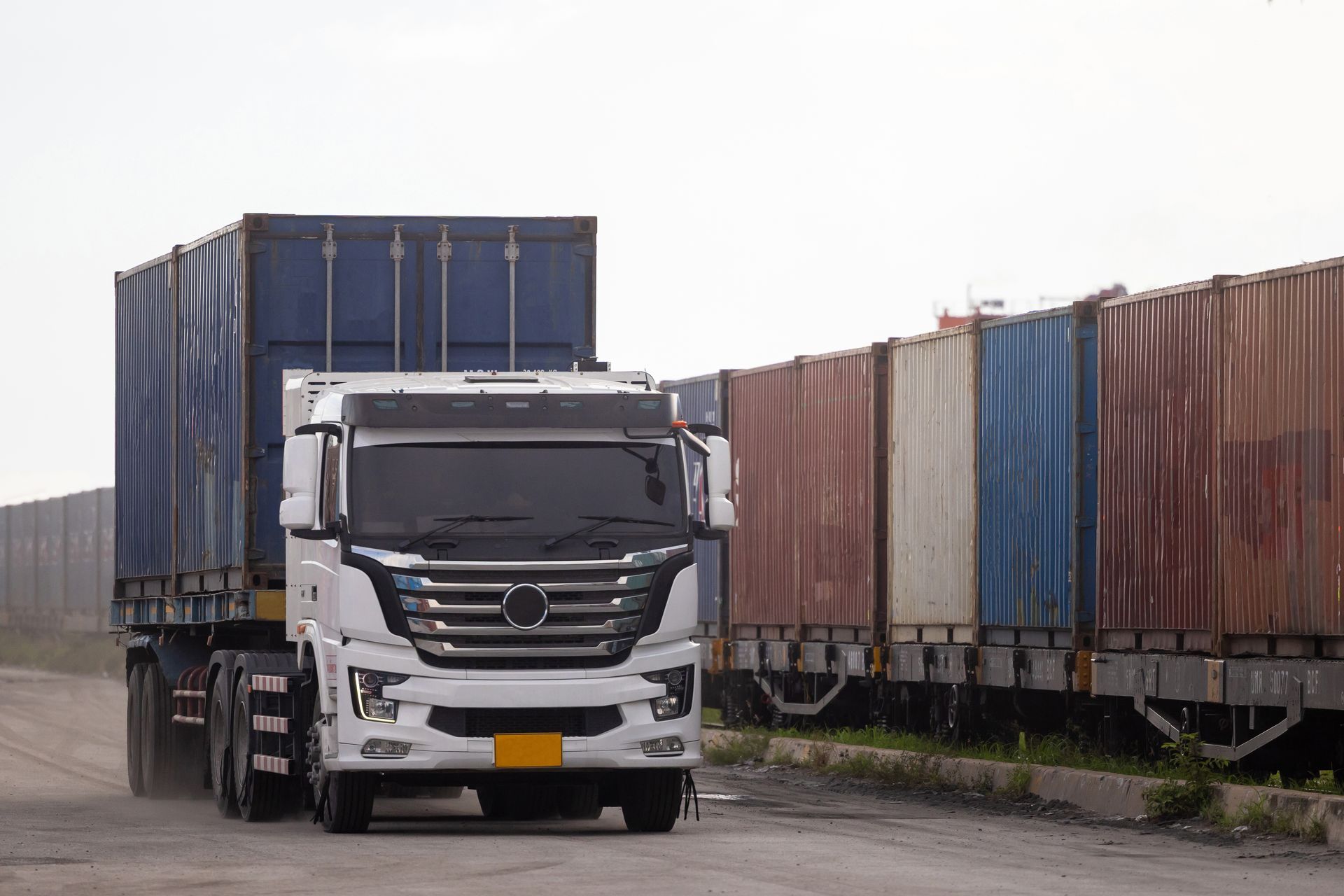
Motor Truck Cargo
Covers household goods and freight during transport from pickup to delivery. Protects against damage, theft, mysterious disappearance, and weather-related losses while cargo is in your care.

General Liability
Protection from third-party claims for bodily injury and property damage at customer homes, job sites, and your own facility. Essential coverage for every transportation operation
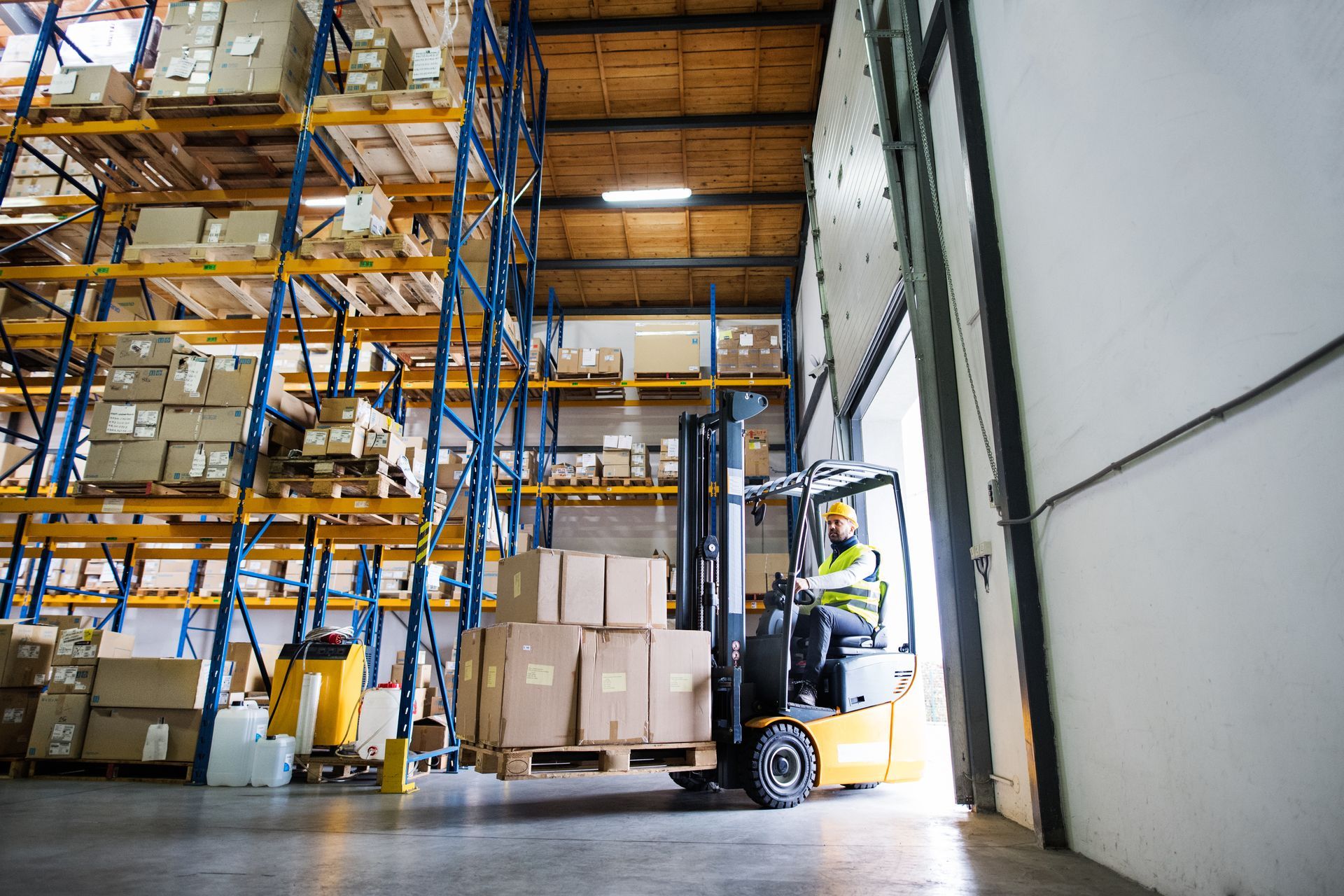
Warehouse Legal Liability
Coverage for customer property while stored in your facility. Protects against damage, theft, fire, and water damage to goods in your care, custody, or control.

Workers' Compensation
Medical care and wage replacement for employees injured on the job. Required in most states for transportation and warehouse work where physical labor creates higher injury risk.

Umbrella & Excess Liability
Higher liability limits stacked on top of your primary policies. Helps meet large contract requirements and protects your business assets against major claims and lawsuits.
Specialized Knowledge
Industries We Protect
Focused coverage for transportation and logistics businesses


Simple and Clear
How Our Process Works
Our process to get you covered
Connect With Us
Reach out through our form or by phone to share your business needs and current coverage situation.
Get Coverage Options
We review your risks, compare carriers, and present clear quotes with plain-language explanations.
Stay Protected
You choose your plan, and we provide ongoing support for certificates, claims, and renewals.
Trusted by Businesses
Feedback That Reflects Service and Reliability
What our clients say about working with Champion Risk
Answers You Need
Frequently Asked Questions
Common questions about transportation and logistics insurance



What insurance does a transportation company need to operate legally?
Motor carriers that cross state lines must meet FMCSA requirements. You need a minimum of $750,000 in liability coverage, plus a BMC-91 filing that proves your insurance to the federal government. Cargo coverage is also required, with minimums that depend on the type of goods you transport.
Intrastate operators follow state-specific rules. California, Texas, and Florida each have different requirements. Champion Risk handles both federal and state filings. We make sure your coverage meets legal minimums and your certificates reach the right agencies.
How much does commercial transportation insurance cost?
Premiums depend on your fleet size, driving records, cargo values, and claims history. A small operation with two trucks might pay $8,000 to $15,000 per year. A larger carrier with ten trucks could pay $50,000 to $100,000 or more.
The best way to control costs is working with a broker who knows transportation insurance. We find carriers that specialize in your exact operation type. This often results in better rates than going direct or using a general agent who doesn't understand the industry.
What is a BMC-91 filing and why do I need one?
A BMC-91 is a form your insurance company files with the FMCSA. It proves you carry the required liability coverage to operate as a for-hire motor carrier. Without an active BMC-91, your operating authority can be revoked.
Champion Risk works with carriers who file electronically. Your BMC-91 typically posts within 24 to 48 hours of binding coverage. We monitor your filing status and alert you if anything needs attention.
Does my warehouse or storage facility need different insurance than a trucking operation?
Yes. Storage facilities need warehouse legal liability coverage. This protects you when customer property is damaged or stolen while in your care. Standard general liability policies exclude this exposure.
You may also need property coverage for your building, equipment breakdown protection, and business income coverage if a fire or disaster shuts down operations. Champion Risk builds storage facility programs that address all these risks in one package.
Can you insure last-mile delivery drivers who use their own vehicles?
Yes. We offer hired and non-owned auto coverage for delivery operations that use independent contractors or employees driving personal vehicles. This fills gaps that personal auto policies don't cover during commercial use.
We also provide occupational accident coverage for 1099 drivers who aren't eligible for workers' comp. This protects your drivers and limits your liability exposure when accidents happen.
How fast can I get proof of insurance for a new contract?
Same day in most cases. Once we bind your policy, we issue certificates of insurance within hours. If your contract requires specific additional insured language or special endorsements, we coordinate directly with the carrier.
Rush requests happen often in this industry. General contractors and corporate clients demand certificates before they let you on site. Champion Risk prioritizes fast turnaround because we know your revenue depends on it.

Answers You Need
Transportation & Logistics Insurance Resources
Articles designed to inform and support your business
Contact Us
Phone Number:
Email Address:
Location:
12264 El Camino Real, Suite 350
San Diego, CA 92130
Hours:
Monday – Friday: 8:00 AM – 6:00 PM PT