
Running a moving and storage company in Kentucky means dealing with risks that can sink your business overnight. A single accident on I-64, a warehouse fire in Louisville, or a workers' comp claim from an injured crew member can cost tens of thousands of dollars before you've finished your morning coffee. The state's regulatory framework adds another layer of complexity, with the Kentucky Transportation Cabinet enforcing specific insurance thresholds that differ based on vehicle weight and operating radius.
Here's what most operators get wrong: they treat insurance as a checkbox rather than a strategic business decision. They buy the minimum required coverage, cross their fingers, and hope nothing goes sideways. Then a customer's antique furniture gets damaged during a move, and suddenly that bare-bones policy leaves them writing a check from their own account. Kentucky's moving and storage insurance landscape requires understanding both mandatory state requirements and the gaps that standard policies don't cover. The average recommended insurance bundle for moving companies runs about
$526 monthly or $6,312 annually, but that number shifts dramatically based on your fleet size, storage capacity, and the types of goods you handle. Getting the right coverage at the right price requires knowing exactly what Kentucky demands and where your specific operation faces exposure.
Essential Insurance Coverages for Kentucky Movers
The insurance stack for a Kentucky moving company looks different than what a standard trucking operation needs. You're not just hauling freight from point A to point B. You're handling irreplaceable family heirlooms, navigating narrow hallways, and storing items that customers expect to retrieve in the same condition they left them.
Cargo and Household Goods Liability
Standard cargo insurance designed for commercial freight won't cut it when you're moving someone's grandmother's china cabinet. Household goods liability coverage specifically addresses the unique risks of residential and commercial moving operations. This coverage kicks in when items are damaged during loading, transport, or unloading, and it's separate from the basic liability coverage Kentucky requires.
Most policies offer either released value protection (minimal coverage based on weight) or full value protection (replacement cost or repair). The difference matters enormously when a $15,000 piano falls off a ramp. Champion Risk works with Kentucky movers to structure cargo coverage that matches their typical load values rather than defaulting to industry minimums that leave gaps.
Commercial Auto and Fleet Insurance
Commercial auto coverage represents the biggest line item in most moving company insurance budgets. Kentucky moving companies pay an average of $876 monthly for commercial auto insurance, totaling $10,512 annually. That figure climbs quickly with larger fleets, newer drivers, or operations that cross state lines.
Kentucky sets specific minimums for trucks weighing 18,000 pounds or less: $100,000 bodily injury per occurrence, $300,000 per accident, and $50,000 property damage. You can also meet requirements with a Combined Single Limit of $350,000. Heavier vehicles face steeper requirements, and interstate operations trigger federal minimums that exceed state thresholds.
Warehouse Legal Liability for Storage Facilities
If you operate storage facilities alongside your moving services, warehouse legal liability becomes essential. This coverage protects against claims when stored goods are damaged, destroyed, or stolen while in your care. Standard property insurance for your building won't cover customer belongings.
Kentucky's
self-storage lien laws allow facilities to sell property after 45 days of default,but that legal right doesn't protect you from liability claims. A burst pipe, electrical fire, or break-in can expose you to claims worth far more than the monthly storage fees you collect.


By: Mark Raby
Chief Executive Officer at Champion Risk & Insurance Services
Kentucky State Licensing and Regulatory Requirements
Operating legally in Kentucky means satisfying multiple regulatory bodies, each with their own insurance verification processes. The paperwork burden is real, but non-compliance penalties hurt worse.
Kentucky Transportation Cabinet (KYTC) Mandates
The KYTC serves as Kentucky's primary regulatory authority for moving companies. As one industry source notes, "To obtain authority to operate in Kentucky, moving companies must be licensed by the KYTC and are subject to state laws and regulations designed to protect the consumer."
All carriers operating vehicles over 10,000 pounds in Kentucky commerce must obtain a USDOT number. This registration triggers ongoing compliance requirements including insurance filings, vehicle inspections, and driver qualification documentation. The KYTC can suspend your operating authority for insurance lapses, effectively shutting down your business until coverage is restored and verified.
Workers' Compensation Laws for Moving Crews
Kentucky mandates workers' compensation coverage for employers with one or more employees, with limited exceptions that don't typically apply to moving companies. The physical nature of moving work makes this coverage particularly important since back injuries, falls, and repetitive strain claims are common.
Workers' comp premiums reflect your payroll, classification codes, and claims history. Moving company classifications carry higher rates than office work because the injury frequency data supports it. A clean safety record over three to five years can earn significant premium credits, while a single serious claim can spike your rates for years.
Factors Influencing Insurance Costs in the Bluegrass State
Insurance pricing isn't arbitrary. Underwriters evaluate specific risk factors that determine whether your operation represents a good bet or a liability waiting to happen.
Operating Radius and Jurisdictional Limits
A mover serving only the Lexington metro area faces different risks than one running loads to Nashville, Cincinnati, and Indianapolis. Longer distances mean more highway miles, more exposure to accidents, and more jurisdictional complexity when claims arise.
Local operations typically qualify for lower commercial auto rates because urban driving, while congested, involves lower speeds and shorter exposure windows. Interstate operations trigger federal insurance minimums and require FMCSA registration beyond state-level KYTC authority. Champion Risk helps Kentucky movers structure coverage that matches their actual operating patterns rather than overpaying for radius they don't use.
Safety Ratings and Claims History Impacts
Your CSA scores, inspection history, and claims record directly influence premium calculations. Insurers pull this data during underwriting, and there's no hiding a pattern of violations or accidents.
| Risk Factor | Premium Impact |
|---|---|
| Clean 3-year claims history | 10-25% discount potential |
| Multiple at-fault accidents | 25-50% surcharge |
| Driver safety program in place | 5-15% discount |
| High driver turnover | Increased rates |
| Newer fleet vehicles | Lower comprehensive/collision costs |
One serious claim can eliminate years of premium savings. That's why prevention investments often pay for themselves through insurance cost reductions.

Specialized Protection for Storage Operations
Storage operations introduce risks that pure moving companies don't face. The longer goods remain in your care, the more opportunities exist for something to go wrong.
Customer Goods Legal Liability
This coverage specifically addresses your legal responsibility for damage to customer property while stored in your facility. It differs from general liability in that it covers bailment situations where you've accepted temporary custody of someone else's belongings.
Policy limits should reflect your facility's total storage capacity at maximum occupancy. Underinsuring this coverage creates personal exposure when a major loss exceeds policy limits. Most claims involve water damage, pest infestations, or theft, but fire and structural collapse represent catastrophic scenarios that justify adequate limits.
Environmental and Climate Control Coverage
Climate-controlled storage units command premium rates because temperature and humidity fluctuations destroy certain items. If you market climate control, your insurance needs to account for system failures.
HVAC breakdowns during Kentucky's humid summers can trigger mold growth within days. Equipment breakdown coverage and business interruption protection help manage these risks. Your policy should also address liability when climate control failures damage customer property despite your best maintenance efforts.
Insurance costs aren't fixed. Proactive risk management translates directly into premium savings over time.
Implementing Driver Safety Programs
Formal driver safety programs demonstrate to insurers that you're serious about loss prevention. These programs typically include pre-hire screening, ongoing training, telematics monitoring, and clear policies for violations.
Effective programs include:
- MVR checks before hiring and annually thereafter
- Documented training on defensive driving and cargo securement
- Dash cameras that protect against fraudulent claims
- Drug and alcohol testing protocols
- Progressive discipline for safety violations
The upfront investment in training and technology often returns multiples through reduced claims and lower premiums. Insurers recognize that companies investing in safety generate fewer losses.
Bundling General Liability and Property Policies
Purchasing multiple coverages from a single insurer typically yields better rates than piecing together policies from different carriers. A Business Owner's Policy combines general liability and commercial property coverage at rates lower than purchasing each separately.
Champion Risk structures bundled programs for Kentucky moving and storage companies that include general liability, commercial property, inland marine (for goods in transit), and umbrella coverage. Bundling also simplifies administration since you're dealing with one renewal date, one claims process, and one relationship to manage.
Frequently Asked Questions
What's the minimum insurance required to operate a moving company in Kentucky? For trucks 18,000 pounds or less, Kentucky requires $100,000/$300,000 bodily injury coverage and $50,000 property damage, or a $350,000 combined single limit. Heavier vehicles and interstate operations face higher requirements.
How much does commercial auto insurance cost for Kentucky movers? The average runs about $876 monthly or $10,512 annually, though your actual cost depends on fleet size, driver records, and operating radius.
Do I need separate insurance for storage operations? Yes. Warehouse legal liability and customer goods coverage protect against claims related to stored items, which standard moving company policies don't cover.
Can I reduce my insurance costs with a clean safety record? Absolutely. Three to five years without claims can earn discounts of 10-25%, while formal safety programs add additional savings.
What happens if my insurance lapses in Kentucky?
The KYTC can suspend your operating authority until coverage is restored and verified, effectively halting your business operations.
Making the Right Coverage Decision
Getting moving and storage company insurance right in Kentucky requires balancing state requirements, industry-specific risks, and budget realities. The operators who thrive long-term treat insurance as a risk management tool rather than a grudging expense. They invest in safety programs that reduce claims, structure coverage that matches their actual operations, and work with brokers who understand the moving industry's unique exposures. Whether you're launching a new operation or reviewing existing coverage, the goal remains the same: protection that keeps your business running when things go wrong.
About the Author:
Mark Raby
I am a seasoned insurance professional with over 30 years of experience in the industry. I lead Champion Risk & Insurance Services, a San Diego-based brokerage with nationwide reach and strong influence in the insurance marketplace. My core competencies include insurance agency M&A deals, captives and alternative risk structures, and commercial property and casualty insurance for clients in the transportation and logistics industries. I am a former president of IIAB San Diego and hold a Bachelor of Science in Finance from Western Michigan University’s Haworth College of Business.
Protection for Transportation Operations
Business Insurance for Transportation & Logistics Companies
Coverage designed specifically for transportation businesses
Commercial Auto & Trucking
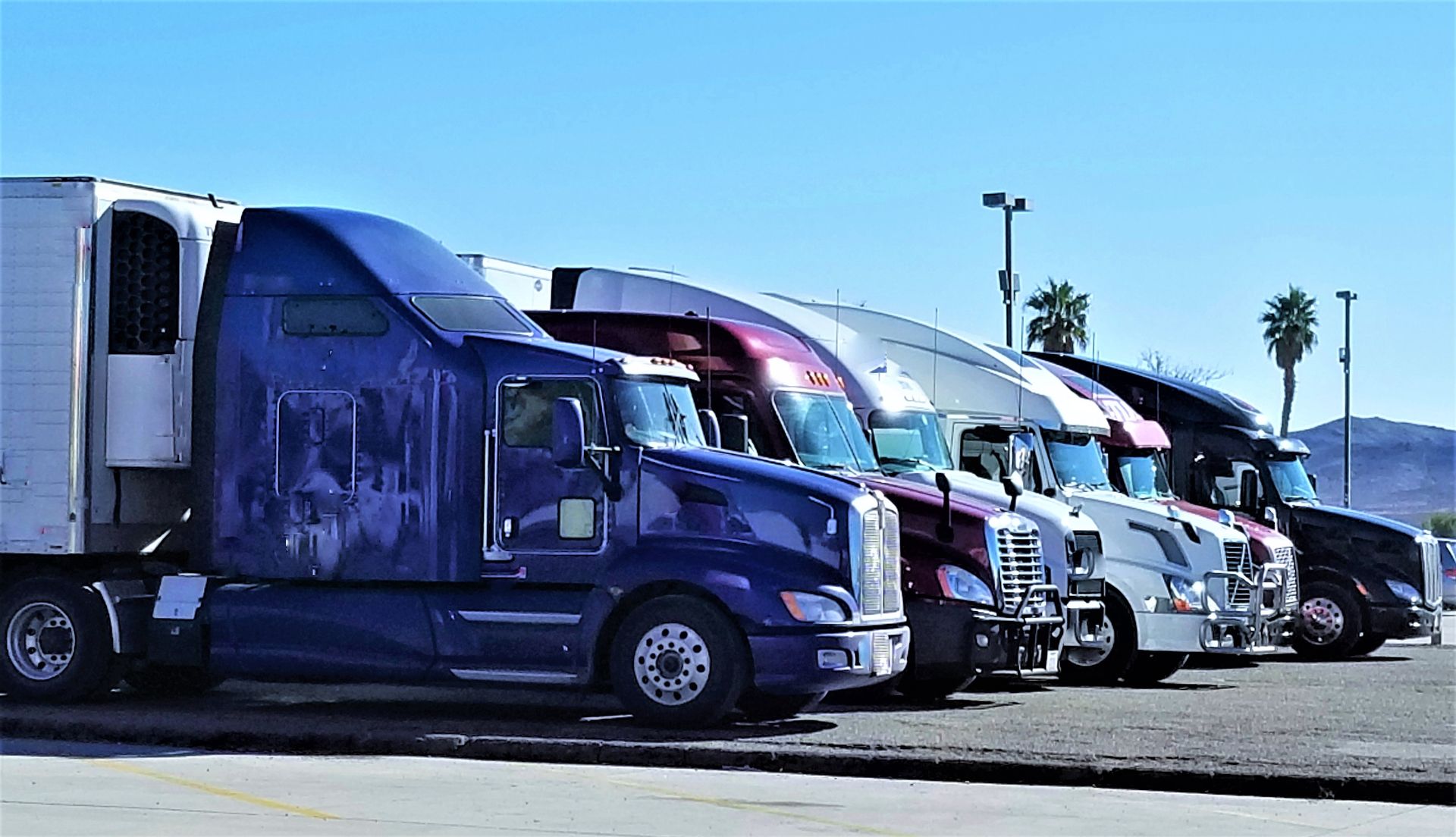
Protection for your fleet including box trucks, moving vans, and trailers. Covers liability, collision, physical damage, and hired or non-owned vehicles used in your operations.
Motor Truck Cargo
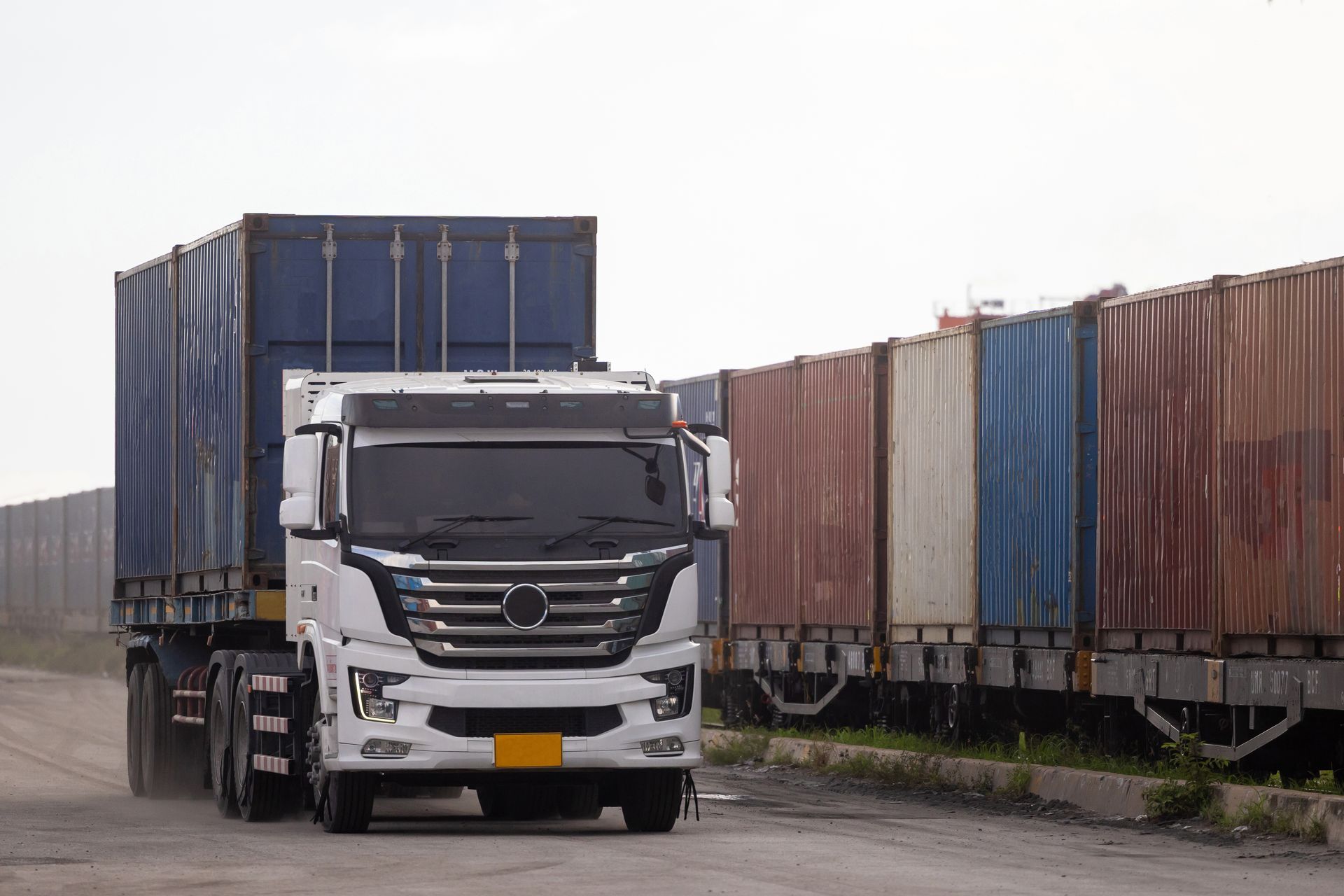
Covers household goods and freight during transport from pickup to delivery. Protects against damage, theft, mysterious disappearance, and weather-related losses while cargo is in your care.

General Liability
Protection from third-party claims for bodily injury and property damage at customer homes, job sites, and your own facility. Essential coverage for every transportation operation

Warehouse Legal Liability
Coverage for customer property while stored in your facility. Protects against damage, theft, fire, and water damage to goods in your care, custody, or control.

Workers' Compensation
Medical care and wage replacement for employees injured on the job. Required in most states for transportation and warehouse work where physical labor creates higher injury risk.

Umbrella & Excess Liability
Higher liability limits stacked on top of your primary policies. Helps meet large contract requirements and protects your business assets against major claims and lawsuits.
Specialized Knowledge
Industries We Protect
Focused coverage for transportation and logistics businesses


Simple and Clear
How Our Process Works
Our process to get you covered
Connect With Us
Reach out through our form or by phone to share your business needs and current coverage situation.
Get Coverage Options
We review your risks, compare carriers, and present clear quotes with plain-language explanations.
Stay Protected
You choose your plan, and we provide ongoing support for certificates, claims, and renewals.
Trusted by Businesses
Feedback That Reflects Service and Reliability
What our clients say about working with Champion Risk
Answers You Need
Frequently Asked Questions
Common questions about transportation and logistics insurance




What insurance does a transportation company need to operate legally?
Motor carriers that cross state lines must meet FMCSA requirements. You need a minimum of $750,000 in liability coverage, plus a BMC-91 filing that proves your insurance to the federal government. Cargo coverage is also required, with minimums that depend on the type of goods you transport.
Intrastate operators follow state-specific rules. California, Texas, and Florida each have different requirements. Champion Risk handles both federal and state filings. We make sure your coverage meets legal minimums and your certificates reach the right agencies.
How much does commercial transportation insurance cost?
Premiums depend on your fleet size, driving records, cargo values, and claims history. A small operation with two trucks might pay $8,000 to $15,000 per year. A larger carrier with ten trucks could pay $50,000 to $100,000 or more.
The best way to control costs is working with a broker who knows transportation insurance. We find carriers that specialize in your exact operation type. This often results in better rates than going direct or using a general agent who doesn't understand the industry.
What is a BMC-91 filing and why do I need one?
A BMC-91 is a form your insurance company files with the FMCSA. It proves you carry the required liability coverage to operate as a for-hire motor carrier. Without an active BMC-91, your operating authority can be revoked.
Champion Risk works with carriers who file electronically. Your BMC-91 typically posts within 24 to 48 hours of binding coverage. We monitor your filing status and alert you if anything needs attention.
Does my warehouse or storage facility need different insurance than a trucking operation?
Yes. Storage facilities need warehouse legal liability coverage. This protects you when customer property is damaged or stolen while in your care. Standard general liability policies exclude this exposure.
You may also need property coverage for your building, equipment breakdown protection, and business income coverage if a fire or disaster shuts down operations. Champion Risk builds storage facility programs that address all these risks in one package.
Can you insure last-mile delivery drivers who use their own vehicles?
Yes. We offer hired and non-owned auto coverage for delivery operations that use independent contractors or employees driving personal vehicles. This fills gaps that personal auto policies don't cover during commercial use.
We also provide occupational accident coverage for 1099 drivers who aren't eligible for workers' comp. This protects your drivers and limits your liability exposure when accidents happen.
How fast can I get proof of insurance for a new contract?
Same day in most cases. Once we bind your policy, we issue certificates of insurance within hours. If your contract requires specific additional insured language or special endorsements, we coordinate directly with the carrier.
Rush requests happen often in this industry. General contractors and corporate clients demand certificates before they let you on site. Champion Risk prioritizes fast turnaround because we know your revenue depends on it.


Answers You Need
Transportation & Logistics Insurance Resources
Articles designed to inform and support your business
Contact Us
Phone Number:
Email Address:
Location:
12264 El Camino Real, Suite 350
San Diego, CA 92130
Hours:
Monday – Friday: 8:00 AM – 6:00 PM PT