
Running a moving and storage company in Wisconsin means protecting your business from risks that most people never think about until something goes wrong. A crew member drops a client's antique dresser down a flight of stairs. A delivery truck rear-ends a minivan on I-94. A pipe bursts in your storage facility over a January weekend, destroying thousands of dollars worth of customer belongings. These scenarios happen regularly in this industry, and the right insurance coverage determines whether you recover or close your doors. Understanding moving and storage company insurance in Wisconsin requires knowing what coverage you actually need, what the state demands, and how to keep costs manageable while staying properly protected.
Wisconsin's moving industry operates under specific state regulations that differ from neighboring states, and storage facilities face their own unique liability exposures. The average mover in Wisconsin charges between
$589 and $4,148 per job, with labor rates averaging $121 per hour. Those numbers represent significant revenue, but they also represent significant exposure when something goes sideways. Getting your insurance program right from the start saves headaches and money down the road.
Essential Insurance Coverage for Wisconsin Moving Companies
General Liability and Property Damage
General liability insurance forms the foundation of any moving company's protection. This coverage responds when your operations cause bodily injury or property damage to third parties, covering everything from a customer tripping over equipment you left in their hallway to accidentally putting a hole through drywall while maneuvering a couch.
In Wisconsin, general liability insurance averages $120 per month or $1,440 annually, though your actual premium depends on revenue, number of employees, and claims history. Most policies provide $1 million per occurrence with a $2 million aggregate limit, which handles the majority of incidents moving companies encounter.
Property damage claims represent the most common liability exposure for movers. You might scratch hardwood floors, damage door frames, or break windows during a job. General liability covers these situations, but the coverage has limits. Damage to items you're actually moving falls under cargo insurance, not general liability. Confusing these two coverages is one of the most common mistakes Champion Risk sees when reviewing new clients' existing policies.
Cargo Insurance and Released Value Protection
Cargo insurance protects the goods you're transporting while they're in your care, custody, and control. This coverage kicks in when items are damaged, lost, or stolen during the moving process. Federal regulations require interstate movers to offer two levels of protection: released value protection at no additional charge and full value protection as an optional upgrade.
Released value protection provides minimal coverage, typically 60 cents per pound per item. That antique dresser weighing 150 pounds? You'd owe $90 under released value, regardless of its actual worth. Full value protection requires you to repair, replace, or provide cash settlement for damaged items at their current market value.
Wisconsin movers operating solely within state lines have more flexibility in structuring their cargo protection, but smart operators still carry robust cargo policies. A single claim involving high-value items can easily exceed $10,000, and multiple claims per year add up quickly.
Warehouse Legal Liability for Storage Facilities
Storage operations require warehouse legal liability coverage, which protects against damage to customer property while it's stored in your facility. This differs from cargo insurance because the items aren't in transit. Wisconsin offers 5.72 square feet of storage per person, slightly above the national average, meaning plenty of competition exists in this space.
Warehouse legal liability responds to fire, theft, water damage, vandalism, and other perils affecting stored goods. Coverage limits typically range from $50,000 to several million dollars depending on facility size and the value of goods you store. Climate-controlled facilities storing sensitive items like electronics, artwork, or documents often need higher limits than basic self-storage operations.


By: Mark Raby
Chief Executive Officer at Champion Risk & Insurance Services
Wisconsin State Regulatory and Licensing Requirements
Wisconsin DOT Intrastate Authority (WisDOT)
Moving companies operating exclusively within Wisconsin need intrastate authority from the Wisconsin Department of Transportation. This registration requires proof of insurance meeting minimum state requirements, which include liability coverage for both your vehicles and your operations.
WisDOT maintains a database of authorized movers, and operating without proper authority exposes you to fines and potential business closure. The registration process requires submitting proof of insurance using specific forms that your insurance provider must file on your behalf. Champion Risk handles these filings routinely for moving company clients, ensuring compliance documentation reaches the right agencies.
Wisconsin also requires movers to provide customers with written estimates and maintain records of all moves. Insurance documentation forms part of these required records, so keeping organized files matters for compliance purposes.
FMCSA Compliance for Interstate Movers
Companies moving household goods across state lines need operating authority from the Federal Motor Carrier Safety Administration. FMCSA requirements exceed Wisconsin state minimums and include specific insurance filings, safety ratings, and ongoing compliance obligations.
Interstate movers must carry minimum liability insurance of $750,000, though many carriers require $1 million or more. You'll also need cargo insurance with minimum limits set by federal regulation. The FMCSA requires insurance companies to file Form BMC-91 or BMC-91X directly with the agency, and your authority remains invalid until these filings are accepted.
The BOC-3 process agent designation represents another federal requirement, establishing agents in each state who can accept legal documents on your behalf. Missing any of these requirements means you can't legally operate across state lines.
Mandatory Employee Protections in the Badger State
Wisconsin Workers' Compensation Laws
Wisconsin requires workers' compensation coverage for virtually all employers, with very limited exceptions that don't apply to moving companies. This coverage pays for medical treatment and lost wages when employees suffer work-related injuries or illnesses.
Moving work ranks among the most physically demanding occupations. Back injuries, muscle strains, cuts, falls, and repetitive motion injuries occur regularly. The national median cost of workers' compensation insurance for new commercial customers is $80 per month, though moving companies typically pay more due to higher risk classifications.
Your workers' comp premium depends on your payroll, the classification codes assigned to your employees, and your experience modification factor. Companies with clean safety records and few claims earn credits that reduce premiums, while those with frequent injuries pay surcharges. Investing in proper training, equipment, and safety protocols pays dividends through lower insurance costs.
Commercial Auto Insurance and Hired/Non-Owned Coverage
Every vehicle your company owns needs commercial auto insurance with liability limits meeting Wisconsin requirements and any higher limits required by your operating authority. Commercial auto policies cover liability when your drivers cause accidents, plus physical damage to your own vehicles.
Hired and non-owned auto coverage extends protection to vehicles you rent or to employee-owned vehicles used for business purposes. If an employee runs an errand in their personal car and causes an accident, this coverage responds after their personal policy.
| Coverage Type | Minimum Requirement | Recommended Limit |
|---|---|---|
| Bodily Injury Liability | $25,000/$50,000 | $1,000,000 CSL |
| Property Damage | $10,000 | Included in CSL |
| Uninsured Motorist | $25,000/$50,000 | Match liability |
| Cargo | Varies | $100,000+ |

Factors Influencing Insurance Costs for Local Movers
Fleet Size and Driver Safety Records
Insurance carriers evaluate your fleet composition carefully. Newer vehicles with modern safety features typically cost less to insure than older trucks. The number of vehicles directly impacts premium, as does the radius of your operations. Companies running trucks throughout the Midwest pay more than those staying within 50 miles of their home base.
Driver records matter enormously. Carriers pull motor vehicle reports on every driver, and accidents, violations, and license suspensions increase premiums significantly. Some violations, like DUI convictions, make drivers uninsurable through standard markets entirely.
Annual Revenue and Scope of Services
General liability and cargo insurance premiums tie directly to your revenue. A company grossing $500,000 annually pays roughly half what a $1 million operation pays for similar coverage. Insurers view revenue as a proxy for exposure, as more moves mean more opportunities for claims.
The services you offer also affect pricing. Companies providing packing services face additional exposure compared to those only loading and transporting. Specialty moving services for items like pianos, safes, or hot tubs require specific coverage endorsements and typically command higher premiums.
A Business Owners Policy averaging $1,687 annually bundles general liability with property coverage, often providing savings over purchasing policies separately. This approach works well for smaller operations looking to simplify their insurance program.
Industry experts note that companies
"embracing trends such as portable storage, sustainable practices, technology-driven services, and specialized moving options" position themselves better for the future. These operational improvements often translate to better insurance outcomes as well.
Frequently Asked Questions
How much does moving company insurance cost in Wisconsin? Expect to pay $1,440 annually for general liability, $80 or more monthly for workers' compensation, and additional amounts for commercial auto and cargo coverage. Total costs typically range from $8,000 to $25,000 annually depending on your operation's size.
Do I need different insurance for storage versus moving operations? Yes. Moving operations require cargo insurance and commercial auto coverage, while storage facilities need warehouse legal liability. Many companies need both if they offer combined services.
What happens if I operate without proper insurance? You risk fines from state and federal regulators, loss of operating authority, personal liability for any claims, and potential criminal charges in serious cases.
Can I reduce my workers' compensation costs? Implementing formal safety programs, providing proper equipment, and maintaining a clean claims history all reduce your experience modification factor over time, lowering premiums.
Making the Right Coverage Decisions
Getting insurance right for your Wisconsin moving and storage company requires balancing regulatory compliance, adequate protection, and cost management. The coverage decisions you make today determine whether a single bad claim threatens your entire business or becomes a manageable setback.
Working with a broker who understands the moving industry's specific exposures makes a significant difference. Champion Risk specializes in commercial insurance for complex industries, including moving and storage operations throughout Wisconsin. The right partner helps you identify coverage gaps, negotiate better terms, and handle the compliance filings that keep your authority active. Reach out to discuss your specific situation and build a program that actually protects what you've built.
About the Author:
Mark Raby
I am a seasoned insurance professional with over 30 years of experience in the industry. I lead Champion Risk & Insurance Services, a San Diego-based brokerage with nationwide reach and strong influence in the insurance marketplace. My core competencies include insurance agency M&A deals, captives and alternative risk structures, and commercial property and casualty insurance for clients in the transportation and logistics industries. I am a former president of IIAB San Diego and hold a Bachelor of Science in Finance from Western Michigan University’s Haworth College of Business.
Protection for Transportation Operations
Business Insurance for Transportation & Logistics Companies
Coverage designed specifically for transportation businesses
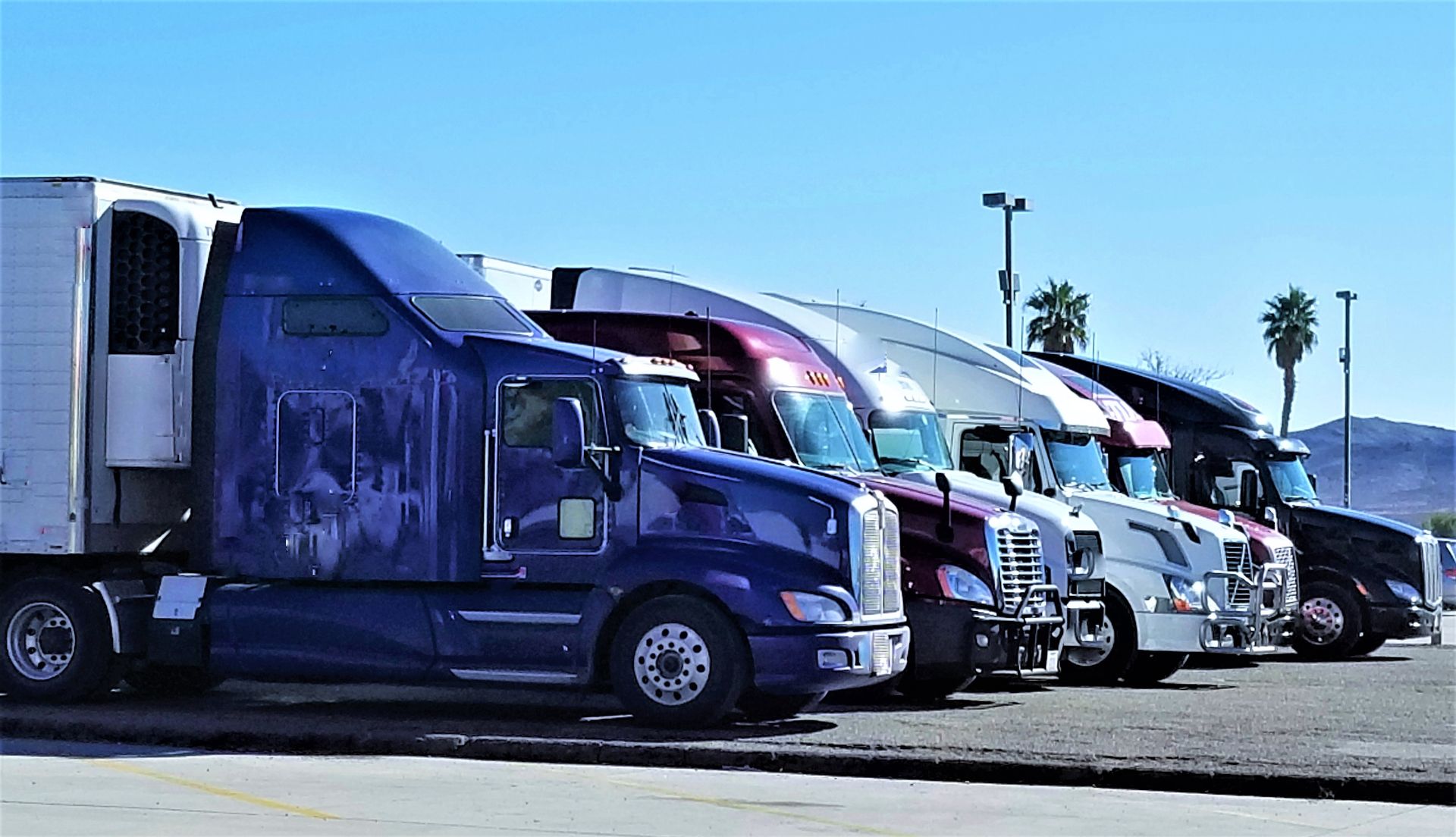
Commercial Auto & Trucking
Protection for your fleet including box trucks, moving vans, and trailers. Covers liability, collision, physical damage, and hired or non-owned vehicles used in your operations.
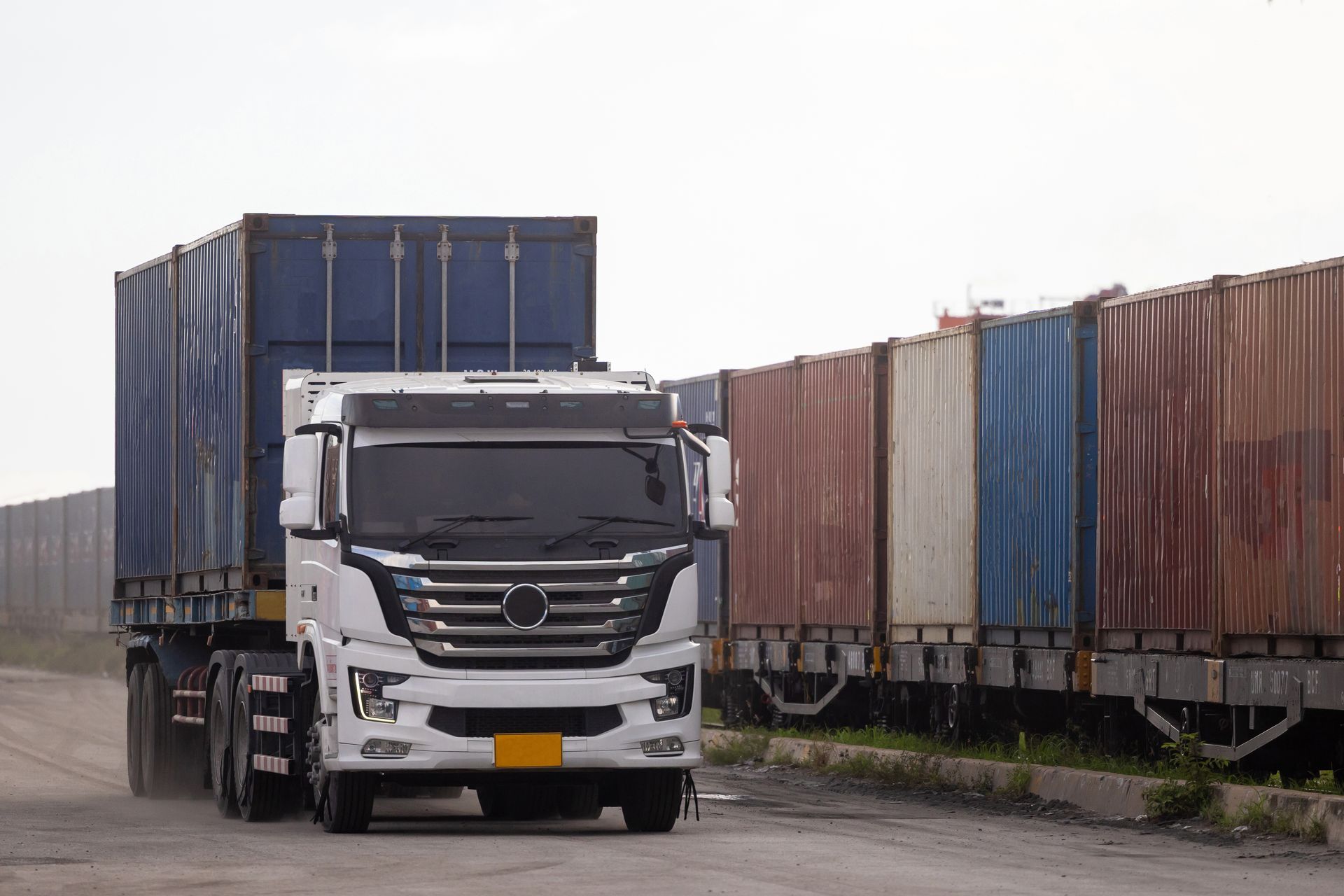
Motor Truck Cargo
Covers household goods and freight during transport from pickup to delivery. Protects against damage, theft, mysterious disappearance, and weather-related losses while cargo is in your care.

General Liability
Protection from third-party claims for bodily injury and property damage at customer homes, job sites, and your own facility. Essential coverage for every transportation operation

Warehouse Legal Liability
Coverage for customer property while stored in your facility. Protects against damage, theft, fire, and water damage to goods in your care, custody, or control.

Workers' Compensation
Medical care and wage replacement for employees injured on the job. Required in most states for transportation and warehouse work where physical labor creates higher injury risk.

Umbrella & Excess Liability
Higher liability limits stacked on top of your primary policies. Helps meet large contract requirements and protects your business assets against major claims and lawsuits.
Specialized Knowledge
Industries We Protect
Focused coverage for transportation and logistics businesses


Simple and Clear
How Our Process Works
Our process to get you covered
Connect With Us
Reach out through our form or by phone to share your business needs and current coverage situation.
Get Coverage Options
We review your risks, compare carriers, and present clear quotes with plain-language explanations.
Stay Protected
You choose your plan, and we provide ongoing support for certificates, claims, and renewals.
Trusted by Businesses
Feedback That Reflects Service and Reliability
What our clients say about working with Champion Risk
Answers You Need
Frequently Asked Questions
Common questions about transportation and logistics insurance




What insurance does a transportation company need to operate legally?
Motor carriers that cross state lines must meet FMCSA requirements. You need a minimum of $750,000 in liability coverage, plus a BMC-91 filing that proves your insurance to the federal government. Cargo coverage is also required, with minimums that depend on the type of goods you transport.
Intrastate operators follow state-specific rules. California, Texas, and Florida each have different requirements. Champion Risk handles both federal and state filings. We make sure your coverage meets legal minimums and your certificates reach the right agencies.
How much does commercial transportation insurance cost?
Premiums depend on your fleet size, driving records, cargo values, and claims history. A small operation with two trucks might pay $8,000 to $15,000 per year. A larger carrier with ten trucks could pay $50,000 to $100,000 or more.
The best way to control costs is working with a broker who knows transportation insurance. We find carriers that specialize in your exact operation type. This often results in better rates than going direct or using a general agent who doesn't understand the industry.
What is a BMC-91 filing and why do I need one?
A BMC-91 is a form your insurance company files with the FMCSA. It proves you carry the required liability coverage to operate as a for-hire motor carrier. Without an active BMC-91, your operating authority can be revoked.
Champion Risk works with carriers who file electronically. Your BMC-91 typically posts within 24 to 48 hours of binding coverage. We monitor your filing status and alert you if anything needs attention.
Does my warehouse or storage facility need different insurance than a trucking operation?
Yes. Storage facilities need warehouse legal liability coverage. This protects you when customer property is damaged or stolen while in your care. Standard general liability policies exclude this exposure.
You may also need property coverage for your building, equipment breakdown protection, and business income coverage if a fire or disaster shuts down operations. Champion Risk builds storage facility programs that address all these risks in one package.
Can you insure last-mile delivery drivers who use their own vehicles?
Yes. We offer hired and non-owned auto coverage for delivery operations that use independent contractors or employees driving personal vehicles. This fills gaps that personal auto policies don't cover during commercial use.
We also provide occupational accident coverage for 1099 drivers who aren't eligible for workers' comp. This protects your drivers and limits your liability exposure when accidents happen.
How fast can I get proof of insurance for a new contract?
Same day in most cases. Once we bind your policy, we issue certificates of insurance within hours. If your contract requires specific additional insured language or special endorsements, we coordinate directly with the carrier.
Rush requests happen often in this industry. General contractors and corporate clients demand certificates before they let you on site. Champion Risk prioritizes fast turnaround because we know your revenue depends on it.

Answers You Need
Transportation & Logistics Insurance Resources
Articles designed to inform and support your business
Contact Us
Phone Number:
Email Address:
Location:
12264 El Camino Real, Suite 350
San Diego, CA 92130
Hours:
Monday – Friday: 8:00 AM – 6:00 PM PT