
Running a moving and storage operation in Marietta means juggling trucks, crews, warehouses, and customer expectations while keeping your business protected from the unexpected. A single damaged antique, a warehouse flood, or a highway accident can derail years of hard work without proper coverage. The insurance requirements for moving and storage companies in Georgia involve multiple policy types, state mandates, and local considerations that many operators don't fully understand until they're facing a claim denial.
What makes Marietta's market particularly challenging is the mix of residential relocations, commercial moves, and long-term storage services that most companies offer. Each service category carries distinct risks requiring specific coverage solutions. Georgia's Household Goods Movers must maintain $350,000 in Combined Single Limits just to legally operate, but that's merely the starting point for comprehensive protection.
Champion Risk has worked with dozens of Marietta-area moving companies navigating these requirements, and the pattern is consistent: operators who treat insurance as a checkbox exercise end up underinsured when claims hit. The companies that thrive are those treating risk management as a core business function, not an afterthought. This guide breaks down exactly what coverage you need, what Georgia requires, and how to secure competitive rates without sacrificing protection.
Essential Insurance Coverages for Marietta Moving Companies
General Liability and Cargo Protection
General liability insurance protects your business when third-party property damage or bodily injury claims arise during operations. Think about a mover who accidentally puts a foot through a customer's hardwood floor or a hand truck that rolls into a parked car. These incidents happen weekly across the industry, and without coverage, you're paying out of pocket.
Moving companies pay an average of $120 per month, or $1,440 per year, for general liability insurance, though rates vary significantly based on your annual revenue and claims history. Most policies provide $1 million per occurrence with a $2 million aggregate limit, which handles the majority of claims you'll encounter.
Cargo insurance is separate and equally critical. Georgia requires movers to maintain $25,000 in cargo insurance at minimum, but this floor is dangerously low for most operations. A single household with valuable furniture, electronics, and personal items easily exceeds $25,000 in value. Smart operators carry $100,000 or more in cargo coverage, especially when handling high-value relocations in Marietta's affluent neighborhoods.
Warehouse Legal Liability for Storage Facilities
If you're offering storage services alongside moving, warehouse legal liability becomes essential. This coverage protects goods in your care while stored at your facility, covering damage from fire, theft, water intrusion, and other perils. Standard general liability policies typically exclude goods in your custody, creating a dangerous gap.
The distinction matters because storage operations face different risks than active moving. Goods sit for weeks or months, exposed to environmental hazards, pest damage, and facility failures. A burst pipe over a holiday weekend can destroy thousands of dollars in customer property before anyone notices.
Champion Risk typically recommends warehouse legal liability limits matching your total stored inventory value, with quarterly reviews as your storage business grows. Underestimating this coverage is one of the costliest mistakes we see Marietta storage operators make.
Commercial Auto and Fleet Insurance
Your trucks represent both your largest assets and your biggest liability exposure. Movers pay an average of $876 per month, or $10,512 per year, for commercial auto insurance, making it your most significant insurance expense. This coverage handles vehicle damage, driver injuries, and third-party claims arising from accidents.
Fleet size directly impacts your premium structure. Single-truck operations often pay higher per-vehicle rates than companies with five or more trucks, as insurers spread risk across larger fleets. Your driver selection and training protocols also influence rates dramatically. Companies using telematics, maintaining clean MVR records, and implementing formal safety programs typically secure better pricing.


By: Mark Raby
Chief Executive Officer at Champion Risk & Insurance Services
Georgia State Requirements and Marietta Local Regulations
Georgia Department of Public Safety (DPS) Compliance
Georgia's Department of Public Safety regulates household goods movers through a permitting system requiring specific insurance minimums. The $350,000 CSL requirement applies to liability coverage, while the $25,000 cargo minimum covers customer property. Operating without proper permits and insurance verification exposes you to fines, permit revocation, and personal liability.
The DPS requires proof of insurance through a specific filing process. Your insurance carrier must file a Form E or equivalent directly with the state, and coverage must remain continuous. Lapses trigger automatic permit suspension, which can shut down your operation overnight.
Interstate moves add federal Motor Carrier requirements administered by FMCSA, with higher insurance minimums and additional registration obligations. Many Marietta companies handle moves to neighboring states like Alabama, Tennessee, and South Carolina, triggering these federal requirements without realizing it.
Workers' Compensation Mandates in Georgia
Georgia requires workers' compensation insurance for any employer with three or more employees, including part-time workers. Moving companies face unique challenges because crew sizes fluctuate seasonally, and many operators use day laborers or subcontractors who may or may not qualify as employees under Georgia law.
The penalties for operating without required workers' comp are severe: $2,500 for the first ten days plus $100 per day thereafter, plus personal liability for any workplace injuries. Given the physical nature of moving work, injuries happen frequently. Back strains, dropped items, falls from trucks, and vehicle accidents create regular claims.
Proper classification of workers matters significantly. Misclassifying employees as independent contractors to avoid workers' comp requirements invites audits, back premiums, and penalties. The Georgia State Board of Workers' Compensation actively investigates moving companies for compliance.
Factors Influencing Insurance Costs for Local Movers
Fleet Size and Driver Safety Records
Insurance pricing for Marietta movers depends heavily on quantifiable risk factors. Fleet composition matters: newer trucks with better safety ratings cost less to insure than aging vehicles. Box trucks, straight trucks, and tractor-trailers each carry different risk profiles and premium structures.
Driver records receive intense scrutiny. A single DUI conviction can double your commercial auto premiums, while multiple moving violations across your driver pool signal poor hiring practices. Insurers pull MVR reports annually, so problems don't stay hidden.
| Factor | Low Risk | High Risk | Premium Impact |
|---|---|---|---|
| Fleet Age | Under 5 years | Over 10 years | 15-25% difference |
| Driver MVRs | Clean records | Multiple violations | 30-50% difference |
| Annual Mileage | Under 50,000 | Over 100,000 | 10-20% difference |
| Operating Radius | Local only | Interstate | 20-40% difference |
Claims History and Risk Management Protocols
Your loss history follows you for five years in most insurance markets. Companies with frequent small claims often face worse rates than those with occasional larger claims, as frequency suggests systemic problems. Implementing formal claims prevention protocols demonstrates risk awareness to underwriters.
Documentation practices matter more than most operators realize. Pre-move inventories with photographs, signed condition reports, and clear customer communication reduce disputed claims. When claims do occur, thorough documentation speeds resolution and demonstrates professional operations to insurers.
Champion Risk encourages clients to conduct quarterly safety reviews, maintain training records, and implement formal driver monitoring programs. These efforts translate directly into premium savings during renewal negotiations.

Protecting Assets with Specialized Storage Endorsements
Climate-Control and Environmental Hazard Coverage
Standard warehouse liability policies often exclude certain environmental perils. If you're storing temperature-sensitive items, electronics, or documents, climate-control failure coverage becomes essential. A failed HVAC system during a Georgia summer can destroy stored goods within hours.
The average cost of a 10x10 storage unit in Atlanta is $144 per month, reflecting the competitive storage market. Operators need coverage that protects customer goods at replacement value, not depreciated value, to maintain customer relationships after losses.
Flood coverage requires special attention in Marietta, particularly for facilities near waterways or in low-lying areas. Standard policies exclude flood damage, requiring separate National Flood Insurance Program coverage or private flood policies.
Theft and Vandalism Protection for Storage Units
Storage facilities face ongoing theft and vandalism risks, both from external break-ins and internal employee theft. Comprehensive crime coverage protects against both scenarios, including mysterious disappearance when goods vanish without clear cause.
Security system requirements often appear in policy conditions. Insurers may require monitored alarms, video surveillance, access controls, and perimeter fencing as coverage conditions. Failing to maintain required security measures can void coverage when claims arise.
How to Secure Competitive Quotes in the Marietta Market
Getting the best insurance rates requires strategic preparation and market knowledge. Start by gathering complete documentation: vehicle lists, driver rosters with MVR authorizations, five-year loss runs, revenue breakdowns by service type, and detailed descriptions of your operations.
Work with brokers who specialize in moving and storage insurance rather than generalist agents. Specialized brokers access markets unavailable through standard channels and understand the coverage nuances specific to your industry. Champion Risk maintains relationships with over 20 carriers writing moving and storage coverage, allowing competitive comparison shopping.
Timing matters for renewals. Starting the quoting process 90 days before expiration gives adequate time to explore options without rushing into unfavorable terms. Last-minute renewals typically result in higher premiums and limited coverage options.
Consider coverage bundling strategies. Packaging general liability,
commercial auto, warehouse liability, and workers' compensation with a single carrier often produces better overall pricing than piecing together individual policies from multiple insurers.
Frequently Asked Questions
What's the minimum insurance required to operate a moving company in Georgia? Georgia requires $350,000 in combined single limit liability coverage and $25,000 in cargo insurance for household goods movers, though most successful operators carry significantly higher limits.
Does my personal auto insurance cover my moving truck? No. Personal auto policies exclude commercial vehicles and business use. You need commercial auto insurance specifically rated for your moving operations.
How often should I review my coverage limits? Annually at minimum, or whenever you add vehicles, expand services, or significantly increase revenue. Coverage that fit last year may leave gaps as your business grows.
Can I use independent contractors to avoid workers' compensation requirements? Misclassification carries severe penalties. Georgia applies specific tests to determine worker status, and moving companies face regular audits. Consult with your broker about proper classification.
What happens if my insurance lapses? Georgia DPS automatically suspends your operating permit when insurance lapses. You cannot legally operate until coverage is restored and verified with the state.
Securing proper insurance coverage for your Marietta moving and storage operation isn't optional: it's the foundation that lets you focus on growth rather than worrying about catastrophic losses. The companies that succeed long-term treat insurance as a strategic investment, working with specialized brokers who understand industry-specific risks and coverage solutions.
Review your current policies against the requirements and recommendations outlined here. If gaps exist, or if you haven't shopped your coverage in the past two years, you're likely paying more than necessary or carrying inadequate protection. Contact Champion Risk for a comprehensive coverage review tailored to your specific operations and growth plans.
About the Author:
Mark Raby
I am a seasoned insurance professional with over 30 years of experience in the industry. I lead Champion Risk & Insurance Services, a San Diego-based brokerage with nationwide reach and strong influence in the insurance marketplace. My core competencies include insurance agency M&A deals, captives and alternative risk structures, and commercial property and casualty insurance for clients in the transportation and logistics industries. I am a former president of IIAB San Diego and hold a Bachelor of Science in Finance from Western Michigan University’s Haworth College of Business.
Protection for Transportation Operations
Business Insurance for Transportation & Logistics Companies
Coverage designed specifically for transportation businesses
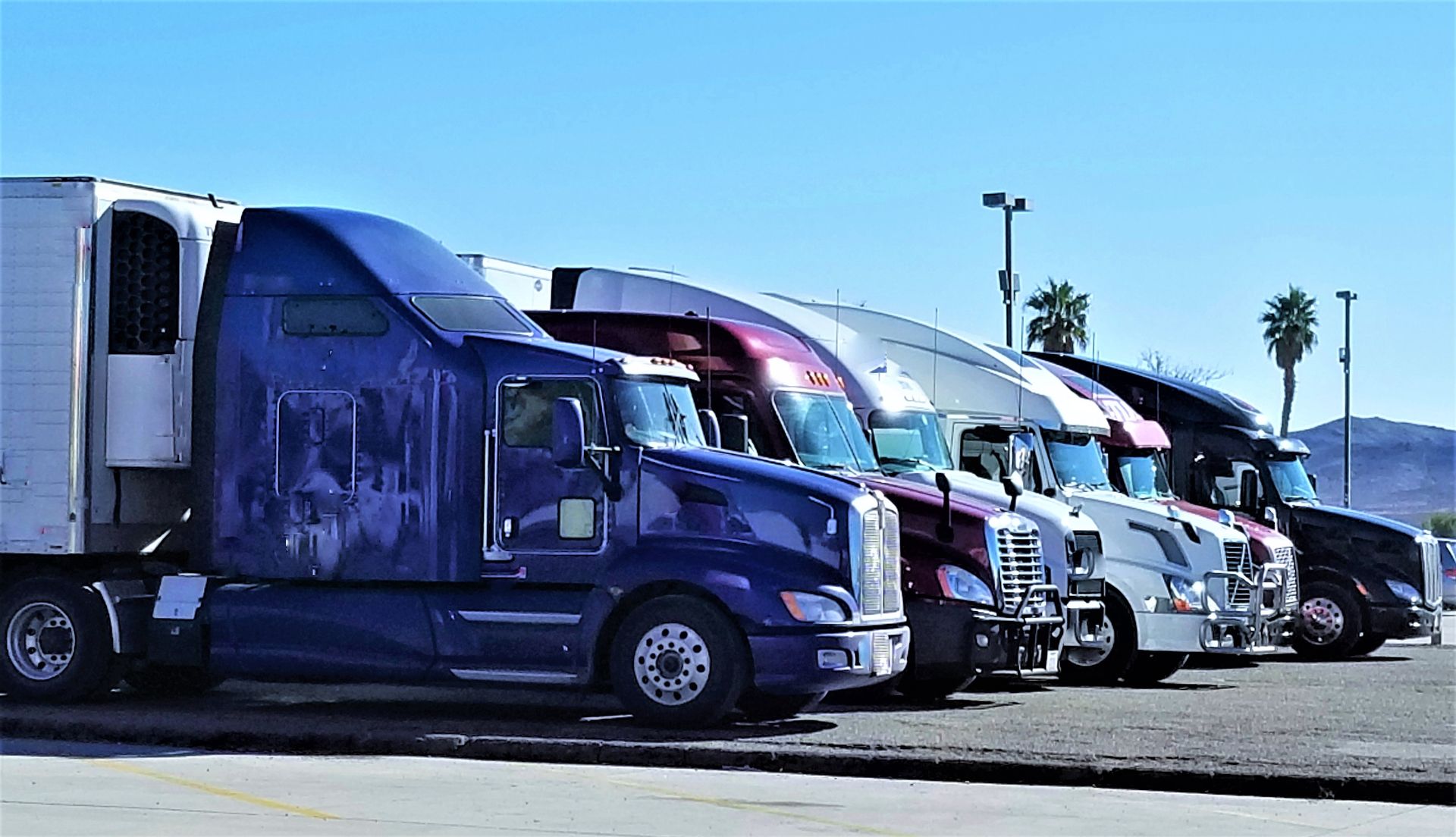
Commercial Auto & Trucking
Protection for your fleet including box trucks, moving vans, and trailers. Covers liability, collision, physical damage, and hired or non-owned vehicles used in your operations.
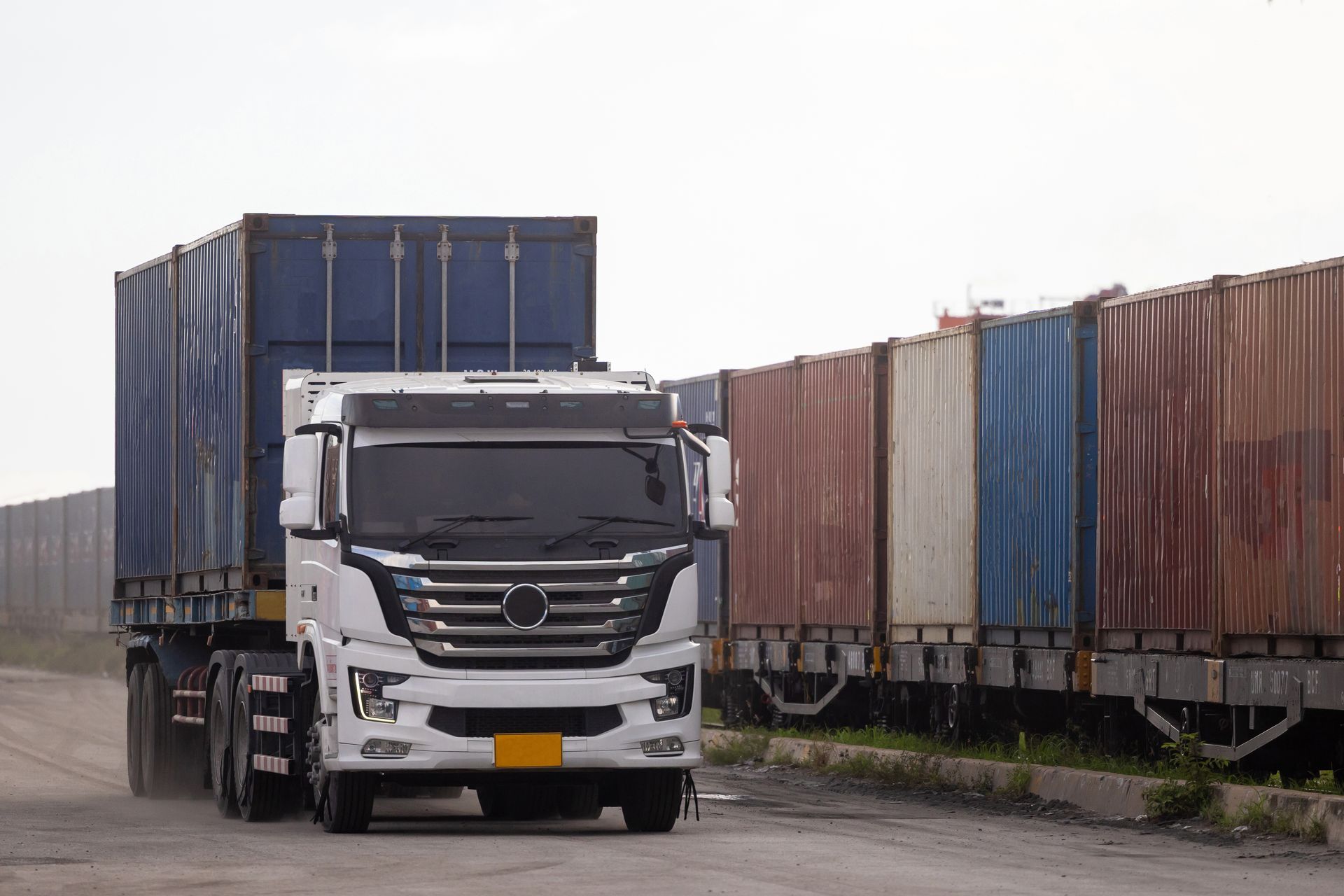
Motor Truck Cargo
Covers household goods and freight during transport from pickup to delivery. Protects against damage, theft, mysterious disappearance, and weather-related losses while cargo is in your care.

General Liability
Protection from third-party claims for bodily injury and property damage at customer homes, job sites, and your own facility. Essential coverage for every transportation operation

Warehouse Legal Liability
Coverage for customer property while stored in your facility. Protects against damage, theft, fire, and water damage to goods in your care, custody, or control.

Workers' Compensation
Medical care and wage replacement for employees injured on the job. Required in most states for transportation and warehouse work where physical labor creates higher injury risk.

Umbrella & Excess Liability
Higher liability limits stacked on top of your primary policies. Helps meet large contract requirements and protects your business assets against major claims and lawsuits.
Specialized Knowledge
Industries We Protect
Focused coverage for transportation and logistics businesses



Simple and Clear
How Our Process Works
Our process to get you covered
Connect With Us
Reach out through our form or by phone to share your business needs and current coverage situation.
Get Coverage Options
We review your risks, compare carriers, and present clear quotes with plain-language explanations.
Stay Protected
You choose your plan, and we provide ongoing support for certificates, claims, and renewals.
Trusted by Businesses
Feedback That Reflects Service and Reliability
What our clients say about working with Champion Risk
Answers You Need
Frequently Asked Questions
Common questions about transportation and logistics insurance




What insurance does a transportation company need to operate legally?
Motor carriers that cross state lines must meet FMCSA requirements. You need a minimum of $750,000 in liability coverage, plus a BMC-91 filing that proves your insurance to the federal government. Cargo coverage is also required, with minimums that depend on the type of goods you transport.
Intrastate operators follow state-specific rules. California, Texas, and Florida each have different requirements. Champion Risk handles both federal and state filings. We make sure your coverage meets legal minimums and your certificates reach the right agencies.
How much does commercial transportation insurance cost?
Premiums depend on your fleet size, driving records, cargo values, and claims history. A small operation with two trucks might pay $8,000 to $15,000 per year. A larger carrier with ten trucks could pay $50,000 to $100,000 or more.
The best way to control costs is working with a broker who knows transportation insurance. We find carriers that specialize in your exact operation type. This often results in better rates than going direct or using a general agent who doesn't understand the industry.
What is a BMC-91 filing and why do I need one?
A BMC-91 is a form your insurance company files with the FMCSA. It proves you carry the required liability coverage to operate as a for-hire motor carrier. Without an active BMC-91, your operating authority can be revoked.
Champion Risk works with carriers who file electronically. Your BMC-91 typically posts within 24 to 48 hours of binding coverage. We monitor your filing status and alert you if anything needs attention.
Does my warehouse or storage facility need different insurance than a trucking operation?
Yes. Storage facilities need warehouse legal liability coverage. This protects you when customer property is damaged or stolen while in your care. Standard general liability policies exclude this exposure.
You may also need property coverage for your building, equipment breakdown protection, and business income coverage if a fire or disaster shuts down operations. Champion Risk builds storage facility programs that address all these risks in one package.
Can you insure last-mile delivery drivers who use their own vehicles?
Yes. We offer hired and non-owned auto coverage for delivery operations that use independent contractors or employees driving personal vehicles. This fills gaps that personal auto policies don't cover during commercial use.
We also provide occupational accident coverage for 1099 drivers who aren't eligible for workers' comp. This protects your drivers and limits your liability exposure when accidents happen.
How fast can I get proof of insurance for a new contract?
Same day in most cases. Once we bind your policy, we issue certificates of insurance within hours. If your contract requires specific additional insured language or special endorsements, we coordinate directly with the carrier.
Rush requests happen often in this industry. General contractors and corporate clients demand certificates before they let you on site. Champion Risk prioritizes fast turnaround because we know your revenue depends on it.


Answers You Need
Transportation & Logistics Insurance Resources
Articles designed to inform and support your business
Contact Us
Phone Number:
Email Address:
Location:
12264 El Camino Real, Suite 350
San Diego, CA 92130
Hours:
Monday – Friday: 8:00 AM – 6:00 PM PT