
A semi-truck without its trailer might look less intimidating on the highway, but that bobtail configuration creates a unique insurance gap that catches many transportation and logistics companies off guard. When drivers disconnect from their loads and head home, to a repair shop, or to pick up the next haul, the motor carrier's primary liability policy typically stops covering them. This gap has real consequences: in 2022, 115 bobtail trucks were involved in fatal accidents, and bobtail trucks account for approximately 5% of all truck accidents despite spending far less time on the road in that configuration.
The coverage requirements for transportation and logistics companies operating bobtail trucks involve a mix of federal regulations, lease agreement obligations, and practical risk management decisions. Understanding what bobtail insurance actually covers, what it costs, and when you legally need it can save your operation thousands in premiums while ensuring you're never caught without protection. The stakes are high: a single uninsured accident while bobtailing can result in personal liability for drivers and significant financial exposure for fleet operators who assumed their primary policy had them covered.
Understanding Bobtail Insurance in the Trucking Industry
The trucking industry operates under complex insurance requirements that shift depending on what a truck is doing at any given moment. Bobtail insurance fills a specific gap that exists when a semi-truck operates independently from its trailer, creating different handling characteristics and different liability exposures.
Defining the 'Bobtail' State
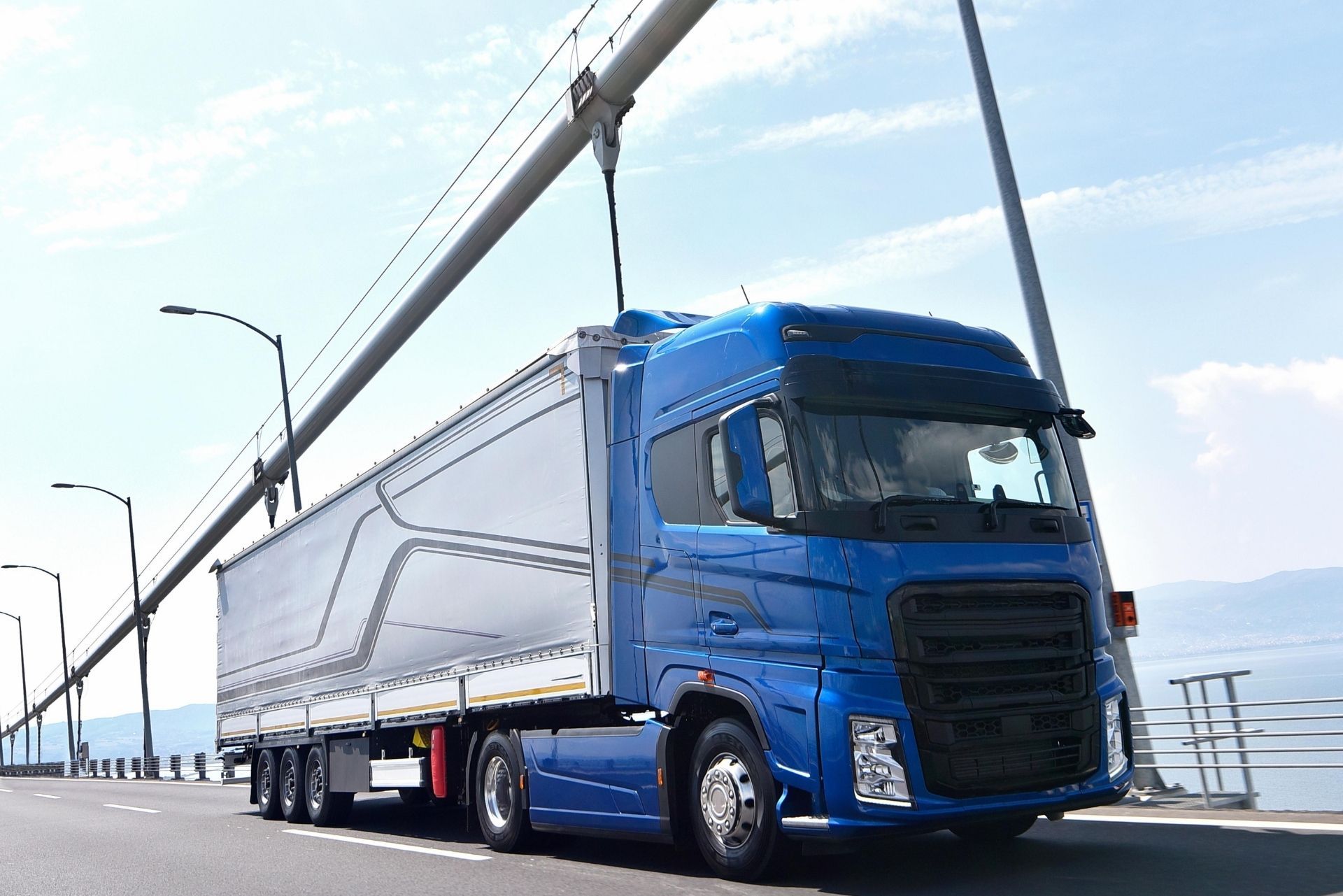
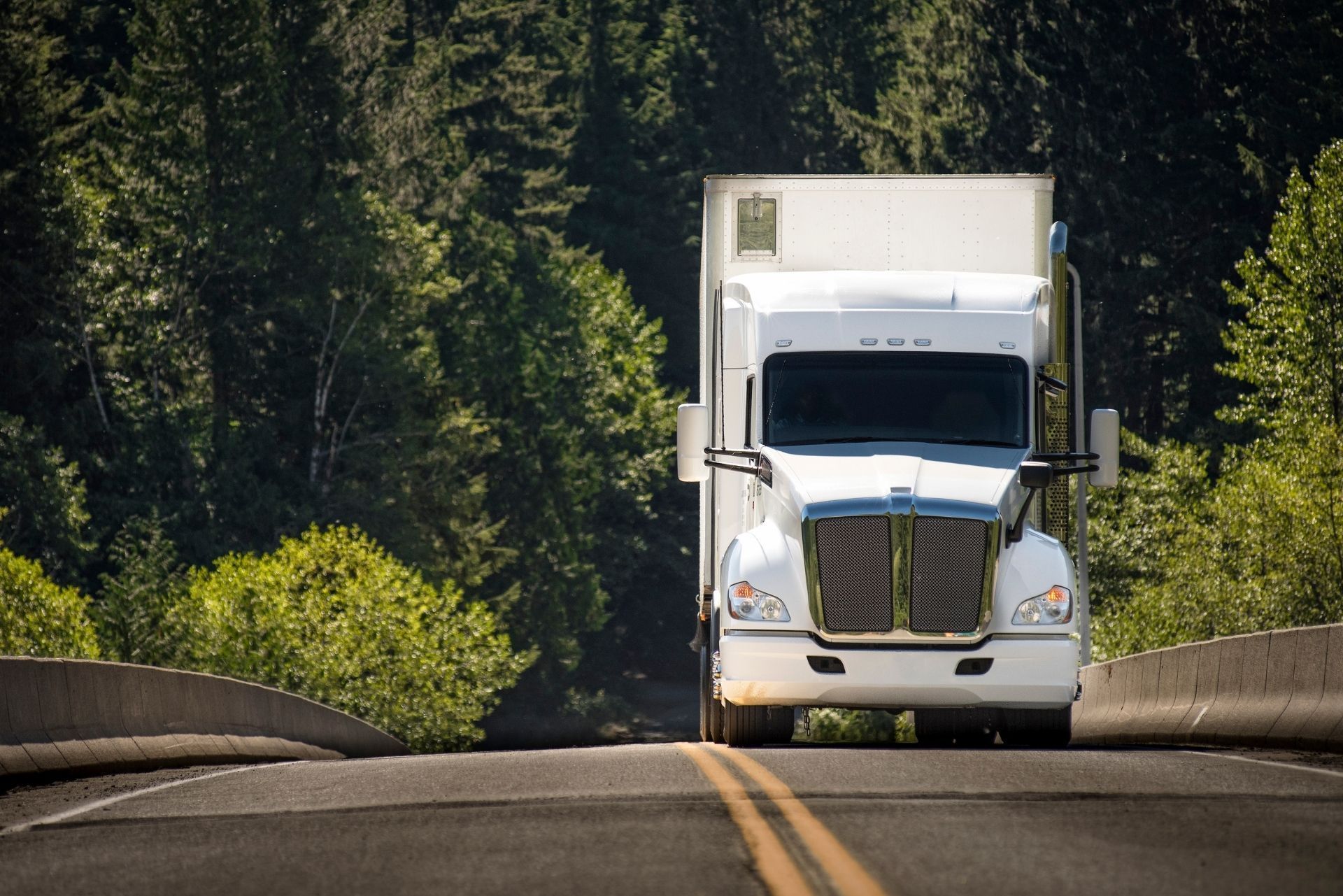
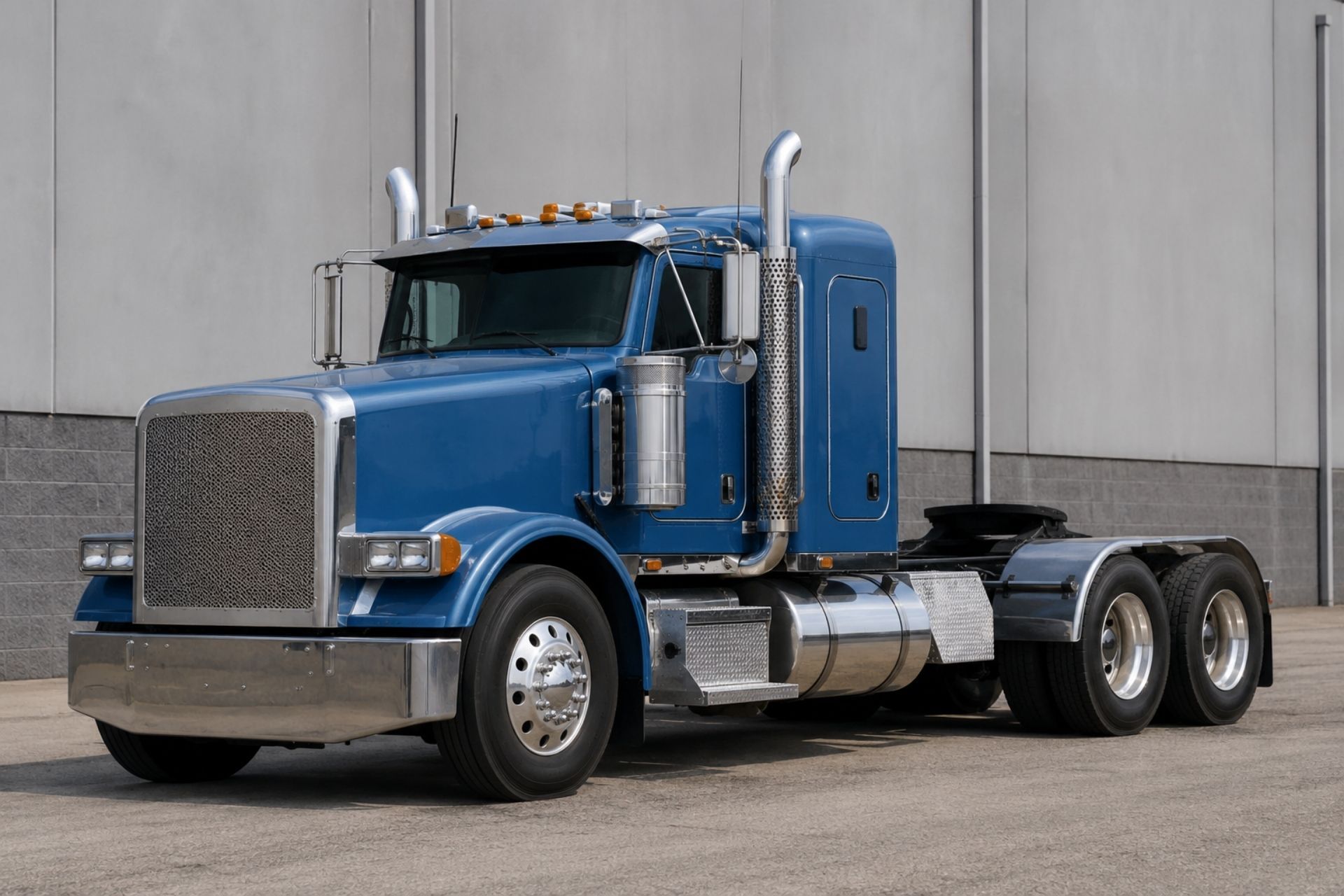
A truck is "bobtailing" whenever it's driven without a trailer attached. This happens more often than most people outside the industry realize. Drivers bobtail when returning from delivering a load, heading to pick up a new trailer, driving to maintenance facilities, or traveling home after completing dispatch assignments.
The term comes from the truck's appearance in this configuration: the cab sits high in the back without the weight of a trailer pushing down on the rear axle. This creates handling challenges that contribute to accident rates. Bobtailing trucks have longer stopping distances and can be more difficult to control, particularly in wet conditions or during emergency maneuvers.
As Insureon explains, "Bobtail insurance provides liability coverage for semi-trucks when they are driven without a trailer attached. This applies whether the truck is being used for business or personal reasons."
How Bobtail Differs from Non-Trucking Liability (NTL)
These two coverage types are often confused, but the distinction matters for claims. Bobtail insurance covers the truck when operating without a trailer, regardless of the purpose. Non-trucking liability covers the truck during personal use when not under dispatch.
The practical difference: if you're driving your truck to the grocery store on a Saturday (personal use, no trailer), NTL would apply. If you're driving without a trailer to pick up your next load (business use, no trailer), bobtail insurance applies. Some policies combine elements of both, but understanding which coverage you have prevents gaps that could leave you exposed during a claim.

By: Mark Raby
Chief Executive Officer at Champion Risk & Insurance Services
What Bobtail Insurance Covers and Excludes
Knowing the boundaries of your coverage prevents expensive surprises when you actually need to file a claim. Bobtail policies are narrower than primary commercial auto coverage, and the exclusions can catch drivers and fleet managers off guard.
Liability Protection for Third-Party Damage
Bobtail insurance is liability coverage, meaning it pays for damage and injuries you cause to others. If you're bobtailing and rear-end another vehicle, your bobtail policy covers the other driver's medical bills, vehicle repairs, and related expenses up to your policy limits.
Coverage typically includes bodily injury liability, property damage liability, and legal defense costs if you're sued. Most policies offer limits ranging from $500,000 to $1 million, which aligns with federal requirements for commercial trucking operations.
What bobtail insurance does not cover: damage to your own truck, cargo liability (there's no cargo when bobtailing), or any claims arising while you're under active dispatch with a trailer attached.
Common Exclusions and Policy Limitations
Policy exclusions vary by insurer, but several are nearly universal. Most bobtail policies exclude coverage when the truck is being used for any purpose the motor carrier would typically cover. This means the moment you hook up to a trailer, bobtail coverage ends and primary commercial coverage should begin.
Other common exclusions include intentional acts, driving under the influence, operating outside your authorized territory, and using the truck for purposes not disclosed on your application. Some policies also exclude coverage for drivers not listed on the policy or drivers who don't meet minimum experience requirements.
Legal and Contractual Requirements for Logistics Companies
Insurance requirements for trucking operations come from multiple sources, and failing to meet any of them can result in fines, loss of operating authority, or personal liability exposure.
FMCSA Regulations and Compliance
The Federal Motor Carrier Safety Administration sets baseline insurance requirements for interstate trucking operations. According to McCreary Law, the FMCSA mandates minimum public liability coverage between $750,000 and $1,000,000, depending on the type of freight hauled.
These requirements apply to the motor carrier's primary policy, not specifically to bobtail situations. The regulatory gap here is significant: when a driver is bobtailing and not under dispatch, the carrier's primary policy may not respond to claims. This is precisely why bobtail coverage exists and why many lease agreements require it.
The trucking industry has grown substantially, with active interstate carriers increasing by 20.11% from 2020 to 2021. This growth has intensified regulatory scrutiny and made proper insurance documentation more important than ever.
Lease Agreement Obligations for Owner-Operators
Most motor carrier lease agreements explicitly require owner-operators to maintain bobtail or non-trucking liability coverage. The carrier's insurance covers the truck while it's under dispatch, but the lease typically shifts responsibility to the owner-operator for all other times.
These requirements aren't optional. Failing to maintain required coverage can void your lease agreement, leaving you without access to loads and potentially liable for breach of contract. Champion Risk works with owner-operators to ensure their coverage meets lease requirements while avoiding duplicate coverage that wastes premium dollars.
Review your lease agreement carefully. Some require specific coverage limits, named insureds, or policy endorsements that generic bobtail policies might not include.
Factors Influencing Bobtail Insurance Costs
Bobtail coverage is relatively affordable compared to primary commercial auto insurance, but premiums still vary significantly based on several factors within your control.
Driver Experience and Safety Records
Insurance companies price risk, and driver history is the single biggest factor in that calculation. Clean driving records with no accidents or violations result in the lowest premiums. Conversely, recent at-fault accidents, DUI convictions, or multiple moving violations can double or triple your rates.
Most insurers look back three to five years for driving history. New drivers without established commercial driving records typically pay higher premiums until they build a track record. Some insurers won't write bobtail coverage at all for drivers with less than two years of CDL experience.
According to InsuredBetter, bobtail insurance averages around $30 to $60 per month, or $360 to $720 annually, for $1 million in coverage. Drivers with excellent records often fall at the lower end of this range.
Coverage Limits and Deductible Choices
Higher coverage limits cost more, but the increase isn't proportional. Moving from $500,000 to $1 million in liability coverage might only add $10-15 per month, making higher limits a good value for the additional protection.
Deductibles work differently for liability coverage than for
physical damage policies. Since bobtail is liability-only coverage, traditional deductibles don't apply the same way. Your premium is primarily determined by the coverage limit you select and your risk profile.
| Factor | Lower Premium | Higher Premium |
|---|---|---|
| Driving record | Clean, no violations | Accidents or tickets |
| CDL experience | 5+ years | Under 2 years |
| Coverage limit | $500,000 | $1,000,000+ |
| Operating radius | Regional | Nationwide |
| Prior insurance | Continuous coverage | Gaps in history |
Selecting the Right Policy for Your Fleet
Choosing bobtail coverage involves more than finding the lowest premium. The right policy structure depends on your operation's specific needs and existing coverage.
Evaluating Combined vs. Standalone Policies
Some insurers offer bobtail coverage as an endorsement to existing commercial auto policies, while others write it as a standalone policy. Combined policies can simplify administration and sometimes reduce total premiums, but standalone policies offer more flexibility.
Champion Risk typically recommends standalone bobtail policies for owner-operators leased to multiple carriers throughout the year. This prevents gaps when switching between carriers and ensures continuous coverage regardless of your dispatch status.
For fleet operators managing multiple trucks, combined policies often make more sense. A single policy covering all trucks under both dispatch and bobtail conditions reduces administrative burden and eliminates coordination issues between policies.
Tips for Reducing Annual Premiums
Start by shopping multiple quotes. Bobtail insurance rates vary significantly between carriers, and the cheapest option for one driver might not be cheapest for another. Work with a broker who specializes in trucking insurance to access multiple markets efficiently.
Maintain continuous coverage without lapses. Even a 30-day gap in insurance history can increase your premiums for years. Pay annually if cash flow allows: most insurers offer discounts of 5-10% for annual payment versus monthly installments.
Consider higher coverage limits. The premium difference between minimum coverage and higher limits is often minimal, and inadequate coverage can result in personal liability exposure that far exceeds any premium savings.
Frequently Asked Questions
Do I need bobtail insurance if I only drive for one carrier? Possibly not, if your carrier's policy covers you during all bobtail operations. Check your lease agreement and verify coverage with the carrier's insurance department before assuming you're protected.
Can I drive my truck for personal errands with bobtail insurance? Most bobtail policies cover personal use, but verify this with your specific policy. Some policies restrict coverage to business-related bobtailing only.
What happens if I cause an accident while bobtailing without insurance? You're personally liable for all damages and injuries. Depending on the severity, this could mean losing personal assets, wage garnishment, and potential criminal charges for operating without required insurance.
Does bobtail insurance cover my truck if it's damaged? No. Bobtail insurance is liability coverage only. Physical damage to your truck requires separate coverage, typically through a commercial auto physical damage policy.
How quickly can I get bobtail coverage? Most insurers can bind coverage same-day with proper documentation. Champion Risk regularly issues bobtail policies within hours for drivers with clean records.
Making the Right Coverage Decision
Bobtail insurance fills a critical gap that exists whenever your truck operates without a trailer. The coverage is affordable, typically running $30-60 monthly for $1 million in protection, and the consequences of operating without it can be financially devastating.
Review your lease agreements, understand when your carrier's policy does and doesn't cover you, and make sure your bobtail coverage meets all contractual requirements. The few hundred dollars you spend annually on proper coverage is insignificant compared to the liability exposure of even a minor accident while uninsured. Contact Champion Risk to review your current coverage and identify any gaps that could leave you exposed.
About the Author:
Mark Raby
I am a seasoned insurance professional with over 30 years of experience in the industry. I lead Champion Risk & Insurance Services, a San Diego-based brokerage with nationwide reach and strong influence in the insurance marketplace. My core competencies include insurance agency M&A deals, captives and alternative risk structures, and commercial property and casualty insurance for clients in the transportation and logistics industries. I am a former president of IIAB San Diego and hold a Bachelor of Science in Finance from Western Michigan University’s Haworth College of Business.
Protection for Transportation Operations
Business Insurance for Transportation & Logistics Companies
Coverage designed specifically for transportation businesses
Commercial Auto & Trucking
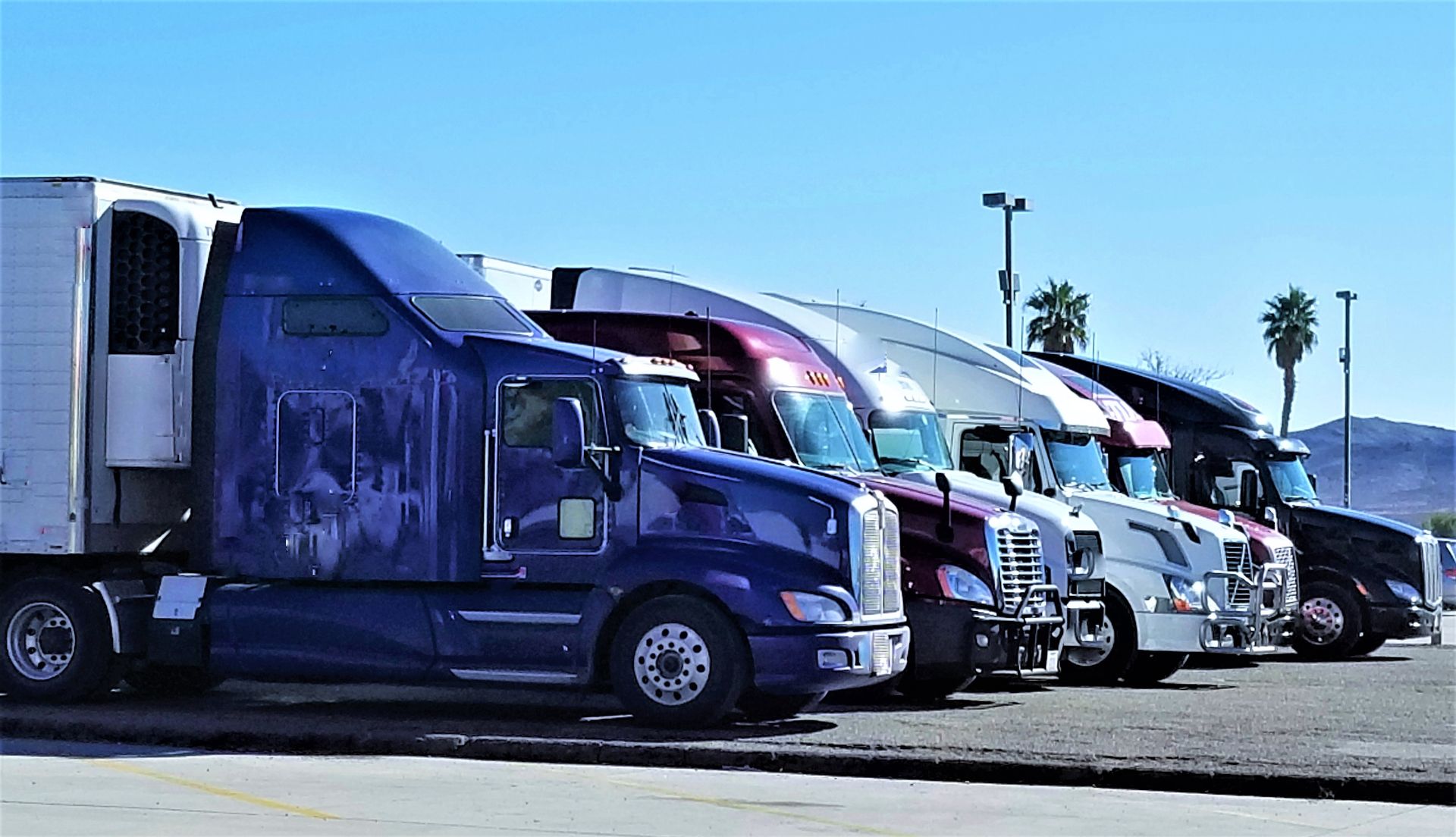
Protection for your fleet including box trucks, moving vans, and trailers. Covers liability, collision, physical damage, and hired or non-owned vehicles used in your operations.
Motor Truck Cargo
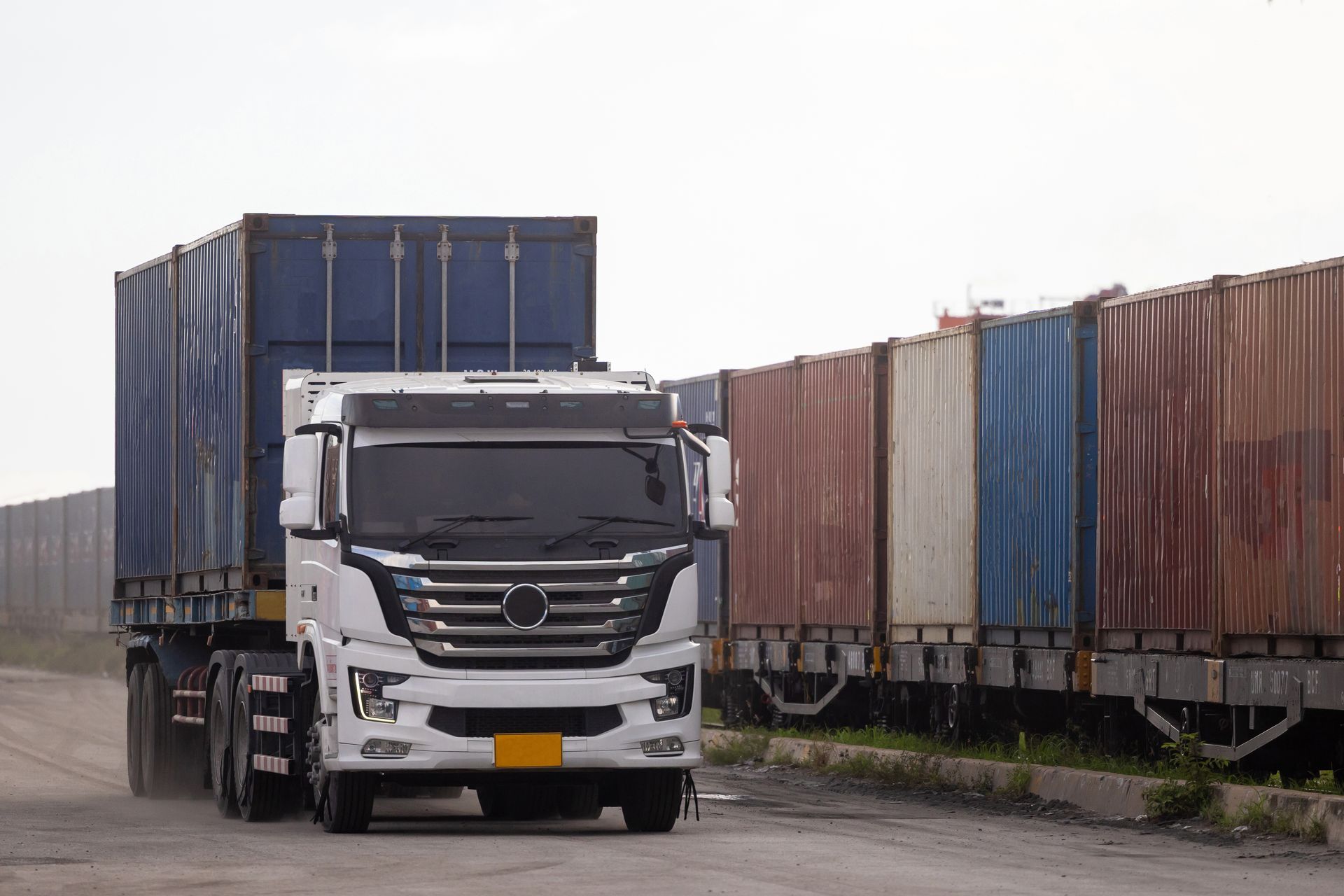
Covers household goods and freight during transport from pickup to delivery. Protects against damage, theft, mysterious disappearance, and weather-related losses while cargo is in your care.

General Liability
Protection from third-party claims for bodily injury and property damage at customer homes, job sites, and your own facility. Essential coverage for every transportation operation

Warehouse Legal Liability
Coverage for customer property while stored in your facility. Protects against damage, theft, fire, and water damage to goods in your care, custody, or control.

Workers' Compensation
Medical care and wage replacement for employees injured on the job. Required in most states for transportation and warehouse work where physical labor creates higher injury risk.

Umbrella & Excess Liability
Higher liability limits stacked on top of your primary policies. Helps meet large contract requirements and protects your business assets against major claims and lawsuits.
Specialized Knowledge
Industries We Protect
Focused coverage for transportation and logistics businesses

Simple and Clear
How Our Process Works
Our process to get you covered
Connect With Us
Reach out through our form or by phone to share your business needs and current coverage situation.
Get Coverage Options
We review your risks, compare carriers, and present clear quotes with plain-language explanations.
Stay Protected
You choose your plan, and we provide ongoing support for certificates, claims, and renewals.
Trusted by Businesses
Feedback That Reflects Service and Reliability
What our clients say about working with Champion Risk
Answers You Need
Frequently Asked Questions
Common questions about transportation and logistics insurance




What insurance does a transportation company need to operate legally?
Motor carriers that cross state lines must meet FMCSA requirements. You need a minimum of $750,000 in liability coverage, plus a BMC-91 filing that proves your insurance to the federal government. Cargo coverage is also required, with minimums that depend on the type of goods you transport.
Intrastate operators follow state-specific rules. California, Texas, and Florida each have different requirements. Champion Risk handles both federal and state filings. We make sure your coverage meets legal minimums and your certificates reach the right agencies.
How much does commercial transportation insurance cost?
Premiums depend on your fleet size, driving records, cargo values, and claims history. A small operation with two trucks might pay $8,000 to $15,000 per year. A larger carrier with ten trucks could pay $50,000 to $100,000 or more.
The best way to control costs is working with a broker who knows transportation insurance. We find carriers that specialize in your exact operation type. This often results in better rates than going direct or using a general agent who doesn't understand the industry.
What is a BMC-91 filing and why do I need one?
A BMC-91 is a form your insurance company files with the FMCSA. It proves you carry the required liability coverage to operate as a for-hire motor carrier. Without an active BMC-91, your operating authority can be revoked.
Champion Risk works with carriers who file electronically. Your BMC-91 typically posts within 24 to 48 hours of binding coverage. We monitor your filing status and alert you if anything needs attention.
Does my warehouse or storage facility need different insurance than a trucking operation?
Yes. Storage facilities need warehouse legal liability coverage. This protects you when customer property is damaged or stolen while in your care. Standard general liability policies exclude this exposure.
You may also need property coverage for your building, equipment breakdown protection, and business income coverage if a fire or disaster shuts down operations. Champion Risk builds storage facility programs that address all these risks in one package.
Can you insure last-mile delivery drivers who use their own vehicles?
Yes. We offer hired and non-owned auto coverage for delivery operations that use independent contractors or employees driving personal vehicles. This fills gaps that personal auto policies don't cover during commercial use.
We also provide occupational accident coverage for 1099 drivers who aren't eligible for workers' comp. This protects your drivers and limits your liability exposure when accidents happen.
How fast can I get proof of insurance for a new contract?
Same day in most cases. Once we bind your policy, we issue certificates of insurance within hours. If your contract requires specific additional insured language or special endorsements, we coordinate directly with the carrier.
Rush requests happen often in this industry. General contractors and corporate clients demand certificates before they let you on site. Champion Risk prioritizes fast turnaround because we know your revenue depends on it.

Answers You Need
Transportation & Logistics Insurance Resources
Articles designed to inform and support your business
Contact Us
Phone Number:
Email Address:
Location:
12264 El Camino Real, Suite 350
San Diego, CA 92130
Hours:
Monday – Friday: 8:00 AM – 6:00 PM PT