
A single tractor-trailer accident can generate claims exceeding $1 million before you've finished your morning coffee. For transportation and logistics companies, fleet insurance isn't just a regulatory checkbox: it's the difference between surviving a catastrophic loss and shuttering operations. The stakes have never been higher, with nuclear verdicts exceeding $10 million increasing by 33% over the past decade, and median awards climbing to nearly $25 million.
Fleet insurance for transportation and logistics companies requires understanding coverage types, cost drivers, and compliance mandates that differ significantly from standard commercial auto policies. The trucking industry operates under federal oversight, hauls valuable cargo across state lines, and faces liability exposure that dwarfs most other business sectors. Premiums have surged 40% over the last decade, making smart coverage decisions more critical than ever.
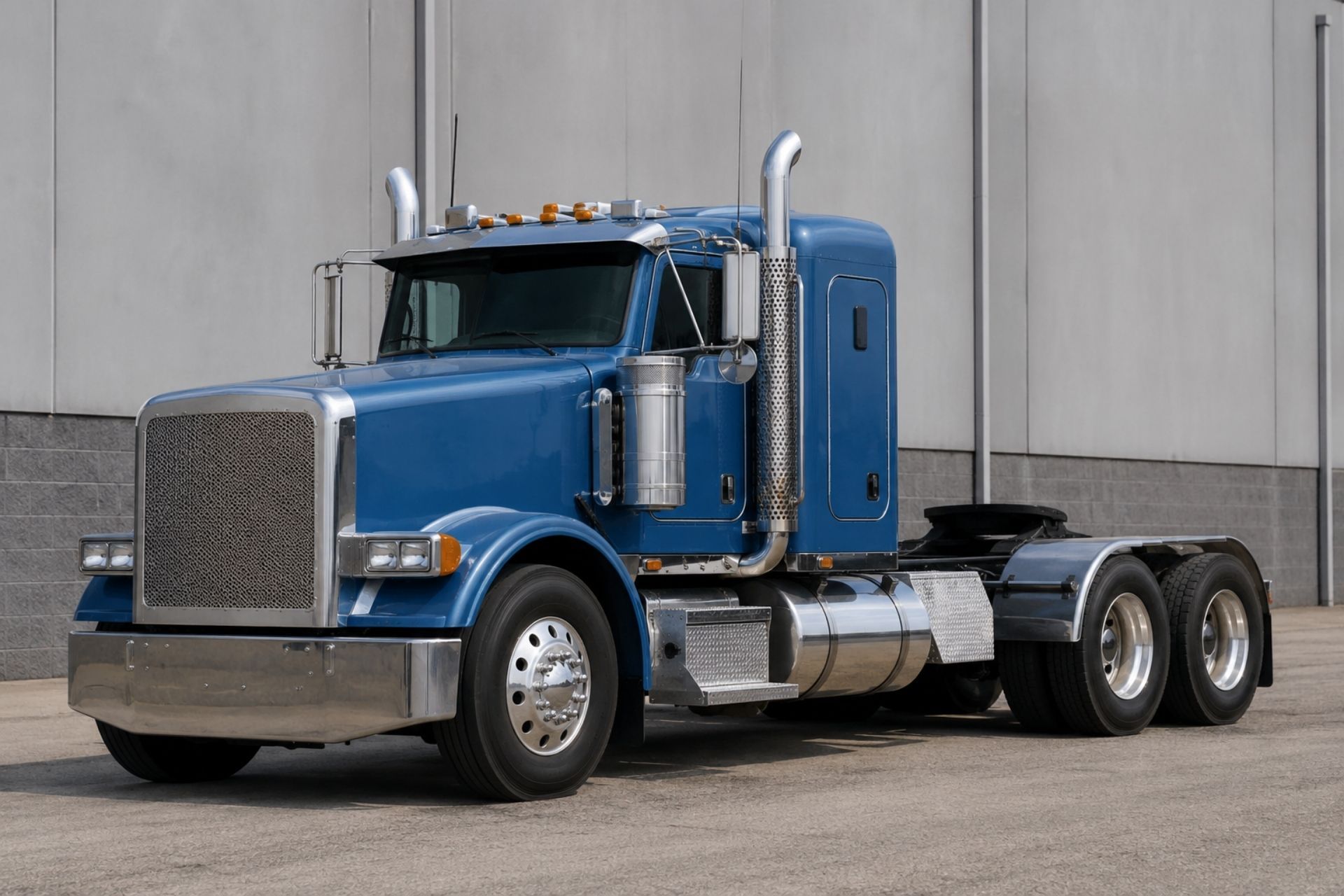
Whether you're running a five-truck regional operation or managing hundreds of Class 8 vehicles, the right insurance program protects your assets, keeps you compliant, and positions your company to weather claims that would devastate competitors. Here's what actually matters when building your coverage portfolio.
Core Coverage Types for Logistics Fleets
Auto Liability and Physical Damage
Auto liability covers bodily injury and property damage your vehicles cause to third parties. This is the foundation of any fleet program and the coverage FMCSA mandates for interstate carriers. Minimum requirements start at $750,000 for general freight, but experienced fleet managers know these limits are dangerously low given current verdict trends.
Physical damage coverage protects your own vehicles through comprehensive and collision components. Comprehensive handles theft, vandalism, weather damage, and animal strikes. Collision pays for repairs after accidents regardless of fault. For newer tractors valued at $150,000 or more, skipping physical damage is a gamble few companies can afford.
Motor Truck Cargo and Inland Marine
Cargo insurance protects the freight you're hauling when damage or loss occurs during transit. Standard policies cover common perils like collision, fire, and theft, but exclusions matter enormously. Temperature-sensitive loads, hazardous materials, and high-value commodities often require specialized endorsements.
Inland marine coverage extends protection beyond standard cargo policies, covering equipment, tools, and goods that move between locations. For logistics operations with warehousing components or intermodal transfers, inland marine fills gaps that cargo-only policies miss.
General Liability and Umbrella Policies
General liability protects against third-party claims unrelated to vehicle operations. Slip-and-fall injuries at your terminal, damage to customer property during loading, and advertising injury claims all fall under GL coverage. Most shippers and brokers require proof of general liability before tendering freight.
Umbrella policies provide excess limits above your primary auto liability and general liability coverage. Given the nuclear verdict environment, Champion Risk typically recommends umbrella limits of $5 million or higher for mid-sized fleets. A single catastrophic accident can exhaust primary limits within hours of a jury verdict.

By: Mark Raby
Chief Executive Officer at Champion Risk & Insurance Services
Fleet Size and Vehicle Classifications
Premium calculations start with what you're insuring. A fleet of 10 cargo vans costs dramatically less than 10 tractor-trailers, even with identical driving records. Vehicle classification matters because heavier trucks cause more damage in accidents and face higher repair costs.
Current averages exceed $10 per mile for trucking insurance in 2024, with costs increasing nearly 6% year-over-year into 2025. Larger fleets often qualify for volume discounts, but only if loss history supports favorable pricing. A 50-truck fleet with three major accidents will pay more per unit than a 20-truck operation with clean claims experience.
Driver MVRs and Safety Records
Underwriters scrutinize motor vehicle records for every driver you employ. Moving violations, accidents, and license suspensions within the past three to five years directly impact premiums. A single DUI on your roster can increase rates by 25% or more, and some carriers will decline coverage entirely.
CSA scores matter too. Fleets with poor safety ratings face limited market options and higher premiums from carriers willing to write the risk. Maintaining scores in the green across all BASIC categories signals to underwriters that you're a well-managed operation worth competitive pricing.
Operational Radius and Cargo Risk Profiles
Where you operate affects what you pay. Long-haul carriers crossing multiple states face different risk profiles than regional fleets running dedicated routes. High-litigation jurisdictions like Florida, Texas, and California carry premium surcharges because jury awards run higher.
What you haul matters equally. General dry freight presents different exposure than hazardous materials, pharmaceuticals, or high-value electronics. Specialized cargo requires specialized coverage, and underwriters price accordingly based on theft frequency, damage susceptibility, and liability severity.
Compliance and Regulatory Insurance Requirements
FMCSA Filings and Minimum Limit Mandates
Interstate carriers must file proof of insurance with FMCSA before operating legally. Form BMC-91 (filed by insurers) or BMC-91X (filed by brokers) demonstrates you meet minimum financial responsibility requirements. Without active filings, your operating authority becomes invalid.
| Cargo Type | Minimum Liability Required |
|---|---|
| General freight | $750,000 |
| Hazardous materials | $1,000,000 - $5,000,000 |
| Oil transport | $1,000,000 |
| Warehouse Automation | $1,500,000 - $5,000,000 |
These minimums haven't changed since 1985 despite inflation and verdict growth. Treating them as adequate coverage rather than bare-minimum compliance is a mistake that costs companies millions annually.
State-Specific Transportation Laws
Individual states layer additional requirements on top of federal mandates. Texas requires specific cargo coverage for intrastate carriers. California mandates workers' compensation coverage with no exceptions. New York imposes supplementary uninsured motorist requirements.
Champion Risk works with clients operating across multiple states to ensure coverage meets the highest applicable standard. Missing a state-specific requirement can result in fines, authority suspension, or worse: denied claims when you need coverage most.

Risk Management Strategies to Reduce Liability
Telematics and ELD Integration
Electronic logging devices became mandatory in 2019, but smart fleet operators use telematics far beyond hours-of-service compliance. Modern systems track hard braking, rapid acceleration, speeding, and following distance. This data serves dual purposes: improving driver behavior and demonstrating safety commitment to insurers.
Installing telematics and maintaining safe driving records can lower premiums by 10-30%. The savings compound over time as your data builds a documented safety record. Some carriers now require telematics as a condition of coverage, making early adoption both a risk management and market access strategy.
Formal Driver Training and Safety Programs
Documented training programs signal professionalism to underwriters. Regular safety meetings, defensive driving courses, and cargo securement training reduce accidents while creating paper trails that support favorable renewals.
The investment pays dividends beyond insurance. Fleets with formal safety programs experience 20-40% fewer accidents than those relying on informal training. Lower accident frequency means fewer claims, better CSA scores, and compounding premium reductions over successive policy periods.
Selecting the Right Fleet Insurance Provider
The fleet insurance market has contracted significantly, with industry experts noting "tricky renewals" as carriers exit the space. Fewer options mean less competition, making broker relationships more valuable than ever.
Look for providers with genuine trucking expertise, not generalists who occasionally write commercial auto. Champion Risk specializes in transportation accounts and maintains relationships with markets that understand logistics operations. This matters when claims arise and you need an advocate who speaks the industry's language.
Evaluate claims handling reputation alongside premium pricing. A carrier that disputes every claim or delays settlements creates operational headaches that cost more than premium savings. Ask for references from similar-sized fleets and verify their claims experience before binding coverage.
Consider package programs that bundle auto liability, cargo, and general liability under coordinated policies. Consolidated coverage simplifies administration, eliminates gaps between policies, and often qualifies for multi-line discounts.
Frequently Asked Questions
How much does fleet insurance cost per truck? Annual premiums typically range from $9,000 to $15,000 per power unit for established carriers with clean records. New ventures and fleets with poor loss history may pay $20,000 or more per truck.
Can I get fleet insurance with drivers who have violations? Yes, but expect higher premiums and limited market options. Most carriers allow one or two minor violations per driver, but major infractions like DUIs often trigger declinations.
What's the difference between cargo insurance and inland marine? Cargo insurance covers freight while in transit on your trucks. Inland marine provides broader protection for goods at terminals, during intermodal transfers, and for equipment that moves between locations.
How often should I review fleet coverage? Annually at minimum, but also after adding vehicles, expanding into new states, changing cargo types, or experiencing significant claims. Coverage gaps often develop when operations evolve faster than policies.
Does fleet size affect my ability to get coverage? Yes. Very small fleets of one to three trucks face limited options because most preferred carriers require minimum fleet sizes. Larger fleets generally access better markets and pricing.
Making the Right Coverage Decision
Building the right fleet insurance program requires balancing adequate protection against operational costs. Cutting coverage to save premiums works until a major loss exposes the gaps. With the global fleet insurance market projected to exceed $147.89 billion by 2032, carriers continue developing products that reward well-managed fleets.
Start by documenting your current operations, loss history, and compliance status. Gather driver MVRs and CSA data before approaching markets. Work with a broker who understands transportation risks and maintains relationships with multiple carriers.
Champion Risk helps logistics companies navigate coverage requirements while controlling costs through proper risk management. Contact our team to review your current program and identify opportunities for better protection at competitive pricing.
About the Author:
Mark Raby
I am a seasoned insurance professional with over 30 years of experience in the industry. I lead Champion Risk & Insurance Services, a San Diego-based brokerage with nationwide reach and strong influence in the insurance marketplace. My core competencies include insurance agency M&A deals, captives and alternative risk structures, and commercial property and casualty insurance for clients in the transportation and logistics industries. I am a former president of IIAB San Diego and hold a Bachelor of Science in Finance from Western Michigan University’s Haworth College of Business.
Protection for Transportation Operations
Business Insurance for Transportation & Logistics Companies
Coverage designed specifically for transportation businesses
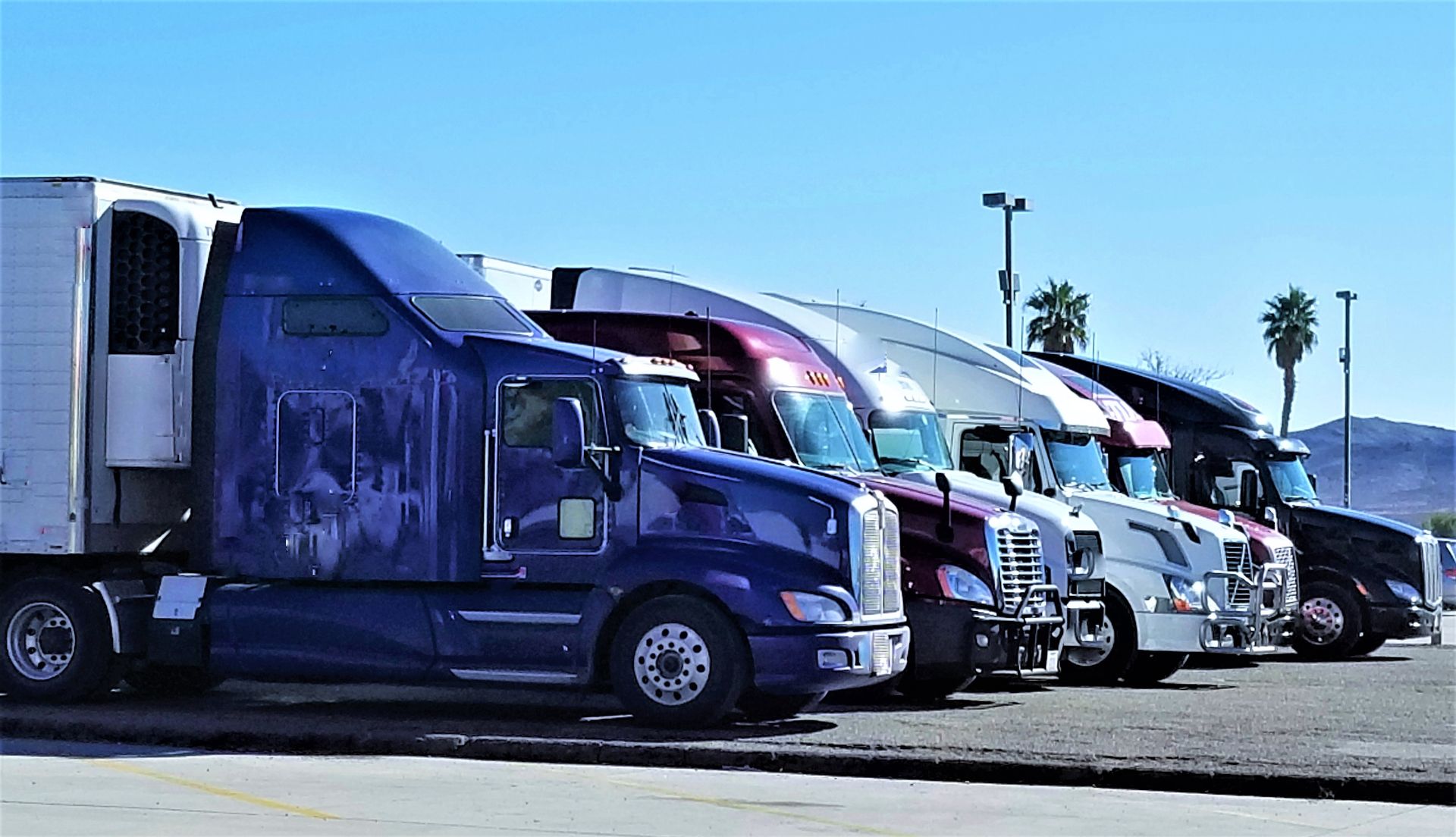
Commercial Auto & Trucking
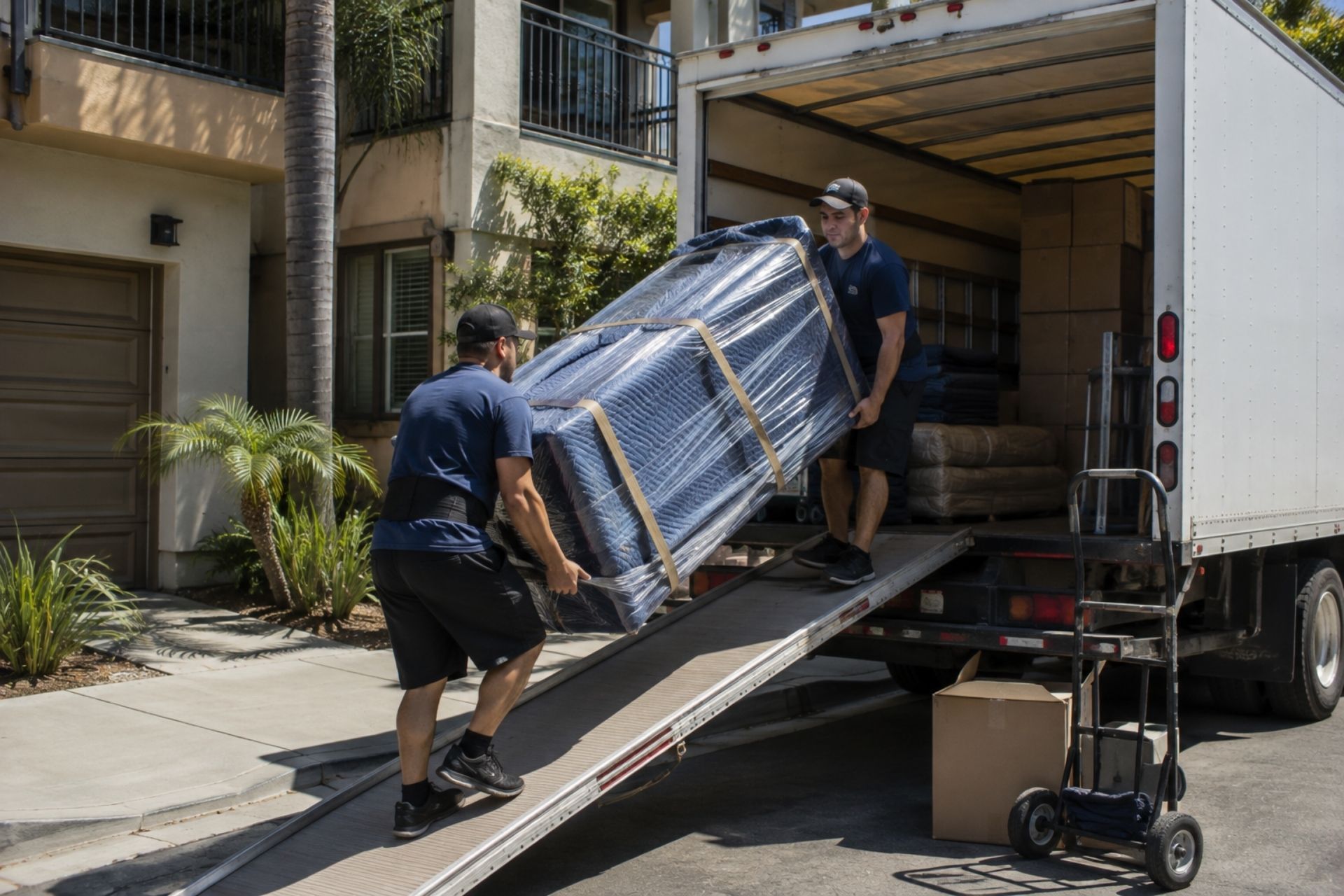
Protection for your fleet including box trucks, moving vans, and trailers. Covers liability, collision, physical damage, and hired or non-owned vehicles used in your operations.
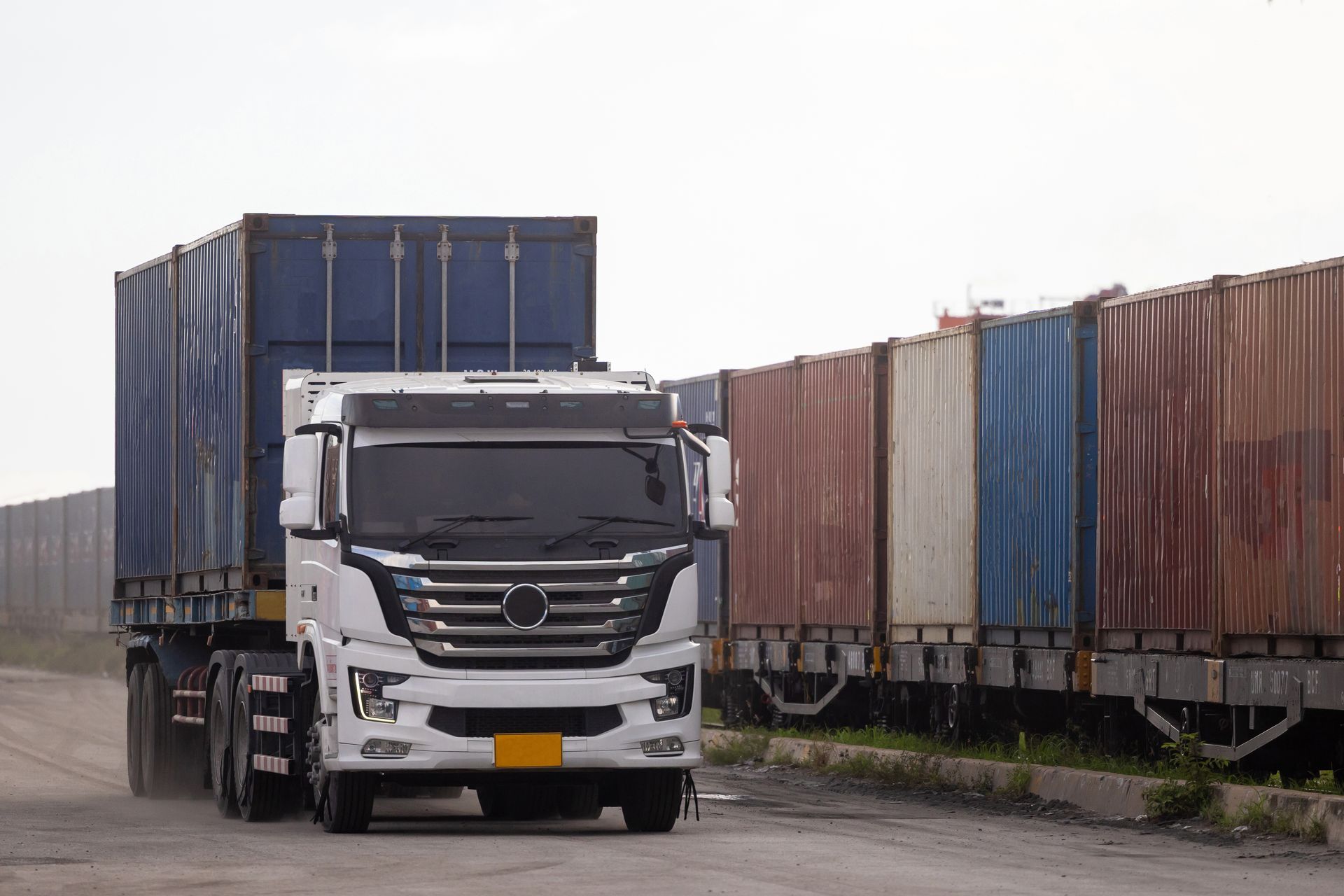
Motor Truck Cargo
Covers household goods and freight during transport from pickup to delivery. Protects against damage, theft, mysterious disappearance, and weather-related losses while cargo is in your care.

General Liability
Protection from third-party claims for bodily injury and property damage at customer homes, job sites, and your own facility. Essential coverage for every transportation operation

Warehouse Legal Liability
Coverage for customer property while stored in your facility. Protects against damage, theft, fire, and water damage to goods in your care, custody, or control.

Workers' Compensation
Medical care and wage replacement for employees injured on the job. Required in most states for transportation and warehouse work where physical labor creates higher injury risk.

Umbrella & Excess Liability
Higher liability limits stacked on top of your primary policies. Helps meet large contract requirements and protects your business assets against major claims and lawsuits.
Specialized Knowledge
Industries We Protect
Focused coverage for transportation and logistics businesses


Simple and Clear
How Our Process Works
Our process to get you covered
Connect With Us
Reach out through our form or by phone to share your business needs and current coverage situation.
Get Coverage Options
We review your risks, compare carriers, and present clear quotes with plain-language explanations.
Stay Protected
You choose your plan, and we provide ongoing support for certificates, claims, and renewals.
Trusted by Businesses
Feedback That Reflects Service and Reliability
What our clients say about working with Champion Risk
Answers You Need
Frequently Asked Questions
Common questions about transportation and logistics insurance




What insurance does a transportation company need to operate legally?
Motor carriers that cross state lines must meet FMCSA requirements. You need a minimum of $750,000 in liability coverage, plus a BMC-91 filing that proves your insurance to the federal government. Cargo coverage is also required, with minimums that depend on the type of goods you transport.
Intrastate operators follow state-specific rules. California, Texas, and Florida each have different requirements. Champion Risk handles both federal and state filings. We make sure your coverage meets legal minimums and your certificates reach the right agencies.
How much does commercial transportation insurance cost?
Premiums depend on your fleet size, driving records, cargo values, and claims history. A small operation with two trucks might pay $8,000 to $15,000 per year. A larger carrier with ten trucks could pay $50,000 to $100,000 or more.
The best way to control costs is working with a broker who knows transportation insurance. We find carriers that specialize in your exact operation type. This often results in better rates than going direct or using a general agent who doesn't understand the industry.
What is a BMC-91 filing and why do I need one?
A BMC-91 is a form your insurance company files with the FMCSA. It proves you carry the required liability coverage to operate as a for-hire motor carrier. Without an active BMC-91, your operating authority can be revoked.
Champion Risk works with carriers who file electronically. Your BMC-91 typically posts within 24 to 48 hours of binding coverage. We monitor your filing status and alert you if anything needs attention.
Does my warehouse or storage facility need different insurance than a trucking operation?
Yes. Storage facilities need warehouse legal liability coverage. This protects you when customer property is damaged or stolen while in your care. Standard general liability policies exclude this exposure.
You may also need property coverage for your building, equipment breakdown protection, and business income coverage if a fire or disaster shuts down operations. Champion Risk builds storage facility programs that address all these risks in one package.
Can you insure last-mile delivery drivers who use their own vehicles?
Yes. We offer hired and non-owned auto coverage for delivery operations that use independent contractors or employees driving personal vehicles. This fills gaps that personal auto policies don't cover during commercial use.
We also provide occupational accident coverage for 1099 drivers who aren't eligible for workers' comp. This protects your drivers and limits your liability exposure when accidents happen.
How fast can I get proof of insurance for a new contract?
Same day in most cases. Once we bind your policy, we issue certificates of insurance within hours. If your contract requires specific additional insured language or special endorsements, we coordinate directly with the carrier.
Rush requests happen often in this industry. General contractors and corporate clients demand certificates before they let you on site. Champion Risk prioritizes fast turnaround because we know your revenue depends on it.

Answers You Need
Transportation & Logistics Insurance Resources
Articles designed to inform and support your business
Contact Us
Phone Number:
Email Address:
Location:
12264 El Camino Real, Suite 350
San Diego, CA 92130
Hours:
Monday – Friday: 8:00 AM – 6:00 PM PT