
San Jose, California Transportation & Logistics Insurance
Or Call Us:
(800) 829-0807
San Jose sits at the heart of Silicon Valley's supply chain, where delivery trucks share congested highways with commuters, and warehouse operations run around the clock to meet tech industry demands. If you operate a transportation or logistics company here, you already know the stakes are high. A single accident on Highway 101 or a cargo theft at a distribution hub can devastate your business without proper coverage.
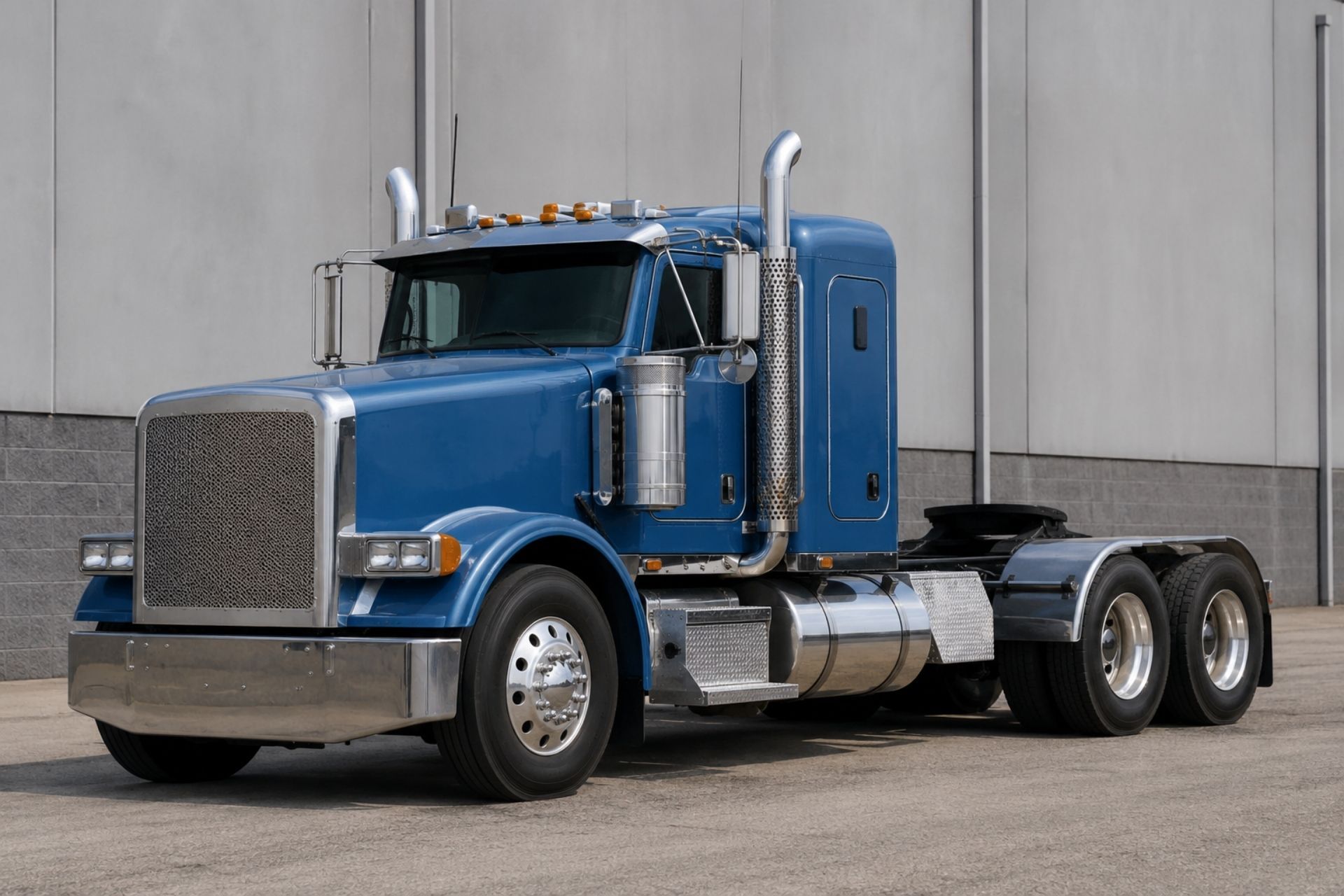
Transportation and logistics insurance in San Jose requires understanding both California's strict regulatory environment and the unique risks of operating in one of America's most expensive metro areas. The Bay Area's dense traffic patterns, high property values, and valuable cargo create a perfect storm of liability exposure. According to SoCal Truck Insurance, the average commercial truck insurance in California ranges from $8,000 to $14,000 per truck annually, though carriers hauling hazardous materials often pay more than $20,000.
What makes San Jose particularly challenging? The combination of urban congestion, proximity to major ports like Oakland, and the constant flow of high-value tech components creates risk profiles that generic insurance policies simply cannot address. Local logistics companies need coverage designed for these specific conditions, not boilerplate policies written for rural operations.
The Evolving Landscape of Logistics in San Jose and Silicon Valley
Silicon Valley's logistics sector has transformed dramatically over the past decade. Same-day delivery expectations, just-in-time manufacturing for tech companies, and the explosion of e-commerce fulfillment centers have created new insurance challenges that didn't exist ten years ago.
San Jose's strategic position makes it a logistics hub for companies serving the entire Bay Area. Trucks move constantly between the Port of Oakland, distribution centers in Milpitas and Fremont, and final delivery points throughout the peninsula. This constant movement through congested corridors increases accident exposure significantly.
The market conditions aren't getting easier either. Teague Insurance reports that California's commercial insurance market is expected to remain "hard" with stringent underwriting and less flexibility from carriers. This means logistics companies face tighter scrutiny on their safety records and may struggle to find coverage at competitive rates.
Climate factors add another layer of complexity. Winter months bring increased accident risk, with
MyShyft noting that accident risk for truckers quadruples during this period, leading to 20-30% more claims.


By: Mark Raby
Chief Executive Officer at Champion Risk & Insurance Services
Essential Insurance Coverages for San Jose Transport Companies
Building the right insurance portfolio means understanding which coverages address your specific operations rather than buying a generic package and hoping for the best.
Commercial Auto and Fleet Liability
Your commercial auto policy forms the foundation of your insurance program. California law now mandates minimum commercial vehicle liability coverage of $30,000 per person for bodily injury, $60,000 per accident for bodily injury, and $15,000 for property damage as of January 1, 2025, according to AAA.
Those minimums won't protect you in the Bay Area. A serious accident involving injuries can easily generate claims exceeding $500,000. Most San Jose logistics companies carry $1 million or more in liability coverage. Champion Risk typically recommends reviewing your coverage limits annually, especially as your fleet grows or routes change.
Motor Truck Cargo and Inland Marine Insurance
Cargo insurance protects the goods you're transporting when they're damaged, stolen, or destroyed. San Jose's position as a tech logistics hub means many loads contain high-value electronics, medical devices, or specialized components worth hundreds of thousands of dollars.
Standard cargo policies have exclusions and limits that may not match your actual exposure. If you're hauling temperature-sensitive pharmaceuticals or fragile electronics, you need coverage specifically designed for those commodities.
Warehouse Legal Liability for Logistics Hubs
Many San Jose logistics operations include warehousing and distribution components. Warehouse legal liability covers damage to customer goods while they're in your facility. This differs from general liability, which covers injuries to people.
Cross-docking facilities face particular exposure since goods move quickly through the space, increasing handling risks. If you're storing inventory for tech clients, the value of goods in your warehouse at any given time might exceed your coverage limits.
California State and Local Regulatory Requirements
California's regulatory environment for commercial transportation ranks among the strictest in the nation. Compliance failures can result in fines, operating authority suspension, and increased insurance costs.
Mandatory Workers' Compensation for Drivers
California requires workers' compensation coverage for all employees, including drivers. There's no exception for small fleets. If you have even one employee, you need a policy.
Driver injuries are common in logistics operations, from lifting injuries during loading to accidents on the road. Workers' comp claims in California tend to run higher than national averages due to the state's medical cost structure and benefit requirements.
CA DMV and MCP Permit Compliance
The California Department of Motor Vehicles and Motor Carrier Permit requirements create additional insurance obligations. Your MCP filing must demonstrate adequate insurance coverage before you can legally operate commercial vehicles in the state.
Interstate carriers face federal requirements on top of state rules. Callahan Law notes that interstate carriers transporting hazardous materials must maintain a minimum of $5,000,000 in liability coverage. That's a significant jump from standard requirements and reflects the catastrophic potential of hazmat incidents.

Factors Influencing Insurance Costs in the Bay Area
Understanding what drives your premiums helps you make strategic decisions about fleet management, route planning, and risk mitigation.
Impact of Urban Traffic Density and Route Safety
San Jose's traffic congestion directly affects your insurance rates. Routes through downtown, along Highway 101, or through the 880 corridor carry higher risk profiles than suburban or rural routes. Insurers analyze your typical operating territory when setting premiums.
Time of day matters too. Early morning and late afternoon deliveries during peak commute hours increase accident probability. Some companies have reduced premiums by shifting delivery windows to off-peak hours.
Cargo Value and Specialized Equipment Considerations
The value and type of cargo you haul significantly impacts your rates. A company hauling general freight pays less than one transporting semiconductors or medical equipment. Refrigerated units, tankers, and flatbeds each carry different risk profiles.
| Factor | Lower Premium Impact | Higher Premium Impact |
|---|---|---|
| Cargo Type | General freight, dry goods | Electronics, hazmat, pharmaceuticals |
| Operating Radius | Local only (under 50 miles) | Regional or interstate |
| Driver Experience | 5+ years, clean MVR | Under 2 years, violations |
| Vehicle Age | Under 5 years old | Over 10 years old |
| Safety Equipment | Telematics, cameras, collision avoidance | Basic equipment only |
Infinity Auto reports that commercial auto premiums experienced increases of 9% to 9.8% in the first two quarters of 2024. These increases make cost management strategies more important than ever.
You have more control over your insurance costs than you might think. Proactive risk management can offset market-driven premium increases.
Implementing Telematics and Fleet Safety Tech
Telematics systems that monitor driver behavior, vehicle location, and maintenance needs have become standard tools for premium reduction. Insurers offer discounts ranging from 5% to 15% for fleets with comprehensive telematics programs.
Dash cameras provide documentation that can protect you from fraudulent claims. In the Bay Area, staged accident scams targeting commercial vehicles have increased. Video evidence often means the difference between defending a claim successfully and paying out on a fraudulent one.
Champion Risk works with clients to identify which safety technologies offer the best return on investment for their specific operations. Not every fleet needs every technology, and the goal is matching solutions to actual risk exposure.
Choosing the Right Deductibles and Limits
Higher deductibles reduce premiums but increase your out-of-pocket exposure when claims occur. The right balance depends on your cash reserves and claims history.
For cargo insurance, consider whether a per-occurrence deductible or annual aggregate deductible makes more sense for your operation. If you handle many small shipments, per-occurrence deductibles can add up quickly. Larger loads might warrant higher per-occurrence deductibles with lower overall premiums.
Selecting a Specialized San Jose Insurance Broker
Generic insurance agents who primarily handle personal auto and homeowners policies rarely understand the nuances of commercial transportation coverage. You need a broker who knows California's regulatory requirements, understands Bay Area operating conditions, and has relationships with carriers that specialize in logistics risks.
Champion Risk focuses specifically on commercial transportation and logistics insurance in San Jose and throughout California. That specialization means understanding the difference between a local delivery fleet and a regional distribution operation, and knowing which carriers offer the best terms for each.
Ask potential brokers about their claims handling process. When an accident happens at 2 AM on Highway 101, you need a broker who can activate their network immediately, not one who returns calls during business hours only.
Frequently Asked Questions
What's the minimum insurance required for a commercial truck in California? As of January 2025, California requires $30,000/$60,000 bodily injury and $15,000 property damage minimums. Most logistics companies carry significantly higher limits due to actual exposure.
Why is commercial truck insurance so expensive in the Bay Area? High traffic density, expensive medical care, elevated property values, and valuable cargo all contribute. Expect to pay $8,000 to $14,000 per truck annually, with hazmat carriers paying over $20,000.
Do I need separate cargo insurance if I have commercial auto coverage? Yes. Commercial auto covers liability for accidents. Cargo insurance covers the goods you're transporting. They're separate policies addressing different risks.
How can I reduce my fleet insurance premiums? Install telematics and dash cameras, maintain strict driver qualification standards, choose appropriate deductibles, and work with a specialized broker who can access competitive markets.
Does my warehouse need different insurance than my trucks? Warehouse operations require warehouse legal liability coverage for stored goods, plus
general liability for the premises. These are separate from your commercial auto and cargo policies.
Making the Right Coverage Decision
Getting transportation and logistics insurance right in San Jose means balancing regulatory compliance, actual risk exposure, and budget constraints. The Bay Area's unique operating environment demands coverage designed for local conditions, not generic policies.
Start by assessing your actual operations: routes, cargo types, driver experience levels, and warehouse activities. Then work with a broker who understands these factors and can match you with carriers that specialize in your specific risk profile. Champion Risk offers consultations to help San Jose logistics companies evaluate their coverage needs and identify gaps in existing policies.
About the Author:
Mark Raby
I am a seasoned insurance professional with over 30 years of experience in the industry. I lead Champion Risk & Insurance Services, a San Diego-based brokerage with nationwide reach and strong influence in the insurance marketplace. My core competencies include insurance agency M&A deals, captives and alternative risk structures, and commercial property and casualty insurance for clients in the transportation and logistics industries. I am a former president of IIAB San Diego and hold a Bachelor of Science in Finance from Western Michigan University’s Haworth College of Business.
Protection for Transportation Operations
Business Insurance for Transportation & Logistics Companies
Coverage designed specifically for transportation businesses
Commercial Auto & Trucking
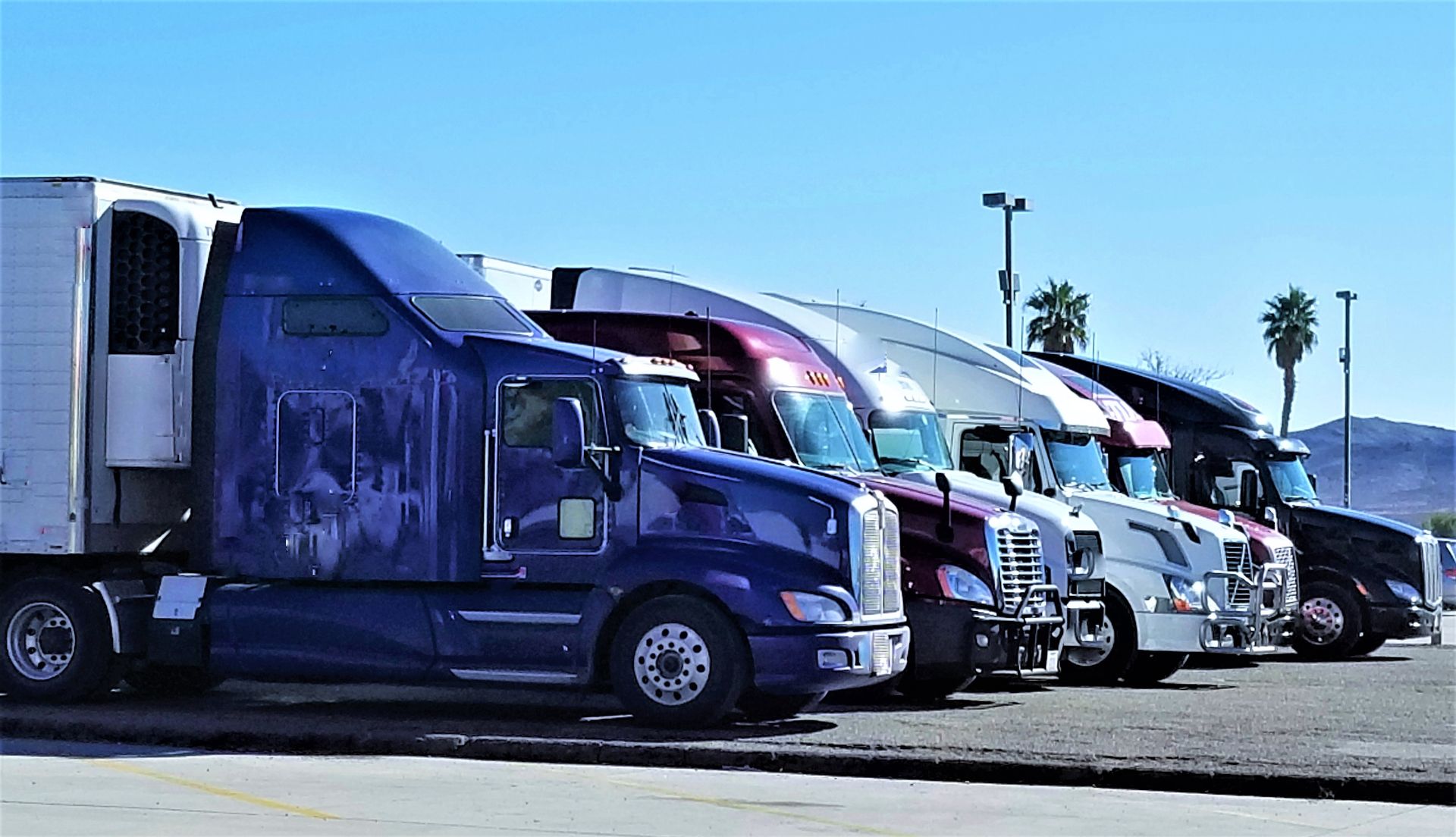
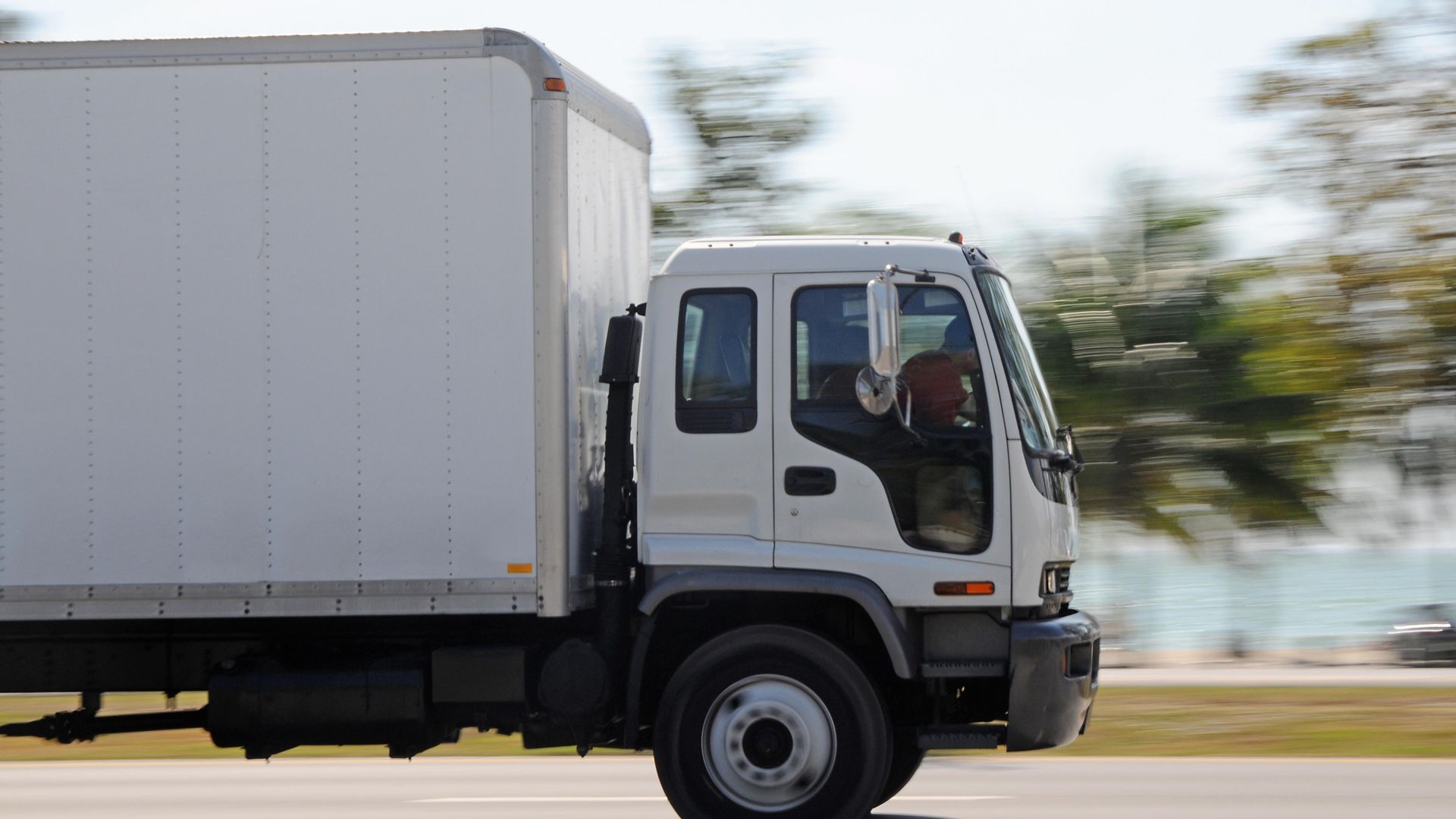
Protection for your fleet including box trucks, moving vans, and trailers. Covers liability, collision, physical damage, and hired or non-owned vehicles used in your operations.
Motor Truck Cargo
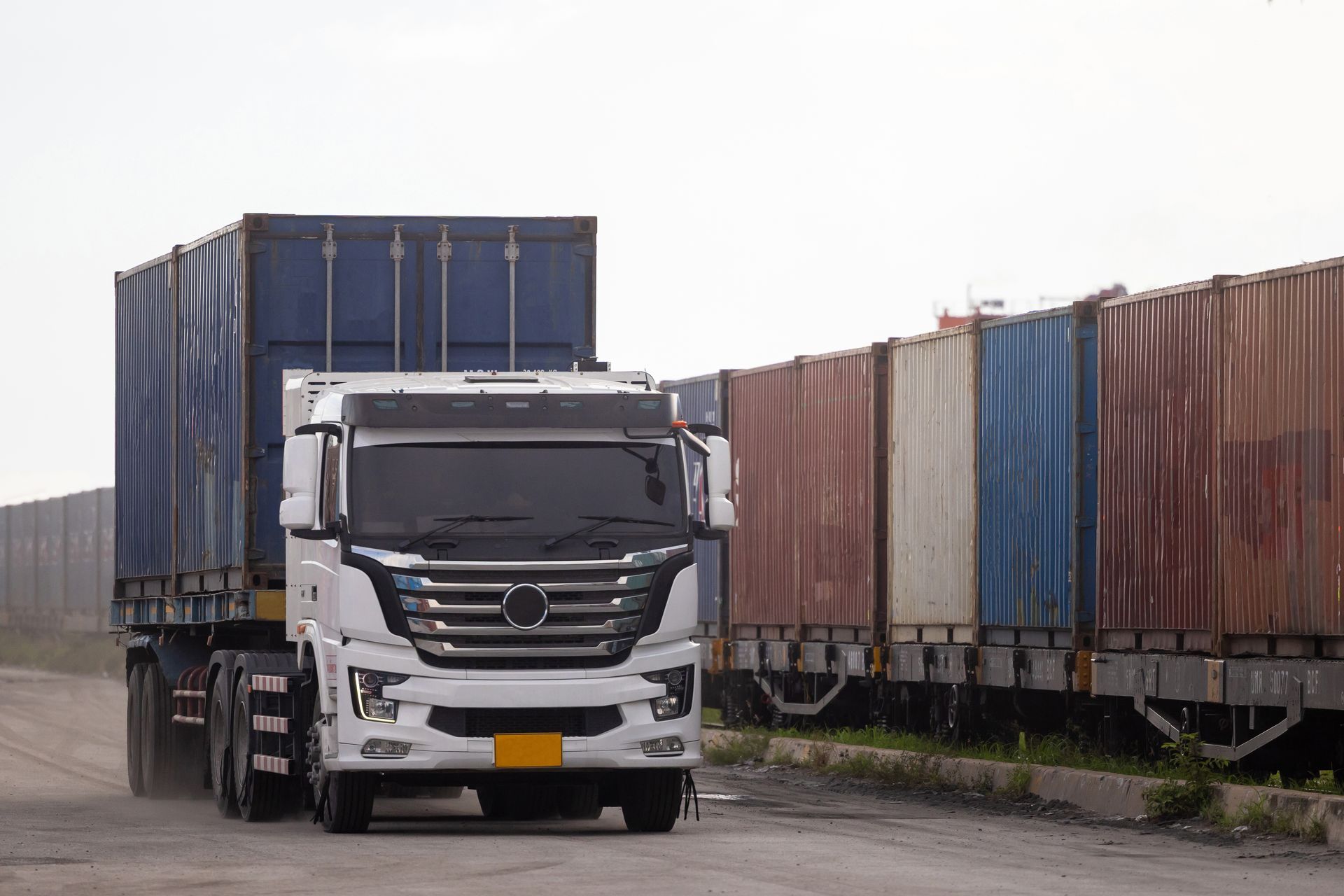
Covers household goods and freight during transport from pickup to delivery. Protects against damage, theft, mysterious disappearance, and weather-related losses while cargo is in your care.

General Liability
Protection from third-party claims for bodily injury and property damage at customer homes, job sites, and your own facility. Essential coverage for every transportation operation
Warehouse Legal Liability
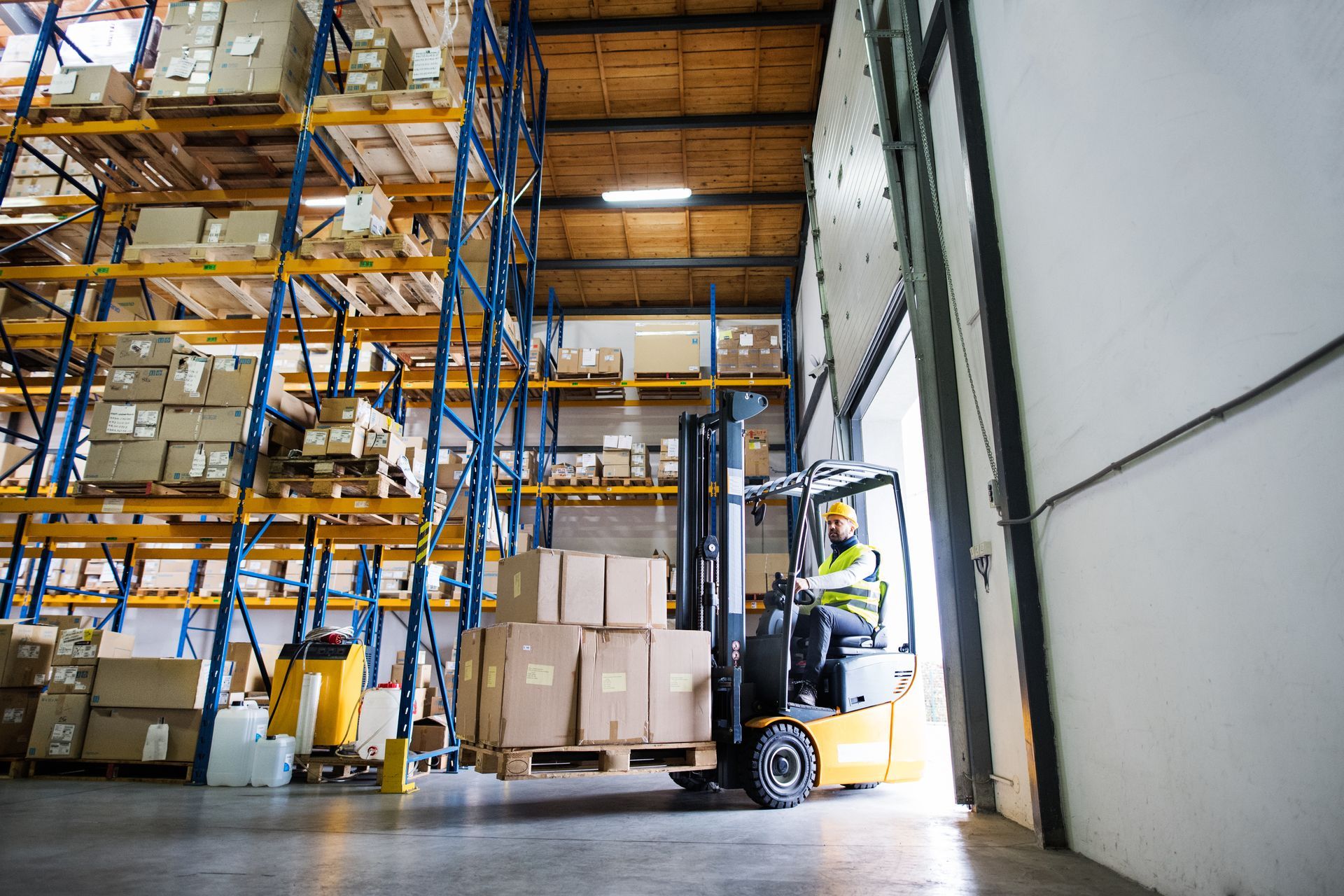
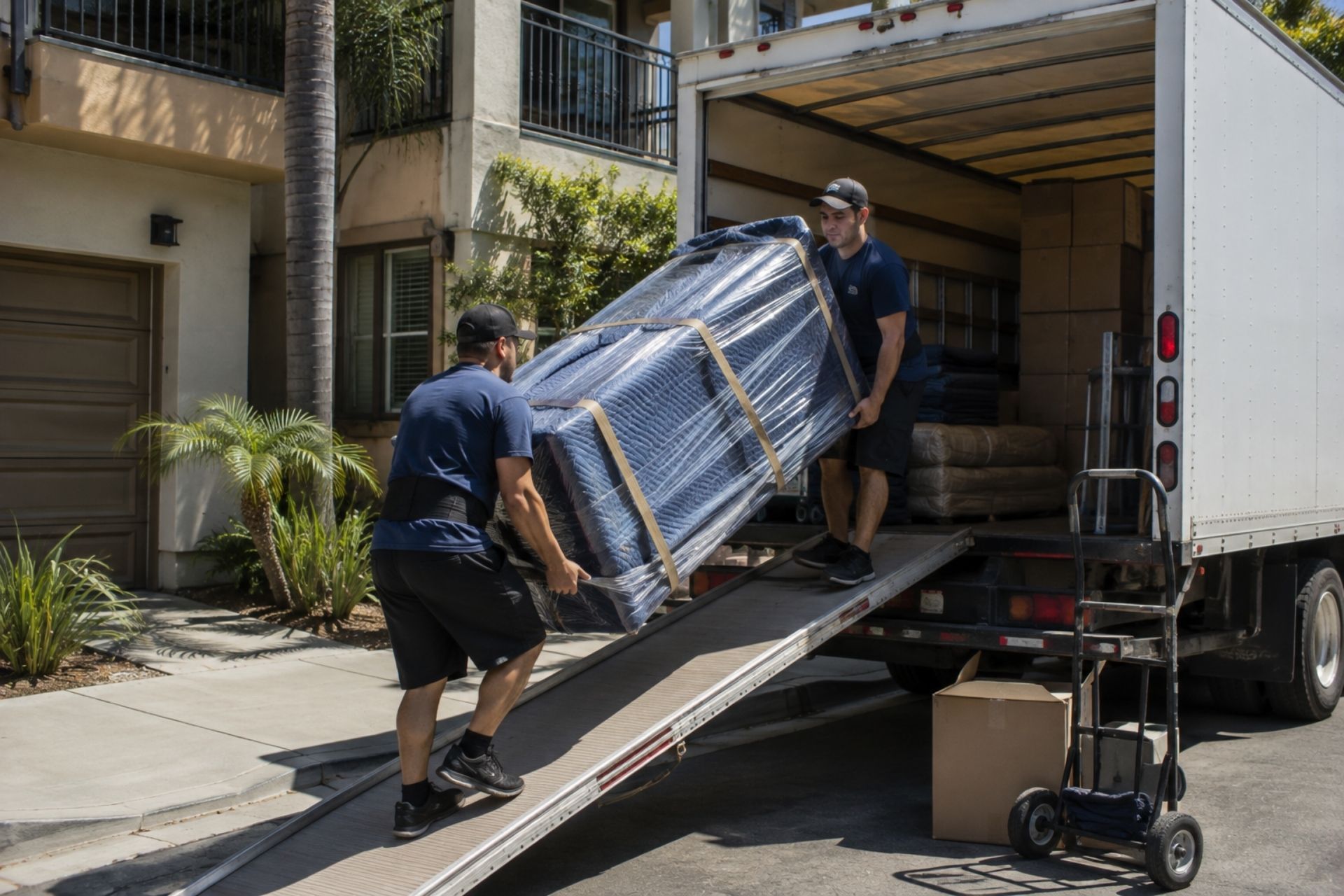
Coverage for customer property while stored in your facility. Protects against damage, theft, fire, and water damage to goods in your care, custody, or control.

Workers' Compensation
Medical care and wage replacement for employees injured on the job. Required in most states for transportation and warehouse work where physical labor creates higher injury risk.

Umbrella & Excess Liability
Higher liability limits stacked on top of your primary policies. Helps meet large contract requirements and protects your business assets against major claims and lawsuits.
Specialized Knowledge
Industries We Protect
Focused coverage for transportation and logistics businesses

Simple and Clear
How Our Process Works
Our process to get you covered
Connect With Us
Reach out through our form or by phone to share your business needs and current coverage situation.
Get Coverage Options
We review your risks, compare carriers, and present clear quotes with plain-language explanations.
Stay Protected
You choose your plan, and we provide ongoing support for certificates, claims, and renewals.
Trusted by Businesses
Feedback That Reflects Service and Reliability
What our clients say about working with Champion Risk
Answers You Need
Frequently Asked Questions
Common questions about transportation and logistics insurance



What insurance does a transportation company need to operate legally?
Motor carriers that cross state lines must meet FMCSA requirements. You need a minimum of $750,000 in liability coverage, plus a BMC-91 filing that proves your insurance to the federal government. Cargo coverage is also required, with minimums that depend on the type of goods you transport.
Intrastate operators follow state-specific rules. California, Texas, and Florida each have different requirements. Champion Risk handles both federal and state filings. We make sure your coverage meets legal minimums and your certificates reach the right agencies.
How much does commercial transportation insurance cost?
Premiums depend on your fleet size, driving records, cargo values, and claims history. A small operation with two trucks might pay $8,000 to $15,000 per year. A larger carrier with ten trucks could pay $50,000 to $100,000 or more.
The best way to control costs is working with a broker who knows transportation insurance. We find carriers that specialize in your exact operation type. This often results in better rates than going direct or using a general agent who doesn't understand the industry.
What is a BMC-91 filing and why do I need one?
A BMC-91 is a form your insurance company files with the FMCSA. It proves you carry the required liability coverage to operate as a for-hire motor carrier. Without an active BMC-91, your operating authority can be revoked.
Champion Risk works with carriers who file electronically. Your BMC-91 typically posts within 24 to 48 hours of binding coverage. We monitor your filing status and alert you if anything needs attention.
Does my warehouse or storage facility need different insurance than a trucking operation?
Yes. Storage facilities need warehouse legal liability coverage. This protects you when customer property is damaged or stolen while in your care. Standard general liability policies exclude this exposure.
You may also need property coverage for your building, equipment breakdown protection, and business income coverage if a fire or disaster shuts down operations. Champion Risk builds storage facility programs that address all these risks in one package.
Can you insure last-mile delivery drivers who use their own vehicles?
Yes. We offer hired and non-owned auto coverage for delivery operations that use independent contractors or employees driving personal vehicles. This fills gaps that personal auto policies don't cover during commercial use.
We also provide occupational accident coverage for 1099 drivers who aren't eligible for workers' comp. This protects your drivers and limits your liability exposure when accidents happen.
How fast can I get proof of insurance for a new contract?
Same day in most cases. Once we bind your policy, we issue certificates of insurance within hours. If your contract requires specific additional insured language or special endorsements, we coordinate directly with the carrier.
Rush requests happen often in this industry. General contractors and corporate clients demand certificates before they let you on site. Champion Risk prioritizes fast turnaround because we know your revenue depends on it.

Answers You Need
Transportation & Logistics Insurance Resources
Articles designed to inform and support your business
Contact Us
Phone Number:
Email Address:
Location:
12264 El Camino Real, Suite 350
San Diego, CA 92130
Hours:
Monday – Friday: 8:00 AM – 6:00 PM PT