Allentown, Pennsylvania Moving & Storage Company Insurance
Or Call Us:
(800) 829-0807
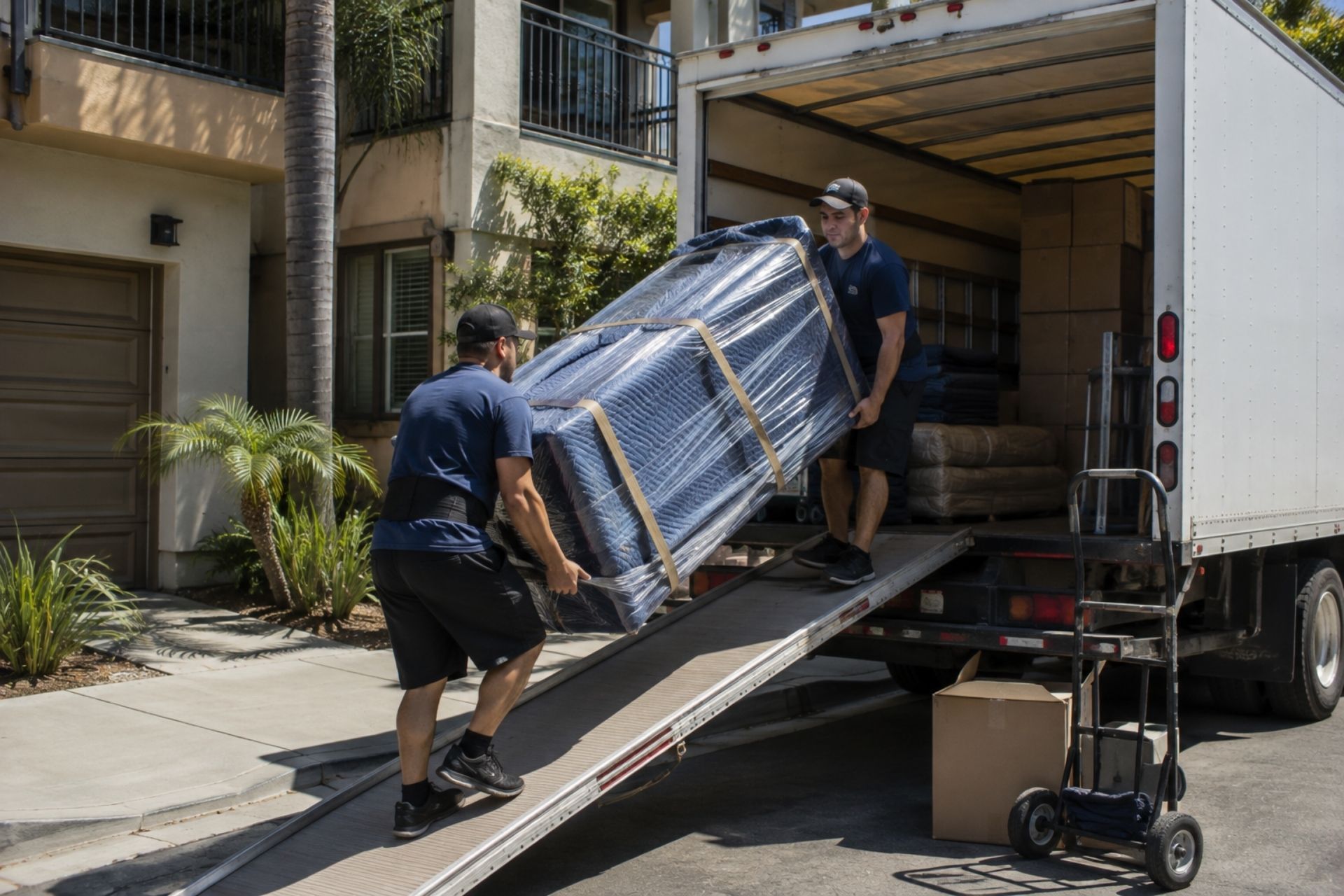
Running a moving and storage operation in Allentown means juggling trucks, warehouses, customer belongings, and a maze of state and federal regulations. One misstep with insurance coverage can cost you everything you've built. I've seen companies lose their PUC license over lapsed policies and others face six-figure lawsuits because they thought basic coverage was enough. The Lehigh Valley's mix of residential neighborhoods, commercial districts, and proximity to major interstate routes creates unique risks that generic insurance packages simply don't address.
Whether you're hauling furniture across town or storing household goods for months, your insurance needs extend far beyond what most business owners initially expect. Pennsylvania requires household goods movers to be licensed by the Public Utility Commission, which regulates rates, service areas, safety, and insurance requirements. Getting this wrong doesn't just mean fines: it means losing your ability to operate legally. The coverage decisions you make now determine whether a single claim becomes a minor setback or a business-ending catastrophe.
This guide breaks down exactly what Allentown moving and storage companies need, what it costs, and how to structure your coverage without overpaying. We'll cover everything from PA PUC requirements to specialized add-ons that protect your warehouse operations.
Essential Insurance Coverage for Allentown Moving Companies
Your insurance portfolio needs to address three distinct risk categories: your vehicles, the items you transport, and your general business operations. Skipping any of these creates gaps that claims adjusters love to exploit.
Commercial Auto and Fleet Liability
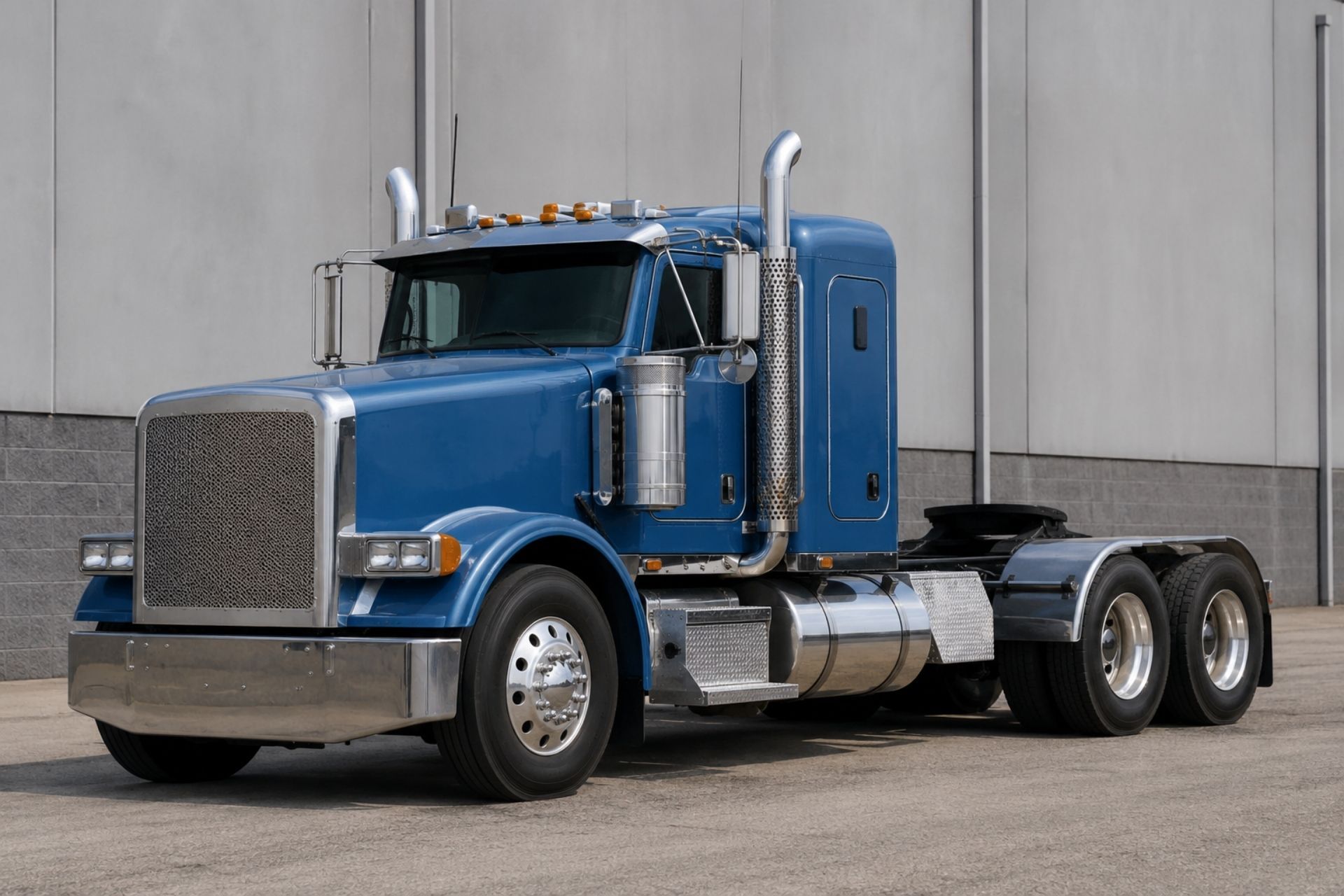
Your trucks are both your biggest asset and your greatest liability exposure. Pennsylvania mandates minimum liability coverage ranging from $300,000 to $750,000 depending on vehicle size. That sounds like a lot until you consider what happens when a loaded moving truck causes a multi-vehicle accident on Route 22 during rush hour.
Commercial auto policies for moving companies differ from standard business auto coverage. They need to account for the unique risks of operating heavy vehicles loaded with shifting cargo. Your policy should include:
- Liability coverage meeting or exceeding PA PUC minimums
- Physical damage coverage for your fleet
- Hired and non-owned auto coverage for temporary vehicles
- Medical payments coverage for driver injuries
Champion Risk works with Allentown moving companies to structure fleet policies that account for local driving conditions, including the challenging terrain around South Mountain and the congested corridors near the Lehigh Valley Mall.
Cargo and Inland Marine Insurance
The items inside your trucks need separate protection. Pennsylvania requires minimum cargo insurance of $5,000 per vehicle for loss or damage to freight being transported. That minimum barely covers a single bedroom set, let alone a household of belongings.
Inland marine insurance covers goods in transit and often extends to items temporarily stored in your warehouse. The key is matching your coverage limits to the actual value of what you're moving. A customer's antique piano collection requires different protection than standard household furniture.
General Liability and Warehouse Legal Liability
General liability covers the basics: someone slips on your loading dock, your employee damages a customer's property during setup, or a passerby gets injured near your truck. Moving companies pay an average of $120 per month, or $1,440 annually, for general liability insurance.
Warehouse legal liability is a separate coverage that protects stored goods while they're in your facility. Standard general liability doesn't cover customer property in your care. If your Allentown storage facility floods or catches fire, you need specific coverage for the items inside.


By: Mark Raby
Chief Executive Officer at Champion Risk & Insurance Services
Pennsylvania Regulatory Requirements and Licensing
Pennsylvania's regulatory framework for movers is more complex than most states. Understanding these requirements isn't optional: it's the foundation of legal operation.
Pennsylvania Public Utility Commission (PA PUC) Standards
The PA PUC treats moving companies as public utilities, which means extensive oversight. You need a certificate of public convenience before you can legally move household goods for compensation. This certificate requires proof of adequate insurance, a tariff filing showing your rates, and demonstrated fitness to operate.
The Pennsylvania Moving & Storage Associates (PMSA) represents the professional moving industry throughout the state and helps members navigate these requirements. Joining industry associations provides access to compliance resources and regulatory updates.
FMCSA and USDOT Compliance for Interstate Movers
If any of your moves cross state lines, federal regulations kick in. The Federal Motor Carrier Safety Administration requires USDOT numbers, operating authority, and higher insurance minimums than Pennsylvania alone requires. Interstate movers typically need $750,000 in liability coverage regardless of vehicle size.
Many Allentown companies handle moves to New Jersey, New York, and other nearby states regularly. Even occasional interstate work triggers federal requirements. Champion Risk helps local movers understand when federal compliance becomes necessary and how to structure coverage that satisfies both state and federal regulators.
Workers' Compensation Mandates in Pennsylvania
Pennsylvania requires workers' compensation coverage for nearly all employers. Moving work is physically demanding, and injury rates run higher than many industries. Back injuries, dropped items, and vehicle accidents create regular claims.
Your workers' comp premiums depend heavily on your experience modification rate, which reflects your claims history compared to similar businesses. New companies start at a baseline rate, while established operations with good safety records can see significant discounts.
Factors Influencing Insurance Costs in the Lehigh Valley
Insurance pricing isn't arbitrary. Understanding what drives your premiums helps you make strategic decisions about fleet size, hiring, and operations.
Fleet Size and Driver Experience Records
Every vehicle you add increases your exposure and your premium. Insurers look at:
| Factor | Impact on Premium |
|---|---|
| Number of vehicles | Direct correlation: more trucks equals higher base premium |
| Vehicle age and condition | Older trucks cost more to insure due to breakdown risk |
| Driver MVR records | Clean records reduce rates by 15-25% |
| Average miles driven | Higher mileage increases accident probability |
Driver selection matters enormously. One driver with multiple violations can spike your entire fleet's premium. Requiring clean driving records and conducting regular MVR checks protects your rates.
Claims History and Safety Ratings
Your loss history follows you for years. A single large claim can increase premiums for three to five years. Multiple smaller claims sometimes hurt more than one large one because they suggest systemic problems.
Safety ratings from the FMCSA also affect interstate carriers. Poor scores can make coverage difficult to obtain at any price. Maintaining good CSA scores keeps your options open and your premiums manageable.

Specialized Add-ons for Storage Operations
Storage operations create risks that standard moving policies don't address. These add-ons fill critical gaps.
Customer Goods Legal Liability
This coverage protects customer belongings while stored in your facility. Standard property insurance covers your building and equipment, not customer items. Customer goods legal liability covers:
- Fire, smoke, and water damage
- Theft and vandalism
- Collapse and certain weather events
Coverage limits should match the total value of goods you typically store. Underinsuring here creates massive exposure during a major loss event.
Cyber Liability for Digital Inventory Systems
Modern storage operations use digital systems to track inventory, process payments, and store customer information. A data breach exposing customer addresses, credit cards, or stored item details creates liability that general policies exclude.
Cyber liability coverage handles breach notification costs, credit monitoring for affected customers, legal defense, and regulatory fines.
Full Value Protection from moving companies costs between 1% and 2% of overall property value, but cyber coverage is separate and increasingly essential as operations digitize.
Smart risk management lowers premiums while improving operations. These strategies pay for themselves.
Implementing Telematics and Safety Training
Telematics systems track driver behavior: speeding, hard braking, rapid acceleration. Insurers offer discounts of 10-20% for companies using these systems because the data proves safer driving habits.
Formal safety training programs demonstrate commitment to risk reduction. Document everything: training dates, topics covered, employee attendance. This documentation supports lower rates and provides defense in liability claims.
Bundling Policies with Allentown Providers
Combining multiple policies with one carrier typically generates discounts of 10-15%. A package including commercial auto, general liability, and workers' compensation costs less than purchasing each separately.
Champion Risk structures bundled programs for Lehigh Valley moving companies that address all coverage needs while maximizing available discounts. Working with a broker who understands local market conditions helps identify carriers offering the best combination of coverage and pricing.
Frequently Asked Questions
How much liability insurance do Allentown movers need? Pennsylvania requires $300,000 to $750,000 depending on vehicle size. Interstate movers need $750,000 minimum under federal law.
Does my commercial auto policy cover customer belongings? No. You need separate cargo or inland marine insurance to cover items you're transporting.
What happens if my insurance lapses? The PA PUC can suspend or revoke your operating authority. You cannot legally operate without current coverage.
Is workers' compensation required for small moving companies? Yes. Pennsylvania requires workers' comp for nearly all employers, with very limited exceptions that rarely apply to moving operations.
How can I lower my moving company insurance costs? Maintain clean driver records, implement telematics, document safety training, and bundle policies with one carrier.
Making the Right Coverage Decisions
Getting insurance right for your Allentown moving and storage company requires balancing regulatory compliance, adequate protection, and manageable costs. The PA PUC sets minimum requirements, but minimums rarely provide sufficient protection for real-world claims.
Start by understanding your actual exposure: fleet value, typical shipment values, warehouse contents, and payroll. Build coverage that addresses each risk category without unnecessary overlap. Review policies annually as your operations change.
Contact Champion Risk to discuss your specific situation. Their team understands Lehigh Valley moving operations and can structure coverage that protects your business without overpaying for unnecessary add-ons.
About the Author:
Mark Raby
I am a seasoned insurance professional with over 30 years of experience in the industry. I lead Champion Risk & Insurance Services, a San Diego-based brokerage with nationwide reach and strong influence in the insurance marketplace. My core competencies include insurance agency M&A deals, captives and alternative risk structures, and commercial property and casualty insurance for clients in the transportation and logistics industries. I am a former president of IIAB San Diego and hold a Bachelor of Science in Finance from Western Michigan University’s Haworth College of Business.
Protection for Transportation Operations
Business Insurance for Transportation & Logistics Companies
Coverage designed specifically for transportation businesses
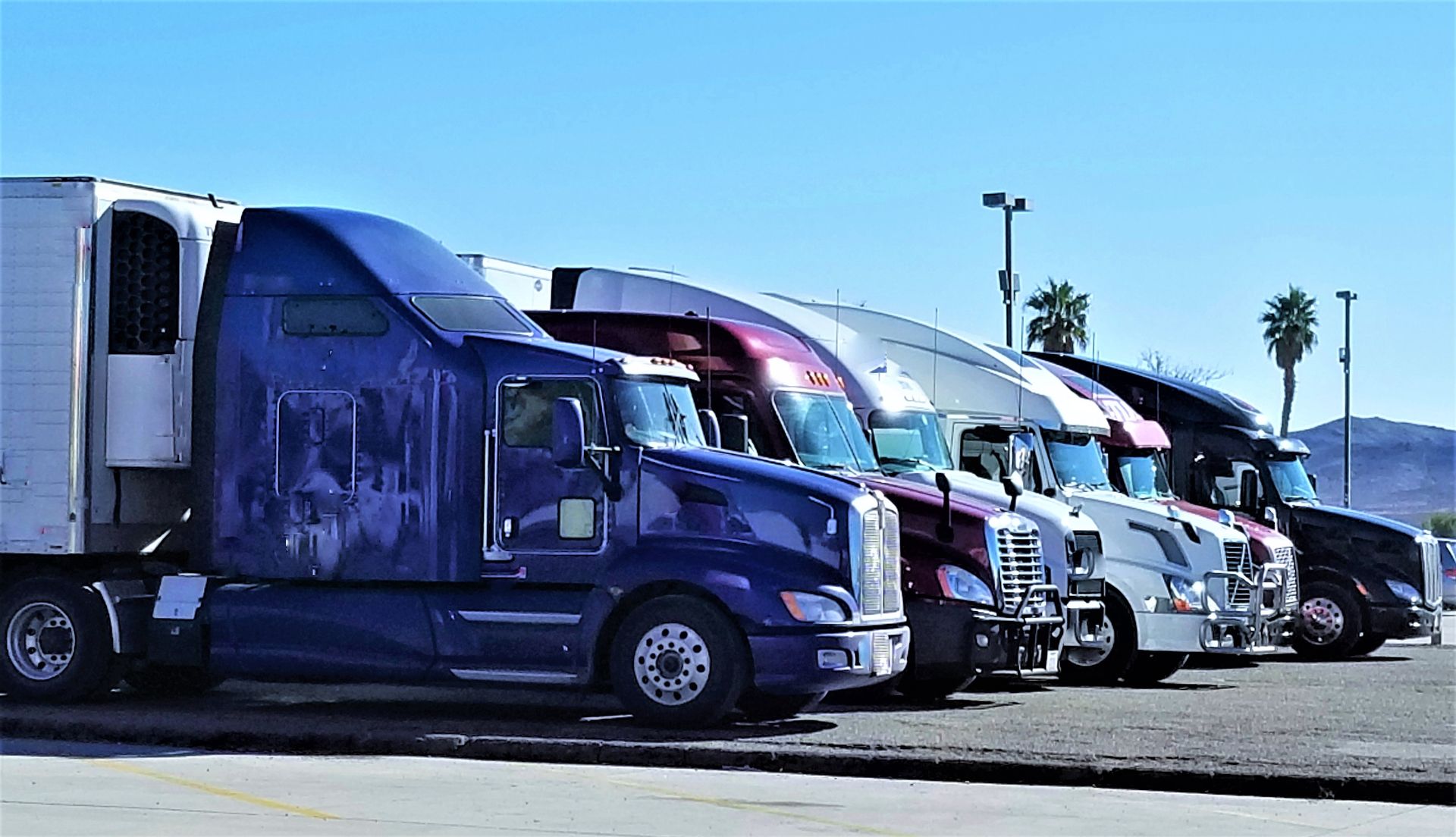
Commercial Auto & Trucking
Protection for your fleet including box trucks, moving vans, and trailers. Covers liability, collision, physical damage, and hired or non-owned vehicles used in your operations.
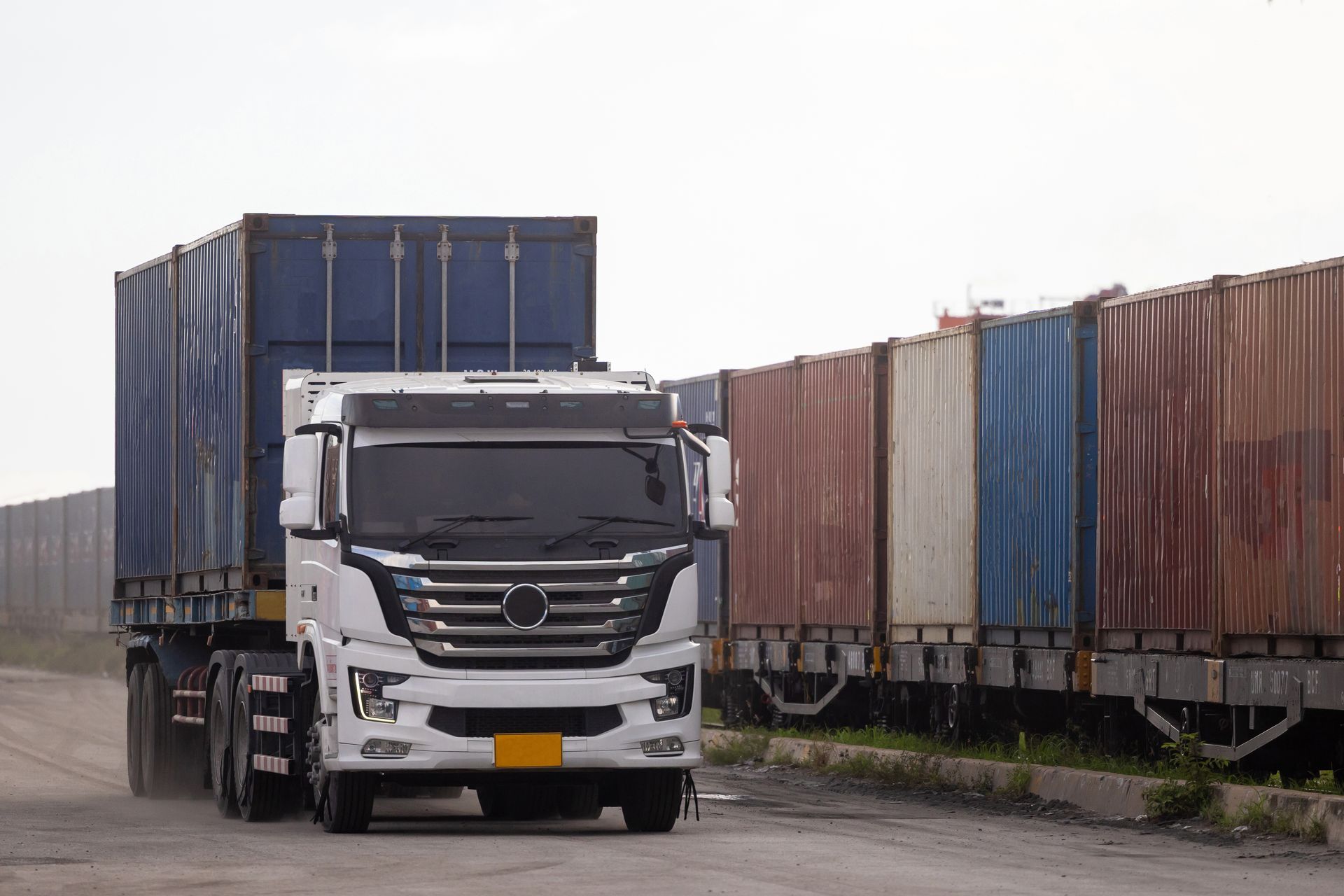
Motor Truck Cargo
Covers household goods and freight during transport from pickup to delivery. Protects against damage, theft, mysterious disappearance, and weather-related losses while cargo is in your care.

General Liability
Protection from third-party claims for bodily injury and property damage at customer homes, job sites, and your own facility. Essential coverage for every transportation operation

Warehouse Legal Liability
Coverage for customer property while stored in your facility. Protects against damage, theft, fire, and water damage to goods in your care, custody, or control.

Workers' Compensation
Medical care and wage replacement for employees injured on the job. Required in most states for transportation and warehouse work where physical labor creates higher injury risk.

Umbrella & Excess Liability
Higher liability limits stacked on top of your primary policies. Helps meet large contract requirements and protects your business assets against major claims and lawsuits.
Specialized Knowledge
Industries We Protect
Focused coverage for transportation and logistics businesses


Simple and Clear
How Our Process Works
Our process to get you covered
Connect With Us
Reach out through our form or by phone to share your business needs and current coverage situation.
Get Coverage Options
We review your risks, compare carriers, and present clear quotes with plain-language explanations.
Stay Protected
You choose your plan, and we provide ongoing support for certificates, claims, and renewals.
Trusted by Businesses
Feedback That Reflects Service and Reliability
What our clients say about working with Champion Risk
Answers You Need
Frequently Asked Questions
Common questions about transportation and logistics insurance




What insurance does a transportation company need to operate legally?
Motor carriers that cross state lines must meet FMCSA requirements. You need a minimum of $750,000 in liability coverage, plus a BMC-91 filing that proves your insurance to the federal government. Cargo coverage is also required, with minimums that depend on the type of goods you transport.
Intrastate operators follow state-specific rules. California, Texas, and Florida each have different requirements. Champion Risk handles both federal and state filings. We make sure your coverage meets legal minimums and your certificates reach the right agencies.
How much does commercial transportation insurance cost?
Premiums depend on your fleet size, driving records, cargo values, and claims history. A small operation with two trucks might pay $8,000 to $15,000 per year. A larger carrier with ten trucks could pay $50,000 to $100,000 or more.
The best way to control costs is working with a broker who knows transportation insurance. We find carriers that specialize in your exact operation type. This often results in better rates than going direct or using a general agent who doesn't understand the industry.
What is a BMC-91 filing and why do I need one?
A BMC-91 is a form your insurance company files with the FMCSA. It proves you carry the required liability coverage to operate as a for-hire motor carrier. Without an active BMC-91, your operating authority can be revoked.
Champion Risk works with carriers who file electronically. Your BMC-91 typically posts within 24 to 48 hours of binding coverage. We monitor your filing status and alert you if anything needs attention.
Does my warehouse or storage facility need different insurance than a trucking operation?
Yes. Storage facilities need warehouse legal liability coverage. This protects you when customer property is damaged or stolen while in your care. Standard general liability policies exclude this exposure.
You may also need property coverage for your building, equipment breakdown protection, and business income coverage if a fire or disaster shuts down operations. Champion Risk builds storage facility programs that address all these risks in one package.
Can you insure last-mile delivery drivers who use their own vehicles?
Yes. We offer hired and non-owned auto coverage for delivery operations that use independent contractors or employees driving personal vehicles. This fills gaps that personal auto policies don't cover during commercial use.
We also provide occupational accident coverage for 1099 drivers who aren't eligible for workers' comp. This protects your drivers and limits your liability exposure when accidents happen.
How fast can I get proof of insurance for a new contract?
Same day in most cases. Once we bind your policy, we issue certificates of insurance within hours. If your contract requires specific additional insured language or special endorsements, we coordinate directly with the carrier.
Rush requests happen often in this industry. General contractors and corporate clients demand certificates before they let you on site. Champion Risk prioritizes fast turnaround because we know your revenue depends on it.

Answers You Need
Transportation & Logistics Insurance Resources
Articles designed to inform and support your business
Contact Us
Phone Number:
Email Address:
Location:
12264 El Camino Real, Suite 350
San Diego, CA 92130
Hours:
Monday – Friday: 8:00 AM – 6:00 PM PT