General Liability Insurance for Transportation & Logistics Company
Or Call Us:
(800) 829-0807
A delivery driver slips on a wet floor at a client's warehouse and breaks his wrist. A forklift operator accidentally damages a shipper's loading dock. A customer claims your company's marketing materials contained false statements about delivery times. These scenarios share one thing in common: they're all covered under general liability insurance, not the commercial auto policy most transportation companies assume will protect them.
The distinction matters more than many logistics operators realize. While commercial auto covers incidents involving your vehicles on the road, general liability insurance for transportation and logistics companies handles everything that happens off the road: at your facilities, during loading operations, or through your business practices. According to Insureon, trucking businesses pay an average of $51 per month for this coverage, making it one of the more affordable protections available. Yet the claims it covers can easily reach six figures.
The logistics insurance market is growing at 13.6% annually through 2031, according to
PFA Protects, reflecting both increased awareness and rising claim values. Understanding what this coverage actually includes, what it costs, and what requirements you'll face helps you make informed decisions rather than discovering gaps after an incident occurs.
The Role of General Liability Insurance in Transportation
General liability serves as the foundation of business protection for logistics companies, covering risks that exist regardless of whether a single truck ever leaves the lot. This coverage addresses the human element of operations: interactions with clients, visitors, and the general public.
Defining General Liability vs. Commercial Auto Insurance
Commercial auto insurance covers accidents involving your vehicles: collisions, cargo damage during transit, and injuries to drivers or third parties from vehicle operations. General liability picks up where auto coverage stops. If a visitor trips over equipment in your dispatch office, that's general liability. If a truck backs into a building, that's typically auto coverage.
The confusion between these policies creates real problems. Champion Risk regularly encounters operators who assumed their motor carrier policy covered all business risks, only to discover their auto insurer denying claims for warehouse injuries or advertising disputes. These are fundamentally different coverage types addressing different risk categories.
Third-Party Bodily Injury and Property Damage Claims
The core function of general liability involves protecting against claims from people outside your organization. A UPS driver picking up packages at your facility who slips on ice in your parking lot can file a claim against your business. A shipper whose loading dock gets damaged during a pickup can seek compensation.
These claims happen more frequently than most operators expect. Busy terminals see dozens of visitors daily, from drivers to inspectors to sales representatives. Each interaction creates potential liability exposure. Federal law requires trucking businesses to maintain between $300,000 and $5 million in public liability insurance depending on freight type, according to
SmartFinancial, though many contracts require higher limits.


By: Mark Raby
Chief Executive Officer at Champion Risk & Insurance Services
Core Coverage Components for Logistics Providers
General liability policies contain several distinct coverage areas, each addressing specific risk categories common in transportation operations.
Premises Liability for Warehouses and Terminals
Warehouses and cross-dock facilities present concentrated liability risks. Forklifts moving constantly, pallets stacked high, trucks backing into bays, and workers from multiple companies sharing space creates an environment where injuries happen despite safety protocols.
Premises liability covers injuries occurring on property you own, lease, or control. This includes your main terminal, satellite facilities, and even temporary staging areas at customer locations where you're conducting operations. Coverage typically extends to conditions you knew about or should have reasonably discovered through regular inspections.
Products and Completed Operations Coverage
This coverage component addresses claims arising after your service is complete. If a shipper claims their product was contaminated during handling at your facility, products coverage responds. If cargo arrives damaged due to improper loading techniques, completed operations coverage may apply.
For third-party logistics providers handling food, pharmaceuticals, or other sensitive goods, this coverage becomes particularly important. A single contamination claim can easily exceed $100,000 in damages and legal costs.
Advertising and Personal Injury Protection
Personal injury coverage within general liability policies handles non-physical harms: defamation, false advertising, copyright infringement, and wrongful eviction claims. A competitor alleging you made false statements about their service reliability would trigger this coverage.
Transportation companies sometimes underestimate this exposure. Marketing claims about delivery times, service areas, or capabilities can create liability if they're perceived as misleading. Even social media posts from company accounts can generate claims.
Insurance pricing reflects risk assessment. Understanding what drives premiums helps you manage costs effectively and present your company favorably to underwriters.
Fleet Size and Annual Revenue Impact
Revenue serves as the primary rating basis for general liability premiums because it correlates with business activity and exposure. More revenue typically means more customer interactions, more facility visitors, and more opportunities for claims.
Insureon reports that freight brokers and forwarders pay an average of $146 monthly for general liability coverage, nearly three times what asset-based trucking companies pay. This difference reflects the higher volume of customer interactions and contractual relationships in brokerage operations.
Progressive Commercial found the median monthly cost for new customers at $60 in 2024, though transportation companies often fall above this baseline due to industry-specific risks.
Risk Profile of Cargo and Geographic Scope
Hazardous materials operations face higher premiums than general freight carriers. The potential severity of claims involving chemical spills or contamination justifies increased rates. Similarly, companies operating in litigation-heavy states like California, Florida, or New York typically pay more than those in less litigious jurisdictions.
| Factor | Lower Premium Impact | Higher Premium Impact |
|---|---|---|
| Cargo Type | General freight, dry goods | Hazmat, pharmaceuticals, food |
| Operating Territory | Rural, single state | Urban, multi-state, high-litigation states |
| Facility Type | Small office only | Large warehouse with public access |
| Claims History | Clean 5-year record | Multiple claims, any severity |
| Annual Revenue | Under $1 million | Over $10 million |

Industry Requirements and Compliance Standards
Beyond prudent risk management, transportation companies face regulatory and contractual requirements mandating specific coverage levels.
FMCSA Regulations and Federal Filings
The Federal Motor Carrier Safety Administration requires public liability coverage for all registered carriers. Minimum requirements range from $300,000 for non-hazmat freight to $5 million for certain hazardous materials. These requirements apply to auto liability rather than general liability specifically, but the distinction often confuses operators.
Filing requirements include BMC-91 forms for insurance certificates and BMC-91X forms for surety bonds. Carriers operating without proper filings risk authority revocation and substantial fines. Champion Risk helps clients navigate these requirements to maintain continuous compliance.
Contractual Mandates from Shippers and Brokers
Shippers and freight brokers often impose requirements exceeding federal minimums. A major retailer might require $2 million in general liability coverage before allowing a carrier into their routing guide. These contractual requirements have increased substantially over the past decade.
As
Gallaghernoted, "Business owners are concerned about ongoing supply chain disruptions stemming from product recalls, severe weather or wildfires,
cyber-attacks, and shutdowns of critical transport routes." This concern drives shippers to demand higher coverage limits from their transportation partners.
Strategies for Mitigating Risk and Reducing Rates
Insurance costs aren't fixed. Proactive risk management demonstrably reduces both claim frequency and premium rates.
Implementing Robust Safety and Training Programs
Documented safety programs signal to underwriters that you take risk management seriously. Regular training on proper lifting techniques, forklift operation, and housekeeping standards reduces premise liability claims. Visitor management protocols limit unauthorized access to hazardous areas.
Insurance companies increasingly offer premium credits for specific safety certifications and programs. Champion Risk works with clients to identify which programs provide the best return on investment in terms of both claim reduction and premium savings.
The Importance of Accurate Claims History Documentation
Your loss runs tell a story. Incomplete documentation or unexplained claims make underwriters nervous and drive rates higher. Maintaining detailed records of every incident, including those that didn't result in claims, demonstrates operational transparency.
When claims do occur, aggressive management matters. Quick response, thorough investigation, and appropriate legal defense can significantly reduce ultimate claim costs. These reduced costs flow through to future premiums through experience rating adjustments.
Frequently Asked Questions
What's the difference between general liability and cargo insurance? General liability covers injuries and property damage unrelated to the cargo itself. Cargo insurance specifically covers goods you're transporting. You need both.
Can I bundle general liability with my commercial auto policy? Yes. Most insurers offer commercial package policies combining multiple coverages. Bundling typically provides premium discounts of 10-15%.
How quickly can I get a certificate of insurance for a new shipper? Most insurers issue certificates within 24-48 hours. For urgent needs, same-day certificates are often available.
Does general liability cover employee injuries? No. Employee injuries fall under workers' compensation insurance, which is a separate required coverage in most states.
What happens if my coverage lapses? FMCSA receives notification of insurance cancellation and may revoke your operating authority. Gaps in coverage also create uninsured exposure for any incidents during the lapse period.
Making the Right Coverage Decision
General liability insurance for transportation companies isn't optional, either practically or legally for many operations. The coverage protects against risks that exist every day your business operates, regardless of how many miles your trucks run.
Understanding the distinction between general liability and auto coverage prevents dangerous assumptions about protection. Knowing what factors drive costs helps you budget accurately and identify opportunities for savings. Meeting regulatory and contractual requirements keeps your authority active and your customer relationships intact.
Start by reviewing your current policy declarations page. Verify your coverage limits meet both regulatory minimums and customer contract requirements. Document your safety programs and claims history thoroughly. These steps position you for better rates and fewer coverage surprises when claims occur.
About the Author:
Mark Raby
I am a seasoned insurance professional with over 30 years of experience in the industry. I lead Champion Risk & Insurance Services, a San Diego-based brokerage with nationwide reach and strong influence in the insurance marketplace. My core competencies include insurance agency M&A deals, captives and alternative risk structures, and commercial property and casualty insurance for clients in the transportation and logistics industries. I am a former president of IIAB San Diego and hold a Bachelor of Science in Finance from Western Michigan University’s Haworth College of Business.
Protection for Transportation Operations
Business Insurance for Transportation & Logistics Companies
Coverage designed specifically for transportation businesses
Commercial Auto & Trucking
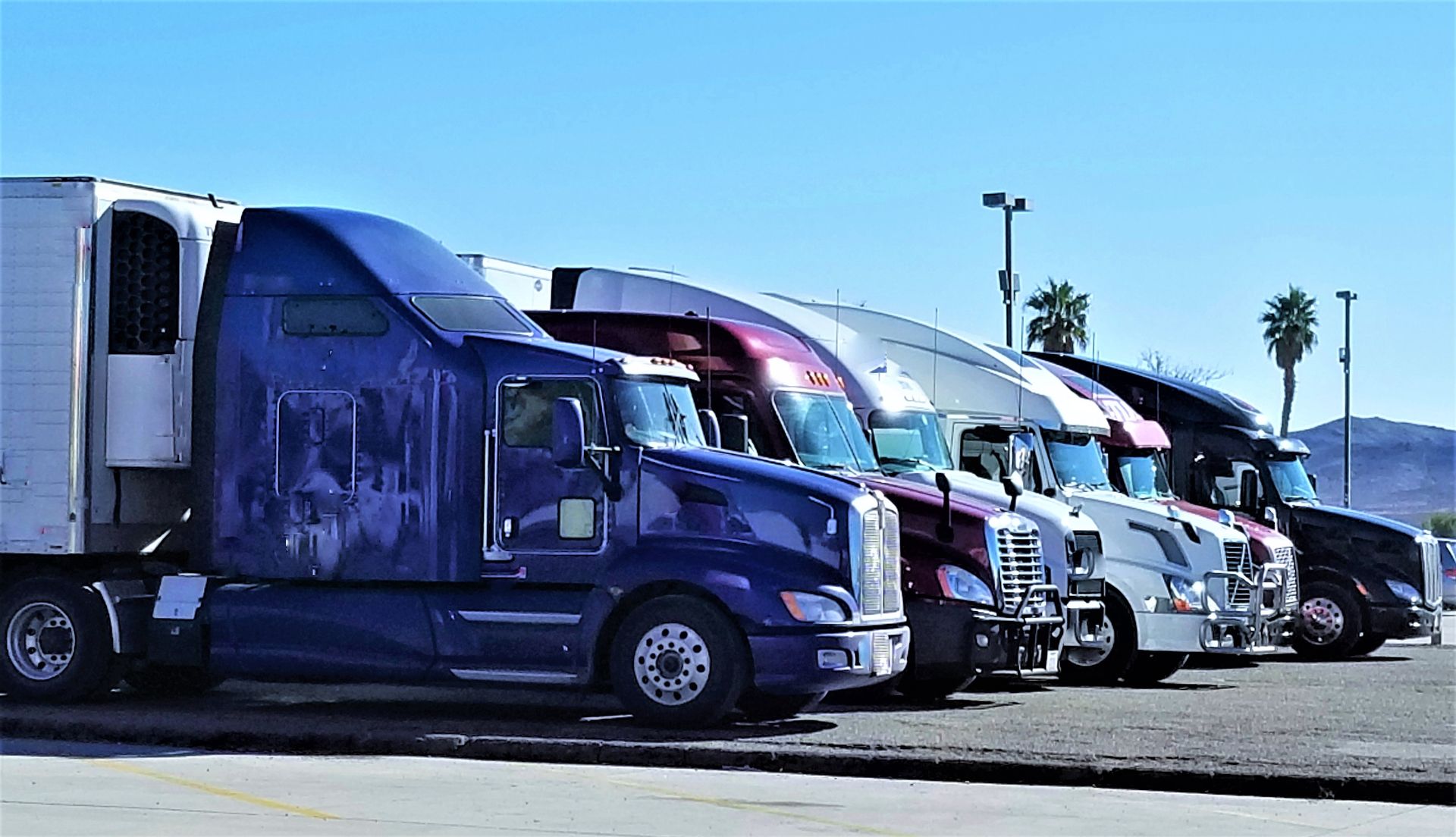
Protection for your fleet including box trucks, moving vans, and trailers. Covers liability, collision, physical damage, and hired or non-owned vehicles used in your operations.
Motor Truck Cargo
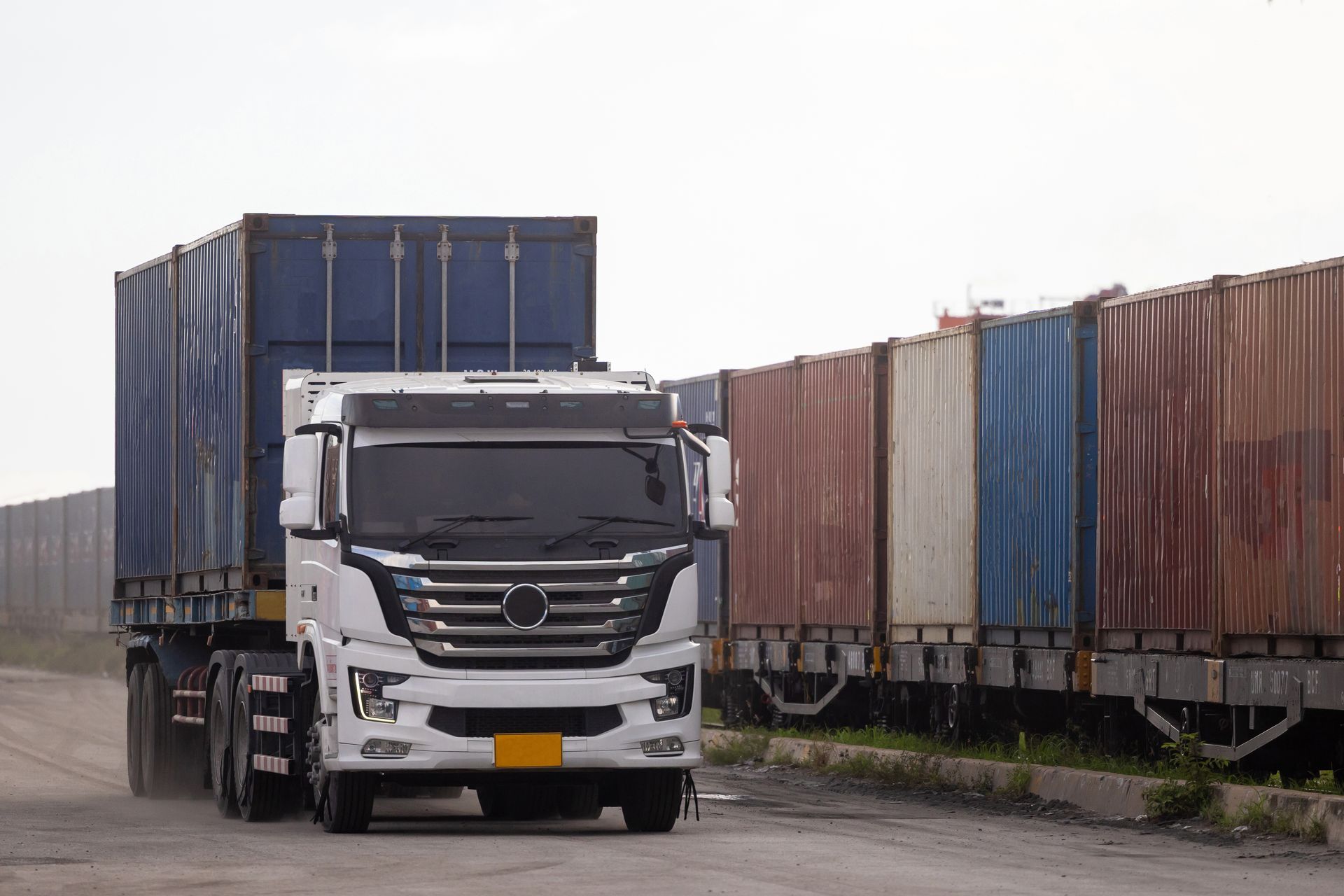
Covers household goods and freight during transport from pickup to delivery. Protects against damage, theft, mysterious disappearance, and weather-related losses while cargo is in your care.

General Liability
Protection from third-party claims for bodily injury and property damage at customer homes, job sites, and your own facility. Essential coverage for every transportation operation
Warehouse Legal Liability
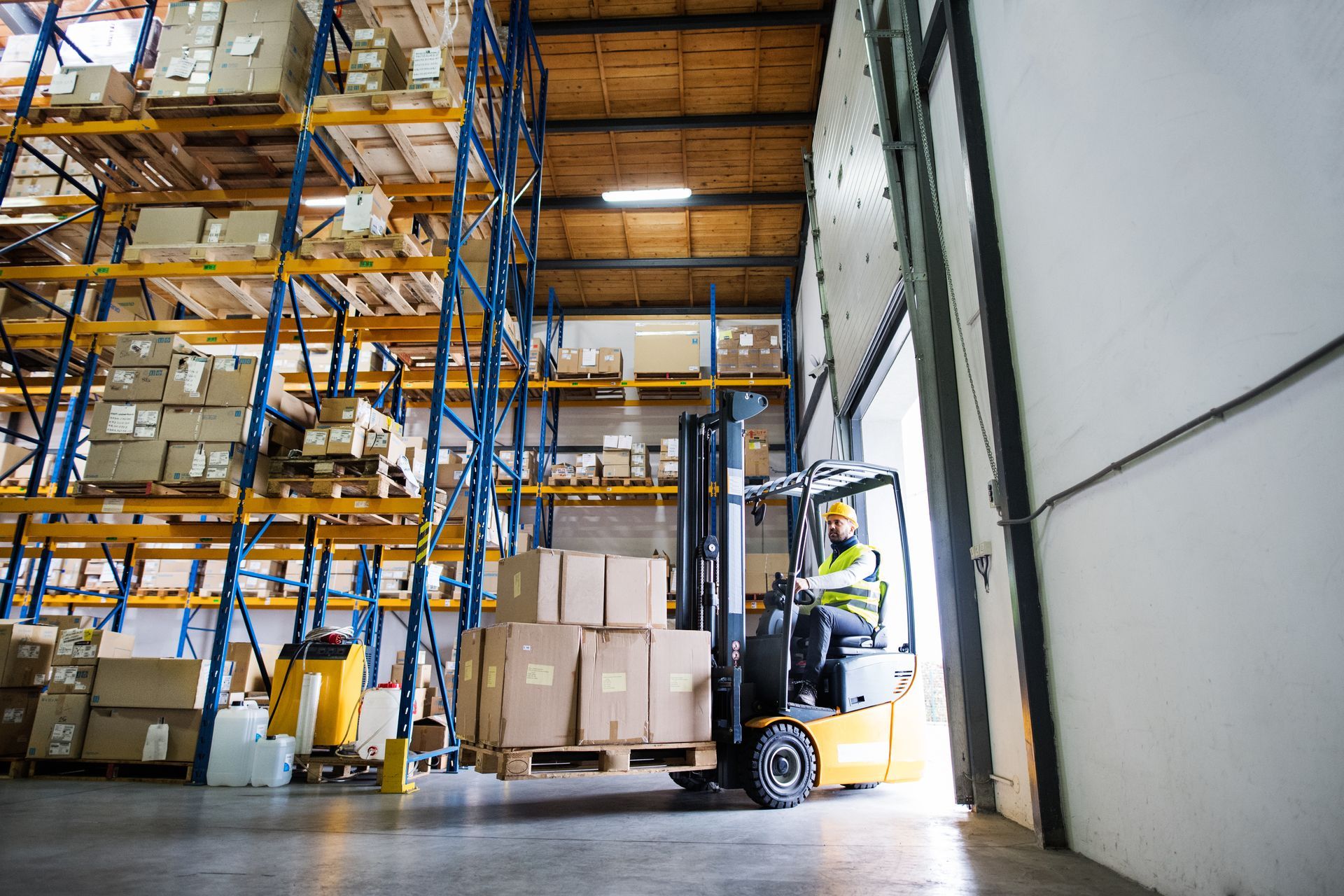
Coverage for customer property while stored in your facility. Protects against damage, theft, fire, and water damage to goods in your care, custody, or control.

Workers' Compensation
Medical care and wage replacement for employees injured on the job. Required in most states for transportation and warehouse work where physical labor creates higher injury risk.

Umbrella & Excess Liability
Higher liability limits stacked on top of your primary policies. Helps meet large contract requirements and protects your business assets against major claims and lawsuits.
Specialized Knowledge
Industries We Protect
Focused coverage for transportation and logistics businesses

Simple and Clear
How Our Process Works
Our process to get you covered
Connect With Us
Reach out through our form or by phone to share your business needs and current coverage situation.
Get Coverage Options
We review your risks, compare carriers, and present clear quotes with plain-language explanations.
Stay Protected
You choose your plan, and we provide ongoing support for certificates, claims, and renewals.
Trusted by Businesses
Feedback That Reflects Service and Reliability
What our clients say about working with Champion Risk
Answers You Need
Frequently Asked Questions
Common questions about transportation and logistics insurance



What insurance does a transportation company need to operate legally?
Motor carriers that cross state lines must meet FMCSA requirements. You need a minimum of $750,000 in liability coverage, plus a BMC-91 filing that proves your insurance to the federal government. Cargo coverage is also required, with minimums that depend on the type of goods you transport.
Intrastate operators follow state-specific rules. California, Texas, and Florida each have different requirements. Champion Risk handles both federal and state filings. We make sure your coverage meets legal minimums and your certificates reach the right agencies.
How much does commercial transportation insurance cost?
Premiums depend on your fleet size, driving records, cargo values, and claims history. A small operation with two trucks might pay $8,000 to $15,000 per year. A larger carrier with ten trucks could pay $50,000 to $100,000 or more.
The best way to control costs is working with a broker who knows transportation insurance. We find carriers that specialize in your exact operation type. This often results in better rates than going direct or using a general agent who doesn't understand the industry.
What is a BMC-91 filing and why do I need one?
A BMC-91 is a form your insurance company files with the FMCSA. It proves you carry the required liability coverage to operate as a for-hire motor carrier. Without an active BMC-91, your operating authority can be revoked.
Champion Risk works with carriers who file electronically. Your BMC-91 typically posts within 24 to 48 hours of binding coverage. We monitor your filing status and alert you if anything needs attention.
Does my warehouse or storage facility need different insurance than a trucking operation?
Yes. Storage facilities need warehouse legal liability coverage. This protects you when customer property is damaged or stolen while in your care. Standard general liability policies exclude this exposure.
You may also need property coverage for your building, equipment breakdown protection, and business income coverage if a fire or disaster shuts down operations. Champion Risk builds storage facility programs that address all these risks in one package.
Can you insure last-mile delivery drivers who use their own vehicles?
Yes. We offer hired and non-owned auto coverage for delivery operations that use independent contractors or employees driving personal vehicles. This fills gaps that personal auto policies don't cover during commercial use.
We also provide occupational accident coverage for 1099 drivers who aren't eligible for workers' comp. This protects your drivers and limits your liability exposure when accidents happen.
How fast can I get proof of insurance for a new contract?
Same day in most cases. Once we bind your policy, we issue certificates of insurance within hours. If your contract requires specific additional insured language or special endorsements, we coordinate directly with the carrier.
Rush requests happen often in this industry. General contractors and corporate clients demand certificates before they let you on site. Champion Risk prioritizes fast turnaround because we know your revenue depends on it.

Answers You Need
Transportation & Logistics Insurance Resources
Articles designed to inform and support your business
Contact Us
Phone Number:
Email Address:
Location:
12264 El Camino Real, Suite 350
San Diego, CA 92130
Hours:
Monday – Friday: 8:00 AM – 6:00 PM PT